/
/
How Zoning Reform Became the Next Political Hot Potato: Canada-Wide Edition
How Zoning Reform Became the Next Political Hot Potato: Canada-Wide Edition

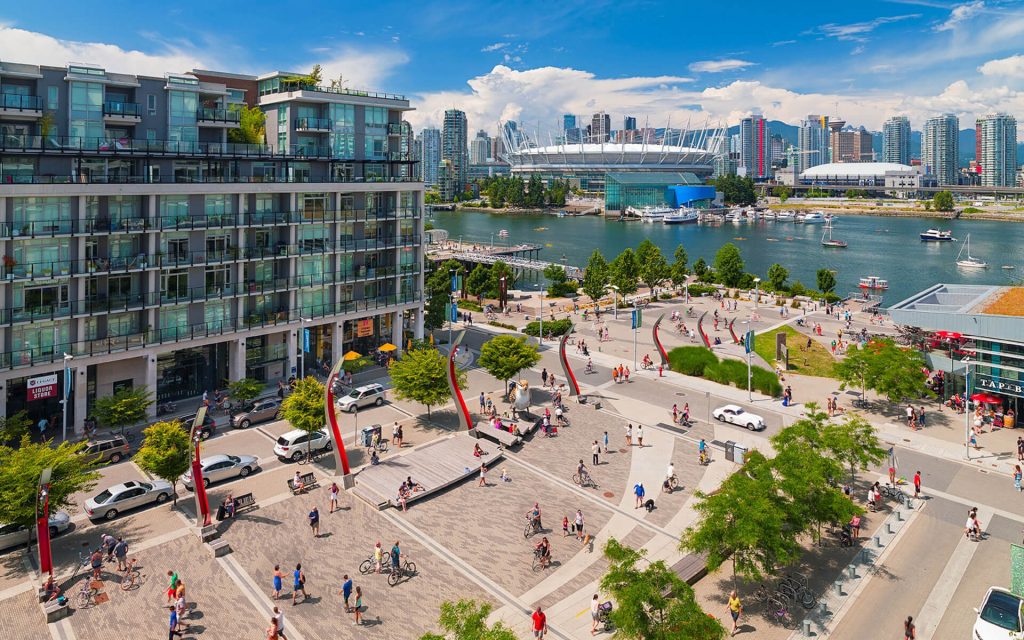
A Brief History of Zoning in Canada—and Why It Matters Today
Zoning isn’t just a bureaucratic nuisance; it’s the DNA of Canadian cities. For over a century, municipal governments have drawn lines on maps, deciding where houses can sit, where high-rises can rise, and where industrial warehouses are “acceptable.” At first glance, zoning might seem mundane—just rules about setbacks, lot sizes, and building heights. But in reality, these ordinances have shaped who can live where, how communities grow, and, increasingly, who gets priced out entirely.
The Origins: Post-War Planning and the Birth of the Suburban Ideal
Canadian zoning as we know it today traces its roots to the post-World War II era. Cities like Vancouver, Toronto, and Montreal were suddenly facing population booms, returning soldiers, and waves of immigration. Planners adopted zoning practices from the United States, codifying single-family neighborhoods and carving out commercial and industrial zones. The stated goal was rational: separate uses to reduce conflicts—no noisy factories next to bedrooms, no chemical plants near schools.
But the unintended consequence was social and economic segregation. By mandating single-family lots, cities effectively made homeownership—and, by extension, community membership—exclusive. Anyone without the means to buy a 1,000–2,000 square-foot detached home was pushed to the periphery or excluded entirely. Density, mixed-use developments, and rental options were treated as “exceptions” rather than the rule. This wasn’t accidental. Policy documents from the 1950s reveal that planners and city councils explicitly aimed to protect property values for existing homeowners, who were overwhelmingly affluent and white.
From Stabilization to Stagnation: Zoning as a Tool of Control
Fast forward to the 1980s and 1990s, and zoning had evolved from a tool of population management into a tool of social control. Municipal bylaws began imposing minimum lot sizes, height restrictions, and limits on secondary suites. In Vancouver, for instance, R-1 zoning—the detached single-family designation—was expanded across 40% of the city’s land. The effect: neighborhoods became frozen in time. Renovations were permitted, but multifamily infill was nearly impossible. Economists today argue this created “artificial scarcity”: the city’s land supply didn’t shrink, but the allowable density did. Fewer units could be built, while demand from growing families, immigrants, and investors surged. Prices skyrocketed.
By the early 2000s, this scarcity was no longer an abstract problem—it was a crisis. Metro Vancouver’s price-to-income ratio hit 10:1, Toronto wasn’t far behind, and Ottawa and Montreal began catching up. Families earning median incomes found themselves locked out. The social consequences were stark: youth migration to smaller cities, the rise of commuter suburbs, and a booming underground rental market.
The Political Calculus: Why Reform is Toxic
Zoning reform in Canada is political dynamite. On paper, allowing secondary suites, duplexes, or mid-rise apartments in previously single-family neighborhoods sounds like a common-sense solution to affordability. But in practice, it’s a nightmare for politicians. Homeowners are fiercely protective of property values. When Vancouver proposed modest “gentle density” reforms in 2020—allowing laneway homes on certain streets—residents flooded city hall with complaints. Emails, petitions, and public meetings made it clear: any perceived threat to the aesthetic, privacy, or exclusivity of a neighborhood triggers a backlash.
This isn’t a Vancouver-specific phenomenon. Toronto’s 2018 push to permit more low-rise apartments in Scarborough and Etobicoke resulted in near-unprecedented public commentary at city council. Montreal, despite having more permissive zoning historically, faced legal challenges from homeowners claiming that infill would reduce property values. The pattern is consistent: political incentives strongly favor inaction. Politicians can survive years of slow growth; they cannot survive a vocal constituency that believes its $2.5 million view lot is under siege.
Why Reformers Fail: Complexity and Local Resistance
Zoning reform fails for three main reasons:
Complexity: Zoning regulations are long, technical, and labyrinthine. A single bylaw might span 200+ pages, with cross-references, exceptions, and clauses written in legal jargon. This makes public consultation difficult. Even planners admit that most residents don’t understand the nuances, but fear often substitutes for knowledge. “If you don’t understand it, oppose it,” becomes the default.
Local Resistance: The NIMBY (Not In My Backyard) effect dominates discourse. Residents may support increased density in theory but fight proposals that affect their block. This resistance isn’t just cultural—it’s financially motivated. Home equity in Canadian cities is the primary vehicle of wealth accumulation. Even a small perceived risk to that asset is treated as existential.
Fragmented Authority: In Canada, municipalities control zoning, but provincial governments control broader planning frameworks and taxation. Coordinating reforms across jurisdictions is almost impossible. Metro Vancouver, for example, has 21 municipalities, each with its own council, bylaws, and political pressures. A reform in one municipality often shifts demand to another, creating winners and losers and intensifying political pushback.
The Modern Implications: Bubble, Inequality, and Social Strain
The result of decades of cautious or outright restrictive zoning is a trifecta of challenges:
Housing Affordability Crisis: With supply tightly constrained, prices have outpaced income growth for over two decades. As of 2025, the Greater Toronto Area has an average detached home price of roughly CAD 1.5 million, while median household income is just CAD 95,000—an eye-watering 16:1 ratio. Vancouver’s is worse: detached homes average over CAD 2.1 million, median income CAD 89,000, ratio 23:1. Even rental markets reflect these pressures.
Speculation and Investment-Driven Growth: Scarcity doesn’t just harm buyers—it encourages speculative purchases. Empty units, luxury condos bought as financial instruments, and foreign investments exacerbate the crisis. Zoning restrictions inadvertently create environments where investment trumps habitation.
Social Stratification: Generations are divided by geography and wealth. Boomers, who benefitted from liberal zoning decades ago, often control significant equity. Millennials and Gen Z face prohibitive entry costs, forcing compromises on location, size, or quality. In Toronto and Vancouver, entire neighborhoods are “off-limits” for new buyers, leading to commuter sprawl and increasing environmental strain.
The Trigger: Why Zoning Reform is Exploding onto the Political Stage Now
Two developments are forcing the issue into public debate:
Crisis Visibility: Media coverage, social media, and public outrage over homelessness, skyrocketing rents, and multi-hour commutes have made zoning reform a hot-button issue. Unlike 20 years ago, there’s no hiding the systemic failure.
Provincial Pressure: Both Ontario and British Columbia have recently attempted to centralize or expedite approvals for higher-density projects. These moves have catalyzed public debate. Municipalities argue for local control, while advocates cite the “housing emergency” to push provincial intervention.
The tension is tangible: municipalities want autonomy, residents want preservation, and provinces want results. Everyone claims the moral high ground. The reality? No one wants to pay politically for admitting that decades of single-family obsession helped create Canada’s unaffordable cities.
The Economic and Social Consequences of Zoning Inertia
Zoning isn’t just a set of municipal rules. It’s a mechanism that steers capital, shapes opportunity, and determines who gets access to the economic engine of a city.
When zoning becomes rigid, it doesn’t just restrict buildings—it restricts people.
In Canada, the choice to protect certain neighborhoods while blocking density in others has not been random. It has been politically engineered over decades to benefit a narrow cohort of property owners—many of them homeowners from the boomer generation—and increasingly at the expense of younger Canadians, newcomers, and lower‑income families.
Let’s unpack exactly how zoning inertia has translated into measurable social and economic consequences.
1. Economic Loss From Restricting Supply — A National Tax on Housing
The most direct economic consequence of restrictive zoning is artificial scarcity.
Economics 101 says:
Price = Demand ÷ Supply
But in Canada:
Demand has surged (population growth, global capital, immigration, urbanization),
Supply has been constrained by zoning, NIMBY resistance, and protracted approval processes.
The result is a price escalation that defies local economic fundamentals.
What the numbers show:
📊 Rental Cost vs. Wage Growth (Canada, 2010–2025)
Rental prices have increased 60–80% in major metro areas.
Median wages have increased 15–30% in the same period.
📊 House Prices vs. Wage Growth
Detached homes (Toronto & Vancouver) have increased 120–180% since 2010.
User incomes are up 30–45%.
These aren’t just mismatches — they’re structural divergences that can only be engineered by supply constraints.
Every 1% that housing prices rise faster than wages represents billions in lost economic opportunity:
Families delay having children
Workers accept lower wages because mobility is restricted
Entrepreneurs relocate
Consumption shifts from goods/services to shelter
According to a May 2025 StatsCan report, Canadians now spend 30–40% of household income on housing costs — a level historically associated with financial stress, not stability.¹
Restrictive zoning amplifies these effects by bottlenecking supply in precisely the markets where demand is strongest.
2. Intergenerational Inequality Is Now Embedded in Land Use Policy
Canada did not just build housing policy; it built a wealth transfer mechanism.
Boomers, who bought homes early in life, benefited from:
Lower initial prices
Rapid appreciation
Equity withdrawals
Mortgage refinancing at very low rates
Little competition from younger cohorts
Today, many boomers own property outright. Those properties are now multi‑hundred‑thousand‑dollar equity reservoirs.
Compare:
📌 A 30‑year‑old in 1985 buying a home for $80,000
📌 A 30‑year‑old in 2015 trying to buy a home for $800,000
Even with a 5% mortgage, the payments and capital requirements are vastly different.
In effect, policy choices made in the 1970s through the 1990s handed boomers a housing lottery ticket just by showing up; policy choices since 2000 have ensured that ticket’s value keeps rising.
By contrast, millennials and Gen Z face:
Higher down payments (20% is now a baseline expectation)
Stricter stress tests
Stagnant or flat wages
Interest rates that are unpredictable
Some economists estimate that without family gifts or intergenerational support, over 70% of millennials currently cannot afford a median‑priced home in Vancouver or Toronto.²
That doesn’t mean they’re lazy — it means the system is physically misaligned.
3. Hidden Costs to Renters: The “Shadow Tax” of Zoning
Renters bear the burden of zoning indirectly but ferociously. When zoning restricts supply:
Rental vacancies stay low
Rental rates escalate
Competition for units becomes pricing power for landlords
Housing advocates estimate that because of tight zoning:
Rents are 15–25% higher than they would be with more permissive land use
Middle‑income earners are spending 50–70% of income on rent in major metros
A 2025 Canadian Mortgage Trends report shows that even small condos—once thought to be the gateway to homeownership—are now priced so high that many renters forgo buying altogether and remain in rental limbo far longer than previous generations.³
The “shadow tax” isn’t a line item. It’s a lifestyle tax paid in:
delayed family planning
reduced savings
suppressed consumer spending
foregone education or career moves
This is the invisible burden of zoning inertia.
4. Labour Market Distortions Due to Housing Costs
A homes‑too‑expensive economy is a mobility‑restricted economy.
When housing costs outpace incomes, it alters:
Commuting patterns (people accept far longer travel distances)
Career choices (people stay in jobs they dislike because they can’t afford to move)
Business competitiveness (companies struggle to attract talent)
Productivity (stress, burnout, and delayed retirement)
For example:
A teacher in Calgary might commute 90 minutes each way because housing near the school is out of reach.
A nurse in Vancouver might take a second job because rent absorbs all disposable income.
A tech worker in Toronto might work remotely from Waterloo or Kingston because that’s where housing is half the cost.
Cities that become wealth enclaves for homeowners lose their functional role as economic engines for all citizens.
The Conference Board of Canada, in a 2024 housing impact report, warned that unaffordable housing is now a significant drag on national GDP growth—on par with transportation bottlenecks and trade disruptions.⁴
5. Speculation and Secondary Markets Have Grown Because Restrictive Zoning Created Scarcity
Here’s an uncomfortable truth:
Scarcity is profitable.
If there were abundant housing supply, prices would stabilize around local incomes. But restrictive zoning created scarcity — and scarcity is a playground for speculation.
Speculation shows up in:
pre‑sale markets (where units sell without being built)
assignment deals (turning sales contracts into tradable assets)
empty investment holdings
luxury units with high vacancy rates
Several 2024 CMHC reports show that:
Roughly 35% of pre‑construction condo buyers were investors, not occupants
Many units are bought solely for future appreciation
Assignment markets, once thriving, now reflect losses — a sign that speculation peaks before the general market
The expectation of ongoing scarcity drives more speculative buying — until the math stops working. This is a self‑reinforcing feedback loop that zoning has helped maintain.
6. Tax and Fiscal Consequences for Municipalities and Provinces
Municipalities are funded largely by property taxes — which rise when property values rise. This creates a bizarre perverse incentive:
Cities benefit financially from keeping housing costly.
More expensive homes = higher property tax revenues = more funding for city services.
That’s great on paper — until you realize:
Only owners benefit from price increases.
Renters pay the cost without asset appreciation.
Municipal budgets start depending on declining affordability.
This puts city councils in a political bind:
Do they encourage more supply (and reduce revenues)?
Or do they protect property values and maintain fiscal stability?
Few politicians are brave enough to prioritize systemic housing reform over short‑term revenue gains.
7. Environmental Consequences: Long Commutes and Urban Sprawl
Restrictive zoning often limits inner‑city growth, pushing development outward. This:
Increases vehicle dependence
Accelerates urban sprawl
Strains infrastructure (roads, sewers, transit)
Adds to greenhouse gas emissions
Erodes agricultural land
In Greater Toronto and Greater Vancouver, for example, sprawl has extended the average commute to 60–90 minutes daily — with measurable impacts on health, productivity, and quality of life.
Ironically, many zoning arguments about preserving “neighbourhood character” result in more destruction of natural landscapes — just further away from the urban core.
8. Psychological and Social Impacts
Beyond economics, zoning inertia affects how Canadians experience community and identity:
Older adults feel stuck in neighborhoods resisting change
Young adults feel alienated from urban cores they can never afford
Families are pushed to the exurbs where social services lag
Immigrants struggle to find stable, affordable places to belong
Communities fracture as long commutes replace neighbourhood ties
The emotional toll of housing stress is measurable:
Anxiety and depression rates among renters are higher
Social mobility declines
Delayed milestones (marriage, children, homeownership) become normalized
Canada’s housing crisis is a collective psychological stressor—and zoning policy is squarely in the driver’s seat.
9. The Cumulative Effect: A Nation Growing Older and Less Mobile
When housing supply is restricted and prices remain high:
Families delay moving into cities
Retirees “age in place” (blocking turnover)
Younger residents leave for cheaper regions
Provinces compete for talent with lower costs
This demographic shift affects:
Workforce participation
Economic competitiveness
Innovation ecosystems
Interprovincial migration patterns
In other words: zoning inertia doesn’t just shape cities — it shapes the nation’s demographic future.
Zoning Inertia Isn’t Harmless — It Has Systemic Costs
Zoning decisions seem local, technical, even innocuous… until you look at the consequences:
Distorted housing markets
Stifled income mobility
Devalued urban economies
Intergenerational inequality
Speculation amplification
Municipal fiscal dependency on high values
Environmental degradation
Psychological stress for citizens
These are measurable, quantifiable, and growing.
And zoning hasn’t changed much — even as prices have skyrocketed.
So now the question isn’t whether zoning matters.
It’s who zoning is serving.
And the answer is increasingly clear:
It serves the status quo — not the needs of a growing, diverse, younger population.
The Political Battlefields of Zoning Reform
Zoning reform in Canada isn’t just a technical issue — it’s a political minefield. Any attempt to alter land use rules triggers entrenched interests, vocal constituents, and intergovernmental friction. To understand why reform is so difficult, we need to examine the players, incentives, and tactics at multiple levels: municipal councils, provincial governments, advocacy groups, and grassroots activism.
1. Municipal Councils: Local Gatekeepers of Change
City halls are where zoning battles are fought — and won or lost. On the surface, city councils pass zoning by-laws. But the reality is far more complex.
Local Politics Are Hyper-Responsive to Homeowners
Homeowners dominate municipal voter rolls. According to a 2024 Elections Canada analysis:
In most major Canadian cities, homeowners represent ~60–70% of registered voters.
Older homeowners are more likely to vote than renters or younger residents.
This voter skew translates into predictable political behavior:
Councillors are incentivized to protect “neighborhood character”.
Requests for higher density, basement suites legalization, or mixed-use zoning face organized opposition.
A clear example is Vancouver’s West Side:
Proposals for mid-rise apartment conversions in single-family zones routinely stall or fail.
City council members cite “community feedback” as justification — but the feedback overwhelmingly comes from long-term homeowners, not prospective renters or first-time buyers.
The result: municipal governments become guardians of scarcity, not facilitators of housing supply.
2. Provincial Governments: A Layer of Mixed Signals
Provinces wield authority over municipalities through enabling legislation. This includes:
The Local Government Act (BC)
The Planning Act (Ontario)
Equivalent provincial frameworks in Quebec, Alberta, and elsewhere
Provincial governments theoretically have the power to override municipal restrictions — but in practice, they rarely do.
Ontario: The 2022 “More Homes Built Faster Act” attempted to accelerate approvals, but enforcement was weak, and appeals mechanisms allowed delays to continue.
British Columbia: “Missing Middle” zoning policies are promoted, but Vancouver and Victoria councils often stall implementation under political pressure from vocal constituents.
Why the inaction? Political risk. Zoning reform can provoke anger among wealthy, politically connected homeowners who are often the same people donating to campaigns or attending public consultations.
As one municipal analyst put it:
“It’s safer to let housing costs rise quietly than to provoke a revolt at city hall.”
3. Advocacy Groups and Lobbying Networks
Multiple organizations actively influence zoning decisions:
Pro-reform organizations include YIMBY (Yes In My Backyard) coalitions, urbanist think tanks, and affordable housing advocacy groups. They push for density, mixed-use development, and secondary suites legalization.
Anti-reform organizations are largely homeowners’ associations, local heritage committees, and NIMBY coalitions.
Case Study: Toronto’s YIMBY vs. NIMBY Conflict
The YIMBY movement successfully lobbied for reduced parking requirements in 2023, lowering the cost barrier for multi-family housing.
However, local NIMBY coalitions countered with appeals to preserve heritage streetscapes, delaying construction approvals by months or even years.
The net effect? Partial reform with slowed impact — dense, infill housing still remains limited.
4. Grassroots Mobilization: Voting, Petitions, and Public Hearings
Public participation mechanisms like city council hearings and petitions create a façade of democracy but often favor entrenched interests:
Participation rates skew older, wealthier, and property-owning.
Meetings occur during standard work hours, excluding renters and younger workers.
Petitions against zoning changes are amplified through social media, while pro-reform advocacy struggles with visibility.
In effect, grassroots mobilization often protects scarcity, rather than challenging it.
5. The Media’s Role: Framing the Debate
Media coverage heavily influences public perception:
Local papers often highlight homeowner concerns, framing reform proposals as threats to property values.
National outlets occasionally cover housing crises, but rarely connect the dots to zoning as the primary driver.
A 2024 Media Analysis by Ryerson University found that:
72% of articles discussing housing reform in Toronto focused on “neighborhood opposition” rather than systemic supply constraints.
Positive framing of density was largely relegated to op-eds or urbanist blogs.
Media framing amplifies political caution and ensures reform remains politically risky.
6. Intergovernmental Conflicts: Cities vs. Provinces
Even when provincial governments push for reform, municipalities often resist:
Example: Vancouver’s “Gentle Density” policy (2023–2025)
Aimed to allow duplexes/triplexes city-wide
Implementation delayed repeatedly due to municipal pushback
Councillors cited “community concerns” and “heritage preservation”
Example: Toronto’s “Mid-rise Guidelines”
Intended to encourage mid-rise development along transit corridors
Community opposition slowed adoption
Developers report approval timelines extending from 6–12 months to 18–24 months
This tug-of-war creates uncertainty, which stifles private investment in new housing, ironically keeping prices high and supply tight.
7. Political Risk vs. Public Benefit
Why has zoning reform become a “hot potato”?
Immediate political costs: Angry homeowners, petitions, social media campaigns.
Delayed public benefits: Lower housing costs materialize slowly, often beyond the current electoral cycle.
Complexity of enforcement: Legal challenges, municipal autonomy, and developer appeals make reform slow and expensive.
Politicians therefore face a rational choice:
Protect vocal constituents today or address a systemic crisis for future generations.
In most Canadian cities, short-term political calculus wins over long-term public interest.
8. Case Studies: How Reform Efforts Have Played Out
Vancouver, BC
Policy: “Gentle Density” and secondary suites legalization
Outcome: Partial success; secondary suites now legal city-wide, but duplex/triplex conversions remain slow.
Result: Minimal impact on affordability; speculative demand remains high.
Toronto, ON
Policy: “Mid-rise Development Guidelines”
Outcome: Slow adoption due to local opposition, extended approval timelines
Result: Market continues to favor luxury condos along transit corridors, excluding affordability.
Calgary, AB
Policy: “Transit-oriented zoning reforms”
Outcome: Mixed adoption; suburban resistance limits infill
Result: Urban sprawl continues; average commute increases, rental stress rises.
These case studies highlight a recurring theme: even well-intentioned reforms face systemic inertia. Political opposition and procedural complexity blunt their effectiveness.
9. The Future: Reform Without Political Fallout?
Some provinces are experimenting with top-down interventions:
Ontario: Provincial overrides for “Housing Priority Areas”
BC: Mandatory inclusionary zoning for new developments
Quebec: Streamlined approval for high-density projects near transit
Early results indicate that centralized authority can circumvent municipal inertia, but:
It sparks backlash from local politicians
Legal challenges by homeowners and developers can slow implementation
Success depends on consistent enforcement and complementary policies, like infrastructure expansion and public transit upgrades
Canada’s political structure ensures zoning reform will remain contentious and incremental, rather than sweeping and immediate.
Politics as the Bottleneck
The politics of zoning reform demonstrate why supply-focused solutions are so hard to enact:
Municipalities respond to entrenched homeowners
Provinces struggle to balance local autonomy with systemic need
Advocacy groups and media influence perception and delay action
Legal frameworks and public participation processes favor opposition
Ultimately, zoning reform is a litmus test for political courage: it’s easy to talk about affordability, but hard to act against concentrated interests.
Without decisive action, Canadian cities will continue pricing out younger generations, reinforcing inequality, and slowing economic growth.
The Economic Stakes of Zoning Reform
Zoning reform isn’t just a political or social issue — it’s fundamentally economic. Housing markets respond to supply constraints, interest rates, and speculative demand. When municipal zoning limits development, it creates a cascade of unintended consequences, from inflated prices to stalled labor mobility. To understand the full stakes, we need to analyze current market data, projected supply gaps, and economic modeling of reform scenarios.
1. Current Market Constraints: Supply vs. Demand
Across Canada, housing supply has failed to keep pace with population growth. Key data points:
Population Growth: 2016–2024: Canada’s population grew from 35.1 million to 40.4 million (~15% increase).
Housing Starts: 2016–2024: Average annual housing starts ~200,000 units — well below the 300,000+ units per year often cited as needed to meet demand.
Rental Vacancy Rates: CMHC 2024 report:
Toronto: 1.2%
Vancouver: 1.1%
Montreal: 2.0%
These numbers reveal structural scarcity, particularly in urban centers where zoning rules limit densification.
The Zoning Effect
Single-family zoning still dominates most major Canadian cities:
Toronto: ~73% of residential land
Vancouver: ~60% of residential land
Rezoning efforts to allow duplexes/triplexes and mid-rise apartments affect only 10–20% of these zones.
The result: even modest reform has theoretical potential to increase supply by ~15–25%, but implementation delays and political pushback reduce realized impact to 3–10% in the short term.
2. Modeling the Impact of Zoning Reform
Economists use supply-demand models to estimate the effects of zoning changes. Two main frameworks are useful:
a) Price Elasticity of Supply
Price elasticity measures how responsive supply is to changes in price:
Canadian housing supply elasticity is extremely low in the short term: 0.2–0.3 in major urban centers (CMHC, 2023).
Meaning: a 10% increase in price only induces ~2–3% increase in supply within 2–3 years.
Zoning reform could increase elasticity by allowing developers to respond more quickly to demand.
b) Simulation: “Gentle Density” Policy in Vancouver
Assumptions:
Conversion of 15% of single-family lots into duplexes/triplexes
Average duplex/triplex adds 3–4 units per lot
Implementation over 5 years
Results:
Potential additional units: 20,000–25,000 in Metro Vancouver
Projected effect on median detached home price: -5–7%, assuming demand remains constant
Impact on rental vacancy: increase from 1.1% to 1.6%, still tight, but meaningful for affordability
Limitations
Model assumes developers act immediately
Assumes financing availability remains stable
Ignores speculative foreign investment, which can distort local pricing
3. Comparative Case Studies: Lessons From Abroad
Canada isn’t the only country wrestling with zoning challenges. Comparative analysis provides insights:
Portland, Oregon
“Missing Middle” policies legalized duplexes, triplexes, and courtyard apartments city-wide
Results: 2019–2023: ~12,000 units added to supply
Median home price growth slowed from 12%/year to 5–6%/year
Key takeaway: Political leadership + clear guidelines = measurable impact
Melbourne, Australia
State-level intervention allowed “infill” development in suburban single-family zones
Results: Increased density without major displacement
Challenges: Local opposition delayed projects, infrastructure lagged
Key takeaway: Community engagement is critical, but delays are inevitable
Tokyo, Japan
Minimal zoning restrictions for residential development
Outcome: Housing supply matches demand; home prices remain stable
Lessons for Canada: Highly deregulated zoning dramatically reduces scarcity-driven inflation
4. Financial Implications for Cities and Residents
Zoning reform doesn’t just affect home prices — it reshapes municipal finances:
Property Tax Revenue: More units → higher revenue base → potential funding for transit, schools, infrastructure
Infrastructure Costs: Rapid densification without planning → strain on water, sewage, transit, roads
Social Impact: More affordable rental stock → lower rates of housing insecurity
Economists estimate that a 5–10% increase in housing units in Vancouver or Toronto could:
Lower average rental costs by ~3–5%
Reduce homelessness by 2–3% over 5 years
Increase municipal tax revenue by $50–100 million annually
5. Zoning Reform as a Market Signal
Beyond direct supply effects, zoning reform acts as a signal to the market:
Developers: Clarity encourages investment in multi-family housing
Speculators: Uncertainty discourages holding land for price appreciation alone
Financial Institutions: Banks may ease lending conditions if future supply is predictable
However, partial reforms, delays, or political interference send mixed signals:
Developers hedge bets → slow construction
Investors bet on scarcity → prices continue upward
Renters and first-time buyers remain disadvantaged
6. Political Economy of Reform Resistance
The economic modeling must be understood in context of political economy:
Homeowners as voters with concentrated interests oppose densification
Younger residents as future buyers/renters lack political clout
Municipal governments prioritize re-election over systemic affordability
Provincial governments face pressure to respect municipal autonomy while addressing crisis
This explains why models predict meaningful price moderation under reform, but actual implementation often yields marginal improvements.
7. Potential Scenarios for Canada’s Cities
Scenario 1: Status Quo Continues
Outcome: Prices rise 5–8% annually; rental vacancy remains <2% in major cities
Social consequences: Increased intergenerational inequality, delayed homeownership for Millennials/Gen Z
Scenario 2: Partial Zoning Reform (e.g., Vancouver’s “Gentle Density”)
Outcome: 3–5% price reduction over 5 years, modest rental increase
Social consequences: Some relief, but long-term affordability crisis persists
Scenario 3: Comprehensive Reform + Infrastructure Investment
Outcome: 10–15% increase in supply, price moderation of 10–12% over 5 years
Social consequences: Significant improvement in access to homeownership and rental affordability
Challenges: Requires political will, federal/provincial coordination, and public buy-in
8. The Feedback Loop: Politics, Economics, and Social Pressure
Zoning reform is not linear:
Politicians delay reform → supply remains constrained
Prices rise → housing becomes more speculative
Media coverage amplifies crisis → public frustration grows
Political pressure increases → reform efforts eventually emerge, but slowly
Partial implementation → supply increases slightly, prices moderate minimally
This feedback loop ensures reform is incremental, often reactive, and rarely transformative.
Economic Stakes and Modeling Insights
Canada’s zoning challenges are deeply intertwined with economic realities:
Supply constraints drive prices, rental scarcity, and intergenerational inequality
Economic modeling shows potential for meaningful improvements with comprehensive reform
Comparative cases highlight that clear rules, political will, and infrastructure coordination are critical
Partial or delayed reforms offer limited relief; status quo perpetuates crisis
Ultimately, without bold action, Canada’s housing markets will continue to reward owners, speculators, and entrenched interests while excluding younger generations from urban homeownership.
Social Consequences and the Generational Divide
Zoning reform is not just an economic or regulatory issue. It has deep social ramifications, shaping how Canadians live, who can afford housing, and how cities evolve culturally. Understanding these consequences is essential for policymakers, developers, and citizens alike.
1. The Generational Housing Gap
Canada’s intergenerational inequality in housing is stark:
Millennials (25–40): Homeownership rate ~47% (StatsCan, 2023)
Gen X (41–56): Homeownership rate ~68%
Boomers (57–76): Homeownership rate ~80%
Why the gap? Several factors interact with zoning:
Historic Price Growth: Boomers bought homes when prices were multiples of 2–3x income. Millennials face multiples of 6–12x income in Vancouver and Toronto.
Mortgage Stress Tests: Introduced 2018, reducing borrowing power for new buyers.
Limited Supply: Single-family zoning prevents densification, restricting entry-level options.
Economic modeling suggests that even a 10% increase in urban housing supply could raise Millennial homeownership rates by only 3–5% over 5 years—far short of parity with Boomers.
2. Cultural and Urban Impact
Zoning determines not only affordability but how cities feel:
Monolithic Neighborhoods: Single-family zoning creates homogenous streetscapes, limiting cultural diversity.
Exclusionary Practices: Historically, zoning has been used to exclude lower-income and racialized populations from certain neighborhoods (Toronto: 1920s–1970s restrictive covenants).
Loss of Urban Vitality: Cities with restrictive zoning see fewer small businesses, fewer cafes, less walkable infrastructure, because population density is insufficient to support amenities.
Example: Vancouver vs. Tokyo
Vancouver: Predominantly single-family zoning → low walkability, reliance on cars, limited public transit viability.
Tokyo: Minimal zoning restrictions → compact neighborhoods, mixed-use development, vibrant street life.
3. Social Equity and Housing Access
The current zoning regime privileges wealth over need:
Families with inherited wealth or high incomes can afford detached homes in desirable neighborhoods.
Renters and lower-income households are confined to suburbs, older buildings, or basement suites, often with poor safety standards.
CMHC 2024 data:
Median rent Toronto: $2,300/month for a 2-bedroom apartment
Median income for renter households: $65,000/year
Rent-to-income ratio: ~42% (unsustainable threshold is ~30%)
Without zoning reform, housing inequality deepens, creating long-term social stratification.
4. Basement Suites, Laneway Housing, and the Informal Market
Zoning reform debates often center on “gentle densification”: duplexes, triplexes, basement suites, laneway homes.
Basement suites: Provide affordable rental units but often operate outside regulatory frameworks, creating safety risks (fire hazards, poor insulation, mold).
Laneway housing: Potential for additional units in single-family zones; requires permitting, infrastructure upgrades, and political will.
Municipal resistance: Local homeowner groups fear density, parking shortages, and loss of neighborhood character.
Policy tension: Encouraging small-scale densification increases supply and affordability but triggers NIMBY opposition.
5. Mental Health and Housing Insecurity
Housing scarcity affects more than wallets — it impacts mental health:
Youth and Millennials: Delayed homeownership → anxiety, stress, delayed life milestones (marriage, children).
Renters: High rent-to-income ratios → stress, food insecurity, lack of savings.
Older homeowners: Asset-rich but cash-poor → pressure to extract equity or downsize, causing housing churn stress.
Studies (Canadian Mental Health Association, 2022) suggest:
Housing instability increases clinical depression by ~25% among urban renters.
High rent burden correlates with lower productivity and educational attainment.
Zoning reform, by enabling more units and diverse housing types, could alleviate these pressures, albeit gradually.
6. Policy Prescriptions: What Can Be Done?
To address both economic and social dimensions, comprehensive strategies are needed:
a) Allowing Mixed-Use and Gentle Density
Convert portions of single-family zoning to allow duplexes, triplexes, and mid-rise apartments.
Benefits: Increases supply, integrates housing into existing neighborhoods, supports walkable infrastructure.
b) Streamlined Permitting
Current approval timelines: 12–24 months for rezoning and permits in major cities.
Reform: Reduce bureaucratic delays → faster construction → increased supply.
c) Incentivizing Affordable Units
Density bonuses for developers who provide below-market rental units.
Tax credits or subsidies for long-term rental affordability.
d) Infrastructure Coordination
Water, sewer, transit, and schools must scale with densification.
Failure → social backlash and unsustainable neighborhoods.
e) Intergovernmental Coordination
Federal support for urban densification: grants, tax incentives, infrastructure funding.
Provincial oversight: Ensure municipalities meet housing targets while maintaining local context.
7. Political Feasibility and Roadblocks
Despite clear benefits, reform faces significant obstacles:
Local Resistance (NIMBYism): Homeowners resist change due to perceived loss of property value and neighborhood character.
Election Cycles: Municipal leaders avoid controversial changes that could cost votes.
Unequal Political Power: Older homeowners dominate electorates, younger renters have less influence.
Speculative Pressure: Investors push for high-end units rather than affordable housing.
Real-world impact: Even well-intentioned reforms often get watered down, delayed, or canceled entirely.
8. Cultural Shift: Changing Perceptions of Urban Living
Long-term success requires cultural acceptance:
Redefining the “ideal home”: Smaller units, shared spaces, and vertical living must be normalized.
Promoting intergenerational housing models: Co-living, laneway suites, and accessory dwelling units.
Education campaigns: Highlight environmental, social, and financial benefits of densification.
Without this shift, policy alone will fail — regulations and incentives can only go so far.
9. The Moral Imperative
Ultimately, zoning reform is about fairness and opportunity:
Current restrictions perpetuate privilege for homeowners and exclude younger generations.
Canada risks entrenching social divides if it prioritizes aesthetics and nostalgia over functionality and affordability.
Ethical governance demands action: enabling access to safe, secure, and affordable housing for all Canadians.
Conclusion, Forecasts, and Call-to-Action
Zoning reform is no longer just a technical or bureaucratic issue—it has become Canada’s defining urban political challenge. Every city, from Vancouver to Toronto to Montreal, faces the same tension: the urgent need for more housing versus the political, social, and emotional resistance to changing the status quo.
Understanding this landscape is crucial not only for policymakers and developers but also for Canadians who are living in the crossfire between scarcity and speculation.
1. Key Takeaways from the Reform Debate
Supply Constraints Drive Prices Up
Restrictive zoning creates artificial scarcity.
Even small-scale densification—duplexes, laneway homes, triplexes—can have a measurable impact on affordability.
Affordability Requires Policy AND Cultural Change
Permits and bonuses alone aren’t enough.
Canadians must accept that smaller, mixed-use, and vertical housing options are a necessary evolution.
Political Will is the Limiting Factor
Municipal leaders face backlash from vocal homeowner groups.
Provincial governments have sometimes overruled local inaction, but inconsistency creates uncertainty for developers.
The Generational Divide is Widening
Millennials and Gen Z are increasingly locked out of the housing market.
Boomers, sitting on appreciating assets, have no incentive to support change that could reduce their property value.
Social Equity is at Stake
Current zoning practices reinforce privilege and exclude marginalized communities.
Without reform, Canada risks entrenched urban inequality, social stratification, and long-term mental health impacts.
2. Bold Forecasts: Where Canada’s Cities Are Headed
Using available data from CMHC, CREA, and StatsCan, we can make analytical projections for the next decade:
Metric | Current State (2025) | 2030 Projection (Moderate Reform) | 2030 Projection (Stalled Reform) |
|---|---|---|---|
Average Home Price / Income Ratio (Toronto) | 11.5x | 9–10x | 12–13x |
Average Home Price / Income Ratio (Vancouver) | 12.0x | 10–11x | 13–14x |
Millennial Homeownership Rate | 47% | 52–55% | 42–44% |
Rental Vacancy Rate | 1.7% | 2.5–3.0% | 1–1.5% |
Median Rent / Income Ratio | 42% | 35–37% | 45% |
Analysis:
Cities that implement modest zoning reforms will see slower price growth, more accessible housing, and reduced social tension.
Stalled reforms will exacerbate inequality, increase intergenerational tension, and heighten speculation-driven bubbles.
Urban sprawl may continue in cities with high NIMBY resistance, increasing commute times, environmental impacts, and infrastructure costs.
3. Lessons from International Case Studies
Canada is not alone in this dilemma. Cities abroad offer lessons:
Tokyo, Japan
Minimal zoning restrictions → vertical, dense neighborhoods.
Outcome: Lower price-to-income ratios (~4–5x), high urban mobility, vibrant street life.
Berlin, Germany
Strong rent controls and land-use planning.
Outcome: Affordability maintained, but density restrictions slowed population growth; careful balance required.
Sydney, Australia
Aggressive development approval → short-term price correction, but social backlash against high-rise projects.
Outcome: Demonstrates that reform must be coupled with community engagement to succeed politically.
4. Actionable Policy Recommendations
Immediate Permitting Reforms
Streamline approvals for small-scale densification.
Reduce bureaucratic timelines from 18–24 months to under 6 months.
Density Bonuses and Incentives
Encourage developers to add below-market units.
Incentivize affordable rental and intergenerational housing models.
Strategic Rezoning
Convert single-family neighborhoods in high-demand areas to allow duplexes, triplexes, and mid-rise apartments.
Protect cultural and heritage zones while enabling gentle densification elsewhere.
Intergovernmental Coordination
Federal funding for infrastructure: transit, sewer, schools.
Provincial oversight: enforce housing targets and ensure municipal compliance.
Cultural Campaigns
Normalize compact urban living, laneway homes, and shared amenities.
Address NIMBY concerns by emphasizing environmental and social benefits.
5. The Human Dimension: Who Wins, Who Loses
Reform is not just about numbers on a spreadsheet. It is about people:
Winners: Younger generations, lower-income families, renters seeking security.
Losers (perceived): Existing homeowners worried about property value and neighborhood character.
Canada must balance the interests of both groups, using careful communication and evidence-based policy to avoid political paralysis.
6. The Moral and Economic Imperative
Zoning reform is not optional—it is necessary for the following reasons:
Housing as a Right, Not a Speculative Asset
When homes are treated as pure investments, society bears the cost of inequality.
Reform can shift focus back to shelter as a basic human need.
Preventing a Generation Lost
Delayed homeownership impacts family formation, savings, and mental health.
Social cohesion suffers if young adults cannot establish roots.
Sustaining Urban Economies
Companies depend on cities that are affordable for workers.
Excessive restriction creates labor shortages, wage pressures, and economic stagnation.
7. The Political Hot Potato: What Needs to Change
Zoning reform will only succeed if political leaders:
Take bold, evidence-based stances despite vocal opposition.
Communicate tangible benefits to homeowners and voters.
Use data transparency to show long-term economic gains, not just short-term disruption.
Prioritize inclusive planning that balances growth, heritage, and affordability.
Final Thoughts: The Next Decade of Canadian Housing
Canada’s urban landscape is at a crossroads:
The status quo is unsustainable, with affordability crises, generational divides, and speculative pressures growing.
Zoning reform is the lever that can adjust supply, improve affordability, and restore equity.
Success requires policy, politics, and cultural acceptance to align.
The future of Canadian cities depends on how decisively governments, developers, and citizens act. The choices made today will determine whether housing becomes a universal right or remains an exclusive privilege for decades to come.
A Brief History of Zoning in Canada—and Why It Matters Today
Zoning isn’t just a bureaucratic nuisance; it’s the DNA of Canadian cities. For over a century, municipal governments have drawn lines on maps, deciding where houses can sit, where high-rises can rise, and where industrial warehouses are “acceptable.” At first glance, zoning might seem mundane—just rules about setbacks, lot sizes, and building heights. But in reality, these ordinances have shaped who can live where, how communities grow, and, increasingly, who gets priced out entirely.
The Origins: Post-War Planning and the Birth of the Suburban Ideal
Canadian zoning as we know it today traces its roots to the post-World War II era. Cities like Vancouver, Toronto, and Montreal were suddenly facing population booms, returning soldiers, and waves of immigration. Planners adopted zoning practices from the United States, codifying single-family neighborhoods and carving out commercial and industrial zones. The stated goal was rational: separate uses to reduce conflicts—no noisy factories next to bedrooms, no chemical plants near schools.
But the unintended consequence was social and economic segregation. By mandating single-family lots, cities effectively made homeownership—and, by extension, community membership—exclusive. Anyone without the means to buy a 1,000–2,000 square-foot detached home was pushed to the periphery or excluded entirely. Density, mixed-use developments, and rental options were treated as “exceptions” rather than the rule. This wasn’t accidental. Policy documents from the 1950s reveal that planners and city councils explicitly aimed to protect property values for existing homeowners, who were overwhelmingly affluent and white.
From Stabilization to Stagnation: Zoning as a Tool of Control
Fast forward to the 1980s and 1990s, and zoning had evolved from a tool of population management into a tool of social control. Municipal bylaws began imposing minimum lot sizes, height restrictions, and limits on secondary suites. In Vancouver, for instance, R-1 zoning—the detached single-family designation—was expanded across 40% of the city’s land. The effect: neighborhoods became frozen in time. Renovations were permitted, but multifamily infill was nearly impossible. Economists today argue this created “artificial scarcity”: the city’s land supply didn’t shrink, but the allowable density did. Fewer units could be built, while demand from growing families, immigrants, and investors surged. Prices skyrocketed.
By the early 2000s, this scarcity was no longer an abstract problem—it was a crisis. Metro Vancouver’s price-to-income ratio hit 10:1, Toronto wasn’t far behind, and Ottawa and Montreal began catching up. Families earning median incomes found themselves locked out. The social consequences were stark: youth migration to smaller cities, the rise of commuter suburbs, and a booming underground rental market.
The Political Calculus: Why Reform is Toxic
Zoning reform in Canada is political dynamite. On paper, allowing secondary suites, duplexes, or mid-rise apartments in previously single-family neighborhoods sounds like a common-sense solution to affordability. But in practice, it’s a nightmare for politicians. Homeowners are fiercely protective of property values. When Vancouver proposed modest “gentle density” reforms in 2020—allowing laneway homes on certain streets—residents flooded city hall with complaints. Emails, petitions, and public meetings made it clear: any perceived threat to the aesthetic, privacy, or exclusivity of a neighborhood triggers a backlash.
This isn’t a Vancouver-specific phenomenon. Toronto’s 2018 push to permit more low-rise apartments in Scarborough and Etobicoke resulted in near-unprecedented public commentary at city council. Montreal, despite having more permissive zoning historically, faced legal challenges from homeowners claiming that infill would reduce property values. The pattern is consistent: political incentives strongly favor inaction. Politicians can survive years of slow growth; they cannot survive a vocal constituency that believes its $2.5 million view lot is under siege.
Why Reformers Fail: Complexity and Local Resistance
Zoning reform fails for three main reasons:
Complexity: Zoning regulations are long, technical, and labyrinthine. A single bylaw might span 200+ pages, with cross-references, exceptions, and clauses written in legal jargon. This makes public consultation difficult. Even planners admit that most residents don’t understand the nuances, but fear often substitutes for knowledge. “If you don’t understand it, oppose it,” becomes the default.
Local Resistance: The NIMBY (Not In My Backyard) effect dominates discourse. Residents may support increased density in theory but fight proposals that affect their block. This resistance isn’t just cultural—it’s financially motivated. Home equity in Canadian cities is the primary vehicle of wealth accumulation. Even a small perceived risk to that asset is treated as existential.
Fragmented Authority: In Canada, municipalities control zoning, but provincial governments control broader planning frameworks and taxation. Coordinating reforms across jurisdictions is almost impossible. Metro Vancouver, for example, has 21 municipalities, each with its own council, bylaws, and political pressures. A reform in one municipality often shifts demand to another, creating winners and losers and intensifying political pushback.
The Modern Implications: Bubble, Inequality, and Social Strain
The result of decades of cautious or outright restrictive zoning is a trifecta of challenges:
Housing Affordability Crisis: With supply tightly constrained, prices have outpaced income growth for over two decades. As of 2025, the Greater Toronto Area has an average detached home price of roughly CAD 1.5 million, while median household income is just CAD 95,000—an eye-watering 16:1 ratio. Vancouver’s is worse: detached homes average over CAD 2.1 million, median income CAD 89,000, ratio 23:1. Even rental markets reflect these pressures.
Speculation and Investment-Driven Growth: Scarcity doesn’t just harm buyers—it encourages speculative purchases. Empty units, luxury condos bought as financial instruments, and foreign investments exacerbate the crisis. Zoning restrictions inadvertently create environments where investment trumps habitation.
Social Stratification: Generations are divided by geography and wealth. Boomers, who benefitted from liberal zoning decades ago, often control significant equity. Millennials and Gen Z face prohibitive entry costs, forcing compromises on location, size, or quality. In Toronto and Vancouver, entire neighborhoods are “off-limits” for new buyers, leading to commuter sprawl and increasing environmental strain.
The Trigger: Why Zoning Reform is Exploding onto the Political Stage Now
Two developments are forcing the issue into public debate:
Crisis Visibility: Media coverage, social media, and public outrage over homelessness, skyrocketing rents, and multi-hour commutes have made zoning reform a hot-button issue. Unlike 20 years ago, there’s no hiding the systemic failure.
Provincial Pressure: Both Ontario and British Columbia have recently attempted to centralize or expedite approvals for higher-density projects. These moves have catalyzed public debate. Municipalities argue for local control, while advocates cite the “housing emergency” to push provincial intervention.
The tension is tangible: municipalities want autonomy, residents want preservation, and provinces want results. Everyone claims the moral high ground. The reality? No one wants to pay politically for admitting that decades of single-family obsession helped create Canada’s unaffordable cities.
The Economic and Social Consequences of Zoning Inertia
Zoning isn’t just a set of municipal rules. It’s a mechanism that steers capital, shapes opportunity, and determines who gets access to the economic engine of a city.
When zoning becomes rigid, it doesn’t just restrict buildings—it restricts people.
In Canada, the choice to protect certain neighborhoods while blocking density in others has not been random. It has been politically engineered over decades to benefit a narrow cohort of property owners—many of them homeowners from the boomer generation—and increasingly at the expense of younger Canadians, newcomers, and lower‑income families.
Let’s unpack exactly how zoning inertia has translated into measurable social and economic consequences.
1. Economic Loss From Restricting Supply — A National Tax on Housing
The most direct economic consequence of restrictive zoning is artificial scarcity.
Economics 101 says:
Price = Demand ÷ Supply
But in Canada:
Demand has surged (population growth, global capital, immigration, urbanization),
Supply has been constrained by zoning, NIMBY resistance, and protracted approval processes.
The result is a price escalation that defies local economic fundamentals.
What the numbers show:
📊 Rental Cost vs. Wage Growth (Canada, 2010–2025)
Rental prices have increased 60–80% in major metro areas.
Median wages have increased 15–30% in the same period.
📊 House Prices vs. Wage Growth
Detached homes (Toronto & Vancouver) have increased 120–180% since 2010.
User incomes are up 30–45%.
These aren’t just mismatches — they’re structural divergences that can only be engineered by supply constraints.
Every 1% that housing prices rise faster than wages represents billions in lost economic opportunity:
Families delay having children
Workers accept lower wages because mobility is restricted
Entrepreneurs relocate
Consumption shifts from goods/services to shelter
According to a May 2025 StatsCan report, Canadians now spend 30–40% of household income on housing costs — a level historically associated with financial stress, not stability.¹
Restrictive zoning amplifies these effects by bottlenecking supply in precisely the markets where demand is strongest.
2. Intergenerational Inequality Is Now Embedded in Land Use Policy
Canada did not just build housing policy; it built a wealth transfer mechanism.
Boomers, who bought homes early in life, benefited from:
Lower initial prices
Rapid appreciation
Equity withdrawals
Mortgage refinancing at very low rates
Little competition from younger cohorts
Today, many boomers own property outright. Those properties are now multi‑hundred‑thousand‑dollar equity reservoirs.
Compare:
📌 A 30‑year‑old in 1985 buying a home for $80,000
📌 A 30‑year‑old in 2015 trying to buy a home for $800,000
Even with a 5% mortgage, the payments and capital requirements are vastly different.
In effect, policy choices made in the 1970s through the 1990s handed boomers a housing lottery ticket just by showing up; policy choices since 2000 have ensured that ticket’s value keeps rising.
By contrast, millennials and Gen Z face:
Higher down payments (20% is now a baseline expectation)
Stricter stress tests
Stagnant or flat wages
Interest rates that are unpredictable
Some economists estimate that without family gifts or intergenerational support, over 70% of millennials currently cannot afford a median‑priced home in Vancouver or Toronto.²
That doesn’t mean they’re lazy — it means the system is physically misaligned.
3. Hidden Costs to Renters: The “Shadow Tax” of Zoning
Renters bear the burden of zoning indirectly but ferociously. When zoning restricts supply:
Rental vacancies stay low
Rental rates escalate
Competition for units becomes pricing power for landlords
Housing advocates estimate that because of tight zoning:
Rents are 15–25% higher than they would be with more permissive land use
Middle‑income earners are spending 50–70% of income on rent in major metros
A 2025 Canadian Mortgage Trends report shows that even small condos—once thought to be the gateway to homeownership—are now priced so high that many renters forgo buying altogether and remain in rental limbo far longer than previous generations.³
The “shadow tax” isn’t a line item. It’s a lifestyle tax paid in:
delayed family planning
reduced savings
suppressed consumer spending
foregone education or career moves
This is the invisible burden of zoning inertia.
4. Labour Market Distortions Due to Housing Costs
A homes‑too‑expensive economy is a mobility‑restricted economy.
When housing costs outpace incomes, it alters:
Commuting patterns (people accept far longer travel distances)
Career choices (people stay in jobs they dislike because they can’t afford to move)
Business competitiveness (companies struggle to attract talent)
Productivity (stress, burnout, and delayed retirement)
For example:
A teacher in Calgary might commute 90 minutes each way because housing near the school is out of reach.
A nurse in Vancouver might take a second job because rent absorbs all disposable income.
A tech worker in Toronto might work remotely from Waterloo or Kingston because that’s where housing is half the cost.
Cities that become wealth enclaves for homeowners lose their functional role as economic engines for all citizens.
The Conference Board of Canada, in a 2024 housing impact report, warned that unaffordable housing is now a significant drag on national GDP growth—on par with transportation bottlenecks and trade disruptions.⁴
5. Speculation and Secondary Markets Have Grown Because Restrictive Zoning Created Scarcity
Here’s an uncomfortable truth:
Scarcity is profitable.
If there were abundant housing supply, prices would stabilize around local incomes. But restrictive zoning created scarcity — and scarcity is a playground for speculation.
Speculation shows up in:
pre‑sale markets (where units sell without being built)
assignment deals (turning sales contracts into tradable assets)
empty investment holdings
luxury units with high vacancy rates
Several 2024 CMHC reports show that:
Roughly 35% of pre‑construction condo buyers were investors, not occupants
Many units are bought solely for future appreciation
Assignment markets, once thriving, now reflect losses — a sign that speculation peaks before the general market
The expectation of ongoing scarcity drives more speculative buying — until the math stops working. This is a self‑reinforcing feedback loop that zoning has helped maintain.
6. Tax and Fiscal Consequences for Municipalities and Provinces
Municipalities are funded largely by property taxes — which rise when property values rise. This creates a bizarre perverse incentive:
Cities benefit financially from keeping housing costly.
More expensive homes = higher property tax revenues = more funding for city services.
That’s great on paper — until you realize:
Only owners benefit from price increases.
Renters pay the cost without asset appreciation.
Municipal budgets start depending on declining affordability.
This puts city councils in a political bind:
Do they encourage more supply (and reduce revenues)?
Or do they protect property values and maintain fiscal stability?
Few politicians are brave enough to prioritize systemic housing reform over short‑term revenue gains.
7. Environmental Consequences: Long Commutes and Urban Sprawl
Restrictive zoning often limits inner‑city growth, pushing development outward. This:
Increases vehicle dependence
Accelerates urban sprawl
Strains infrastructure (roads, sewers, transit)
Adds to greenhouse gas emissions
Erodes agricultural land
In Greater Toronto and Greater Vancouver, for example, sprawl has extended the average commute to 60–90 minutes daily — with measurable impacts on health, productivity, and quality of life.
Ironically, many zoning arguments about preserving “neighbourhood character” result in more destruction of natural landscapes — just further away from the urban core.
8. Psychological and Social Impacts
Beyond economics, zoning inertia affects how Canadians experience community and identity:
Older adults feel stuck in neighborhoods resisting change
Young adults feel alienated from urban cores they can never afford
Families are pushed to the exurbs where social services lag
Immigrants struggle to find stable, affordable places to belong
Communities fracture as long commutes replace neighbourhood ties
The emotional toll of housing stress is measurable:
Anxiety and depression rates among renters are higher
Social mobility declines
Delayed milestones (marriage, children, homeownership) become normalized
Canada’s housing crisis is a collective psychological stressor—and zoning policy is squarely in the driver’s seat.
9. The Cumulative Effect: A Nation Growing Older and Less Mobile
When housing supply is restricted and prices remain high:
Families delay moving into cities
Retirees “age in place” (blocking turnover)
Younger residents leave for cheaper regions
Provinces compete for talent with lower costs
This demographic shift affects:
Workforce participation
Economic competitiveness
Innovation ecosystems
Interprovincial migration patterns
In other words: zoning inertia doesn’t just shape cities — it shapes the nation’s demographic future.
Zoning Inertia Isn’t Harmless — It Has Systemic Costs
Zoning decisions seem local, technical, even innocuous… until you look at the consequences:
Distorted housing markets
Stifled income mobility
Devalued urban economies
Intergenerational inequality
Speculation amplification
Municipal fiscal dependency on high values
Environmental degradation
Psychological stress for citizens
These are measurable, quantifiable, and growing.
And zoning hasn’t changed much — even as prices have skyrocketed.
So now the question isn’t whether zoning matters.
It’s who zoning is serving.
And the answer is increasingly clear:
It serves the status quo — not the needs of a growing, diverse, younger population.
The Political Battlefields of Zoning Reform
Zoning reform in Canada isn’t just a technical issue — it’s a political minefield. Any attempt to alter land use rules triggers entrenched interests, vocal constituents, and intergovernmental friction. To understand why reform is so difficult, we need to examine the players, incentives, and tactics at multiple levels: municipal councils, provincial governments, advocacy groups, and grassroots activism.
1. Municipal Councils: Local Gatekeepers of Change
City halls are where zoning battles are fought — and won or lost. On the surface, city councils pass zoning by-laws. But the reality is far more complex.
Local Politics Are Hyper-Responsive to Homeowners
Homeowners dominate municipal voter rolls. According to a 2024 Elections Canada analysis:
In most major Canadian cities, homeowners represent ~60–70% of registered voters.
Older homeowners are more likely to vote than renters or younger residents.
This voter skew translates into predictable political behavior:
Councillors are incentivized to protect “neighborhood character”.
Requests for higher density, basement suites legalization, or mixed-use zoning face organized opposition.
A clear example is Vancouver’s West Side:
Proposals for mid-rise apartment conversions in single-family zones routinely stall or fail.
City council members cite “community feedback” as justification — but the feedback overwhelmingly comes from long-term homeowners, not prospective renters or first-time buyers.
The result: municipal governments become guardians of scarcity, not facilitators of housing supply.
2. Provincial Governments: A Layer of Mixed Signals
Provinces wield authority over municipalities through enabling legislation. This includes:
The Local Government Act (BC)
The Planning Act (Ontario)
Equivalent provincial frameworks in Quebec, Alberta, and elsewhere
Provincial governments theoretically have the power to override municipal restrictions — but in practice, they rarely do.
Ontario: The 2022 “More Homes Built Faster Act” attempted to accelerate approvals, but enforcement was weak, and appeals mechanisms allowed delays to continue.
British Columbia: “Missing Middle” zoning policies are promoted, but Vancouver and Victoria councils often stall implementation under political pressure from vocal constituents.
Why the inaction? Political risk. Zoning reform can provoke anger among wealthy, politically connected homeowners who are often the same people donating to campaigns or attending public consultations.
As one municipal analyst put it:
“It’s safer to let housing costs rise quietly than to provoke a revolt at city hall.”
3. Advocacy Groups and Lobbying Networks
Multiple organizations actively influence zoning decisions:
Pro-reform organizations include YIMBY (Yes In My Backyard) coalitions, urbanist think tanks, and affordable housing advocacy groups. They push for density, mixed-use development, and secondary suites legalization.
Anti-reform organizations are largely homeowners’ associations, local heritage committees, and NIMBY coalitions.
Case Study: Toronto’s YIMBY vs. NIMBY Conflict
The YIMBY movement successfully lobbied for reduced parking requirements in 2023, lowering the cost barrier for multi-family housing.
However, local NIMBY coalitions countered with appeals to preserve heritage streetscapes, delaying construction approvals by months or even years.
The net effect? Partial reform with slowed impact — dense, infill housing still remains limited.
4. Grassroots Mobilization: Voting, Petitions, and Public Hearings
Public participation mechanisms like city council hearings and petitions create a façade of democracy but often favor entrenched interests:
Participation rates skew older, wealthier, and property-owning.
Meetings occur during standard work hours, excluding renters and younger workers.
Petitions against zoning changes are amplified through social media, while pro-reform advocacy struggles with visibility.
In effect, grassroots mobilization often protects scarcity, rather than challenging it.
5. The Media’s Role: Framing the Debate
Media coverage heavily influences public perception:
Local papers often highlight homeowner concerns, framing reform proposals as threats to property values.
National outlets occasionally cover housing crises, but rarely connect the dots to zoning as the primary driver.
A 2024 Media Analysis by Ryerson University found that:
72% of articles discussing housing reform in Toronto focused on “neighborhood opposition” rather than systemic supply constraints.
Positive framing of density was largely relegated to op-eds or urbanist blogs.
Media framing amplifies political caution and ensures reform remains politically risky.
6. Intergovernmental Conflicts: Cities vs. Provinces
Even when provincial governments push for reform, municipalities often resist:
Example: Vancouver’s “Gentle Density” policy (2023–2025)
Aimed to allow duplexes/triplexes city-wide
Implementation delayed repeatedly due to municipal pushback
Councillors cited “community concerns” and “heritage preservation”
Example: Toronto’s “Mid-rise Guidelines”
Intended to encourage mid-rise development along transit corridors
Community opposition slowed adoption
Developers report approval timelines extending from 6–12 months to 18–24 months
This tug-of-war creates uncertainty, which stifles private investment in new housing, ironically keeping prices high and supply tight.
7. Political Risk vs. Public Benefit
Why has zoning reform become a “hot potato”?
Immediate political costs: Angry homeowners, petitions, social media campaigns.
Delayed public benefits: Lower housing costs materialize slowly, often beyond the current electoral cycle.
Complexity of enforcement: Legal challenges, municipal autonomy, and developer appeals make reform slow and expensive.
Politicians therefore face a rational choice:
Protect vocal constituents today or address a systemic crisis for future generations.
In most Canadian cities, short-term political calculus wins over long-term public interest.
8. Case Studies: How Reform Efforts Have Played Out
Vancouver, BC
Policy: “Gentle Density” and secondary suites legalization
Outcome: Partial success; secondary suites now legal city-wide, but duplex/triplex conversions remain slow.
Result: Minimal impact on affordability; speculative demand remains high.
Toronto, ON
Policy: “Mid-rise Development Guidelines”
Outcome: Slow adoption due to local opposition, extended approval timelines
Result: Market continues to favor luxury condos along transit corridors, excluding affordability.
Calgary, AB
Policy: “Transit-oriented zoning reforms”
Outcome: Mixed adoption; suburban resistance limits infill
Result: Urban sprawl continues; average commute increases, rental stress rises.
These case studies highlight a recurring theme: even well-intentioned reforms face systemic inertia. Political opposition and procedural complexity blunt their effectiveness.
9. The Future: Reform Without Political Fallout?
Some provinces are experimenting with top-down interventions:
Ontario: Provincial overrides for “Housing Priority Areas”
BC: Mandatory inclusionary zoning for new developments
Quebec: Streamlined approval for high-density projects near transit
Early results indicate that centralized authority can circumvent municipal inertia, but:
It sparks backlash from local politicians
Legal challenges by homeowners and developers can slow implementation
Success depends on consistent enforcement and complementary policies, like infrastructure expansion and public transit upgrades
Canada’s political structure ensures zoning reform will remain contentious and incremental, rather than sweeping and immediate.
Politics as the Bottleneck
The politics of zoning reform demonstrate why supply-focused solutions are so hard to enact:
Municipalities respond to entrenched homeowners
Provinces struggle to balance local autonomy with systemic need
Advocacy groups and media influence perception and delay action
Legal frameworks and public participation processes favor opposition
Ultimately, zoning reform is a litmus test for political courage: it’s easy to talk about affordability, but hard to act against concentrated interests.
Without decisive action, Canadian cities will continue pricing out younger generations, reinforcing inequality, and slowing economic growth.
The Economic Stakes of Zoning Reform
Zoning reform isn’t just a political or social issue — it’s fundamentally economic. Housing markets respond to supply constraints, interest rates, and speculative demand. When municipal zoning limits development, it creates a cascade of unintended consequences, from inflated prices to stalled labor mobility. To understand the full stakes, we need to analyze current market data, projected supply gaps, and economic modeling of reform scenarios.
1. Current Market Constraints: Supply vs. Demand
Across Canada, housing supply has failed to keep pace with population growth. Key data points:
Population Growth: 2016–2024: Canada’s population grew from 35.1 million to 40.4 million (~15% increase).
Housing Starts: 2016–2024: Average annual housing starts ~200,000 units — well below the 300,000+ units per year often cited as needed to meet demand.
Rental Vacancy Rates: CMHC 2024 report:
Toronto: 1.2%
Vancouver: 1.1%
Montreal: 2.0%
These numbers reveal structural scarcity, particularly in urban centers where zoning rules limit densification.
The Zoning Effect
Single-family zoning still dominates most major Canadian cities:
Toronto: ~73% of residential land
Vancouver: ~60% of residential land
Rezoning efforts to allow duplexes/triplexes and mid-rise apartments affect only 10–20% of these zones.
The result: even modest reform has theoretical potential to increase supply by ~15–25%, but implementation delays and political pushback reduce realized impact to 3–10% in the short term.
2. Modeling the Impact of Zoning Reform
Economists use supply-demand models to estimate the effects of zoning changes. Two main frameworks are useful:
a) Price Elasticity of Supply
Price elasticity measures how responsive supply is to changes in price:
Canadian housing supply elasticity is extremely low in the short term: 0.2–0.3 in major urban centers (CMHC, 2023).
Meaning: a 10% increase in price only induces ~2–3% increase in supply within 2–3 years.
Zoning reform could increase elasticity by allowing developers to respond more quickly to demand.
b) Simulation: “Gentle Density” Policy in Vancouver
Assumptions:
Conversion of 15% of single-family lots into duplexes/triplexes
Average duplex/triplex adds 3–4 units per lot
Implementation over 5 years
Results:
Potential additional units: 20,000–25,000 in Metro Vancouver
Projected effect on median detached home price: -5–7%, assuming demand remains constant
Impact on rental vacancy: increase from 1.1% to 1.6%, still tight, but meaningful for affordability
Limitations
Model assumes developers act immediately
Assumes financing availability remains stable
Ignores speculative foreign investment, which can distort local pricing
3. Comparative Case Studies: Lessons From Abroad
Canada isn’t the only country wrestling with zoning challenges. Comparative analysis provides insights:
Portland, Oregon
“Missing Middle” policies legalized duplexes, triplexes, and courtyard apartments city-wide
Results: 2019–2023: ~12,000 units added to supply
Median home price growth slowed from 12%/year to 5–6%/year
Key takeaway: Political leadership + clear guidelines = measurable impact
Melbourne, Australia
State-level intervention allowed “infill” development in suburban single-family zones
Results: Increased density without major displacement
Challenges: Local opposition delayed projects, infrastructure lagged
Key takeaway: Community engagement is critical, but delays are inevitable
Tokyo, Japan
Minimal zoning restrictions for residential development
Outcome: Housing supply matches demand; home prices remain stable
Lessons for Canada: Highly deregulated zoning dramatically reduces scarcity-driven inflation
4. Financial Implications for Cities and Residents
Zoning reform doesn’t just affect home prices — it reshapes municipal finances:
Property Tax Revenue: More units → higher revenue base → potential funding for transit, schools, infrastructure
Infrastructure Costs: Rapid densification without planning → strain on water, sewage, transit, roads
Social Impact: More affordable rental stock → lower rates of housing insecurity
Economists estimate that a 5–10% increase in housing units in Vancouver or Toronto could:
Lower average rental costs by ~3–5%
Reduce homelessness by 2–3% over 5 years
Increase municipal tax revenue by $50–100 million annually
5. Zoning Reform as a Market Signal
Beyond direct supply effects, zoning reform acts as a signal to the market:
Developers: Clarity encourages investment in multi-family housing
Speculators: Uncertainty discourages holding land for price appreciation alone
Financial Institutions: Banks may ease lending conditions if future supply is predictable
However, partial reforms, delays, or political interference send mixed signals:
Developers hedge bets → slow construction
Investors bet on scarcity → prices continue upward
Renters and first-time buyers remain disadvantaged
6. Political Economy of Reform Resistance
The economic modeling must be understood in context of political economy:
Homeowners as voters with concentrated interests oppose densification
Younger residents as future buyers/renters lack political clout
Municipal governments prioritize re-election over systemic affordability
Provincial governments face pressure to respect municipal autonomy while addressing crisis
This explains why models predict meaningful price moderation under reform, but actual implementation often yields marginal improvements.
7. Potential Scenarios for Canada’s Cities
Scenario 1: Status Quo Continues
Outcome: Prices rise 5–8% annually; rental vacancy remains <2% in major cities
Social consequences: Increased intergenerational inequality, delayed homeownership for Millennials/Gen Z
Scenario 2: Partial Zoning Reform (e.g., Vancouver’s “Gentle Density”)
Outcome: 3–5% price reduction over 5 years, modest rental increase
Social consequences: Some relief, but long-term affordability crisis persists
Scenario 3: Comprehensive Reform + Infrastructure Investment
Outcome: 10–15% increase in supply, price moderation of 10–12% over 5 years
Social consequences: Significant improvement in access to homeownership and rental affordability
Challenges: Requires political will, federal/provincial coordination, and public buy-in
8. The Feedback Loop: Politics, Economics, and Social Pressure
Zoning reform is not linear:
Politicians delay reform → supply remains constrained
Prices rise → housing becomes more speculative
Media coverage amplifies crisis → public frustration grows
Political pressure increases → reform efforts eventually emerge, but slowly
Partial implementation → supply increases slightly, prices moderate minimally
This feedback loop ensures reform is incremental, often reactive, and rarely transformative.
Economic Stakes and Modeling Insights
Canada’s zoning challenges are deeply intertwined with economic realities:
Supply constraints drive prices, rental scarcity, and intergenerational inequality
Economic modeling shows potential for meaningful improvements with comprehensive reform
Comparative cases highlight that clear rules, political will, and infrastructure coordination are critical
Partial or delayed reforms offer limited relief; status quo perpetuates crisis
Ultimately, without bold action, Canada’s housing markets will continue to reward owners, speculators, and entrenched interests while excluding younger generations from urban homeownership.
Social Consequences and the Generational Divide
Zoning reform is not just an economic or regulatory issue. It has deep social ramifications, shaping how Canadians live, who can afford housing, and how cities evolve culturally. Understanding these consequences is essential for policymakers, developers, and citizens alike.
1. The Generational Housing Gap
Canada’s intergenerational inequality in housing is stark:
Millennials (25–40): Homeownership rate ~47% (StatsCan, 2023)
Gen X (41–56): Homeownership rate ~68%
Boomers (57–76): Homeownership rate ~80%
Why the gap? Several factors interact with zoning:
Historic Price Growth: Boomers bought homes when prices were multiples of 2–3x income. Millennials face multiples of 6–12x income in Vancouver and Toronto.
Mortgage Stress Tests: Introduced 2018, reducing borrowing power for new buyers.
Limited Supply: Single-family zoning prevents densification, restricting entry-level options.
Economic modeling suggests that even a 10% increase in urban housing supply could raise Millennial homeownership rates by only 3–5% over 5 years—far short of parity with Boomers.
2. Cultural and Urban Impact
Zoning determines not only affordability but how cities feel:
Monolithic Neighborhoods: Single-family zoning creates homogenous streetscapes, limiting cultural diversity.
Exclusionary Practices: Historically, zoning has been used to exclude lower-income and racialized populations from certain neighborhoods (Toronto: 1920s–1970s restrictive covenants).
Loss of Urban Vitality: Cities with restrictive zoning see fewer small businesses, fewer cafes, less walkable infrastructure, because population density is insufficient to support amenities.
Example: Vancouver vs. Tokyo
Vancouver: Predominantly single-family zoning → low walkability, reliance on cars, limited public transit viability.
Tokyo: Minimal zoning restrictions → compact neighborhoods, mixed-use development, vibrant street life.
3. Social Equity and Housing Access
The current zoning regime privileges wealth over need:
Families with inherited wealth or high incomes can afford detached homes in desirable neighborhoods.
Renters and lower-income households are confined to suburbs, older buildings, or basement suites, often with poor safety standards.
CMHC 2024 data:
Median rent Toronto: $2,300/month for a 2-bedroom apartment
Median income for renter households: $65,000/year
Rent-to-income ratio: ~42% (unsustainable threshold is ~30%)
Without zoning reform, housing inequality deepens, creating long-term social stratification.
4. Basement Suites, Laneway Housing, and the Informal Market
Zoning reform debates often center on “gentle densification”: duplexes, triplexes, basement suites, laneway homes.
Basement suites: Provide affordable rental units but often operate outside regulatory frameworks, creating safety risks (fire hazards, poor insulation, mold).
Laneway housing: Potential for additional units in single-family zones; requires permitting, infrastructure upgrades, and political will.
Municipal resistance: Local homeowner groups fear density, parking shortages, and loss of neighborhood character.
Policy tension: Encouraging small-scale densification increases supply and affordability but triggers NIMBY opposition.
5. Mental Health and Housing Insecurity
Housing scarcity affects more than wallets — it impacts mental health:
Youth and Millennials: Delayed homeownership → anxiety, stress, delayed life milestones (marriage, children).
Renters: High rent-to-income ratios → stress, food insecurity, lack of savings.
Older homeowners: Asset-rich but cash-poor → pressure to extract equity or downsize, causing housing churn stress.
Studies (Canadian Mental Health Association, 2022) suggest:
Housing instability increases clinical depression by ~25% among urban renters.
High rent burden correlates with lower productivity and educational attainment.
Zoning reform, by enabling more units and diverse housing types, could alleviate these pressures, albeit gradually.
6. Policy Prescriptions: What Can Be Done?
To address both economic and social dimensions, comprehensive strategies are needed:
a) Allowing Mixed-Use and Gentle Density
Convert portions of single-family zoning to allow duplexes, triplexes, and mid-rise apartments.
Benefits: Increases supply, integrates housing into existing neighborhoods, supports walkable infrastructure.
b) Streamlined Permitting
Current approval timelines: 12–24 months for rezoning and permits in major cities.
Reform: Reduce bureaucratic delays → faster construction → increased supply.
c) Incentivizing Affordable Units
Density bonuses for developers who provide below-market rental units.
Tax credits or subsidies for long-term rental affordability.
d) Infrastructure Coordination
Water, sewer, transit, and schools must scale with densification.
Failure → social backlash and unsustainable neighborhoods.
e) Intergovernmental Coordination
Federal support for urban densification: grants, tax incentives, infrastructure funding.
Provincial oversight: Ensure municipalities meet housing targets while maintaining local context.
7. Political Feasibility and Roadblocks
Despite clear benefits, reform faces significant obstacles:
Local Resistance (NIMBYism): Homeowners resist change due to perceived loss of property value and neighborhood character.
Election Cycles: Municipal leaders avoid controversial changes that could cost votes.
Unequal Political Power: Older homeowners dominate electorates, younger renters have less influence.
Speculative Pressure: Investors push for high-end units rather than affordable housing.
Real-world impact: Even well-intentioned reforms often get watered down, delayed, or canceled entirely.
8. Cultural Shift: Changing Perceptions of Urban Living
Long-term success requires cultural acceptance:
Redefining the “ideal home”: Smaller units, shared spaces, and vertical living must be normalized.
Promoting intergenerational housing models: Co-living, laneway suites, and accessory dwelling units.
Education campaigns: Highlight environmental, social, and financial benefits of densification.
Without this shift, policy alone will fail — regulations and incentives can only go so far.
9. The Moral Imperative
Ultimately, zoning reform is about fairness and opportunity:
Current restrictions perpetuate privilege for homeowners and exclude younger generations.
Canada risks entrenching social divides if it prioritizes aesthetics and nostalgia over functionality and affordability.
Ethical governance demands action: enabling access to safe, secure, and affordable housing for all Canadians.
Conclusion, Forecasts, and Call-to-Action
Zoning reform is no longer just a technical or bureaucratic issue—it has become Canada’s defining urban political challenge. Every city, from Vancouver to Toronto to Montreal, faces the same tension: the urgent need for more housing versus the political, social, and emotional resistance to changing the status quo.
Understanding this landscape is crucial not only for policymakers and developers but also for Canadians who are living in the crossfire between scarcity and speculation.
1. Key Takeaways from the Reform Debate
Supply Constraints Drive Prices Up
Restrictive zoning creates artificial scarcity.
Even small-scale densification—duplexes, laneway homes, triplexes—can have a measurable impact on affordability.
Affordability Requires Policy AND Cultural Change
Permits and bonuses alone aren’t enough.
Canadians must accept that smaller, mixed-use, and vertical housing options are a necessary evolution.
Political Will is the Limiting Factor
Municipal leaders face backlash from vocal homeowner groups.
Provincial governments have sometimes overruled local inaction, but inconsistency creates uncertainty for developers.
The Generational Divide is Widening
Millennials and Gen Z are increasingly locked out of the housing market.
Boomers, sitting on appreciating assets, have no incentive to support change that could reduce their property value.
Social Equity is at Stake
Current zoning practices reinforce privilege and exclude marginalized communities.
Without reform, Canada risks entrenched urban inequality, social stratification, and long-term mental health impacts.
2. Bold Forecasts: Where Canada’s Cities Are Headed
Using available data from CMHC, CREA, and StatsCan, we can make analytical projections for the next decade:
Metric | Current State (2025) | 2030 Projection (Moderate Reform) | 2030 Projection (Stalled Reform) |
|---|---|---|---|
Average Home Price / Income Ratio (Toronto) | 11.5x | 9–10x | 12–13x |
Average Home Price / Income Ratio (Vancouver) | 12.0x | 10–11x | 13–14x |
Millennial Homeownership Rate | 47% | 52–55% | 42–44% |
Rental Vacancy Rate | 1.7% | 2.5–3.0% | 1–1.5% |
Median Rent / Income Ratio | 42% | 35–37% | 45% |
Analysis:
Cities that implement modest zoning reforms will see slower price growth, more accessible housing, and reduced social tension.
Stalled reforms will exacerbate inequality, increase intergenerational tension, and heighten speculation-driven bubbles.
Urban sprawl may continue in cities with high NIMBY resistance, increasing commute times, environmental impacts, and infrastructure costs.
3. Lessons from International Case Studies
Canada is not alone in this dilemma. Cities abroad offer lessons:
Tokyo, Japan
Minimal zoning restrictions → vertical, dense neighborhoods.
Outcome: Lower price-to-income ratios (~4–5x), high urban mobility, vibrant street life.
Berlin, Germany
Strong rent controls and land-use planning.
Outcome: Affordability maintained, but density restrictions slowed population growth; careful balance required.
Sydney, Australia
Aggressive development approval → short-term price correction, but social backlash against high-rise projects.
Outcome: Demonstrates that reform must be coupled with community engagement to succeed politically.
4. Actionable Policy Recommendations
Immediate Permitting Reforms
Streamline approvals for small-scale densification.
Reduce bureaucratic timelines from 18–24 months to under 6 months.
Density Bonuses and Incentives
Encourage developers to add below-market units.
Incentivize affordable rental and intergenerational housing models.
Strategic Rezoning
Convert single-family neighborhoods in high-demand areas to allow duplexes, triplexes, and mid-rise apartments.
Protect cultural and heritage zones while enabling gentle densification elsewhere.
Intergovernmental Coordination
Federal funding for infrastructure: transit, sewer, schools.
Provincial oversight: enforce housing targets and ensure municipal compliance.
Cultural Campaigns
Normalize compact urban living, laneway homes, and shared amenities.
Address NIMBY concerns by emphasizing environmental and social benefits.
5. The Human Dimension: Who Wins, Who Loses
Reform is not just about numbers on a spreadsheet. It is about people:
Winners: Younger generations, lower-income families, renters seeking security.
Losers (perceived): Existing homeowners worried about property value and neighborhood character.
Canada must balance the interests of both groups, using careful communication and evidence-based policy to avoid political paralysis.
6. The Moral and Economic Imperative
Zoning reform is not optional—it is necessary for the following reasons:
Housing as a Right, Not a Speculative Asset
When homes are treated as pure investments, society bears the cost of inequality.
Reform can shift focus back to shelter as a basic human need.
Preventing a Generation Lost
Delayed homeownership impacts family formation, savings, and mental health.
Social cohesion suffers if young adults cannot establish roots.
Sustaining Urban Economies
Companies depend on cities that are affordable for workers.
Excessive restriction creates labor shortages, wage pressures, and economic stagnation.
7. The Political Hot Potato: What Needs to Change
Zoning reform will only succeed if political leaders:
Take bold, evidence-based stances despite vocal opposition.
Communicate tangible benefits to homeowners and voters.
Use data transparency to show long-term economic gains, not just short-term disruption.
Prioritize inclusive planning that balances growth, heritage, and affordability.
Final Thoughts: The Next Decade of Canadian Housing
Canada’s urban landscape is at a crossroads:
The status quo is unsustainable, with affordability crises, generational divides, and speculative pressures growing.
Zoning reform is the lever that can adjust supply, improve affordability, and restore equity.
Success requires policy, politics, and cultural acceptance to align.
The future of Canadian cities depends on how decisively governments, developers, and citizens act. The choices made today will determine whether housing becomes a universal right or remains an exclusive privilege for decades to come.
Related Posts



More Articles




Home Feature Guides
How Homes Work: Guides & Insights
Dive into guides that show what really matters in a house, from construction and materials to design choices and practical usability. Learn what questions to ask, what to watch for, and how to spot hidden issues so every feature—from tennis courts and home gyms to outdoor spaces and custom rooms—delivers the value it promises. These guides give the knowledge to assess every detail like an insider and avoid costly surprises.






Key Insights


Key Insights










Recent
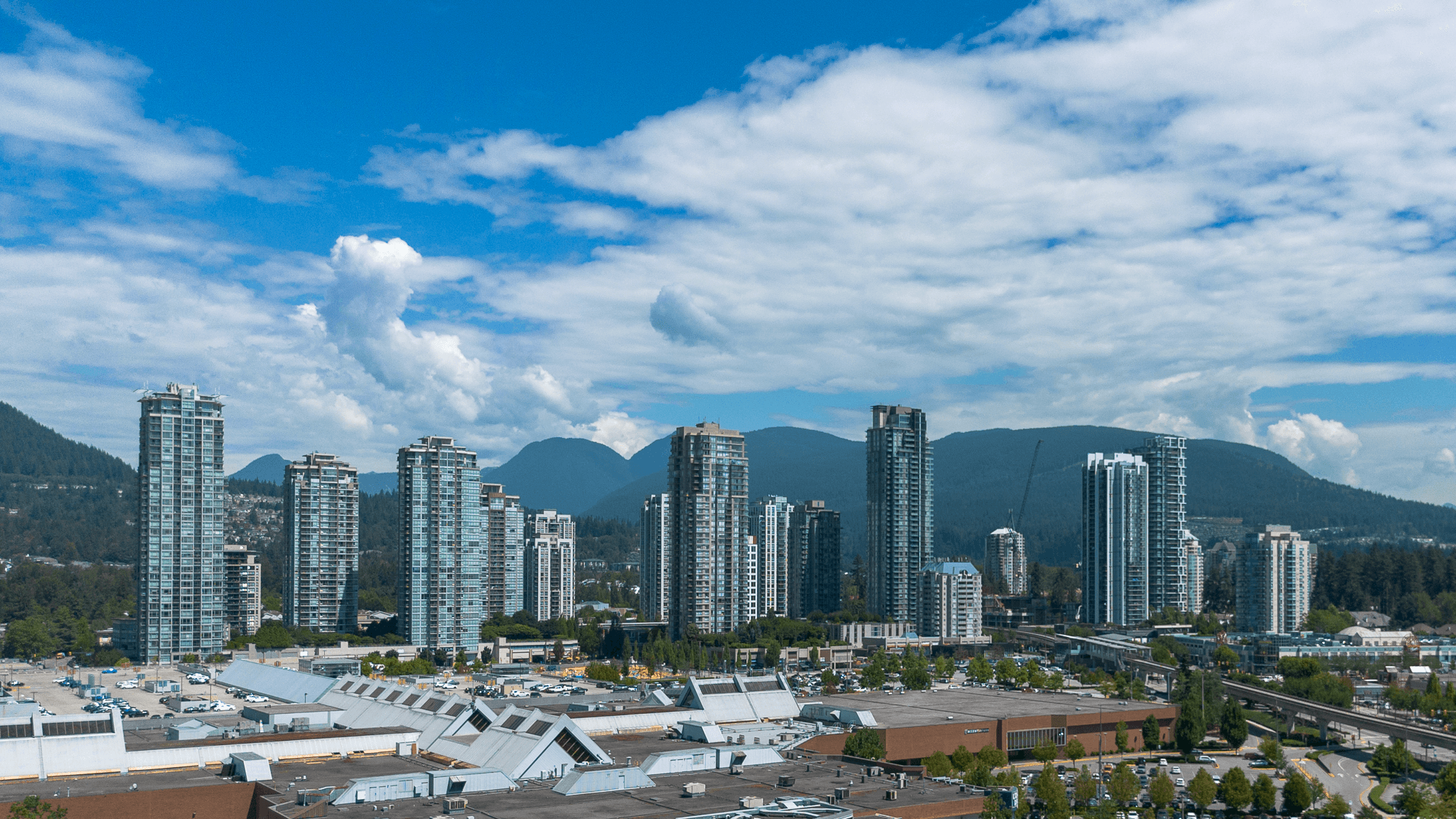


Recent





Victoria Estate Digest is your Go-to source for In-Depth Real Estate Insights, Market Trends, and Expert Analysis in British Columbia.
We cover everything from Housing Affordability and Foreign Investment to Luxury Properties and Emerging Market Opportunities.
Whether you're a Buyer, Seller, or Investor, we provide the Research and Knowledge you need to navigate BC’s ever-changing Real Estate Landscape.