Building or Buying a Home Gym: Floor Load, Ventilation & Layout
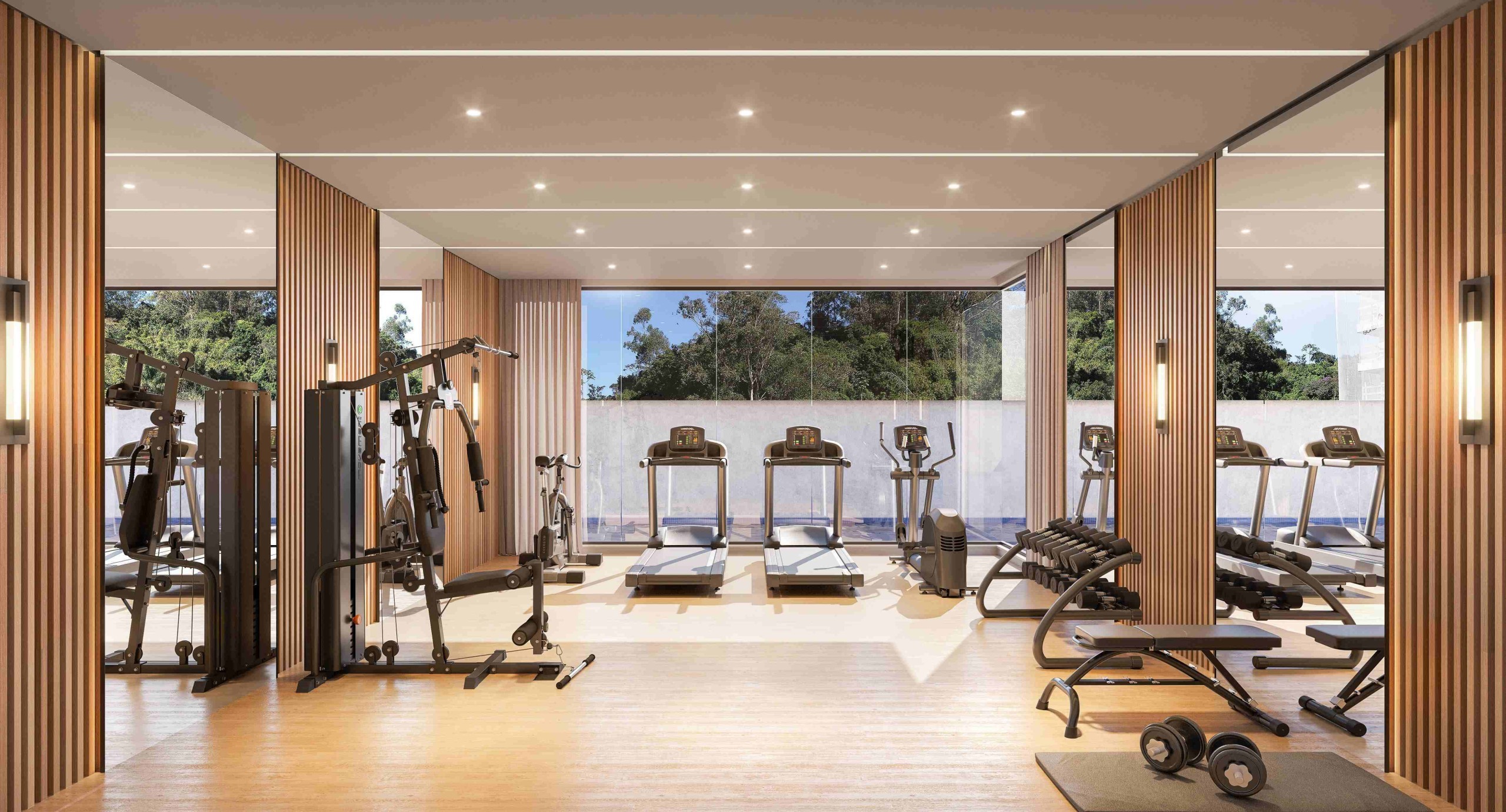
Everyone dreams of a home gym. It’s a place to sweat, lift, stretch, and occasionally regret that protein shake. But if you think you can just drop in a treadmill and call it a day, you’re about to learn why home gyms are more than equipment—they’re structural and environmental systems disguised as lifestyle features.
Buying or building a home gym is like buying a tennis court, just smaller: it looks simple, seems straightforward, but one miscalculation can turn it from a daily convenience into a money pit, noise nightmare, or structural headache.
Floor Load: Why You Can’t Just Assume the Floor Will Hold
A treadmill isn’t heavy. A set of dumbbells isn’t heavy. But add a power rack, free weights, plates, cable machines, and suddenly you’re talking tons of concentrated weight.
Dead Load vs Live Load
Dead load: permanent equipment, flooring, walls, and fixed structures.
Live load: moving weights, jumping, dynamic motion, vibration, occasional group classes.
Most residential floor designs assume ~40–50 pounds per square foot (psf) of live load for normal use. But gyms, especially with racks and Olympic plates, often exceed 100–150 psf in localized areas.
Common Structural Problems
Floor deflection (bending under weight)
Floor squeaks or vibrations through the house
Stress on joists leading to long-term sagging
Ceiling cracks below the gym (not just cosmetic)
Tip: Always ask for engineering verification if you plan to place a heavy power rack or plate-loaded machines on an upper floor. Treadmills and ellipticals are fine almost anywhere, but barbells? Not so much.
Flooring Systems: Shock Absorption Meets Load Bearing
The right flooring is a mix of:
Protection: Prevents damage to the subfloor
Shock absorption: Reduces joint impact and vibration
Stability: Prevents wobbling equipment
Common Options
Rubber Tiles
Excellent for heavy lifting zones
Moderate shock absorption
Can be installed over concrete or wood
Poured Rubber Flooring
Seamless, long-lasting
More expensive, permanent
Best for high-use weightlifting areas
Vinyl Over Foam
Comfortable, low-cost
Poor for heavy drops
Better for cardio zones than lifting platforms
Raised Wood Platforms
Perfect for Olympic lifting or HIIT workouts
Requires careful load distribution
Often combined with rubber perimeter
Key Insight: Rubber or cushioned floors are not just “luxury.” They protect the structure, absorb vibrations, and prolong the life of both equipment and the home itself.
Ventilation: The Difference Between Usable and Miserable
A home gym is not just a room; it’s a microclimate. Sweat, heat, and humidity accumulate quickly. Without proper ventilation, you get:
Condensation, leading to mold
Odors trapped in carpet, flooring, and walls
Accelerated wear on electronics (treadmills, rowers)
Stale air making workouts uncomfortable or unsafe
Key Considerations
Natural ventilation: Windows or vents that allow cross-flow. Great in temperate climates but often inadequate in humid or cold regions.
Mechanical ventilation: Ceiling fans, HVAC integration, or dedicated exhaust fans. Must handle both airflow and heat removal.
Dehumidification: Essential if the gym is in a basement or enclosed concrete space. High humidity can ruin weights, electronics, and floors.
Pro tip: For concrete basements, always plan for moisture mitigation with vapor barriers and dehumidifiers. Otherwise, you’ll be fighting damp floors and rusting weights for years.
Layout: Functionality Trumps Looks
A gym that looks good in photos but doesn’t flow is worthless in daily use. Consider:
Zones: Separate areas for cardio, weightlifting, stretching, functional training
Clearances: Minimum 3–4 feet around machines for safe movement
Ceiling height: Barbell overhead lifts need at least 8–9 feet, ideally more
Traffic patterns: Avoid forcing people to walk behind moving equipment
Special Cases
Free weight zones: Need strong floor support and vibration absorption
Cardio zones: Require stable flooring and access to power outlets
Group or HIIT areas: Must allow for lateral movement and safe spacing
“Future Proofing”
Think about:
Expansion potential (more equipment later)
Flooring upgrades for heavier machines
Ceiling-mounted attachments (pull-up bars, TRX, punching bags)
A gym layout that doesn’t account for evolving equipment needs quickly becomes obsolete.
Acoustics: The Silent Consideration
Loud impact, running, and dropped weights transmit through floors and walls. Poor acoustic planning leads to:
Complaints from other family members
Noise violations if near neighbors
Long-term fatigue and stress
Solutions:
Rubber flooring for impact damping
Ceiling baffles or acoustic panels
Proper floor joist reinforcement to reduce vibration transmission
Acoustics is not just comfort—it’s structural well-being for the rest of the home.
Climate-Specific Considerations
Basement gyms in damp climates: Must account for water intrusion, mold prevention, dehumidification
Upper-floor gyms: Focus on floor load, joist reinforcement, vibration isolation
Hot, sunny rooms: Windows provide light but may need cooling or shading to prevent overheating
Inspection Checklist for Home Gyms
When buying or evaluating a gym space:
Structural integrity: Floor load capacity, joist condition
Ventilation & humidity control: Windows, fans, HVAC, dehumidifiers
Layout & clearance: Safety distances, functional zones
Flooring type & condition: Rubber, wood, vinyl, or hybrid
Lighting & electrical: Adequate outlets, glare-free lighting
Noise & vibration: Floor isolation, wall separation, ceiling dampening
Moisture & water ingress: Basements, slab edges, vapor barriers
Cost Ranges: Build vs Retrofit
Basic retrofit (rubber flooring, fans, minor layout changes): $5,000–$15,000
Intermediate upgrade (floor reinforcement, electrical upgrades, HVAC integration): $15,000–$35,000
Full build from scratch (structural modification, moisture mitigation, high-end finishes, lighting, HVAC, flooring): $35,000–$80,000+
The range depends heavily on whether the space is already suitable or requires structural reinforcement.
When to Walk Away
Floor cannot support concentrated weights without reinforcement
Ventilation is absent or unfixable
Ceiling is too low for intended lifts
Layout is impossible without major construction
Dampness or mold is present in a basement or concrete slab
Cost of making space safe and functional exceeds your budget
Final Thoughts
A home gym is deceptively simple but technically demanding. Structural load, ventilation, layout, moisture, and acoustics all interact. Neglect one, and the gym becomes uncomfortable, unsafe, or expensive to fix.
A well-designed home gym is a long-term asset—safe, functional, and enjoyable for decades. A poorly designed gym is a hidden liability disguised as convenience.
Treat it with the same rigor you’d treat a tennis court, and you’ll end up with a gym you actually want to use, not just look at.