Why Canadians Love High Home Prices—And That’s the Problem
Why Canadians Love High Home Prices—And That’s the Problem

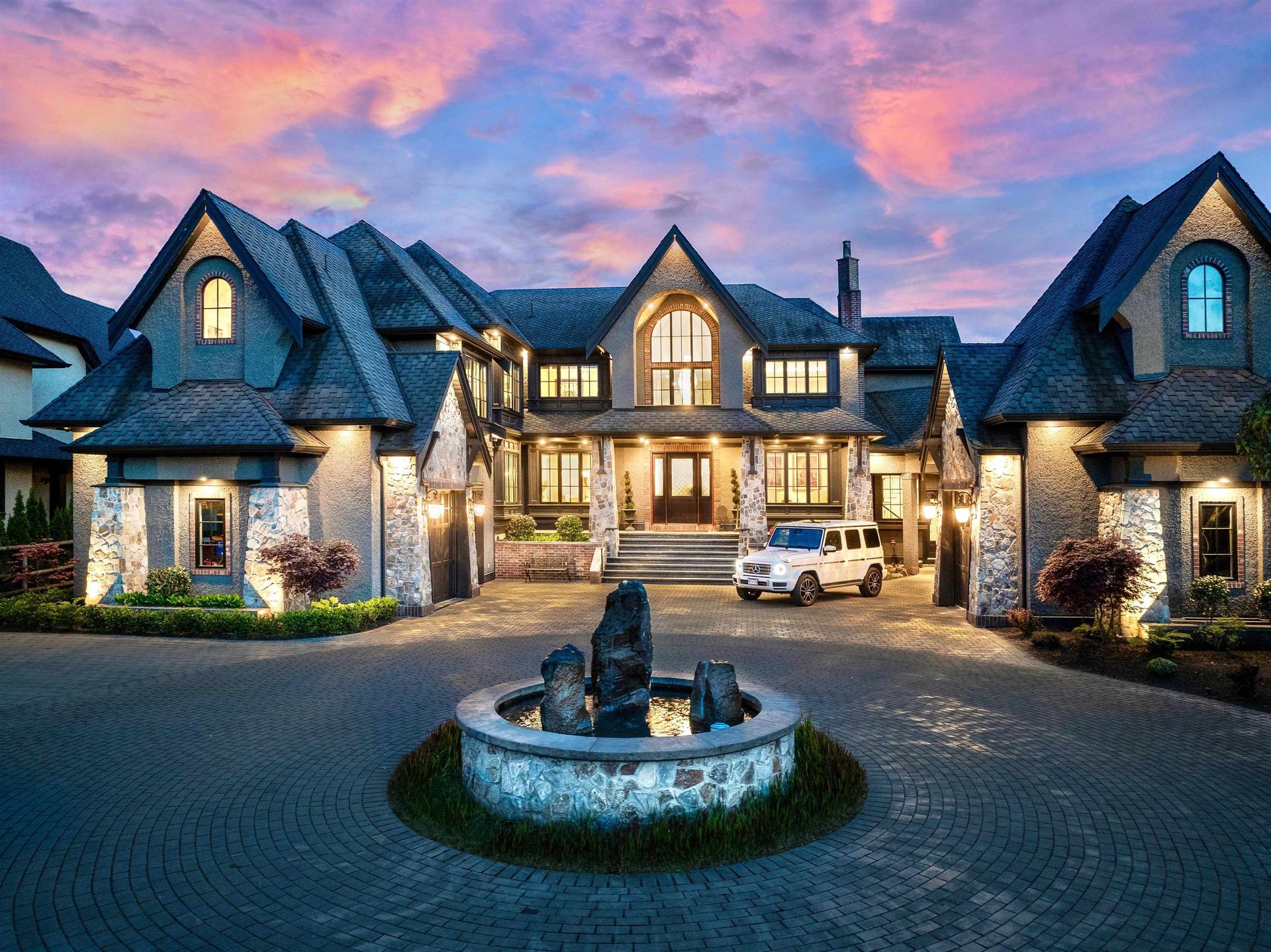
Canada’s housing market has long been a subject of admiration, envy, and obsessive media coverage—but there’s a peculiar cultural contradiction at play. Unlike most countries, where soaring prices are seen as a warning, in Canada, high home prices are celebrated. They’re a badge of financial achievement, a social signal of success, and—paradoxically—a justification for policies and behaviors that make the housing crisis worse. Yet this collective love for high prices is one of the root causes of why affordability has deteriorated so dramatically over the past two decades.
This article dives into the social, economic, and policy-driven forces behind Canadians’ obsession with high home prices, and why that obsession has turned the dream of homeownership into an endurance test for anyone under 40. We’ll go through:
Historical and psychological perspectives on Canadian housing sentiment
Statistical analysis of price trends versus income growth
The role of generational wealth transfer and “boomer advantage”
Regional and city-level case studies
The consequences of cultural complacency on housing policy
International comparisons highlighting Canada’s uniqueness
Detailed policy recommendations and speculative projections
The Historical Lens: Why Canada Became Obsessed With Rising Home Prices
Canada’s cultural love affair with housing has roots in both history and media narratives. In the postwar era, homeownership became synonymous with stability and middle-class identity. Owning a detached house with a yard in the suburbs was framed as a life goal, not just a financial necessity. Over the decades, rising property values were interpreted as a signal of economic strength and personal accomplishment.
Postwar Boom and Suburbanization
In the 1950s–1970s, urban planning in Canada prioritized single-family homes. Municipal policies favored low-density suburbs, especially in cities like Toronto, Vancouver, and Calgary.
Home prices rose modestly but steadily, correlating with rising incomes. This created a generational narrative: buy a house, sit tight, and watch your wealth grow.
Media reinforced this narrative, publishing stories about “starter homes” doubling in value in a decade.
Early 2000s: Globalization and Investment Culture
By the early 2000s, Canada became increasingly intertwined with global capital. Foreign buyers, offshore investors, and wealthy newcomers began to treat Canadian housing as a stable investment.
The narrative shifted from homeownership as shelter to homeownership as a wealth-building mechanism.
Canadians, particularly middle-class families, began to treat rising prices as a positive feedback loop: the higher the price, the more their decision to buy “validated” itself.
The Psychology of Price Admiration
Why do Canadians love high home prices even when they’re unaffordable? Behavioral economics and social psychology provide insight.
FOMO and Social Proof
Canadians observe neighbors buying homes, seeing price increases, and experiencing rising equity. This generates fear of missing out—even if it requires extreme financial risk.
High prices serve as social proof: if you own a house, you’re doing better than those renting.
Anchoring Effect and Homeowner Narcissism
Rising home values act as anchors for perceived wealth. Homeowners assume that “today’s value” is permanent, leading to overconfidence and resistance to policies that would normalize prices.
Anecdotally, conversations in Vancouver, Toronto, and Montreal often feature homeowners boasting unrealized gains from homes bought decades ago, despite market volatility.
Generational Divide
Boomers benefited from modest home prices in the 1970s–1990s and naturally equate high prices with success.
Millennials and Gen Z see the same prices as barriers, creating tension between cultural admiration for high prices and the practical impossibility of entering the market.
Price vs. Income: The Data Speaks
Let’s put sentiment aside and examine the numbers.
Canada-wide Price-to-Income Ratios
Year | Average Detached Home Price | Median Household Income | Price-to-Income Ratio |
|---|---|---|---|
2000 | $180,000 | $55,000 | 3.3 |
2010 | $370,000 | $65,000 | 5.7 |
2020 | $720,000 | $75,000 | 9.6 |
2025 | $860,000 | $82,000 | 10.5 |
The ratio has tripled in 25 years, demonstrating a disconnect between incomes and housing costs.
Cities like Vancouver, Toronto, and Victoria far exceed the national average, with detached homes in the $2M–$2.5M range while median incomes remain under $100,000.
Affordability Metrics
Using CMHC’s housing stress test: households should spend no more than 30% of pre-tax income on housing costs.
In Toronto, Vancouver, and Victoria, the average household is spending 50–70% of gross income to afford a mortgage at current prices.
The implication: Canadians admire these high prices even though they are unsustainable. Cultural approval for high prices directly conflicts with economic reality.
Boomer Advantage and Generational Wealth Transfer
A critical factor in Canada’s love of high prices is the generational wealth gap.
Boomers own the majority of high-value properties. According to Statistics Canada, owners aged 55+ hold 70% of residential real estate equity.
This creates a feedback loop: high prices protect existing wealth, and policies that might lower prices (e.g., tax reforms, zoning changes) are politically difficult because older homeowners dominate the electorate.
Millennial buyers face a double bind: they must save aggressively while competing against cash-flush boomers, pre-sale investors, and foreign buyers.
Case Study: Vancouver Westside
Average detached home: $4.2M
Median income: $120,000
Price-to-income ratio: 35:1
Even with dual incomes, a Millennial couple would need decades to afford a comparable property—yet this imbalance is normalized in cultural narratives praising rising prices.
The Media’s Role in Glorifying High Prices
Canadian media amplifies the obsession with rising prices:
Headlines like “Home Prices Hit Record High—Your Equity is Growing” create perceived value, even when affordability declines.
Property TV shows, online calculators, and social media reinforce the narrative that buying high is smart, encouraging speculative behavior.
Case studies from real estate columns show homeowners rationalizing overpaying for marginally better locations because of fear of “missing the boom.”
Regional Analysis: Metro Vancouver, Toronto, and Calgary
Metro Vancouver
Detached home inventory: 8,000 units (September 2025)
Average DOM: 52 days
% of listings with price reductions: 47%
Boomer sentiment dominates NIMBYism in West Van and West Side Vancouver, resisting densification.
Buyers face speculative bidding wars; cultural admiration for high prices drives repeated overbidding.
Toronto
Average detached home: $1.45M
Price-to-income ratio: 20:1
Investors make up ~30% of purchases in central neighborhoods.
Cultural framing: condo developers market high prices as premium lifestyle signals.
Calgary
Detached homes: $750K on average
Lower than Vancouver/Toronto, but oil-driven economy creates boom-and-bust appreciation cycles, reinforcing local cultural fixation on “timing the market.”
Policy Implications: Why Admiration for High Prices Hurts Everyone
Cultural love for high home prices has direct policy consequences:
Resistance to zoning reform – High prices benefit existing owners; densification policies face backlash.
Opposition to foreign buyer taxation – Politically sensitive because it might reduce speculative gains.
Mortgage stress tests remain politically constrained – Affordability declines, but homeowners resist tighter lending rules.
Rent regulation conflicts – High prices drive rental demand, but limiting rents is politically fraught when property values are celebrated.
International Comparisons
Australia – Sydney and Melbourne mimic Canada’s obsession, with cultural pride in high prices despite affordability crises.
Germany – Homeownership is lower, prices are stable; cultural admiration is muted, affordability remains reasonable.
Singapore – Government controls supply aggressively; high prices exist, but subsidies prevent obsession from harming middle-class access.
Canada’s uniquely emotional attachment to prices over affordability makes it an outlier.
The Feedback Loop: Why High Prices Self-Perpetuate
Media glorifies rising values → homeowners feel validated → policy resists normalization → investors keep entering market → prices rise further.
Behavioral consequences: delayed household formation, suppressed fertility rates, delayed retirement mobility.
Economic consequences: consumption is reduced (more income goes to mortgage), saving increases in home equity, not diversified investments.
Potential Futures: Scenarios If Cultural Love Persists
Scenario A: Continued Cultural Admiration
Prices rise 5–7% annually
Millennials and Gen Z delayed in market entry by 10–15 years
Political resistance to densification intensifies
Investor-driven luxury development dominates
Scenario B: Cultural Shift Toward Affordability
Public discourse reframes homeownership as shelter, not investment
Zoning reforms accelerate urban density
Foreign buyer taxes and speculation controls normalize prices
Price-to-income ratios gradually decline
Scenario C: Market Shock Without Cultural Shift
Interest rate spike triggers forced selling
Market correction of 20–30% possible
Boomers may resist selling due to fear of loss
Millennials remain largely priced out
What Can Be Done?
Education and media reframing – Change the narrative from “high prices = success” to “affordable prices = accessible homes.”
Policy enforcement – Enforce taxes on speculative purchases, encourage density, limit offshore investment influence.
Transparency – Make price-to-income ratios, rent stress, and affordability metrics widely publicized.
Cultural conversation – Shift Canadians’ perception of wealth and homeownership; celebrate financial security over nominal property gains.
Conclusion
Canada’s love for high home prices is not just a quirk—it is a structural problem embedded in social psychology, media narratives, and policy inertia. While boomers enjoy soaring home equity, younger generations face a landscape where homeownership is aspirational but increasingly unattainable. The result is not only economic strain but social fragmentation and political gridlock.
Changing this will require more than policy; it requires a cultural reset, one that prioritizes affordable shelter over speculative wealth, security over status, and pragmatism over pride. Until then, Canadians will continue to cheer rising prices, even as the majority of their population drifts further from the dream of homeownership.
Canada’s housing market has long been a subject of admiration, envy, and obsessive media coverage—but there’s a peculiar cultural contradiction at play. Unlike most countries, where soaring prices are seen as a warning, in Canada, high home prices are celebrated. They’re a badge of financial achievement, a social signal of success, and—paradoxically—a justification for policies and behaviors that make the housing crisis worse. Yet this collective love for high prices is one of the root causes of why affordability has deteriorated so dramatically over the past two decades.
This article dives into the social, economic, and policy-driven forces behind Canadians’ obsession with high home prices, and why that obsession has turned the dream of homeownership into an endurance test for anyone under 40. We’ll go through:
Historical and psychological perspectives on Canadian housing sentiment
Statistical analysis of price trends versus income growth
The role of generational wealth transfer and “boomer advantage”
Regional and city-level case studies
The consequences of cultural complacency on housing policy
International comparisons highlighting Canada’s uniqueness
Detailed policy recommendations and speculative projections
The Historical Lens: Why Canada Became Obsessed With Rising Home Prices
Canada’s cultural love affair with housing has roots in both history and media narratives. In the postwar era, homeownership became synonymous with stability and middle-class identity. Owning a detached house with a yard in the suburbs was framed as a life goal, not just a financial necessity. Over the decades, rising property values were interpreted as a signal of economic strength and personal accomplishment.
Postwar Boom and Suburbanization
In the 1950s–1970s, urban planning in Canada prioritized single-family homes. Municipal policies favored low-density suburbs, especially in cities like Toronto, Vancouver, and Calgary.
Home prices rose modestly but steadily, correlating with rising incomes. This created a generational narrative: buy a house, sit tight, and watch your wealth grow.
Media reinforced this narrative, publishing stories about “starter homes” doubling in value in a decade.
Early 2000s: Globalization and Investment Culture
By the early 2000s, Canada became increasingly intertwined with global capital. Foreign buyers, offshore investors, and wealthy newcomers began to treat Canadian housing as a stable investment.
The narrative shifted from homeownership as shelter to homeownership as a wealth-building mechanism.
Canadians, particularly middle-class families, began to treat rising prices as a positive feedback loop: the higher the price, the more their decision to buy “validated” itself.
The Psychology of Price Admiration
Why do Canadians love high home prices even when they’re unaffordable? Behavioral economics and social psychology provide insight.
FOMO and Social Proof
Canadians observe neighbors buying homes, seeing price increases, and experiencing rising equity. This generates fear of missing out—even if it requires extreme financial risk.
High prices serve as social proof: if you own a house, you’re doing better than those renting.
Anchoring Effect and Homeowner Narcissism
Rising home values act as anchors for perceived wealth. Homeowners assume that “today’s value” is permanent, leading to overconfidence and resistance to policies that would normalize prices.
Anecdotally, conversations in Vancouver, Toronto, and Montreal often feature homeowners boasting unrealized gains from homes bought decades ago, despite market volatility.
Generational Divide
Boomers benefited from modest home prices in the 1970s–1990s and naturally equate high prices with success.
Millennials and Gen Z see the same prices as barriers, creating tension between cultural admiration for high prices and the practical impossibility of entering the market.
Price vs. Income: The Data Speaks
Let’s put sentiment aside and examine the numbers.
Canada-wide Price-to-Income Ratios
Year | Average Detached Home Price | Median Household Income | Price-to-Income Ratio |
|---|---|---|---|
2000 | $180,000 | $55,000 | 3.3 |
2010 | $370,000 | $65,000 | 5.7 |
2020 | $720,000 | $75,000 | 9.6 |
2025 | $860,000 | $82,000 | 10.5 |
The ratio has tripled in 25 years, demonstrating a disconnect between incomes and housing costs.
Cities like Vancouver, Toronto, and Victoria far exceed the national average, with detached homes in the $2M–$2.5M range while median incomes remain under $100,000.
Affordability Metrics
Using CMHC’s housing stress test: households should spend no more than 30% of pre-tax income on housing costs.
In Toronto, Vancouver, and Victoria, the average household is spending 50–70% of gross income to afford a mortgage at current prices.
The implication: Canadians admire these high prices even though they are unsustainable. Cultural approval for high prices directly conflicts with economic reality.
Boomer Advantage and Generational Wealth Transfer
A critical factor in Canada’s love of high prices is the generational wealth gap.
Boomers own the majority of high-value properties. According to Statistics Canada, owners aged 55+ hold 70% of residential real estate equity.
This creates a feedback loop: high prices protect existing wealth, and policies that might lower prices (e.g., tax reforms, zoning changes) are politically difficult because older homeowners dominate the electorate.
Millennial buyers face a double bind: they must save aggressively while competing against cash-flush boomers, pre-sale investors, and foreign buyers.
Case Study: Vancouver Westside
Average detached home: $4.2M
Median income: $120,000
Price-to-income ratio: 35:1
Even with dual incomes, a Millennial couple would need decades to afford a comparable property—yet this imbalance is normalized in cultural narratives praising rising prices.
The Media’s Role in Glorifying High Prices
Canadian media amplifies the obsession with rising prices:
Headlines like “Home Prices Hit Record High—Your Equity is Growing” create perceived value, even when affordability declines.
Property TV shows, online calculators, and social media reinforce the narrative that buying high is smart, encouraging speculative behavior.
Case studies from real estate columns show homeowners rationalizing overpaying for marginally better locations because of fear of “missing the boom.”
Regional Analysis: Metro Vancouver, Toronto, and Calgary
Metro Vancouver
Detached home inventory: 8,000 units (September 2025)
Average DOM: 52 days
% of listings with price reductions: 47%
Boomer sentiment dominates NIMBYism in West Van and West Side Vancouver, resisting densification.
Buyers face speculative bidding wars; cultural admiration for high prices drives repeated overbidding.
Toronto
Average detached home: $1.45M
Price-to-income ratio: 20:1
Investors make up ~30% of purchases in central neighborhoods.
Cultural framing: condo developers market high prices as premium lifestyle signals.
Calgary
Detached homes: $750K on average
Lower than Vancouver/Toronto, but oil-driven economy creates boom-and-bust appreciation cycles, reinforcing local cultural fixation on “timing the market.”
Policy Implications: Why Admiration for High Prices Hurts Everyone
Cultural love for high home prices has direct policy consequences:
Resistance to zoning reform – High prices benefit existing owners; densification policies face backlash.
Opposition to foreign buyer taxation – Politically sensitive because it might reduce speculative gains.
Mortgage stress tests remain politically constrained – Affordability declines, but homeowners resist tighter lending rules.
Rent regulation conflicts – High prices drive rental demand, but limiting rents is politically fraught when property values are celebrated.
International Comparisons
Australia – Sydney and Melbourne mimic Canada’s obsession, with cultural pride in high prices despite affordability crises.
Germany – Homeownership is lower, prices are stable; cultural admiration is muted, affordability remains reasonable.
Singapore – Government controls supply aggressively; high prices exist, but subsidies prevent obsession from harming middle-class access.
Canada’s uniquely emotional attachment to prices over affordability makes it an outlier.
The Feedback Loop: Why High Prices Self-Perpetuate
Media glorifies rising values → homeowners feel validated → policy resists normalization → investors keep entering market → prices rise further.
Behavioral consequences: delayed household formation, suppressed fertility rates, delayed retirement mobility.
Economic consequences: consumption is reduced (more income goes to mortgage), saving increases in home equity, not diversified investments.
Potential Futures: Scenarios If Cultural Love Persists
Scenario A: Continued Cultural Admiration
Prices rise 5–7% annually
Millennials and Gen Z delayed in market entry by 10–15 years
Political resistance to densification intensifies
Investor-driven luxury development dominates
Scenario B: Cultural Shift Toward Affordability
Public discourse reframes homeownership as shelter, not investment
Zoning reforms accelerate urban density
Foreign buyer taxes and speculation controls normalize prices
Price-to-income ratios gradually decline
Scenario C: Market Shock Without Cultural Shift
Interest rate spike triggers forced selling
Market correction of 20–30% possible
Boomers may resist selling due to fear of loss
Millennials remain largely priced out
What Can Be Done?
Education and media reframing – Change the narrative from “high prices = success” to “affordable prices = accessible homes.”
Policy enforcement – Enforce taxes on speculative purchases, encourage density, limit offshore investment influence.
Transparency – Make price-to-income ratios, rent stress, and affordability metrics widely publicized.
Cultural conversation – Shift Canadians’ perception of wealth and homeownership; celebrate financial security over nominal property gains.
Conclusion
Canada’s love for high home prices is not just a quirk—it is a structural problem embedded in social psychology, media narratives, and policy inertia. While boomers enjoy soaring home equity, younger generations face a landscape where homeownership is aspirational but increasingly unattainable. The result is not only economic strain but social fragmentation and political gridlock.
Changing this will require more than policy; it requires a cultural reset, one that prioritizes affordable shelter over speculative wealth, security over status, and pragmatism over pride. Until then, Canadians will continue to cheer rising prices, even as the majority of their population drifts further from the dream of homeownership.
Related Posts




More Articles




Home Feature Guides
How Homes Work: Guides & Insights
Dive into guides that show what really matters in a house, from construction and materials to design choices and practical usability. Learn what questions to ask, what to watch for, and how to spot hidden issues so every feature—from tennis courts and home gyms to outdoor spaces and custom rooms—delivers the value it promises. These guides give the knowledge to assess every detail like an insider and avoid costly surprises.






Key Insights

Key Insights








Recent


Recent





Victoria Estate Digest is your Go-to source for In-Depth Real Estate Insights, Market Trends, and Expert Analysis in British Columbia.
We cover everything from Housing Affordability and Foreign Investment to Luxury Properties and Emerging Market Opportunities.
Whether you're a Buyer, Seller, or Investor, we provide the Research and Knowledge you need to navigate BC’s ever-changing Real Estate Landscape.