Art Studios: Lighting, Ventilation & Material Safety
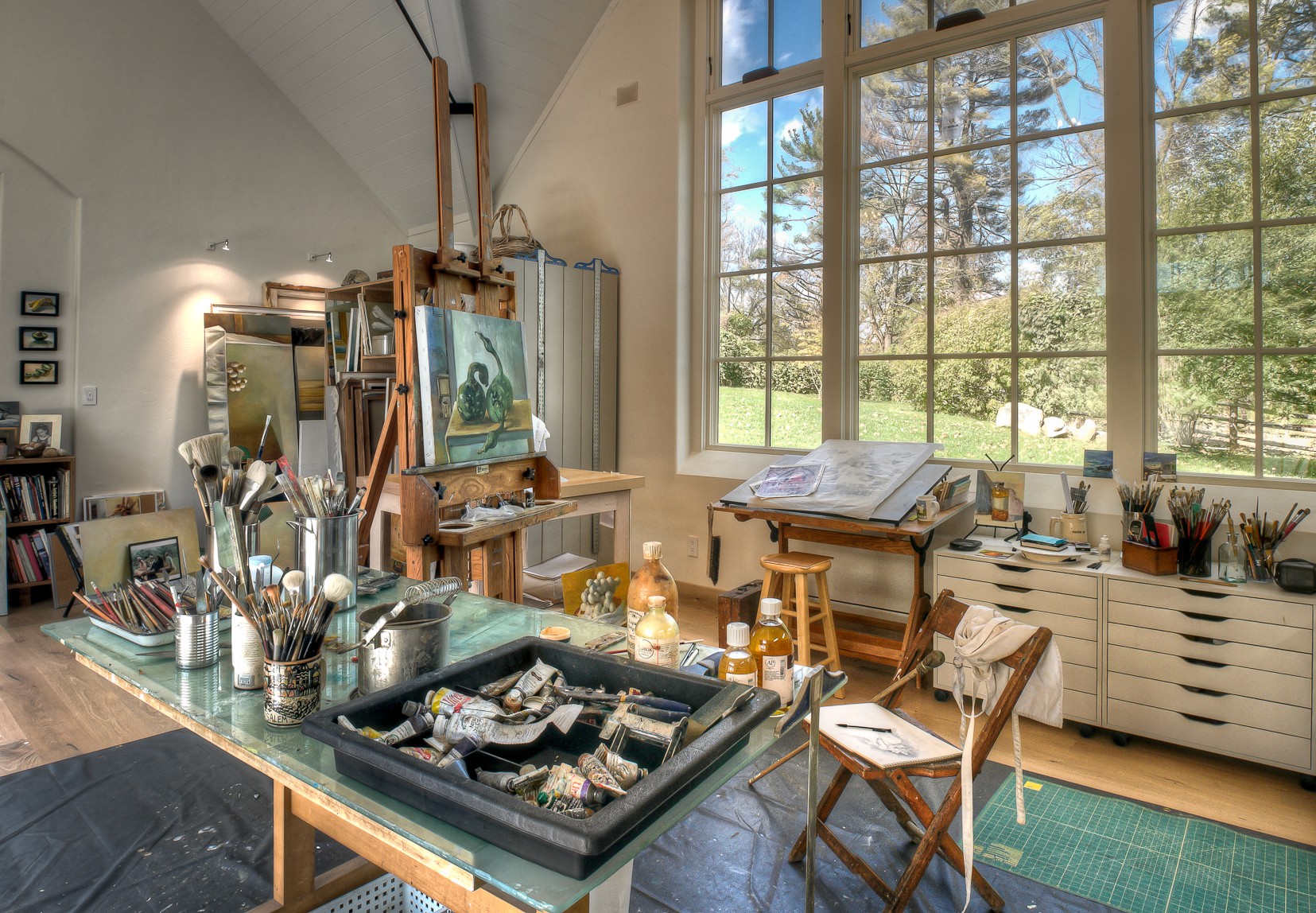
Why Art Studios Are More Than Just Creative Spaces
Art studios aren’t just hobby rooms—they’re functional, technical, and market-sensitive features. In real estate terms, they are evaluated for:
Lighting quality
Ventilation and air safety
Durable surfaces
Layout and multi-use potential
An art studio that looks “pretty” but is poorly ventilated, dimly lit, or unsafe with paints and solvents is liability, not value.
Lighting: The Cornerstone of a Functional Studio
Lighting in a studio is both practical and resale-critical.
A. Natural Light
North-facing windows: Preferred for consistent, indirect light
East/West exposure: Can create harsh shadows and glare; UV exposure can damage materials
Skylights: Excellent for even light; must have proper flashing and insulation
Buyer insight: A studio with natural, even light signals professional usability. Dim, uneven rooms feel like a “toy space” for art, not a serious studio.
B. Artificial Lighting
Full-spectrum LEDs: Mimic natural light for accurate color perception
Task lighting: Adjustable lamps for detail work
Overhead vs. directional: Combine to avoid shadows
Dimming capability: Optional but increases functionality
Real estate note: Poor lighting is a red flag buyers notice immediately—even if they don’t paint or draw.
Ventilation: Health, Comfort, and Longevity
Art materials produce fumes, dust, and odors. Proper ventilation is non-negotiable:
HVAC integration: Studio should be on a dedicated or adjustable duct
Exhaust fans: Especially for solvents, aerosols, or heavy paint use
Air filtration: HEPA or carbon filters for dust and fumes
Window access: Cross-ventilation is a must; operable windows preferred
Buyer psychology: Buyers mentally assign risk to poorly ventilated spaces—odors, mold, or health hazards lower confidence.
Material Safety: Protecting Health and Property
Art studios require careful material management:
Paints, solvents, and adhesives: Store in ventilated cabinets; check for flammables
Powders and dust: Use enclosed tools, dust traps, or extraction systems
Cleaning and flooring: Non-porous surfaces reduce staining risk
Electrical safety: Proper outlets for tools and kilns; avoid overloaded circuits
Tip: Safety-conscious setups signal professional maintenance and protect resale value.
Flooring and Surface Considerations
Durable surfaces: Hardwood, concrete, or vinyl recommended
Non-slip finish: Prevents accidents in areas with water or paint spills
Easily cleanable: Tile or sealed concrete is ideal
Floor drainage: Optional but useful if wet media is used
Red flag: Carpet or untreated wood—hard to clean, stains easily, reduces functionality.
Layout and Storage
A functional studio balances workspace and storage:
Central work area: Freestanding or movable easels
Storage for materials: Shelves, cabinets, bins
Safety zones: Clearly marked areas for chemicals, sharp tools, or kilns
Multi-use potential: Studio can double as office or craft room when not in heavy use
Flexibility is key for resale appeal. Buyers prefer spaces that aren’t rigidly locked into one hobby.
Climate Control and Comfort
Temperature regulation: Prevents paint cracking, clay drying, or wood warping
Humidity control: 40–60% ideal; prevents mold and preserves materials
Airflow: Circulation ensures comfort and safety during long projects
A comfortable, climate-controlled studio signals thoughtful infrastructure, not a liability.
Buyer Psychology: What Buyers Notice
Even buyers who don’t paint evaluate studios critically:
Safety: Ventilation, storage, and non-toxic finishes
Cleanability: Surfaces must be practical, not delicate
Flexibility: Can the space serve another purpose if they don’t paint?
Lighting and comfort: Poor light = perceived liability
Key insight: A well-executed studio can increase buyer confidence even if unused; a poorly executed studio can trigger skepticism about the property’s overall maintenance.
Red Flags to Avoid
Poor lighting, flickering or uneven
Inadequate ventilation or strong residual odors
Stains, warping, or water damage to flooring
Overcrowded, unsafe storage
Limited flexibility for other uses
A single major red flag can reduce buyer confidence by 10–15%, multiple red flags compound it.
Inspection Checklist, Material Durability, Ventilation, and Safety Audit
Art studios are technical rooms disguised as creative spaces. Buyers rarely judge them on décor—they judge function, safety, and maintenance predictability.
This section gives a step-by-step inspection framework.
Lighting Inspection
Proper light is non-negotiable for art spaces.
Natural light sources:
Check for north-facing windows (consistent, indirect light)
Verify size and number of windows for adequate daylight coverage
Inspect skylights for leaks, proper flashing, and insulation
Artificial lighting:
Full-spectrum LEDs or fluorescent fixtures
Task lighting at workstations
Check for flickering or uneven coverage
Ensure dimmers or adjustable lamps function properly
Red flag: Dark corners, flickering lights, or inadequate task lighting reduce usability and resale perception.
Ventilation and Airflow Audit
HVAC check: Does the room receive conditioned air? Is airflow adjustable?
Exhaust system: Essential if paints, solvents, or clay are used
Windows: Operable and cross-ventilated?
Air filtration: HEPA or carbon filters for dust, powder, or fumes
Red flag: Strong odors, musty smell, or stagnant air. This signals potential long-term maintenance issues.
Flooring and Surface Inspection
Durable, easy-to-clean floors are critical:
Material type: Sealed concrete, vinyl, hardwood with protective finish
Condition: Cracks, warping, or uneven surfaces
Slip-resistance: Especially in areas with water, paint, or clay
Maintenance requirements: Can spills be easily cleaned?
Repair vs replacement costs:
Vinyl: $7–$20/sq. ft installed
Hardwood: $15–$35/sq. ft installed/refinished
Concrete (sealed): $8–$15/sq. ft
Red flag: Carpeted studios or untreated wood floors are high-maintenance, difficult to clean, and reduce perceived value.
Material Safety Audit
Art studios often contain chemicals, powders, and sharp tools:
Paints, solvents, adhesives: Stored safely, ventilated cabinets, proper labels
Dust-producing tools: Evidence of extraction or filtration
Electrical: Outlets sufficient for tools, kiln, and lighting; no overloading
Storage: Cabinets anchored to walls, sharp or hazardous items secured
Red flag: Unlabeled containers, open solvents, or loose sharp tools signal liability to buyers.
Layout and Workflow Evaluation
Work zones: Central workspace free of obstructions
Storage zones: Materials segregated by safety and access
Multi-use potential: Can the room double as office, craft space, or study?
Safety zones: Clearly defined areas for hazardous activities
Red flag: Cramped spaces, blocked access, or permanent heavy structures that reduce flexibility.
Climate Control Check
Temperature and humidity affect both materials and comfort:
Temperature stable between 18–24°C (~65–75°F)
Humidity control: 40–60% ideal
Airflow adequate to reduce odors, drying times, and material degradation
Red flag: Stuffy, damp, or overly hot/cold rooms signal maintenance risks and reduce resale confidence.
Cost and Maintenance Considerations
Lighting upgrades: $200–$800 per room
Flooring replacement or refinishing: $7–$35/sq. ft depending on material
Ventilation retrofits: $500–$2,500
Safety retrofits: $50–$500 (anchoring, cabinets, outlet covers)
Predictable maintenance = higher buyer confidence. Uncertainty reduces perceived value.
Red Flags to Trigger Negotiation or Walk-Away
Poor lighting or flickering fixtures
Inadequate ventilation, residual chemical odors
Worn, unsafe flooring
Unsafe or unanchored storage
Limited flexibility or workflow bottlenecks
Moisture damage, mold, or mildew
Even one major red flag can trigger buyer negotiation; multiple flags may justify walking away.
Buyer Psychology Recap
Buyers—regardless of whether they paint—assess studios on:
Safety: Ventilation, storage, non-toxic finishes
Usability: Lighting, workflow, layout
Maintenance predictability: Flooring, surfaces, HVAC
Flexibility: Can the room serve other functions?
A studio that meets these criteria feels like professional-grade infrastructure, adding confidence and subtly preserving value.
Cost Ranges, Retrofits, and “When to Walk Away” Scenarios
Even a visually appealing art studio can hurt perceived value if retrofits or maintenance are unpredictable. This section breaks down financial realities, upgrade strategies, and red flags that trigger walk-away decisions.
Flooring: Repair vs Replacement Costs
Durable, cleanable flooring is critical. Cost ranges:
Flooring Type | Repair/Refresh | Replacement | Notes |
|---|---|---|---|
Vinyl / LVP | $100–$400 (patch, minor scratches) | $7–$20/sq. ft installed | Water-resistant, low-maintenance |
Hardwood / Engineered | $200–$700 (refinish) | $15–$35/sq. ft | Protect with mats in messy zones |
Concrete (sealed) | $100–$500 (patch cracks, seal) | $8–$15/sq. ft | Durable, easy to clean; optional epoxy for chemical resistance |
Carpet | $150–$500 (steam clean, minor patches) | $5–$15/sq. ft | Not ideal for studios, stains and dust accumulate |
Rule: Prioritize surfaces that minimize maintenance and maximize resale flexibility. Carpet is low-cost but low-confidence.
Lighting Upgrade Costs
Full-spectrum LED fixtures: $200–$800 per room
Task lamps: $50–$200 per workstation
Skylight installation or repair: $1,000–$5,000 depending on size and roof work
Poor lighting reduces usability and gives buyers an instant mental discount.
Ventilation and Air Quality Retrofits
Exhaust fans / duct upgrades: $500–$2,500
HEPA or carbon filtration: $150–$600
Window retrofits or replacement: $500–$2,000 per window
Tip: Buyers perceive good ventilation as health and safety infrastructure, not aesthetic fluff.
Safety Upgrades
Anchored storage cabinets: $100–$500
Corner guards or padded surfaces: $50–$250
Outlet covers and cord management: $50–$200
Flammable material storage cabinets: $200–$500
Even small investments in safety can increase buyer confidence dramatically.
Climate-Specific Notes
A. Humid Regions
Vinyl or sealed concrete floors preferable
Air filtration or dehumidifiers: $200–$500
Mold prevention critical
B. Cold / Freeze-Thaw Regions
Hardwood expansion/contraction may warp
Radiant floor heating preserves usability and comfort
C. Sun-Intensive Climates
UV damage prevention: $150–$500 for window films or UV-filtering blinds
Rule: Climate-adapted retrofits prevent long-term maintenance headaches and preserve resale value.
When to Walk Away: Red-Flag Scenarios
Lighting issues: Uneven, flickering, or inadequate coverage
Ventilation failures: Strong chemical odors or stagnant air
Flooring damage: Warping, cracks, or uncleanable surfaces
Unsafe storage: Unanchored cabinets, loose chemicals, or powders
Layout rigidity: Cannot serve multiple uses
Moisture damage: Stains, mold, or leaks
Rule of thumb: More than two major issues = serious reconsideration. Even one can trigger negotiation leverage.
Cost-to-Confidence Ratio
Buyers don’t just evaluate costs—they evaluate risk of ongoing maintenance:
$1,000 well-spent on ventilation, lighting, and flooring → increases perceived value
$3,000–$5,000 in unknown retrofits → reduces confidence and mental offer price
The predictability of maintenance and safety often outweighs absolute cost in resale psychology.
Red Flags That Require Negotiation
Unventilated chemical storage
Flooring that traps dust or stains easily
Poorly lit or flickering spaces
Limited flexibility or rigid layout
Moisture issues or odor
Even minor issues should be leveraged during negotiations; multiple issues may justify walking away entirely.
Summary: Art Studio Economics
Art studios add perceived sophistication, but only if they are:
Well-lit (natural + artificial)
Properly ventilated
Durable, safe, and cleanable
Flexible for multiple uses
Predictable in cost and maintenance
When these conditions are met, the studio is a value-preserving feature. When not, it becomes a buyer liability.
Multi-Use Potential, Flexibility, and Buyer Psychology
Even buyers who don’t paint or sculpt subconsciously evaluate studios. They are proxies for functionality, safety, and thoughtfulness in a home.
A well-executed studio is versatile, low-maintenance, and safe, adding confidence. A poorly executed studio signals potential headaches.
Multi-Use Design
Modern buyers expect rooms to adapt:
Home office: Easels swap for desks
Craft or sewing room: Storage for supplies
Guest or flex room: Temporary furniture placement
Exercise or yoga studio: Open floor areas
Rule: If the room is permanently locked into one function, it loses perceived value.
Layout That Encourages Flow
Central workspace should remain uncluttered
Storage areas should not block movement or natural light
Work zones for messy activities (painting, clay, chemicals) should be segregated
Open sightlines to adjacent rooms enhance perceived supervision and safety
Buyer psychology: Flexible layouts = lower mental “upgrade cost” and higher confidence.
Lighting and Comfort Psychology
Even, natural + artificial lighting = usability
Comfort (temperature, airflow) signals infrastructure quality
Poor light, drafts, or uneven heating = mental discount on the room and home
A buyer doesn’t need to paint—they are evaluating future-proof usability.
Safety and Cleanability Signals
Clearly defined hazard zones = confidence
Anchored storage = perception of care
Easily cleanable floors = low maintenance perception
Ventilation = health-conscious design
Key insight: Studios that are safe and cleanable reduce perceived risk, even if buyer never paints.
Visual Neutrality and Resale Strategy
Neutral floors and walls keep the room versatile
Avoid permanent murals or child-specific themes
Modular decoration allows personalization without locking in function
Neutral, flexible studios are psychologically “buyer-friendly”.
Red Flags That Reduce Value
Permanent chemical benches, kilns, or built-ins
Poor light or flickering fixtures
Unsafe or unanchored storage
Restricted layout or blocked flow
Evidence of moisture or chemical damage
Multiple red flags = mental discount and negotiation leverage; single major flags = caution.
Summary: Studio Psychology and Strategy
Multi-use = maximum resale appeal
Safety + cleanability + ventilation = buyer confidence
Neutral design = broad audience
Flexibility + workflow + storage = functionality
Predictable maintenance = perceived value
A studio is not just a creative space—it is a signal of home quality. Done right, it preserves or subtly increases value; done wrong, it subtracts.
Connectivity, Maintenance, and Long-Term Usability
An art studio doesn’t exist in isolation. How it connects to the rest of the home, its maintenance demands, and long-term usability all affect both daily enjoyment and resale perception.
Connectivity: Integration With the Home
The best studios balance accessibility, supervision, and separation:
Proximity to water sources: Sinks or laundry rooms nearby facilitate cleanup
Separation from main living areas: Protects floors and furniture from dust, paint, and odor
Visibility from main areas: Buyers value the ability to supervise children or see activity without obstruction
Noise buffers: Walls or acoustic doors help isolate sound from other living spaces
Design tip: A studio adjacent to a mudroom, laundry, or utility area is considered practical and resale-smart.
Maintenance Planning
Routine upkeep ensures the studio remains functional, safe, and appealing:
Flooring care: Vinyl, sealed concrete, or treated hardwood cleaned regularly; foam mats replaced every 5–7 years if used
Ventilation maintenance: Exhaust fans and filters cleaned every 6–12 months
Lighting upkeep: Check bulbs, dimmers, and skylight seals annually
Storage inspection: Verify chemical cabinets, shelving, and anchoring remain safe
Rule: Buyers notice poorly maintained studios immediately; predictable upkeep reduces perceived risk.
Climate-Specific Usability
Humid regions: Mold prevention, dehumidifiers, moisture-resistant flooring
Cold regions: Floor heating or insulated floors for comfort and material protection
Sun-heavy regions: UV protection for windows and flooring to prevent fading
Psychology: A climate-adapted studio signals thoughtfulness in construction and long-term usability.
Material-Specific Longevity
Paint-safe surfaces: Durable and cleanable floors/walls reduce long-term stains
Work surfaces: Replaceable or sealed benches prevent permanent damage
Electrical: Adequate outlets reduce need for extension cords and prevent hazards
Furniture and storage: Modular, anchored, and flexible units outlast rigid, custom builds
Tip: A well-maintained, flexible studio makes buyers confident that no hidden costs will appear after closing.
Multi-Use and Resale Optimization
Flexible studios = home office, craft room, or homework station
Neutral floors and walls maintain broad appeal
Modular storage preserves adaptability
Red flag: Permanent installations that restrict use reduce resale appeal dramatically.
When to Walk Away or Negotiate
Walk away or negotiate if:
Floors are warped, stained, or unsafe
Ventilation is inadequate or odors persist
Electrical capacity is insufficient for tools and lighting
Storage is unsafe or inflexible
Layout is rigid, noisy, or poorly integrated
Even a single major issue can reduce perceived value; multiple issues should trigger serious reconsideration.
Summary: Long-Term Usability
An ideal art studio is:
Flexible and multi-use
Climate-adapted and ventilated
Safe and easy to maintain
Integrated logically into the home
Predictable in cost and upkeep
Studios done right feel like infrastructure, not a hobby, which preserves value and reassures buyers. Studios done wrong become perceived liabilities, even if visually appealing.