Driveways & Paths: Material, Drainage & Durability
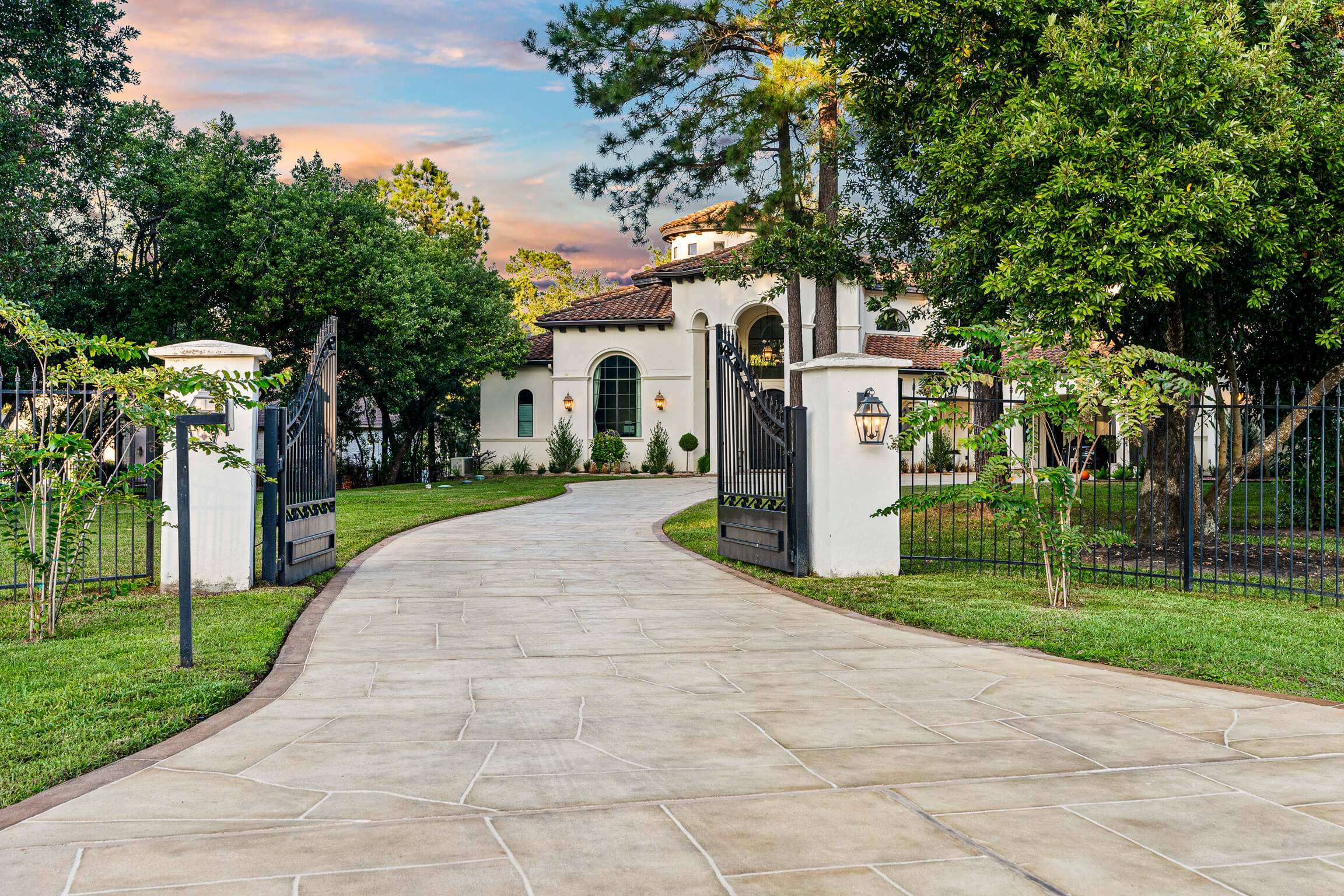
Driveways and pathways are the unsung heroes of any property. They guide guests to your door, support daily vehicle traffic, and set the tone for your landscape’s aesthetic. But these are not just cosmetic—poorly designed or constructed driveways can cause flooding, cracking, costly repairs, and even safety hazards.
This guide covers:
Driveway and pathway materials: pros, cons, and lifespan
Drainage and slope considerations to prevent pooling or erosion
Durability, maintenance, and repair strategies
Cost ranges for installation and long-term upkeep
Inspection checklists for buyers or homeowners
“When to walk away” scenarios for damaged or poorly constructed surfaces
By the end, you’ll know how to evaluate, maintain, and optimize your driveways and paths, so they’re both beautiful and functional for decades.
1. Why Material Choice Matters
Choosing the right material is more than just picking a color or texture—it affects:
Durability: How long before cracks, potholes, or erosion appear
Maintenance needs: Some surfaces are more forgiving, others demand regular upkeep
Aesthetic appeal: Shapes and textures influence first impressions and landscape cohesion
Climate resilience: Freeze/thaw, heavy rain, or hot sun can drastically impact lifespan
Pro tip: A driveway is like a car—it can look great at first glance, but if the foundation is wrong, you’ll be constantly fixing problems rather than enjoying it.
2. Common Driveway & Path Materials
A. Asphalt
Lifespan: 15–25 years
Pros: Smooth surface, flexible under minor settling, relatively inexpensive
Cons: Requires sealing every 3–5 years, soft in extreme heat, prone to cracking
Maintenance tips: Seal cracks quickly, apply topcoat every few years, remove standing water promptly
B. Concrete
Lifespan: 25–40 years
Pros: Durable, low-maintenance, versatile in design
Cons: Cracks from freeze/thaw or poor installation, harder repairs than asphalt
Pro tips: Look for reinforced or post-tensioned slabs, expansion joints, proper base compaction
C. Pavers (Brick, Concrete, Stone)
Lifespan: 30–50+ years
Pros: Aesthetic versatility, easy to replace damaged sections, good drainage if installed with gaps and sand
Cons: Shifting or settling if base isn’t properly prepared, can be costly
Pro tips: Ensure proper base compaction and edge restraints, especially for vehicle traffic
D. Gravel / Crushed Stone
Lifespan: 10–20 years depending on compaction
Pros: Excellent drainage, affordable, easy DIY installation
Cons: Requires periodic replenishment, can migrate onto lawns or walkways, not ideal for high-traffic driveways
Pro tips: Use geotextile fabric beneath gravel to reduce weed growth and maintain stability
E. Resin-Bound or Decorative Surfaces
Lifespan: 15–30 years
Pros: Smooth, customizable, semi-permeable for drainage
Cons: Expensive, can be damaged by heavy vehicles if base is weak
Pro tips: Ensure proper sub-base preparation and UV-resistant resin for longevity
Witty insight: Choosing the wrong material is like wearing flip-flops on a hike—looks fine for a moment, but eventually, you’ll regret it.
3. Drainage & Slope Considerations
Water is the enemy of longevity for driveways and paths. Even high-quality surfaces fail if water is allowed to pool or erode the base.
A. Proper Slope
Ideal slope: 1–2% away from structures to prevent water pooling near foundations
For long driveways: consider gentle crowning or side slopes for natural drainage
B. Drainage Solutions
French drains or channel drains for areas prone to heavy rainfall
Permeable pavers or gravel to allow infiltration
Avoid low spots or depressions where water can accumulate
C. Climate Impacts
Freeze/thaw cycles: Water trapped under asphalt or concrete causes cracks
Heavy rain regions: Poor drainage leads to erosion or pooling
Hot climates: Asphalt softens, increasing rutting risk
Insight: Drainage is more important than material. A perfectly laid concrete driveway will fail if water sits and freezes beneath it.
4. Durability & Maintenance
A. Asphalt
Seal every 3–5 years
Crack fill promptly
Keep from prolonged oil spills
B. Concrete
Inspect expansion joints
Fill cracks promptly
Power wash annually to maintain surface integrity
C. Pavers
Re-sand joints periodically
Reset shifted pavers
Weed control for gaps
D. Gravel
Replenish every few years
Regrade to maintain slope
Edge restraints to prevent migration
E. Decorative Resin / Asphalt Mixes
Avoid heavy vehicle traffic if not rated
UV-resistant cleaning and sealing
Inspect for minor cracks early
Witty insight: Maintenance is like flossing—annoying now, but prevents disaster later.
5. Inspection Checklist
Before buying a home or installing a new surface:
Surface & Material
Cracks, pitting, or shifting
Material type and thickness appropriate for use
Consistency in installation (no low spots)
Drainage
Proper slope away from structures
Channel or French drains installed if needed
No pooling or water retention
Base & Substrate
Compacted gravel base or post-tensioned concrete for long-term stability
Edge restraints intact
Signs of soil erosion beneath surface
Climate Considerations
Freeze/thaw resilience
Drainage for heavy rainfall
UV or heat resistance for hot climates
Pro tip: Think of this checklist as a driveway health exam—ignore it, and every rainstorm or snowmelt becomes a test you’ll fail.
6. Cost Considerations
Material | Typical Installation | Maintenance | Lifespan |
|---|---|---|---|
Asphalt | $4–$10/sq ft | $150–$600/yr | 15–25 yrs |
Concrete | $6–$15/sq ft | $100–$300/yr | 25–40 yrs |
Pavers | $10–$25/sq ft | $50–$200/yr | 30–50 yrs |
Gravel | $1–$5/sq ft | $50–$200/yr | 10–20 yrs |
Resin-bound | $15–$30/sq ft | $50–$150/yr | 15–30 yrs |
Insight: Higher upfront cost often equals lower maintenance, longer lifespan, and better resale appeal. But even a cheap gravel path will last if properly graded and maintained.
Advanced Installation Techniques, Drainage Engineering & Material Longevity
A driveway or pathway isn’t just a surface—it’s a complex system of layers, materials, and drainage designed to withstand traffic, weather, and time. Cutting corners during installation can lead to settling, cracking, erosion, and costly repairs. Here’s how professionals ensure long-lasting surfaces.
1. Base Preparation: The Foundation of Durability
No matter the material—asphalt, concrete, pavers, or gravel—the sub-base is critical. A poorly prepared base is the leading cause of premature failure.
A. Gravel Base
Provides drainage and prevents settling
Typically 4–8 inches compacted, depending on soil and expected traffic
Geotextile fabric underneath prevents weeds and stabilizes soil
Edge restraints prevent lateral migration
Witty insight: Skipping base prep is like building a house on sand—sure, it looks fine, until your car sinks.
B. Post-Tensioned Concrete
Concrete slabs can crack due to shrinkage or freeze/thaw cycles
Post-tensioning involves steel cables embedded in concrete, pre-tensioned to reduce cracking
Benefits: longer lifespan, less maintenance, resistance to heavy loads
Typical slab thickness: 4–6 inches for driveways, thicker for heavy vehicles
C. Reinforced Bases for Pavers
Crushed stone sub-base compacted in layers
Edge restraints critical to prevent spreading
Sand or polymeric sand fills joints to lock pavers in place
Prevents shifting and uneven surfaces under vehicle weight
2. Drainage Engineering: Keep Water Moving
Even the strongest material fails if water pools or erodes the base. Proper drainage engineering is essential.
A. Surface Slope
Standard: 1–2% slope away from structures
Crowned driveways: slight peak in the middle to shed water
Low spots: add drains or adjust grade to prevent puddles
B. Channel Drains & French Drains
Channel drains: linear drains at garage or low points
French drains: perforated pipes surrounded by gravel, hidden under paths
Both reduce pooling and prevent foundation damage or ice hazards
C. Permeable Surfaces
Gravel, resin-bound, or specially designed pavers allow water infiltration
Reduces runoff and erosion
Environmentally friendly, ideal for rain-heavy regions
Insight: Drainage is the unsung hero of driveway longevity—water is patient but relentless.
3. Material Longevity: Expected Lifespan & Climate Considerations
A. Asphalt
Lifespan: 15–25 years
Maintenance: resealing every 3–5 years, crack repair, snow/ice protection
Climate notes: softens in hot sun, cracks in freeze/thaw
B. Concrete
Lifespan: 25–40 years
Maintenance: fill cracks, inspect expansion joints, surface cleaning
Climate notes: reinforced or post-tensioned slabs resist frost heave; beware water pooling
C. Pavers
Lifespan: 30–50+ years
Maintenance: re-sand joints, reset shifted pavers, remove weeds
Climate notes: resilient to freeze/thaw; base preparation critical
D. Gravel / Crushed Stone
Lifespan: 10–20 years
Maintenance: replenishment, grading, edge restraint
Climate notes: excellent drainage for heavy rain; may wash away if slope poorly graded
E. Decorative / Resin-Bound Surfaces
Lifespan: 15–30 years
Maintenance: keep clean, UV-resistant coatings
Climate notes: proper sub-base prevents cracking; heavy vehicle traffic can deform weak bases
Pro tip: Material selection must match climate, traffic load, and aesthetic goals. Don’t pick a resin-bound driveway for a tractor-heavy property.
4. Signs of Poor Installation or Failing Driveways
Cracks & heaving in concrete or asphalt
Settling or depressions in pavers or gravel
Erosion around edges or pooling water
Uneven joints or shifting stones in pavers
Rusting metal edges or degraded coatings in decorative features
Witty insight: Even a brand-new driveway can fail spectacularly if the installer ignored sub-base compaction, drainage, or climate considerations. Look past the top layer—the base matters most.
5. Repair vs Rebuild: Cost Considerations
Problem | Repair | Rebuild | Notes |
|---|---|---|---|
Asphalt cracks / minor potholes | $50–$200 | $4–$10/sq ft | Small cracks manageable; major damage = full resurfacing |
Concrete cracks / spalling | $100–$500 | $6–$15/sq ft | Hairline cracks are repairable; deep slab damage often rebuild |
Paver settling / shifting | $50–$300 | $10–$25/sq ft | Individual pavers easy to reset; large-scale base failure may require full rebuild |
Gravel erosion / rutting | $50–$200 | $1–$5/sq ft | Regrading + replenishment cheaper than full excavation |
Resin-bound surface damage | $50–$500 | $15–$30/sq ft | Minor repairs easy; large cracks require full replacement |
Insight: Repairs are cheap when caught early, but ignoring early signs leads to full rebuilds that cost thousands.
6. Inspection Checklist
Before buying a home or planning a driveway installation, check:
Base & Substrate
Proper compaction of sub-base layers
Post-tensioned or reinforced concrete if applicable
Edge restraints installed and intact
Surface & Material
No cracks, heaving, or depressions
Surface thickness appropriate for expected load
Material suitable for climate conditions
Drainage
1–2% slope away from structures
Channel or French drains in low spots
Permeable materials functioning properly if installed
Longevity & Maintenance
Signs of wear or early cracking
Maintenance history for sealants, paver re-sanding, or gravel replenishment
Seasonal winter prep completed (for cold climates)
Witty insight: Skipping this inspection is like buying a car without looking under the hood—surface beauty doesn’t guarantee long-term function.
Maintenance, Seasonal Use & Long-Term Durability Strategies
A driveway or path isn’t a “set it and forget it” feature. Even the strongest material will fail prematurely without maintenance, seasonal preparation, and long-term planning. A well-cared-for driveway is like a finely tuned machine—it works smoothly for decades, looks great, and avoids expensive surprises.
1. Routine Maintenance
A. Asphalt
Seal cracks promptly; prevent water from seeping into base layers
Apply seal coat every 3–5 years to extend lifespan
Remove standing water and prevent oil or chemical stains
Winter tip: Use plastic shovels instead of metal to avoid gouging surface
B. Concrete
Inspect expansion joints and fill minor cracks
Power wash annually to remove dirt, moss, or algae
Avoid de-icers with high salt content; they accelerate surface deterioration
Winter tip: Use sand instead of salt on icy surfaces to protect concrete integrity
C. Pavers
Re-sand joints periodically; polymeric sand prevents weed growth
Reset shifted pavers immediately to prevent trip hazards and further settling
Edge restraints must remain intact to avoid lateral movement
Winter tip: Shovel snow carefully to avoid dislodging stones; avoid chemical de-icers on polymeric sand
D. Gravel / Crushed Stone
Regrade to maintain slope and proper drainage
Replenish top layer every 2–4 years, depending on traffic and erosion
Use edging to prevent migration onto lawns or sidewalks
Winter tip: Gravel can shift under snow removal; ensure proper compaction
E. Resin-Bound Surfaces
Keep clean from debris and moss to prevent surface staining
UV-resistant coatings prolong lifespan and prevent color fading
Avoid heavy vehicle traffic unless base is engineered for load-bearing
Winter tip: Shovel snow carefully; check for cracking from freeze/thaw
Insight: Maintenance is the difference between a driveway that lasts decades and one that becomes a patchwork nightmare in 5 years.
2. Seasonal Considerations
A. Winter
Ice and snow management is critical; standing water under ice causes freeze/thaw damage
Snowplows or shovels should avoid sharp edges that can gouge asphalt or pavers
Inspect drainage after snow melts to catch pooling or erosion early
B. Spring
Check for winter damage: cracks, heaving, or displaced pavers
Regrade gravel surfaces and replenish if necessary
Clean debris and power wash concrete to remove winter salts
C. Summer
Asphalt may soften under hot sun; avoid parking heavy vehicles in the same spot for prolonged periods
Monitor gravel and resin-bound surfaces for settling or minor cracking
D. Fall
Clear leaves and organic debris to prevent mold or moss
Inspect edge restraints and sub-base conditions before winter
Witty insight: Seasonal care is like changing the oil in a car—annoying, yes, but skipping it leads to catastrophic failure.
3. Long-Term Durability Strategies
A. Drainage Upgrades
Add French drains or channel drains in low points
Permeable pavers or resin surfaces can reduce runoff
Ensure slopes are maintained over time; soil can settle and create pooling
B. Reinforced Bases
Post-tensioned concrete or compacted gravel bases increase lifespan
Edge restraints prevent lateral movement in pavers or gravel paths
Proper compaction prevents rutting and uneven surfaces
C. Surface Treatments
Asphalt seal coating every 3–5 years
Concrete sealers to resist water penetration and staining
Resin surfaces UV-resistant coatings to prevent fading
D. Traffic Management
Limit heavy vehicle traffic on weak or decorative surfaces
Gravel and resin-bound paths may require thicker bases for trucks or trailers
Rotate parking spots to avoid rutting or permanent depressions
Pro tip: Think of your driveway like a professional athlete—it performs best when properly trained, maintained, and rested.
4. Signs of Neglect
Even the best materials can fail if neglected:
Potholes, depressions, or rutting in asphalt or gravel
Cracks wider than 1/4 inch in concrete or pavers
Erosion around edges or pooling water
Weed or moss overgrowth indicating poor drainage or maintenance
Rusting metal edging or degraded polymeric sand
Insight: If multiple warning signs exist, don’t wait for a catastrophe—address issues now before costs skyrocket.
5. Cost Considerations for Maintenance & Longevity
Material | Annual Maintenance | Major Repairs | Lifespan |
|---|---|---|---|
Asphalt | $150–$600 | $4–$10/sq ft resurfacing | 15–25 yrs |
Concrete | $100–$300 | $6–$15/sq ft slab replacement | 25–40 yrs |
Pavers | $50–$200 | $10–$25/sq ft full rebuild | 30–50 yrs |
Gravel | $50–$200 | $1–$5/sq ft base regrading | 10–20 yrs |
Resin-bound | $50–$150 | $15–$30/sq ft surface replacement | 15–30 yrs |
Witty insight: A little annual care costs pennies compared to the thousands you’ll spend ignoring cracks and drainage issues.
6. Inspection Checklist
Before buying a home with a driveway or planning installation:
Base & Substrate
Proper compaction and drainage
Reinforced or post-tensioned concrete if applicable
Edge restraints in good condition
Surface & Material
No cracks, heaving, or rutting
Thickness appropriate for expected load
Material suitable for climate and traffic
Drainage & Slope
1–2% slope away from structures
No pooling or water retention
Drains functional if installed
Seasonal Care & Maintenance
Evidence of annual maintenance
Winter prep completed (salt management, snow removal strategy)
Past repairs documented
Insight: Skipping this checklist is like buying a house without checking the foundation—you won’t know the real costs until it’s too late.