Elevators: Maintenance, Longevity & Market Appeal
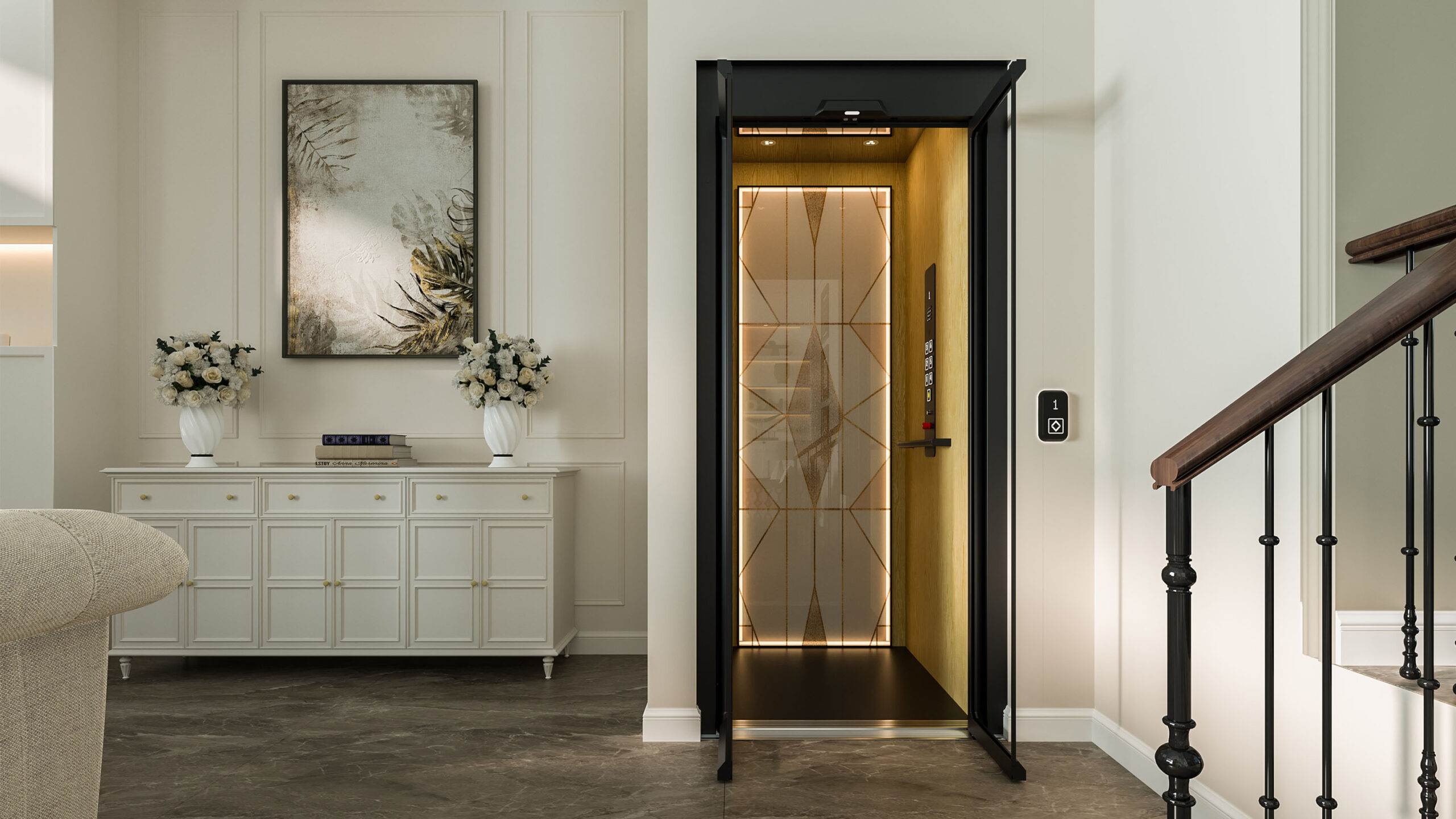
What a Residential Elevator Actually Signals (and to Whom)
Residential elevators sit in a strange place in real estate.
They’re:
Not quite luxury
Not quite accessibility
Not quite necessity
To the right buyer, an elevator is a deal-maker.
To the wrong buyer, it’s a maintenance liability wrapped in drywall.
Understanding which one you’re dealing with starts with understanding what an elevator actually signals in a home.
1. Elevators Are About Longevity, Not Flash
Contrary to popular belief, elevators are rarely installed to impress.
They’re installed because:
The house has multiple levels
The owners plan to stay long-term
Mobility matters now—or will soon
Stairs are already a design constraint
That intent matters enormously for resale.
A well-integrated elevator signals:
“This home was designed to be lived in comfortably over time.”
A poorly integrated one signals:
“Someone added this late and hoped for the best.”
Buyers feel the difference immediately.
2. Who Actually Wants a Residential Elevator?
This is where market appeal gets narrow—and specific.
Primary buyer groups:
Aging-in-place buyers
Multigenerational households
Buyers with mobility concerns (present or anticipated)
Long-term planners
Certain luxury buyers in vertical homes
Buyers who are often indifferent:
Young families
First-time buyers
Short-term owners
Buyers focused on layout flexibility
Key insight:
Elevators don’t broaden your buyer pool—they shift it.
That can help or hurt, depending on context.
3. Elevators vs Stairs: The False Comparison
An elevator does not replace stairs.
It supplements them.
If an elevator feels like:
The only practical way to move through the house
A compensation for poor stair design
Buyers get nervous.
Good elevator integration:
Stairs still feel primary
Elevator feels optional
Movement through the house is intuitive
Bad integration:
Elevator dominates circulation
Stairs feel secondary or cramped
Flow feels compromised
Real estate reality:
Anything that interferes with natural circulation reduces appeal.
4. Elevator Types (and Why Buyers Care)
Not all elevators are equal—and buyers increasingly know that.
1. Hydraulic elevators
Pros:
Smooth ride
Strong lifting capacity
Proven technology
Cons:
Oil-based systems
More maintenance
Environmental concerns
Machine room required
Buyer perception:
Reliable, but dated.
2. Traction (cable-driven) elevators
Pros:
Energy efficient
No hydraulic fluid
Smooth operation
Longer lifespan
Cons:
Higher upfront cost
More complex install
Buyer perception:
Modern and preferred.
3. Pneumatic (vacuum) elevators
Pros:
Minimal footprint
No pit or machine room
Visual appeal
Cons:
Limited capacity
Noise
More novelty than necessity
Buyer perception:
Polarizing. Some love it. Some immediately see it as gimmicky.
5. Where Elevators Add the Most Market Appeal
Elevators make the most sense in homes that are:
Vertical (3+ levels)
On sloped lots
In dense urban environments
Designed for long-term ownership
Already optimized for accessibility
They struggle in:
Compact homes
Homes where stairs are minimal
Entry-level markets
Flip-style properties
Rule:
If the house doesn’t need vertical assistance, buyers question why it’s there.
6. Elevator Placement: The Make-or-Break Factor
Buyers judge elevator placement instinctively.
Good placement:
Near main circulation
Easy access from primary living areas
Serves all meaningful levels
Feels intentional
Bad placement:
Hidden in utility spaces
Awkward detours
Misses key floors
Feels like an afterthought
If buyers have to search for the elevator, confidence drops.
7. The Space Tradeoff Buyers Calculate
An elevator always costs space.
Buyers immediately ask—internally:
“What did we give up for this?”
That could be:
Closet space
Bedroom size
Storage
Ceiling height
Layout flexibility
If the tradeoff feels fair, the elevator works.
If it feels forced, it becomes a liability.
8. Psychological Impact During Showings
Elevators change how buyers move through a home.
They:
Reduce fatigue
Change pacing
Influence how spaces feel connected
Alter perception of size
A good elevator makes a tall home feel effortless.
A bad one makes buyers hyper-aware of complexity.
9. Elevators Are About Confidence
Ultimately, an elevator adds value when it:
Feels safe
Feels quiet
Feels predictable
Feels supported long-term
Buyers don’t want:
Quirks
Special instructions
Maintenance anxiety
Service dependency fears
They want confidence.
10. The First Big Truth About Elevators & Resale
An elevator does not add value on its own.
It only preserves value when stairs would otherwise limit the home.
That distinction matters.
Maintenance, Servicing, Lifespan & What Actually Breaks
Residential elevators don’t fail dramatically.
They fail inconveniently.
And inconvenience is exactly what buyers fear.
An elevator that looks beautiful but feels unpredictable quietly erodes confidence in the entire house.
Let’s talk about what ownership really involves.
1. Elevators Are Mechanical Systems, Not Fixtures
This is the mental shift buyers make very quickly.
An elevator is not:
A staircase
A railing
A built-in cabinet
It is closer to:
HVAC
A vehicle
Specialized equipment
That means:
Scheduled servicing
Wear parts
Downtime
Vendor dependence
Buyers who understand this will immediately ask:
“Who services it, and how often?”
If the seller doesn’t know, that’s already a problem.
2. Typical Maintenance Requirements (By Elevator Type)
Hydraulic elevators
Routine needs:
Annual servicing (minimum)
Hydraulic fluid checks
Seal inspections
Pump maintenance
Common issues:
Fluid leaks
Valve wear
Slower performance over time
Buyer perception:
Reliable but maintenance-heavy.
Traction (cable-driven) elevators
Routine needs:
Annual servicing
Cable inspection
Motor and brake checks
Control system calibration
Common issues:
Cable wear (long-term)
Control board aging
Brake adjustments
Buyer perception:
Cleaner, more modern, lower long-term anxiety.
Pneumatic (vacuum) elevators
Routine needs:
Seal inspection
Air pressure calibration
Sensor checks
Common issues:
Seal degradation
Noise complaints
Limited service availability
Buyer perception:
Cool, but “who fixes this if something goes wrong?”
3. Annual Maintenance Costs (What Buyers Expect)
These numbers matter because buyers mentally add them to ownership costs.
Typical annual servicing:
Hydraulic: $800–$1,500
Traction: $600–$1,200
Pneumatic: $700–$1,500
These are normal, not worst-case.
Unexpected repairs cost more—and spook buyers.
4. Lifespan Expectations (The Quiet Math Buyers Do)
Buyers don’t expect elevators to last forever.
They expect predictability.
Reasonable lifespan ranges:
Hydraulic systems: 20–30 years
Traction systems: 25–40 years
Pneumatic systems: 15–25 years
Controllers and electronics age faster:
Control boards: 10–15 years
Buttons & panels: 10–20 years
Door operators: 15–25 years
If the elevator is already mid-life, buyers start calculating future capital costs.
5. What Actually Breaks First (and Most Often)
Contrary to fear, elevators rarely “drop” or fail catastrophically.
The common problems are boring—and annoying.
Most frequent issues:
Door sensors misaligning
Buttons not responding
Control errors
Noisy operation
Slow leveling at floors
These don’t scare buyers because they’re dangerous.
They scare buyers because they’re inconvenient.
6. Downtime: The Hidden Stress Factor
A residential elevator that’s down for:
A day = annoying
A week = stressful
A month = unacceptable
Buyers immediately think:
“What happens if we rely on this?”
Homes marketed as accessible must back it up operationally.
7. Service Availability Matters More Than Brand
This is one of the most overlooked resale issues.
Buyers will ask (or think):
Is there a local service provider?
Are parts readily available?
Is the system proprietary?
If servicing requires:
Flying in specialists
Long wait times
Single-vendor dependence
Market appeal drops.
8. Noise, Vibration & Perceived Quality
Buyers notice:
Motor noise
Jerky starts
Door slamming
Vibrations
Even if the system is “within spec,” perception matters.
A quiet, smooth elevator feels premium.
A noisy one feels fragile—even if it’s safe.
9. Documentation: The Confidence Multiplier
Sellers who can provide:
Service records
Manufacturer info
Warranty details
Inspection logs
Instantly raise buyer confidence.
Lack of documentation suggests:
Deferred maintenance
DIY fixes
Future surprises
10. The Maintenance-to-Value Equation
Here’s the harsh truth:
Buyers tolerate maintenance costs only if the elevator clearly solves a problem.
If stairs are manageable, maintenance feels unnecessary.
If stairs are a barrier, maintenance feels justified.
Context determines value.
11. Seller Mistakes That Trigger Buyer Anxiety
“It’s never had a problem” (means no records)
“We hardly used it” (means unknown condition)
“It just works” (means no maintenance plan)
“The installer is no longer around” (big red flag)
Silence here is costly.
12. Real Estate Reality Check
An elevator:
Preserves value when mobility matters
Adds confidence when well maintained
Loses appeal when neglected
Becomes a liability when undocumented
Buyers aren’t afraid of elevators.
They’re afraid of surprises.
Inspections, Safety, Code Compliance & Red Flags
Residential elevators exist at the intersection of engineering, regulation, and liability.
They are not judged emotionally.
They are judged on risk.
Buyers don’t need to understand every code—but they need to feel certain that someone else already has.
1. Elevators Are Regulated—Even in Single-Family Homes
A common seller misconception is:
“It’s a private home, so it’s not heavily regulated.”
That’s false.
In most jurisdictions (including British Columbia and other high-regulation markets):
Residential elevators must meet provincial safety codes
Installations require permits
Modifications trigger re-inspection
Buyers assume this compliance exists—even if no one mentions it.
2. Code Framework Buyers Don’t Name but Expect
Buyers may not cite code sections, but they expect:
Safe stopping
Door interlocks
Emergency lowering
Alarm systems
Proper clearances
If anything looks improvised, buyer confidence collapses quickly.
3. Inspection Timing: When Elevators Get Scrutinized
Elevators typically get evaluated:
During home inspections
During insurance underwriting
During accessibility-related financing
During resale negotiations
Importantly:
Inspectors may not certify elevators
But they flag concerns
Flags lead to:
Specialist inspections
Price renegotiations
Repair credits
Or deal collapse
4. What Inspectors Actually Look For (Not What Sellers Think)
Inspectors don’t test elevators like commercial systems.
They observe condition, safety indicators, and compliance clues.
Common inspection focus areas:
Door operation and interlocks
Emergency stop functionality
Smooth leveling at floors
Unusual noises or vibration
Visible wear on cables or rails
Condition of control panels
Emergency phone or alarm
They are looking for risk signals, not perfection.
5. Safety Systems Buyers Expect to Exist
Buyers implicitly expect:
Emergency stop button
Backup lowering (battery or manual)
Door sensors to prevent closing on people
Locked access to mechanical rooms
Clear emergency instructions
If any of these are missing or unclear, fear rises fast.
6. Red Flag #1: DIY Modifications
Nothing scares buyers faster than:
Custom wiring
Non-original panels
Homeowner “upgrades”
Mismatched components
Elevators are not DIY systems.
Even if modifications were well-intentioned, buyers interpret them as:
“Who else touched this?”
7. Red Flag #2: No Permit Trail
Buyers don’t always ask for permits—but inspectors and lawyers do.
Missing documentation suggests:
Unapproved installation
Skipped inspections
Liability exposure
If permits can’t be produced, buyers may require:
Retrospective inspection
Certification
Or removal
All three cost money.
8. Red Flag #3: Non-Functional Emergency Features
An elevator that moves but lacks:
A working alarm
Backup lowering
Emergency lighting
Feels unsafe—even if rarely used.
Buyers imagine worst-case scenarios, not daily use.
9. Red Flag #4: Obsolete or Unsupported Systems
If the elevator brand:
No longer exists
Has no local service
Uses discontinued parts
Buyers immediately think:
“This is a future problem I can’t solve.”
Even a perfectly functioning elevator loses appeal if its ecosystem is dead.
10. Accessibility vs Compliance Confusion
Many sellers market elevators as “accessible.”
But accessibility compliance is different from basic safety compliance.
Buyers (especially those planning long-term occupancy) worry about:
Door width
Cab size
Control height
Threshold leveling
If the elevator almost meets accessibility needs, it may still feel inadequate.
11. Insurance & Liability Considerations
This part is rarely discussed—but buyers feel it instinctively.
Insurers may ask:
Is the elevator maintained?
Is it code compliant?
Are inspections documented?
An elevator that complicates insurance is a silent deal killer.
12. Elevators and Children: A Special Buyer Anxiety
Families with children scrutinize:
Door pinch protection
Control accessibility
Locking features
Unsupervised use risks
If the elevator looks tempting but unsafe, buyers may see it as a hazard—not a benefit.
13. When Elevators Become Dealbreakers
An elevator becomes a dealbreaker when:
Safety is unclear
Compliance is undocumented
Repairs feel imminent
Responsibility feels ambiguous
Buyers don’t want to inherit uncertainty.
14. The Seller’s Advantage: Proactive Certification
The strongest listings:
Provide recent elevator inspection reports
Show maintenance contracts
Clarify servicing arrangements
Remove mystery
This reframes the elevator from risk to reassurance.
15. Market Reality: Confidence Is the Product
An elevator doesn’t sell itself.
Confidence does.
When buyers feel safe, informed, and protected:
Elevators add value
Negotiations stay calm
Deals move forward
When buyers feel unsure:
Discounts appear
Conditions pile up
Momentum dies
Market Appeal: When Elevators Add Value, Preserve Value, or Hurt Resale
Residential elevators are not universally positive or negative.
They are context-dependent assets.
In the right house, for the right buyer, in the right market, an elevator feels inevitable.
In the wrong context, it feels intrusive, confusing, or like a looming obligation.
Understanding which category a property falls into is what separates strategic pricing from painful stagnation.
Elevators Don’t Add Value Equally—They Filter Buyers
An elevator does not appeal to everyone.
It appeals deeply to some and is neutral or mildly negative to others.
That means elevators function more like buyer filters than upgrades.
They:
Strengthen appeal to certain demographics
Narrow the buyer pool
Increase seriousness of intent among qualified buyers
This is not a flaw—it’s a positioning tool.
The Buyers Who Actively Want Elevators
Elevators are most positively received by:
1. Aging-in-place households
Long-term horizon
Mobility planning
Willing to pay for continuity
2. Multigenerational families
Elderly parents
Temporary mobility needs
Long-term flexibility
3. Accessibility-driven buyers
Not always visibly disabled
Often planning ahead
Highly detail-oriented
4. High square footage households
Multiple levels
Daily vertical movement
Lifestyle convenience
These buyers see elevators as functional infrastructure, not indulgence.
Buyers Who Are Neutral or Skeptical
Elevators often feel unnecessary to:
Young first-time buyers
Small households
Short-term investors
Renovation-minded buyers
These buyers don’t hate elevators—they simply don’t value them enough to pay extra.
For them, an elevator must at least feel:
Invisible
Low-maintenance
Non-intrusive
When Elevators Hurt Resale Value
Elevators actively hurt value when:
1. The house is small
If the home has:
Two floors
Compact layout
Easy stair navigation
The elevator feels disproportionate.
2. The elevator replaces usable space
If it:
Cuts into living areas
Compromises layouts
Feels like an afterthought
Buyers feel they’re paying for someone else’s lifestyle.
3. Maintenance feels unclear
Uncertainty equals risk.
Buyers discount unknowns aggressively.
Elevators as a Value Preserver (Not a Value Adder)
This is the most common reality.
In many cases, elevators:
Don’t increase price
But prevent discounts
Preserve marketability
They stop homes from aging out of relevance as demographics shift.
In this role, elevators are defensive—not offensive.
Market Type Matters More Than Feature Quality
Elevators behave differently in:
Urban vs suburban markets
Flat vs hilly geographies
Older vs newer neighborhoods
In vertical, hillside, or view-driven markets, elevators feel logical.
In flat, spread-out suburbs, they feel optional.
Context always wins.
Price Bracket Sensitivity
Elevators perform best when:
The price bracket already supports complex systems
Buyers expect maintenance
Buyers are emotionally detached from “simplicity”
In lower brackets, elevators feel like:
“One more thing that can go wrong.”
New Construction vs Retrofit Perception
Buyers trust:
Elevators designed into original plans
Integrated shafts
Purpose-built mechanical rooms
They question:
Retrofits
Converted closets
Visible compromises
Design intention matters as much as execution.
Marketing Language Can Make or Break Appeal
Poor elevator marketing:
Overemphasizes the feature
Signals complexity
Triggers maintenance anxiety
Strong marketing:
Normalizes the elevator
Frames it as infrastructure
Mentions service support quietly
You don’t sell the elevator—you de-risk it.
Showings: What Buyers Notice First
During showings, buyers instinctively notice:
Noise
Smoothness
Door behavior
Space impact
They may not say anything—but their reaction is immediate.
If the elevator feels clunky, it loses psychological value instantly.
Elevators and Appraisal Reality
Appraisers:
Rarely assign full dollar value to elevators
Often treat them as amenities
May adjust only modestly
That doesn’t mean elevators are worthless—it means their value is indirect.
They affect:
Buyer interest
Time on market
Negotiation leverage
Renovation ROI: Installing an Elevator for Resale
Installing an elevator purely for resale is risky.
It works best when:
The market already expects one
The house is clearly long-term oriented
The cost is proportionate to price point
Otherwise, ROI is uncertain.
Elevators vs Competing Accessibility Solutions
Some buyers prefer:
Main-floor living
Bedroom on the entry level
Minimal stairs
An elevator cannot compensate for poor layout.
Layout always beats machinery.
Future-Proofing as a Selling Narrative
The most successful elevator listings frame the feature as:
Optional
Ready when needed
Quietly supportive
This reduces resistance and increases perceived intelligence of the design.
The Final Market Truth
Elevators don’t sell houses.
Confidence sells houses.
When elevators feel:
Safe
Documented
Intentional
Low-friction
They elevate the entire property’s credibility.
When they feel uncertain, they drag everything down with them.
Ownership Costs, Maintenance Reality & Long-Term Planning
Residential elevators are not “install and forget” features.
They are closer to HVAC systems than kitchen finishes: mechanical, regulated, and unforgiving of neglect.
Buyers don’t need elevators to be cheap.
They need them to be predictable.
1. The Core Truth: Elevators Age Even When Unused
A common misconception is:
“We barely use it, so it should be fine.”
Elevators degrade with time, not just mileage.
Components that age regardless of use:
Cables and belts
Hydraulic seals
Electronics
Batteries
Control boards
Low usage does not equal low maintenance.
2. Annual Maintenance: What’s Normal
Most residential elevators require:
Annual servicing at minimum
Bi-annual servicing for heavier use
Periodic safety inspections
Typical annual maintenance cost ranges:
$300–$700 for basic service
$800–$1,200 for older or complex systems
These costs are normal—not warning signs.
3. Service Contracts: Optional but Smart
Service contracts:
Lock in response times
Reduce emergency repair costs
Signal responsible ownership to buyers
Homes without service contracts feel unmanaged—even if the elevator works.
4. Repair Costs Buyers Should Expect Over Time
Not all repairs are equal. Some are routine, others are disruptive.
Common repair cost ranges:
Door sensors: $300–$800
Control board issues: $1,500–$4,000
Hydraulic leaks: $2,000–$6,000
Cable replacement: $3,000–$7,000
Buyers don’t panic at costs—they panic at surprises.
5. Hydraulic vs Traction Maintenance Profiles
Hydraulic elevators:
Lower upfront cost
Higher long-term maintenance
Risk of fluid leaks
Slower operation
Traction elevators:
Higher upfront cost
Cleaner systems
Smoother ride
Lower long-term servicing volatility
Buyers planning long-term occupancy increasingly prefer traction systems.
6. Lifespan Expectations (Reality, Not Sales Brochures)
Typical lifespan expectations:
Hydraulic systems: 20–25 years
Traction systems: 25–35 years
Modern MRL systems: 20–30 years
Major component replacement often occurs before full system failure.
7. Mid-Life Upgrades vs Full Replacement
At around year 15–20, owners face decisions:
Replace key components
Upgrade control systems
Or plan for full replacement
Mid-life upgrades can extend usability significantly if planned early.
8. Replacement Costs Buyers Rarely Budget For
Full replacement costs:
$35,000–$60,000 for standard systems
$60,000+ for custom or multi-stop installations
Buyers factor these numbers mentally—even if sellers don’t.
9. Downtime Reality
Elevators will occasionally:
Go offline
Require parts
Wait for technicians
Homes that rely entirely on elevators for access feel risky.
Redundancy matters.
10. Parts Availability: The Silent Dealbreaker
Buyers worry about:
Manufacturer stability
Local service presence
Parts availability timelines
An elevator without local support is not a feature—it’s a liability.
11. Maintenance Records as Value Signals
Strong listings provide:
Service invoices
Maintenance logs
Inspection records
This reduces perceived ownership burden dramatically.
12. Insurance Implications
Some insurers:
Require proof of maintenance
Adjust premiums for elevators
Exclude elevator-related incidents if neglected
Buyers don’t want insurance complications.
13. Long-Term Planning: Who Is the Elevator For?
Smart owners ask:
Is this for aging?
Accessibility?
Convenience?
Resale?
Elevators with no clear long-term role lose relevance quickly.
The Cost-to-Confidence Ratio
Buyers don’t mind paying:
$1,000/year for peace of mind
They hate paying:
$10,000 unexpectedly
Predictability is the real value.
The Ownership Reality Buyers Respect
An elevator that:
Is serviced
Is documented
Is understood
Has a plan
Feels responsible—not extravagant.
That’s what sustains market appeal.
When to Install, When to Keep, and When to Walk Away
Residential elevators are tricky. They can enhance, preserve, or diminish value, depending entirely on context, condition, and communication.
This section gives the mental checklist for buyers, sellers, and investors.
When Installing a New Elevator Makes Sense
Installing a new elevator is justified when it solves a problem rather than decorating a space.
Scenarios:
Vertical homes with multiple levels
Three floors or more, steep staircases
Frequent movement of elderly or children
Future-proofing for aging-in-place
Homeowners plan to live long-term
Stairs may become restrictive in 10–20 years
Homes marketed as accessible or multigenerational
Buyers expect optional mobility solutions
High-end properties with consistent finishes
Integration looks intentional, not retrofit
Rule of thumb:
If an elevator feels necessary, it adds appeal. If it’s optional for convenience alone, think twice.
When Keeping an Existing Elevator Adds Value
For buyers evaluating an existing elevator, keeping it makes sense if:
Condition is documented
Service records, inspections, warranty transfers
Maintenance is predictable
Existing service contract or local service provider
Integration is thoughtful
Feels optional, doesn’t compromise layouts
Appeal aligns with buyer type
Vertical home, accessibility need, or multigenerational plan
Buyers often pay attention to risk, not aesthetics. A well-maintained elevator feels like insurance, not luxury.
When It’s a Neutral Feature
Elevators are rarely a “dealbreaker” or value adder for:
Homes under two floors
Buyers without mobility concerns
Properties with layouts that already minimize vertical stress
In these cases, elevators preserve value but rarely enhance it.
They must be presented as neutral, low-maintenance assets.
When an Elevator Hurts Value
Buyers walk away—or heavily discount—when:
Red flags:
Poor condition
Outdated systems, noise, jerky movement, worn components
No documentation
Missing service records, no permits, no maintenance history
Space compromise
Cuts into primary rooms, reduces storage, interrupts flow
Unclear or expensive servicing
Proprietary systems, distant technicians, long repair times
Retrofit with visible compromise
Closets converted, walls modified, ceilings lowered
Psychology: Buyers mentally assign risk before benefit. Risk outweighs novelty.
Evaluating ROI
Unlike kitchens or bathrooms, elevators rarely increase sale price directly.
They protect sale price when vertical circulation would otherwise be a limitation.
Calculation framework:
Annual maintenance: $800–$1,500
Mid-life repairs: $1,500–$6,000
Full replacement (optional): $35,000–$60,000+
If the elevator solves a real problem, buyers see these costs as justified.
If it’s cosmetic, buyers see them as overhead.
Buyer Takeaways: How to Think Strategically
Check documentation first
Observe noise, smoothness, and layout impact
Ask about service availability and contracts
Calculate expected ongoing cost vs convenience
Consider long-term usability for your lifestyle
If any of these feel uncertain, treat the elevator as a negotiable liability.
Seller Takeaways: How to Market Intelligently
Provide service and inspection records
Emphasize optional use and layout integration
Avoid over-selling technical features
Frame the elevator as infrastructure, not indulgence
Keep finishes neutral and flexible
Buyers react emotionally—but act rationally. Confidence sells.
Market-Specific Nuances
Urban multi-level homes: Elevator often expected
Suburban family homes: Optional, risk of overkill
High-end estates: Professional installation required; adds cachet if flawless
Older homes retrofits: Inspect carefully; buyers may discount
Location, demographics, and layout dictate elevator impact more than brand or cost.
When to Walk Away
Safety is unclear
Documentation is missing
Maintenance feels expensive or unavailable
The elevator replaces a critical room
The seller insists it’s a major value adder
Walking away is easier if you remember: an elevator is an amenity, not a necessity—unless your stairs are a liability.
The Final Verdict
Elevators are context-sensitive assets:
Value-add: Rare, but possible in vertical, high-end, or accessibility-focused homes
Value-preserving: Most common; prevents discounts in certain markets
Value-risk: When poorly maintained, documented, or integrated
The secret to resale success is predictability and confidence, not flashy technology.