Fire Features: Fire Pits & Fireplaces Safety & Maintenance
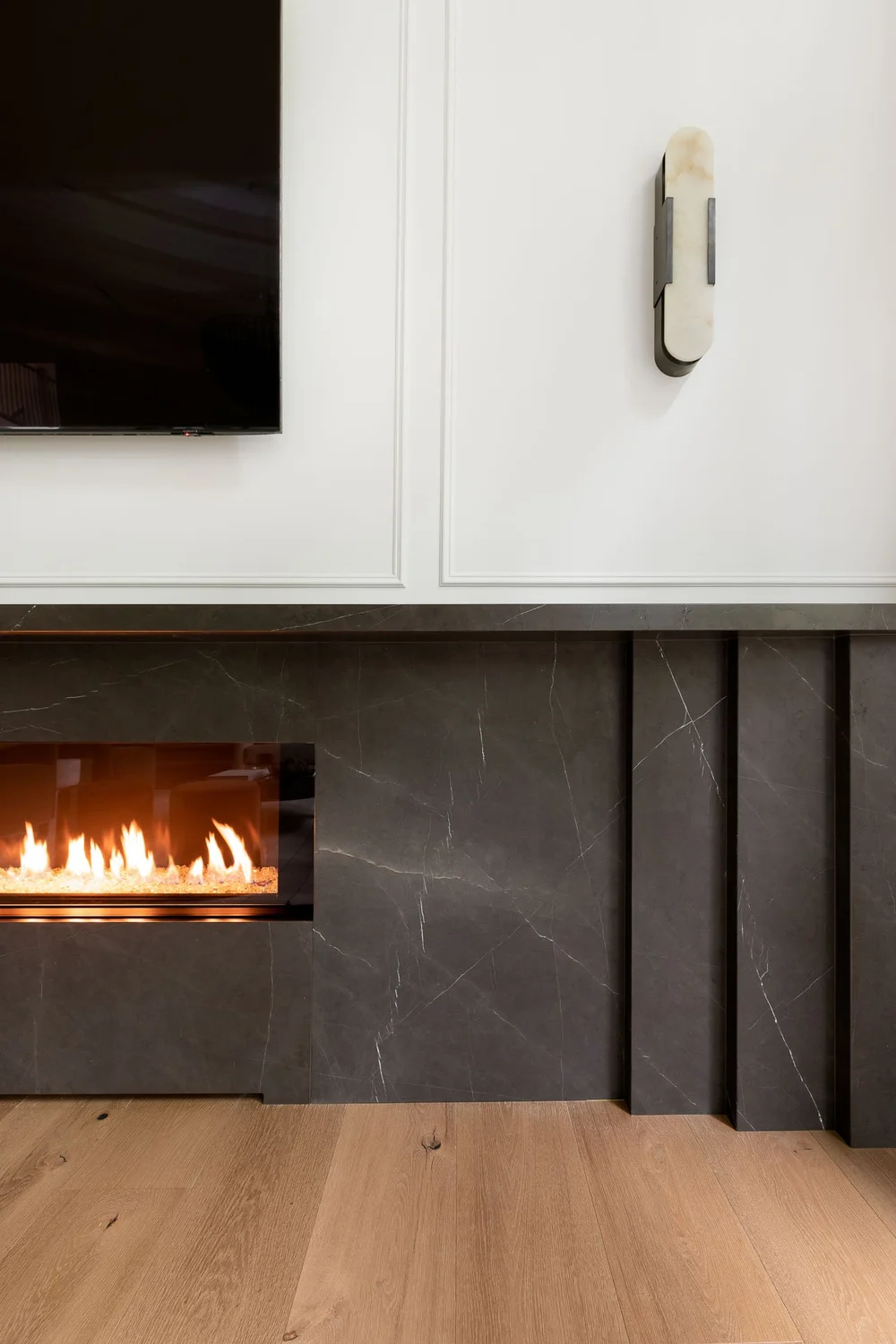
Fire features add ambiance, warmth, and a touch of luxury to any home. A crackling outdoor fire pit or an indoor fireplace can transform a backyard or living room into the ultimate gathering space. But fire is a double-edged sword—beautiful when controlled, disastrous when mismanaged.
This guide will cover:
Types of fire features: built-in vs portable, indoor vs outdoor
Safety considerations and regulatory compliance
Maintenance strategies for longevity and performance
Inspection checklists for buyers or homeowners
Cost implications for installation, maintenance, and repairs
“When to walk away” scenarios for dangerous or poorly maintained fire features
By the end, you’ll know how to assess, enjoy, and maintain fire features safely, while keeping your home and property value intact.
1. Why Fire Feature Placement Matters
Fire pits and fireplaces aren’t just decorative—they’re functional installations that require thoughtful planning:
A. Safety Zones
Maintain adequate clearance from flammable structures (decks, siding, overhangs)
Keep furniture, plants, and storage items at safe distances
For outdoor pits: minimum 10–15 ft from buildings is recommended
B. Wind & Smoke Considerations
Place outdoor features upwind from seating areas and doors/windows
Avoid areas where smoke may drift into neighboring yards or indoor spaces
C. Compliance
Check local fire codes, HOA rules, and building permits
Indoor fireplaces require proper chimney flue sizing, clearances, and ventilation
Witty insight: A fire pit too close to your wooden deck isn’t a “feature”—it’s a DIY fireworks show waiting to happen.
2. Types of Fire Features
A. Outdoor Fire Pits
Portable Fire Bowls
Easy to move, smaller footprint
Use propane or natural gas for convenience
Minimal installation required
Built-In Fire Pits
Concrete, stone, or brick construction
Can integrate seating or landscaping
Typically gas or wood-burning
Wood vs Gas
Wood: Rustic, smoky, more maintenance
Gas: Clean, convenient, safer ignition, requires line installation
B. Indoor Fireplaces
Wood-Burning
Traditional aesthetic and crackling sound
Requires chimney, hearth, flue, and wood storage
More maintenance and ash disposal
Gas
Easy to ignite and control
Requires venting or vent-free system
Less mess, lower maintenance
Electric / Bioethanol
Clean, zero emissions
No chimney required
Minimal heat output but great ambiance
Pro tip: Indoor and outdoor fire features differ dramatically in risk profile. Assess each separately before buying or installing.
3. Core Safety Principles
Fire features aren’t just aesthetic—they’re potential liabilities if mismanaged.
A. Clearance & Distance
Outdoor pits: ≥10–15 ft from structures
Indoor fireplaces: Follow manufacturer’s recommended clearances to walls, flooring, and furniture
B. Ventilation
Wood-burning fireplaces require unobstructed flues
Gas fireplaces need proper venting and backflow prevention
Outdoor pits benefit from windbreaks without trapping smoke
C. Materials & Surface
Fireproof stone, brick, or concrete for hearths
Non-flammable surfaces around pit or fireplace
Avoid pressure-treated wood or synthetic siding near flame
D. Fire Suppression
Keep extinguishers, sand, or water nearby
Outdoor pits: Have a metal lid or spark guard
Indoor fireplaces: Maintain chimney and smoke detectors
Witty insight: Fire features are like wild animals—they’re entertaining, useful, and romantic…until they burn your couch or house down.
4. Inspection Checklist: Safety & Maintenance
Before buying a property with a fire feature or using an existing one:
A. Outdoor Fire Pits
Distance from structures and flammable materials
Material condition (cracks, corrosion, loose stones)
Gas line integrity if applicable
Spark screens and covers available
Proper drainage to prevent water pooling
B. Indoor Fireplaces
Chimney or vent integrity
Flue operation and damper functionality
Firebox condition (cracks, ash residue)
Gas line inspection if applicable
Carbon monoxide and smoke detectors operational
C. General Maintenance
Clean ash, soot, and debris regularly
Inspect for signs of rust, rot, or material degradation
Annual professional inspection for indoor wood/gas fireplaces
Witty insight: Think of the inspection checklist as a firefighter’s pre-party checklist—skip it, and you might be serving s’mores in a disaster zone.
5. Cost Considerations
Feature | Typical Installation | Maintenance | Notes |
|---|---|---|---|
Outdoor portable pit | $200–$1,000 | Minimal | Easy, temporary |
Outdoor built-in pit | $1,500–$10,000 | Annual cleaning | Stone, concrete, gas line costs |
Indoor wood-burning fireplace | $3,000–$15,000 | $100–$500/yr | Includes chimney sweeping |
Gas fireplace | $2,500–$10,000 | $50–$200/yr | Less mess, easier operation |
Electric / bioethanol | $500–$4,000 | Minimal | Ambiance-focused, low heat |
Spark screens / covers | $50–$300 | Replacement every 3–5 yrs | Optional but increases safety |
Insight: Fire features are more than decor—they’re long-term safety and maintenance investments.
6. Seasonal Considerations
Winter: Ice/snow can crack stone pits; chimneys may freeze or draft poorly
Spring: Debris removal and chimney inspection after storms
Summer: Dry conditions increase outdoor fire risk; maintain safe clearances
Fall: Check for leaves and debris accumulation before use
Pro tip: Fire features are seasonal but not maintenance-free. Think ahead and plan inspections like your quarterly fire drill.
When to Walk Away
Even if a fire feature looks beautiful, walk away or negotiate if:
Outdoor pit is too close to structures or vegetation
Chimney or flue is damaged or missing critical components
Gas lines or valves are faulty or non-compliant
Homeowner/HOA history indicates fire-related incidents
Material degradation is severe (cracked stone, rusted metal, crumbling hearth)
Witty insight: A fire feature isn’t romantic if it threatens to turn your living room into a bonfire—know when charm ends and risk begins.
Types of Fire Features, Materials & Longevity
Now that we’ve covered core safety principles, it’s time to get under the hood of fire features. Not all pits, fireplaces, or materials are created equal. Knowing what you’re dealing with ensures your fire feature delivers warmth, ambiance, and value—without setting you back thousands in repairs.
1. Outdoor Fire Pits
A. Materials & Lifespan
Stone
Lifespan: 20–50+ years if properly installed
Pros: Natural look, heat-resistant, durable
Cons: Heavy, expensive, may require mortar maintenance
Tip: Check for cracks, loose stones, or erosion—early fixes are cheaper than rebuilding
Brick
Lifespan: 15–40 years
Pros: Classic aesthetic, customizable patterns
Cons: Mortar can degrade, bricks can crack with freeze/thaw cycles
Tip: Look for uniform color and minimal chipping, which indicates good weather resistance
Concrete / Poured Cement
Lifespan: 25–50 years
Pros: Highly customizable, durable
Cons: Susceptible to cracking if not properly reinforced or drained
Tip: Check for post-tensioning or reinforced mesh, which prevents structural cracking
Metal (Steel / Cast Iron)
Lifespan: 5–25 years depending on grade and care
Pros: Portable options, modern aesthetic
Cons: Rust-prone, may warp under heat, limited size
Tip: Look for coatings, stainless steel, or powder-coated finishes to prolong life
B. Gas vs Wood Burning
Wood-burning pits
Pros: Rustic ambiance, traditional crackle
Cons: Smoke, ash, increased maintenance, and fire risk
Tip: Ensure spark screens and clearances
Gas pits
Pros: Clean, easy ignition, minimal ash, safer
Cons: Requires line installation, professional hookup recommended
Tip: Verify gas shutoff valves, regulator quality, and leak checks
Witty insight: Wood is romantic, but gas is the adult version of romance—less mess, more control.
2. Indoor Fireplaces
Indoor fireplaces require extra scrutiny due to enclosed spaces, carbon monoxide risk, and structural dependencies.
A. Wood-Burning
Lifespan: 30–50+ years if maintained
Pros: Authentic fire experience, aesthetic centerpiece
Cons: Requires chimney, flue, ash disposal, annual inspections
Tip: Look for cracks in firebox or flue liner, which are expensive to repair
B. Gas Fireplaces
Lifespan: 20–40 years
Pros: Instant heat, low maintenance, cleaner than wood
Cons: Requires gas line installation, venting may still be needed
Tip: Inspect pilot system, ignition, and venting for safe operation
C. Electric & Bioethanol
Lifespan: 10–25 years
Pros: Clean, easy installation, minimal maintenance
Cons: Low heat output, more aesthetic than functional
Tip: Great for small rooms or rentals but not a true heat source
3. Longevity & Maintenance Factors
Longevity of fire features depends on materials, installation quality, and environment.
A. Outdoor Factors
Exposure to rain, snow, freeze/thaw cycles → Stone, brick, and concrete are vulnerable
Rust risk → Metal pits require coatings and winter storage
Soil and drainage → Poor drainage causes pooling around pit base → cracks and erosion
B. Indoor Factors
Chimney moisture → Causes rust in flue and degradation of liners
Smoke staining → Clean hearths regularly to prevent buildup
Carbon monoxide risk → Functional damper and ventilation essential
C. General Maintenance
Annual professional inspection for indoor fireplaces
Seasonal cleaning for outdoor pits (removing ash, debris, and checking mortar/stone integrity)
Check gas connections, ignition systems, and safety screens
Witty insight: Think of fire features as high-maintenance pets—they’re beautiful and entertaining, but ignore them at your peril.
4. Repair Considerations
Feature | Common Repairs | Approx. Cost | Notes |
|---|---|---|---|
Stone fire pit | Mortar repointing, stone replacement | $200–$1,500 | Depends on pit size and extent of damage |
Brick fire pit | Crack repair, mortar replacement | $150–$1,000 | Freeze/thaw cycles accelerate wear |
Concrete fire pit | Surface sealing, crack repair | $100–$500 | Post-tensioned bases reduce major cracking |
Metal fire pit | Rust treatment, welding, repainting | $50–$500 | Stainless steel requires less frequent repairs |
Wood fireplace | Flue liner repair, chimney sweeping | $250–$1,000 | Annual maintenance prevents major hazards |
Gas fireplace | Pilot system, valve replacement, gas leak repair | $100–$500 | Requires certified technician |
Electric fireplace | Heating element or control replacement | $50–$250 | Simple DIY in most cases |
Insight: Minor repairs are cheap, but neglect leads to expensive rebuilds or safety hazards.
5. Climate-Specific Notes
Rainy regions: Stone and brick pits prone to mortar erosion; metal pits rust faster
Freeze/thaw climates: Concrete pits without reinforcement or proper drainage → cracks
Windy areas: Outdoor pits need spark screens; overhanging trees are a hazard
Humid climates: Gas connections require corrosion checks; indoor wood fireplaces need moisture-resistant flues
Pro tip: Match your fire feature material to local climate conditions—cheap shortcuts lead to costly headaches.
6. Cost vs. Value: What Adds Appeal
Outdoor fire pits: Adds social and aesthetic appeal; gas options preferred for low maintenance
Indoor fireplaces: High perceived value, especially gas or wood-burning with clean lines
Electric fireplaces: Good for ambiance but negligible resale value compared to functional wood or gas fireplaces
Insight: A well-maintained fireplace or fire pit can increase property appeal, but a damaged or unsafe feature is a liability. Buyers notice cracked stone, rust, or smoke stains instantly.
Inspection Checklist for Fire Features
Before committing to a home with fire features or installing one:
Outdoor Pits
Material integrity (cracks, rust, erosion)
Spark screens or covers present
Distance from structures, plants, and combustible surfaces
Gas lines inspected and functional if applicable
Proper drainage to avoid water pooling
Indoor Fireplaces
Chimney and flue integrity
Damper functionality
Gas connections/pilot system checked
Ash and soot buildup manageable
Carbon monoxide and smoke detectors working
Witty insight: Consider this checklist your fire feature due diligence—skip it, and your backyard can turn into a DIY disaster zone.
Maintenance, Seasonal Considerations & Safety Upgrades
Owning a fire feature isn’t just about lighting a flame and roasting marshmallows. Whether indoor or outdoor, fire features require routine attention, seasonal preparation, and strategic safety upgrades. Neglect these, and your cozy ambiance can quickly turn into expensive damage or a safety hazard.
1. Routine Maintenance for Outdoor Fire Pits
A. Cleaning & Ash Removal
Remove ashes after every 5–10 uses (wood-burning) to prevent corrosion and moisture retention
Dispose of ashes safely; never dump hot ashes in compost or near flammable materials
For gas pits, clean burner ports and check ignition systems regularly
B. Inspecting Materials
Check stone, brick, or concrete for cracks, loose mortar, or erosion
Metal pits: Inspect for rust, warped sections, and coatings
Early repairs prevent expensive rebuilds
C. Seasonal Maintenance
Spring: Check for winter freeze damage; clean debris
Summer: Monitor usage during dry periods; keep fire extinguishing materials nearby
Fall: Remove leaves and organic debris to avoid fire risk
Winter: Cover pits to prevent snow/ice damage; drain water from recessed pits
Pro tip: Treat your fire pit like a lawn mower—you wouldn’t run it all season without cleaning or inspection, so don’t skip maintenance here.
2. Routine Maintenance for Indoor Fireplaces
A. Chimney & Flue
Sweep annually (wood-burning) to remove soot and creosote buildup
Inspect flue liners for cracks or corrosion; replace as needed
Gas fireplaces: Check venting and pilot systems for safe operation
B. Firebox Care
Remove ash and debris regularly
Inspect for cracks or mortar deterioration in brick/concrete fireboxes
Ensure hearth extension is intact and non-combustible
C. Carbon Monoxide & Smoke Safety
Test detectors every 3–6 months
Vent-free gas fireplaces require additional CO monitoring
Consider professional inspection at least every 2–3 years
Witty insight: Indoor fireplaces are like houseguests—pleasant when polite, disastrous when ignored.
3. Seasonal Considerations & Winterization
Fire features are affected by climate and seasonal changes. Planning ahead ensures longevity, safety, and usability.
A. Winter
Outdoor: Cover pits, drain recessed areas, inspect for ice cracking stone or metal
Indoor: Inspect chimney for ice dams, condensation, and moisture damage
B. Spring
Clean debris from winter
Inspect mortar, stone, metal surfaces for winter damage
Test gas or ignition systems
C. Summer
Monitor usage during hot, dry periods
Keep flammable materials clear
Check spark screens regularly
D. Fall
Prepare for leaf accumulation
Prune overhanging branches to reduce debris in outdoor pits
Conduct final inspection before heavy usage in colder months
Pro tip: Seasonal attention is like insurance for your fire feature—prevents small problems from snowballing into expensive disasters.
4. Safety Upgrades & Enhancements
Even a well-built fire pit or fireplace can benefit from upgrades that reduce risk and improve longevity:
A. Spark Guards & Covers
Essential for outdoor wood-burning pits
Metal mesh prevents embers from reaching nearby structures or vegetation
B. Chimney Caps
Keeps debris, rain, and animals out of flues
Reduces draft issues and moisture damage
C. Gas Safety Devices
Automatic shut-off valves for leaks or flame outages
Pressure regulators and inline leak detection
D. Heat-Resistant Materials
Stone or concrete hearths for indoor wood-burning fireplaces
Non-combustible decking or pavers around outdoor pits
E. Insulation & Clearance Enhancements
Ensure indoor fireplaces have adequate wall clearances
Outdoor features: use fireproof planters, gravel borders, or stone pads
Witty insight: Think of these upgrades as fireproof armor—they don’t make the fire less fun, just less dangerous.
5. Cost Considerations for Maintenance & Safety
Task | Typical Cost | Notes |
|---|---|---|
Chimney sweeping | $100–$300 | Annual for wood fireplaces |
Spark screens | $50–$300 | Replace every 3–5 years |
Gas line inspection | $50–$200 | Annual safety check |
Mortar/stone repair | $200–$1,500 | Depends on pit size and material |
Hearth repair (indoor) | $500–$3,000 | Firebox or hearth extension |
Winter covers (outdoor) | $50–$200 | Extends life of pit |
Insight: Maintenance costs are predictable and minor compared to the financial and legal consequences of neglecting fire features.
6. Inspection Checklist for Fire Features
A quick reference checklist ensures your fire features are safe and functional:
Outdoor Fire Pits
Material integrity (cracks, rust, mortar erosion)
Adequate clearance from structures and vegetation
Spark screen or lid present
Gas line and valves inspected
Proper drainage and winter cover
Indoor Fireplaces
Chimney/flue integrity
Damper functionality
Firebox condition (cracks, soot)
Gas pilot system working properly
Carbon monoxide and smoke detectors functional
General Maintenance
Seasonal cleaning completed
Ash and debris removed regularly
Professional inspection records up to date
Safety upgrades installed and maintained
Witty insight: This checklist is your pre-party fire feature audit—ignore it, and your “cozy night” could turn into an expensive trip to the fire department.
7. When Fire Features Become a Liability
Despite best intentions, some fire features pose too much risk:
Cracked or deteriorated outdoor pits with exposed embers
Indoor fireplaces with compromised chimney or flue
Gas systems with unreliable pilot, regulator, or leak issues
Overhanging trees or structures near outdoor pits
Previous fire incidents or history of neglect
Pro tip: If multiple issues exist and cost to repair is high, walk away or negotiate heavily. Fire features should enhance your property, not threaten it.
Cost, Repairs & When Fire Features Become a Liability
Fire features are more than ambiance—they’re long-term investments that can boost your home’s appeal or become expensive hazards. Understanding repair costs, lifespan, and potential liabilities ensures you make smart decisions before buying or installing a fire pit or fireplace.
1. Common Fire Feature Problems
Before discussing costs, it helps to categorize what can go wrong:
Material degradation
Cracks in stone, brick, or concrete
Rust and corrosion in metal fire pits
Deteriorated mortar joints in outdoor or indoor masonry
Gas system failures
Leaks in lines or connectors
Pilot light or ignition system malfunctions
Regulators failing due to weather or lack of maintenance
Chimney or flue issues
Blockages, cracks, or creosote buildup in wood-burning fireplaces
Venting issues for gas or indoor ventless fireplaces
Structural & safety hazards
Sparks escaping outdoor pits → fire risk
Overhanging trees or structures near outdoor fires
Flammable objects near indoor hearths
Witty insight: Fire features can be your cozy best friend or your wallet’s worst enemy—much depends on maintenance and inspection.
2. Fire Feature Repair Costs
Feature | Typical Repair | Approx. Cost | Notes |
|---|---|---|---|
Outdoor stone pit | Mortar repointing, stone replacement | $200–$1,500 | Early fixes prevent complete rebuilds |
Outdoor brick pit | Mortar replacement, crack repair | $150–$1,000 | Freeze/thaw accelerates wear |
Outdoor metal pit | Rust treatment, welding, coating | $50–$500 | Stainless steel lasts longer |
Outdoor gas line | Leak repair, valve replacement | $100–$300 | Certified technician recommended |
Indoor wood fireplace | Flue liner replacement, chimney sweeping | $250–$1,500 | Annual sweep prevents major hazards |
Gas fireplace | Pilot system or ignition repair | $100–$500 | Regular inspection reduces risk |
Hearth repair | Firebox or non-combustible extension | $500–$3,000 | Prevents floor or wall damage |
Insight: Minor repairs are manageable, but neglect can escalate costs to $10,000+ for rebuilds or major structural fixes.
3. Long-Term Maintenance Budget
A well-maintained fire feature requires predictable, annual investment:
Outdoor pits: $150–$600/yr for cleaning, inspection, and minor repairs
Indoor fireplaces: $100–$500/yr for sweeping, flue checks, and minor fixes
Gas line inspections: $50–$200/yr
Safety upgrades: $50–$500 depending on spark guards, chimney caps, or covers
Pro tip: Think of maintenance as insurance—spend a little each year, save thousands later.
4. Climate-Specific Considerations
Fire features behave differently depending on climate:
Rain-heavy regions: Stone and brick mortar erode; metal pits rust
Freeze/thaw climates: Outdoor masonry can crack if post-tensioning or drainage isn’t in place
Windy locations: Outdoor sparks more likely to escape; consider spark screens and fire-resistant barriers
Urban lots: Fire features near fences or property lines require extra clearance and safety measures
Witty insight: A pit that survives Vancouver rain may fail spectacularly in Winnipeg winters—always match materials and design to climate.
5. Liability & Insurance Considerations
Fire features carry legal and financial responsibilities:
Falling embers or sparks can damage neighboring property
Faulty gas lines may cause fire or explosion
Insurance policies may exclude coverage for poorly maintained or unpermitted fire features
Home inspections often flag unsafe fire features, affecting resale or loan approval
Pro tip: Always document maintenance, inspections, and repairs. A paper trail protects you if a mishap occurs.
6. When Fire Features Become a Deal-Breaker
Even a beautiful fire pit or fireplace can be a red flag:
Outdoor pits too close to buildings, decks, or trees
Structural cracks in hearth, flue, or firebox
Gas systems that fail inspection or are unpermitted
Evidence of past fire incidents or poor maintenance
High repair costs that exceed the feature’s value
Rule of thumb: If repair costs or safety concerns are high, walk away or negotiate heavily—fire features should enhance property, not drain your wallet.
7. Cost-Benefit Analysis
Enhancing property value: A well-maintained fireplace or pit increases curb appeal and resale appeal
Neutral impact: Small, functional fire features with minimal maintenance
Negative impact: Unsafe, damaged, or neglected features can lower property value and attract liability
Insight: A fire feature’s ROI depends on material quality, maintenance, and safety compliance. Beautiful but unsafe = negative value.
8. Comprehensive Inspection Checklist
Before buying a home or installing a fire feature, ensure all boxes are checked:
Outdoor Fire Pits
Material integrity: stone, brick, concrete, or metal
Spark screens or lids installed
Adequate clearance from structures and plants
Gas lines inspected and leak-free
Proper drainage and winterization
Indoor Fireplaces
Chimney/flue intact and clean
Damper working properly
Gas connections functional (if applicable)
Firebox free of cracks and debris
CO and smoke detectors operational
General Maintenance
Seasonal cleaning completed
Annual professional inspection up to date
Safety upgrades (spark guards, chimney caps) in place
No past incidents or chronic maintenance issues
Witty insight: This checklist is your fire feature sanity check—skip it, and a relaxing night could end in emergency room or insurance drama.