Indoor Playrooms: Flooring, Safety & Noise Control
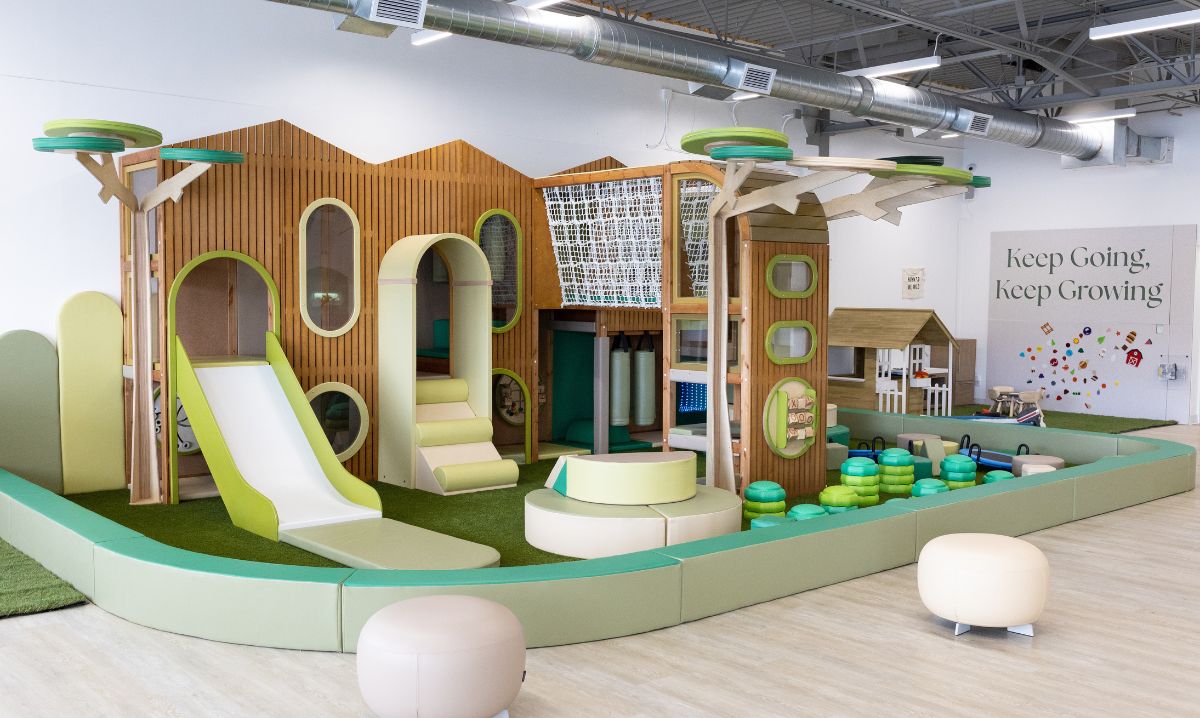
The Real Value of a Playroom: Safety, Flow, and Buyer Perception
Indoor playrooms are tricky real estate features. On paper, they sound irresistible: bright colors, toys, laughter.
In reality, they are judged not by whimsy but by function, safety, and noise control. Buyers and inspectors don’t care about Pinterest-worthy setups—they care about:
Durability
Risk management
Resale flexibility
A poorly designed playroom can feel like a liability; a smart one adds practical value without alienating other buyers.
1. Flooring: The Foundation of Safety and Usability
Flooring is where most playroom success or failure is decided.
A. Types of Flooring and Their Pros & Cons
Rubber or foam tiles
Pros: Soft, safe, shock absorption, easy to clean
Cons: Cheap-looking options can feel juvenile, seams may curl
Real estate note: Acceptable if neutral colors; avoid cartoon prints unless the home is sold to families immediately
Engineered hardwood with area rugs
Pros: Looks upscale, easy to maintain, flexible
Cons: Harder surfaces can increase noise, rugs shift
Tip: Choose rugs with anti-slip backing; limit area to high-traffic zones
Vinyl or luxury vinyl plank
Pros: Durable, water-resistant, soft enough for kids
Cons: Cheap versions can look commercial, prone to scratches
Buyer perspective: Neutral colors that match house style are better than “toy room only” colors
Carpet
Pros: Noise dampening, soft, cozy
Cons: Stains, allergens, wear over time
Market note: Neutral, low-pile, high-durability carpet is preferable to bright novelty patterns
B. Floor Cushioning and Noise Considerations
Even “hard” floors benefit from underlayments. A rubber or cork underlay:
Reduces noise transfer to lower floors
Adds a minor shock-absorption layer
Makes the space feel finished rather than temporary
Red flag: No padding in multi-level homes with bedrooms underneath. Buyers notice noise instantly.
2. Wall and Corner Safety: Small Details, Big Impact
A. Wall Protection
Rounded corners, padded panels, or chair rails prevent injury
Matte, washable paint is preferred
Avoid wallpaper that’s themed or dated; it reduces resale appeal
B. Corner Guards and Baseboard Considerations
High-traffic areas need corner guards
Floor-to-wall transitions should be flush; loose baseboards are trip hazards
Safety details are subtle signals to buyers. Well-executed protection looks professional, not overdone.
3. Layout and Flow: Making Playroom Functionally Flexible
A playroom should feel intentional, not like a leftover corner.
Access: Easy from main living areas but contained for noise
Sightlines: Parents should be able to monitor children without obstruction
Furniture placement: Avoid fixed, immovable furniture
Storage: Built-in cubbies or modular storage preferred; open shelving invites mess but is flexible
Pro tip: Playrooms that double as homework or hobby rooms score higher in resale eyes. Flexibility is key.
4. Noise Control: The Silent Value Feature
Noise is the most underrated playroom issue. Buyers are hyper-aware, especially in multi-level homes.
Floors: Soft surfaces or underlays reduce impact noise
Walls: Acoustic panels or extra drywall layers dampen sound
Doors: Solid-core doors with seals reduce transmission to adjacent rooms
Ceilings: Consider insulation in upper floors if the playroom is above bedrooms
Psychology: If a playroom is loud and uncontrolled, buyers mentally subtract value—even if they never have children.
5. Lighting and Ventilation: Comfort and Practicality
Natural light: Large windows preferred; consider UV-filtering shades for sun protection
Artificial light: Soft, even overhead lighting avoids shadows that can spook kids or create strain
Ventilation: Proper airflow prevents odors, humidity, and long-term carpet/mold issues
Climate control: Radiant floor heating or ducted AC helps the room feel like a year-round living space, not a temporary toy zone
6. Storage: Function Over Flash
Buyers notice clutter instantly.
Built-in storage (cubbies, closets, bins) is preferred over open shelving
Flexible storage solutions extend resale appeal
Oversized furniture that can’t adapt or convert reduces perception of usable space
Rule: Storage should enhance flow, not dominate the room.
7. Safety Certifications Buyers Notice
Some buyers check for modern safety details:
Window guards if above ground level
Non-toxic paints and finishes
Childproof electrical outlets
Furniture anchored to walls
Even if buyers don’t verbalize it, these details reduce friction during inspections and make the space feel professional.
8. Furniture: Keep It Movable and Neutral
Permanent play structures (climbing walls, slides, fixed tables) often limit resale.
Temporary or modular options are safer
Neutral colors ensure the room appeals to wider buyers
Built-ins should feel optional, not defining
Red flag: Vibrant, theme-specific décor reduces flexibility and perceived value.
9. Multi-Use Spaces Score Higher
Playrooms that double as:
Homework zones
Arts and crafts rooms
Guest rooms with fold-out furniture
…add resale value. Flexibility is the core metric buyers use subconsciously.
10. The Real Estate Mental Model
Buyers evaluate playrooms by asking themselves:
“Can I use this room for more than toys?”
“Does it disrupt the home’s flow?”
“Is it safe and quiet?”
“Will maintenance be easy?”
A playroom that answers yes to all four is a value-preserver.
Inspection Checklist, Flooring Durability, Safety, and Noise Audit
When it comes to playrooms, buyers and inspectors don’t trust appearances. They audit. A room can look perfect in staged photos but fail functionally in real life. This section gives you a step-by-step inspection framework.
1. Flooring Durability Checklist
Flooring is both the first line of safety and the long-term usability measure.
Ask yourself or the seller:
Material type: Rubber, foam, carpet, hardwood, vinyl
Age of flooring: Older carpets may hide wear or allergens; foam tiles may have compressed
Padding layer: Is there an underlay or rubber matting under hard surfaces for shock absorption?
Seams and transitions: Check for curling foam tiles, gaps, or loose rugs—these are tripping hazards
Water resistance: Check around windows and doors for potential leaks; vinyl and rubber fare better than carpet
Wear indicators: Scratches, stains, compression marks on soft surfaces
Replacement cost estimate:
Foam/rubber tiles: $10–$25/sq. ft installed
Low-pile carpet: $5–$15/sq. ft installed
Vinyl/LVP: $7–$20/sq. ft installed
Hardwood: $15–$35/sq. ft installed
Red flag: Flooring that looks temporary, worn, or has hidden hazards reduces confidence instantly.
2. Noise Audit
Noise is invisible but buyers notice it subconsciously. Evaluate:
Footfall sound: Walk in normal shoes; note sound transfer to lower floors
Impact noise: Drop a soft ball or toy to simulate play
Adjacent rooms: Bedrooms or offices below should not be heavily impacted
Walls and ceiling: Tap walls; hollow sounds may indicate insufficient acoustic insulation
Doors: Close and open; hollow or rattling doors amplify sound
Mitigation tips if noise is high:
Rubber or cork underlayment
Acoustic panels on walls
Solid-core doors with seals
Rugs over hard surfaces
3. Safety Audit
Safety is non-negotiable. Inspect:
a. Corners and Edges
Rounded or padded corners on tables and furniture
No sharp protrusions on built-ins
b. Windows
Guards if above ground level
Proper locks and tempered glass
c. Electrical
Childproof outlets
Accessible cords are secured and out of reach
d. Furniture Anchoring
Tall bookcases or shelving anchored to wall
Modular furniture stable under minor tipping
e. Paint and Finish
Low-VOC, non-toxic finishes
No flaking or peeling
f. Tripping hazards
Loose rugs, toys scattered in main walkways, loose flooring edges
Red flag: If even minor hazards exist, buyers may mentally subtract 10–15% perceived value.
4. Layout and Flow Evaluation
Playrooms should feel functional, not cluttered. Ask:
Can furniture be rearranged easily?
Are there clear walking paths?
Is supervision possible from main living areas?
Does the room accommodate multiple uses (art, reading, play, guest space)?
Note: Rooms that feel “locked in” as a playroom reduce resale flexibility.
5. Ventilation and Climate Check
Even playrooms are susceptible to humidity, temperature, and air quality issues:
Is the HVAC system balanced in the playroom?
Any noticeable drafts or hot spots?
Is natural light sufficient but not overly direct (UV exposure on toys/furniture)?
Any moisture stains on ceilings or walls?
Proper airflow prevents mold, odors, and carpet degradation.
6. Lighting Evaluation
Is artificial lighting bright and even?
Are overhead lights soft, not harsh?
Are light switches at child-safe height but accessible?
Check for flickering or inadequate coverage
Lighting affects perceived room usability and resale impression.
7. Storage Audit
Good storage keeps toys organized and floor clear:
Built-in storage should be secure and flexible
Bins, cubbies, and shelves should be modular
No sharp edges or heavy items above head level
Storage access should encourage independence but remain safe
Tip: Built-in storage that doubles as seating or workspaces adds resale flexibility.
8. Maintenance and Cost Considerations
Even if the room is perfect, consider future upkeep:
Foam or rubber tiles may compress every 5–7 years
Carpets may need professional cleaning every 1–2 years
Vinyl may scratch or discolor over time
Paint may need refresh depending on toys and activities
Estimate annual maintenance costs: $200–$800 depending on surface and usage.
9. Red Flags That Should Trigger Caution
Flooring not level, worn, or unsafe
Noise transfer severe, unmitigated
Visible water damage or mold potential
Lack of storage causing clutter
Poor lighting or ventilation
DIY features that reduce safety
If multiple red flags exist, buyers should reconsider or request upgrades/credits.
10. The Real Estate Mental Model
Buyers, even if they don’t have children, run these mental checks:
Can I see this space as usable beyond “toy room”?
Is it safe, quiet, and low-maintenance?
Does it flow with the rest of the house?
Will I worry about noise or damage?
Answer “yes” to all four and the playroom feels like a value-preserving, functional feature.
Cost Ranges, Retrofits, and “When to Walk Away” Scenarios
Even the best playroom can fail in resale if costs spiral out of control or the layout is inflexible. This section gives practical benchmarks, helping buyers and owners understand what to invest, what to fix, and when to cut losses.
Flooring: Replacement vs Repair Costs
Flooring is the biggest recurring cost in a playroom. Knowing ranges helps you budget and negotiate.
Flooring Type | Repair / Refresh | Replacement | Notes |
|---|---|---|---|
Rubber/Foam Tiles | $100–$300 (replace worn sections) | $10–$25/sq. ft | Cheap tiles wear quickly; mid-quality lasts ~5–7 years |
Carpet (low-pile) | $150–$500 (steam cleaning, minor patching) | $5–$15/sq. ft | High traffic areas show wear; stains reduce appeal |
Vinyl / LVP | $100–$400 (patch or minor scratches) | $7–$20/sq. ft | Durable, water-resistant, easier resale-friendly |
Hardwood / Engineered | $200–$700 (refinish) | $15–$35/sq. ft | Aesthetic bonus; requires protective rugs for play areas |
Rule: Always assess flooring perceived lifespan vs usage intensity. A cheap foam tile might save money now, but buyers mentally discount it after 2–3 years.
Acoustic and Noise Mitigation Costs
Noise control is subtle, but buyer perception of “quiet” is critical.
Rubber/cork underlay: $3–$8/sq. ft
Acoustic panels: $50–$150 per panel (walls)
Solid-core door replacement: $300–$700 per door
Ceiling insulation for multi-floor homes: $500–$2,000 per room
Tip: Even a $1,000 noise mitigation package can significantly increase buyer confidence.
Safety Retrofits
Upgrading a playroom to meet modern safety expectations:
Corner guards & padding: $50–$250
Window guards: $100–$400 per window
Electrical outlet covers & cord management: $50–$200
Built-in furniture anchoring: $100–$500 depending on complexity
Minor safety retrofits can prevent major perceived liability, which buyers subconsciously price into offers.
Lighting, Ventilation, and Climate Costs
Good lighting and airflow improve usability and resale perception:
LED overhead lighting: $200–$800 per room
UV-filtering shades: $150–$500 per window
Airflow improvements (duct balancing, small fans, or HVAC adjustments): $200–$1,000
Radiant floor heating or supplemental heaters: $2,500–$5,000
These aren’t just comforts—they’re investments in perceived functionality.
Storage & Multi-Use Upgrades
Built-in or modular storage upgrades:
Modular cubbies / shelving: $300–$1,500
Closet organizers: $250–$1,000
Foldable furniture for multi-use: $200–$1,500
Value trick: Buyers love flexible storage because it preserves the room’s future potential, not just current play use.
When to Walk Away: Red-Flag Scenarios
Not every playroom is salvageable or worth premium pricing. Consider walking away when:
Severe flooring damage
Warped, water-damaged, moldy, or unsafe
Structural or moisture issues
Evidence of leaks, rot, or persistent humidity
Noise mitigation is impossible
Multi-level homes where sound transfer is extreme and cannot be fixed cost-effectively
Layout is irredeemable
Rooms that cannot accommodate furniture flow, supervision, or dual-use functions
Excessive cost vs benefit
Retrofits exceed $10–15K and don’t solve core usability or safety issues
Rule of thumb: Buyers or owners should mentally subtract the cost + inconvenience from perceived room value. If net value is negative, walk away.
Climate-Specific Notes
Playrooms in certain climates require extra attention:
Humid regions
Carpets may mold; foam tiles can trap moisture
Invest in ventilation or dehumidifiers ($200–$500)
Cold / freeze-thaw regions
Hardwood expansion/contraction can warp
Radiant floor heating preserves usability and comfort
Sun-intensive climates
UV damage to flooring and furniture
Window treatments or UV-resistant finishes recommended
These factors affect long-term maintenance cost and buyer confidence.
The Cost-to-Confidence Ratio
The key takeaway: buyers are less sensitive to absolute costs than unpredictable costs.
$1,000 well-spent on flooring, padding, and storage → buyer confidence up
$3,000–$5,000 in unknown repairs → buyer discounts aggressively
Smart playroom investment = predictable, safe, and neutral.
Red Flags That Should Trigger Negotiation or Walk Away
Flooring is compromised in multiple areas
Noise transfer is unmitigated in multi-story homes
Mold, water damage, or poor ventilation exists
Storage is insufficient or unsafe
Layout prevents multi-use, monitoring, or resale flexibility
Even one red flag can be a negotiating lever; multiple red flags should trigger serious reconsideration.
Summary: Playroom Economics and Market Logic
Indoor playrooms are not automatic value-adds. They work when:
Flooring is safe, durable, and visually neutral
Noise is controlled, especially in multi-level homes
Safety measures are documented and executed
Layout allows multi-use
Maintenance and retrofits are predictable
Otherwise, they become buyer discounts waiting to happen.
Multi-Use Flexibility, Lifestyle Integration, and Buyer Psychology
Playrooms are more than spaces for toys—they are litmus tests for buyers. They measure how adaptable, safe, and functional the home is. A playroom that looks fun but can’t pivot into other uses will hurt perceived value.
Multi-Use Design: Why Flexibility Wins
Modern buyers want rooms that do more than one thing. Playrooms are prime candidates:
Homework / study space
Arts & crafts room
Guest room with fold-out furniture
Exercise / yoga room
Pro tip: Buyers subconsciously ask:
“Could my life change tomorrow? Could this space adapt?”
Rooms that answer “yes” feel resale-proof.
Furniture and Storage That Supports Flexibility
Key elements that make a playroom multi-use:
Modular shelving / cubbies: rearrangeable, removable
Fold-out tables / desks: serve as art or homework stations
Movable soft seating: beanbags or ottomans instead of permanent benches
Toy rotation systems: toys stored in bins, not permanent fixtures
Rule of thumb: If you have to move walls or floors to change the room’s function, it’s not flexible.
Noise Management: Psychological Considerations
Noise isn’t just a practical concern—it’s emotional:
Multi-floor homes: upstairs playrooms can irritate buyers with bedrooms below
Open-concept homes: toys and active play can intrude into living or dining areas
Solutions that signal thoughtfulness:
Carpet or foam underlay
Acoustic panels
Solid-core doors
Furniture layout that channels sound
Buyers mentally subtract from value if the space feels chaotic or disruptive.
Visual Neutrality: Subtle Design Pays Off
Bright murals, cartoon decals, or rainbow carpets may delight children—but reduce resale appeal.
Neutral color palettes keep the room safe for multiple uses
Modular decoration (e.g., removable wallpaper, framed art) adds style without locking in a theme
Built-ins in natural wood or painted white feel permanent and flexible
Psychology: Buyers don’t hate fun—they hate feeling the room is limited to one demographic.
Sightlines and Supervision: Safety That Sells
Parents subconsciously value ability to monitor children.
Open sightlines to main living areas increase functionality
Visibility into the playroom from kitchen or family room = peace of mind
Partial dividers or low partitions maintain play separation but allow supervision
This aligns with the safety and noise logic from earlier sections, reinforcing confidence.
Air Quality, Climate, and Comfort
Multi-use integration also depends on comfort:
Temperature control: radiant heat, ducted AC
Humidity management: prevents mold or carpet damage
Ventilation: reduces odors from toys, paints, or snacks
A comfortable, flexible playroom feels like infrastructure, not chaos.
Buyers’ Emotional Psychology
Even buyers without children evaluate playrooms subconsciously:
Clutter perception: Messy rooms = higher perceived maintenance
Noise perception: Rooms that will “wake the house” = negative bias
Flexibility perception: Rooms that can serve multiple functions = positive bias
A well-executed playroom signals a thoughtful, low-risk home. A poorly executed one signals maintenance headaches.
How Multi-Use Enhances Resale
By making a playroom flexible, you:
Expand buyer pool beyond families with young kids
Reduce the mental “upgrade cost” for buyers
Signal long-term usability and professional design
Example: A playroom with modular furniture, neutral flooring, and storage can double as:
Home office
Craft room
Yoga / fitness space
Guest bedroom
This flexibility makes the space practically invisible as a liability—the holy grail in resale psychology.
Red Flags That Undermine Flexibility
Permanent slides, climbing walls, or built-ins that cannot be removed
Loud flooring without noise mitigation
Poor ventilation or heating making other uses uncomfortable
Oversized, themed furniture that dominates the room
Tip: If more than two red flags exist, buyers mentally discount value, even if the room looks fun.
Summary: Playroom Psychology and Strategy
Multi-use = maximum resale appeal
Noise + safety + comfort = buyer confidence
Neutral design = broader audience
Visibility + storage + flow = functionality
Cost vs. predictability = value perception
Playrooms are not just play spaces—they are proof of a house’s usability and thoughtfulness. Done right, they preserve or subtly add value; done wrong, they subtract.