Sewage vs Septic Systems: Inspection & Replacement Costs
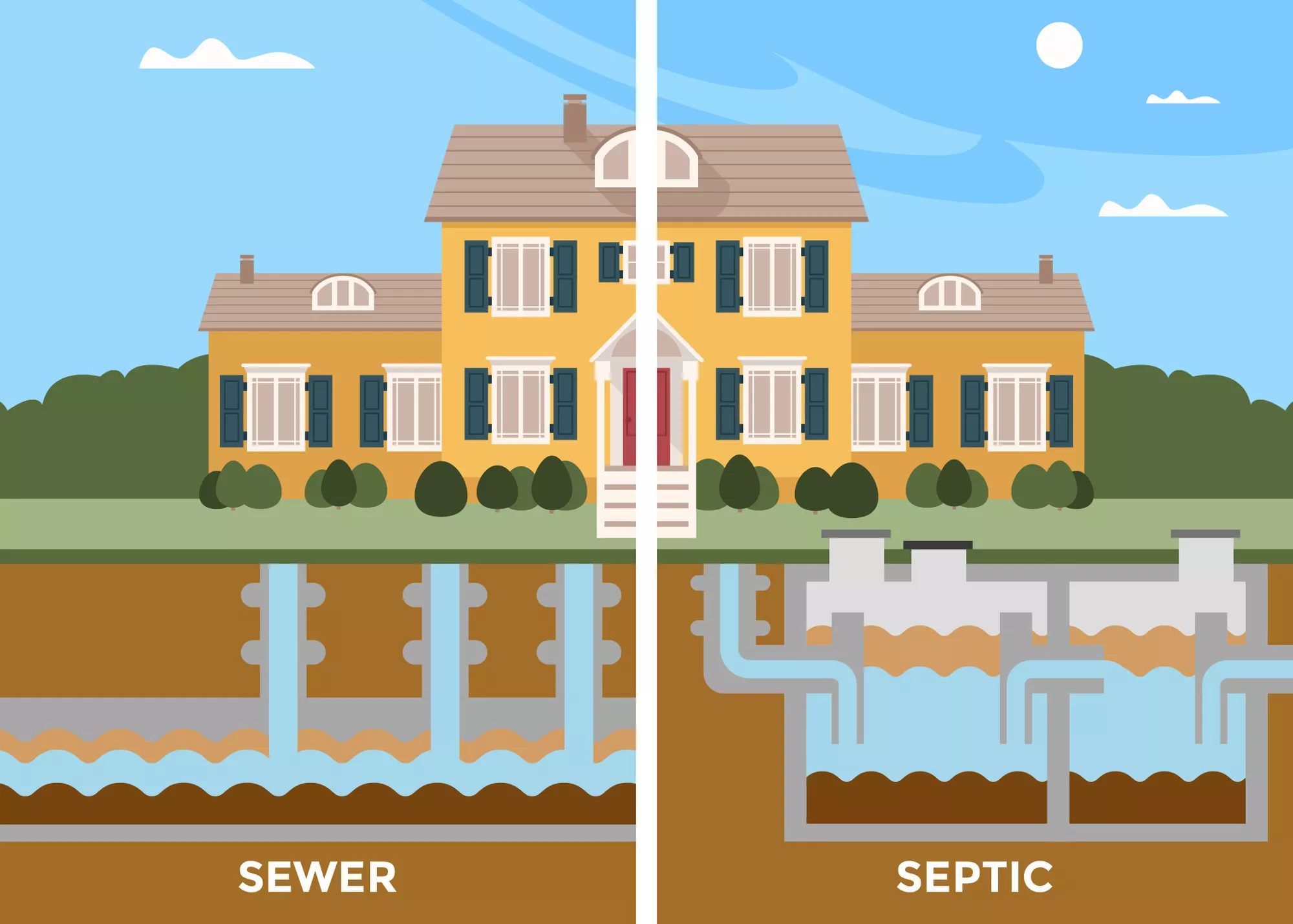
Most homeowners don’t think about sewage until something goes horribly wrong—a backed-up toilet, slow drains, or the smell of regret wafting from the yard. Understanding the difference between municipal sewer connections and private septic systems is critical for assessing risk, planning maintenance, and calculating replacement costs.
This guide will cover:
The core differences between sewage and septic systems
Inspection checklists for both types
Replacement, repair, and maintenance costs
Red flags and “walk-away” scenarios
Planning for longevity and future upgrades
By the end, you’ll be able to look at a house and confidently say whether its sewage system is an asset, liability, or ticking time bomb.
Witty insight: Ignoring your sewage system is like ignoring the foundation while admiring the kitchen backsplash—everything above will eventually stink.
1. Municipal Sewage Systems
A. How It Works
Wastewater flows through underground pipes to a municipal treatment plant
Usually includes treatment for solids, chemicals, and pathogens
Relies on gravity or pumps to maintain flow
B. Advantages
Minimal maintenance for homeowners
Generally reliable and code-compliant
No need for large private property space
C. Potential Issues
Aging municipal pipes may back up into homes
Blockages from tree roots or improper disposal
Service interruptions or power outages affecting pumping stations
Pro tip: Municipal systems are like hiring a cleaning crew—you don’t do the work, but you still need to pay attention and call them when something smells off.
D. Inspection Checklist for Municipal Sewage
Check for slow drains or frequent backups
Confirm the home is connected to the system (permits, connection certificate)
Inspect cleanout points outside for accessibility and leaks
Ask about sewer line age and replacement schedule in the neighborhood
Check for prior flooding or sewer backups in property history
2. Septic Systems
A. How It Works
Wastewater flows from the home to a septic tank, where solids settle and liquids flow to a drain field
Beneficial bacteria naturally break down waste in the tank
Drain field disperses treated wastewater into the soil
B. Advantages
Independence from municipal systems
Potential cost savings if the system is well-maintained
Works in rural or remote locations without sewer access
C. Challenges & Risks
Requires regular maintenance (pumping every 3–5 years)
Drain fields can fail due to overloading, root intrusion, or poor soil
Leaks or overflows can contaminate property or nearby water sources
Witty insight: A septic system is like a garden that also eats your trash—if you ignore it, things get ugly fast.
D. Inspection Checklist for Septic Systems
Date of last pumping and inspection
Tank size vs. household size (larger households need larger tanks)
Signs of drain field failure (pooling water, lush green grass, odors)
Location of tank and field, accessibility for maintenance
Pipe condition and presence of tree roots nearby
Soil percolation test results (if recent)
3. Replacement & Repair Costs
A. Municipal Connections
Sewer line repair/replacement: $3,000–$20,000 depending on depth, length, and access
Pipe material: PVC, cast iron, or clay affect cost
Trenching, permits, and restoration add to expenses
B. Septic Systems
Pumping: $200–$500 every 3–5 years
Partial repair (baffle replacement, pipe clearing): $500–$3,000
Full system replacement: $15,000–$50,000 (tank + drain field) depending on size, soil, and permits
C. Factors Affecting Costs
Age of system
Property size and soil type
Accessibility of tank or pipes
Local permitting and inspection fees
Witty insight: Replacing a septic system is like redoing a kitchen underwater—expensive, messy, and almost guaranteed to leave you with stories you don’t want to tell at parties.
4. Red Flags & “Walk Away” Scenarios
History of frequent backups or slow drainage
Septic system not pumped or inspected in over 5 years
Drain field showing green, soggy, or unevenly lush grass
Sewer line not properly connected or documented
Tree roots near pipes or tank
Odors around yard or basement
Insight: Don’t assume “it works now” means it works well. A failing system can cost tens of thousands and make you a reluctant expert in plumbing disasters.
5. Practical Buying Tips
A. Ask the Right Questions
Is the home connected to municipal sewer or a private septic system?
How old is the system, and what maintenance has been done?
Are there any past repairs or insurance claims related to sewage?
For septic: what’s the tank capacity, last pumping date, and drain field condition?
B. Inspect Thoroughly
Look for pooling water, strong odors, or unusual vegetation
Check cleanouts and septic access points
Consider a professional sewer camera inspection for municipal connections
C. Plan for Future Costs
Factor in full replacement within expected lifespan for older systems
Budget for routine maintenance: septic pumping, pipe clearing, drain field repair
Witty insight: Think of your sewage system like the plumbing skeleton of your home—out of sight but critical. Ignore it, and it will make itself seen in the worst possible ways.
Advanced Diagnostics, Climate & Soil Considerations, and Long-Term Planning
Whether it’s a municipal sewer or private septic system, knowing the hidden health of the system is critical. Neglect or poor design can lead to expensive repairs, environmental damage, or even a complete system replacement.
1. Municipal Sewage: Hidden Risks & Diagnostics
A. Pipe Material & Age
PVC: Modern standard, durable, low maintenance
Cast iron: Common in older homes, can rust or corrode internally
Clay & Orangeburg: Older homes may have brittle pipes prone to collapse
Pipe age often correlates with risk—>50 years old = higher failure probability
Pro tip: Knowing the pipe material is like knowing the frame of a car. You may not see it every day, but it determines long-term reliability.
B. Common Failures
Blockages from tree roots, grease, or foreign objects
Settling or shifting soil causing misalignment
Damage from construction or nearby excavation
Inadequate slope leading to slow drainage and backups
Inspection Methods
Camera inspection: Provides a full view of pipe condition
Hydrostatic test: Checks for leaks under pressure
Smoke test: Detects cracks, improper connections, or illegal tie-ins
Insight: Municipal systems are mostly invisible—but when a line fails, it’s not subtle. One backed-up line can ruin floors, walls, and yards.
C. Climate & Ground Conditions
Freeze/thaw cycles can crack older pipes
Saturated soils increase hydrostatic pressure and risk of infiltration
Homes in flood-prone areas may need backflow preventers or pump systems
2. Septic Systems: Soil, Drain Field & Climate
A. Soil Type & Percolation
Sandy soils: Drain quickly, but may not filter waste effectively
Clay soils: Drain slowly, risk of ponding and system overload
Loamy soils: Ideal balance of drainage and filtration
Testing: Perc test (percolation rate) determines suitability for drain field
Pro tip: The right soil is like a wine filter for wastewater—too fast, and it’s raw; too slow, and it’s puddles everywhere.
B. Tank Condition
Concrete, steel, or plastic tanks
Look for cracks, rust, or leaks
Baffles inside tank direct flow—missing or damaged baffles = solids escaping to drain field
C. Drain Field Considerations
Proper sizing for household size and water usage
Avoid planting trees above or near drain field—roots infiltrate pipes
Regular rotation and maintenance prevent overload
D. Climate-Specific Notes
Freeze/thaw can crack tanks or pipes in cold climates
High rainfall or saturated soils reduce absorption in the drain field
Drought conditions may affect aerobic treatment systems
Insight: Septic systems are like mini ecosystems—the soil, tank, climate, and water use all need to be in balance. Ignore one element, and the whole system fails.
3. Advanced Inspection Checklist
Municipal Sewer Systems
Camera inspection of main line
Check pipe material and slope
Inspect cleanouts and access points
Ask for municipal service history (repairs, replacements)
Confirm backflow prevention if in flood-prone area
Septic Systems
Tank integrity: cracks, baffles, inlet/outlet condition
Drain field size and soil suitability
Signs of overloading: pooling water, lush grass, odors
Distance from property structures (code compliance)
Soil percolation test results
Maintenance history (pumping, repairs, inspections)
Pro tip: Bring a licensed plumber or septic professional for inspections. Your nose is good, but cameras and gauges are better.
4. Replacement & Repair Costs: Detailed Breakdown
System | Repair | Partial Replacement | Full Replacement | Notes |
|---|---|---|---|---|
Municipal Sewer Line | $3,000–$10,000 | Pipe section replacement $2,000–$5,000 | Full line $10,000–$20,000 | Cost depends on depth, length, material |
Septic Tank Pumping | $200–$500 | N/A | N/A | Recommended every 3–5 years |
Septic Drain Field Repair | $3,000–$10,000 | Pipe replacement, soil restoration | $15,000–$50,000 | Soil type and slope heavily impact cost |
Full Septic System | N/A | N/A | $15,000–$50,000+ | Tank + drain field + permits |
Witty insight: Septic repairs are like surgery for your backyard—not pretty, often expensive, but necessary.
5. Long-Term Planning & Risk Management
A. Municipal Connections
Investigate neighborhood replacement schedules for aging pipes
Install backflow preventers in flood-prone areas
Know emergency contacts and response times
B. Septic Systems
Schedule pumping every 3–5 years
Rotate water use to avoid overloading the system
Plant only grass or shallow-root plants above drain fields
Budget for full system replacement every 20–30 years
C. Future-Proofing
For municipal homes, consider trenchless pipe replacement technology for minimal disruption
For septic homes, consider enhanced treatment or larger drain fields if expanding household size
Insight: Think of sewage planning as insurance for your sanity and property value. Ignoring it now = costly surprises later.
Practical Buying Tips, Negotiation Strategies & Red Flags
Whether you’re buying a new home or evaluating your current property, sewage and septic systems are not things you want surprises on. A failing system can cost tens of thousands, disrupt daily life, and even impact your property’s value. Here’s how to approach evaluation like a pro.
1. Asking the Right Questions
Before you even schedule a home inspection, arm yourself with the right questions:
For Municipal Sewer Homes
Is the home connected to the municipal system? Any partial private lines?
How old is the main service line, and what material is it?
Any history of backups, repairs, or flooding?
Are there permits or documentation for line replacements?
Has the home ever required emergency sewer pumping?
For Septic Homes
When was the system last pumped or inspected?
What is the tank size relative to household size?
Has the drain field ever failed or required repairs?
Are there trees near the tank or drain field?
Are there soil percolation test results available?
Is there room to expand the system if the household grows?
Pro tip: Asking specific, technical questions signals to the seller or realtor that you know what you’re talking about. Sellers are less likely to hide problems if they know you’re paying attention.
2. Inspection Priorities
Even if you hire a professional inspector, knowing what to check yourself is invaluable:
Municipal Sewage
Slow drains or recurring backups
Accessibility of cleanout points
Signs of water infiltration in basements or crawl spaces
History of pipe replacement or repairs
Septic Systems
Tank integrity: cracks, baffles, inlet/outlet condition
Drain field performance: soggy spots, unusually lush grass, odors
Accessibility for maintenance
Pipe condition and any tree root intrusion
Witty insight: A septic system without inspection is like buying a car without checking the oil or brakes—you may get lucky, but probably not.
3. Negotiation Strategies
If inspection uncovers problems, don’t panic—use the information to negotiate smartly:
Municipal Sewer
Request seller credits or repairs for line replacement or blockage clearing
Use a camera inspection report to justify price reductions
Factor in potential trenching costs if the line is old or buried deep
Septic System
Ask for pumping and full inspection prior to closing
Negotiate seller credit for partial drain field repairs
Consider the cost of full system replacement in your offer if the tank is old or the drain field failing
Cost Cheat Sheet
System | Common Cost | Negotiation Leverage |
|---|---|---|
Municipal line repair | $3,000–$20,000 | High if buried, old, or damaged |
Septic pumping | $200–$500 | Moderate, easy fix before closing |
Septic drain field repair | $3,000–$10,000 | Strong leverage if failure signs present |
Full septic replacement | $15,000–$50,000 | Can justify major price reduction or seller credit |
Insight: Armed with detailed inspection reports and cost estimates, you can negotiate confidently—not angrily, just intelligently.
4. Red Flags That Demand Attention
Whether municipal or septic, some signs are non-negotiable deal-breakers:
Municipal Sewer
Frequent backups despite routine maintenance
Old, brittle, or clay/orangeburg pipes
Improper or undocumented connections
Evidence of past flooding or insurance claims related to sewer failures
Septic System
Overdue pumping (5+ years)
Cracked tank or damaged baffles
Failing drain field (pooling water, lush grass, odors)
Roots or trees encroaching on system
Inadequate system size for household or future expansion
Soil percolation failure or poor drainage
Pro tip: Multiple red flags are not just caution—they are a strong reason to walk away. Systems like these aren’t cosmetic—they’re structural, hidden, and expensive to fix.
5. When to Walk Away
Some scenarios are too risky to gamble on, even with negotiations:
Municipal: Old clay/orangeburg lines with frequent backups and no replacement history
Septic: Tank over 30 years old, drain field failing, no maintenance records
Both systems: Soil, drainage, or climate issues that threaten long-term performance
Sellers refusing to provide inspection reports, maintenance history, or documentation
Witty insight: Walking away is not failure—it’s saving yourself from a $50,000 plumbing horror story disguised as a “charming backyard.”
6. Long-Term Planning & Maintenance
Even after purchase, maintaining either system is essential:
Municipal Sewage
Periodic inspections (especially for older pipes)
Maintain clear access to cleanouts
Keep records of any repairs or backups
Septic Systems
Pump every 3–5 years
Avoid overloading (laundry, dishwashers, water softeners)
Plant only shallow-root plants above the drain field
Schedule inspections after heavy rainfall or signs of ponding
Pro tip: Regular maintenance is insurance for your sanity, property, and wallet. It’s far cheaper than emergency replacements or environmental cleanup.
7. Extra Considerations
Property expansion: Adding bathrooms, kitchens, pools, or EV chargers may increase sewage load
Environmental regulations: Some areas require upgrades or specific permits for older septic systems
Climate impacts: Freeze/thaw cycles, heavy rainfall, and flooding can accelerate system wear
Insight: Treat sewage and septic systems like the cardiovascular system of your home—out of sight, but critical for long-term health.
Replacement Costs, Climate-Specific Notes & When to Upgrade
Understanding sewage and septic systems isn’t just about inspections—it’s about planning for eventual replacement, assessing repair costs, and factoring in climate and soil conditions. This section dives deep into the numbers, the regional considerations, and scenarios where walking away may be the smartest financial move.
1. Replacement Costs: Municipal Sewers
A. Typical Municipal Repairs
Pipe section replacement: $2,000–$5,000
Full line replacement: $10,000–$20,000
Trenchless pipe replacement: $8,000–$15,000 (minimal yard disruption)
B. Cost Drivers
Pipe material: PVC < Cast Iron < Clay/Orangeburg
Depth and length of pipe
Accessibility (under driveways, landscaping, or structures)
Permits and restoration (repaving, landscaping)
Pro tip: Don’t be fooled by “minor repairs” on old municipal lines—one collapsed clay pipe under your driveway can blow your budget by $15,000+.
2. Replacement Costs: Septic Systems
A. Tank Replacement
Concrete: $3,000–$6,000
Plastic or fiberglass: $2,000–$5,000
Steel: $1,500–$4,000 (prone to corrosion, rarely recommended)
B. Drain Field Replacement
Partial repair: $3,000–$10,000
Full replacement: $15,000–$50,000+
Cost depends heavily on soil type, slope, and accessibility
C. Full System Replacement
Includes tank + drain field + piping + permits
Range: $15,000–$50,000+
Larger homes or multiple bathrooms increase tank and field size
Insight: Replacing a septic system is not just a plumbing job—it’s a backyard construction project. Expect excavation, permits, inspections, and sometimes landscaping restoration.
3. Climate-Specific Considerations
A. Freeze/Thaw Cycles
Municipal lines in cold climates may crack
Septic tanks or pipes can freeze if insulation is inadequate
Solution: bury pipes below frost line, add insulation, or use heat tape for critical systems
B. Heavy Rainfall / Flood Zones
Municipal lines: risk of infiltration and basement backups
Septic systems: saturated soil reduces drain field efficiency, leading to ponding
Consider backflow prevention valves and elevated tank placement
C. Drought & Low Water Tables
Septic systems relying on aerobic treatment may fail in extremely dry conditions
Municipal lines: minimal impact unless combined with aging infrastructure
Pro tip: Climate isn’t just about comfort—it’s a primary driver of longevity and maintenance costs. A system that works perfectly in Texas may fail in Vancouver if designed incorrectly.
4. Repair vs Rebuild: Decision Matrix
Scenario | Repair | Rebuild | Notes |
|---|---|---|---|
Septic tank minor crack | Yes | No | Quick patch or partial replacement |
Drain field showing pooling | Limited | Often recommended | Soil replacement may be required |
Full system >25 years old | Limited | Yes | Risk of failure increases exponentially |
Municipal pipe collapsed | Limited | Yes | Replacement or trenchless solution |
Frequent backups in older home | Temporary fixes only | Often yes | Consider pipe material, slope, and age |
Insight: Minor fixes are cheap, but aging systems or recurring issues usually justify full replacement. Delaying often costs 2–3x more.
5. Inspection Checklist: Replacement & Climate
Municipal Sewer
Age and material of main line
Signs of past repairs or collapses
Access points and cleanouts functional
Flood risk / backflow protection installed
Septic System
Tank integrity and baffles
Drain field performance, soil percolation, slope
Signs of root intrusion
History of pumping and maintenance
Climate-specific risks (freeze, heavy rain, drought)
Pro tip: Combine professional inspection with your own visual checks—look for soggy areas, unusual vegetation, odors, and pipe access.
6. Negotiation & Walk-Away Scenarios
Full system replacement needed soon → request seller credit or price reduction
Municipal line at end of lifespan → negotiate repair cost or require replacement prior to closing
Frequent backups, odors, or signs of environmental risk → strong walk-away scenario
Lack of documentation or refusal to allow inspection → treat as deal-breaker
Witty insight: A failing sewage system isn’t just a repair—it’s a time bomb disguised as a home feature. Negotiation is good, but walking away is often smarter than gambling on buried disaster.
7. Planning for Longevity
Municipal: periodic inspections, maintain cleanouts, know municipal repair schedules
Septic: pumping every 3–5 years, rotate water use, plant shallow-rooted vegetation
Consider upgrade paths: larger tanks, modern aerobic systems, trenchless line replacement, backflow valves
Maintain maintenance logs for future buyers or insurance purposes
Pro tip: A well-maintained system, whether municipal or septic, adds peace of mind, resale value, and avoids embarrassing emergencies.
Comprehensive Checklist, Final Tips & Decision-Making Guide
By this point, you’ve learned the technical, financial, and climate considerations for both municipal and septic systems. Now it’s time to tie it all together with actionable steps and a decision-making framework that any sharp homeowner or buyer can use.
1. Ultimate Inspection Checklist
Municipal Sewer Systems
Confirm connection to municipal system and check permits
Inspect age and material of pipes (PVC, cast iron, clay)
Camera inspection to detect cracks, roots, or misalignment
Check cleanouts for accessibility and leaks
Ask about previous backups, repairs, or flooding history
Verify presence of backflow prevention valves in flood-prone areas
Check for any unusual smells in basement or yard
Septic Systems
Tank integrity: no cracks, proper baffles, inlet/outlet in good condition
Drain field: soil percolation, slope, signs of pooling or soggy grass
Evidence of root intrusion from nearby trees or shrubs
Maintenance records: pumping every 3–5 years
Compatibility of system size with household and expected water usage
Climate considerations: insulation, frost depth, drainage issues
Accessibility for future inspections and repairs
Pro tip: Treat this checklist as a homeowner’s Swiss Army knife. Check all boxes, or you risk surprise expenses that could ruin both your yard and your budget.
2. Repair vs Replacement Quick Guide
Issue | Likely Fix | Replacement Threshold |
|---|---|---|
Minor sewer line blockage | Snaking, hydro jet | N/A |
Septic tank minor crack | Patch or partial replacement | Full tank >25 yrs, multiple cracks |
Drain field soggy or failing | Partial pipe repair | Extensive ponding, poor soil, multiple failures |
Frequent sewer backups | Camera inspection & targeted repair | Replacing entire line, especially in clay/old pipes |
Old system nearing lifespan | Routine maintenance | Full replacement recommended |
Insight: Always weigh cost, disruption, and long-term reliability. Spending a few thousand to fix a minor issue is fine—but cutting corners on aging or climate-stressed systems is a recipe for future heartbreak and expensive chaos.
3. Negotiation & Offer Strategies
Use inspection reports as leverage for seller credits or price reductions.
For septic systems, request recent pumping, drain field assessment, and soil tests before closing.
For municipal systems, consider camera inspection of the main line and repair estimates.
If the seller refuses documentation or access, it’s a valid reason to walk away.
Witty insight: Negotiation isn’t just about saving a few thousand—it’s about avoiding the $50k horror story buried in your backyard.
4. Climate & Soil Adaptations
In cold climates, ensure septic pipes and tanks are below frost line, insulated, or heated if needed.
In rain-heavy regions, prioritize drainage, elevated tanks, and backflow prevention.
In drought-prone areas, aerobic systems may require water supplementation, and soil percolation must be optimal.
Pro tip: Treat climate not as a nuisance, but as a defining factor for system longevity and reliability. What works in one region may fail spectacularly in another.
5. Red Flags That Demand Immediate Action
Frequent backups or odors
Soggy, uneven, or unusually green areas over septic drain field
Tank or pipe cracks, baffles missing
Old, brittle municipal lines (clay or Orangeburg)
No maintenance history or refusal to provide inspection access
Any past insurance claims related to sewage problems
Insight: Red flags are non-negotiable warning signs. Address immediately or walk away. Sometimes the smartest financial decision is a firm “no thank you”.
6. Final Decision-Making Framework
Inspect: Use the checklists above; don’t rely solely on seller claims.
Estimate Costs: Factor in minor repairs, partial replacements, or full system replacement.
Climate & Soil: Assess regional risks—freeze, flooding, drought.
Negotiate: Ask for repairs, credits, or full replacement contingencies.
Walk Away if Needed: If red flags are multiple or costs are unreasonable, don’t gamble.
Witty insight: Your sewage system is like a silent but demanding roommate. It doesn’t ask for attention politely—it waits until you can’t ignore it. Inspect, plan, and maintain, or you’ll be living a nightmare in plain sight.
7. Long-Term Maintenance & Best Practices
Municipal: periodic inspections, maintain cleanouts, track repairs
Septic: pumping every 3–5 years, careful water usage, tree/plant management above drain field
Keep a record of maintenance and repairs—adds resale value and avoids disputes
Plan for future-proofing: expansion, EV integration, or additional high-demand appliances may stress sewage systems
Pro tip: A well-maintained system is invisible—but invaluable. Skimping now guarantees future headaches, high costs, and messy emergencies.