Soundproofing Walls & Floors: What Works vs What Doesn’t
Noise is more than a nuisance—it affects sleep, focus, productivity, and overall quality of life. Whether you’re buying a new home, renovating, or just upgrading your current space, knowing what really works—and what’s a waste of money—is critical.
This guide will cover:
Core principles of soundproofing
Materials that truly block or absorb sound
Common pitfalls and ineffective “solutions”
Inspection and evaluation checklists
Cost ranges, climate-specific concerns, and maintenance tips
By the end, you’ll be able to walk into a home or construction site and immediately assess the effectiveness of any soundproofing solution—without relying on guesswork or marketing hype.
1. Why Soundproofing Matters
Even modest noise infiltration can cause long-term stress:
Thin walls: Paper-thin gypsum boards transmit neighbors’ conversations, TV noise, and footsteps
Floors: Hardwood or tile above your bedroom can make every step a drumline
Shared HVAC systems: Can carry sound through ductwork like a whispering tunnel
Fun fact: Humans can perceive sounds as quiet as 0 decibels, but repeated exposure to mid-level noise (like a TV in the next room at 40–50 dB) can disrupt sleep cycles.
Soundproofing is both a comfort issue and a resale value issue. Buyers, renters, or tenants will notice poor acoustics, and professional appraisers often consider noise insulation quality in urban and multi-unit settings.
2. The Science of Soundproofing
Soundproofing is more than slapping foam on walls. There are three key principles:
Mass: Heavy materials block sound waves (think concrete, drywall, or mass-loaded vinyl)
Decoupling: Separating layers of construction prevents vibration transfer (resilient channels, double walls, floating floors)
Absorption: Soft materials reduce echo within a room (carpet, acoustic panels, insulation)
Key insight: Most DIY solutions focus on absorption (foam panels, rugs) but neglect mass and decoupling—so sound still travels through the structure.
3. Understanding Sound Transmission
Airborne sound: Voices, music, TV—can be mitigated with mass, seals, and insulation
Impact sound: Footsteps, moving furniture, dropping objects—requires floor isolation, underlayment, or floating floors
Flanking paths: Noise traveling through HVAC, electrical chases, or gaps—often overlooked
Pro tip: You can have the best wall insulation in the world, but a 1/4” gap around a door or window will ruin the effort. Sound leaks where air goes.
4. Common Myths vs Reality
Myth 1: Acoustic Foam Blocks Noise
Reality: Foam absorbs echo and improves room acoustics but does not block sound from passing through walls
Myth 2: Carpets and Rugs Alone Are Enough
Reality: Rugs reduce impact noise but won’t stop airborne sound; combine with underlayment or floor decoupling for true soundproofing
Myth 3: Heavier Paint or Mass-Loaded Vinyl Is a Magic Solution
Reality: These can help slightly, but without proper installation, gaps, edges, and junctions undermine performance
Myth 4: Double Drywall Without Decoupling Is Sufficient
Reality: Adding mass helps, but vibration can still transmit through studs—decoupling is often necessary
5. Walls: What Really Works
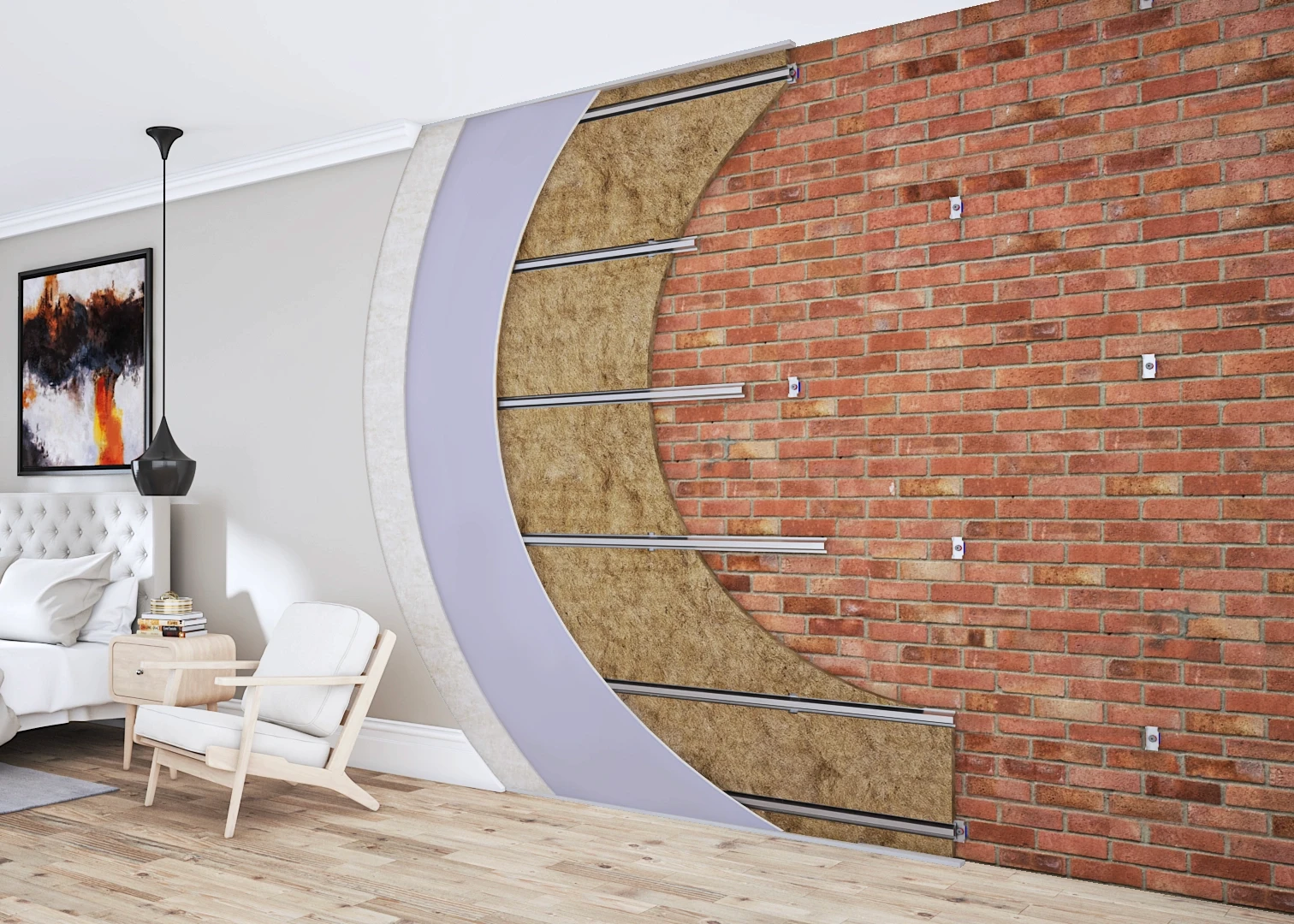
A. Mass + Insulation:
Standard 2x4 wall with gypsum boards and fiberglass insulation: good baseline
For higher performance: double layers of drywall, or mass-loaded vinyl between layers
B. Decoupling Techniques:
Resilient channels
Double-stud walls
Isolation clips with hat channels
C. Seal Everything:
Gaps around outlets, windows, doors, and baseboards leak sound
Acoustic caulk is cheap and effective
D. Acoustic Panels (Absorption):
Works for echo inside rooms, not transmission through walls
Pro Tip: Think of soundproof walls like fortresses: mass for armor, decoupling for moat, sealing for doors and windows, absorption for the interior decor.
6. Floors: What Really Works
Floating Floors: Isolate floorboards from joists
Underlayment: Rubber, cork, or specialized acoustic mats reduce impact noise
Carpet + Pad: Softens footsteps, especially in bedrooms
Ceiling below: Adding resilient channels, drywall, or insulation below can further reduce transmission
Important: Hardwood on concrete slab without underlayment? Expect every neighbor’s heel to feel like a drumbeat in your bedroom.
7. Doors, Windows & Penetrations
Even perfectly treated walls or floors fail if openings aren’t addressed:
Solid-core doors + weatherstripping
Double or triple-glazed windows
Proper seals around HVAC vents, electrical boxes, and plumbing chases
Pro Tip: Even small gaps—under doors or at window edges—can let sound leak like water through a sieve.
8. Climate & Environment Notes
Humid climates: Some insulation absorbs moisture and loses effectiveness; metal studs may rust
Cold climates: Gaps around doors/windows expand/contract, causing leaks
Multi-family buildings: Flanking paths (pipes, ducts, shared floors) are usually bigger culprits than walls themselves
9. Cost Considerations
Treatment | Typical Cost per Sq Ft | Effectiveness | Notes |
|---|---|---|---|
Standard fiberglass + drywall | $3–$6 | Medium | Baseline |
Double drywall with green glue | $8–$12 | High | Adds mass & damping |
Mass-loaded vinyl | $4–$7 | Medium-High | Must be continuous, sealed |
Floating floor with acoustic mat | $6–$15 | High | Reduces impact sound |
Acoustic panels | $20–$50 each | Room absorption only | Decorative + functional |
Soundproof door | $400–$900 | High | Solid-core + seals |
Triple-glazed window | $1,200–$2,000 | High | Effective for external noise |
Insight: DIY solutions like rugs and foam panels are cheap but mostly cosmetic. True soundproofing is often moderate to high cost, but worth it for peace of mind, productivity, and resale.
Soundproofing is not magic, but science. It requires:
Proper material selection
Mass, decoupling, absorption
Attention to all gaps and flanking paths
Climate and environmental consideration
Misconceptions are everywhere, but with this knowledge, you can separate hype from reality.
Detailed Material Comparisons — What Really Works
Soundproofing starts with materials, but choosing the right one is like choosing a tennis racquet—you need the right balance of strength, responsiveness, and feel. Some materials block sound, some absorb it, and some just make you feel like you’re “doing something.” Let’s separate the winners from the fluff.
1. Fiberglass Insulation
How It Works:
Fiberglass insulation is made of tiny glass fibers that trap air and dampen sound vibrations. It’s typically installed inside wall cavities or ceilings.
Pros:
Affordable and widely available
Easy to install in walls and ceilings
Works well for echo reduction and some airborne sound dampening
Cons:
Limited impact noise reduction (footsteps, moving furniture)
Loses effectiveness if compressed or wet
Needs proper sealing; gaps negate its benefits
Pro tip: Fiberglass is great for baseline wall insulation, but don’t expect it to stop your neighbor’s late-night drum practice.
2. Mineral Wool / Rockwool
How It Works:
Denser than fiberglass, mineral wool has higher mass and better damping properties, blocking sound waves more effectively.
Pros:
Better at blocking airborne sound than fiberglass
Fire-resistant and moisture-resistant
Doesn’t sag or compress over time
Cons:
Higher cost than fiberglass
Installation requires gloves and masks
Less effective without decoupling or mass addition
Witty insight: Mineral wool is the heavyweight boxer of insulation—it won’t cave under pressure.
3. Green Glue / Damping Compounds
How It Works:
Applied between layers of drywall, Green Glue converts sound energy into tiny amounts of heat, dramatically reducing vibration transmission.
Pros:
Highly effective for mid-to-high-frequency noise
Easy to retrofit into existing walls
Works well with both walls and ceilings
Cons:
Must be applied continuously; gaps reduce effectiveness
Costly per square foot
Not a standalone solution—it needs mass layers to be effective
Pro tip: Green Glue is like a secret weapon: invisible, effective, and far more powerful than decorative panels alone.
4. Mass-Loaded Vinyl (MLV)
How It Works:
MLV is a dense, flexible sheet installed in walls, ceilings, or floors to add mass and block airborne sound.
Pros:
Extremely thin compared to drywall for the same sound reduction
Flexible, easy to cut for retrofits
Can be used under flooring or behind drywall
Cons:
Must be sealed along all seams
Adds cost and weight to walls or ceilings
Alone, it does little for impact noise
Key insight: MLV is like putting a thick curtain of lead behind your walls—it stops sound in its tracks, but only if perfectly installed.
5. Carpets & Underlayment
How It Works:
Carpet and padding absorb impact sound, preventing footsteps or furniture noise from traveling downstairs or through floors.
Pros:
Comfortable underfoot
Reduces impact noise dramatically
Easy to replace or upgrade
Cons:
Limited effect on airborne sound
Collects dust and allergens
Needs quality underlayment to maximize performance
Witty insight: Carpet is the friendly roommate: soft, easygoing, keeps noise down—but it won’t stop the neighbor blasting bass.
6. Hardwood, Laminate & Tile Floors
How They Perform:
Hard surfaces transmit sound efficiently—especially impact noise
Use floating floor systems with underlayment to decouple and reduce transmission
Tile floors need cork, rubber, or acoustic mats for impact damping
Pro tip: In multi-level homes, hardwood without underlayment is basically a footstep amplifier.
7. Acoustic Panels & Foam
How They Work:
Acoustic panels absorb echo and reflections inside a room. Commonly used in studios or home theaters.
Pros:
Improves in-room acoustics
Can be decorative
Lightweight and easy to install
Cons:
Does not block sound from leaving or entering a room
Only effective for echo reduction, not sound transmission
Pro tip: Foam is like putting curtains on your ears—it makes the room sound nicer, but the neighbors still hear your karaoke.
8. Doors & Windows
Solid-Core Doors:
More mass = more sound blockage
Must include quality seals at edges and thresholds
Windows:
Double or triple glazing reduces exterior noise
Laminated glass adds damping
Air gaps and seals are critical—poorly sealed windows ruin everything
Key insight: Your walls could be Fort Knox, but a hollow door or leaky window is like leaving the drawbridge down.
9. Combined Solutions
Effective soundproofing usually requires layered solutions:
Walls: Mineral wool + double drywall + Green Glue + MLV
Floors: Floating floor + carpet/pad + ceiling insulation below
Doors/windows: Solid-core + acoustic seals + laminated glazing
Gaps/seams: Acoustic caulk and sealant
Fun insight: Soundproofing isn’t about a single hero material—it’s an orchestra of layers working together.
10. Installation Tips & Common Pitfalls
Always seal edges, seams, and penetrations
Decouple whenever possible (resilient channels, floating floors)
Don’t skimp on thickness or density of materials
Avoid “decorative only” panels that do nothing for transmission
Inspect HVAC, pipes, and electrical chases—they’re often invisible sound highways
Pro tip: Measure performance after installation with a decibel meter. A wall may look perfect, but if the neighbor’s bass still rattles your pictures, it’s back to the drawing board.
Wall vs Floor vs Ceiling — Prioritizing Soundproofing
Soundproofing isn’t just about slapping materials wherever there’s a wall or floor. The location of the noise source, your usage, and building type dictate what to focus on first. A strategic approach saves money, maximizes effectiveness, and avoids wasting time on solutions that barely make a difference.
1. Walls: The First Line of Defense
Walls are usually the primary source of airborne noise transmission—voices, music, TVs, and environmental noise from adjacent units.
A. When to Prioritize Walls:
Shared walls in condos or townhouses
Rooms with high conversation density (living rooms, home offices)
Home theaters, studios, or recording rooms
B. Key Wall Treatments:
Insulate cavities with mineral wool or fiberglass
Add mass layers (double drywall + Green Glue or MLV)
Seal all gaps around electrical outlets, windows, and doors
Consider decoupling for high-performance isolation (resilient channels or double-stud walls)
C. Inspection Tips:
Tap the wall gently—hollow sounds indicate lack of mass or gaps
Check for unsealed penetrations like outlets or air vents
Look for thin drywall sections or inconsistent insulation coverage
Pro insight: Even the most expensive wall treatments fail if flanking paths (ducts, pipes, or wiring) bypass them. Treat walls as part of a complete acoustic ecosystem.
2. Floors: The Biggest Source of Complaints
Floors often cause impact noise, which can be more disruptive than airborne sound, especially in multi-level homes. Footsteps, dropped objects, or moving furniture can travel straight through ceilings below.
A. When to Prioritize Floors:
Bedrooms above living areas
Home gyms, kids’ rooms, or high-traffic areas
Multi-story rentals or condos
B. Effective Floor Treatments:
Floating floors with acoustic mats or underlayment
Carpets with thick pads for impact reduction
Ceiling insulation below to further block transmission
Consider resilient channels or decoupled joists for high-end builds
C. Inspection Tips:
Walk across the floor and listen for squeaks or hollow spots
Check for bouncing or movement in floating floors
Inspect underlayments, padding, or subfloor integrity if accessible
Fun analogy: Hard floors without underlayment are like snare drums—every step makes its own beat, and your downstairs neighbors are the unwilling audience.
3. Ceilings: The Often-Overlooked Contributor
Ceilings are commonly overlooked, but they’re a direct path for airborne and impact noise from above.
A. When to Prioritize Ceilings:
Homes with open-floor plans where upstairs activity can disturb bedrooms or offices below
Multi-level rentals or condos with shared ceilings
Rooms above garages or high-traffic areas
B. Ceiling Treatments:
Add insulation (fiberglass or mineral wool) inside ceiling cavities
Install double drywall with damping compounds
Consider resilient channels to decouple drywall from joists
Seal perimeter gaps to prevent sound leaks
C. Inspection Tips:
Tap the ceiling to detect weak spots or vibration transfer
Check access panels or light fixtures for sound leaks
Inspect for gaps around crown molding or soffits
Insight: Ceilings are like the roof of a noise fortress—ignore them, and even the best wall treatments can’t save you.
4. Room Usage Dictates Strategy
Not all rooms require the same soundproofing approach. Consider priority levels based on usage:
Room Type | Sound Type | Recommended Focus |
|---|---|---|
Bedroom | Airborne + impact | Walls & ceilings, soft flooring |
Living room / media room | Airborne | Wall insulation, sealed doors/windows |
Home office | Airborne | Wall isolation, double doors if needed |
Home gym | Impact | Floors + ceiling below, underlayment, mats |
Kitchen / laundry | Impact | Flooring + decoupled ceiling if needed |
Home theater | Airborne + echo | Walls, ceiling, absorption panels, sealing |
Pro tip: Treat multi-functional rooms with layered solutions, targeting both airborne and impact noise.
5. Evaluating Existing Soundproofing
When inspecting a home, you can estimate effectiveness without specialized tools:
Step 1: Listen
Quietly play music or make normal conversation in a room
Observe what’s audible in adjacent rooms or floors
Step 2: Tap & Test
Tap walls, floors, and ceilings lightly
Hollow sounds indicate missing mass or insulation gaps
Step 3: Visual Inspection
Check wall thickness, visible insulation, and floating floors
Look for gaps, cracks, or unsealed penetrations
Step 4: Ask Questions
Was Green Glue or MLV installed?
Are floors floating with underlayment?
Are walls double-stud or decoupled?
When was insulation last updated or replaced?
Witty insight: Homes with “soundproof” claims but hollow walls are like diet soda that tastes like cola—looks convincing, but doesn’t deliver.
6. Cost vs Impact: Where to Spend Your Money
When budgeting, prioritize treatments by effectiveness:
Treatment Area | Approx. Cost | Impact | Notes |
|---|---|---|---|
Wall decoupling + insulation | $8–$15/sq ft | High | Airborne sound |
Floating floor + underlayment | $6–$15/sq ft | High | Impact sound |
Ceiling insulation + resilient channels | $5–$12/sq ft | Medium-High | Airborne & impact |
Doors & seals | $400–$900 per door | High | Stops major leaks |
Windows | $1,200–$2,000 | High | Exterior noise |
Acoustic panels | $20–$50 each | Medium | In-room echo, aesthetic |
Key insight: Start with walls and floors, then address ceilings, doors, and windows. Layers work together—don’t skip steps.
7. Climate & Environment Considerations
Humidity can reduce effectiveness of fibrous insulation (fiberglass, mineral wool)
Moisture in ceilings can compress insulation, creating gaps
Hard surfaces like hardwood or tile amplify impact noise in multi-level homes
Multi-family dwellings often require combined solutions to deal with flanking paths
Pro tip: Environment matters as much as material choice—soundproofing in Vancouver’s rainy climate differs from dry Southern Alberta homes.
8. DIY vs Professional Installation
DIY:
Pros: Lower cost, flexible timeline, learning experience
Cons: Risk of gaps, improper decoupling, poor sealing
Professional:
Pros: Proper installation of mass layers, decoupling, and seals
Cons: Higher cost, scheduling
Witty insight: DIY is fine for rugs and foam—but if you really want to block your upstairs neighbor’s 6 a.m. power walking, call a pro.
9. Quick Checklist for Prioritization
Identify main noise sources (airborne vs impact)
Evaluate walls, floors, and ceilings in order of priority
Check for flanking paths: HVAC, electrical, plumbing
Verify seals around doors, windows, and penetrations
Inspect insulation, mass, and decoupling layers
Estimate repair or upgrade costs
Decide if DIY or professional installation is appropriate
Advanced Techniques — Floating Floors, Double Walls & Noise Barriers
So you’ve mastered walls, floors, and ceilings—and now you’re ready to dive into serious soundproofing solutions. These advanced techniques tackle stubborn airborne and impact noise, and they’re often what separates a “good enough” space from a truly quiet sanctuary.
Think of this as the engineering side of acoustics—where math, physics, and careful installation matter more than fluffy marketing claims.
1. Floating Floors
What It Is:
A floating floor is physically separated from the subfloor, often via resilient mats, underlayment, or isolation pads. This reduces vibrations and impact noise, preventing them from transferring to lower levels.
When to Use:
Multi-story homes
Home gyms, media rooms, or children’s playrooms
Rooms with hard surfaces like hardwood or tile
Installation Tips:
Ensure subfloor is level before installation
Use high-density acoustic mats or rubber underlayment
Maintain perimeter gap to avoid rigid contact with walls
Consider adding a second layer of plywood or engineered flooring for extra mass
Costs:
$6–$15 per sq ft for underlayment + floating floor
Premium options with sound mats and thick layers: $20+ per sq ft
Witty insight: Floating floors are like hoverboards for your house—they make noise “slide away” instead of rattling downstairs.
2. Double Walls & Decoupling
What It Is:
Double walls involve constructing two separate walls with a gap in between, often with staggered or double studs, which prevents vibrations from traveling directly between walls.
Benefits:
Dramatically reduces airborne sound
Can accommodate insulation like mineral wool
Ideal for rooms requiring privacy: home offices, music rooms, or bedrooms
Installation Tips:
Include insulation between the walls
Use Green Glue or damping compound for additional vibration reduction
Avoid rigid connections that create “flanking paths” for sound
Costs:
$8–$15 per sq ft for construction + insulation
High-end studio-grade double walls: $20+ per sq ft
Pro tip: Double walls are the “VIP lounge” of wall construction—noise gets stopped at the door and doesn’t even make it to the lobby.
3. Resilient Channels & Isolation Clips
What They Are:
Resilient channels and isolation clips decouple drywall from studs or joists, breaking the path sound takes through rigid structures.
Where to Use:
Walls, ceilings, or floors in multi-unit or high-traffic areas
Retrofit projects where double walls aren’t feasible
Installation Tips:
Install channels perpendicular to studs
Avoid direct contact between drywall screws and studs (screws must go through channel, not into wood)
Combine with Green Glue for best results
Costs:
$0.75–$1.50 per sq ft for materials
Professional installation adds $3–$5 per sq ft
Insight: Resilient channels are the shock absorbers of soundproofing—small, inexpensive, but highly effective if installed correctly.
4. Noise Barriers & Mass-Loaded Vinyl (MLV)
What It Is:
MLV is a high-density sheet installed on walls, ceilings, or floors to add mass and block airborne sound. It’s particularly effective for retrofit applications.
Installation Tips:
Cover the entire surface without gaps
Seal seams with acoustic tape or caulk
Can be used under floating floors or behind drywall
Costs:
$4–$7 per sq ft for materials
Labor: $3–$5 per sq ft if professionally installed
Witty insight: MLV is like a stealth wall—thin, dense, and quietly deadly to noise.
5. Engineered Solutions & Post-Tensioned Floors
Post-Tensioned Concrete Floors:
Found in high-end condos or luxury homes
Naturally stiff, reducing vibration transmission
Can be combined with underlayment and floating floors for near-studio isolation
Other Engineered Solutions:
Acoustic joists: Special resilient framing reduces sound transfer
Cork or rubber floating pads: Reduce impact noise under wood or tile
Layered flooring assemblies: Combines mass, decoupling, and absorption for optimal performance
Costs:
Post-tensioned or engineered assemblies: $15–$30+ per sq ft
Often cost-effective only during initial construction or major renovation
Pro tip: If you’re renovating a standard subfloor, retrofitting a post-tensioned solution isn’t feasible—focus on floating floors and MLV instead.
6. Performance Comparisons
Technique | Airborne Sound | Impact Sound | Cost | Best Use |
|---|---|---|---|---|
Floating floor | Low | High | $6–$15/sq ft | Home gyms, upstairs bedrooms |
Double wall | High | Medium | $8–$20/sq ft | Home offices, media rooms |
Resilient channel | High | Medium | $3–$5/sq ft | Walls & ceilings, retrofit |
Mass-loaded vinyl | High | Low | $4–$7/sq ft | Retrofit, walls & floors |
Green Glue | High | Low | $1.50–$3 per sq ft | Between drywall layers |
Acoustic panels | Low | Low | $20–$50 each | Room echo, aesthetics |
Insight: For multi-family or high-noise areas, combine floating floors, decoupled walls, and MLV for maximum reduction. One layer alone is rarely enough.
7. Common Pitfalls in Advanced Soundproofing
Skipping seals around edges, outlets, and HVAC vents
Using MLV or Green Glue without added mass
Installing resilient channels incorrectly (direct contact with studs)
Floating floors installed rigidly against walls
Ignoring ceiling treatment in multi-story homes
Witty insight: Even the fanciest soundproofing fails if you leave a “sound escape hatch” somewhere. Noise always finds the path of least resistance.
8. Maintenance & Long-Term Considerations
Inspect floating floors for shifting or compression annually
Check wall-mounted panels or MLV for sagging or gaps
Ensure resilient channels haven’t loosened with time or vibration
Re-caulk edges and seams periodically
Replace or refresh carpet pads under high-traffic areas
Key takeaway: Advanced soundproofing is not “set it and forget it”—annual inspection ensures long-term effectiveness.
Final Checklist, Costs, Climate Notes & When to Walk Away
Congratulations! You’ve now explored the materials, walls, floors, ceilings, and advanced techniques. But knowledge isn’t enough—you need a practical system for evaluation, cost assessment, and risk management. This section is your soundproofing playbook.
1. Comprehensive Soundproofing Inspection Checklist
A. Walls
Check insulation type: fiberglass, mineral wool, or spray foam
Verify mass: single drywall vs double with damping compound
Inspect decoupling: resilient channels, double-stud walls
Seal gaps around outlets, switches, and penetrations
Test for hollow spots with a gentle tap
B. Floors
Determine if floating or rigid
Check underlayment type and condition (rubber, cork, acoustic mats)
Inspect for squeaks, bounce, or deflection
Evaluate ceiling below for added insulation or resilient channels
C. Ceilings
Inspect insulation type and coverage
Look for resilient channels or decoupling techniques
Check gaps around light fixtures or crown molding
Tap to detect vibration or hollow areas
D. Doors & Windows
Solid-core doors with seals
Double or triple-glazed windows
Weatherstripping integrity
Check for flanking noise paths
E. Advanced Features
MLV installed continuously and sealed at seams
Green Glue or damping compound between drywall layers
Floating floors or engineered subfloors properly installed
Acoustic panels fixed and stable
Pro tip: Walk through the property at different times of day, listening to airborne and impact noises from all directions.
2. Cost Considerations
Item | Typical Cost | Notes |
|---|---|---|
Fiberglass / mineral wool insulation | $3–$6 per sq ft | Baseline wall insulation |
Double drywall + Green Glue | $8–$12 per sq ft | High-performance wall treatment |
Floating floor + acoustic mat | $6–$15 per sq ft | Impact noise reduction |
Resilient channels | $3–$5 per sq ft installed | Walls and ceilings |
Mass-loaded vinyl | $4–$7 per sq ft | Retrofits for walls, ceilings, floors |
Solid-core doors | $400–$900 per door | Must include acoustic seals |
Triple-glazed windows | $1,200–$2,000 | Exterior noise blocking |
Professional acoustic consultation | $200–$500 per room | Recommended for complex builds |
Insight: True soundproofing is an investment—cheap DIY fixes may improve echo, but real noise reduction comes with layered solutions and professional installation.
3. Climate & Environment Notes
Environmental factors significantly influence soundproofing performance:
Humid climates: Fiberglass or mineral wool can absorb moisture; MLV may warp or sag if not installed properly
Freeze/thaw regions: Seals around windows and doors can expand/contract, creating gaps
Multi-story condos: Flanking noise through HVAC, plumbing, and electrical chases can bypass walls and ceilings
High-traffic homes: Floors wear faster; inspect underlayments regularly
Pro tip: Even the best materials fail without attention to climate and environmental stressors.
4. Red Flags & Walk-Away Scenarios
Major structural issues: Damaged joists, warped floors, or crumbling walls
Incomplete installation: Missing damping compound, MLV gaps, or non-floating floors
Persistent flanking noise: Pipes, ducts, or HVAC bypassing treated areas
Cost-prohibitive retrofits: Estimated remediation approaches or exceeds replacement cost
DIY shortcuts: Visible gaps, poorly installed panels, or improperly sealed doors/windows
Rule of thumb: If more than two critical issues exist in one room or floor, walk away or budget for professional remediation.
5. Long-Term Maintenance Recommendations
Inspect floating floors, MLV, and insulation annually
Re-caulk perimeter seams around doors, windows, and wall panels
Replace carpet padding in high-traffic areas every 7–10 years
Monitor for moisture, sagging, or compression in insulation
Check resilient channels for loosening over time
Witty insight: Soundproofing is like a well-trained bodyguard—it works best when checked regularly, updated when needed, and not taken for granted.
Summary Takeaways
Walls: Mass + decoupling + sealing = strong first line of defense
Floors: Floating systems + underlayment = critical for impact noise
Ceilings: Often overlooked, but essential for multi-story quiet
Doors & Windows: Don’t ignore; gaps ruin everything
Advanced techniques: Floating floors, double walls, resilient channels, MLV, and Green Glue maximize reduction
Inspection & Maintenance: Check materials, gaps, and flanking paths regularly
Cost vs ROI: Layered solutions cost more upfront but pay off in comfort and resale
Final insight: True soundproofing is about strategic layers, material science, and diligence—not foam panels alone. With the right approach, your home can feel like a quiet oasis, even in the middle of a noisy neighborhood.