Staircases: Safety, Compliance & Longevity Checks
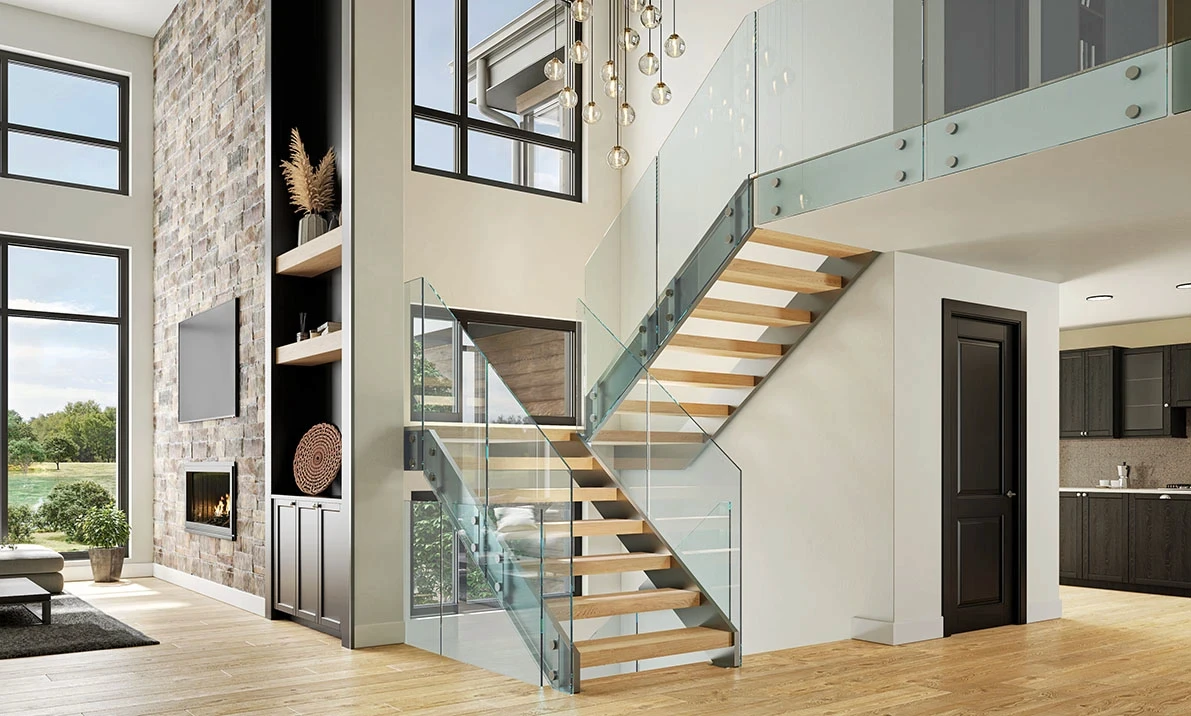
Staircases are the unsung heroes—or silent villains—of residential and commercial buildings. Beautiful, dramatic staircases can define a home’s interior, but a poorly designed, damaged, or non-compliant staircase is an accident waiting to happen. From tripping hazards to structural failure, staircases can compromise safety, insurance coverage, and resale value.
This guide will cover:
Key safety and compliance requirements
Materials and construction methods
Longevity checks and maintenance
Red flags and “walk-away” scenarios
Inspection checklists for buyers, homeowners, and renovators
By the end, you’ll know exactly what to look for, ask about, and avoid when evaluating a staircase.
1. Why Staircase Safety Matters
Stairs are deceptively complex. Each step must be consistent in height, depth, and angle, with secure handrails, proper lighting, and structural integrity. Mistakes in design or construction can lead to:
Trips and falls (the most common household injury)
Non-compliance with local building codes
Premature wear or structural damage
Difficulty in resale or insurance claims
Fun fact: The vast majority of stair-related injuries happen at home, not on public stairs. A staircase that looks solid can still be functionally unsafe.
2. Staircase Anatomy & Key Terminology
Before inspecting, you need to know the basic components:
Tread: The horizontal surface you step on
Riser: The vertical section between treads
Stringer: The structural member supporting treads and risers
Handrail / Guardrail: Safety rails along the stair, usually 34–38” above treads
Landing: Flat platform between stair runs or at the top/bottom
Nosing: The edge of the tread that protrudes slightly over the riser
Key Insight: Inconsistent treads or risers, weak stringers, or missing handrails are immediate red flags.
3. Materials & Construction
A. Wood
Pros: Classic look, warm feel, relatively easy to repair
Cons: Susceptible to wear, rot, and squeaks; requires regular maintenance
Longevity: 20–50 years depending on species, finish, and use
B. Metal
Pros: Extremely durable, modern aesthetic, low maintenance
Cons: Can be slippery if untreated; thermal conduction in uninsulated spaces
Longevity: 50+ years with proper corrosion protection
C. Concrete / Stone
Pros: Incredibly strong, fire-resistant, low maintenance
Cons: Cold underfoot, expensive, difficult to modify
Longevity: 75+ years
D. Composite / Engineered Materials
Pros: Resistant to moisture, insects, and wear
Cons: Can fade or deform in UV exposure; less structural rigidity
Longevity: 20–40 years
Pro tip: Material choice affects not only longevity but also safety, comfort, and noise. Wood and composite treads may squeak, while metal and stone can be slippery without proper tread treatment.
4. Compliance Basics
Staircases are regulated for safety. While local codes vary, general compliance rules include:
Riser height: Typically 7–7.75” max for residential stairs
Tread depth: Minimum 10–11” for safe footing
Width: Minimum 36” for residential, 44” for commercial in some areas
Handrails: Required on at least one side; height 34–38”
Guardrails: Minimum 36” high for residential, 42” for commercial
Headroom: At least 6’8” (80”) clearance above stair treads
Witty insight: A “designer” staircase with varying riser heights may look cool, but it’s a trip hazard waiting to happen—and could fail inspection.
5. Common Safety Issues
Inconsistent tread or riser measurements
Loose or wobbly handrails
Damaged treads or risers (cracks, splits, or wear)
Poor lighting, shadows, or glare
Slippery surfaces (polished wood, metal, stone)
Key takeaway: Even small irregularities—like a ¼” difference in riser height—can cause trips. Humans are surprisingly sensitive to repetition in stairs.
6. Longevity Checks
When evaluating an existing staircase, check for:
Stringers: Any bowing, cracking, or wood rot
Treads & Risers: Check for splits, warping, water damage, or loose fasteners
Connections: Screws, nails, brackets, or welds—ensure nothing is missing or rusted
Handrails & Guardrails: Secure, level, and continuous
Landing Stability: No sagging or rocking
Noise: Squeaks often indicate structural looseness or degraded fasteners
Pro Tip: Tap wood stairs lightly with your knuckle—hollow sounds may indicate rot or voids beneath treads.
7. Red Flags That Require Expert Inspection
Cracks or bowing in stringers (structural concern)
Missing guardrails or handrails
Uneven treads or risers
Water damage or mold signs
Rusted or loose metal connections
DIY modifications without proper support
If multiple red flags exist, bring in a structural engineer or certified inspector—stairs are not something to guess about.
8. Inspection Checklist
Measure riser height and tread depth consistency
Check handrail height, stability, and continuity
Inspect guardrail height and infill spacing
Examine tread, riser, and stringer integrity
Test for squeaks, looseness, or rocking
Assess lighting and visibility
Review material wear and maintenance history
Check compliance with local building codes
Insider tip: Keep a tape measure, level, and flashlight handy for a DIY pre-inspection. A photo record helps identify subtle defects.
9. Maintenance & Longevity Tips
Wood stairs: Refinish every 5–10 years, check fasteners, treat for moisture
Metal stairs: Inspect welds, treat corrosion, and maintain anti-slip surfaces
Concrete / Stone: Seal surfaces to prevent cracking and water intrusion
Composite: Check for UV damage and fastener integrity
Regular maintenance can extend the lifespan of a staircase decades beyond expected.
Staircases are deceptively simple, but their impact on safety, compliance, and long-term home value is huge. Understanding anatomy, materials, compliance rules, and potential hazards is the first step in evaluating a staircase properly.
Even a beautifully designed staircase can be a liability if it’s improperly constructed, non-compliant, or poorly maintained. Always inspect carefully, measure accurately, and when in doubt, bring in a professional.
Materials, Design Variations & How They Affect Safety and Maintenance
Not all staircases are created equal. Material choice and design can dramatically influence safety, durability, comfort, and long-term upkeep. A staircase that looks stunning may be a hidden headache if built with the wrong materials, poorly designed, or lacking proper maintenance considerations.
This section breaks down common materials, design types, and practical considerations for evaluating staircases in both new and existing homes.
1. Wood Staircases: Classic, Cozy, But High-Maintenance
Wood is by far the most common residential staircase material, prized for its warmth and versatility. But wood also requires regular maintenance and careful inspection.
A. Types of Wood:
Softwoods (pine, fir): Affordable, lightweight, but dent-prone
Hardwoods (oak, maple, cherry, walnut): Durable, long-lasting, aesthetically versatile
Exotic woods (teak, mahogany): Premium looks and longevity but expensive
B. Pros & Cons:
Pros: Easy to repair, refinish, and customize; warm underfoot; visually appealing
Cons: Prone to moisture damage, squeaks, warping, and insect infestation if untreated
C. Maintenance Tips:
Refinish surfaces every 5–10 years to protect from wear and moisture
Inspect fasteners and stringers annually
Treat for moisture in basements, kitchens, or bathrooms
Fun fact: A wood staircase that squeaks isn’t just annoying—it’s a diagnostic tool. Squeaks often indicate loose treads, failing fasteners, or shifting stringers.
2. Metal Staircases: Durability With Design Flexibility
Metal staircases, whether steel, wrought iron, or aluminum, offer modern aesthetics and longevity, but they have unique safety considerations.
A. Pros & Cons:
Pros: Strong, fire-resistant, low maintenance, design flexibility
Cons: Slippery if untreated, can rattle if not anchored properly, conducts cold and heat
B. Longevity & Maintenance:
Inspect welds and anchor points regularly
Treat or coat exposed steel to prevent corrosion
Apply anti-slip coatings or textured treads
Pro tip: Metal stairs in homes near the coast should be treated for salt-induced corrosion, or the structural integrity will degrade faster than you think.
3. Concrete & Stone Staircases: Strength Meets Longevity
Concrete and stone stairs are often found in luxury homes, basements, or outdoor entries. They offer unmatched durability, but they come with trade-offs.
A. Pros & Cons:
Pros: Extremely strong, fireproof, low maintenance, excellent longevity
Cons: Cold and hard underfoot, can be slippery when wet, expensive to repair or modify
B. Longevity & Maintenance:
Seal surfaces to prevent water penetration and freeze/thaw damage
Inspect for cracks, especially in load-bearing areas
Repair chips or cracks immediately to prevent worsening
Key insight: While concrete is nearly indestructible, small cracks can become major problems if ignored, especially in climates with freeze/thaw cycles.
4. Composite & Engineered Materials: Modern Convenience
Composite or engineered staircases, often made of recycled plastics, PVC, or engineered wood, are rising in popularity due to low maintenance.
A. Pros & Cons:
Pros: Moisture and insect-resistant, low maintenance, UV-stable
Cons: Can fade or warp in extreme heat, less structural rigidity than hardwood or steel
B. Longevity & Maintenance:
Inspect joints and fasteners for wear
Protect from prolonged UV exposure
Replace damaged panels promptly; repairs can be tricky
Fun fact: Composite stairs are a favorite for outdoor decks and pool areas because they resist water damage better than wood.
5. Staircase Design Variations & Safety Implications
Design is just as important as material. Certain styles increase the risk of accidents or maintenance headaches.
A. Straight Stairs
Simplest design, easiest to inspect and maintain
Consistent tread and riser dimensions reduce tripping risk
Easiest for retrofits or adding handrails
B. L-Shaped / Quarter-Turn Stairs
Adds visual interest and fits corner layouts
Landing must be level and secure
Turning point can be a tripping hazard if tread dimensions are inconsistent
C. U-Shaped / Half-Turn Stairs
More complex, often used in multi-level homes
Requires careful stringer design and landing support
Check that treads are uniform and landings stable
D. Spiral Stairs
Space-saving, visually striking
Typically steeper, narrower treads—higher accident risk
Must have a secure, continuous handrail
E. Floating or Cantilevered Stairs
Modern, minimalist design
Structural integrity is critical; improper installation is extremely dangerous
Regular inspection of wall connections and anchors is a must
Witty insight: If it looks like a staircase in a Pinterest board, make sure it’s structurally sound and not just decorative. Safety should never be sacrificed for style.
6. Noise, Comfort & Wear Considerations
Material and design affect not only safety but also user experience:
Wood treads can squeak; metal can echo; concrete is hard and unforgiving
Consider anti-slip treatments, tread pads, or runners for noise reduction and comfort
High-traffic staircases wear faster—look for durable finishes and replaceable treads
Pro tip: Evaluate staircases during peak traffic times if possible—children, pets, or frequent use expose wear points faster than a quick inspection.
7. Lighting & Visibility
Proper lighting is critical for safety:
Ensure even illumination along the entire staircase
Avoid glare or deep shadows that hide tread edges
Motion-activated lights are convenient and prevent missteps at night
Consider LED strip lights under treads or handrails for visibility and aesthetics
Insider insight: A staircase can meet every code spec, but poor lighting will make it practically unsafe.
8. Climate & Location-Specific Considerations
Humid climates: Wood stairs can swell; metal may corrode; composite can mold if poorly ventilated
Freeze/thaw regions: Concrete must be sealed; wood protected against moisture
Outdoor staircases: Anti-slip treatments are essential; drainage must prevent standing water
Key takeaway: Material, design, and maintenance must align with local climate conditions to ensure long-term safety and durability.
9. Red Flags That Require Professional Inspection
Uneven or inconsistent risers and treads
Loose, cracked, or warped stringers
Missing or wobbly handrails and guardrails
Cracks in concrete or stone stairs
Unstable floating or cantilevered stairs
Poor lighting or unsafe landing dimensions
Even if the staircase looks beautiful, structural flaws or poor design can make it dangerous. A licensed inspector or structural engineer is your safety net.
Material choice and design profoundly affect staircase safety, comfort, and longevity. Wood is warm but high-maintenance, metal is durable but can be slippery, concrete is nearly indestructible, and composites offer convenience—but all require proper installation, inspection, and maintenance.
Design matters just as much as material. From straight and simple to spiral and floating, every staircase type comes with trade-offs in safety, wear, and usability. The safest homes balance aesthetic appeal with practical compliance and durability.
Inspection Checklist, Longevity Tests & Maintenance Recommendations
If Section 2 helped you understand materials and design, this section is your hands-on guide. Think of it as a pre-flight checklist for staircases—skip it at your peril. A staircase might look perfect at first glance, but a careful inspection will reveal the hidden issues that could cost tens of thousands to fix—or worse, cause injuries.
1. The Ultimate Staircase Inspection Checklist
A thorough inspection should cover structural integrity, safety compliance, material condition, and usability. Here’s a professional-grade checklist:
Structural & Material Checks:
Inspect stringers for cracks, bowing, or rot (wood), corrosion (metal), or fractures (concrete/stone)
Check treads for splits, warping, or uneven wear
Examine risers for consistent height and secure attachment
Ensure fasteners (screws, nails, brackets, welds) are intact and properly installed
Look for loose or missing stair components
Safety & Compliance Checks:
Riser height and tread depth consistent across all steps
Handrails: proper height (34–38”), secure, continuous, and easy to grip
Guardrails: correct height (36” residential / 42” commercial), infill spacing compliant with local code
Landing stability: no rocking, sagging, or uneven surfaces
Headroom clearance: minimum 80” in residential spaces
Usability & Comfort Checks:
Anti-slip surfaces or tread treatment
Even spacing between steps, no awkward turning points
Proper lighting for day and night visibility
Noise and squeak test: walk the stairs and listen for loose components
Evaluate the staircase for high-traffic stress points
Pro tip: Use a flashlight, level, and tape measure. Take photos or video for subtle issues—like slight sagging or hairline cracks—that may worsen over time.
2. Longevity Tests: What to Look For
Understanding a staircase’s lifespan can save money and prevent accidents. Key indicators include:
Wood Staircases:
Tap test: Hollow sounds may indicate rot or voids
Moisture check: Use a moisture meter if possible
Inspect finish: Peeling varnish or exposed wood can lead to faster wear
Metal Staircases:
Examine welds and joints for cracks or corrosion
Check anchor bolts in floor or wall for looseness
Test for rattles or vibration under load
Concrete / Stone:
Check for surface cracks, chips, or hairline fractures
Inspect for water penetration, freeze/thaw damage, or efflorescence
Tap for hollow areas (could indicate voids under treads)
Composite / Engineered Materials:
Inspect joints, fasteners, and panel alignment
Look for UV-induced fading or warping
Check for surface scratches or dents that could become trip hazards
Humorous insight: Tapping wood stairs is like giving them a “health checkup”—you’ll hear the difference between a perfectly healthy step and one that needs attention.
3. Maintenance Recommendations
Proper maintenance prolongs staircase life and keeps it safe and attractive.
Wood:
Refinish surfaces every 5–10 years
Tighten screws and brackets annually
Treat for moisture in basements or near exterior doors
Replace treads showing wear or splitting
Metal:
Inspect welds and coatings annually
Apply anti-rust treatment in high-humidity areas
Install anti-slip treads on polished surfaces
Concrete / Stone:
Seal surfaces to prevent water penetration
Repair chips or cracks immediately
Inspect landings and stringers for structural integrity
Composite:
Clean surfaces regularly to prevent dirt build-up
Inspect fasteners and joints for loosening
Protect from prolonged UV exposure if outdoors
Pro tip: Schedule a staircase inspection twice a year, ideally before winter and summer, to catch early signs of wear or damage.
4. Red Flags That Require Immediate Action
Even minor warning signs can escalate. If you notice any of these, call a professional immediately:
Major cracks or bowing in stringers
Missing or wobbly handrails/guardrails
Uneven or inconsistent treads/risers
Rot, water damage, or mold in structural components
Rusted metal joints or anchors
Severe squeaks or movement under normal use
Landing instability or rocking steps
Key insight: Some issues are cosmetic, but many affect structural safety. Never ignore warning signs—staircases carry your weight (literally).
5. Cost Considerations: Repairs vs Replacement
Knowing typical repair and replacement costs helps you make informed decisions.
Issue | Typical Repair Cost | Replacement / Rebuild Cost | Notes |
|---|---|---|---|
Loose tread / riser | $50–$150 per step | N/A | Quick fix if structure sound |
Rotting wood stringer | $500–$2,000 | $3,000+ | Depends on length and complexity |
Handrail replacement | $200–$800 | $1,500+ | Continuous rail recommended |
Concrete crack repair | $100–$500 | $2,500–$5,000 | Small vs major structural damage |
Metal corrosion | $200–$1,000 | $3,000+ | Replace or treat based on severity |
Full staircase replacement | N/A | $5,000–$20,000+ | Material, complexity, and custom design impact cost |
Insight: Small repairs are cheaper and effective if detected early. Major structural issues may require full replacement, particularly with floating or cantilevered designs.
6. Climate-Specific Notes
Humid climates: Wood expands; metal corrodes; composite may mold if not ventilated
Cold climates / freeze-thaw: Concrete cracks; water ingress damages wood; snow/ice increases slip risk
Outdoor staircases: Drainage and anti-slip treatments critical; inspect seasonal wear
Key takeaway: A staircase is not just a set of steps—it’s an interface with your environment. Climate affects lifespan, safety, and maintenance requirements.
7. Walk-Away Scenarios
Sometimes, a staircase is too compromised to save safely. Consider walking away if:
Multiple structural components fail or are severely damaged
Cost of repair approaches or exceeds replacement
Materials are non-standard, making repair difficult or risky
Staircase is non-compliant and cannot be brought up to code economically
Design or construction flaws create unavoidable safety hazards
Rule of thumb: Beauty is worthless if safety is compromised. Always prioritize structural integrity and compliance.
Final Recommendations
Inspect carefully: Measure risers/treads, check stringers, handrails, and guardrails
Prioritize repairs: Fix structural and safety issues first, then address aesthetics
Follow maintenance schedules: Wood refinishing, metal anti-corrosion, concrete sealing
Consider climate and location: Materials perform differently based on humidity, temperature, and exposure
When in doubt, call a professional: Structural engineers, certified inspectors, or licensed carpenters
A well-constructed, properly maintained staircase is safe, durable, and a beautiful feature. Poorly built or neglected stairs are a liability—costly, dangerous, and potentially career-ending if you trip on them while showing a home.
Advanced Stair Features, Handrail Innovations & Custom Designs — Balancing Style with Safety
So far, we’ve covered materials, basic design, inspections, and maintenance. But many homes—especially high-end or custom builds—feature fancier staircases: floating steps, glass panels, spiral designs, or intricate handrails. These features look stunning, but they also raise unique safety, compliance, and longevity questions.
This section breaks down what to look for, ask about, and inspect when evaluating advanced staircases.
1. Floating and Cantilevered Staircases
Floating stairs, often cantilevered from a wall, create a modern, airy look. But their structure is less obvious—so inspection is critical.
A. Structural Considerations:
Cantilevered treads must be anchored into load-bearing walls or steel beams
Proper stringers and brackets are non-negotiable for safety
Look for any deflection or bounce when stepping on a tread
B. Inspection Tips:
Tap each tread and listen for hollow or shifting sounds
Check wall anchoring points for cracks or stress marks
Verify handrail stability—floating stairs rely heavily on secure railings
C. Common Issues:
Overly thin treads may warp under weight
Improperly anchored stringers may loosen over time
Lack of continuous handrails can increase accident risk
Witty insight: Floating stairs look like you’re walking on air—but the math behind that air needs to be rock-solid.
2. Spiral Stairs
Spiral staircases save space and look stylish, but their steep, narrow treads make them a tripping hazard if not designed correctly.
A. Safety Considerations:
Minimum tread depth at the walking line: usually 7–9”
Maximum riser height: 7–7.75”
Handrail: continuous, easily grippable, preferably on the inner side for narrow spirals
B. Inspection Tips:
Walk the stairs slowly to ensure consistent step geometry
Look for wobble in central column or treads
Ensure no sharp edges or loose balusters
Pro tip: Spiral stairs are more about style than speed. They’re great for occasional use or design impact—but not ideal as a main staircase for high-traffic areas.
3. Glass & Cable Handrails
Modern staircases often feature glass panels, stainless steel cables, or open designs. These look sleek but require careful inspection.
A. Glass Panels:
Ensure tempered or laminated safety glass
Inspect for chips, cracks, or loosened fittings
Check that panels are securely anchored to stringers or posts
B. Cable Railings:
Inspect tension: cables must be taut, not sagging
Check for corrosion at fittings
Confirm compliance with spacing codes (prevents children from slipping through)
Insight: Open designs look great, but they must meet code for infill spacing and strength. Glass may break; cables may stretch—both reduce safety if not maintained.
4. Handrail Innovations
Handrails are no longer just a code requirement—they’re a design statement. Some modern options include:
Integrated LED lighting: Illuminates steps, improves safety at night
Rounded or sculpted grips: Ergonomic and comfortable
Double handrails: Great for families with children or elderly residents
Continuous handrails along walls and landings: Reduces risk of falls
Inspection tips for handrails:
Test stability with firm pressure
Ensure height compliance (34–38” residential)
Check for smoothness—rough edges or protrusions can cause injury
5. Landings and Intermediate Platforms
Custom stairs often have landings, intermediate platforms, or decorative turns. These features improve resting points and usability, but can also hide safety hazards:
Inspect for level surfaces—sagging landings create tripping hazards
Check landing support and connection to stringers or walls
Ensure handrails are continuous through landings and turns
Pro tip: Decorative landings are great for aesthetics—but if the landing shifts under load, it’s a serious safety risk.
6. Noise & Comfort Considerations
Advanced staircases often emphasize visual impact over comfort, but you can mitigate issues:
Floating wood treads: add rubber pads or anti-squeak inserts
Metal or concrete treads: add anti-slip coating or rubber runners
Spiral or open stairs: padding edges or installing non-slip tread surfaces improves traction
Remember, sound and feel matter as much as safety. A staircase that creaks, clangs, or feels unstable is a red flag—even if it looks amazing.
7. Cost & Maintenance Implications
Custom staircases are expensive and maintenance-intensive. Typical considerations:
Feature | Approximate Cost | Maintenance Notes |
|---|---|---|
Floating/cantilevered wood stairs | $5,000–$15,000+ | Inspect wall anchors annually, refinish treads |
Spiral metal staircase | $3,500–$10,000 | Tighten central column, anti-slip coating |
Glass panels | $2,000–$6,000 | Inspect for chips, secure fittings |
Cable rails | $1,500–$5,000 | Check tension, corrosion, compliance |
Integrated LED handrails | $500–$2,000 | Electrical inspection, bulb replacement |
Custom landings or platforms | $1,500–$6,000 | Ensure structural integrity |
Insight: Every custom feature adds potential inspection points, maintenance requirements, and costs. A beautiful staircase can be a money pit if not carefully maintained.
8. Climate Considerations
Custom staircases are sensitive to climate:
Wood expands/contracts with humidity
Metal corrodes near saltwater or high moisture
Glass panels can develop condensation or staining outdoors
Floating treads may shift with temperature changes
Outdoor or semi-exposed staircases require anti-slip treatment, drainage, and UV protection to maintain safety and longevity.
9. Red Flags for Custom Staircases
Floating treads with movement or sag under normal weight
Spiral stairs with inconsistent tread depth
Glass panels with chips, cracks, or loose anchors
Cable rails sagging or not compliant with spacing codes
Decorative landings or steps that flex or creak excessively
Handrails that are too low, too high, or discontinuous
Even a single critical flaw in a custom staircase can turn a showpiece into a liability.
Advanced staircases can elevate a home’s style—but safety and compliance must never be compromised. Inspect:
Structural integrity of stringers, treads, and landings
Handrail and guardrail stability, height, and code compliance
Noise, bounce, and material wear
Climate-appropriate finishes and protections
Maintenance costs over the staircase’s lifespan
A well-designed staircase is both visually stunning and fundamentally safe. When in doubt, bring in a professional inspector or structural engineer—especially for floating, spiral, or highly customized designs.
Final Checklist, When to Walk Away, Cost Considerations & Long-Term Maintenance
Congratulations—you’ve now learned everything from basic anatomy, materials, design, and advanced features, to inspection methods and climate considerations. But a staircase evaluation isn’t complete without a practical, step-by-step checklist, a realistic cost framework, and clear “walk-away” criteria.
Think of this section as your staircase safety playbook—the final tool to make decisions like a pro.
1. The Comprehensive Staircase Inspection Checklist
Use this checklist for both new and existing staircases. It covers structure, materials, compliance, safety, and comfort.
A. Structural & Material Integrity
Stringers: Inspect for cracks, bowing, rot, corrosion, or movement
Treads: Check for wear, splitting, or uneven surfaces
Risers: Consistent height, securely attached
Fasteners: Screws, nails, brackets, welds in good condition
Landings: Level, stable, and properly anchored
Floating/cantilevered treads: No flex, properly supported
B. Safety & Compliance
Riser height consistent (7–7.75” residential)
Tread depth sufficient (minimum 10–11” for residential)
Width meets code (36” residential minimum, 44” commercial)
Handrails: Proper height, continuous, stable, comfortable grip
Guardrails: Proper height, infill spacing compliant
Headroom: Minimum 80” clearance
Lighting: Adequate for day/night visibility
C. Comfort & Usability
Anti-slip treatment applied if needed
Step edges free from hazards or protrusions
Noise or creaking evaluated and addressed
High-traffic points reinforced or treated
D. Advanced Features (if applicable)
Spiral stairs: uniform tread width, secure central column
Floating stairs: wall anchors and treads secure, no deflection
Glass panels: no chips, cracks, or loose fittings
Cable rails: tensioned, corrosion-free, compliant spacing
Decorative landings: level, secure, and supported
2. Cost Considerations: Repairs vs Rebuilds
Knowing typical cost ranges allows you to make informed decisions:
Issue | Repair Range | Replacement / Rebuild | Notes |
|---|---|---|---|
Loose tread / riser | $50–$150 | N/A | Minor fix if structure intact |
Wobbly stringer | $500–$2,500 | $3,500+ | Depends on extent and design |
Handrail replacement | $200–$800 | $1,500+ | Continuous handrails preferred |
Concrete / stone cracks | $100–$500 | $2,500–$6,000 | Freeze/thaw climates critical |
Metal corrosion | $200–$1,000 | $3,000+ | Coastal or humid areas |
Floating stair replacement | N/A | $7,000–$20,000+ | Anchoring and custom fabrication |
Spiral stair replacement | N/A | $3,500–$12,000 | Material and complexity dependent |
Pro tip: Minor repairs are cost-effective if detected early, while major structural issues may require replacement for long-term safety and compliance.
3. Climate & Environment Considerations
Environmental factors significantly influence longevity, safety, and maintenance costs:
Humid climates: Wood may swell; metal corrodes; composite surfaces may mold
Freeze/thaw regions: Concrete or stone can crack; water infiltration accelerates wear
Outdoor stairs: Drainage, anti-slip surfaces, UV protection, and sealing are essential
High-traffic homes: Steps and handrails wear faster; maintenance schedule should reflect use
Key takeaway: Even structurally perfect staircases can deteriorate quickly if environmental exposure isn’t addressed.
4. Red Flags & Walk-Away Scenarios
Knowing when to walk away or call in a professional is essential:
Multiple structural failures: Bowing stringers, cracked landings, or loose treads
Non-compliance issues: Impossible to bring up to code without full replacement
Safety hazards: Missing handrails, steep inconsistent risers, or unsafe spiral designs
Cost-prohibitive repairs: Estimated repairs approach or exceed replacement costs
DIY or improper modifications: Unsecured treads, unsupported floating stairs, or non-code guardrails
Rule of thumb: If safety, compliance, or repair costs are questionable, don’t gamble—stairs are a high-risk element.
5. Long-Term Maintenance Recommendations
Maintaining a staircase is crucial to ensure longevity and safety:
Wood
Refinish surfaces every 5–10 years
Inspect stringers and treads annually
Treat for moisture, especially near basements or exterior doors
Tighten screws or bolts as needed
Metal
Inspect welds and fasteners annually
Apply anti-corrosion coatings
Add anti-slip treatments on smooth treads
Concrete / Stone
Seal surfaces to prevent water infiltration
Repair cracks immediately
Inspect landings for deflection or sag
Composite / Engineered Materials
Inspect joints and fasteners annually
Clean surfaces to prevent dirt and mold accumulation
Protect from UV exposure if outdoors
General Recommendations
Conduct full inspection twice per year, ideally before winter and summer
Address minor issues immediately to prevent major repairs
Keep a visual record of wear and maintenance for resale or insurance purposes
6. Additional Tips for Homebuyers & Homeowners
Test before you trust: Walk the stairs, feel for bounce, listen for squeaks
Measure accurately: Tape measure, level, and flashlight are your best friends
Document everything: Photos and notes can help during resale or inspections
Professional input: For cantilevered, floating, or highly custom designs, bring in a licensed structural engineer
Witty insight: Even the most Instagram-worthy staircase can be a liability if neglected—think of it as high-design meets high-stakes.
Final Takeaways
Safety, compliance, and structural integrity are non-negotiable
Material choice, design, and climate dramatically affect longevity and maintenance
Minor repairs are worth doing early; major defects may require full replacement
Advanced features require extra diligence for inspection and upkeep
A comprehensive checklist ensures you evaluate all critical factors
In short, a well-designed, inspected, and maintained staircase is both a functional necessity and a statement piece. Skip the shortcuts, follow the checklists, account for climate, and know when to walk away—you’ll end up with stairs that are safe, durable, and stunning for decades.