Tree Placement: Root Damage, Shade & Privacy
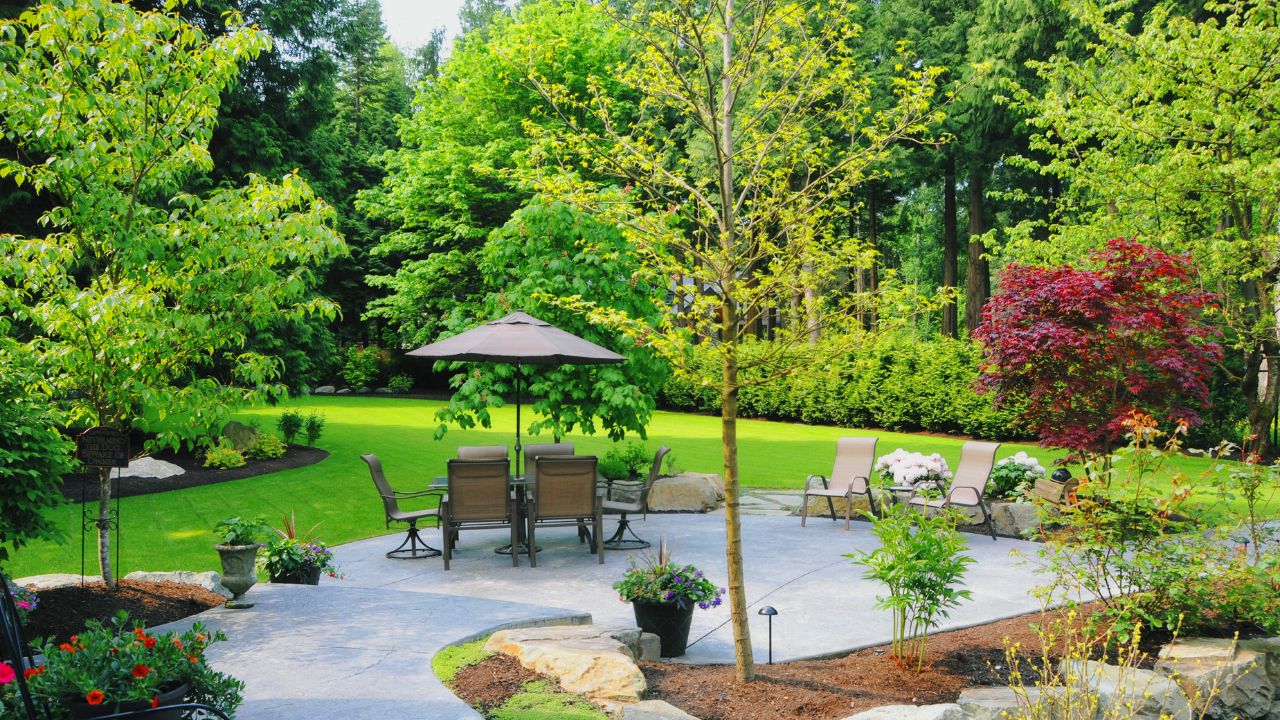
Planting a tree might seem simple—dig a hole, stick a sapling in, water it, and voilà. But when it comes to home value, landscaping, and long-term structural health, tree placement is more strategic than a chess game. One misstep, and suddenly your “picture-perfect backyard” comes with cracked sidewalks, flooded foundations, and neighbors peeking through your windows.
This guide will cover:
How roots, branches, and canopy growth affect structures
Choosing trees for shade, privacy, and aesthetics
Soil, drainage, and climate considerations
Inspection and evaluation checklists for buyers and homeowners
Cost implications for planting, maintenance, and repair
“When to walk away” scenarios for problematic tree placement
By the end, you’ll know how to choose, plant, and maintain trees without sacrificing your home, your privacy, or your sanity.
1. Why Tree Placement Matters
A tree in the right spot provides shade, beauty, privacy, and even energy savings. A tree in the wrong spot can cause:
Root damage: Cracked foundations, broken pipes, disturbed sidewalks
Excessive shade: Killing grass, moss growth, uneven moisture
Obstructed views: Loss of sightlines to mountains, water, or cityscapes
Safety hazards: Falling branches, interference with power lines
Fun fact: According to the International Society of Arboriculture, improper tree planting is one of the leading causes of urban infrastructure damage, not storms, wind, or termites.
2. Understanding Roots & Damage Potential
Tree roots aren’t just underground straws sucking water—they’re massive, aggressive, and directional.
A. Root Growth Patterns:
Taproots: Deep central root (maples, oaks) that anchors the tree
Lateral roots: Spread near surface (willows, poplars), most likely to damage pavements or foundations
Fibrous roots: Dense, shallow networks (many ornamental trees), usually less destructive but can interfere with irrigation systems
B. Root Risks:
Foundations: Roots seeking moisture can cause cracking in older slab foundations
Sidewalks/driveways: Uplifted concrete or pavers is a common complaint
Plumbing: Roots infiltrate sewer lines, drains, or irrigation
Landscape competition: Large trees can crowd smaller plants or garden beds
Pro tip: If roots are “hunting for water,” they will travel surprisingly far—up to 2–3 times the tree’s canopy diameter.
3. Shade & Energy Efficiency
Trees aren’t just decoration—they’re natural air conditioners. Proper placement can:
Reduce summer heat gain by shading roofs, windows, and patios
Provide windbreaks in winter, reducing heating costs
Protect gardens and outdoor living spaces from harsh sun
Strategic Shade:
East or west-facing windows: Shade in afternoons reduces indoor cooling load
Patios and decks: Trees planted nearby increase comfort without blocking airflow
Lawns: Partial shade can reduce watering needs, but full shade may prevent grass growth
Witty insight: A tree too close to your house can turn your sunlit living room into the Batcave—cool, but not very inviting.
4. Privacy Considerations
Privacy trees are the natural walls of your backyard. When selecting trees for screening:
Evergreens: Provide year-round coverage
Fast-growing species: Quick results, but often shallow roots and soft wood
Height vs width: Taller trees may block views for neighbors or require pruning for safety
Placement Tips:
Plant at least 5–10 feet from property line to avoid disputes
Use a staggered arrangement for natural density
Consider seasonal foliage—deciduous trees provide summer privacy but may be bare in winter
Pro tip: Privacy trees are like silent bodyguards—you want coverage, but not a tree that invades your living room.
5. Soil, Drainage & Microclimate
Trees are only as happy as the soil they’re planted in. Consider:
Soil type: Clay, loam, sand—affects root penetration and moisture retention
Drainage: Poor drainage leads to root rot or shallow growth
Microclimate: Wind, sun exposure, and nearby structures influence growth
Pro tip: A tree that struggles may send roots further in search of water, increasing the risk of foundation and plumbing damage.
6. Inspection Checklist for Tree Placement
Before buying a home or planting a tree, check:
Distance from foundations, sidewalks, and plumbing
Root system type (taproot, lateral, fibrous)
Canopy spread at maturity
Tree health and disease signs
Soil condition and drainage
Sunlight and shade patterns across seasons
Privacy coverage vs. neighbor impact
Potential for wind throw (trees top-heavy or unstable in wind)
Witty insight: Trees are long-term investments—you’re not just planting shade; you’re planting decades of responsibility.
7. Cost Considerations
Tree Type | Initial Cost | Maintenance | Potential Risk Costs |
|---|---|---|---|
Small ornamental (sapling) | $50–$200 | Low | Minimal, unless improperly placed |
Medium shade tree | $200–$800 | Moderate (pruning, watering) | $1,000+ if roots affect infrastructure |
Large privacy/evergreen | $500–$2,500 | High (pruning, fertilizing) | $5,000+ if roots damage foundation/sidewalks |
Remediation of root damage | N/A | N/A | $2,000–$20,000 depending on foundation/plumbing |
Key insight: Planting cheap is false economy if future root damage costs outweigh initial savings.
8. Climate & Regional Considerations
Vancouver/Coastal BC: High rainfall → shallow roots may rot or destabilize
Interior BC/Alberta: Freeze/thaw cycles → root expansion can crack sidewalks/foundations
Windy areas: Choose species with flexible wood; avoid brittle trees near structures
Pro tip: Climate influences root aggressiveness, canopy growth, and tree health, so select species native or adapted to your region.
9. When to Walk Away
Red flags in tree placement include:
Large trees too close to house, driveway, or sewer lines
Roots visibly cracking pavement or foundation
Trees leaning toward structures or heavily top-heavy
Crowded trees with overlapping canopies threatening neighbor disputes
Poor soil or drainage that restricts growth
Witty insight: If the backyard feels like a jungle before you’ve planted anything, or if roots are already a weapon of mass destruction, consider it a negotiation point—or a reason to walk away.
Choosing the Right Trees for Shade, Privacy, and Minimal Root Damage
Once you understand the risks of roots, shade, and canopy growth, the next step is matching trees to your goals and site conditions. Not all trees are created equal—some are stealthy root invaders, others grow slow but elegant, and a few will block the neighbor’s view in record time.
1. Shade Trees: Cooling Without Chaos
Shade trees are the natural air conditioners of your property. Choosing the right species ensures you get comfort without collateral damage.
A. Key Traits for Good Shade Trees:
Broad, high canopy to provide maximum shade
Deep roots to avoid surface disruption
Moderate growth rate for manageable maintenance
Disease and pest resistance
B. Recommended Species (Pacific Northwest Example):
Species | Growth Rate | Root Behavior | Canopy Width | Notes |
|---|---|---|---|---|
Red Maple | Moderate | Taproot, less surface spread | 30–40 ft | Vibrant fall color, moderate maintenance |
Tulip Tree | Fast | Deep roots | 40–50 ft | Rapid shade, high maintenance pruning |
Japanese Maple | Slow | Fibrous, shallow | 15–20 ft | Ideal for decorative shade, minimal root impact |
Douglas Fir | Fast | Deep & extensive | 40–60 ft | Excellent shade, consider distance from house due to size |
Bigleaf Maple | Moderate | Surface roots can spread | 40–50 ft | Great shade but prune near structures |
Pro tip: Plant the tree 1–2 canopy diameters away from the house to avoid roof or foundation interference.
2. Privacy Trees: Screening with Strategy
Privacy trees act as living walls, but placement and species are crucial.
A. Traits of Effective Privacy Trees:
Evergreen for year-round coverage
Dense foliage
Moderate-to-fast growth depending on urgency
Low flammability and pest resistance
B. Recommended Species:
Species | Growth Rate | Height at Maturity | Root Considerations | Notes |
|---|---|---|---|---|
Western Red Cedar | Moderate | 30–60 ft | Taproot, generally manageable | Classic privacy hedge, aromatic |
Leyland Cypress | Fast | 40–60 ft | Shallow, aggressive roots | Fast coverage, may require pruning |
Thuja Green Giant | Fast | 50–60 ft | Moderate | Dense, low-maintenance |
Arborvitae | Moderate | 15–40 ft | Fibrous | Excellent for narrow screening |
Bamboo (clumping) | Fast | 10–25 ft | Contained rhizomes | Use barriers to prevent spreading |
Witty insight: Privacy trees are like bodyguards on shift—you want coverage but not a tree that stomps into your bedroom window.
3. Minimizing Root Damage
Roots are often the hidden culprits of property damage. Choosing species and planting techniques can mitigate risk.
A. Low-Risk Root Trees:
Deep taproots that grow downward
Moderate lateral spread
Slower-growing species (roots extend slowly)
B. High-Risk Root Trees:
Fast-growing, shallow-rooted trees
Aggressive species like willows, poplars, silver maples
Trees planted near plumbing, foundations, or sidewalks
C. Root Mitigation Strategies:
Use root barriers for fast-growing or spreading trees
Plant at safe distance from structures (generally ≥15 ft for large species)
Avoid high-water-use species near foundations or sewer lines
Pro tip: Root barriers are like underground fencing—they redirect roots away from critical areas but need proper installation depth (typically 18–24 inches).
4. Growth Patterns & Long-Term Planning
Understanding a tree’s growth trajectory is critical:
Fast growers: Provide quick shade and privacy but require more pruning and monitoring
Moderate growers: Balanced between coverage, stability, and maintenance
Slow growers: Low-maintenance, minimal root risk, but patience is required
Canopy and Spacing:
Estimate canopy width at maturity
Maintain 1.5–2 times canopy diameter spacing between trees and structures
Plan for overlapping canopies for continuous shade/privacy without overcrowding
Fun insight: Trees, unlike people, don’t shrink over time. If planted too close, you’ll spend decades pruning and regretting your “shortcut.”
5. Lifespan & Maintenance Considerations
Short-lived species (20–30 yrs): Quick coverage, higher replacement risk
Medium-lived species (40–60 yrs): Balanced investment, moderate maintenance
Long-lived species (100+ yrs): Great for legacy trees but slow to achieve privacy/shade
Maintenance Needs:
Regular pruning to prevent structural hazards and maintain canopy shape
Fertilization depending on soil test results
Disease monitoring, especially for maples, cedars, and poplars
Mulching and watering to promote healthy roots
Pro tip: A long-lived tree planted today can outlive multiple renovations, so think decades ahead—not just next summer.
6. Site-Specific Landscaping Strategies
Sloped yards: Plant trees uphill from structures to avoid root intrusion
Wet areas: Avoid water-loving species near foundations; consider rain gardens
Windy areas: Choose flexible species to reduce windthrow risk
Sunlight needs: Assess sun/shade patterns; deciduous trees lose leaves in winter, affecting coverage
Strategic Layouts:
Screening along property lines: Mix tall evergreens with lower shrubs for layered privacy
Shade over patios/decks: Place on south or west sides for afternoon cooling
Avoid overcrowding: Maintain spacing for airflow and root expansion
Insight: Tree placement is landscape architecture meets structural engineering—you’re balancing aesthetics, function, and safety.
7. Inspection Checklist for Choosing Trees
Before buying or planting, check:
Species, growth rate, and canopy at maturity
Root type and risk for structural damage
Soil type, drainage, and microclimate suitability
Distance from house, sidewalks, driveways, and utilities
Maintenance needs and pruning history (if existing tree)
Seasonal coverage (evergreen vs deciduous)
Pest and disease susceptibility
Pro tip: Ask sellers or landscapers for planting records and history—it saves a lot of guessing about future issues.
Root Barriers, Irrigation & Soil Management
Once you’ve chosen the right species and planned canopy placement, the next challenge is controlling roots and providing the right soil conditions. Neglect this, and your beautiful shade or privacy tree can become a structural hazard, a neighborly dispute, or a costly maintenance headache.
1. Root Barriers: Keeping Roots in Check
Root barriers are engineered solutions that redirect tree roots away from foundations, sidewalks, driveways, and underground utilities. They act like invisible fences beneath the soil, guiding roots deeper or sideways instead of letting them surface.
A. Types of Root Barriers
Rigid plastic panels: Durable, often 18–24 inches deep, installed vertically along structures
Flexible synthetic mats: Less invasive, allow some water penetration but redirect roots
Concrete or masonry walls: Typically for commercial or extreme cases
B. Installation Tips
Place before planting or around young trees
Bury at least 18–24 inches deep, depending on the species
Angle slightly away from the structure to encourage downward root growth
Ensure the barrier extends beyond the critical foundation area by 1–2 feet
C. Pros & Cons
Type | Pros | Cons |
|---|---|---|
Rigid plastic | Very effective | Visible at edges if shallow, may crack over time |
Flexible mat | Less intrusive, water-permeable | Less durable, may need replacement |
Concrete | Extremely durable | Expensive, requires professional installation |
Pro tip: Root barriers are like traffic cops for roots—they enforce order underground, keeping your sidewalk, driveway, and foundation intact.
2. Irrigation: Water Wisely, Protect Property
Water is a tree’s best friend, but too much or too little can create problems for both roots and structures.
A. Proper Watering Strategies
Deep, infrequent watering encourages deep roots instead of surface roots
Drip irrigation systems reduce water near foundations and driveways
Mulching around base (2–4 inches) retains moisture without excessive wet soil
B. Red Flags from Improper Watering
Constant surface water → shallow root growth, higher risk of pavement upheaval
Dry soil → roots aggressively seek water, possibly infiltrating plumbing
Overwatering near foundations → soil expansion (clay soils) causing pressure on slabs
Pro tip: Think of irrigation as invisible root training—direct them where you want them, not where they’ll cause headaches.
3. Soil Management & Fertility
Healthy soil = happy trees = lower risk of structural damage. Pay attention to:
A. Soil Types
Clay soils: Hold water, slow drainage, roots may lift concrete
Sandy soils: Drain well but may require frequent irrigation
Loam soils: Balanced, ideal for most trees
B. Soil Amendments
Organic compost: Improves structure, retains moisture, encourages healthy root spread
Sand: Enhances drainage in clay-heavy soils
Mulch: Protects roots, moderates temperature, reduces surface compaction
C. Soil Compaction
Avoid planting near heavy foot traffic areas
Aerate around tree base periodically
Compacted soil → shallow roots → increased risk to structures
Pro tip: Think of soil as the foundation for your roots—weak soil = stressed trees = potential property damage.
4. Protective Distance from Structures
Even with barriers and irrigation, spacing matters:
Tree Size | Recommended Distance from Structure | Notes |
|---|---|---|
Small (<20 ft canopy) | 6–10 ft | Decorative, low-risk |
Medium (20–40 ft canopy) | 10–20 ft | Shade/privacy, moderate root risk |
Large (>40 ft canopy) | 20+ ft | Requires root barrier or careful species selection |
Fun insight: Trees are like kids—they need room to grow. Cramp them, and they’ll start “experimenting” with your plumbing and foundation.
5. Root-Friendly Landscaping Techniques
A. Raised Beds & Planters
Keep trees slightly elevated to reduce root spread into foundations
Use reinforced planters for stability
B. Berms & Swales
Direct water away from foundations
Create natural channels that guide roots safely
C. Gravel or Mulch Paths
Reduce compaction
Discourage shallow lateral root growth under walkways
Pro tip: Landscaping isn’t just aesthetics—it’s a root management strategy disguised as a garden.
6. Maintenance & Inspection
Healthy trees need ongoing attention:
Annual root inspection: Look for roots surfacing near sidewalks, patios, and foundations
Pruning: Balance canopy and prevent branches from overextending into structures
Soil testing: Nutrients, pH, and compaction levels guide fertilization and aeration
Irrigation adjustment: Seasonal watering strategies maintain deep, healthy roots
Witty insight: A well-maintained tree is like a polite guest—it occupies its space, doesn’t intrude, and improves everyone’s environment.
7. Cost Considerations for Root & Soil Management
Task | Cost Range | Notes |
|---|---|---|
Root barrier installation | $15–$50 per linear foot | Depends on depth and material |
Soil amendment & compost | $50–$250 per tree | Initial setup |
Irrigation system | $500–$2,500 | Drip systems, zoning for trees |
Mulching | $40–$100 per cubic yard | Annual replacement |
Tree pruning | $150–$600 per tree | Species and size-dependent |
Pro tip: Investing upfront in root barriers, irrigation, and proper soil can save thousands in foundation repairs, sidewalk replacement, and plumbing remediation.
8. Climate & Regional Considerations
Rain-heavy regions: Drainage and root barriers are crucial
Freeze/thaw cycles: Prevent shallow roots that can lift concrete
Windy areas: Deep-rooted, flexible species reduce toppling risk
Urban lots: Confined spaces require careful species selection and barriers
Insight: Regional climate dictates both tree species selection and root management strategy—ignore it, and the tree can turn into a slow-motion disaster.
9. When to Walk Away
Trees can add value and beauty—but misplaced or high-risk trees can be costly nightmares. Walk away or negotiate if:
Large, shallow-rooted trees are within 10–15 ft of foundations or sewer lines
Trees show signs of disease, rot, or structural instability
Roots are already damaging sidewalks, driveways, or plumbing
Soil and drainage issues are extreme and costly to remediate
Witty insight: A tree planted too close to a house is like a roommate with bad habits—it starts small, but eventually, it’ll mess up everything you love about your space.
Cost, Repairs & When Trees Become a Liability
Trees are beautiful, but they’re long-term investments with real-world consequences. Roots, branches, and canopies aren’t just landscaping—they’re structural and financial factors that can make or break your property value. Understanding costs and liabilities is crucial before buying a property or planting a new tree.
1. Common Tree-Related Problems
Before diving into costs, it’s helpful to categorize what can go wrong:
Root damage
Uplifted sidewalks and driveways
Foundation cracks in older homes or slab constructions
Sewer, irrigation, or water pipe intrusion
Canopy hazards
Branches overhanging roofs, decks, or neighboring property
Falling limbs during storms
Soil and drainage issues
Compacted soil restricting root growth
Excess moisture leading to rot or instability
Tree health
Pests, disease, or structural weakness
Dead or dying trees becoming liability hazards
Pro tip: Many buyers ignore trees until the damage is visible—and by then, the repair costs are shockingly high.
2. Tree-Related Repair Costs
Problem | Typical Cost Range | Notes |
|---|---|---|
Sidewalk/driveway uplift | $500–$3,000 | Depends on material and extent |
Foundation cracks | $2,000–$20,000+ | Minor vs major, often requires structural engineering |
Sewer line root intrusion | $1,500–$8,000 | May involve trenching or pipe lining |
Tree pruning (medium tree) | $150–$600 | Annual or semi-annual maintenance |
Tree removal (small-medium) | $500–$2,000 | Large trees $3,000–$10,000+ |
Root barrier installation | $15–$50 per linear foot | Preventive measure |
Irrigation adjustments | $500–$2,500 | Drip systems, zoning, and targeted watering |
Witty insight: Trees are cheap at the nursery but expensive when they decide your driveway is theirs.
3. Pruning: Cost-Effective Risk Management
Pruning isn’t just aesthetic—it’s structural insurance. Proper pruning reduces branch weight, prevents damage to roofs, and improves sunlight penetration.
Best Practices:
Annual or semi-annual inspections
Remove dead, diseased, or crossing branches
Avoid topping trees (shortens life, increases risk)
Use certified arborists for large trees
Pro tip: Think of pruning like a haircut for your home’s safety—ignore it, and the “bad hair day” eventually becomes a major insurance claim.
4. Tree Removal: When It’s Cheaper Than Repairs
Sometimes, removal is the only realistic solution. Consider it if:
Roots threaten foundations, sidewalks, or sewer lines
Trees are diseased, unstable, or dead
Canopy creates shade issues or blocks sunlight year-round
Proximity to structures increases risk of storm damage
Cost Factors:
Tree height and diameter
Proximity to structures
Accessibility for equipment
Disposal and hauling of debris
Rule of thumb: Removal is expensive but often cheaper than ongoing repairs plus insurance risk.
5. Liability & Insurance Considerations
Trees aren’t just a landscaping feature—they’re legal and financial responsibilities:
Falling branches can damage cars, roofs, or neighboring property
Root intrusion causing neighbor disputes or municipal sidewalk damage
Some insurance policies exclude coverage for trees planted too close to structures
Pro tip: Always document inspections and maintenance, especially if you’re buying a property. It protects you if a tree causes damage later.
6. Cost-Benefit Analysis: When Trees Add vs Drain Value
Adding value: Properly placed trees enhance shade, privacy, curb appeal, and energy efficiency
Neutral: Small, well-maintained trees that don’t affect structures or neighbors
Cost drain: Trees with shallow roots near foundations, overgrown canopies, or health issues
Insight: Evaluate long-term maintenance and risk against aesthetic benefits. Trees can be great ROI or a financial pitfall depending on placement and species.
7. Climate-Specific Notes
Tree risks and costs vary by climate:
Rain-heavy regions: High water table + clay soils → root expansion and uplift
Freeze/thaw climates: Surface roots crack concrete; roots expand in winter, contract in summer
Windy areas: Overhanging branches or top-heavy trees can cause property damage
Urban lots: Limited space increases likelihood of roots impacting sidewalks and utilities
Pro tip: Species selection + preventive measures (root barriers, irrigation) mitigates climate-specific risks.
8. Inspection Checklist: When Evaluating Trees
Before committing to a property or planting a new tree, check:
Distance to foundations, sidewalks, driveways, and sewer lines
Tree species, growth rate, and mature canopy spread
Root type and potential for invasive growth
Health: dead limbs, disease, pests
Soil conditions: compaction, drainage, and moisture
Need for pruning, removal, or root management
Witty insight: Inspecting trees is like dating for decades—you need to know potential issues early before you make a long-term commitment.
9. When to Walk Away
Red flags that should stop you cold:
Large trees too close to critical infrastructure
Roots actively damaging sidewalks, driveways, or foundations
Signs of disease or instability
Soil that won’t support trees without expensive remediation
High-risk species in confined urban lots
Pro tip: If you see multiple red flags, negotiate hard or walk away. Even a beautiful tree can cost tens of thousands in repairs over its lifespan.
Cost, Repairs & When Trees Become a Liability
Trees are beautiful, but they’re long-term investments with real-world consequences. Roots, branches, and canopies aren’t just landscaping—they’re structural and financial factors that can make or break your property value. Understanding costs and liabilities is crucial before buying a property or planting a new tree.
1. Common Tree-Related Problems
Before diving into costs, it’s helpful to categorize what can go wrong:
Root damage
Uplifted sidewalks and driveways
Foundation cracks in older homes or slab constructions
Sewer, irrigation, or water pipe intrusion
Canopy hazards
Branches overhanging roofs, decks, or neighboring property
Falling limbs during storms
Soil and drainage issues
Compacted soil restricting root growth
Excess moisture leading to rot or instability
Tree health
Pests, disease, or structural weakness
Dead or dying trees becoming liability hazards
Pro tip: Many buyers ignore trees until the damage is visible—and by then, the repair costs are shockingly high.
2. Tree-Related Repair Costs
Problem | Typical Cost Range | Notes |
|---|---|---|
Sidewalk/driveway uplift | $500–$3,000 | Depends on material and extent |
Foundation cracks | $2,000–$20,000+ | Minor vs major, often requires structural engineering |
Sewer line root intrusion | $1,500–$8,000 | May involve trenching or pipe lining |
Tree pruning (medium tree) | $150–$600 | Annual or semi-annual maintenance |
Tree removal (small-medium) | $500–$2,000 | Large trees $3,000–$10,000+ |
Root barrier installation | $15–$50 per linear foot | Preventive measure |
Irrigation adjustments | $500–$2,500 | Drip systems, zoning, and targeted watering |
Witty insight: Trees are cheap at the nursery but expensive when they decide your driveway is theirs.
3. Pruning: Cost-Effective Risk Management
Pruning isn’t just aesthetic—it’s structural insurance. Proper pruning reduces branch weight, prevents damage to roofs, and improves sunlight penetration.
Best Practices:
Annual or semi-annual inspections
Remove dead, diseased, or crossing branches
Avoid topping trees (shortens life, increases risk)
Use certified arborists for large trees
Pro tip: Think of pruning like a haircut for your home’s safety—ignore it, and the “bad hair day” eventually becomes a major insurance claim.
4. Tree Removal: When It’s Cheaper Than Repairs
Sometimes, removal is the only realistic solution. Consider it if:
Roots threaten foundations, sidewalks, or sewer lines
Trees are diseased, unstable, or dead
Canopy creates shade issues or blocks sunlight year-round
Proximity to structures increases risk of storm damage
Cost Factors:
Tree height and diameter
Proximity to structures
Accessibility for equipment
Disposal and hauling of debris
Rule of thumb: Removal is expensive but often cheaper than ongoing repairs plus insurance risk.
5. Liability & Insurance Considerations
Trees aren’t just a landscaping feature—they’re legal and financial responsibilities:
Falling branches can damage cars, roofs, or neighboring property
Root intrusion causing neighbor disputes or municipal sidewalk damage
Some insurance policies exclude coverage for trees planted too close to structures
Pro tip: Always document inspections and maintenance, especially if you’re buying a property. It protects you if a tree causes damage later.
6. Cost-Benefit Analysis: When Trees Add vs Drain Value
Adding value: Properly placed trees enhance shade, privacy, curb appeal, and energy efficiency
Neutral: Small, well-maintained trees that don’t affect structures or neighbors
Cost drain: Trees with shallow roots near foundations, overgrown canopies, or health issues
Insight: Evaluate long-term maintenance and risk against aesthetic benefits. Trees can be great ROI or a financial pitfall depending on placement and species.
7. Climate-Specific Notes
Tree risks and costs vary by climate:
Rain-heavy regions: High water table + clay soils → root expansion and uplift
Freeze/thaw climates: Surface roots crack concrete; roots expand in winter, contract in summer
Windy areas: Overhanging branches or top-heavy trees can cause property damage
Urban lots: Limited space increases likelihood of roots impacting sidewalks and utilities
Pro tip: Species selection + preventive measures (root barriers, irrigation) mitigates climate-specific risks.
Inspection Checklist: When Evaluating Trees
Before committing to a property or planting a new tree, check:
Distance to foundations, sidewalks, driveways, and sewer lines
Tree species, growth rate, and mature canopy spread
Root type and potential for invasive growth
Health: dead limbs, disease, pests
Soil conditions: compaction, drainage, and moisture
Need for pruning, removal, or root management
Witty insight: Inspecting trees is like dating for decades—you need to know potential issues early before you make a long-term commitment.
When to Walk Away
Red flags that should stop you cold:
Large trees too close to critical infrastructure
Roots actively damaging sidewalks, driveways, or foundations
Signs of disease or instability
Soil that won’t support trees without expensive remediation
High-risk species in confined urban lots
Pro tip: If you see multiple red flags, negotiate hard or walk away. Even a beautiful tree can cost tens of thousands in repairs over its lifespan.