Wine Cellars: What Adds Value vs What’s Decorative
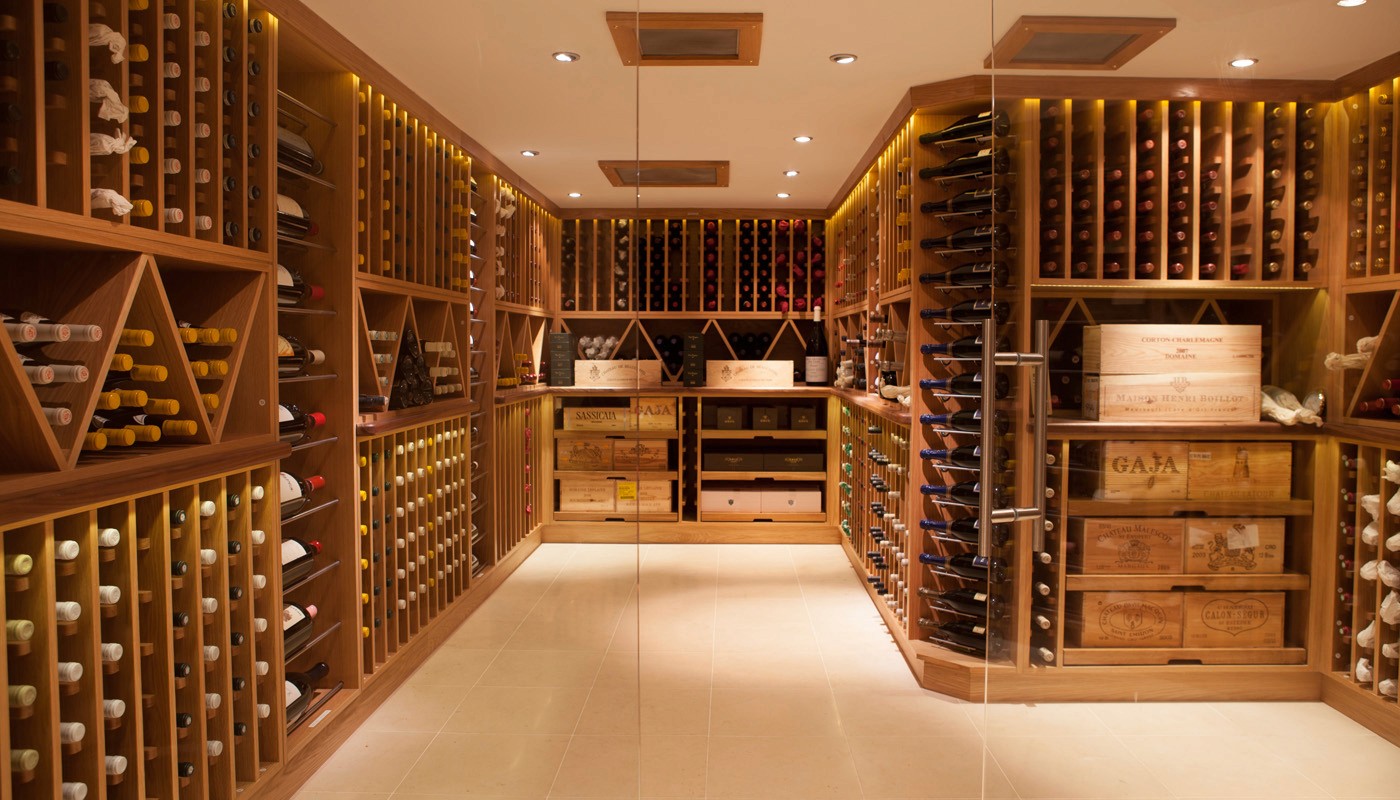
Wine cellars are more than just a place to store your Merlot—they’re a statement piece, a functional investment, and sometimes, a total money pit. Many buyers are drawn to ornate wine racks, LED lighting, and faux-age barrels, thinking they’re adding value. The reality? True value comes from functionality, climate control, and integration with the home.
This guide will cover:
Core wine cellar principles
What adds real value versus purely decorative features
Inspection checklist for both new and existing cellars
Costs for construction, retrofitting, and maintenance
When a cellar is worth it, and when it’s just a fancy closet
Witty insight: A wine cellar that looks great but doesn’t maintain proper humidity or temperature is like buying a Ferrari with flat tires—nice to look at, useless in practice.
1. Core Wine Cellar Principles
A functional wine cellar is designed around three pillars: temperature, humidity, and light control.
A. Temperature
Ideal storage: 50–59°F (10–15°C)
Fluctuations >10°F can damage wine over time
HVAC or specialized wine cooling systems are often required
B. Humidity
Ideal: 60–70% relative humidity
Too dry → corks shrink, wine oxidizes
Too wet → mold and damage to labels or racks
C. Light Control
UV light can degrade wine
Dark or low-light storage preserves quality
Decorative LED lighting is fine, as long as it doesn’t heat the bottles
Pro tip: Function trumps aesthetics. A fancy display that fries your Chardonnay is worth exactly $0 to serious buyers.
2. Features That Add Real Value
A. Climate-Control Systems
Dedicated cooling units maintain consistent temperature and humidity
Zoned cellars allow reds and whites to coexist without compromise
Quiet operation ensures integration with living spaces
B. Racking & Layout
Adjustable, durable racking (wood or metal)
Proper airflow between bottles
Capacity aligned with intended use—too small is useless, too large may waste space
C. Security & Accessibility
Lockable doors or cabinets
Proper spacing for bottle labels and necks for easy identification
Consider proximity to entertaining areas without compromising climate stability
Insight: Serious wine buyers value storage that protects wine more than flashy displays. Think “library for your liquid assets” rather than Instagram backdrop.
3. Decorative Features vs Value Additions
Feature | Value | Notes |
|---|---|---|
LED lighting | Moderate | Fine if it doesn’t heat bottles |
Wine barrels | Decorative | Adds Instagram points, not wine safety |
Glass doors | Moderate | Can look good, but may compromise insulation |
Built-in tasting table | Moderate | Enhances function and entertaining |
Exotic wood racks | Low to moderate | Aesthetic only, unless very high-end craftsmanship |
Wall murals / themed decor | None | Purely decorative |
Temperature & humidity system | High | Core to wine preservation and cellar longevity |
Security lock | Moderate | Protects investment, especially rare wines |
Pro tip: Think of decorative elements as icing on the cake. Without proper climate control, the cake spoils.
4. Inspection Checklist
When evaluating a wine cellar, check:
Temperature and humidity system installed and functional
Airflow and proper racking layout
Insulation of walls, floor, and ceiling
Light exposure (UV protection)
Security: locks, door seals, and restricted access
Capacity appropriate for intended use
Evidence of mold, water intrusion, or structural weakness
Witty insight: A wine cellar without inspection is like buying a vintage bottle without checking the cork—it may be dead on arrival.
5. Costs & Construction Notes
Feature | Typical Cost | Notes |
|---|---|---|
Custom wine racking | $5,000–$25,000 | Depends on material, craftsmanship, and size |
Climate control unit | $3,000–$15,000 | Dedicated wine cooling; zoned systems cost more |
Retrofitting existing room | $5,000–$30,000 | Insulation, humidity, temperature, lighting |
Decorative glass doors | $1,500–$5,000 | Adds aesthetic but minimal functional value |
Security upgrades | $500–$2,000 | Locks, alarms, or access control |
Insight: Most cost lies in proper climate control and insulation, not in fancy wood racks or barrels. A beautiful cellar that damages your wine is like a Ferrari without an engine—all show, no function.
6. When a Wine Cellar Makes Sense
You’re a serious wine collector with investment bottles
The home is positioned for resale in the upper-tier market
You plan to entertain frequently with wine pairing or tastings
You have space that can be retrofitted without compromising insulation or HVAC
When it doesn’t make sense:
Small or temporary collections
Decorative-only installations with poor climate control
Homes in regions with high humidity or heat that would stress the system without major retrofitting
Pro tip: A wine cellar should be function-first, aesthetic-second. If it’s purely decorative, label it as such and don’t overspend—it won’t add measurable value.
Advanced Wine Cellar Design, Climate Zones & Inspection Tips
A truly valuable wine cellar isn’t just a closet full of bottles—it’s a carefully engineered system that considers climate, airflow, insulation, and even resale potential. In this section, we’ll break down what makes a cellar functionally excellent, how to adapt to different climates, and what to check when evaluating a home cellar.
1. Advanced Design Principles
A. Room Selection & Layout
Choose a room with minimal direct sunlight and stable ambient temperature
Basements are ideal due to natural cooling, but must have proper insulation and moisture control
Consider ceiling height and door placement for optimal airflow and accessibility
Pro tip: Think of your cellar as a mini-climate bubble—any air leaks, drafts, or uninsulated walls will compromise your investment.
B. Insulation & Vapor Barriers
Walls, ceilings, and floors should be well-insulated (R-15 or higher recommended)
Vapor barriers prevent moisture intrusion, mold, and structural damage
Floors may require a raised platform or stone/ceramic base to prevent water damage
Witty insight: Skipping insulation is like buying a freezer and leaving the door open—looks cool, but everything spoils.
C. Cooling & Humidity Control
Split-unit wine cooling systems are standard for mid-sized collections
Dedicated HVAC may be needed for large cellars
Maintain temperature consistency (ideally within 2–3°F)
Relative humidity should be 60–70%
Avoid direct airflow from vents onto bottles; turbulence dries corks
Pro tip: A wine cellar without climate control is like a gym without air conditioning—technically works, but misery is guaranteed.
2. Climate Zone Considerations
A. Humid Regions
Challenge: mold and cork swelling
Solution: dehumidifier integration, insulated walls, and sealed doors
B. Hot Regions
Challenge: rapid temperature fluctuations
Solution: split-unit cooling systems, avoid direct sunlight, monitor HVAC performance
C. Cold Regions
Challenge: freezing pipes or bottles near exterior walls
Solution: insulation, vapor barriers, and possible heating wrap for water lines
Insight: A cellar designed without considering local climate is a fancy storage closet with a ticking time bomb.
3. Racking Systems: Efficiency vs Show
Adjustable wood racks: allow future collection growth and bottle diversity
Metal or hybrid racks: durable, long-lasting, less prone to warping in humidity
Custom vs modular: custom adds aesthetic value; modular allows flexibility and easier upgrades
Ensure proper spacing for airflow and neck-label visibility
Pro tip: Prioritize functionality and airflow over flashy design. Even the most beautiful racks are useless if bottles aren’t stored correctly.
4. Decorative Elements vs Value Additions
Feature | Value | Notes |
|---|---|---|
LED accent lighting | Moderate | Must be cool lighting, UV-free |
Glass display doors | Moderate | Looks great, may reduce insulation |
Exotic wood racks | Low to moderate | Aesthetic, minimal resale impact |
Barrel-shaped racks or décor | None | Purely decorative, no functional value |
Built-in tasting table | Moderate | Adds utility for entertaining |
Climate control systems | High | Core to wine preservation and investment protection |
Security locks | Moderate | Protects high-value collections |
Wall murals or themed décor | None | Purely decorative |
Insight: Decorative features may boost “wow factor” but do not protect wine or add measurable long-term value. Focus on core functional components first.
5. Inspection Tips for Home Buyers
When evaluating a home with a wine cellar:
Verify climate control system is operational and properly sized
Check insulation, vapor barriers, and door seals
Inspect racks for durability, airflow, and proper bottle spacing
Look for evidence of mold, water damage, or UV exposure
Assess security features (locks, access control)
Confirm capacity matches collection and entertaining plans
Ask for documentation on system installation date, maintenance, and past upgrades
Witty insight: A cellar inspection is like checking the blood pressure of a vintage wine—you want consistency, no surprises, and proof it’s healthy.
6. Resale Considerations
Functional wine cellars can increase property appeal in high-end markets
Overly decorative or poorly designed cellars may turn off buyers who prioritize function
Flexible racking and modular systems often appeal to a broader audience
Properly documented climate control, inspections, and maintenance add credibility and tangible value
Insight: A wine cellar that preserves wine and scales with collection growth will attract serious buyers. A flashy but nonfunctional cellar will likely be ignored or removed during resale.
7. Cost Overview
Feature | Typical Cost | Notes |
|---|---|---|
Custom wood racking | $5,000–$25,000 | Depends on size and material |
Modular racks | $2,000–$10,000 | Flexible, easier to upgrade |
Split-unit wine cooler | $3,000–$8,000 | Adequate for small to mid-sized cellars |
Dedicated HVAC | $10,000–$20,000+ | Required for large or climate-sensitive cellars |
Insulation & vapor barrier | $2,000–$8,000 | Critical for function |
Decorative elements | $500–$5,000 | Adds flair, not preservation |
Insight: Most money should go to climate, insulation, and racking. Decorative features are optional extras.
Construction, Retrofitting & Maintenance
A high-functioning wine cellar isn’t just about racks and mood lighting—it’s about engineering a stable environment where temperature, humidity, and airflow work in harmony. Whether building from scratch or retrofitting a space, there are key considerations that can make or break the investment.
1. New Construction: What Adds Value
A. Location & Space Planning
Basements: Naturally cooler, often easier to insulate
Interior rooms: Can work if insulated, but HVAC must compensate for heat gain/loss
Avoid exterior walls or sunny windows, which introduce temperature swings
Pro tip: Treat the space like a wine vault, not a wine closet. Even a small window can undo months of careful temperature control.
B. Climate Control Systems
Split-unit systems: Perfect for small to medium collections
Through-wall or ducted systems: Required for larger cellars or multi-zone setups
Humidity controls: Keep relative humidity 60–70% for cork preservation
Monitoring systems: Thermometers and hygrometers with remote alerts are smart investments
Witty insight: Skimping on climate control is like buying a gold watch and storing it in the sauna—it defeats the purpose entirely.
C. Insulation & Vapor Barriers
Walls, ceilings, and floors must be insulated (R-15+ recommended)
Vapor barriers prevent moisture migration, mold, and rot
Consider raised or stone floors if basement prone to moisture
Pro tip: Insulation is invisible—but it’s worth every penny for bottle longevity.
D. Racking & Layout
Adjustable racks for flexibility
Proper spacing for airflow and neck-label visibility
Durable materials (wood, metal, or hybrid) to withstand humidity
Plan for future collection growth, not just current bottles
2. Retrofitting an Existing Room
Many homeowners want a wine cellar but don’t have a dedicated space. Retrofitting is possible, but it requires careful planning and realistic expectations.
A. Room Selection
Interior closets, under-stairs spaces, or basements often work
Avoid spaces with poor ventilation, direct sunlight, or heat sources
B. Temperature & Humidity
Add split-unit cooling system if possible
Use insulation and vapor barriers on walls and ceiling
Consider portable dehumidifiers or humidity controllers for smaller spaces
C. Structural Adjustments
Floors may require reinforcement if heavy racks or large wine collections are planned
Doors should seal tightly; glass doors may require double-pane, insulated options
Witty insight: Retrofitting a sunny closet without insulation is like painting a leaky boat—it looks nice but doesn’t float.
D. Cost Breakdown (Retrofitting vs New Build)
Feature | Retrofitting Cost | New Construction Cost | Notes |
|---|---|---|---|
Racking | $2,000–$15,000 | $5,000–$25,000 | Depends on size & material |
Climate control | $3,000–$10,000 | $3,000–$15,000 | Split units for small, ducted for large |
Insulation & vapor barrier | $1,500–$6,000 | $2,000–$8,000 | Critical for retrofits |
Decorative elements | $500–$3,000 | $500–$5,000 | Aesthetic only |
Insight: Retrofitting often costs slightly less upfront, but compromises in insulation, layout, or climate control can reduce long-term functional value.
3. Maintenance & Longevity
A wine cellar is not a set-it-and-forget-it investment. Proper maintenance ensures your collection stays safe and adds real estate value.
A. Temperature & Humidity Monitoring
Check systems weekly for small collections, daily for larger cellars
Use remote sensors with alerts for deviations
Seasonal recalibration recommended
B. Racking & Flooring
Inspect racks for warping, rot, or corrosion
Ensure bottles remain properly spaced
Floors should remain dry and level; repair any leaks immediately
C. Air Quality
Avoid musty or moldy odors
Ensure airflow around racks
Ventilate room if humidity spikes unexpectedly
Pro tip: A neglected wine cellar is like a car in a garage without oil changes—it looks fine but silently deteriorates.
4. Scaling Up or Upgrading
As collections grow, so do storage needs. Here’s how to plan:
A. Racking Expansion
Adjustable modular systems allow for incremental growth
Avoid fixed racks that restrict bottle size and orientation
B. System Upgrades
Add additional cooling or humidity zones for new varieties
Consider smart monitoring systems with remote alerts and automation
C. Security & Accessibility
Install locks or access control if high-value bottles are stored
Ensure ergonomic layout for frequent access and entertaining
Insight: Plan your cellar as if it were a long-term investment portfolio—capacity, climate stability, and security matter more than the décor.
Red Flags for Home Buyers
When evaluating an existing wine cellar, watch out for:
No climate control system or non-functional unit
Signs of water intrusion, mold, or mildew
Poorly insulated walls or ceilings
Cramped, overcrowded racks preventing proper airflow
Decorative-only features without functional infrastructure
Evidence of inconsistent temperature or humidity in logs or sensors
Witty insight: A wine cellar that smells like a damp basement is a red flag. No amount of LED lighting will fix it.
Construction, Retrofitting & Maintenance
A high-functioning wine cellar isn’t just about racks and mood lighting—it’s about engineering a stable environment where temperature, humidity, and airflow work in harmony. Whether building from scratch or retrofitting a space, there are key considerations that can make or break the investment.
1. New Construction: What Adds Value
A. Location & Space Planning
Basements: Naturally cooler, often easier to insulate
Interior rooms: Can work if insulated, but HVAC must compensate for heat gain/loss
Avoid exterior walls or sunny windows, which introduce temperature swings
Pro tip: Treat the space like a wine vault, not a wine closet. Even a small window can undo months of careful temperature control.
B. Climate Control Systems
Split-unit systems: Perfect for small to medium collections
Through-wall or ducted systems: Required for larger cellars or multi-zone setups
Humidity controls: Keep relative humidity 60–70% for cork preservation
Monitoring systems: Thermometers and hygrometers with remote alerts are smart investments
Witty insight: Skimping on climate control is like buying a gold watch and storing it in the sauna—it defeats the purpose entirely.
C. Insulation & Vapor Barriers
Walls, ceilings, and floors must be insulated (R-15+ recommended)
Vapor barriers prevent moisture migration, mold, and rot
Consider raised or stone floors if basement prone to moisture
Pro tip: Insulation is invisible—but it’s worth every penny for bottle longevity.
D. Racking & Layout
Adjustable racks for flexibility
Proper spacing for airflow and neck-label visibility
Durable materials (wood, metal, or hybrid) to withstand humidity
Plan for future collection growth, not just current bottles
2. Retrofitting an Existing Room
Many homeowners want a wine cellar but don’t have a dedicated space. Retrofitting is possible, but it requires careful planning and realistic expectations.
A. Room Selection
Interior closets, under-stairs spaces, or basements often work
Avoid spaces with poor ventilation, direct sunlight, or heat sources
B. Temperature & Humidity
Add split-unit cooling system if possible
Use insulation and vapor barriers on walls and ceiling
Consider portable dehumidifiers or humidity controllers for smaller spaces
C. Structural Adjustments
Floors may require reinforcement if heavy racks or large wine collections are planned
Doors should seal tightly; glass doors may require double-pane, insulated options
Witty insight: Retrofitting a sunny closet without insulation is like painting a leaky boat—it looks nice but doesn’t float.
D. Cost Breakdown (Retrofitting vs New Build)
Feature | Retrofitting Cost | New Construction Cost | Notes |
|---|---|---|---|
Racking | $2,000–$15,000 | $5,000–$25,000 | Depends on size & material |
Climate control | $3,000–$10,000 | $3,000–$15,000 | Split units for small, ducted for large |
Insulation & vapor barrier | $1,500–$6,000 | $2,000–$8,000 | Critical for retrofits |
Decorative elements | $500–$3,000 | $500–$5,000 | Aesthetic only |
Insight: Retrofitting often costs slightly less upfront, but compromises in insulation, layout, or climate control can reduce long-term functional value.
3. Maintenance & Longevity
A wine cellar is not a set-it-and-forget-it investment. Proper maintenance ensures your collection stays safe and adds real estate value.
A. Temperature & Humidity Monitoring
Check systems weekly for small collections, daily for larger cellars
Use remote sensors with alerts for deviations
Seasonal recalibration recommended
B. Racking & Flooring
Inspect racks for warping, rot, or corrosion
Ensure bottles remain properly spaced
Floors should remain dry and level; repair any leaks immediately
C. Air Quality
Avoid musty or moldy odors
Ensure airflow around racks
Ventilate room if humidity spikes unexpectedly
Pro tip: A neglected wine cellar is like a car in a garage without oil changes—it looks fine but silently deteriorates.
4. Scaling Up or Upgrading
As collections grow, so do storage needs. Here’s how to plan:
A. Racking Expansion
Adjustable modular systems allow for incremental growth
Avoid fixed racks that restrict bottle size and orientation
B. System Upgrades
Add additional cooling or humidity zones for new varieties
Consider smart monitoring systems with remote alerts and automation
C. Security & Accessibility
Install locks or access control if high-value bottles are stored
Ensure ergonomic layout for frequent access and entertaining
Insight: Plan your cellar as if it were a long-term investment portfolio—capacity, climate stability, and security matter more than the décor.
5. Red Flags for Home Buyers
When evaluating an existing wine cellar, watch out for:
No climate control system or non-functional unit
Signs of water intrusion, mold, or mildew
Poorly insulated walls or ceilings
Cramped, overcrowded racks preventing proper airflow
Decorative-only features without functional infrastructure
Evidence of inconsistent temperature or humidity in logs or sensors
Witty insight: A wine cellar that smells like a damp basement is a red flag. No amount of LED lighting will fix it.