Mid-Century Modern Homes in British Columbia: The Architecture of Light, Simplicity, and Optimism

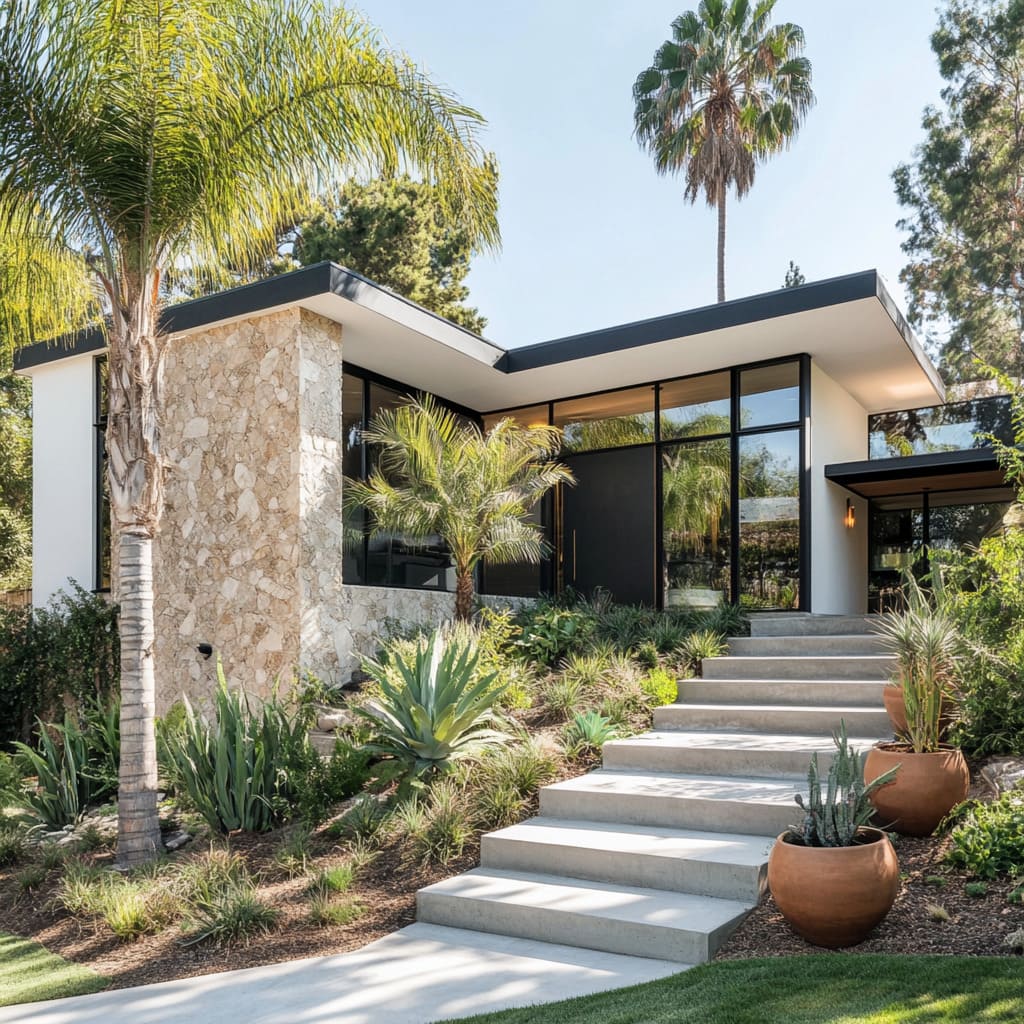
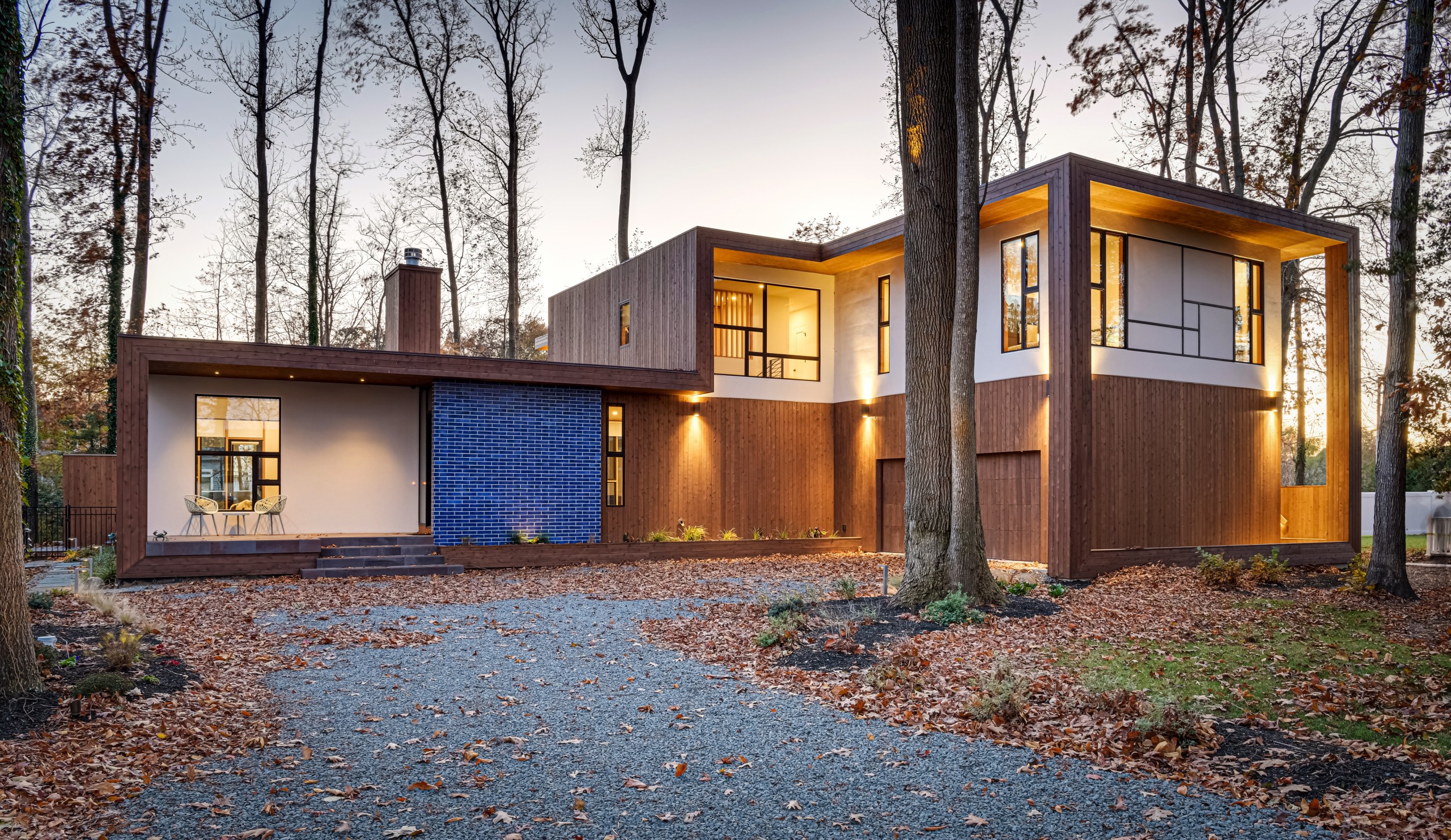
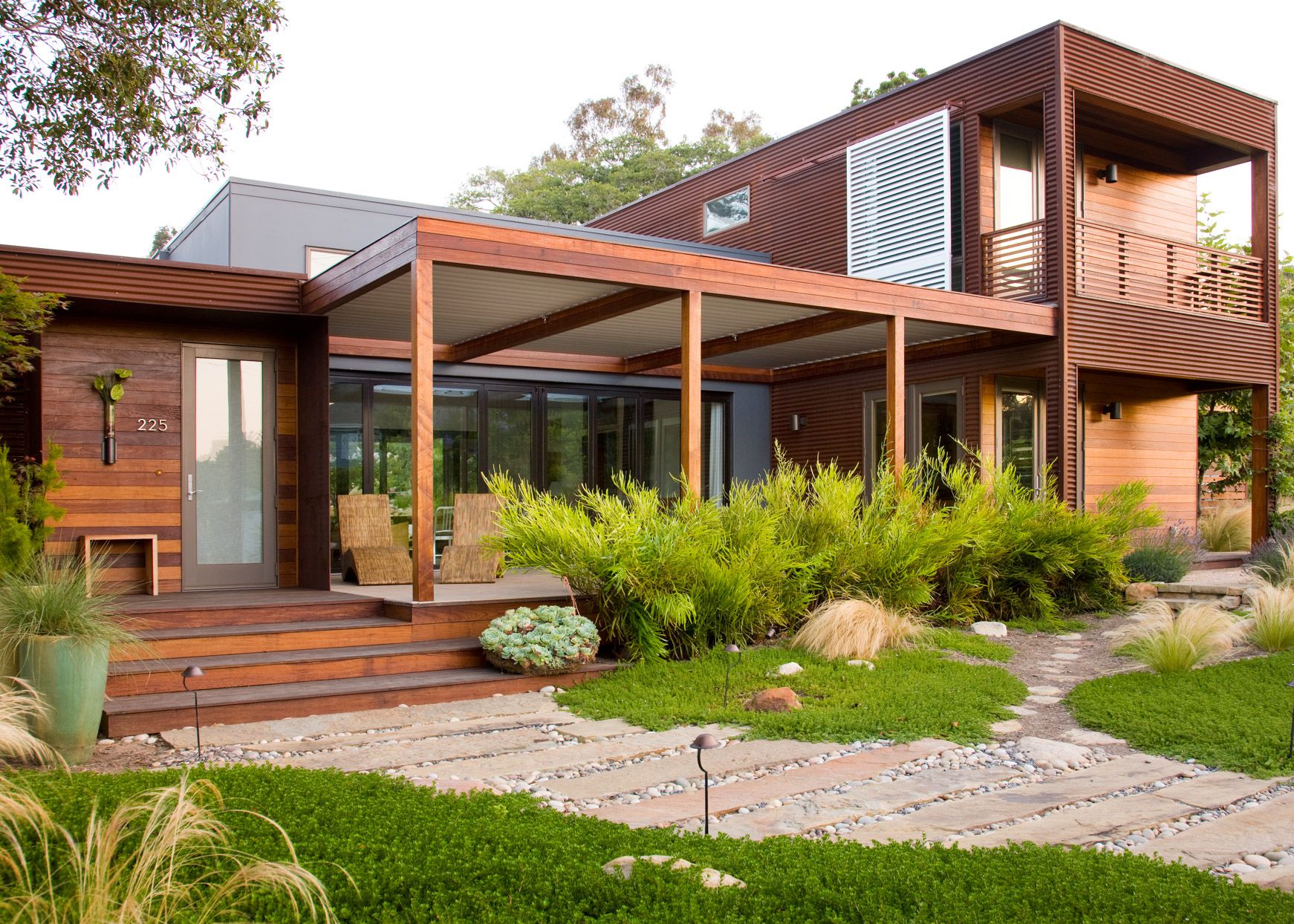
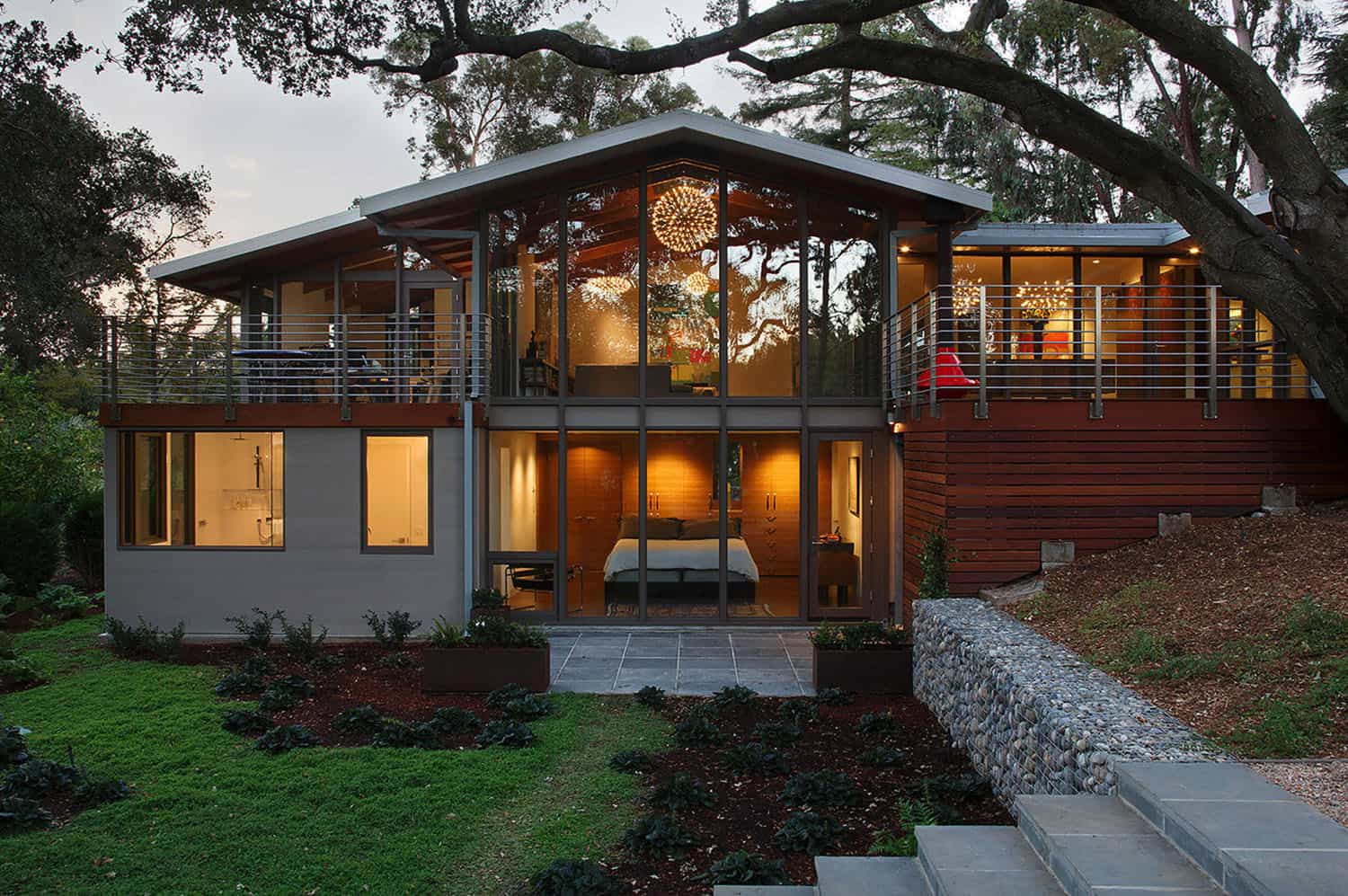
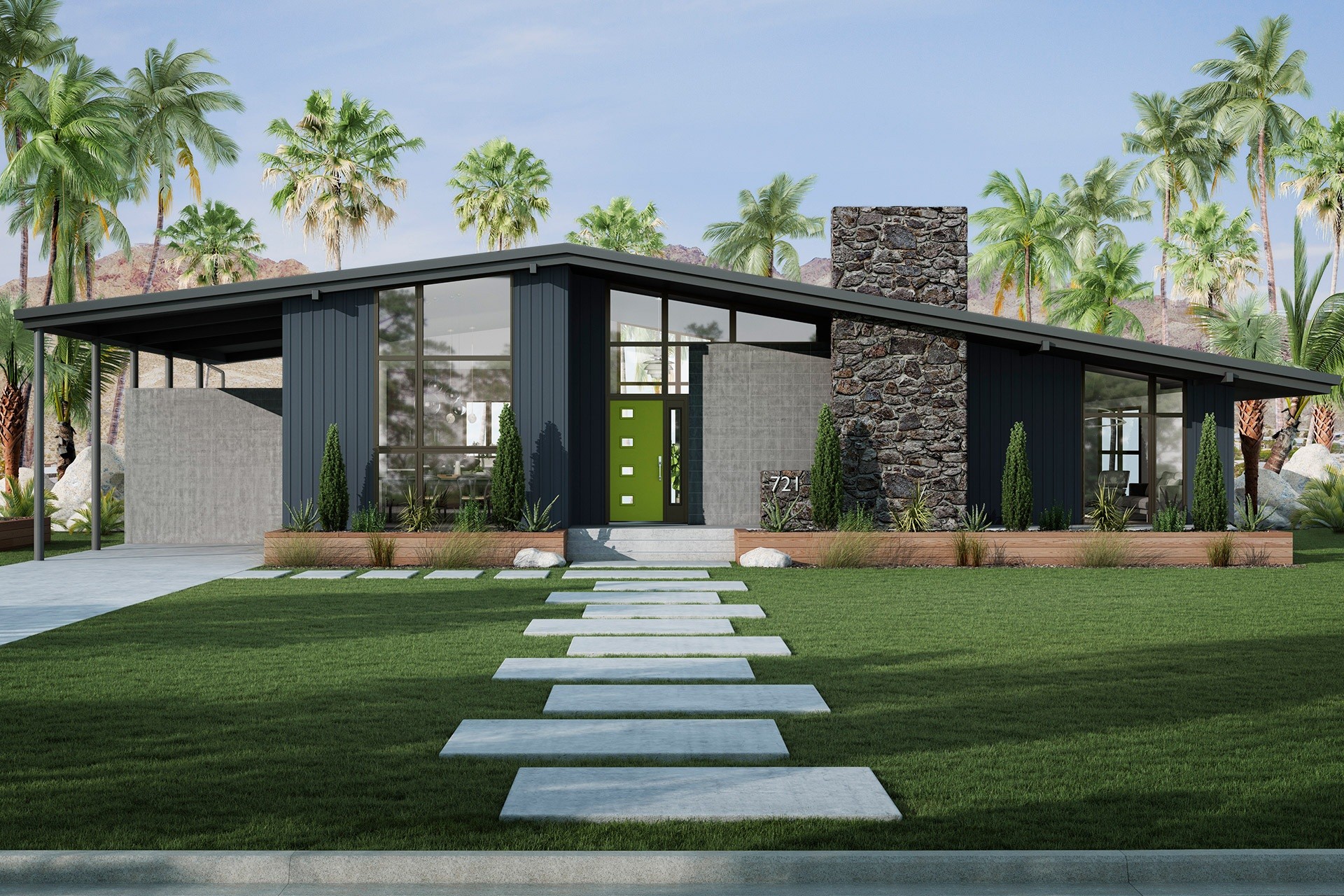
A hallmark of BC’s 1950s–70s architecture, Mid-Century Modern homes were designed to bring the outdoors in. They use clean lines, open layouts, and materials like post-and-beam wood framing to create seamless transitions between inside and out. Many feature clerestory windows, carports instead of garages, and level entries. Renovated examples are now highly sought after for their character and livability — a blend of retro charm and timeless modernism.
Commonly Seen:
North Vancouver, West Vancouver, Oak Bay, older suburbs
Key Features:
Single-level or split-level structures with horizontal profiles.
Flat or low-sloped roofs and broad eaves.
Open concept interiors with minimal walls.
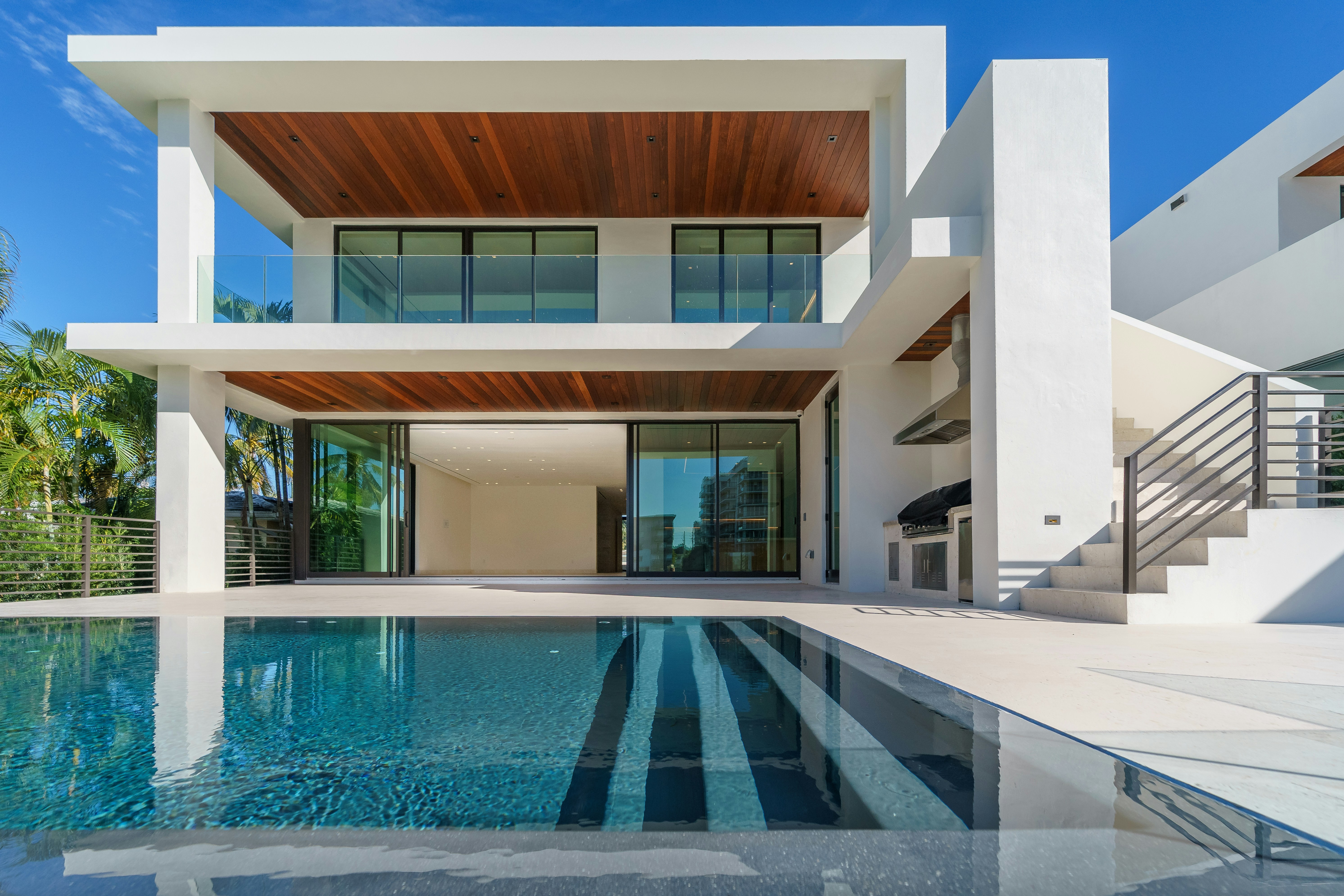
Expansive glass panels, clerestory windows, and sliding doors to the yard.
Integration of indoor and outdoor living — patios, courtyards, and natural light.
Simple, functional materials like wood, concrete, and glass.
The Return of Rational Beauty
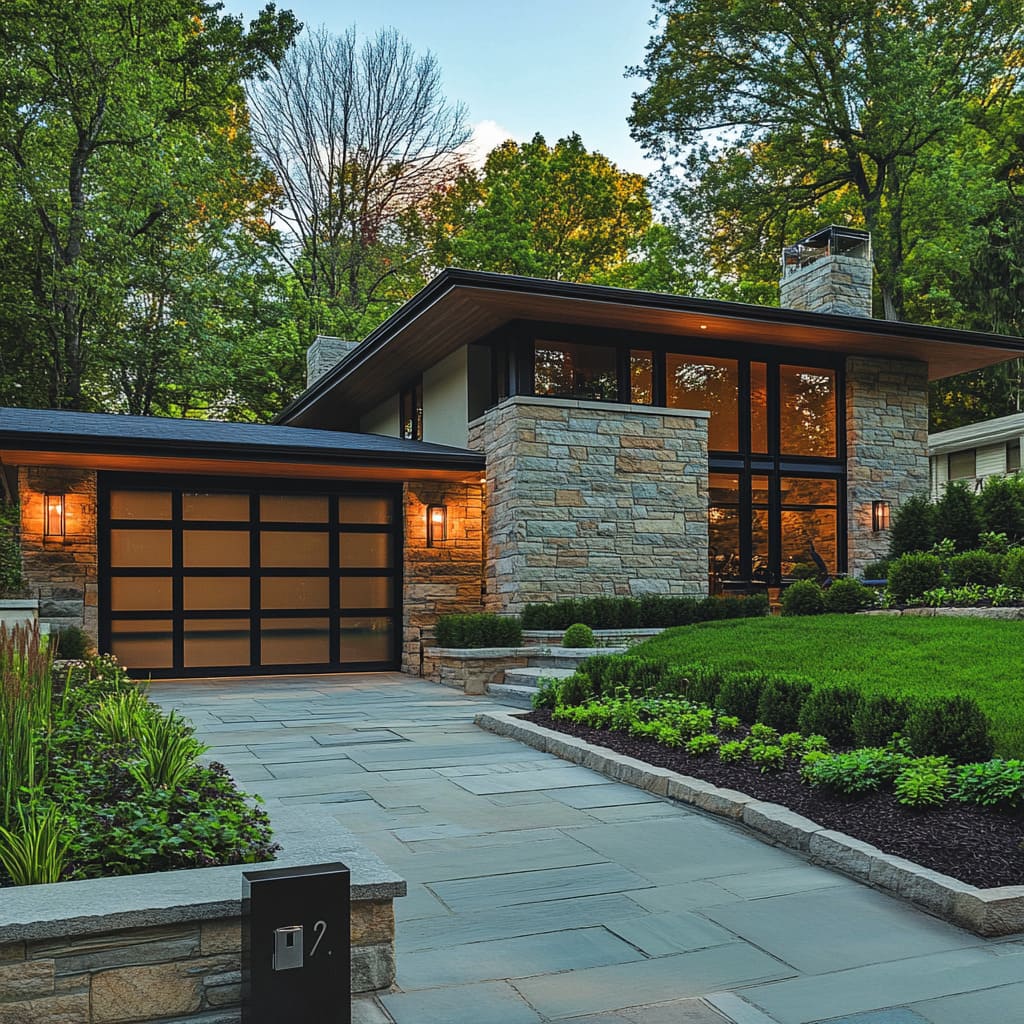
If you drive through Vancouver’s North Shore, Victoria’s leafy neighborhoods, or even older suburbs like Burnaby Heights, you’ll spot them: low-slung roofs, wide windows, and an almost stubborn simplicity that rejects ornamentation. Mid-century modern homes — those built roughly between the 1940s and the 1970s — are quietly having a renaissance in British Columbia.
These aren’t just relics of a bygone era. They represent a design philosophy that fits the West Coast perfectly: honesty in materials, a love for light, and a connection to the natural environment.
Born out of postwar optimism and industrial progress, mid-century modern homes were designed to make modern life efficient, stylish, and comfortable. They embody minimalism, but not coldness. They’re structured, yet organic. And in BC — where forest, sea, and mountain dominate the landscape — they found the ideal canvas.
Today, these homes are among the most coveted in markets like West Vancouver, Deep Cove, and Oak Bay, blending nostalgia with architectural purity.
Origins: Postwar Design Meets Pacific Influence
The mid-century modern movement began in the United States after World War II, when returning soldiers, new families, and booming economies demanded affordable, modern housing. Architects like Richard Neutra, Charles and Ray Eames, and Joseph Eichler reshaped suburban landscapes with open plans, steel beams, and glass walls.
In British Columbia, the style found its voice through West Coast Modernism — a regional variant that merged mid-century principles with local conditions. Influential BC architects like Ron Thom, Arthur Erickson, and Ned Pratt took the modernist playbook and infused it with cedar, concrete, and Pacific rain.
Where California mid-century modern homes embraced sunshine and desert light, BC’s adaptation embraced forest shade and mist. These homes were designed to blur the boundary between shelter and landscape — often using large clerestory windows, exposed beams, and overhanging eaves that echoed the forest canopy.
In a sense, BC’s mid-century modern homes became a dialogue between modernism and nature — between industrial ideals and the humility of the coastal environment.
Architectural Features: Simplicity, Structure, and Space
A true mid-century modern home is easy to recognize — but almost impossible to replicate perfectly without authenticity. Here’s what defines the style:
Flat or Low-Pitched Rooflines - Think broad, sheltering eaves or butterfly roofs. The roofline isn’t just functional; it’s sculptural — often extending well beyond the structure to protect from rain while emphasizing horizontal form.
Expansive Windows and Glass Walls - Floor-to-ceiling glass panels connect indoors with outdoors. Natural light is not an accessory — it’s an architectural material. In BC, this transparency turns mossy backyards, forests, and ocean views into living art.
Open Floor Plans - Spaces flow into one another — kitchen to dining, living to patio — with sightlines uninterrupted by unnecessary walls. The idea was to democratize the home: no grand rooms or servant quarters, just fluid, equal spaces.
Natural Materials - Wood — especially cedar, fir, and teak — dominates. Concrete and steel are used structurally, often left exposed. Interiors are warm, balanced by cool glass and stone.
Integration with the Site - Rather than clearing land, mid-century architects designed homes around trees, rocks, and slopes. This makes BC versions especially beautiful on mountain lots or wooded properties.
Minimal Ornamentation - No crown molding, no decorative trim. Beauty lies in proportion and structure, not decoration.
Indoor-Outdoor Living - Sliding doors open to patios, atriums, or courtyards — a hallmark of the California style, but in BC, these spaces are often covered or protected from rain, emphasizing usable outdoor connection.
Regional Variations Across BC
Vancouver and the North Shore - Vancouver is home to many postwar modernist gems — especially in West Vancouver, where architects like Arthur Erickson built hillside masterpieces that hug the terrain. These homes feature glass walls overlooking Burrard Inlet and heavy timber construction that withstands coastal weather.
Victoria and the Gulf Islands - Here, mid-century modern takes on a more rustic, retreat-like character. Homes integrate with forests and cliffs, often using cedar siding, natural stone fireplaces, and organic floor plans that follow irregular landscapes.
Interior BC and Okanagan - In Kelowna or Penticton, mid-century homes evolved for dry, sunny climates — larger patios, breeze blocks, and flat-roofed designs optimized for panoramic lake views.
Modern Restorations
Many BC homeowners are now restoring these homes, modernizing systems while preserving the architectural intent. Vancouver’s tight zoning and demolition restrictions have even led to a niche market for mid-century preservation.
It’s not nostalgia — it’s practicality.
Modern architects are again drawing on mid-century principles to design homes that feel natural, sustainable, and timeless. Open layouts, big windows, and passive solar orientation align perfectly with today’s focus on energy efficiency and mental well-being through space and light.
In BC, this revival often takes shape in the form of West Coast Modern hybrids — mid-century bones with modern insulation, energy-efficient glass, and minimalist Scandinavian interiors. Developers in North Vancouver and Squamish are even branding new builds as “Mid-Century Inspired,” using low-profile rooflines and wood-clad facades to attract design-conscious buyers.
Market Insights: Demand, Rarity, and Value
Mid-century modern homes are a finite resource in BC — and that’s part of their allure.
In West Vancouver, authentic mid-century homes by noted architects can command millions, even if they need restoration. Meanwhile, in suburban neighborhoods like Burnaby, Coquitlam, and Victoria’s Oak Bay, these homes sit in quiet pockets of mid-century planning — large lots, mature trees, and functional design.
Buyers are drawn to:
The sense of openness and calm.
Architectural credibility (especially Erickson or Thom homes).
The rarity of true mid-century craftsmanship compared to today’s developer builds.
Investors see them as heritage assets — properties that, when renovated respectfully, can fetch strong resale value and long-term appreciation due to architectural scarcity.
Buying or Renovating: What to Watch For
If you’re buying or restoring a mid-century modern home in BC, pay attention to:
Roof condition: Many have flat or low-slope roofs that require specialized waterproofing.
Windows: Original aluminum frames may need upgrading to double-glazed or thermally broken systems.
Insulation: Homes from the 1950s–1970s often lack modern energy efficiency.
Authenticity: Avoid “faux-modern” flips — homes that erase original features like post-and-beam construction, fireplace placement, or wood paneling.
Permit considerations: Some areas classify these homes as heritage, limiting certain alterations.
The best renovations modernize performance, not aesthetic. The goal is to preserve flow, materials, and geometry while enhancing livability.
Why It Matters
Mid-century modernism wasn’t just an architectural trend — it was a philosophy about how humans should live: close to nature, with clarity and honesty in design.
In a housing market saturated with pseudo-luxury glass towers and builder-grade “modern” boxes, mid-century homes feel real. They’re grounded, intelligent, and livable — and in BC’s rain-soaked forests and coastal light, they still look and feel exactly right.
Closing Thoughts
Mid-century modern homes in British Columbia are more than just a design category — they’re cultural landmarks. They represent a moment when architecture was bold but humane, forward-thinking yet rooted in place.
Whether you’re a buyer seeking a timeless original or a designer reviving one for the next generation, this style is where BC’s modern identity began — and where much of its architectural soul still lives.