Modern Farmhouse Homes in British Columbia
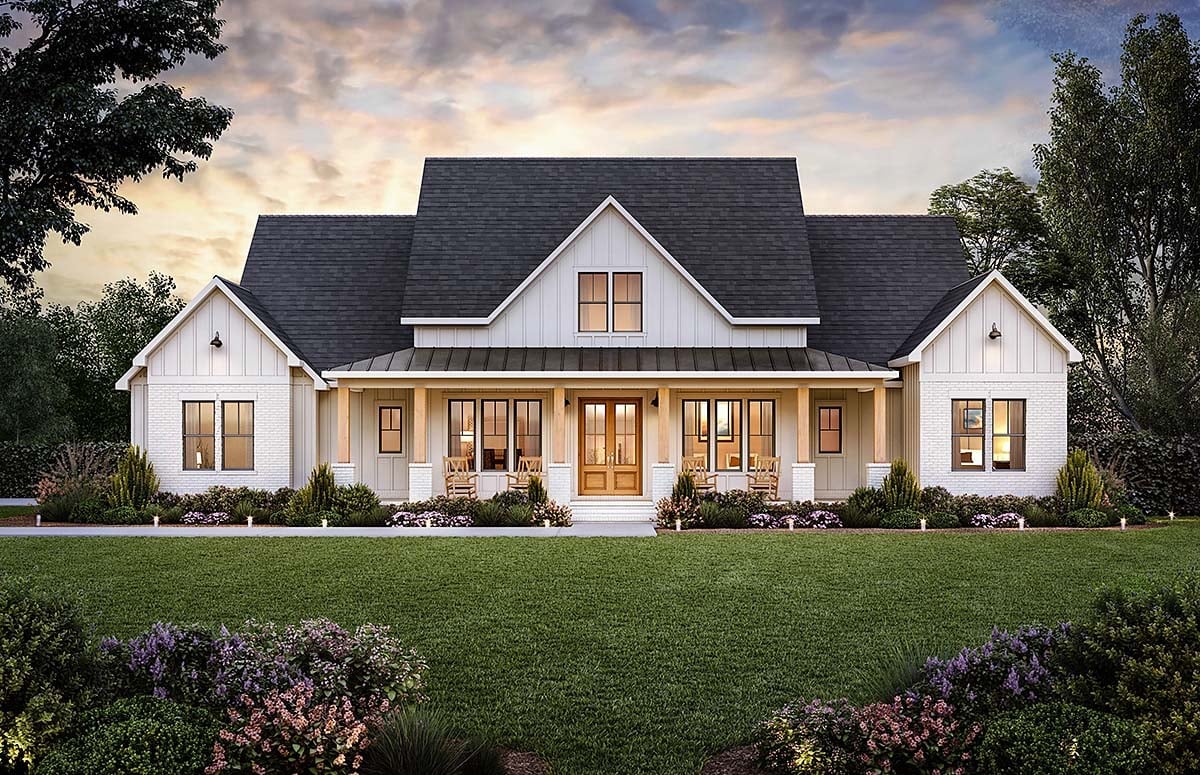
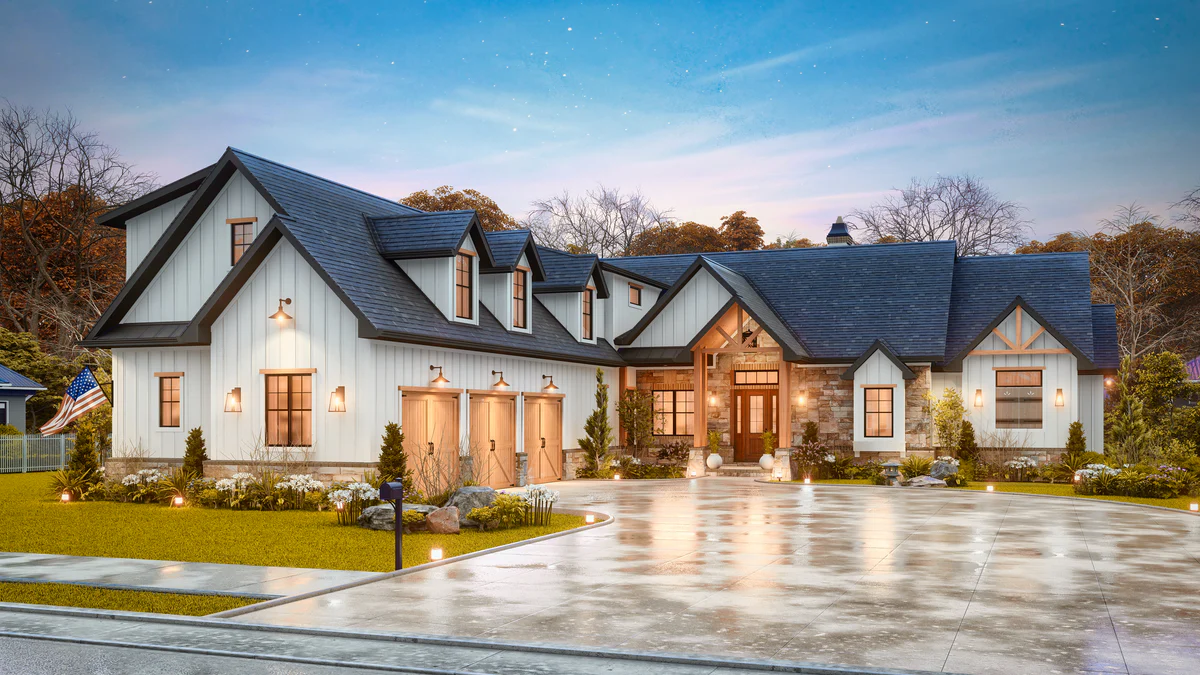
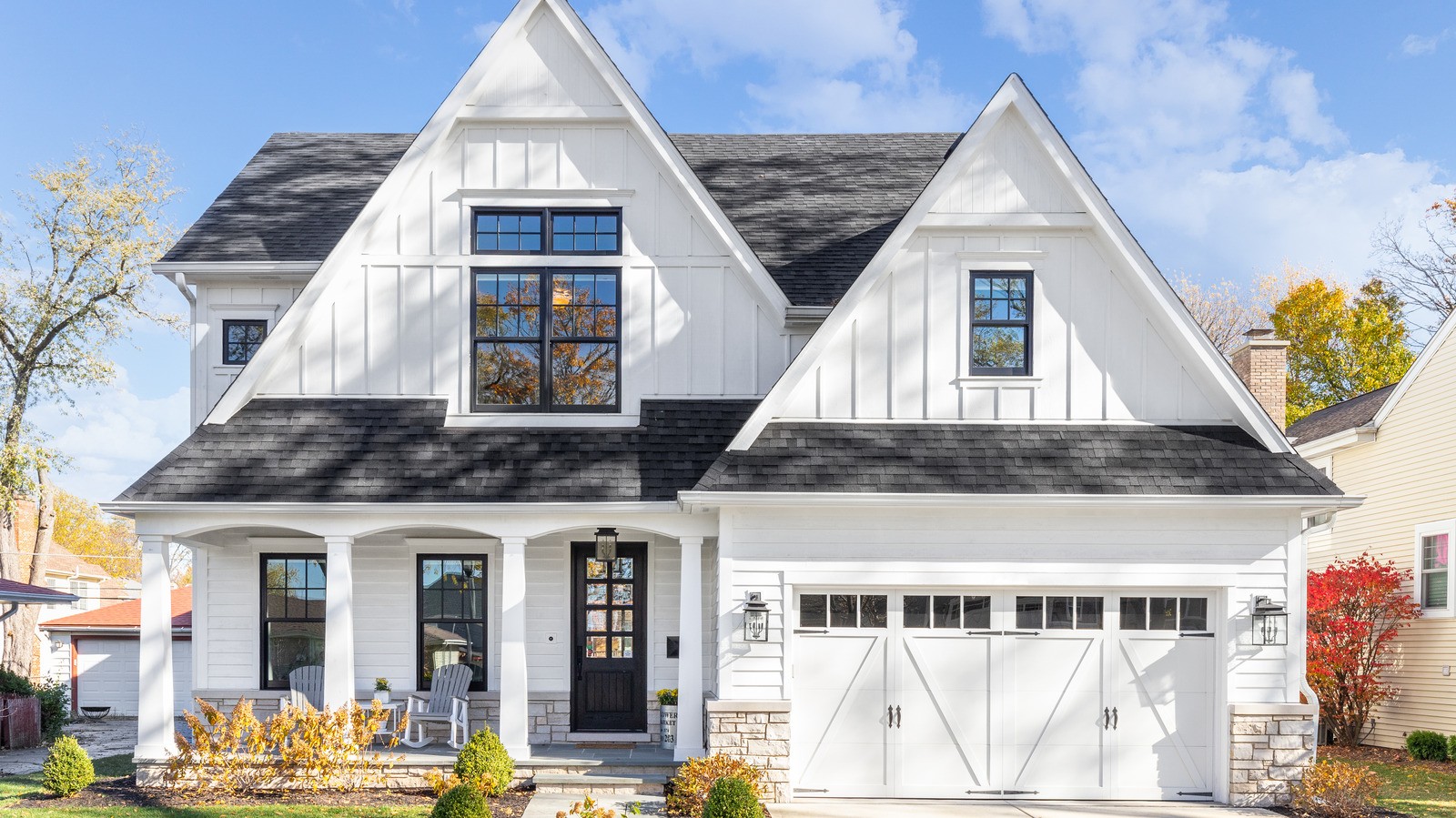
Once traditional working homes, Farmhouses have evolved into BC’s favorite country-modern hybrid. The Modern Farmhouse version takes the familiar white siding, wraparound porches, and pitched roofs and upgrades them with contemporary touches — matte black windows, metal roofs, minimalist interiors, and open-concept living. Whether on acreage or a suburban cul-de-sac, this style offers warmth, simplicity, and country nostalgia reimagined for modern life.
Commonly Seen:
Langley, Abbotsford, Chilliwack, Maple Ridge, rural BC
Key Features:
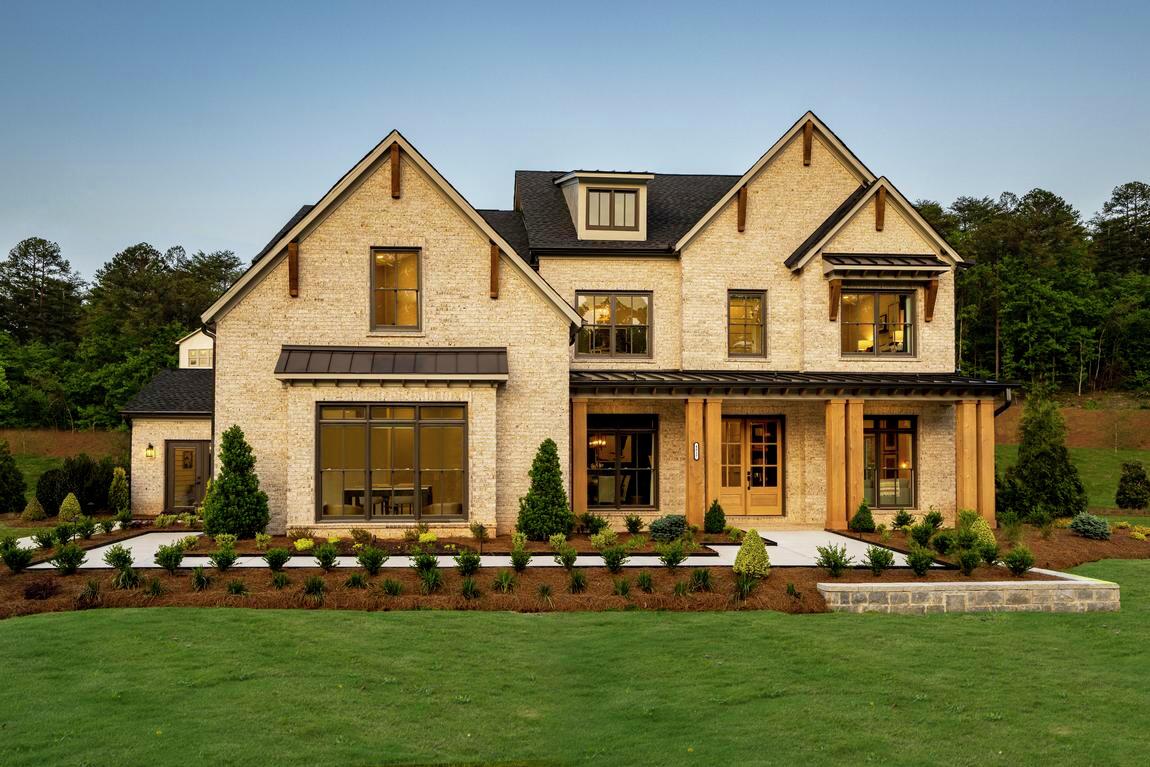
Gabled or cross-gabled roofs with metal or shingle finishes.
Simple, symmetrical façades with wide front porches.
Board-and-batten or horizontal lap siding in white or soft neutral tones.
Black-framed windows and light wood or matte black accents.
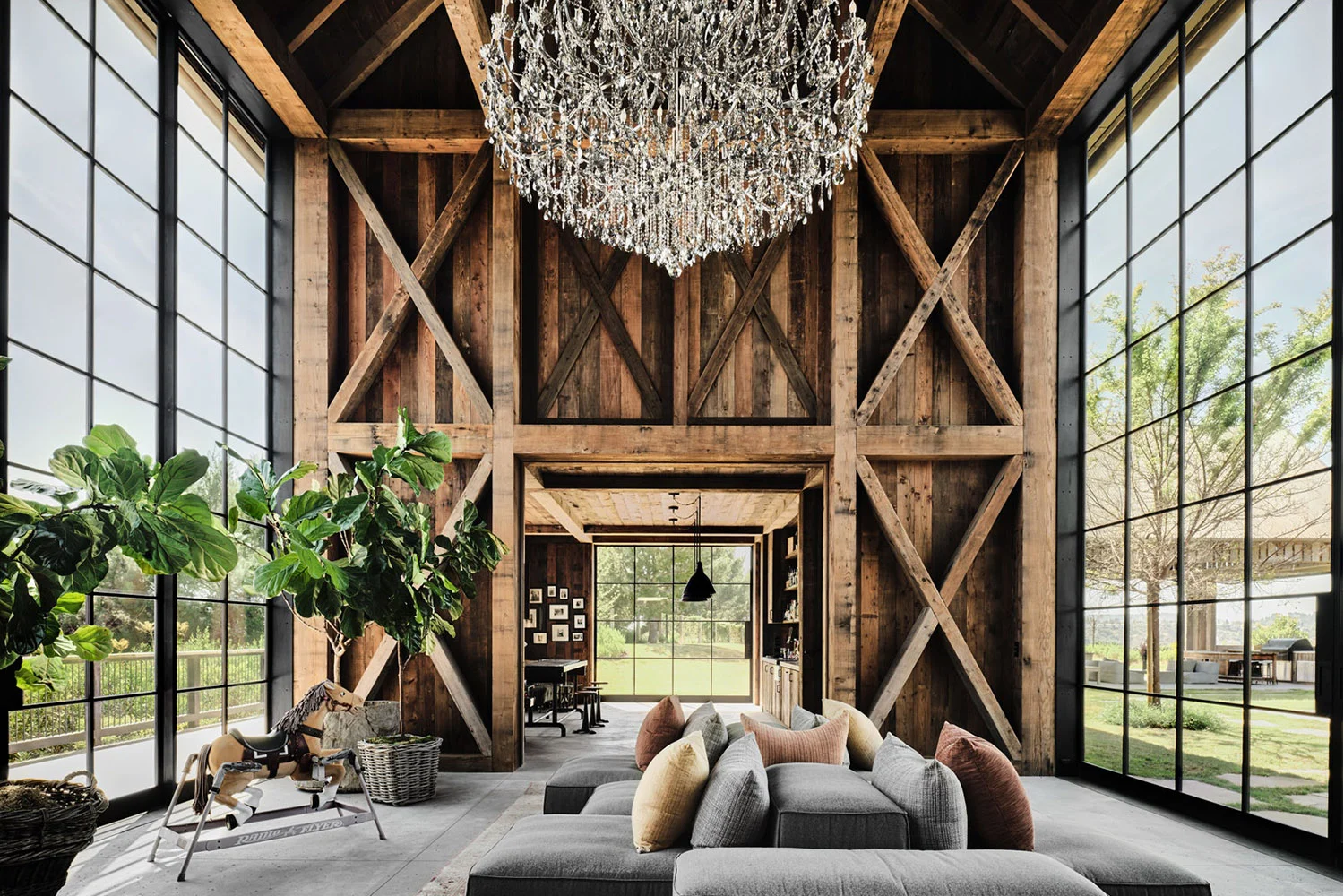
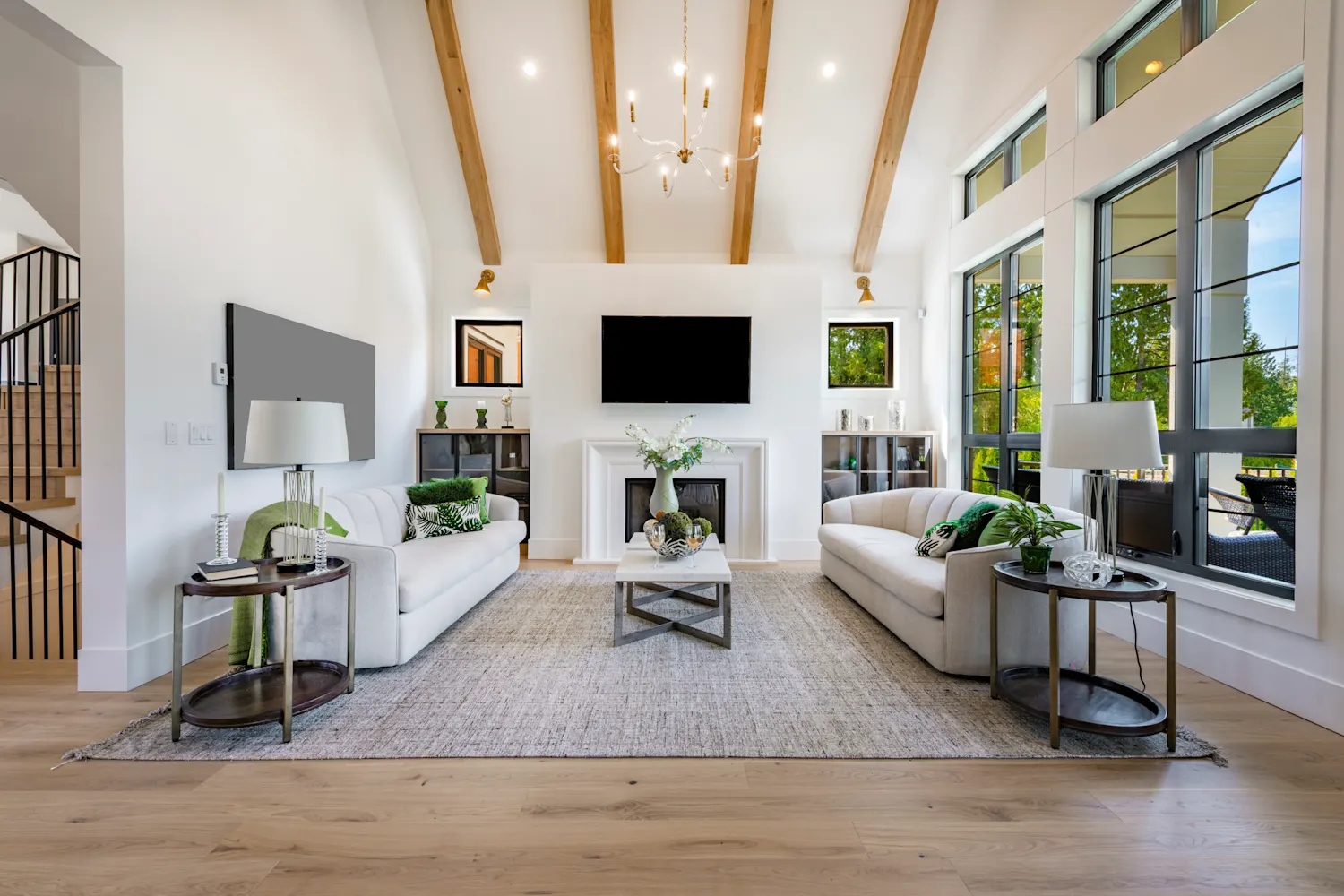
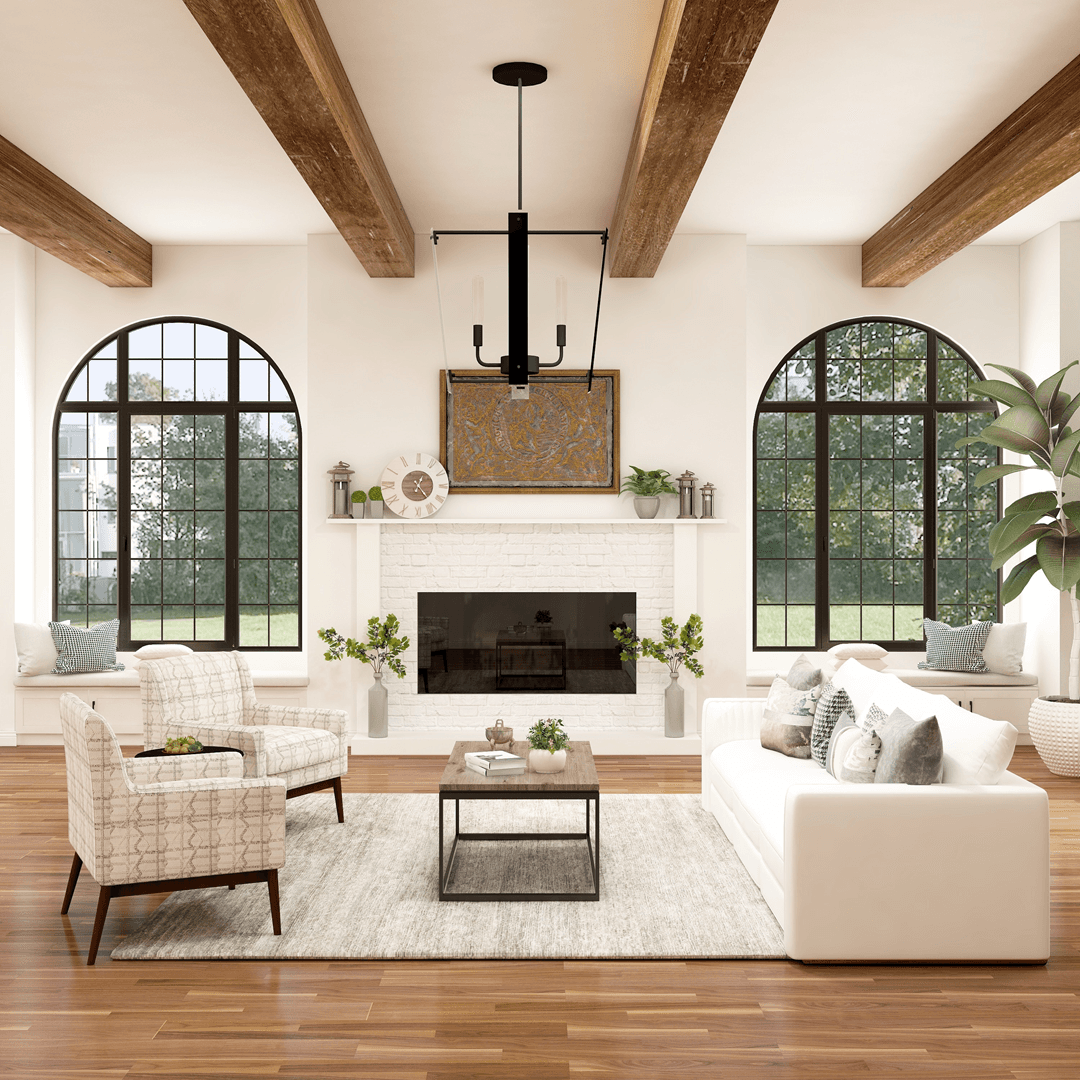
Open-concept interiors with exposed beams and rustic-meets-modern finishes.
Functional layouts focused on family living, comfort, and practicality.
The Country Comes Home
The farmhouse has come a long way from its rural roots. What began as a purely practical form — wide porches, pitched roofs, and functional layouts — has evolved into one of BC’s most beloved modern home styles.
In the 2020s, the Modern Farmhouse became a cultural phenomenon. Pinterest boards, HGTV shows, and luxury developments all embraced its balance of warmth and minimalism. But in British Columbia, the trend has a deeper authenticity.
Here, surrounded by farmland in Langley, Abbotsford, Chilliwack, and Maple Ridge, and the pastoral landscapes of Vancouver Island, the farmhouse isn’t a borrowed aesthetic — it’s a modern evolution of the region’s agricultural heritage.
The result? A design language that feels both grounded and elevated — a perfect mix of rustic charm, West Coast restraint, and contemporary comfort.
History & Evolution: From Prairie Function to BC Elegance
1. The Original Farmhouse
The traditional farmhouse was born of necessity.
It was the working family’s home — built to withstand the weather, provide storage, and last for generations. Early farmhouses across Canada shared key traits:
Simple rectangular shapes for easy construction
Gabled roofs for shedding rain and snow
Covered porches for shade and utility
Local materials — wood, brick, or stone
These weren’t designed by architects — they were built by hand, using what was available. The result was an aesthetic of honesty and endurance.
2. The Modern Revival
Fast forward a century, and the Modern Farmhouse emerged as a response to urban sterility. People were tired of cold minimalism and wanted warmth again — something livable, not staged.
Designers like Joanna Gaines in the U.S. popularized the look, but BC gave it depth: blending farmhouse warmth with coastal restraint and mountain texture.
A BC Modern Farmhouse might feature:
Vertical board-and-batten siding in matte white
Black-framed windows and metal roofing
Natural wood soffits and beams
Simple, elegant forms grounded in the landscape
In essence, it’s rural honesty reimagined for urban and suburban living.
Defining the Modern Farmhouse Look
1. Exterior Features
The Modern Farmhouse exterior is instantly recognizable: it’s classic yet minimal, rustic yet refined.
Common characteristics include:
Gabled roofs (often metal for a clean, crisp line)
Board-and-batten or horizontal lap siding
Contrasting trims — white walls with black or charcoal windows
Natural wood doors and accents
Large covered porches with square or metal posts
Symmetrical façades, occasionally broken up by attached garages or additions
In BC’s wetter coastal zones, materials often adapt — fibre cement siding replaces wood, and extended overhangs are added to handle rain. But the visual simplicity remains the same: fresh, geometric, and timeless.
2. Interior Features
Inside, the Modern Farmhouse blends the comfort of country living with sleek modern design.
Expect:
Open-concept layouts — kitchen, dining, and living flowing together
Vaulted ceilings or exposed trusses
Neutral color palettes: whites, creams, taupes, and warm greys
Natural textures — wood, linen, stone, matte metals
Shaker cabinetry, apron-front sinks, and industrial lighting
Wide-plank flooring, often engineered white oak or reclaimed wood
The goal isn’t perfection — it’s patina. A space that feels alive and human, not overdesigned.
3. The BC Twist
In British Columbia, Modern Farmhouses are influenced by both the West Coast Contemporary and Craftsman traditions.
That means:
More glass and natural light
Strong connection to outdoor spaces (patios, decks, courtyards)
Sustainable, energy-efficient construction
Aesthetic restraint — less “shabby chic,” more architectural sophistication
Regional Variations Across BC
1. Fraser Valley & Langley: The New Country Estates
In areas like Langley, Fort Langley, and Abbotsford, the Modern Farmhouse has become the new luxury standard.
Large estate homes sit on acreages, combining pastoral charm with urban sophistication.
Common features:
White board-and-batten siding with black windows
Metal roofs with dormers
Wraparound porches overlooking landscaped acreage
Barn-inspired garages or guest suites
These homes often blend rural function (mudrooms, pantries, wide driveways) with urban luxury (vaulted great rooms, chef kitchens, and indoor-outdoor living).
2. Okanagan: Farmhouse Meets Vineyard Villa
In Kelowna, West Kelowna, and Lake Country, Modern Farmhouses lean more Mediterranean. White stucco, light oak, and minimalist landscapes pair with vineyard backdrops.
Expect warm tones, modern windows, and outdoor living areas with pergolas, stone terraces, and plunge pools — rural in form, but resort in lifestyle.
3. Vancouver Island: Coastal Farmhouse
On Vancouver Island, the farmhouse softens further. Weathered shingles replace vertical siding, and black trims give way to natural cedar tones.
Farmhouses in Cowichan Valley, Parksville, and North Saanich often feature wraparound porches, standing-seam metal roofs, and lush gardens, giving them a West Coast-cottage charm.
4. Metro Vancouver: Suburban Farmhouse Hybrids
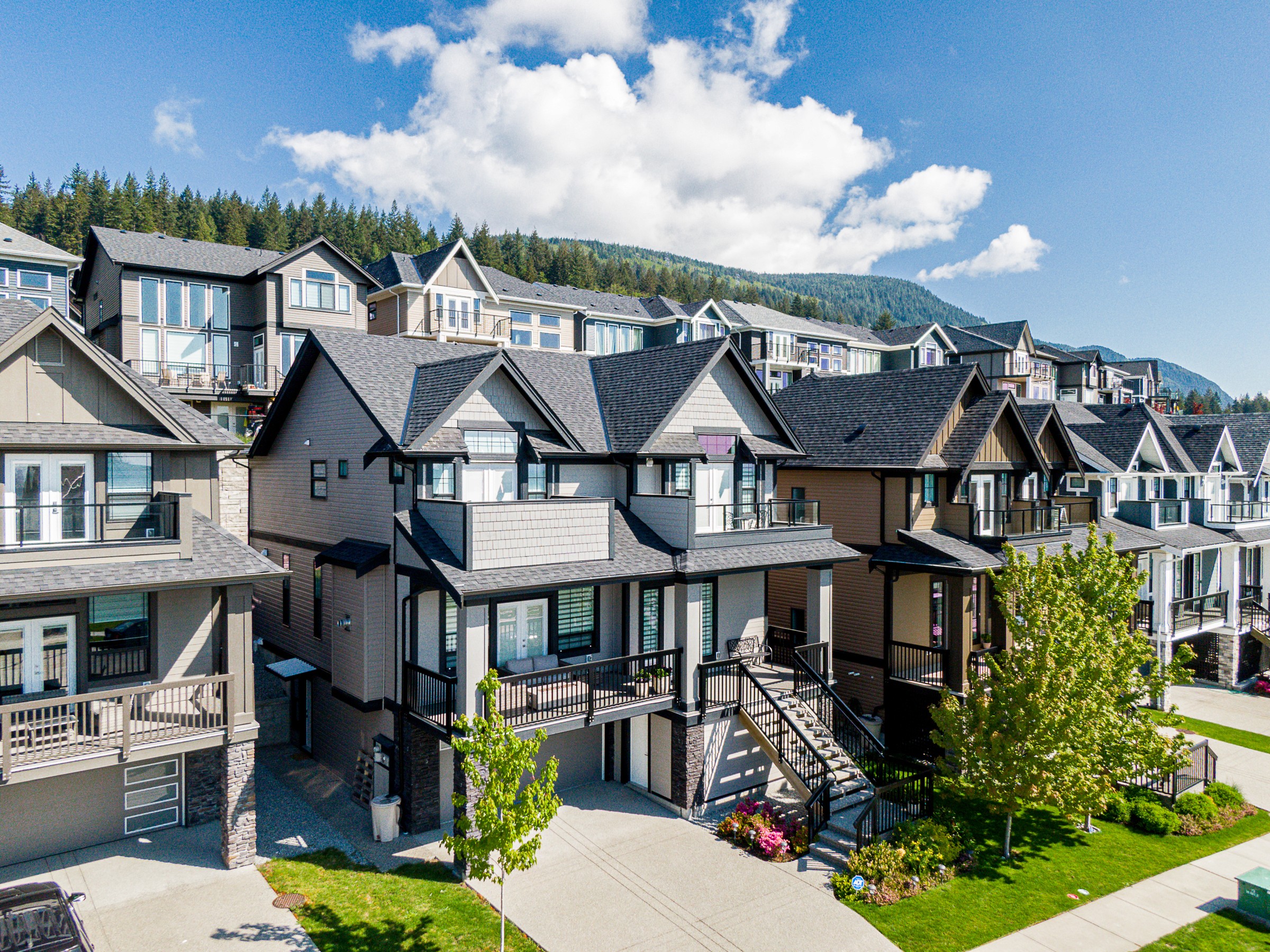
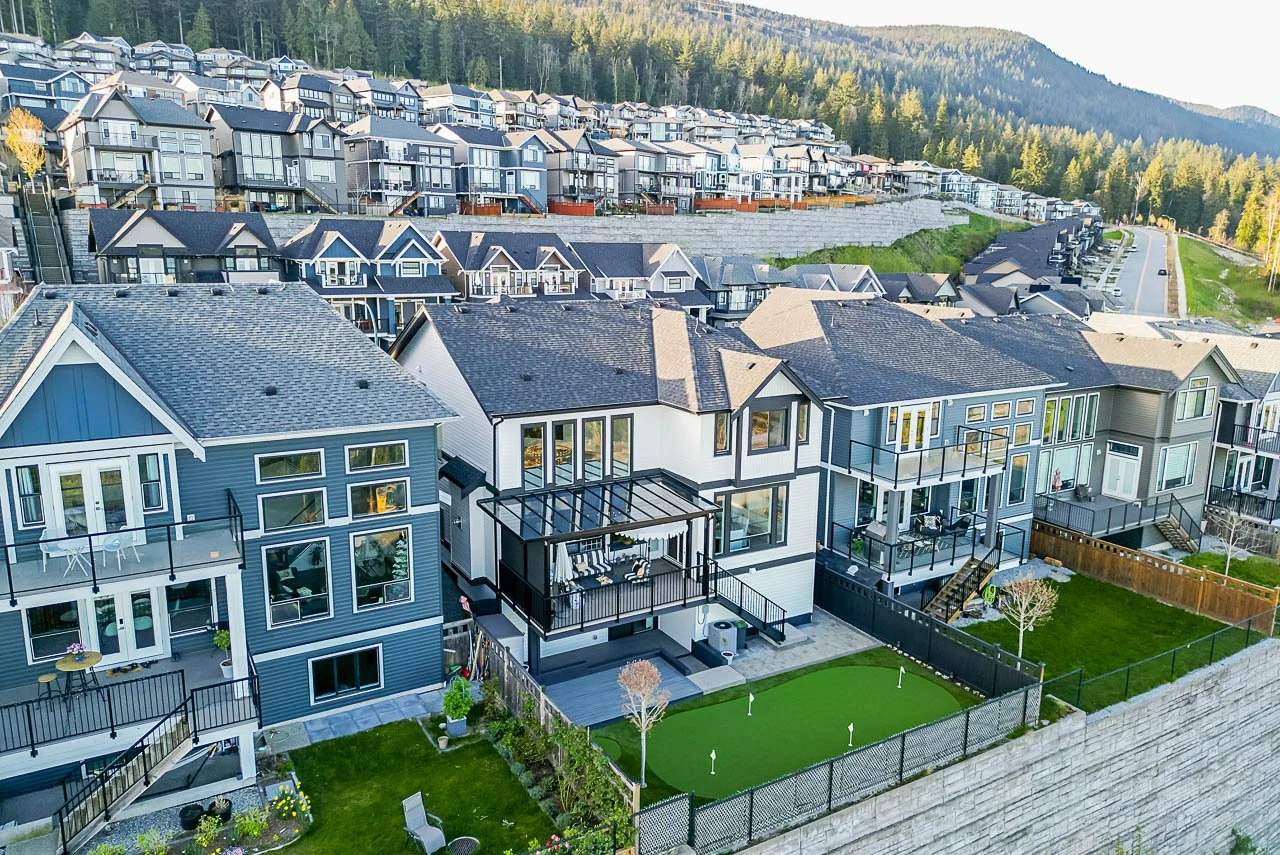
In Coquitlam, Maple Ridge, and Tsawwassen, developers have adopted the farmhouse silhouette for suburban family homes.
You’ll see white façades, gables, and black windows — but with modern amenities like EV-ready garages, open kitchens, and energy-efficient systems.
It’s less rural romance, more functional family luxury.
The Modern Farmhouse Interior: Comfort with Intention
1. Space and Flow
Modern Farmhouses prioritize livability.
Open plans ensure families can cook, gather, and entertain seamlessly. The flow is intuitive — from the entry mudroom to the great room to the back patio.
Vaulted ceilings create volume without ostentation. The result feels bright, airy, and practical — just as the original farmhouses were.
2. Materials and Mood
Wood: Exposed beams, butcher-block counters, wide-plank floors
Stone: Neutral quartz or soapstone surfaces
Metal: Black or brushed brass fixtures
Textiles: Linen, cotton, wool, jute
The Modern Farmhouse rejects glossy perfection — it celebrates the tactile, the lived-in, and the honest.
3. Color and Light
White remains the dominant palette, but BC designers often introduce depth:
Soft greys and sage greens in cabinetry
Matte black hardware for contrast
Warm oak tones to balance cool light
Large windows flood interiors with natural light — essential for BC’s cloudy months — while lighting fixtures double as design statements: pendants, lanterns, and sconces with industrial roots.
Modern Adaptations and Technology
The Modern Farmhouse has become one of the most flexible architectural styles in BC because it blends so easily with sustainability and smart tech.
1. Energy Efficiency
Homes often include:
Metal roofs (long-lasting and recyclable)
High-performance windows
Heat pumps and smart thermostats
Solar readiness or net-zero design
2. Hybrid Aesthetics
Architects are merging the Modern Farmhouse with other regional styles:
Farmhouse x West Coast Contemporary: Cedar beams and black steel accents
Farmhouse x Scandinavian: Minimalism, light woods, and muted tones
Farmhouse x Industrial: Concrete floors, steel doors, and matte finishes
These hybrids are redefining what “farmhouse” means in BC — less nostalgic, more architectural.
Market Insights: Demand and Value in BC
1. The Popularity Surge
Between 2020 and 2025, the Modern Farmhouse became one of the most in-demand styles in BC residential construction.
Buyers love its balance — cozy but modern, high-end but approachable.
Developers in Langley, Maple Ridge, and Kelowna report that listings using “Modern Farmhouse” in their description consistently attract higher engagement.
2. Typical Market Ranges (2025)
Region | Typical Price Range | Notes |
|---|---|---|
Langley / Fort Langley | $2.2M – $4.5M | Luxury acreages with full farmhouse aesthetic |
Abbotsford / Chilliwack | $1.3M – $2.5M | Family farmhouses with large lots |
Okanagan | $1.8M – $3.5M | Vineyard-style modern estates |
Greater Vancouver suburbs | $1.5M – $2.8M | Hybrid suburban builds |
3. Buyer Demographic
Professionals seeking escape from the city aesthetic
Families who want space, authenticity, and function
Design-forward buyers tired of sterile “modern boxes”
The Modern Farmhouse appeals emotionally — it feels safe, calm, and connected to the earth.
Design & Buying Guide
1. For Buyers
When purchasing a Modern Farmhouse in BC:
Check material authenticity (real wood vs vinyl imitation)
Look for proper insulation and overhangs for rain protection
Ensure drainage design suits BC’s wet climate
Verify builder quality — this style is easy to fake but hard to perfect
2. For Builders & Renovators
Keep lines simple and proportionate
Use natural textures liberally — wood, metal, and glass
Avoid over-decorating; the power is in restraint
Highlight functionality: mudrooms, storage, large pantries
3. For Designers
Layer neutral tones with texture, not color
Add vintage or handcrafted details (farm tables, pottery, wood beams)
Incorporate indoor-outdoor continuity: big sliding doors, covered patios
Why BC Loves the Modern Farmhouse
British Columbia’s culture values authenticity, nature, and comfort — the same principles that define the Modern Farmhouse.
This style works equally well in the valleys of the Fraser, the vineyards of the Okanagan, and the coastal farms of Vancouver Island. It’s both nostalgic and progressive — a way of living that feels human in an age of screens and steel.
Where the West Coast Contemporary connects us to landscape through architecture, the Modern Farmhouse connects us to heritage — reminding us that home is not about glass and concrete, but about warmth, family, and place.