Modern Mountain & Whistler Chalet Homes in British Columbia
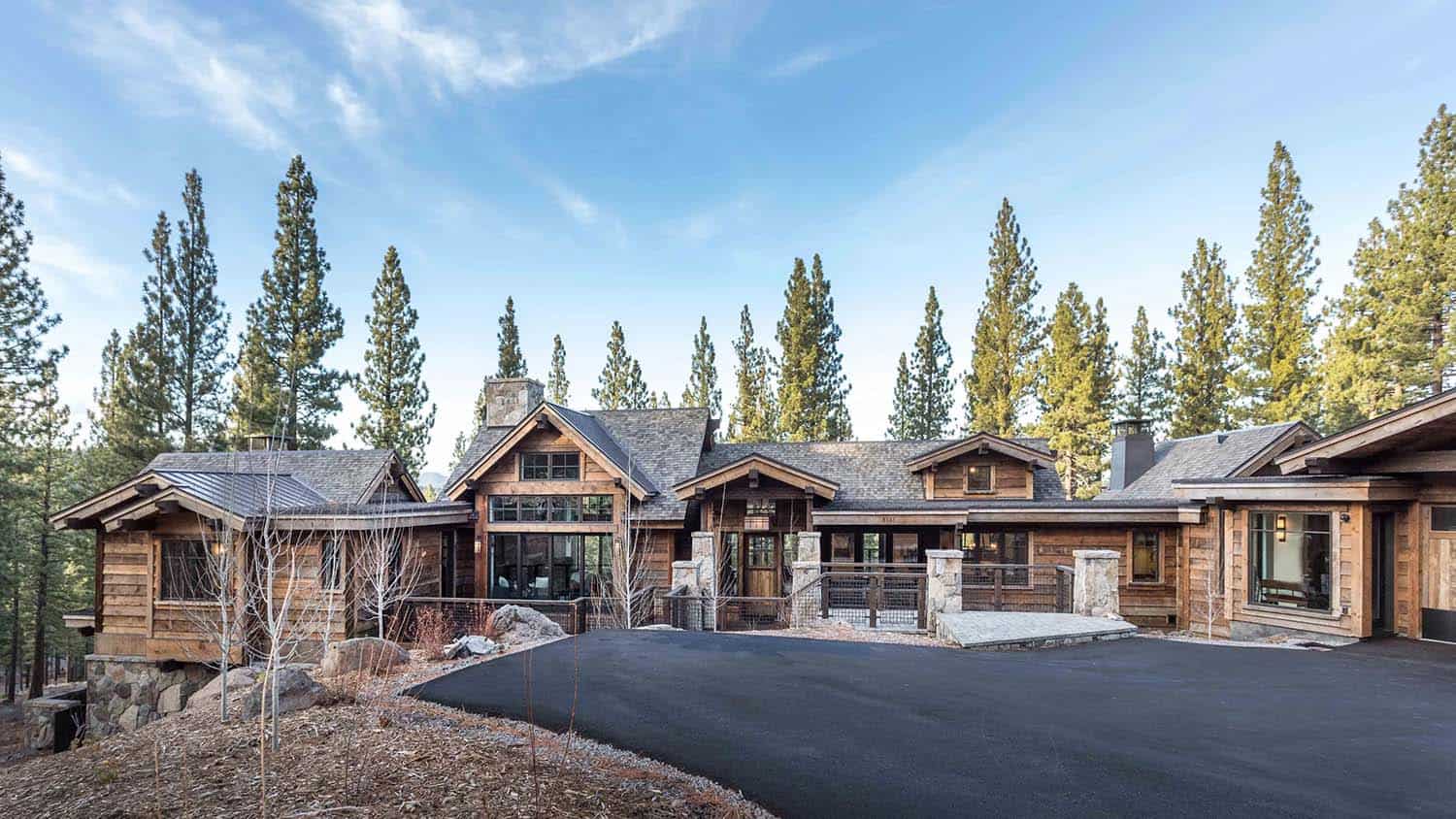
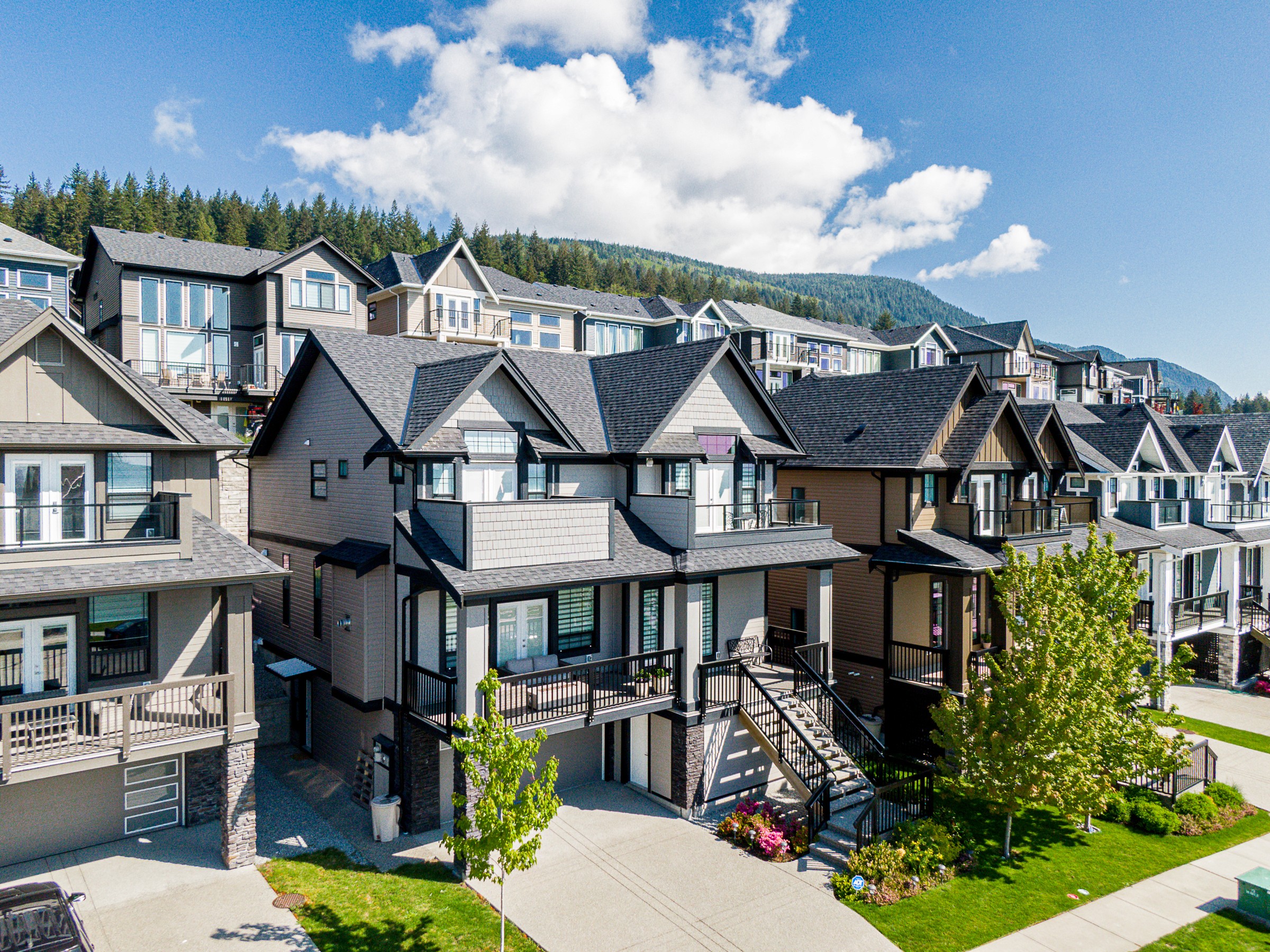
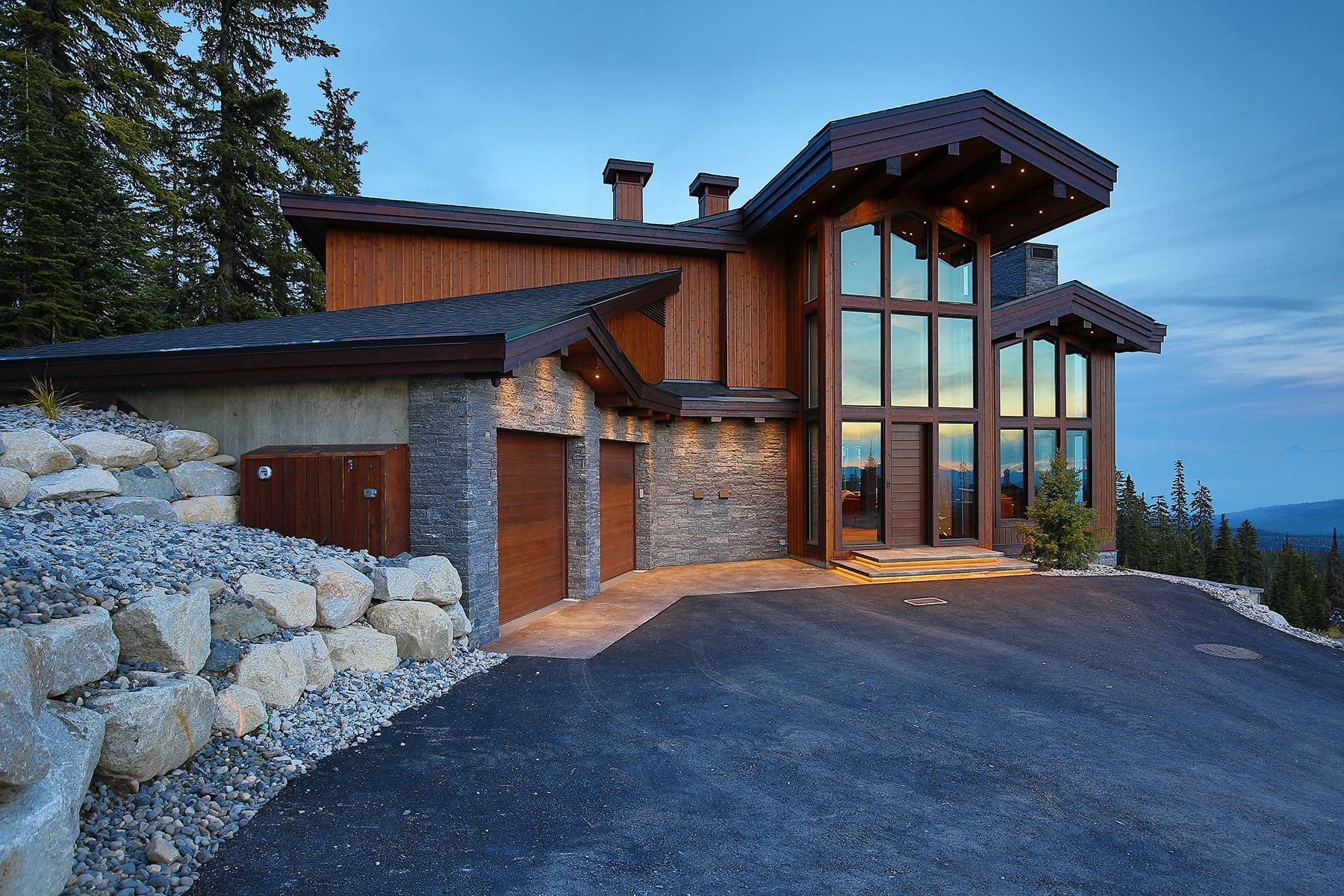
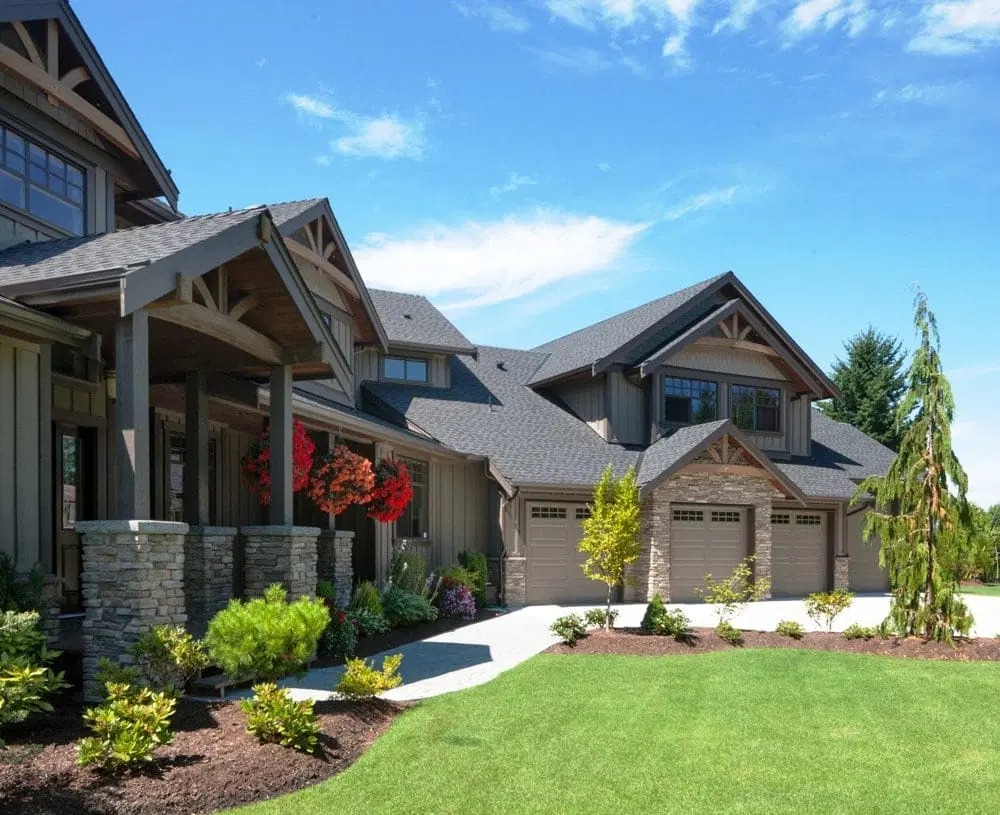
The Modern Mountain style fuses luxury resort architecture with rugged mountain functionality. Designed to handle heavy snow loads and showcase views, these homes feature broad rooflines, cathedral ceilings, and panoramic windows. The aesthetic blends rustic textures (wood, stone, slate) with refined modern finishes like matte black steel or glass railings. They feel like mountain lodges — grand yet cozy — perfect for those who want an alpine retreat without sacrificing contemporary comfort.
Commonly Seen:
Whistler, Big White, Kelowna, Squamish, Pemberton, Revelstoke
Key Features:
Heavy timber framing with exposed beams and vaulted ceilings.
Large stone fireplaces and lodge-style great rooms.
Sloped or gabled roofs for snow load management.
Expansive windows to frame alpine or forest views.
Natural materials — stone, wood, and steel — often left unfinished for rustic texture.
Seamless transition between indoor warmth and outdoor adventure (decks, hot tubs, ski storage).
A Fusion of Wilderness, Architecture, and Luxury Living
Introduction: Where Architecture Meets Altitude
Few places in Canada express the harmony between architecture and landscape as profoundly as Whistler. Here, design is born from necessity — homes must withstand meters of snow, biting winds, and shifting mountain terrain — but that necessity has evolved into one of BC’s most coveted architectural styles: the Modern Mountain Chalet.
Unlike its European counterparts, which often lean ornate and traditional, the BC Mountain Home is minimalist in shape but monumental in presence. It borrows from West Coast Contemporary roots — the same exposed timber, wide glazing, and connection to nature — but with a bolder, more rugged tone.
Think massive fir beams, stone foundations, black steel accents, and roofs that swoop low to shed snow while mirroring mountain silhouettes. These are not mere cabins; they are architectural refuges, equal parts engineering feat and art installation.
Today, this style dominates Whistler, Pemberton, and parts of the Okanagan, defining a new wave of alpine modernism: luxury that feels grounded, design that feels earned, and comfort that coexists with the wild.
History & Origins: From Ski Shacks to Mountain Monuments
The origins of the Modern Mountain style in BC trace back to the 1970s, when Whistler was still an experimental ski town. Early chalets were humble — A-frame cabins and timber lodges, built more for function than flair.
But as Whistler gained international fame (culminating in the 2010 Winter Olympics), the influx of global wealth transformed mountain housing into a form of architectural expression.
European Influence Meets West Coast Design
Early Whistler builds borrowed heavily from the Alpine chalet tradition — thick log walls, gabled roofs, heavy ornamentation. Yet BC architects soon began integrating Pacific Northwest modernism — cleaner lines, open floor plans, and expansive glass.
This hybrid approach became the signature Whistler aesthetic:
The craftsmanship of a Swiss chalet.
The philosophy of West Coast Contemporary.
The resilience of true mountain architecture.
By the late 1990s, luxury developers like Vision Pacific, EVR Fine Homes, and Buri Buri Architects began elevating the concept further — pushing for sculptural rooflines, minimalist detailing, and deep sustainability.
Today’s modern mountain home is a masterclass in balance: raw and refined, ancient and modern, secluded and social.
Design Characteristics: Defining the Modern Mountain Home
1. Structure & Form
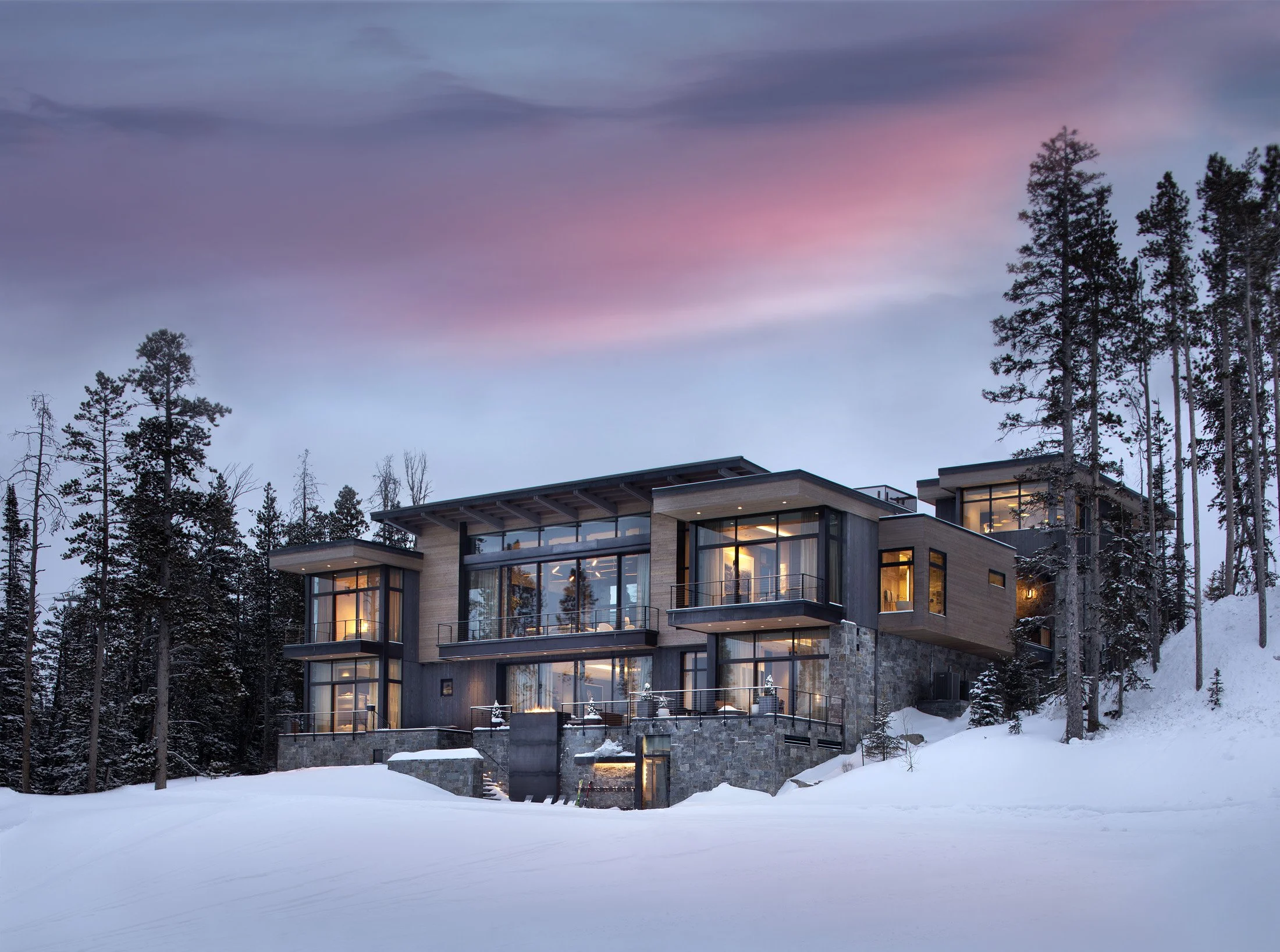
Modern Mountain homes are sculpted to endure — steep, asymmetrical roofs designed for snow shedding; wide overhangs for protection; and deep foundations anchored into rock.
Common structural elements include:
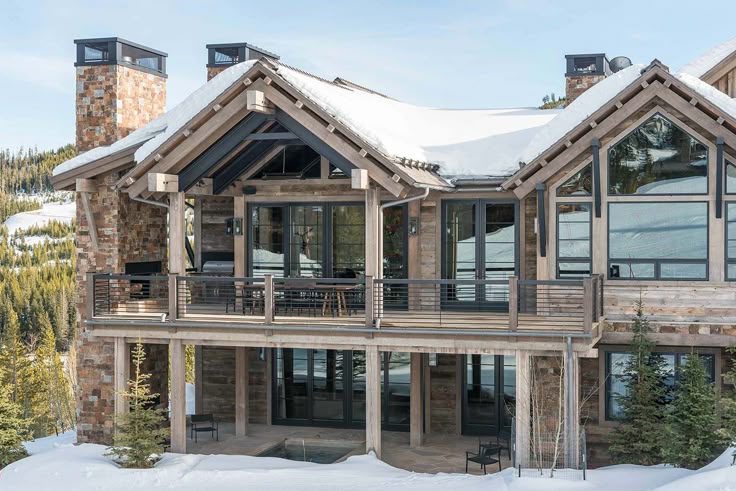
Exposed heavy timber — Douglas fir, cedar, or reclaimed barn beams.
Steel joinery — visible connections that highlight craftsmanship.
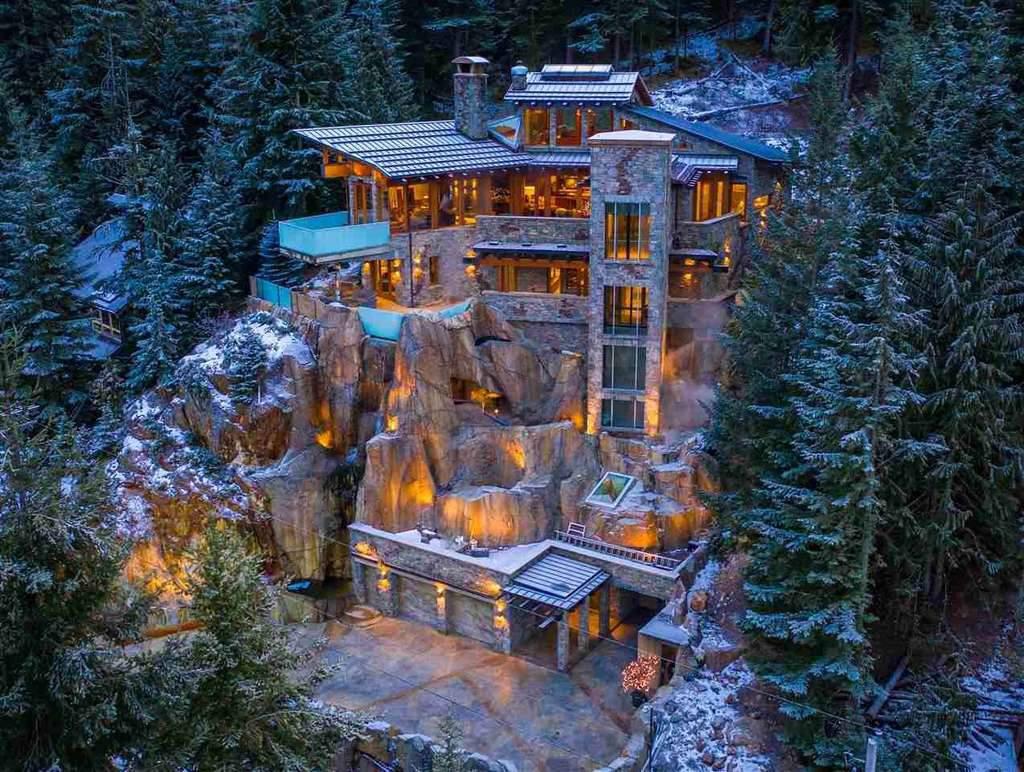
Natural stone bases — grounding the home visually and literally against mountain slopes.
The geometry is modern — clean lines and rectilinear volumes — but the scale is monumental. These homes aren’t shy; they command presence even among towering pines.
2. Materials & Texture
Texture defines this style more than ornamentation ever could.
Wood: Typically left natural or charred for weather resistance.
Stone: Granite or basalt foundations reflect the local geology.
Metal: Matte black steel for accents, window frames, or balcony supports.
Glass: Wall-to-wall glazing for framing alpine vistas.
The palette mimics the landscape — grays, browns, charcoal, and weathered tones that let the house blend rather than compete with its surroundings.
3. Interior Flow
Inside, modern mountain design celebrates openness and warmth. Vaulted ceilings expose rafters and trusses, while double-height windows capture shifting light across snow and forest.
Common traits:
Central fireplaces (often in stone or concrete) as both physical and emotional anchor points.
Open-concept living areas merging dining, lounge, and kitchen.
Natural finishes — raw steel, live-edge wood, wool, and leather.
Every surface invites touch; every material tells a story of endurance.
4. Lighting and Atmosphere
Daylight plays the lead role, but after dark, the homes come alive through warm LED lighting, tucked into beams and soffits, creating a soft, ambient glow that feels like candlelight — a deliberate antidote to the long winter nights.
Regional Variations Across British Columbia
Whistler: The Global Benchmark
Whistler’s version of this style defines the blueprint. Homes here are often custom builds on steep, forested lots, designed to coexist with extreme weather and topography.
Roofs are engineered for heavy snow loads.
Materials are high-performance and sustainable.
Layouts emphasize flow from ski-in entry to spa-like recovery zones — steam rooms, saunas, and plunge tubs.
Many homes feature integrated garages for snowmobiles, mudrooms for gear, and elevators to navigate multiple levels on steep slopes.
The “Whistler Modern” aesthetic has become an export — inspiring designs across Canada and the Pacific Northwest.
Pemberton and Squamish: Rustic Luxury
Here, the tone is slightly more agricultural — think timber barn meets minimalist retreat.
Homes are wider, lower, and sit on larger rural lots. There’s a stronger connection to agrarian modernism — corrugated steel, wide decks, and wraparound porches replacing some of Whistler’s vertical drama.
It’s less “mountain fortress,” more “modern farmhouse in the wilderness.”
Okanagan and Kootenays: The Sunbelt Adaptation
In Kelowna, Fernie, and Nelson, mountain modern design adapts to milder winters and sunnier climates.
Roofs flatten slightly, materials get lighter, and outdoor living becomes a core focus — folding glass walls open onto terraces, pools, and fire pits.
Here, the architecture channels resort minimalism: still rugged, but designed for year-round luxury living rather than seasonal retreat.
Modern Interpretations: Sustainability and Innovation
What began as a practical approach to alpine living has evolved into a showcase of green technology and architectural ingenuity.
1. Passive Design Principles
Modern mountain homes now integrate passive solar orientation — south-facing glass, deep overhangs, and thermal mass in stone or concrete floors that store and radiate heat.
In many builds, geothermal heating, air-source heat pumps, and energy recovery ventilation (ERV) systems replace traditional wood-burning heat.
2. Reclaimed and Local Materials
Architects increasingly use reclaimed beams, local quarry stone, and salvaged metals — both for aesthetics and sustainability. These materials carry history, grounding the home in its regional identity.
3. Off-Grid Capability
Remote BC properties often require self-sufficiency:
Solar arrays and battery systems for power.
Private wells or rainwater harvesting for water supply.
Smart home monitoring for temperature and moisture control, even when owners are abroad.
4. Minimalism Meets Warmth
Unlike urban modernism, which can feel sterile, mountain modern maintains warmth through texture. Concrete walls might meet wool upholstery; black steel is softened by amber lighting. It’s luxury without pretense — tactile and grounded.
Market Insights: Demand, Value, and Lifestyle
The Modern Mountain home has become synonymous with BC luxury real estate. It’s not just about architecture — it’s a statement of identity.
Whistler & Blackcomb: Canada’s Peak Luxury Market
Whistler homes sit among Canada’s most valuable properties. In 2025:
The average single-family home exceeds $3.5 million.
Architect-designed chalets with ski-in/ski-out access regularly list for $7–15 million.
Ultra-luxury estates in Kadenwood, Stonebridge, or Sunridge Plateau can surpass $20 million, often featuring design pedigrees from global firms.
Buyers are a mix of Vancouver entrepreneurs, international investors, and remote professionals drawn by Whistler’s duality — cosmopolitan access with wilderness immersion.
Pemberton: Emerging Luxury
Just 25 minutes north of Whistler, Pemberton offers larger lots and agricultural zoning. The style here is identical — timber, stone, glass — but the price is gentler, typically $1.5M–$3M for high-end builds.
Many of these homes belong to locals, artists, and outdoor professionals who crave the aesthetic without the crowds.
Kelowna, Revelstoke, and Fernie: Expanding Influence
As these towns evolve into year-round resort destinations, developers are importing the Modern Mountain aesthetic wholesale.
These homes cater to buyers seeking luxury in lifestyle — ski, bike, wine — all from one address.
In the Okanagan, especially Lake Country and Peachland, mountain modern homes dominate new custom builds between $1.8M–$4M.
Buying and Design Tips: What to Know
1. Choose Your Lot Wisely - Mountain terrain means complex engineering — slopes, drainage, and snow load must align with your architectural goals. A poorly oriented lot can double your build cost.
2. Prioritize Durability Over Decoration - True Modern Mountain design uses natural materials for performance first, beauty second. Avoid imitations — faux beams, thin veneers, or composite trims that can’t endure mountain moisture and freeze-thaw cycles.
3. Embrace the Seasonal Rhythm - These homes are built for four-season living. Optimize for transitions — mudrooms, radiant heating, and outdoor storage are non-negotiable.
4. Renovate Authentically - If purchasing an older chalet, modernizing doesn’t mean erasing character. Update insulation, windows, and heating systems while keeping exposed beams and stonework intact. Buyers value authenticity over gloss.
5. Understand Maintenance Costs - Snow removal, roof upkeep, and drainage management are part of mountain life. Build with resilience — heated driveways, metal roofs, and robust waterproofing pay off long-term.
The Spirit of the Summit
The Modern Mountain home is more than a structure — it’s an architectural manifesto on how to live in harmony with extremes. It stands resilient against snow and wind, yet feels intimate and warm inside. It respects nature without retreating from it.
In a province defined by vertical landscapes, this style captures the essence of British Columbia itself: bold, elemental, and quietly luxurious.
Where West Coast Contemporary speaks to the forest, the Modern Mountain speaks to the peaks — both reminding us that the truest luxury isn’t separation from nature, but belonging to it.