Tudor Revival Homes in British Columbia: Heritage, Grandeur, and the Architecture of Permanence

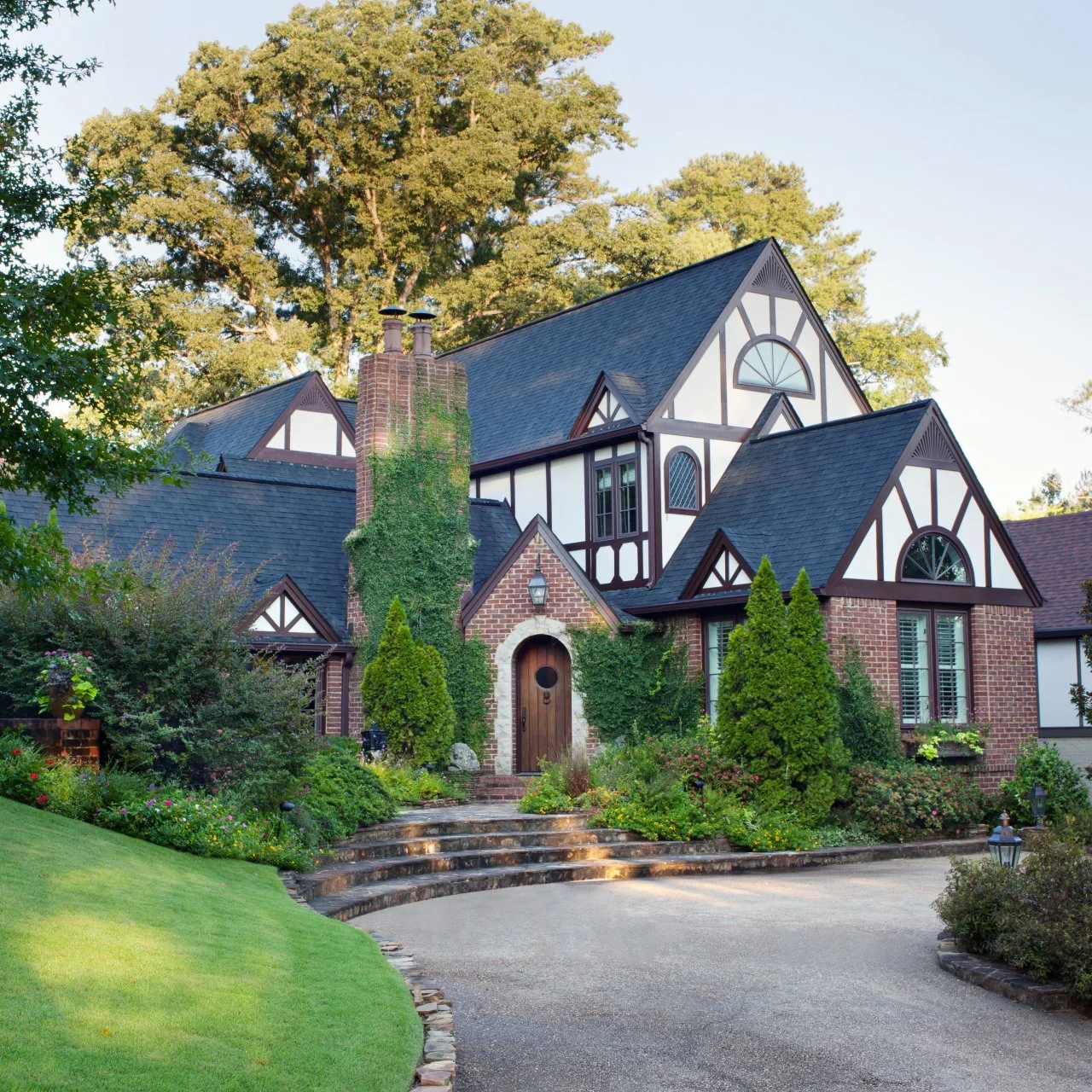
Imported from Europe and adapted for BC’s climate, these Traditional styles evoke history and prestige. Colonial homes are symmetrical, stately, and often brick-clad, while Tudor Revival adds decorative half-timbering, steep gables, and stucco or stone walls. They tend to feature classic gardens, multi-paned windows, and detailed wood trim. These homes dominate heritage neighborhoods — often meticulously maintained, commanding high values for their craftsmanship and old-world presence.
Commonly Seen:
Shaughnessy, Kerrisdale, Victoria, New Westminster
Key Features:
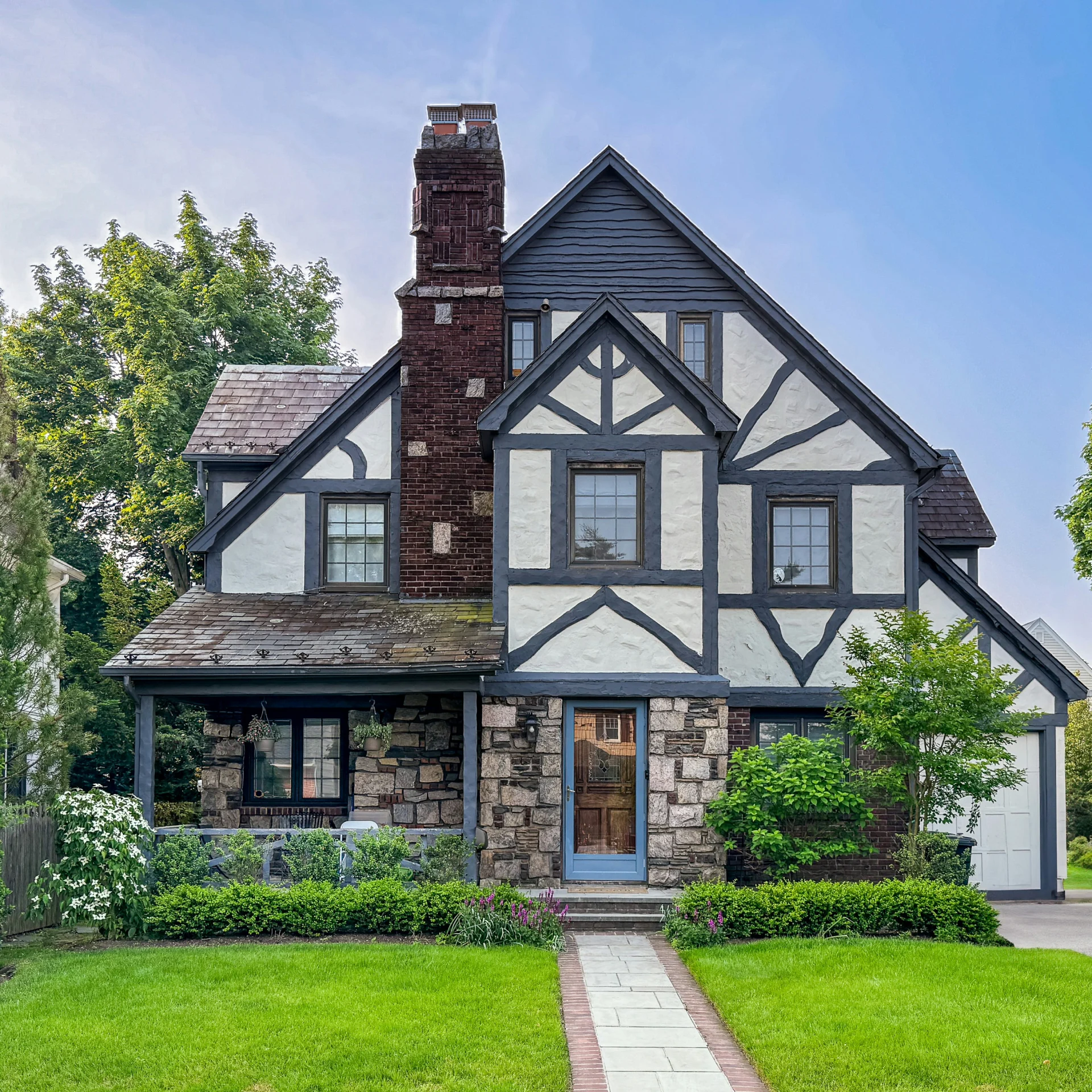
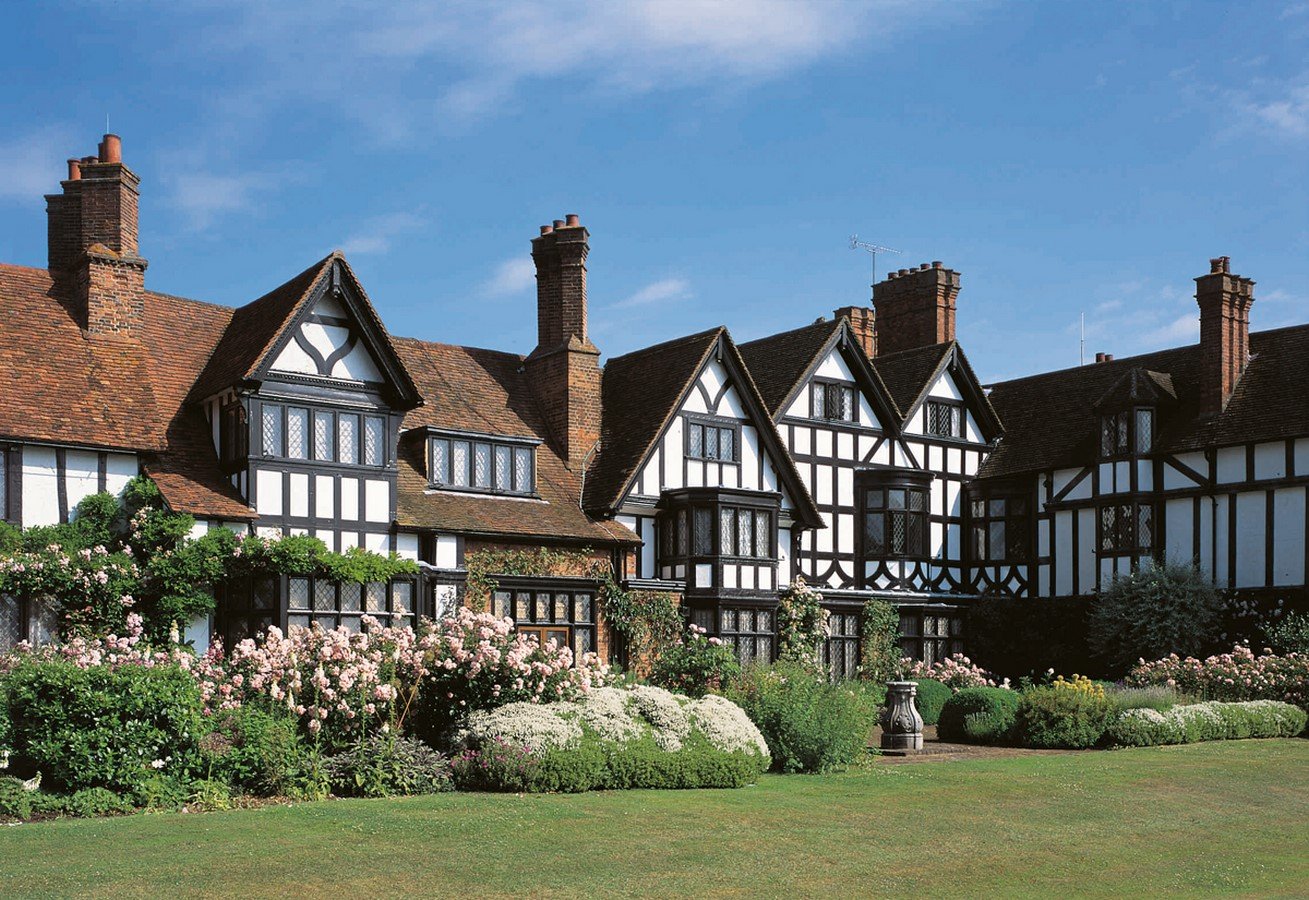
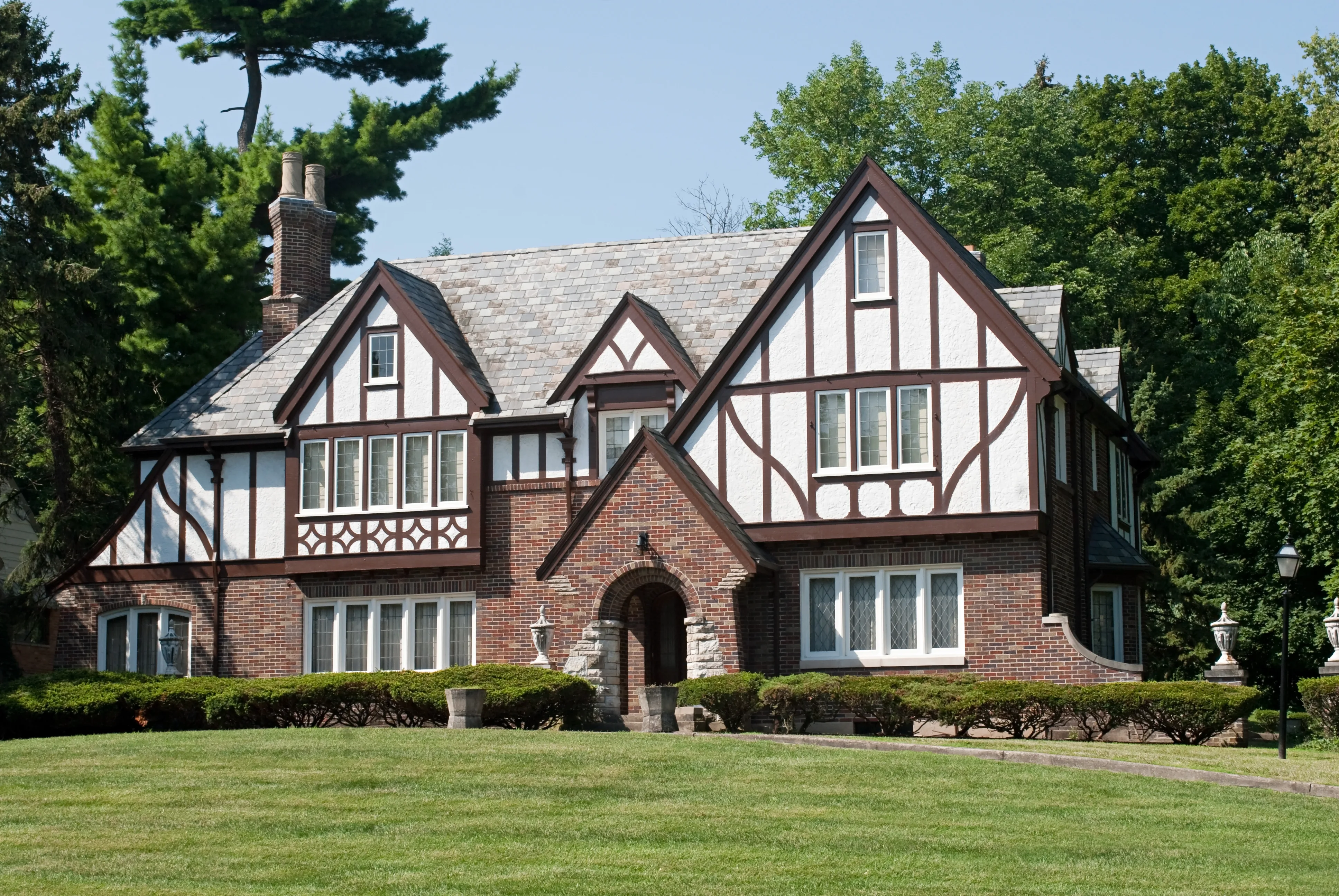
Steeply pitched roofs with multiple front-facing gables.
Decorative half-timbering with stucco or brick infill.
Tall, narrow windows with leaded glass or diamond panes.
Prominent chimneys, often with decorative pots or patterned brickwork.
Asymmetrical façades with arched doorways and heavy wooden doors.
Warm, cozy interiors featuring wood paneling and stone fireplaces.
When the Old World Came West
There’s a reason Tudor Revival homes never quite fade from British Columbia’s housing landscape. Amid a sea of glassy towers and modern minimalism, they stand like stone-anchored reminders that permanence still matters.
Step into neighborhoods like Shaughnessy, Oak Bay, or Kerrisdale, and you’ll find them — steeply pitched gables, half-timbered facades, leaded windows, and arched entryways draped in ivy. They look as if they’ve been standing for centuries, even if they were built less than a hundred years ago.
The Tudor Revival style, also known as Mock Tudor or Jacobethan Revival, flourished in BC between the early 1900s and mid-20th century. It became the architecture of prestige — the choice for families who wanted to project history, stability, and refinement in a young province still finding its identity.
Today, these homes are treasured for their craftsmanship and narrative. They aren’t just houses; they’re a form of storytelling — British heritage reinterpreted through the lens of West Coast affluence.
Historical Context: From English Manors to BC Estates
The Tudor Revival movement began in late 19th-century England, part of a romantic nostalgia for medieval craftsmanship and pre-industrial authenticity. Drawing inspiration from 16th-century Tudor and Elizabethan architecture, the revival replaced perfect symmetry and industrial precision with asymmetry, texture, and detail.
In Canada, and particularly British Columbia, the movement arrived with settlers from Britain who carried with them not just their culture but their vision of home — one grounded in the aesthetics of tradition and gentility.
The BC Adoption
The early 20th century was a time of immense growth for cities like Victoria and Vancouver. The economic boom from forestry, shipping, and resource industries gave rise to a wealthy class that wanted to express success through architecture. Tudor Revival became their style of choice — a physical manifestation of “Old World” taste transplanted to the New World.
In Victoria, Oak Bay and Rockland Avenue became synonymous with Tudor estates. In Vancouver, Shaughnessy was practically built on it — commissioned by the Canadian Pacific Railway to attract elite homeowners.
While these homes often emulated English country manors, BC architects adapted them with local materials — cedar timbers, sandstone, and stucco — and adapted their layouts for the West Coast climate.
Architectural Features: The Anatomy of a Tudor Revival
A Tudor Revival home is instantly recognizable. It blends rustic romanticism with intricate craftsmanship, creating homes that feel both stately and deeply personal.
Here’s what defines them in British Columbia:
Steeply Pitched Roofs and Gables - Multiple intersecting gables are the most defining feature. The steep pitches were originally practical in damp climates (perfect for BC rain), but they also add vertical drama and asymmetry.
Half-Timbering and Stucco Panels - Dark wooden timbers set against light stucco or brick are the Tudor trademark. In BC, these timbers were often structural cedar beams, treated and left visible for authenticity.
Leaded and Mullioned Windows - Casement windows with small panes separated by lead strips give these homes their storybook quality. Many BC examples feature diamond or rectangular leaded glass, often imported from England.
Chimneys as Design Elements - Unlike modern homes that hide their chimneys, Tudor Revival houses showcase them — tall, elaborate, often with decorative brickwork or stonework.
Arched Entryways and Heavy Doors - Entrances feel grand but human-scaled — rounded doorways, iron hardware, and recessed arches that invite without ostentation.
Masonry and Texture - Brick, stone, stucco, and wood combine to create deep, tactile facades. Each material carries visual weight — there’s no fake veneer, no illusion.
Leaded Dormers and Bay Windows - Upper-level projections break up the roofline, often framed with timber and glass, giving these homes their layered, romantic look.
4. Regional Variations Across British Columbia
While the core style remains recognizable, the Tudor Revival adapts beautifully to its setting.
Vancouver (Shaughnessy, Kerrisdale, and West Point Grey) - Vancouver’s Tudor homes are the grandest, built for early 20th-century elites. Many feature stone bases, imported slate roofs, and finely detailed woodwork. Shaughnessy’s tree-lined streets remain one of Canada’s best-preserved examples of Tudor Revival neighborhoods.
Modern owners often restore these homes with updated interiors while preserving their façades — a balancing act between heritage and livability.
Victoria (Oak Bay, Rockland, Fairfield) - Victoria’s Tudor Revivals tend to be more compact but equally rich in detail. Built between the 1910s and 1940s, these homes often feature decorative half-timbering and lush English-style gardens. They mirror the city’s British colonial identity — timeless and quietly dignified.
Whistler and the Sea-to-Sky Corridor - While rare, some luxury chalets borrow from Tudor Revival design — combining the half-timbered look with alpine elements. Here, the style blends with mountain lodge architecture, resulting in Tudor-inspired ski estates.
Interior BC (Kelowna, Kamloops) - In the Okanagan and interior towns, Tudor Revival homes often take a hybrid form — simplified for suburban layouts but still featuring signature details like steep roofs, decorative beams, and multi-pane windows.
The Modern Tudor: Reinterpretation for Today
Contemporary builders occasionally revisit Tudor Revival aesthetics, but in lighter, more efficient ways.
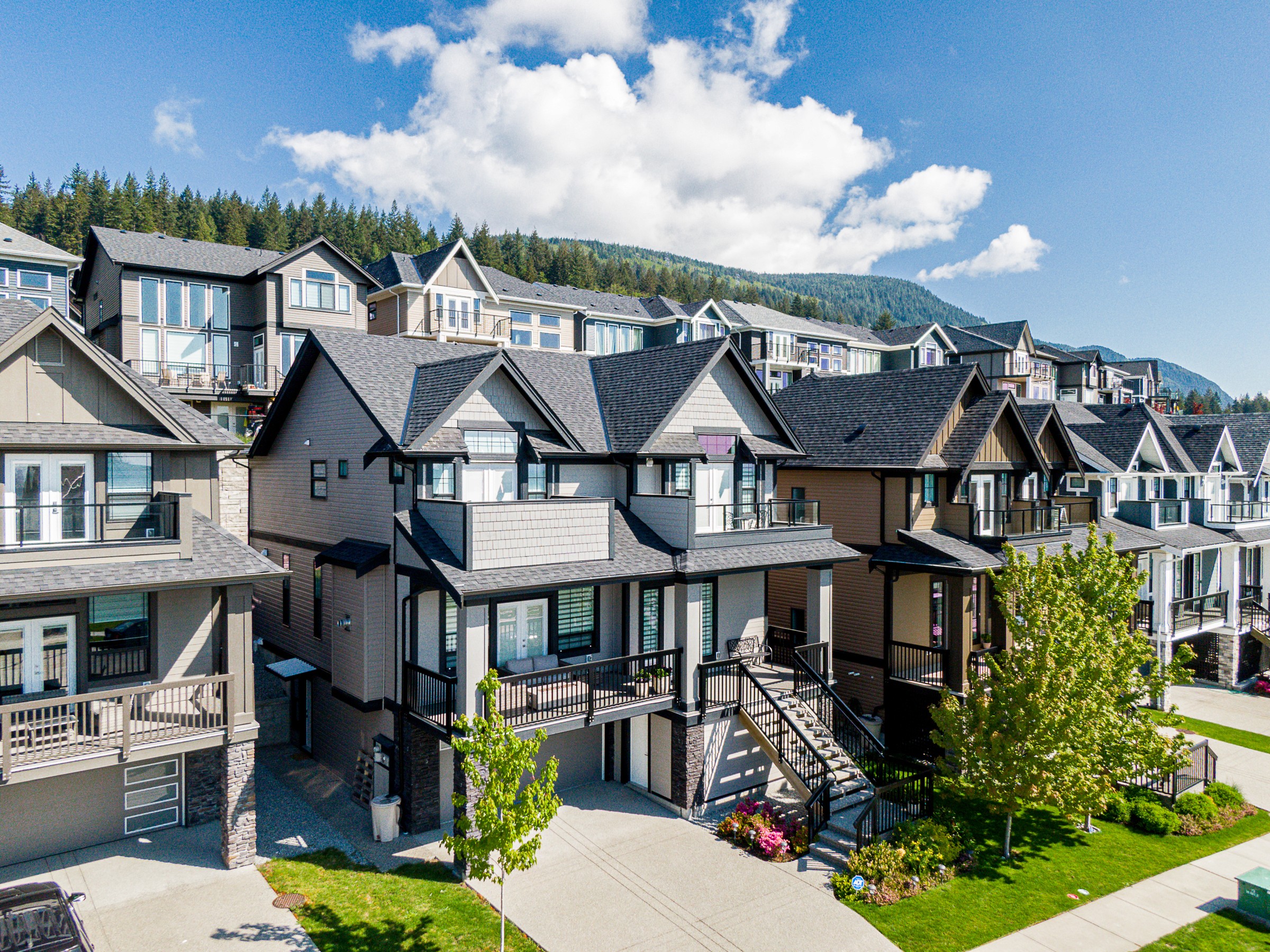
Today’s Neo-Tudor homes often replace heavy masonry with composite siding, using simplified gables and restrained timber accents. Energy-efficient windows replace leaded glass, while interiors favor open concepts rather than compartmentalized layouts.
However, the heart of the style — texture, contrast, and permanence — remains. Buyers crave these homes for their character in a sea of sameness. A Tudor home feels rooted; it gives a sense of belonging to something older and more established.
Interestingly, Tudor Revival’s design DNA has quietly influenced modern BC architecture. You can see it in the steep gables of modern farmhouses, in the mixed-material facades of West Coast Contemporary builds, and in the enduring demand for wood-accented craftsmanship.
Market Insights: Heritage Prestige Meets Limited Supply
Tudor Revival homes in BC are relatively rare — most were built before 1950 — which makes them architectural treasures in the resale market.
Vancouver’s Heritage Market - In areas like Shaughnessy, original Tudor Revival mansions can easily exceed $5–10 million, depending on lot size and preservation level. Many have heritage designations, meaning exterior alterations are restricted. This protects architectural integrity — and ensures continued exclusivity.
Victoria’s Character Homes - Victoria’s Tudor Revival properties in Oak Bay or Fairfield range from $1.5 million to $3 million, depending on condition and proximity to the waterfront. Buyers here often value charm over size, and many homes are carefully restored for modern living.
Challenges and Opportunities
Owning a Tudor Revival home comes with responsibility. Restoration can be expensive, especially if original materials like timber or brick require specialized work. However, buyers who value authenticity see these costs as investments in living art.
These homes hold their value exceptionally well — not because of square footage, but because of cultural scarcity. Once a heritage Tudor is demolished or replaced, it’s gone forever.
Buying or Restoring: What to Know
Restoring or maintaining a Tudor Revival home requires balance — preserving charm while upgrading functionality.
Maintenance Tips
Inspect stucco and timber regularly for rot or water damage.
Preserve leaded glass where possible; replacements should mimic the original grid.
Chimneys and stonework often need repointing every few decades.
Keep exterior paint schemes faithful: dark timbers, light stucco, and muted accent tones.
Interior Renovation Considerations
While exteriors are usually heritage-protected, interiors offer flexibility. Many homeowners open up compartmentalized floor plans for more light and flow while retaining original features like fireplaces, built-ins, and wainscoting.
Modern Tudor interiors often strike a “heritage-meets-minimalism” balance — white walls, exposed beams, and contemporary furniture against a historical shell.
Working with Heritage Guidelines
If the home is on a heritage registry (common in Vancouver and Victoria), consult the local Heritage Conservation office before making exterior changes. You may qualify for grants or tax incentives for preservation work.
Why Tudor Revival Endures
Tudor Revival architecture endures because it satisfies something emotional: a longing for stability, craftsmanship, and story.
In an era where housing often feels disposable and mass-produced, Tudor homes remind us of a time when design aspired to longevity — when every brick, beam, and mullion was chosen for meaning.
They also fit BC’s landscape surprisingly well. The steep gables mirror mountain slopes; the heavy timbers echo forest textures; and the use of stone and brick grounds them against the Pacific rain.
A Tudor Revival home feels anchored, not just to land, but to lineage.
BC’s Enduring Symbol of Heritage
In British Columbia’s evolving architectural story, Tudor Revival homes are the pages written in ink — impossible to erase, deeply textured, and endlessly revisited.
They remind us that prestige isn’t about size or newness. It’s about craftsmanship, integrity, and connection to history. Whether standing among the manicured gardens of Shaughnessy or overlooking the ocean cliffs of Oak Bay, these homes remain among the province’s most admired architectural treasures.