Victorian Homes in British Columbia: Elegance, Ornament, and the Architecture of Ambition

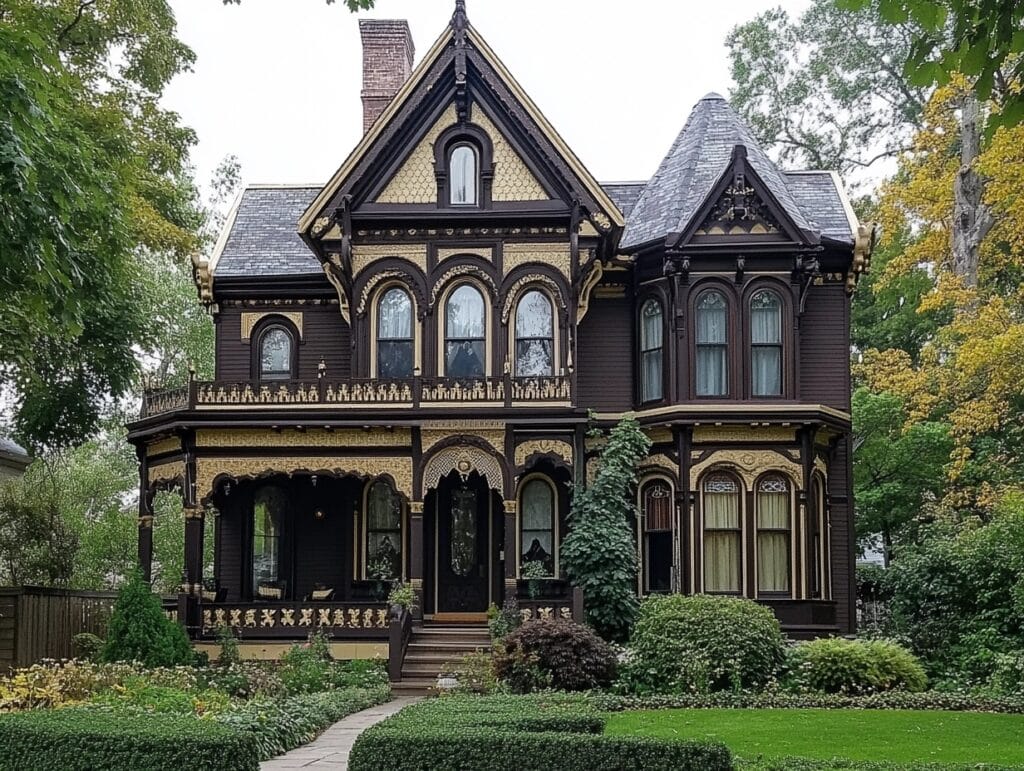
Victorian-era homes in British Columbia are time capsules from the province’s early days — a statement of ambition, craftsmanship, and social hierarchy. Built between the 1880s and early 1910s, these homes mark the period when BC’s new cities were carving their place on the map. Every turret, spindle, and stained-glass window tells a story of optimism and artistry — from the stately manors of Victoria’s James Bay to the colorful ‘painted ladies’ that still line the hills of New Westminster. For today’s buyers, these homes offer not just heritage, but identity — a tangible connection to the province’s architectural soul.
Commonly Seen:
Victoria’s James Bay, Vancouver’s Mount Pleasant, or New Westminster’s Queen’s Park
Key Features:
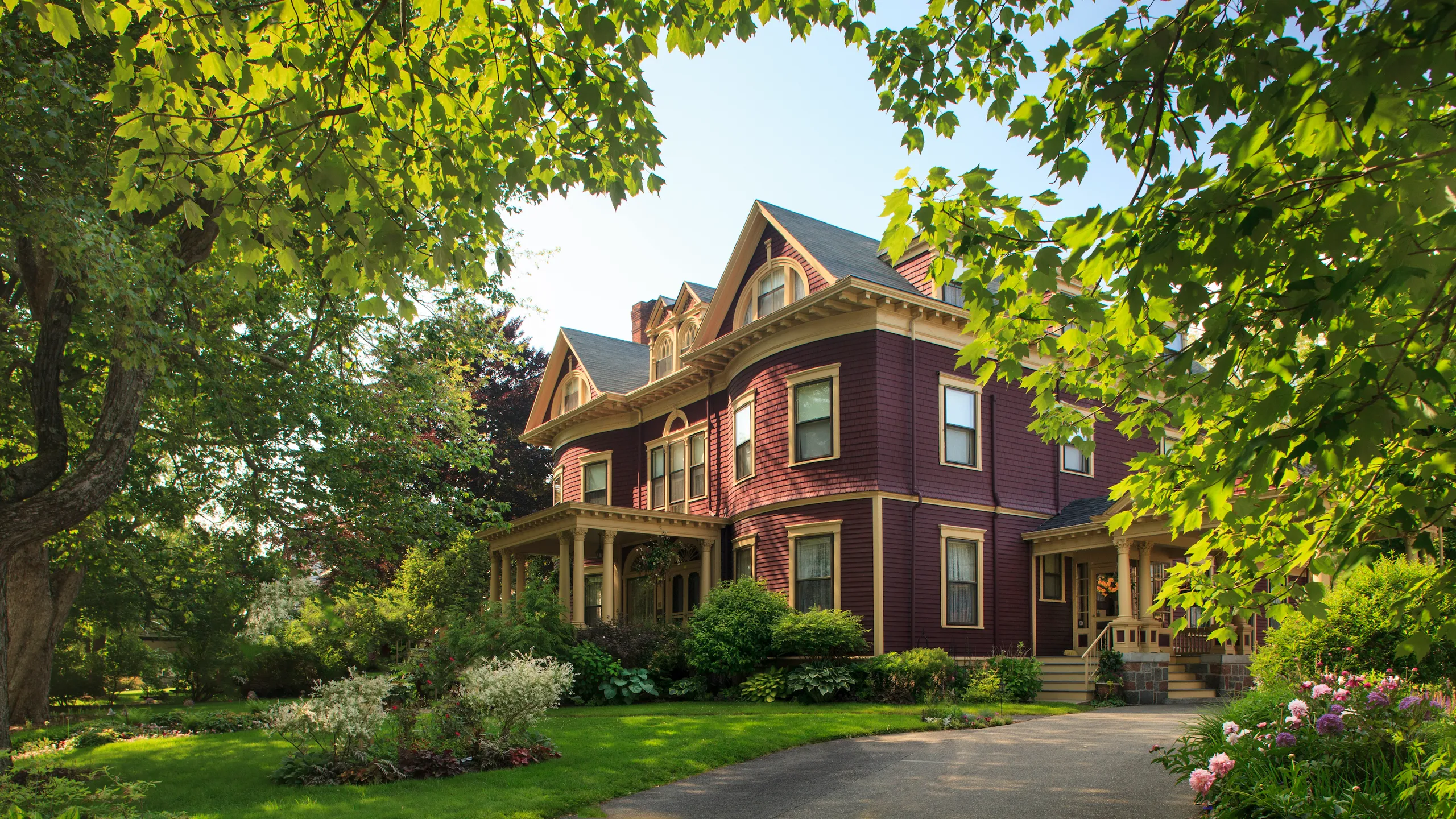
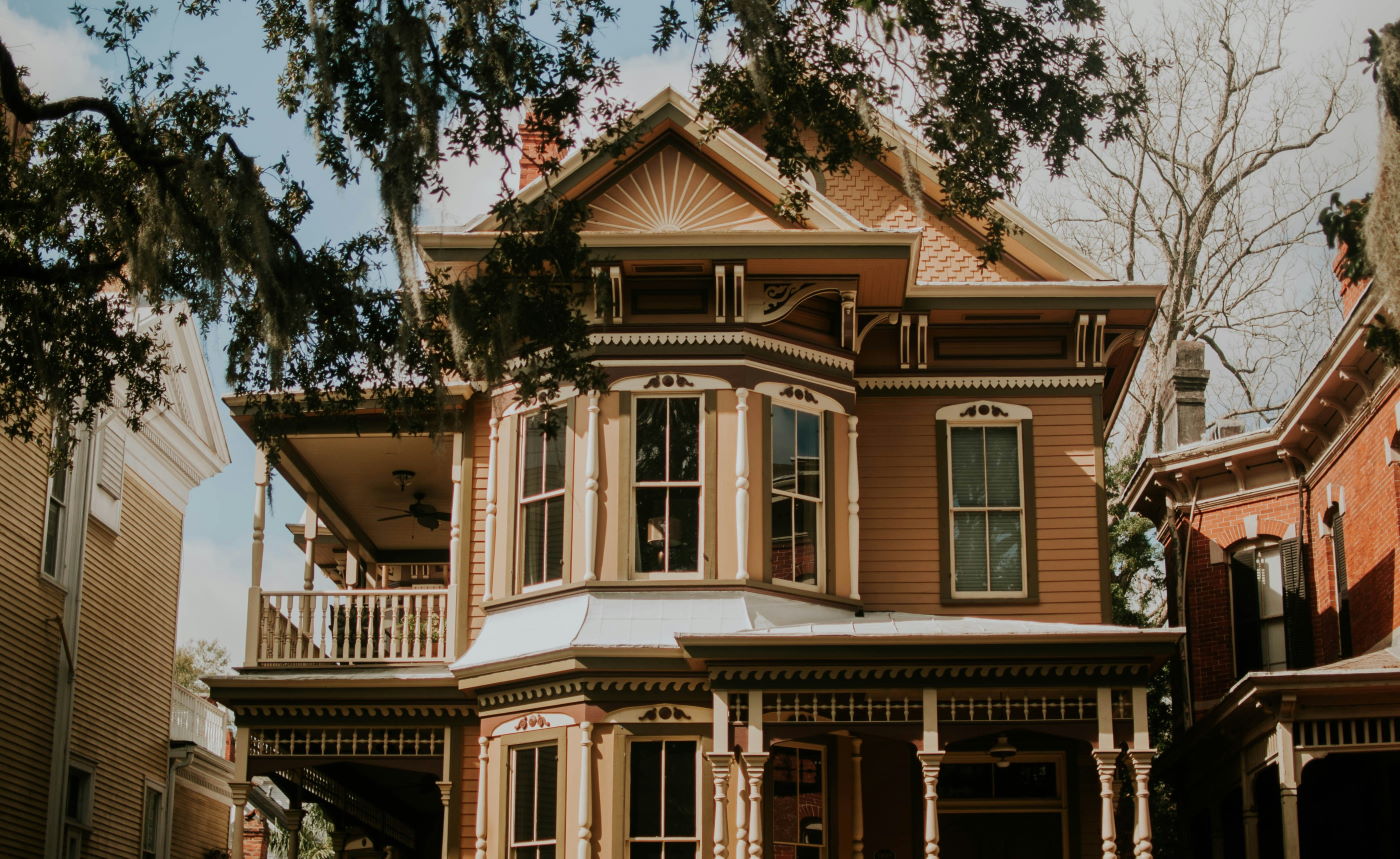
Architectural complexity: Asymmetrical facades, turrets, wraparound porches, and steeply pitched roofs.
Decorative detail: Elaborate trim (often called “gingerbread”), corbels, ornate brackets, and spindlework.
Windows & doors: Tall, narrow sash windows with stained or leaded glass; grand front entries with transoms.
Materials: Painted wood siding, often in multiple contrasting colours (“painted ladies” style).
Interior features: High ceilings, plaster moldings, ornate staircases, hardwood floors, and bay windows.
Layout: Compartmentalized rooms rather than open floor plans — parlor, dining room, library, etc.
When Ornament Was the Language of Progress
Before the glass towers, before West Coast Modern minimalism, there was the age of grandeur — the Victorian era. Walk through Victoria’s James Bay, Vancouver’s Mount Pleasant, or New Westminster’s Queen’s Park, and you’ll see them: turrets, gingerbread trim, bay windows, stained glass, and porches that seem made for Sunday teas. These are the homes that built British Columbia’s early architectural identity.
Victorian homes were born during a time of explosive growth — when British Columbia was emerging from its colonial beginnings into an economic powerhouse driven by shipping, forestry, and trade. From the 1860s to the early 1900s, this was the style of ambition.
Each scroll, spindle, and stained-glass window told the world: We’ve arrived.
And yet, beyond the ornament, Victorian homes in BC were also about adaptation — architecture that reflected the optimism and craftsmanship of a society in motion, tempered by the practical realities of the Pacific climate.
Today, these homes are prized heritage pieces, meticulously restored or reimagined for modern life. They tell a story of where BC’s architectural soul began — in the balance between beauty, pride, and permanence.
Historical Background: Britain’s Legacy in the Pacific Northwest
Victorian architecture spans roughly 1837 to 1901, corresponding to Queen Victoria’s reign. It wasn’t one style but a collection of overlapping movements — Gothic Revival, Italianate, Queen Anne, and Second Empire among them.
In British Columbia, the style arrived alongside colonization. When Fort Victoria was established in 1843, it quickly became the cultural and administrative center of the new colony. As settlers, merchants, and politicians established roots, they brought with them not only wealth but also British architectural ideals.
By the 1880s, the Canadian Pacific Railway had connected BC to the rest of Canada, and cities like Vancouver and New Westminster boomed. Architects and builders — many trained or inspired by English design — began constructing Victorian-style homes for the province’s rising middle and upper classes.
While British Victorian architecture leaned toward stone and brick, BC’s builders turned to local materials like cedar and fir, crafting wooden facades that mimicked the ornate detailing of their European counterparts. The result was lighter, more weather-adapted versions of the English originals — instantly recognizable, yet uniquely West Coast.
Key Architectural Styles Within the Victorian Family
Victorian architecture isn’t one design; it’s a family tree. In BC, several substyles flourished, often blended within a single home.
Gothic Revival (1840s–1870s)
Pointed arches, steep gables, and church-like windows.
Tall, narrow proportions and decorative bargeboards.
Seen in early BC institutional buildings and country homes — reflecting moral virtue and craftsmanship.
Italianate (1860s–1880s)
Low-pitched or flat roofs, wide eaves with ornate brackets, and tall, arched windows.
Squared towers or cupolas were common.
In BC, many early merchant homes adopted this style, particularly in Victoria’s heritage districts.
Queen Anne (1880s–1910s)
The most flamboyant and popular Victorian style in BC.
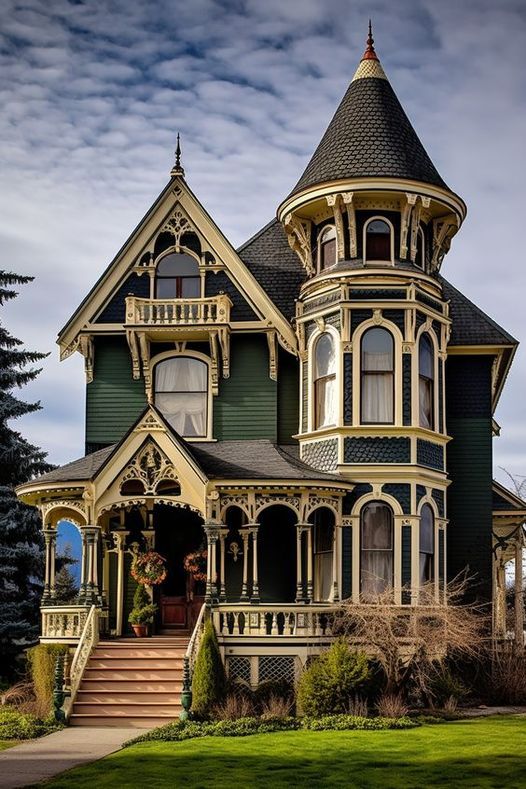
Features: asymmetrical facades, turrets, wraparound porches, bay windows, spindlework, and stained glass.
Vibrant color palettes and eclectic materials defined this phase — the “painted ladies” of BC.
Second Empire (1870s–1890s)
Mansard roofs (flat-topped with steep lower slopes) and strong vertical emphasis.
Popular for public buildings and grand city homes, especially in early New Westminster.
Folk Victorian
Simpler, more affordable versions for the working and middle class.
Retained Victorian ornament but in smaller scale, often with symmetrical facades and minimal towers.
Design Characteristics: A Symphony of Detail
Victorian homes in BC were built for display — every inch meant to impress.
Exteriors
Complex Rooflines: Multiple gables, dormers, and decorative shingles.
Turrets and Towers: Round or octagonal, adding vertical drama.
Gingerbread Trim: Intricate woodwork along eaves and porches.
Painted Facades: Often using three to five contrasting colors to emphasize depth and detail.
Bay and Oriel Windows: Designed to catch light and provide panoramic views.
Interiors
Grand Staircases: Often the centerpiece of the entry hall.
High Ceilings and Crown Moldings: Enhancing the sense of space and luxury.
Patterned Floors and Wallpapers: Florals, damasks, and geometric tiles.
Fireplaces: Each room typically had one, with ornate mantels and tilework.
Stained Glass: Common in transoms and stairwell windows, filtering light into color.
Materials
Local woods — Douglas fir, red cedar, and hemlock — were used for framing and detail work. Siding was often horizontal clapboard or decorative shingles.
Because of the rainy BC climate, Victorian builders favored steep rooflines to shed water quickly and raised foundations to prevent moisture damage.
Regional Expressions Across BC
Victoria — The Epicenter of Victorian Splendor
The city’s namesake was destined to become the showcase of Victorian architecture in the province. Streets like Government, Rockland, and James Bay are living museums of the style.
The Craigdarroch Castle, built in the 1890s by coal baron Robert Dunsmuir, is BC’s most famous example — a sandstone masterpiece of turrets, stained glass, and lavish woodwork.
Today, Victoria’s heritage districts remain some of the best-preserved in Canada, attracting buyers who value history and craftsmanship over newness.
Vancouver and New Westminster
While many early Victorian homes in Vancouver were lost to fires and urban renewal, pockets remain — especially in Mount Pleasant, Strathcona, and Grandview-Woodland. New Westminster’s Queen’s Park is particularly rich in restored Victorian-era homes, with many designated as heritage properties.
Smaller Towns and Rural BC
From Nelson to Prince Rupert, many mining and railway towns built Victorian homes during their boom years. These homes tend to be simpler but no less charming — smaller in scale but rich in handcrafted details.
The Victorian Revival and Restoration Movement
By the mid-20th century, Victorian homes fell out of favor. Modernists dismissed them as overly ornate and impractical. Many were demolished or “modernized” — stripped of trim, painted monochrome, or clad in vinyl.
But by the 1970s, nostalgia began to set in. Homeowners and historians recognized the artistry and cultural value of these homes. Restoration became a movement — and BC was at the forefront.
Heritage Preservation in BC
Cities like Victoria and Vancouver introduced heritage registers to protect significant properties. Grants and tax incentives encouraged preservation instead of demolition.
Architectural salvage yards emerged to source authentic materials, while specialized carpenters revived lost craftsmanship techniques — scrollwork, stained glass, period paint colors.
Today, restored Victorian homes often sell at a premium. Their scarcity, coupled with the tactile warmth of wood and history, appeals to a growing segment of buyers weary of sterile new builds.
Market Insights: Charm, Value, and Niche Demand
Victorian homes are niche — but in BC’s market, niche often means powerful.
Victoria’s Market
Heritage Victorians in James Bay, Fernwood, and Oak Bay typically range from $1.2 to $3 million, depending on condition and size. Fully restored mansions, particularly near the Inner Harbour, can exceed $5 million.
Vancouver and New Westminster
In Mount Pleasant or Queen’s Park, restored Victorians are sought after by buyers who want history within urban proximity. Prices range from $1.8 to $4 million, with heritage protections adding long-term stability to neighborhoods.
Renovation Considerations
Restoring heritage exteriors often requires city permits.
Electrical and plumbing systems usually need modernization.
Proper ventilation and insulation upgrades are essential for BC’s damp climate.
Heritage professionals can help retain period authenticity while improving livability.
Despite the maintenance, these homes hold emotional and resale value that few modern properties can match.
The Victorian Spirit in Modern BC Design
While pure Victorian homes are finite, their spirit lives on. Many character infill projects in Victoria and Vancouver borrow cues from Victorian design — steep roofs, decorative brackets, and multi-pane windows — blending old-world charm with new-world efficiency.
Even interior design trends echo Victorian sensibilities: warm color palettes, eclectic decor, and craftsmanship over minimalism. The “heritage chic” movement has reignited appreciation for tactile, human-scale design.
In a way, BC’s architectural pendulum has swung back — from Victorian exuberance to modern austerity, and now toward a new equilibrium: historic detail with modern restraint.
Why Victorian Homes Still Matter
Victorian homes remind us of a time when architecture was personal — when every cornice and spindle carried intention. They symbolize a belief that progress could be beautiful, and that homes could reflect both prosperity and artistry.
In British Columbia, they tell the story of the province’s coming of age: its economic rise, its cultural ties to Britain, and its emergence as a place that valued not just shelter, but splendor.
Owning a Victorian home in BC isn’t just about living in a house — it’s about living in a legacy.
BC’s Living Monuments of Craft
In a province constantly reinventing its skyline, Victorian homes stand as living monuments to a more deliberate age.
They are proof that the past still has something to teach the present — that beauty, craftsmanship, and permanence will always have a place in BC’s housing landscape. Whether lovingly restored or reinterpreted in modern form, these homes remain among the most soulful expressions of architecture ever built on the West Coast.