West Coast Contemporary Homes in British Columbia: The Architecture That Grew From the Forest
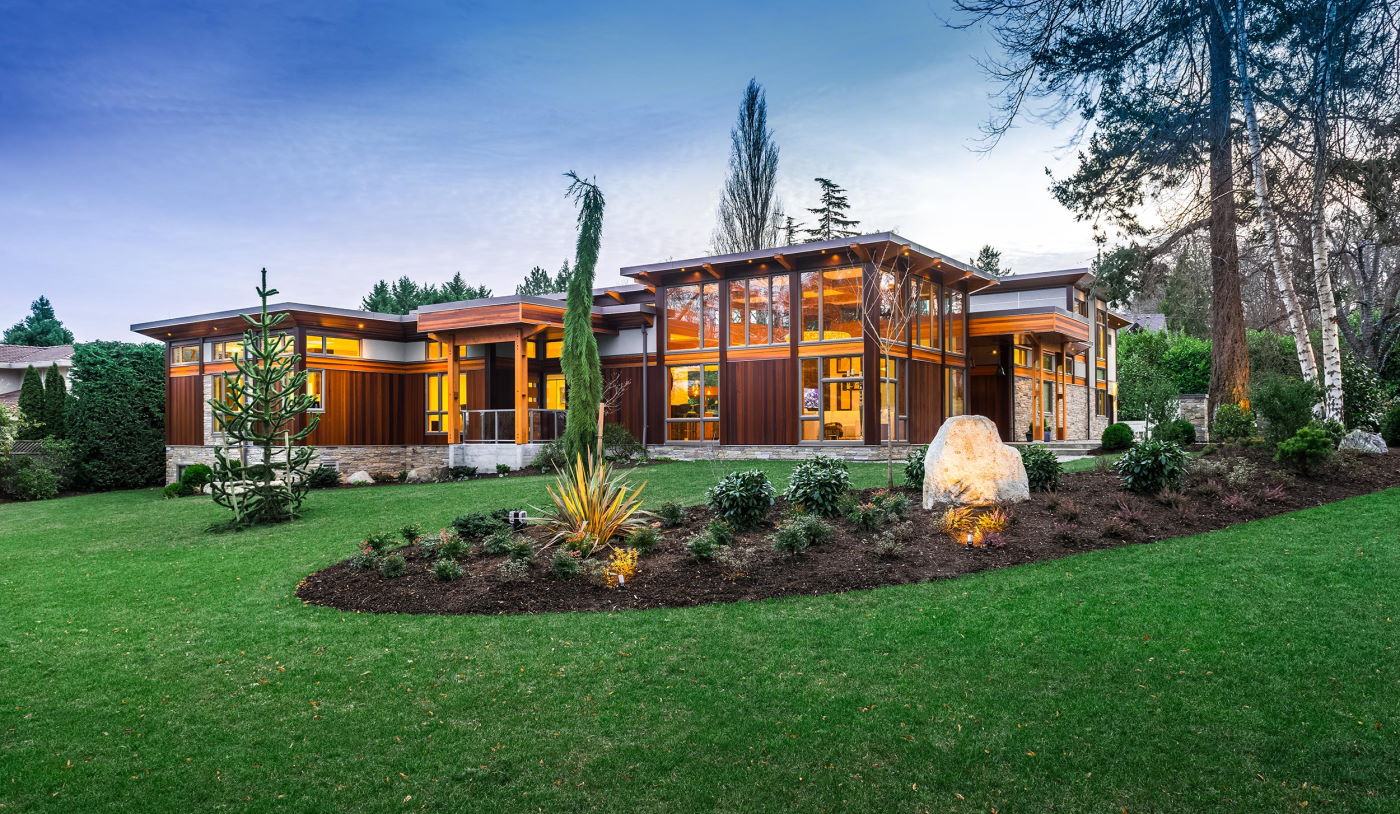
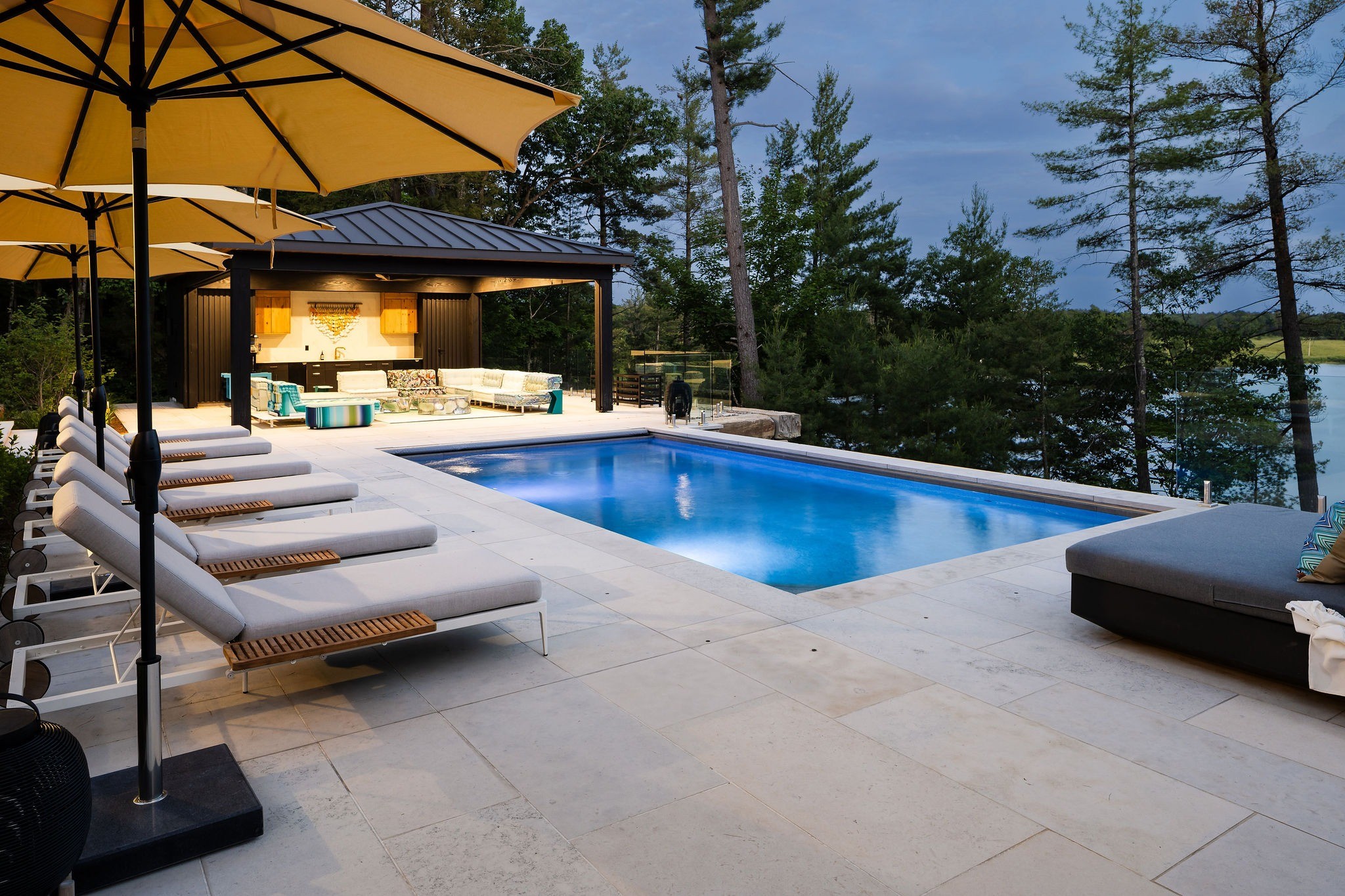
The West Coast Contemporary home is British Columbia’s architectural signature — a design born from rain, forest, and ocean. It emphasizes harmony with nature: large overhangs shelter from rain, floor-to-ceiling glass frames mountain or water views, and natural materials like cedar, fir, and stone create a warm organic feel. These homes often use open floor plans and energy-efficient systems, blending modern design with environmental mindfulness. You’ll find this style in both high-end North Shore builds and modest mid-century originals tucked into the woods.
Commonly Seen:
Vancouver, North Shore, Whistler, Sunshine Coast, White Rock
Key Features:
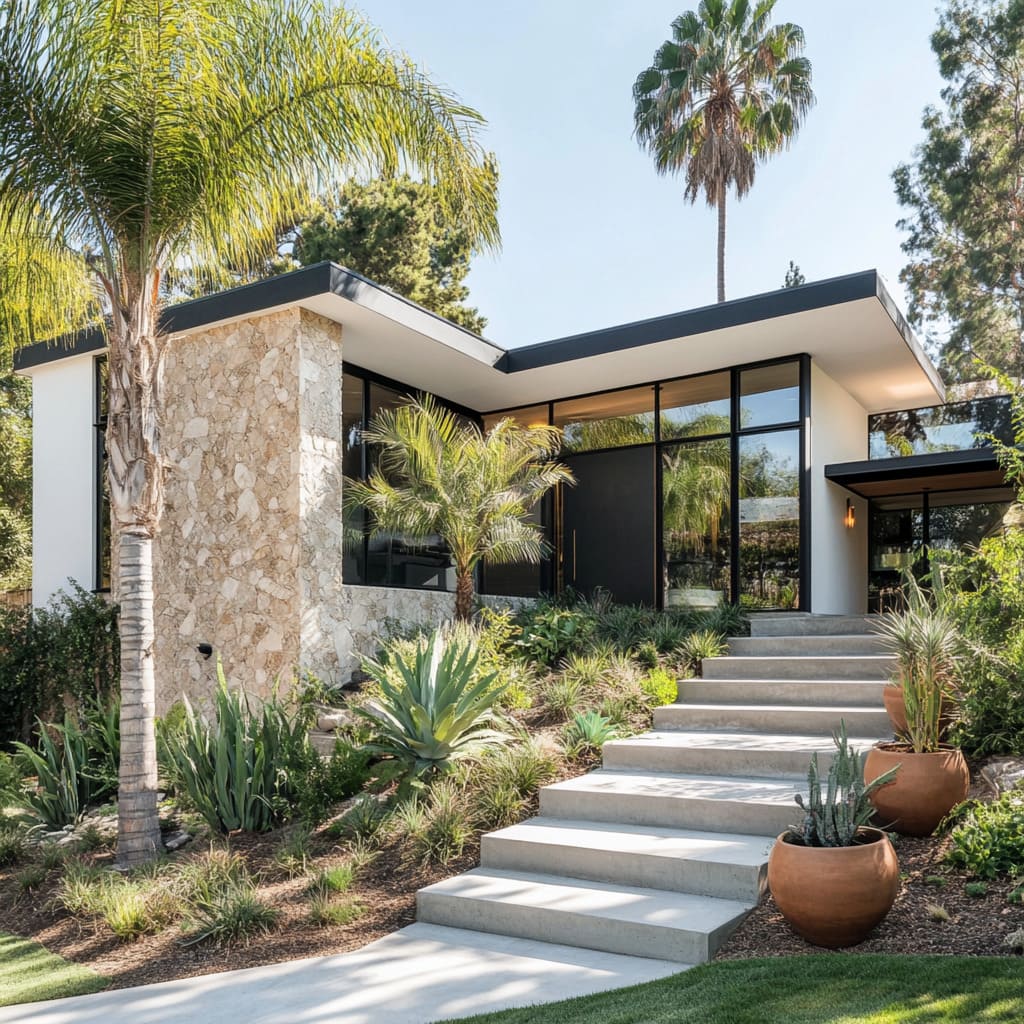
Low-pitched or flat roofs with wide overhangs to handle rain and shade interiors.
Expansive floor-to-ceiling windows connecting indoor and outdoor spaces.
Use of natural materials: cedar, fir, stone, glass, and exposed beams.
Open floor plans emphasizing light, flow, and function.
Strong connection to nature through decks, courtyards, and forest views.
Designed for BC’s climate — integrating energy efficiency and rain protection.
A Style Born of Rain, Cedar, and Mountain Light
If there’s one home style that truly belongs to British Columbia, it’s the West Coast Contemporary.
It isn’t imported or borrowed — it grew here, out of the province’s topography, climate, and way of life. The first architects who shaped this aesthetic — like Ron Thom, Fred Hollingsworth, and Arthur Erickson — weren’t trying to build monuments. They were trying to make houses that breathed with the forest, absorbed the rain, and opened to the sea.
The result was something strikingly different from traditional North American architecture: low-slung rooflines instead of peaks, cedar instead of brick, glass instead of drywall, and layouts that blur the boundary between inside and out.
Today, this style defines the landscape of the North Shore, Bowen Island, Whistler, the Gulf Islands, and even suburban pockets of Coquitlam and Port Moody. It’s both regional and aspirational — a design language that says West Coast louder than any ocean view ever could.
How It Began: A Regional Architecture With a Purpose
The West Coast Contemporary movement began in the postwar years of the 1940s–1960s, when BC’s population and cities were expanding rapidly. Architects and builders were faced with an environment that was different from anything in central or eastern Canada: rainforest humidity, irregular terrain, and breathtaking but challenging building sites carved into slopes and forests.
Instead of forcing English or European architectural templates onto this landscape, local designers asked: what if homes were designed for BC itself?
They turned to modernism for structure — flat planes, open interiors, minimal ornamentation — but softened it with regional materials and natural forms. The houses hugged the land, using post-and-beam construction that allowed for wide, open interiors without heavy supporting walls. Glass became a key element, connecting occupants to light, trees, and views year-round.
Arthur Erickson once described it as “architecture of patience” — buildings that didn’t dominate their environment but grew from it.
Core Design Elements That Define the Style
At its heart, a West Coast Contemporary home is all about connection — between form and function, home and landscape, material and emotion.
Here’s what makes it instantly recognizable:
Low, Horizontal Rooflines - Flat or gently sloped roofs stretch far beyond the walls to protect from rain and sun. These overhangs are practical (for BC’s rainfall) and aesthetic, emphasizing the home’s grounded, natural shape.
Exposed Structural Elements - Beams, rafters, and wood framing aren’t hidden — they’re celebrated. It’s part of the honesty of the design. The structure is the style.
Extensive Use of Glass - Floor-to-ceiling windows, clerestory panes, and glass sliding doors create openness and dissolve the barrier between inside and outside.
Natural Materials - Cedar is king. Often paired with stone, slate, and glass, the material palette is earthy and tactile — homes that age beautifully with weather.
Open-Plan Interiors - Walls are minimized. Living areas flow into one another, often centered around a stone fireplace or view-facing window wall.
Connection to Nature - Decks, courtyards, and terraces are integral to the design, not afterthoughts. Landscaping is intentionally wild or native, blending the built and natural environments.
Regional Variations Across British Columbia
Because this style was born regionally, it adapts seamlessly to BC’s microclimates:
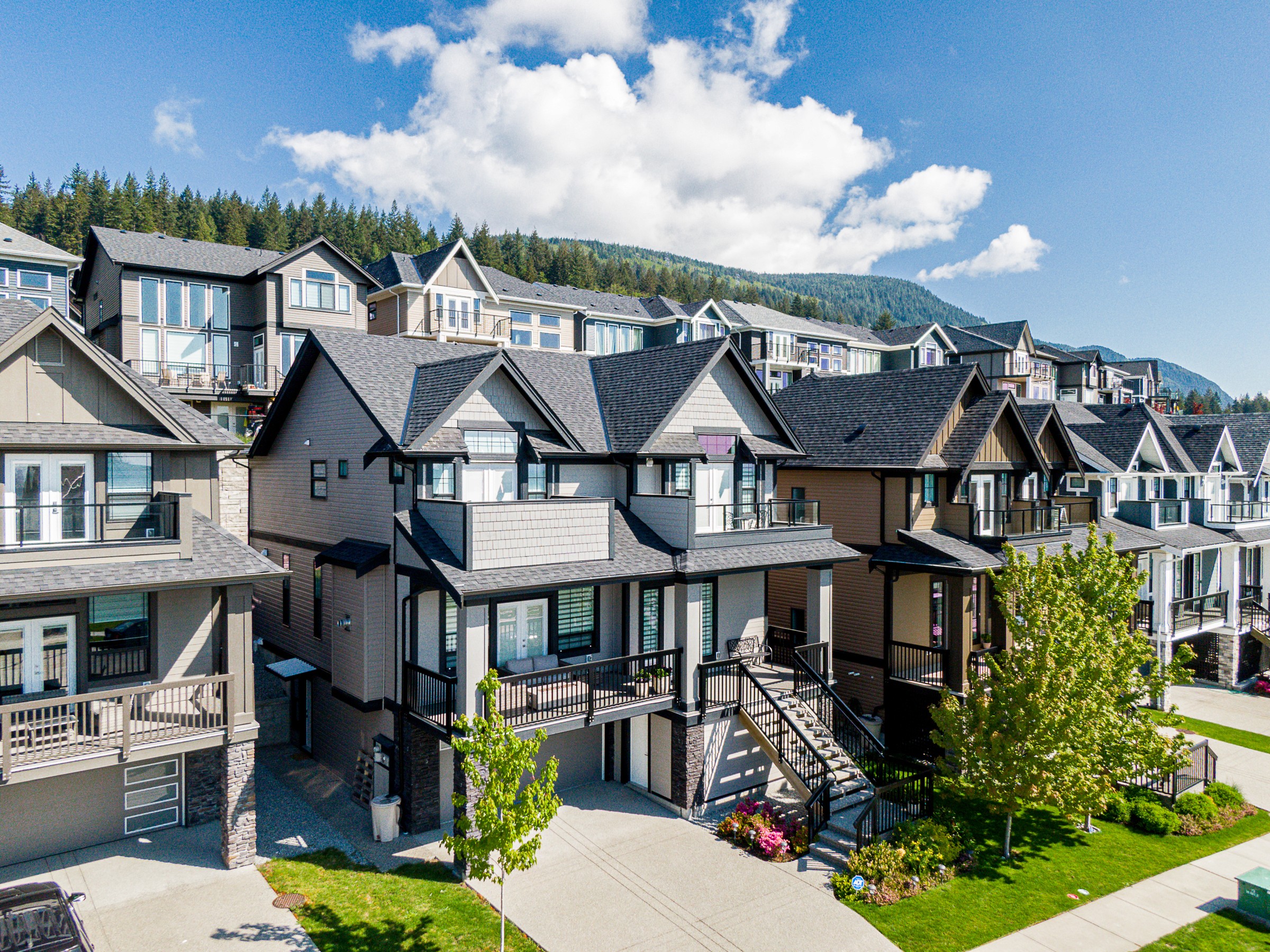
Vancouver and the North Shore - Expect sleek, multi-level homes perched on wooded lots, often with cantilevered decks and panoramic views. Cedar siding weathers into silver-gray, matching the mist and mountain palette.
Whistler and the Sea-to-Sky Corridor - The same principles apply, but materials get heavier — thicker timbers, deeper eaves, and more stone to handle snow loads. It’s part chalet, part modernist cabin.
Vancouver Island and the Gulf Islands - Here the design turns softer and more coastal. You’ll see lighter wood tones, more natural rock landscaping, and often hybrid designs with elements of Pacific Northwest Modern.
The Interior and Okanagan - Sun and heat change the balance. Larger overhangs and shaded courtyards appear, while materials like stucco and steel may mix with wood for durability.
Why It Endures: The Philosophy Behind the Form
What’s remarkable about the West Coast Contemporary style is how it’s aged. Homes built in the 1960s still look progressive. That’s because the design was never about fashion — it was about principles.
Light: Every room should have natural light and a view.
Flow: Spaces should open to each other, without unnecessary separation.
Simplicity: Beauty should come from proportion and material, not decoration.
Sustainability: Long before “green building” was a trend, these homes used passive solar design and local materials.
That’s why, even now, new luxury builds on the North Shore or Bowen Island follow the same blueprint — cedar, glass, and the horizon line.
The Modern Revival: Contemporary West Coast
Over the past decade, the West Coast Contemporary style has evolved again — this time merging with minimalism and energy-efficient technology.
The aesthetic is cleaner and more geometric, with black metal cladding and oversized windows replacing the rustic tone of earlier designs. Yet the spirit remains the same.
Today’s Contemporary West Coast homes often feature:
Hybrid materials (cedar, steel, glass, and concrete)
Solar or green roof systems
Smart home integration
Rainwater management and sustainable drainage
Floor plans that emphasize outdoor living
In areas like West Vancouver, Lions Bay, and Squamish, this new generation of homes commands some of the highest per-square-foot prices in Canada outside of Toronto.
Market Insights: Where and How They Sell
West Coast Contemporary homes occupy a unique segment of BC’s real estate market — one that straddles heritage, design, and luxury.
Pricing varies dramatically depending on location and authenticity:
Original mid-century designs by noted architects can sell for over $3–5 million in West Vancouver or North Vancouver, depending on restoration quality.
Modern rebuilds following the same design ethos often start at $2 million and climb fast, especially on view lots.
Smaller, modest versions in older suburbs or islands range from $900,000 to $1.5 million — still highly desirable for buyers seeking “the BC look.”
Buyers are drawn to these homes for more than aesthetics. They represent a lifestyle — privacy, light, and a sense of calm tied to the landscape. They appeal strongly to professionals, architects, and creative buyers who see architecture as part of daily living.
Buying or Renovating a West Coast Contemporary Home
If you’re buying one, here’s what matters most:
Preserve the proportions. Adding height or changing rooflines ruins the balance.
Respect the materials. Cedar can be refinished; fake wood cannot.
Don’t over-modernize. These homes thrive on subtlety. Excessive glass or gloss can feel sterile.
Upgrade for efficiency. Many older builds predate insulation codes, so retrofitting is crucial.
Landscape naturally. Gravel, native plants, and rock are part of the aesthetic — not manicured lawns.
For those renovating, working with architects familiar with this style (firms like BattersbyHowat, Lang Wilson, or Measured Architecture) ensures authenticity and adds resale value.
Why It Still Defines BC’s Architectural Identity
The West Coast Contemporary home is more than a style — it’s BC’s architectural soul.
It grew from local materials, built for the province’s unique weather, light, and terrain. It doesn’t mimic California modernism or European minimalism; it speaks its own dialect of wood and rain.
Even as glass towers dominate downtown skylines, the West Coast Contemporary remains the province’s truest reflection of “home.” It’s where architecture meets ecology, where design is both a shelter and a statement.
In a world obsessed with square footage and showiness, BC’s own style still whispers its truth: less flash, more substance; less ego, more environment.
Regional Variations Across British Columbia
While the West Coast Contemporary aesthetic is rooted in Vancouver’s forested coastline, its adaptations across BC reveal how deeply it responds to geography. It’s less a single design formula and more an architectural language that changes with light, temperature, and landscape.
Metro Vancouver: The Birthplace of the Style
In North and West Vancouver, this is where the purest expressions still stand — homes built into the slopes, wrapped around Douglas firs, cantilevered over ravines. Architects like Ron Thom, Barry Downs, and Arthur Erickson designed homes that looked as if the forest itself dictated every line.
These homes use natural cedar siding, deep roof overhangs, and panoramic glazing to blur the boundary between inside and out. The colour palette mirrors the forest — browns, greys, greens, and the silvers of weathered wood.
Modern iterations, however, have evolved: today’s builds use dark metal cladding, charred wood siding (Shou Sugi Ban), and triple-glazed aluminum windows, all while maintaining the original idea of merging nature and modernism.
Sea-to-Sky Corridor: Squamish to Whistler
Further north, the West Coast Contemporary home becomes more rugged. Snow loads dictate steeper roof pitches, and materials lean heavier — stone bases, heavy timber beams, thicker insulation.
Here, the glass expanses are less about open ocean views and more about framing alpine peaks and forested valleys.
Whistler’s version of the style often blurs with Modern Chalet architecture — big overhangs for snow shedding, wraparound decks, and oversized windows to bring in the low winter sun. It’s a luxury evolution of the same philosophy: homes that feel like an extension of the mountain.
Vancouver Island: The Oceanfront Adaptation
In Victoria, Nanaimo, and Tofino, the style becomes softer, airier, and more weathered. Ocean spray and salt demand low-maintenance materials: fibre-cement panels, metal roofs, and composite decking.
The design vocabulary remains — natural materials, open layouts, seamless indoor-outdoor transition — but everything feels slightly lighter.
Here, the homes often sit on clifftop sites or beachfront lots, emphasizing the relationship with water and sky. The interiors lean toward coastal minimalism — wide-plank oak floors, whitewashed walls, and furnishings that echo driftwood tones.
Interior BC: The Prairie-Edge Reinterpretation
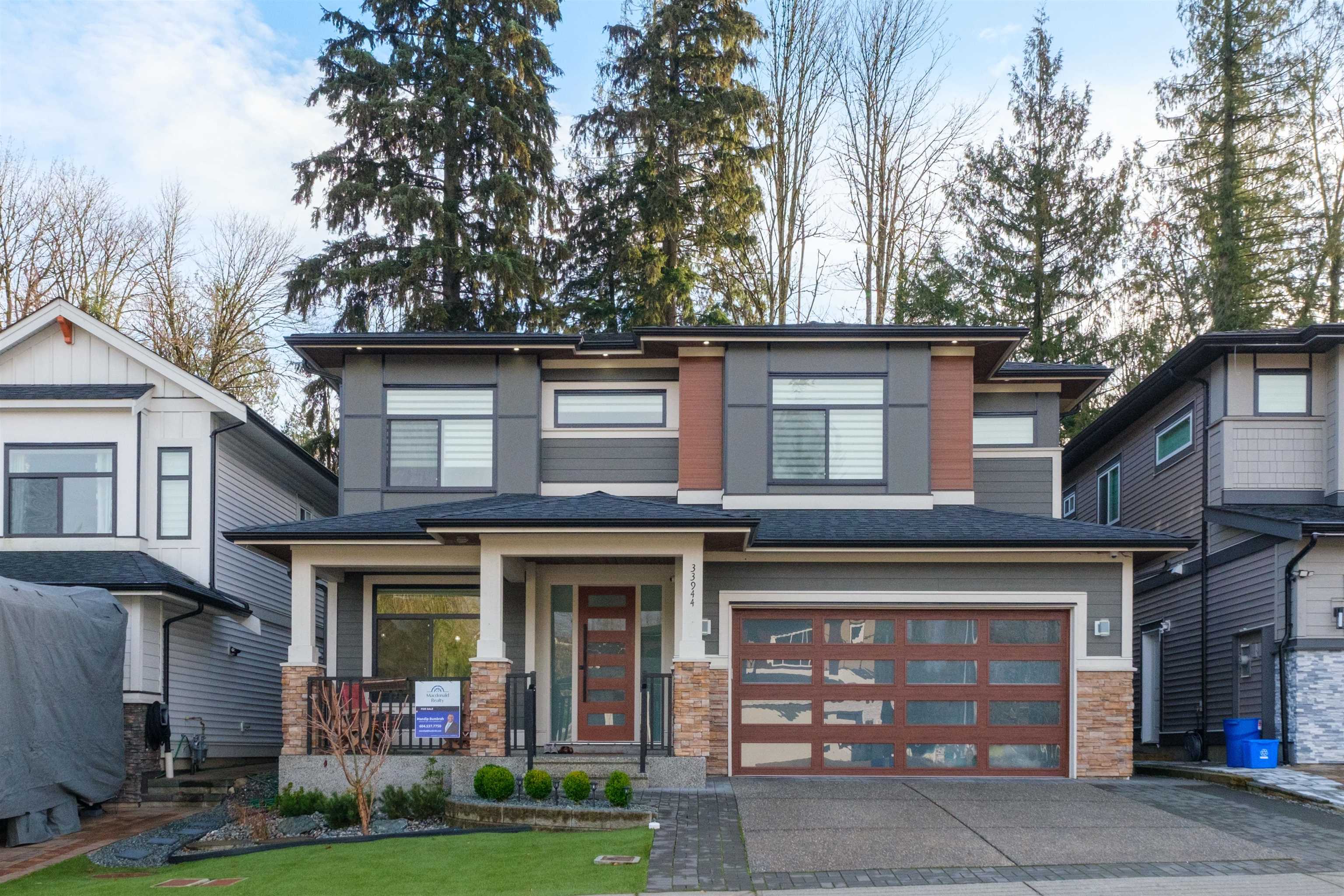
In areas like Kelowna and Kamloops, “West Coast Contemporary” is more of a design influence than a full style. You’ll see sloped metal roofs, horizontal cedar siding, and minimalist facades, but the homes adapt to a hotter, drier climate.
They often combine the look with stucco, stone veneers, and energy-efficient glazing to deal with intense sunlight and temperature swings.
These are less forest-hugging retreats and more sun-facing showcases, balancing BC modernism with Okanagan practicality.
Modern Interpretations and Architectural Evolution
West Coast Contemporary design didn’t stop evolving in the 1970s — it’s having a quiet resurgence, reimagined for today’s climate, sustainability standards, and digital-age lifestyles.
Sustainability: From Vision to Code
What was once a radical idea — designing with nature — is now baked into BC Building Code standards.
Modern homes use:
Passive solar orientation (positioning the home to capture winter sun and shade summer heat).
High-performance envelopes with exterior insulation.
Cross-laminated timber (CLT), a renewable structural alternative to steel or concrete.
Green roofs and rainwater harvesting to minimize runoff.
Ironically, the “eco-homes” that developers now advertise are simply modern echoes of what West Coast architects were already doing 60 years ago — designing smarter, not harder.
The Aesthetic Shift
Today’s buyers want the West Coast feel without the 1960s footprint. Architects have responded with:
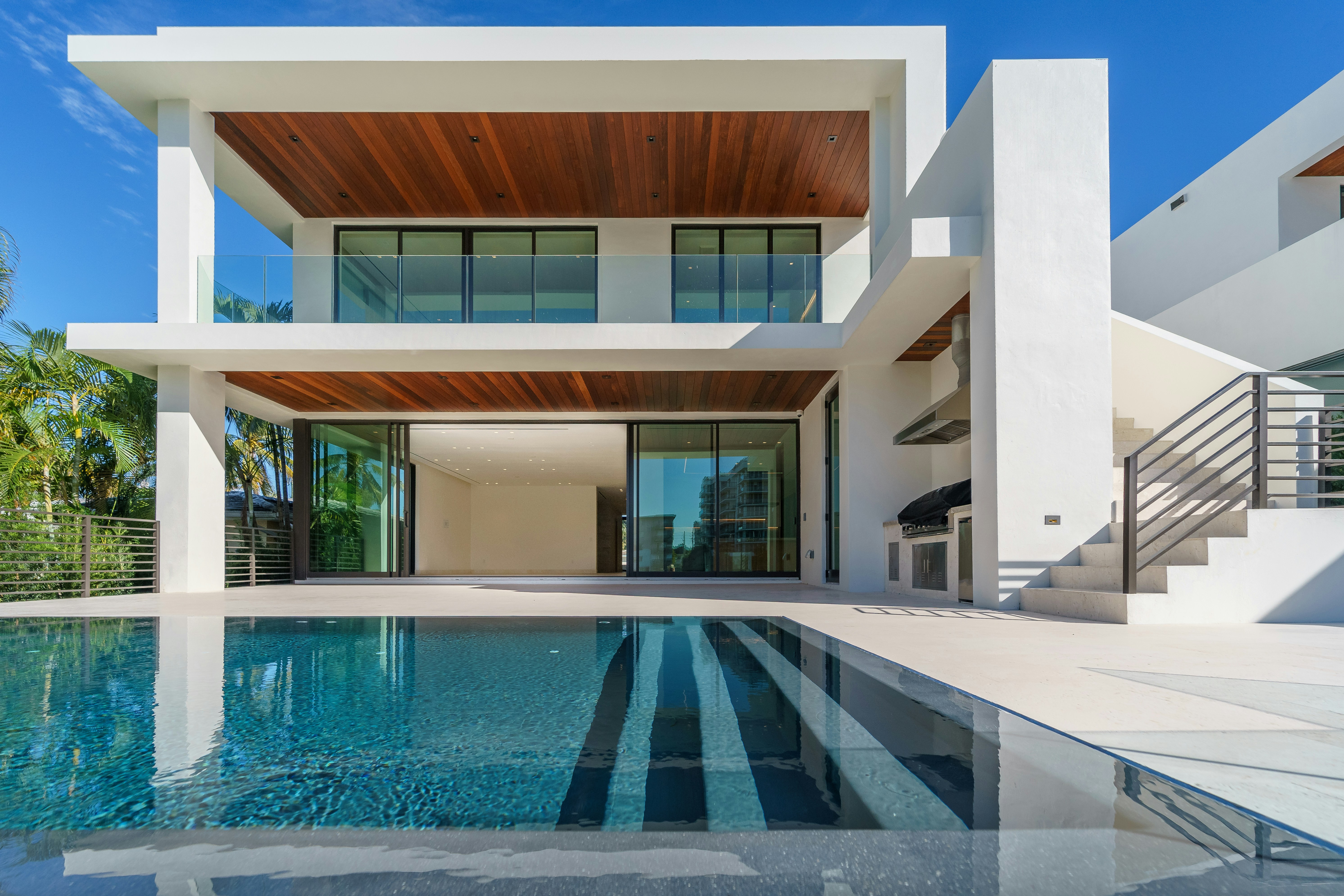
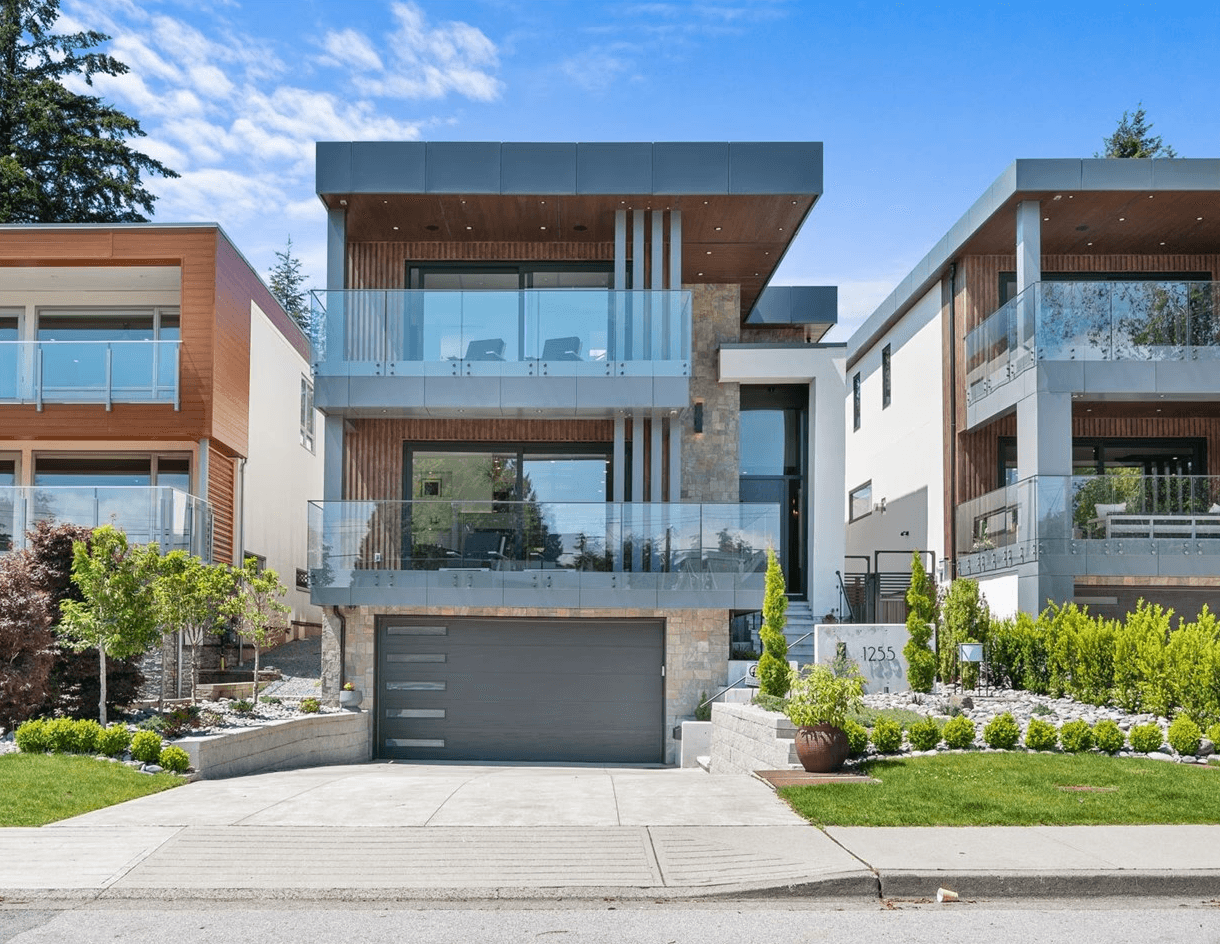
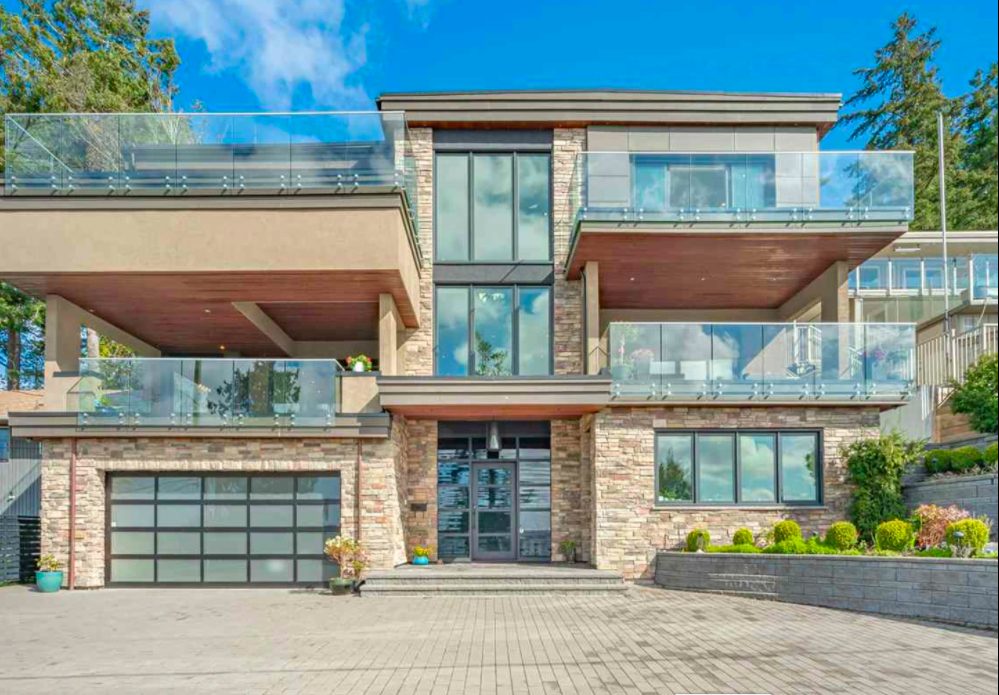
Flatter rooflines (less overhang, more cubic massing).
Mixed materials (cedar with metal, glass, and concrete).
Integrated outdoor living spaces — covered patios with heaters, outdoor kitchens, and hot tubs surrounded by native planting.
It’s still about blending architecture with environment, but it now aligns with a luxury minimalist sensibility: open layouts, art-gallery walls, and frameless glass railings that let the view dominate.
Tech-Integrated Living
The original designs prioritized passive efficiency — nature did the regulating. Today, technology complements that:
Smart thermostats adjust based on solar exposure.
Automated blinds sync with daylight cycles.
Solar arrays and EV charging stations are becoming standard in new builds.
Modern West Coast Contemporary homes are as digitally responsive as they are architecturally sensitive.
Market Insights: Where and Why These Homes Sell
The market for West Coast Contemporary homes is unique — it’s part architectural heritage, part aspirational lifestyle.
Vancouver and North Shore: The Epicenter of Value
On the North Shore, original mid-century homes (1950s–70s) are increasingly coveted by architects and design-savvy buyers who see them as undervalued modernist landmarks.
But there’s tension: developers often demolish them for larger, more profitable rebuilds. Preservation groups like the West Coast Modern League advocate to protect these architectural gems, while newer buyers see them as ideal renovation projects — homes with soul, ready for smart updates.
Typical price range (as of 2025):
Original mid-century homes: $2.5M–$4M depending on view and lot size.
Modern rebuilds: $4M–$8M+ in West Vancouver, often commanding premium pricing due to design pedigree and integration with nature.
Whistler and Sea-to-Sky: The Luxury Retreat
Here, the West Coast Contemporary home merges with chalet design — cedar, stone, and glass. Buyers are often out-of-province professionals or international investors seeking architectural retreats.
These homes command a premium for their design integrity and view corridors. Expect $3M–$10M+ for top-tier builds, particularly around Nita Lake, Alta Lake, and Kadenwood.
Vancouver Island: Oceanfront Tranquility
In places like Ucluelet, Tofino, and Cordova Bay, this style is the go-to for high-end oceanfront projects. Developers use the look to signal “luxury with humility” — modern design without urban arrogance.
Prices range from $1.5M–$5M+, depending on proximity to the ocean and local demand.
Okanagan: The Adapted Aesthetic
The Okanagan version leans sunbelt modern — same spirit, drier landscape. Builders pair cedar tones with white stucco and metal roofs, calling it “West Coast Modern.” It resonates with affluent retirees and young professionals seeking a sophisticated but natural aesthetic.
Typical homes sell in the $1.2M–$3.5M range, depending on lot orientation and lake view.
Buying and Renovating Tips
If you’re considering a West Coast Contemporary home, understanding its design DNA is essential — not just to appreciate its value, but to maintain it properly.
1. Respect the Architecture - Avoid over-renovating or erasing what makes the home authentic — exposed beams, asymmetrical lines, natural wood. Overly modernizing with flat drywall and bright white interiors often destroys the home’s original charm and resale appeal.
2. Watch for Moisture Issues - Many mid-century homes used flat or low-slope roofs without today’s waterproofing membranes. Check for proper drainage, rot in cedar cladding, and ventilation in crawl spaces.
3. Embrace Energy Upgrades - These homes respond beautifully to passive retrofits: new glazing, exterior insulation, and upgraded air sealing dramatically improve comfort without changing appearance.
4. Mind the Lot - The architecture is inseparable from the land — the slope, trees, and views are part of the design. Over-landscaping or removing too much natural vegetation can throw off the balance that defines the home’s aesthetic.
5. Know the Market Value - Because of their architectural significance, true West Coast Contemporary homes often hold value better than generic builds, especially among design-conscious buyers.
More Than a Style — A Philosophy
West Coast Contemporary isn’t just about cedar, glass, and angled roofs. It’s a philosophy that treats architecture as part of the ecosystem.
It’s about listening — to the rain, the slope, the view, and the trees.
In a world of mass-produced housing, these homes remain one of the few design traditions that reject the idea of the lot as a blank canvas. Instead, they ask: How can we live within nature, not against it?
And that question — born in the forests of British Columbia — continues to define the future of sustainable luxury living.