West Coast Craftsman Homes in British Columbia

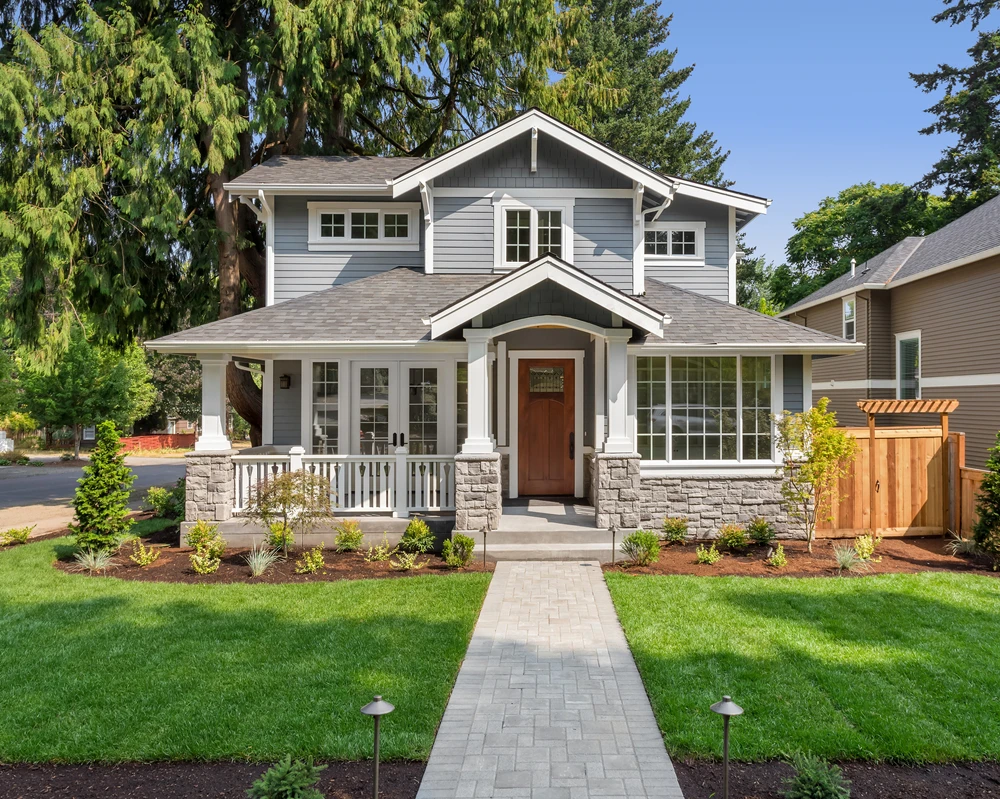
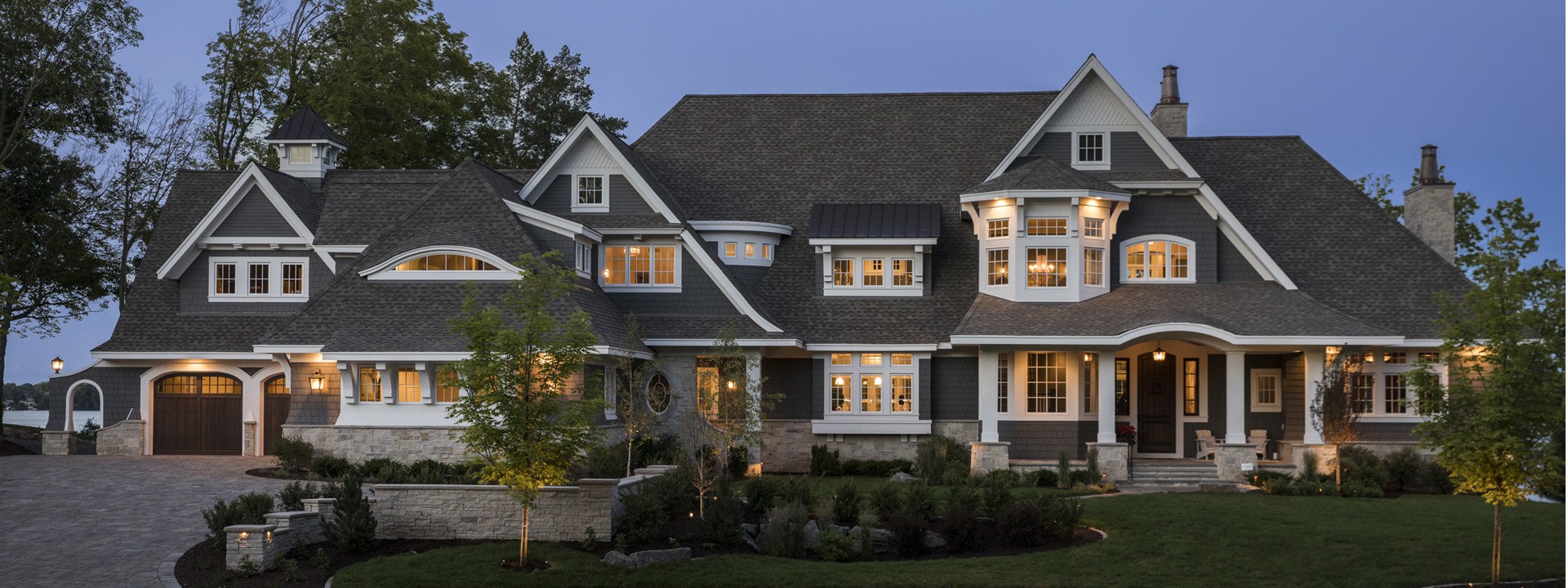
Beloved for its warmth and detail, the Craftsman style is one of BC’s enduring favorites. It combines hand-crafted appeal with natural materials — cedar shakes, stone accents, and wood trim — giving homes a timeless, “made by hand” look. BC’s West Coast Craftsman variation adds broader eaves and larger windows to suit the coastal light and rain. Expect earthy tones, front porches made for coffee, and interiors with built-in woodwork and fireplaces. Buyers love it for its solid, grounded feel in an era of glass and steel.
Commonly Seen:
North Vancouver, Coquitlam, Port Moody, older Burnaby, Victoria
Key Features:
Low-pitched, gabled roofs with wide eaves and exposed rafters.
Deep front porches supported by tapered columns or stone bases.
Handcrafted wood details — window trim, beams, and built-ins.
Earthy, natural materials: cedar shingles, stone, and brick accents.
Cozy, functional floor plans with central fireplaces.
Emphasis on craftsmanship and organic integration with the landscape.
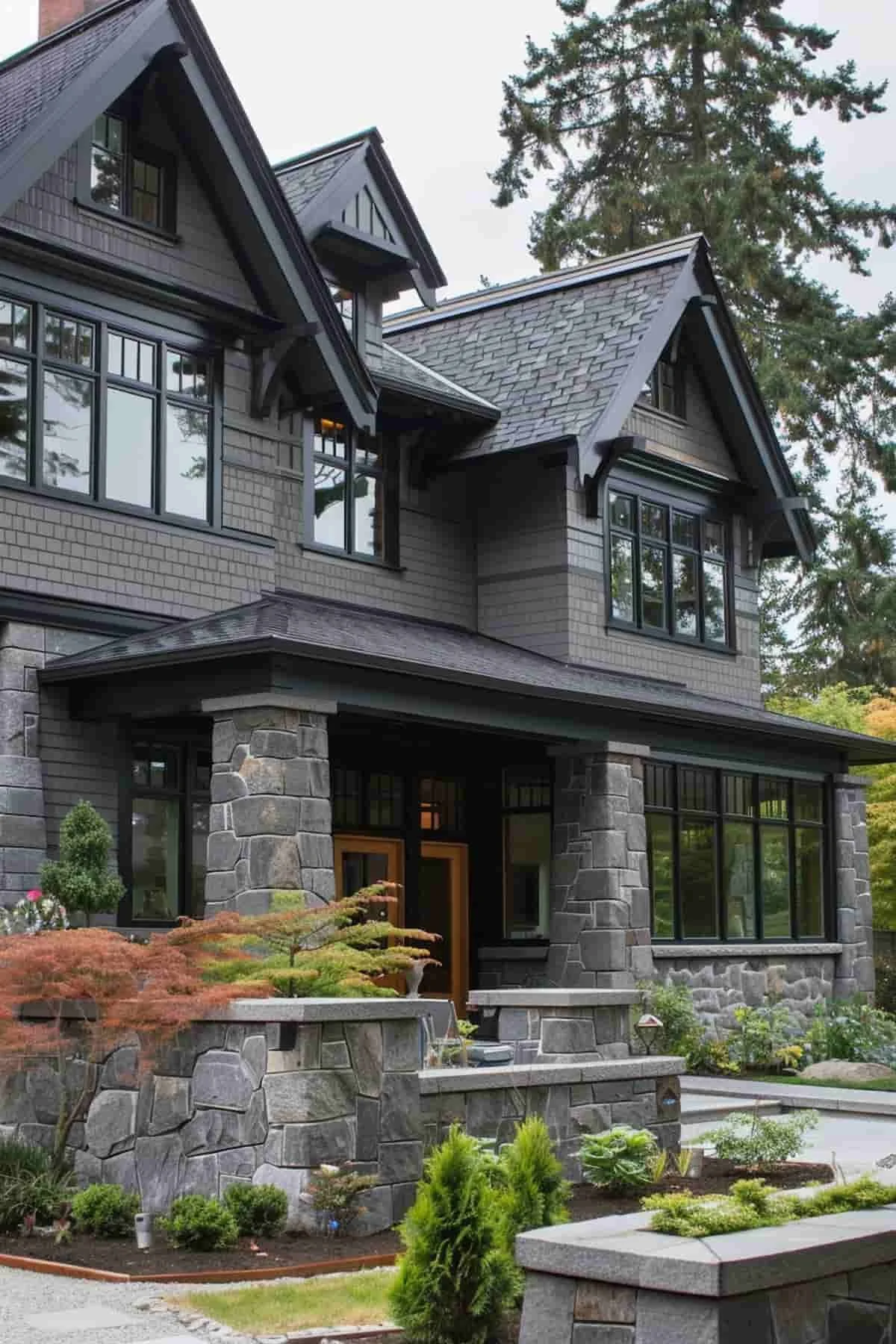
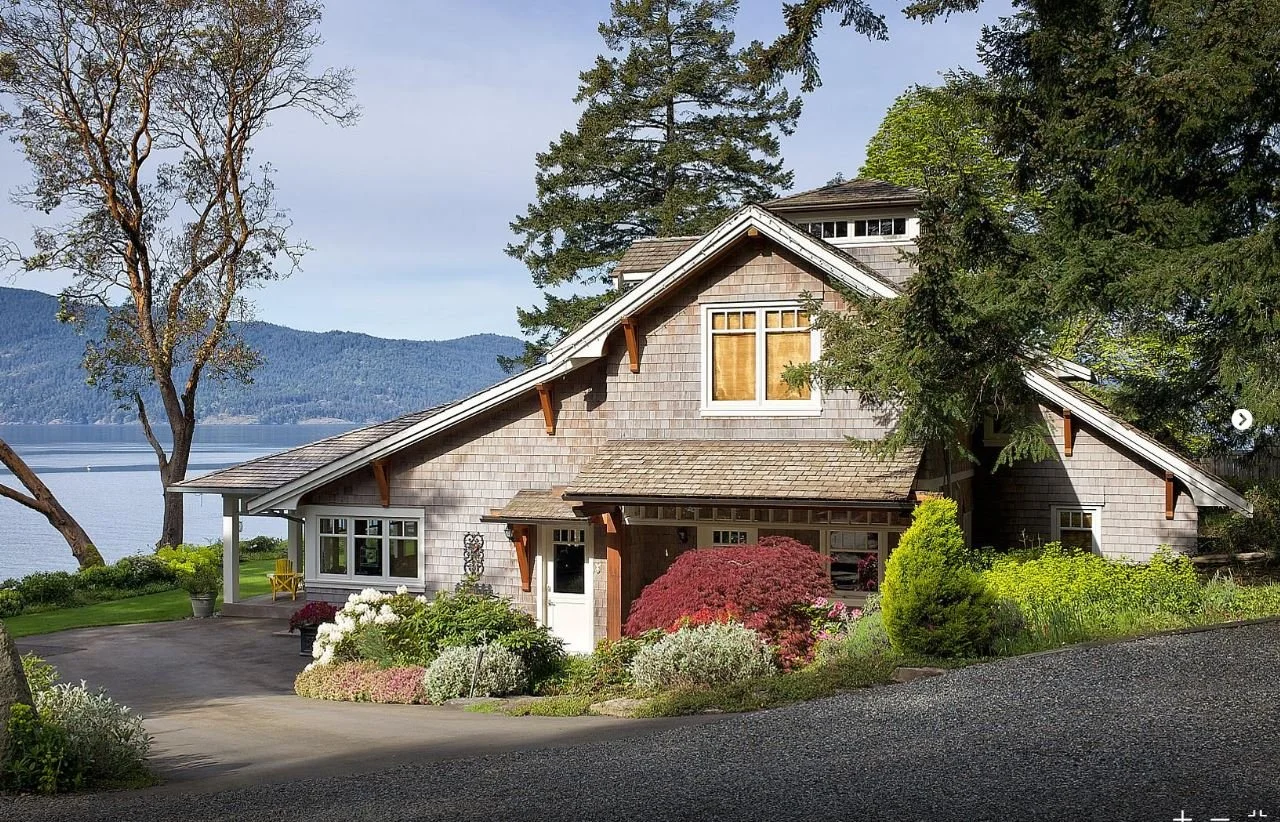
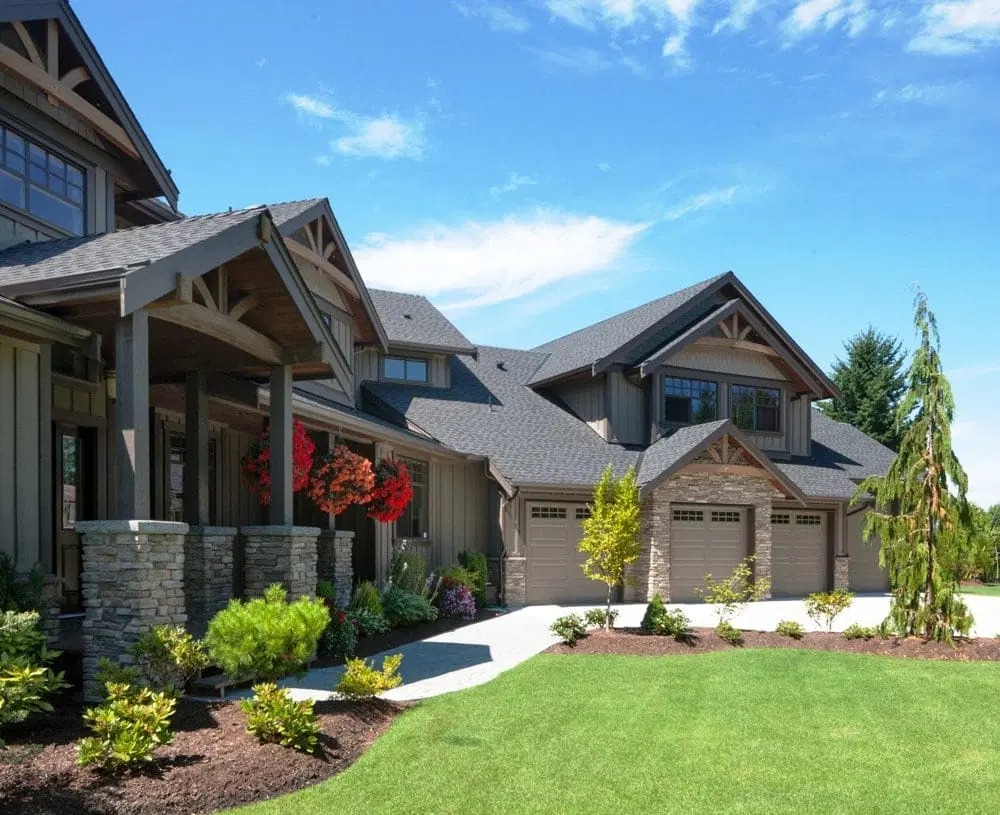
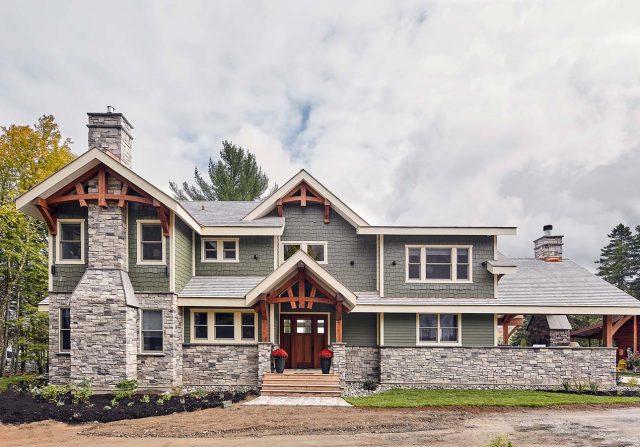
The Soul of the West Coast
When people think of home in British Columbia — the kind that smells like cedar after rain, with stone fireplaces, deep overhangs, and exposed beams — they’re usually picturing a Craftsman.
This architectural style isn’t just common here; it’s part of the province’s cultural DNA. From 1910s bungalows in Vancouver’s Kitsilano and Mount Pleasant, to the modern Craftsman estates lining the hills of North Vancouver, Coquitlam, and Langley, this design language has endured for over a century.
The Craftsman home represents something deeply British Columbian: a love of nature, craftsmanship, and comfort — the idea that a home should be hand-built, warm, and honest.
Even as architecture trends shift toward glass minimalism and concrete modernism, Craftsman homes remain timeless — and increasingly, they’re being reinvented in luxurious, contemporary ways.
Origins: From American Arts & Crafts to BC Character Homes
1. The Birth of the Craftsman
The Craftsman style emerged in the early 1900s as a reaction to the Industrial Revolution’s mass-produced excess.
Inspired by the Arts and Crafts movement in Britain — led by figures like William Morris — it celebrated artisanal work, natural materials, and integrity of construction.
Architects like Greene & Greene in California popularized the look:
Low-pitched roofs with wide eaves
Tapered columns
Exposed rafters and beams
Handcrafted stone and wood detailing
These homes weren’t built for show — they were built to feel lived in, with every detail reflecting craftsmanship and honesty.
2. The Arrival in British Columbia
When this style arrived in BC in the early 20th century, it found the perfect setting.
The West Coast’s rugged forests, stone-laden shorelines, and temperate climate suited Craftsman design beautifully.
Local builders adapted the Californian look to our wetter weather and steeper lots, leading to what we now call the West Coast Craftsman — an evolution that married Arts & Crafts warmth with mountain architecture.
By the 1920s, Vancouver’s residential neighborhoods were dotted with Craftsman bungalows — sturdy, human-scaled, and deeply tied to the landscape.
Anatomy of a Craftsman Home
1. The Exterior: Substance and Shelter
A true Craftsman looks solid — rooted to the ground, often with stone bases, deep porches, and sloped roofs that seem to shelter the house like a canopy.
Common exterior features:
Low-pitched gabled roofs with wide, overhanging eaves
Exposed rafters and decorative brackets
Mixed natural materials — shingle siding, river rock, timber, and brick
Covered porches supported by tapered square columns
Dormers adding both light and charm
In West Coast versions, you’ll often see cedar shingles, basalt stone, and generous glazing — merging the cozy Craftsman aesthetic with BC’s love for natural light and view corridors.
2. The Interior: Warmth and Woodwork
Step inside a Craftsman, and you’ll feel it immediately — the warmth, the weight of solid wood, the hand-built joinery.
Defining interior traits:
Beamed ceilings and rich millwork
Built-in cabinetry — benches, bookshelves, sideboards
Open floor plans (for their time) promoting family gathering
Natural materials like oak, fir, and slate
Art-glass windows and handcrafted lighting
Even modest early Craftsman bungalows had a tactile richness — a sense that every detail, from doorknobs to window casings, had been touched by human hands.
3. West Coast Evolution
Modern interpretations — often called “West Coast Craftsman” — scale up the proportions. You’ll find:
Vaulted great rooms with exposed trusses
Larger windows (often floor-to-ceiling)
Stone-and-timber facades with heavy overhangs
Natural palettes of brown, grey, green, and black
These homes balance grandeur with intimacy — luxury built from earth, wood, and craftsmanship rather than glass and gloss.
Regional Expressions Across BC
1. Vancouver’s Heritage Heart
Vancouver is arguably Canada’s Craftsman capital.
Neighbourhoods like Kitsilano, Dunbar, Point Grey, and Grandview-Woodland are filled with early 20th-century Craftsman bungalows — many lovingly restored, some updated into modern hybrids.
In the city, these homes are prized for:
Their historical authenticity
Front porches and gardens connecting to tree-lined streets
Deep character that modern condos can’t replicate
Renovating them has become an art form. Homeowners preserve beams, fireplaces, and wood windows while opening interiors to match today’s lifestyle.
2. North Shore: Mountain Craftsman
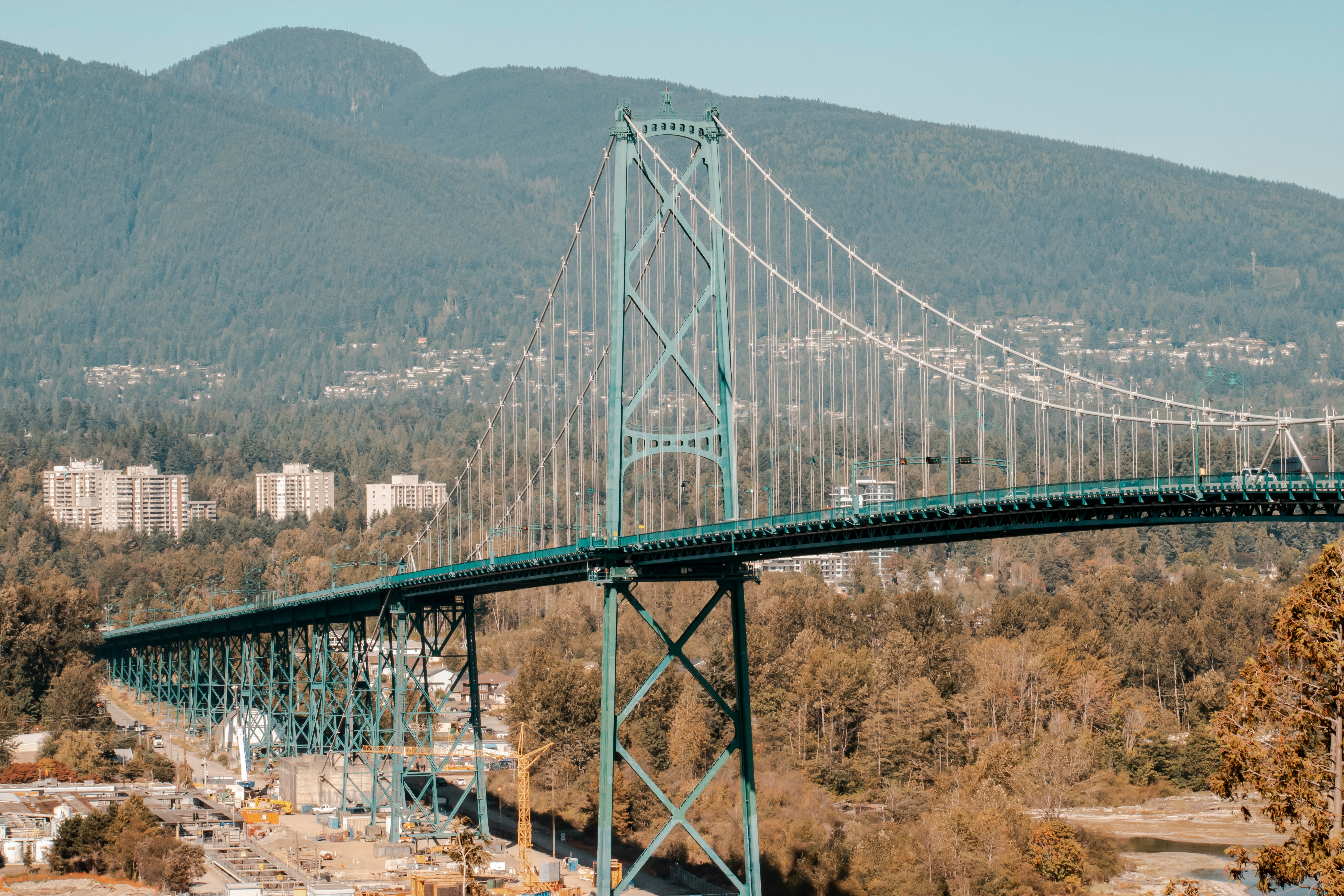
Across the bridge, in North Vancouver and West Vancouver, the Craftsman takes on a bolder, more structural form.
Homes here often sit on steep wooded lots, with stone retaining walls and dramatic rooflines.
The North Shore Craftsman reflects the alpine-modern spirit — rustic yet sophisticated:
Cedar and glass exteriors that age gracefully
Open living spaces with cathedral ceilings
Massive fireplaces of granite or basalt
Builders like Marvin De Jong and West Coast Modern Homes have turned this aesthetic into an enduring BC signature.
3. Fraser Valley and Tri-Cities
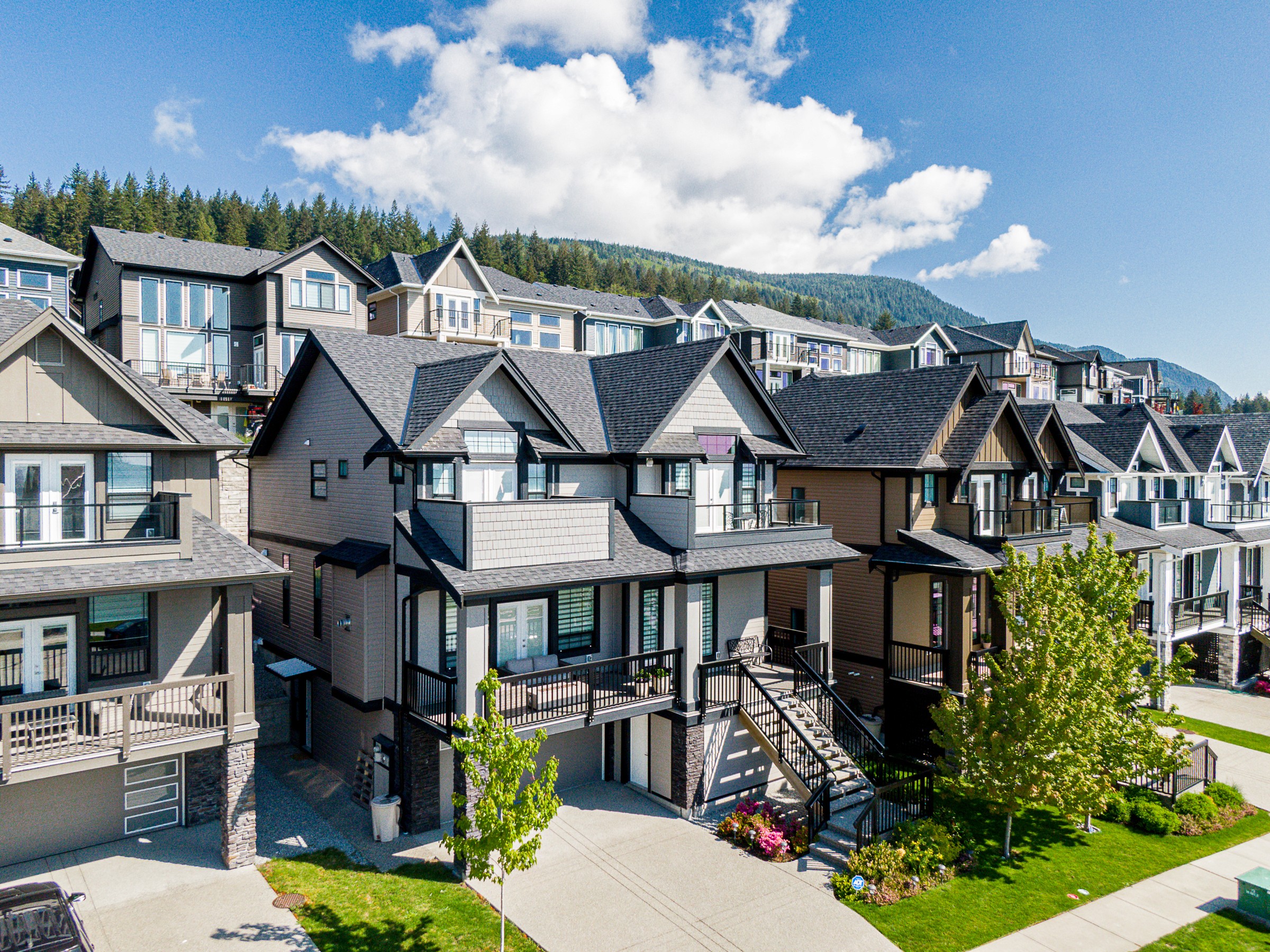
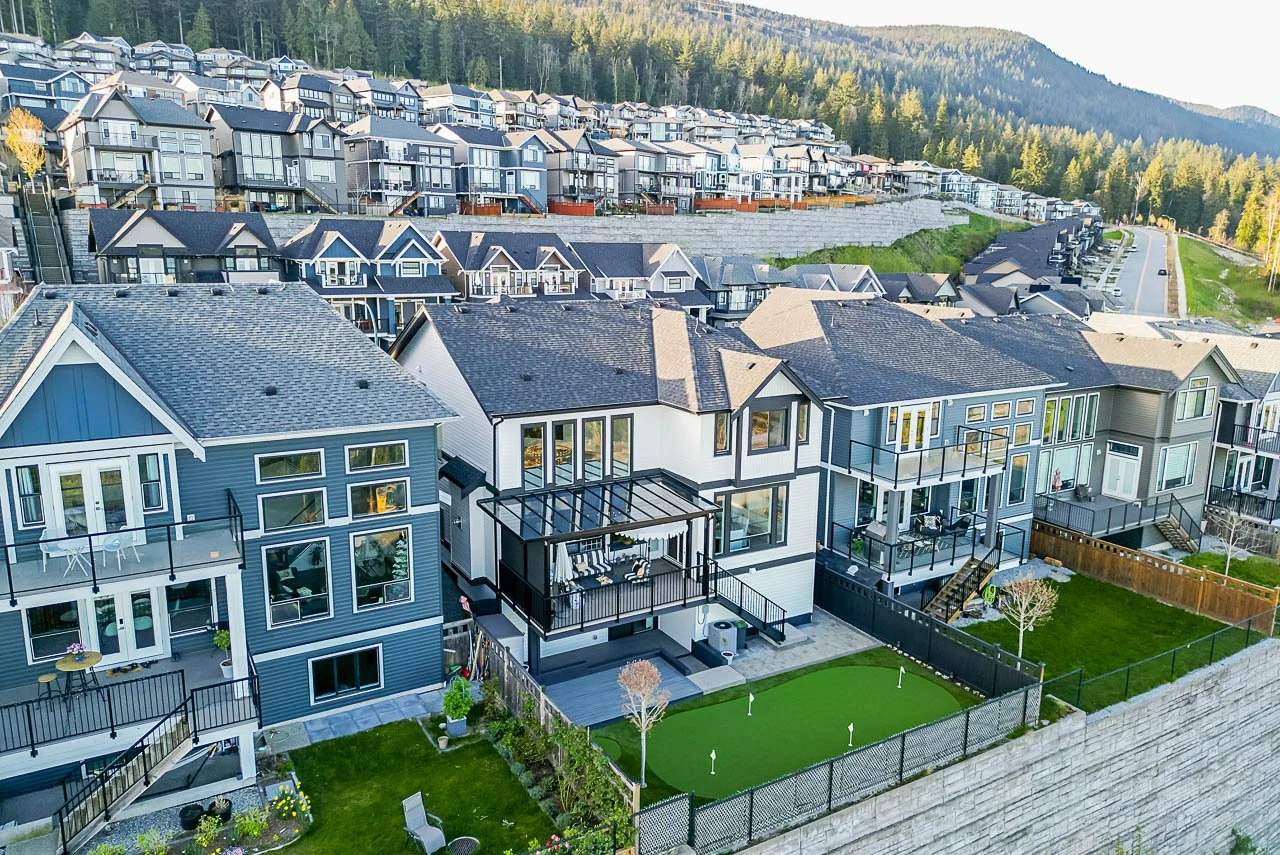
In newer suburbs like Coquitlam, Port Moody, Langley, and Abbotsford, the Craftsman aesthetic dominates family housing developments.
You’ll see it in everything from luxury detached homes to townhouse complexes: tapered posts, decorative gables, and shingle-style façades.
While not hand-built like their early 1900s counterparts, these homes use Craftsman cues to convey comfort and authenticity — a visual antidote to soulless spec builds.
4. Okanagan & Vancouver Island
In the Okanagan, the Craftsman merges with resort living — lakefront lodges in Kelowna, Penticton, and Peachland built with stone, timber, and big decks overlooking the water.
On Vancouver Island, especially around Victoria, Nanaimo, and Parksville, the style skews toward Arts & Crafts revival — heritage-inspired but simplified, often with earthy color palettes and natural landscaping.
Craftsmanship: The Art Behind the Architecture
The magic of the Craftsman lies in its details. Every joint, beam, and finish speaks of the builder’s hand.
In the early days, this craftsmanship was literal — local carpenters and masons carved and assembled homes piece by piece.
Today, while construction techniques have evolved, the ethos remains: honesty, durability, and visible structure.
Core principles of the Craftsman philosophy:
Authenticity: Let materials express themselves — don’t fake wood or stone.
Harmony with nature: The home should belong to its site.
Function first: Beauty through utility.
Human scale: Design for comfort and proportion, not grandiosity.
This philosophy resonates deeply in British Columbia, where natural beauty demands respect and subtlety from architecture.
The Modern Revival
Over the last decade, Craftsman design has made a major comeback, both in custom homes and suburban development.
But today’s versions are evolving — blending traditional warmth with modern performance.
1. Hybrid Craftsman-Modern Homes
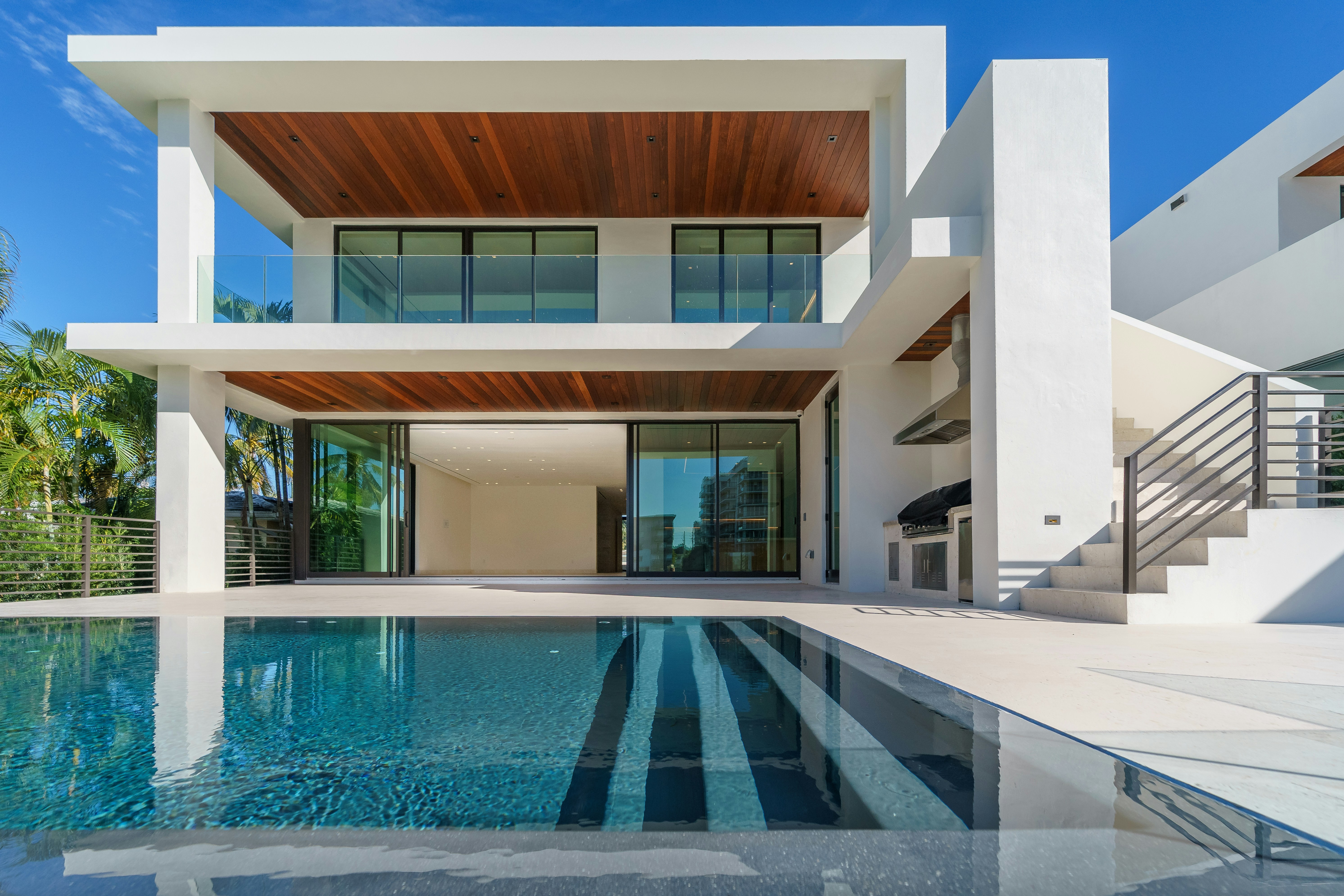
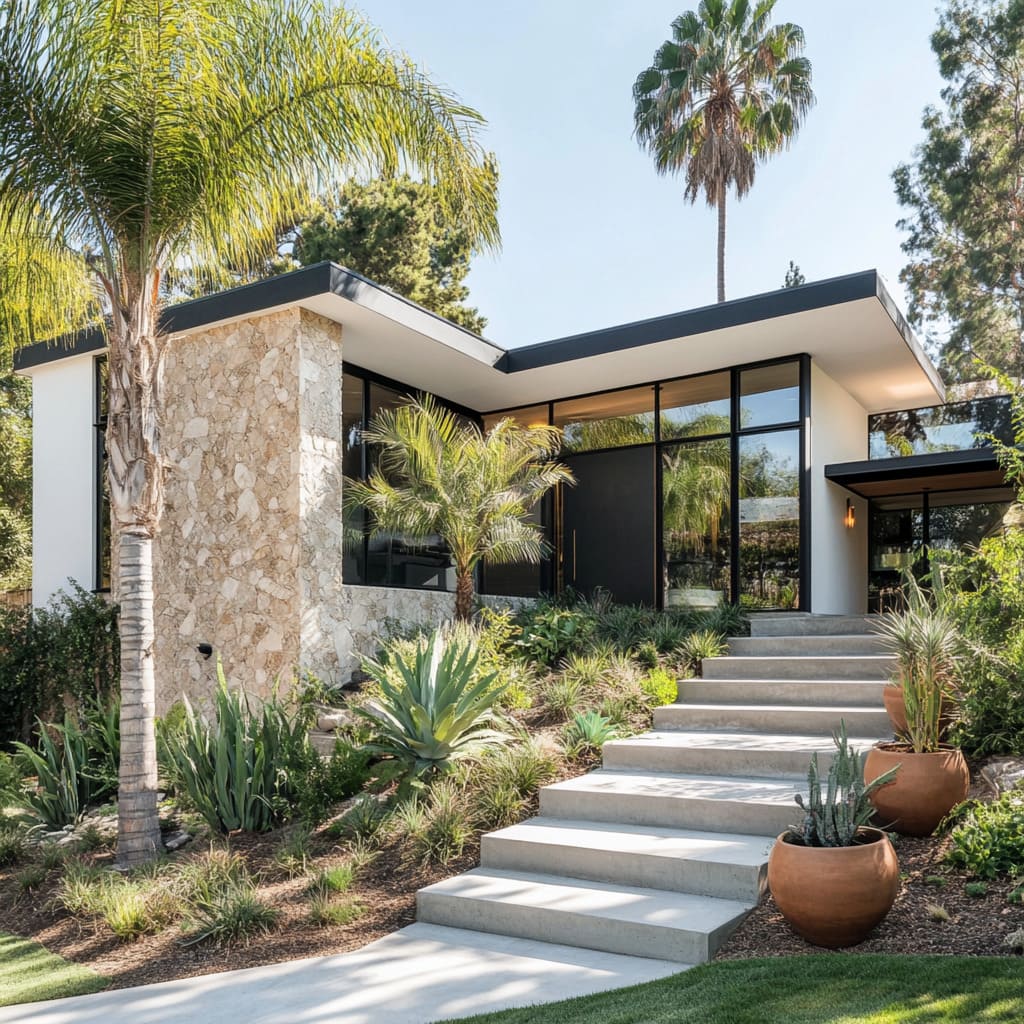
Architects are now fusing the form of the Craftsman (pitched roofs, beams, and stone) with modern interiors — clean lines, open layouts, and minimalist detailing.
Picture this:
A gabled roof with exposed rafters
Black metal window frames
Concrete floors and light oak cabinetry
Floor-to-ceiling glass in place of smaller traditional windows
The result is a style often called “Modern Craftsman” — timeless, grounded, yet fresh and contemporary.
2. Sustainability and Smart Tech
Modern Craftsman homes are increasingly eco-forward:
Built from local materials (like BC cedar and Douglas fir)
Using energy-efficient windows and insulation
Incorporating heat pumps and smart home automation
In many ways, Craftsman architecture predicted modern sustainability: build small, build well, and build to last.
Market Insights: Why Craftsman Homes Hold Their Value
1. Emotional Appeal
Buyers consistently associate Craftsman homes with warmth, character, and authenticity.
In a market flooded with glass cubes and cheap vinyl builds, Craftsman homes feel real. That emotional connection translates directly into value retention.
2. Renovation Potential
Older Craftsman bungalows are renovation gold.
Their layouts, while traditional, adapt beautifully to open-concept conversions. Their solid framing and generous lots also make them ideal candidates for second-storey additions or laneway homes.
3. Market Examples (2025)
Heritage Craftsman in Kitsilano: $2.6M–$4M+ depending on restoration quality.
West Vancouver Craftsman estates: $3.5M–$7M+, often 4,000–6,000 sq. ft. on sloped forested lots.
New suburban Craftsman builds in Coquitlam or Langley: $1.6M–$2.5M.
Craftsman homes attract a wide demographic — families, downsizers, and design-conscious buyers seeking “warm modern” character over sterile minimalism.
Buying, Restoring, or Building a Craftsman Home: What to Know
1. Restoration Tips
If you’re buying a heritage Craftsman:
Preserve original millwork and windows wherever possible.
Rewire and reinsulate carefully to maintain period integrity.
Use historically accurate materials — real wood, stone, and glass.
Avoid synthetic finishes that cheapen the aesthetic.
2. Building a New One
For a modern build, think beyond surface imitation. A true Craftsman isn’t defined by gables alone — it’s defined by craftsmanship.
Hire builders or architects experienced in timber framing and joinery. Choose materials with soul.
3. Design Advice
Keep proportions low and grounded.
Prioritize natural light and cross ventilation.
Use color palettes drawn from nature — sage, taupe, charcoal, cream.
Add texture: shingles, stone, timber beams, layered lighting.
And above all — don’t overcomplicate. The Craftsman spirit lies in simplicity, warmth, and honest beauty.
The Heartbeat of BC Homes
The Craftsman style is more than architecture — it’s a philosophy of living.
It’s about warmth, integrity, and the quiet confidence of a well-built home.
In British Columbia, where nature dominates and design trends come and go, Craftsman homes endure because they feel right here.
They’re not about showing off — they’re about belonging.
And whether you’re restoring a century-old bungalow in East Vancouver or building a mountain lodge in Whistler, the Craftsman tradition ensures your home will age with dignity, beauty, and purpose.