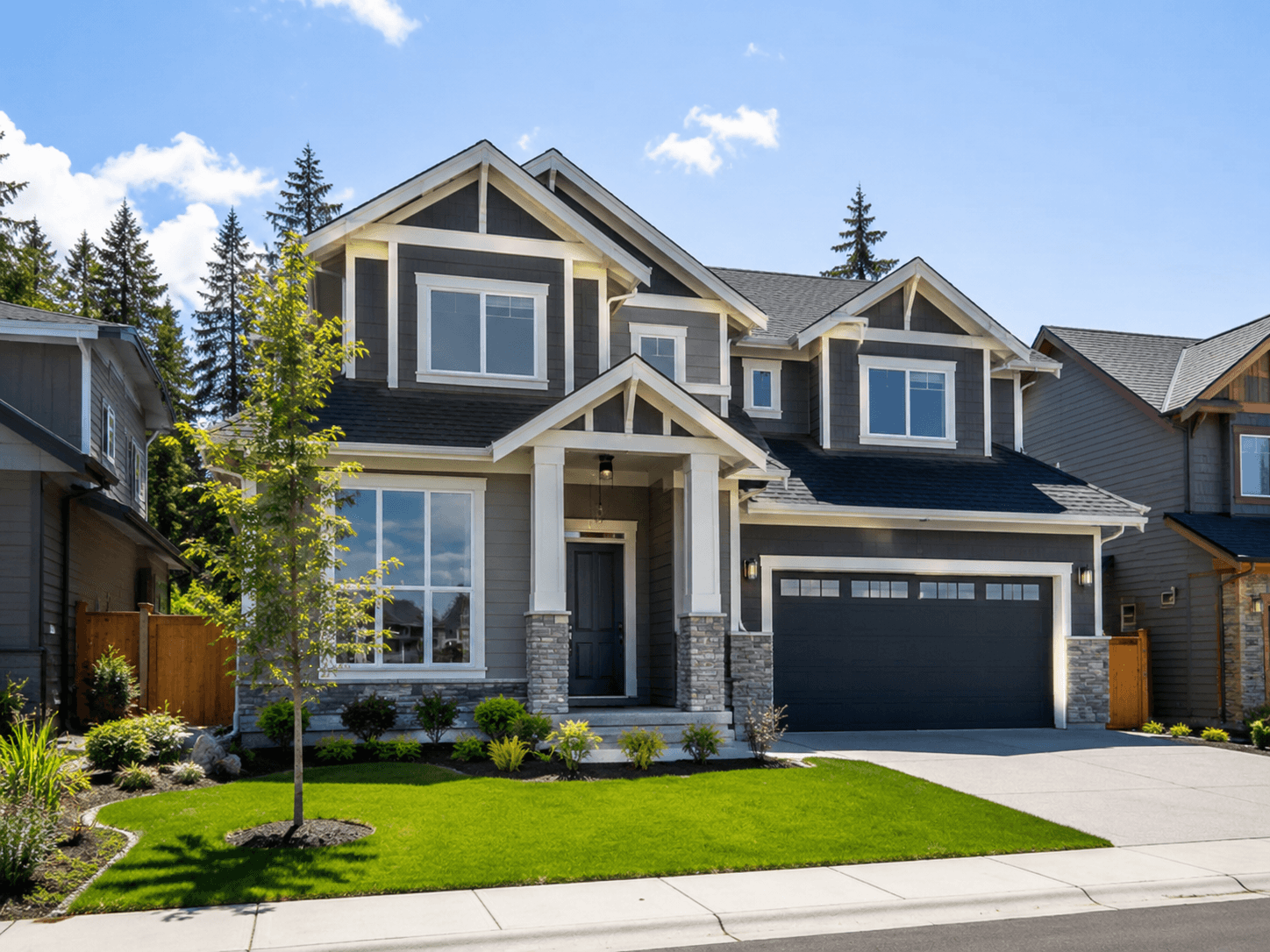
Family-Oriented Suburbs
Overview
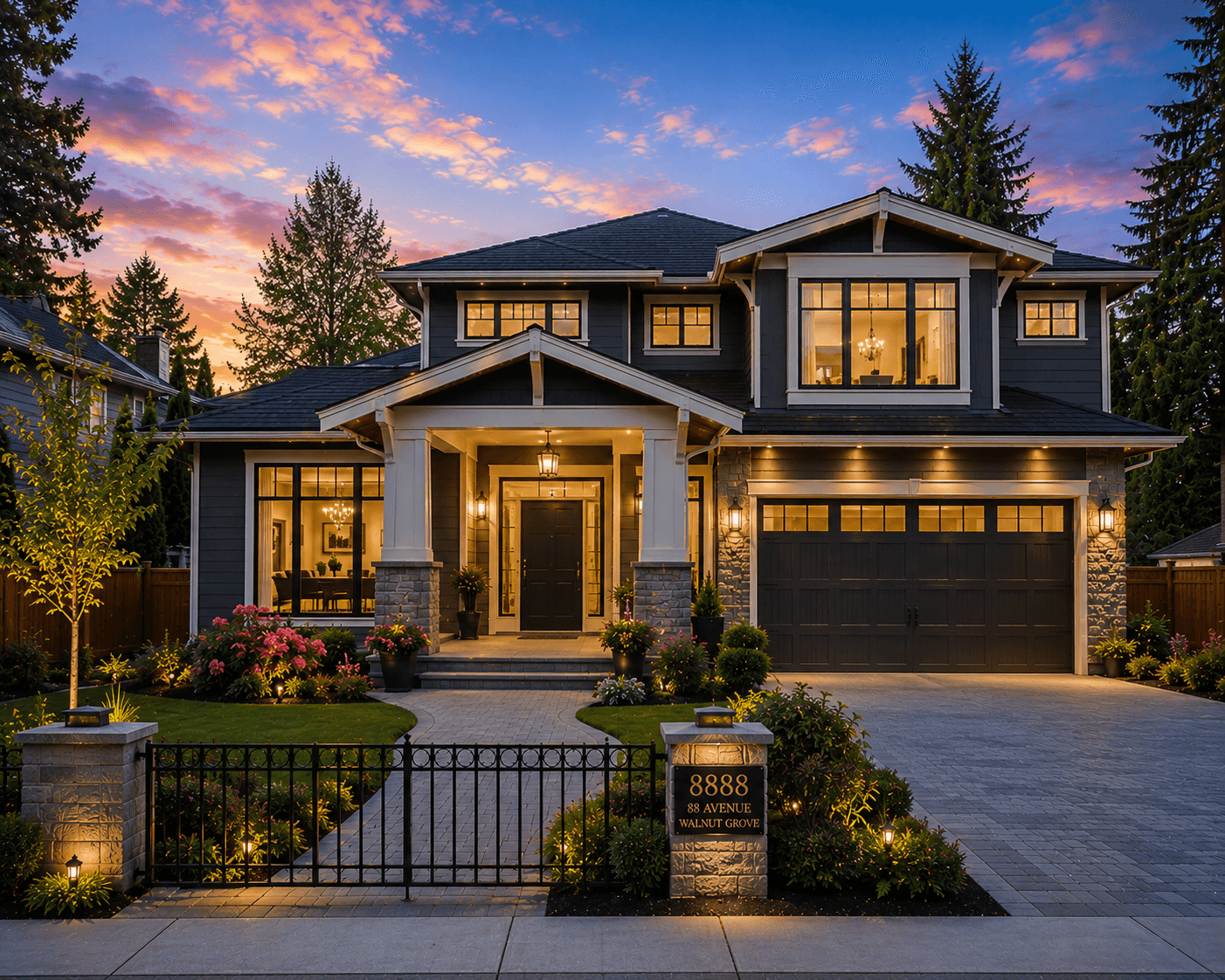
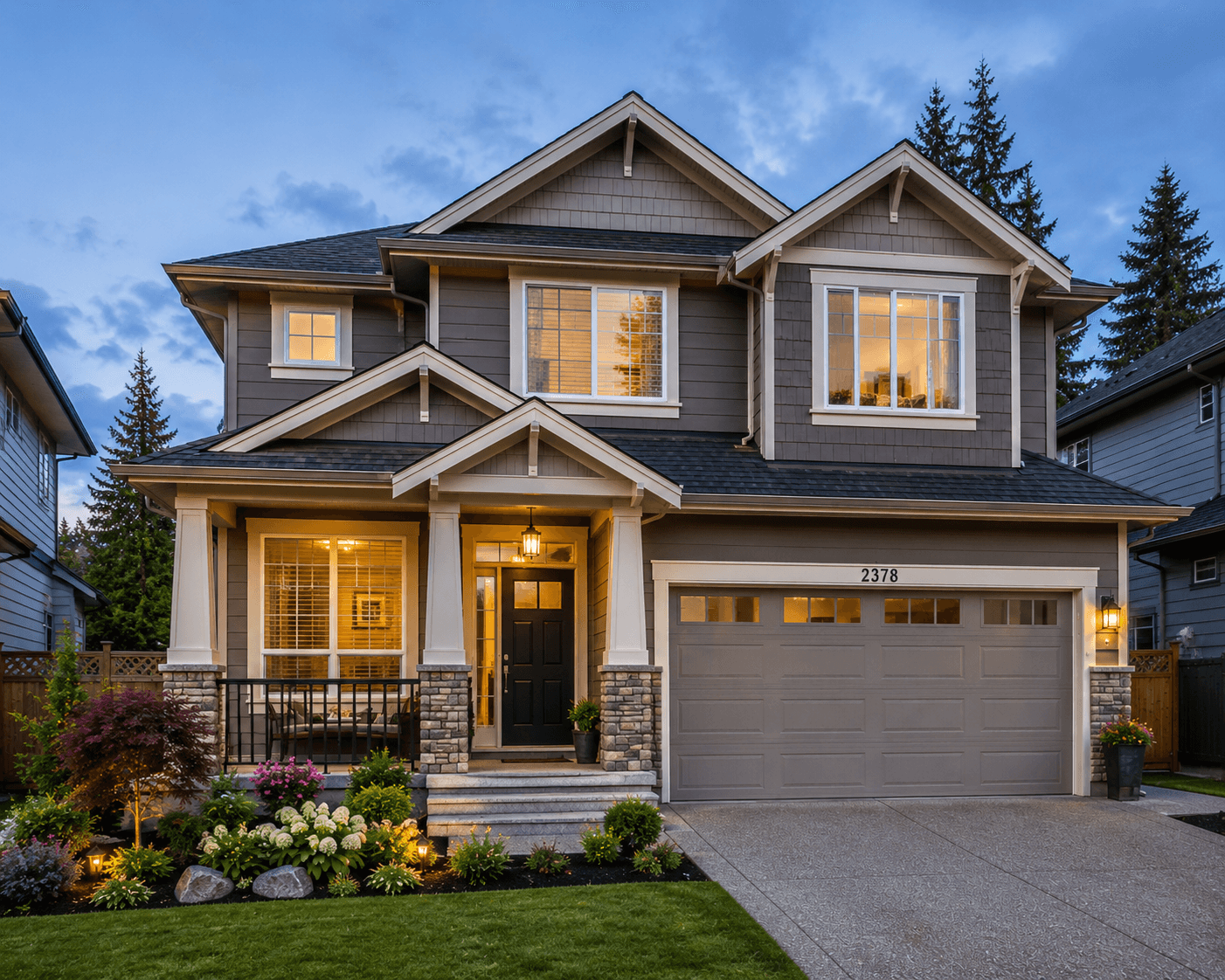
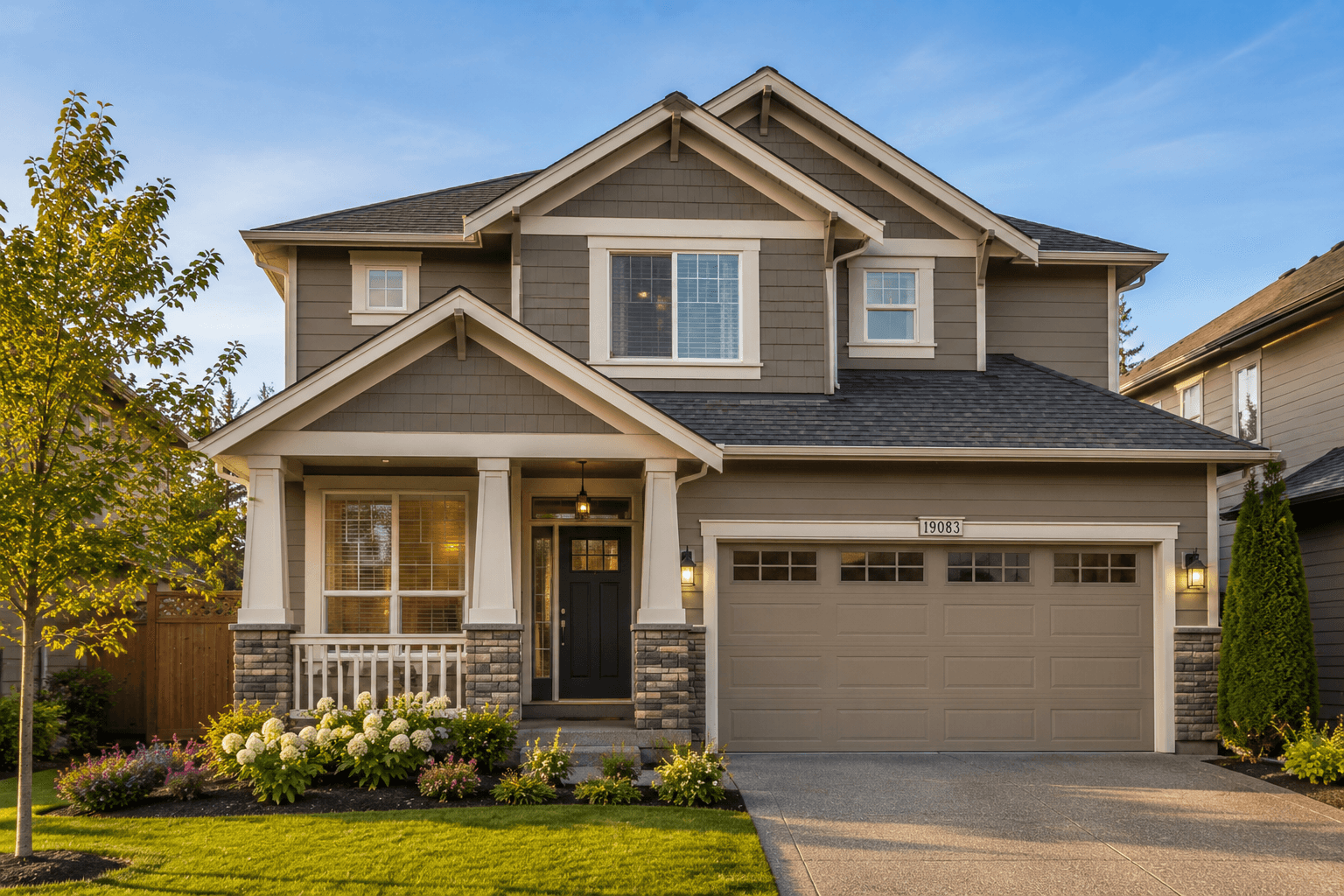
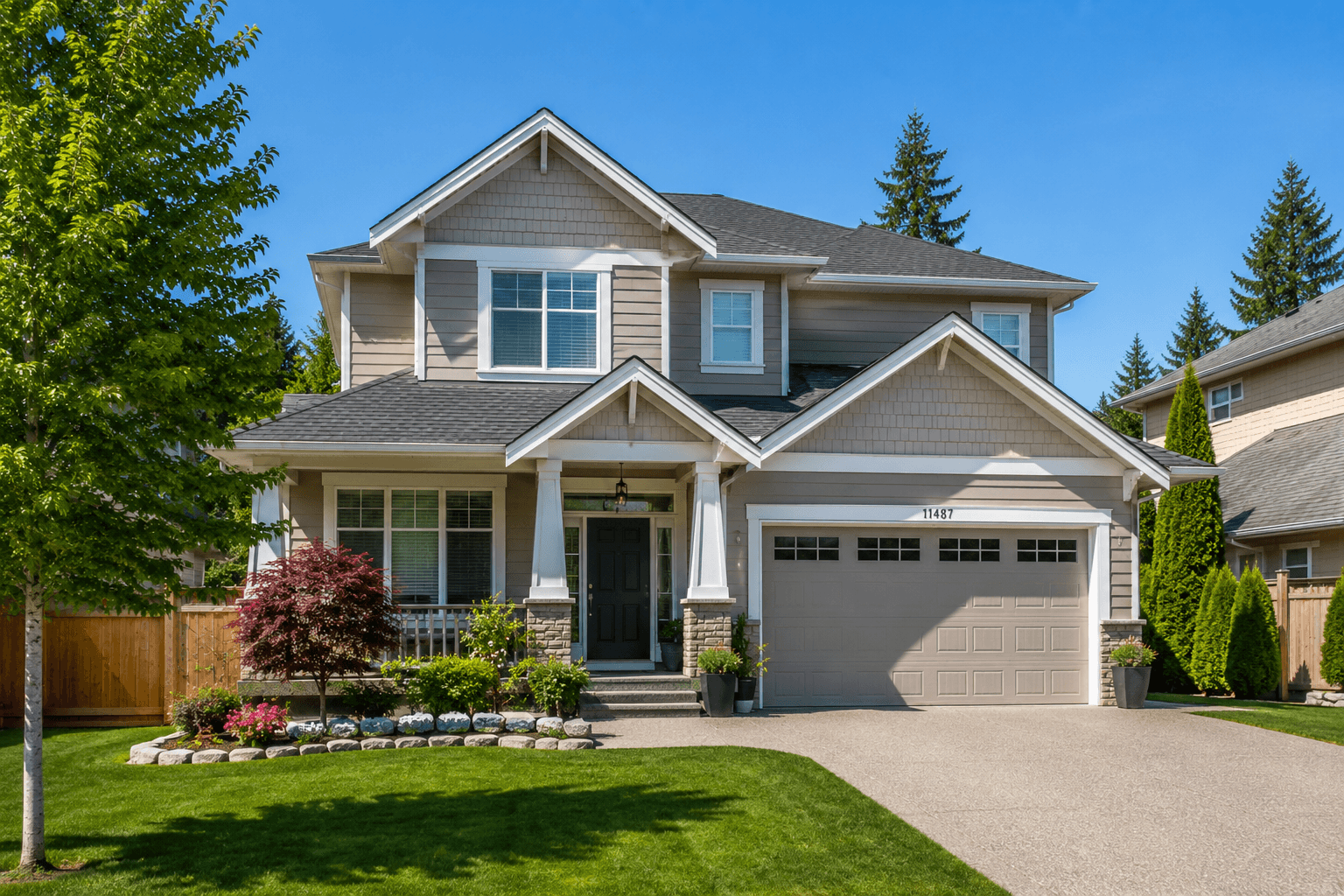
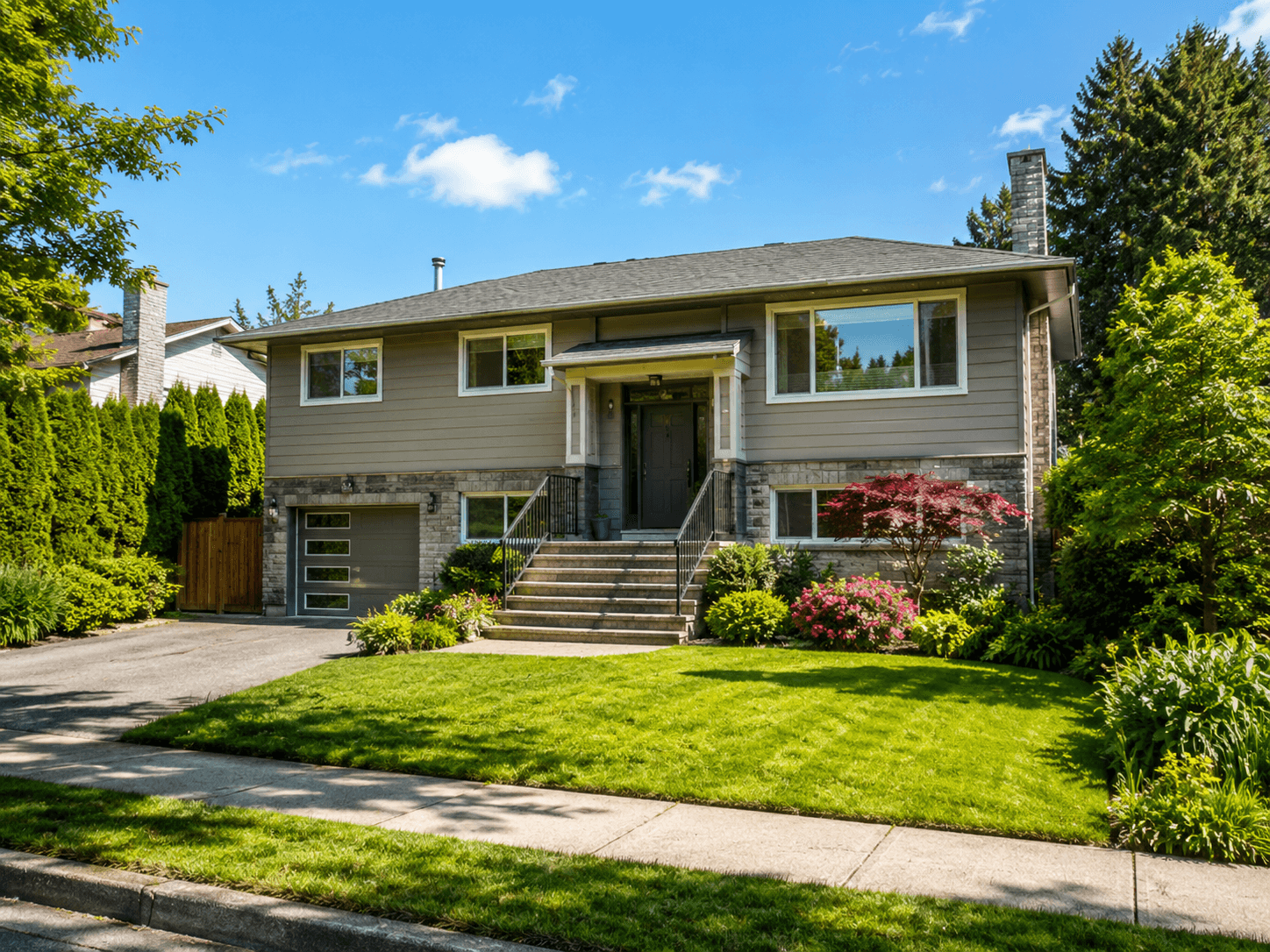
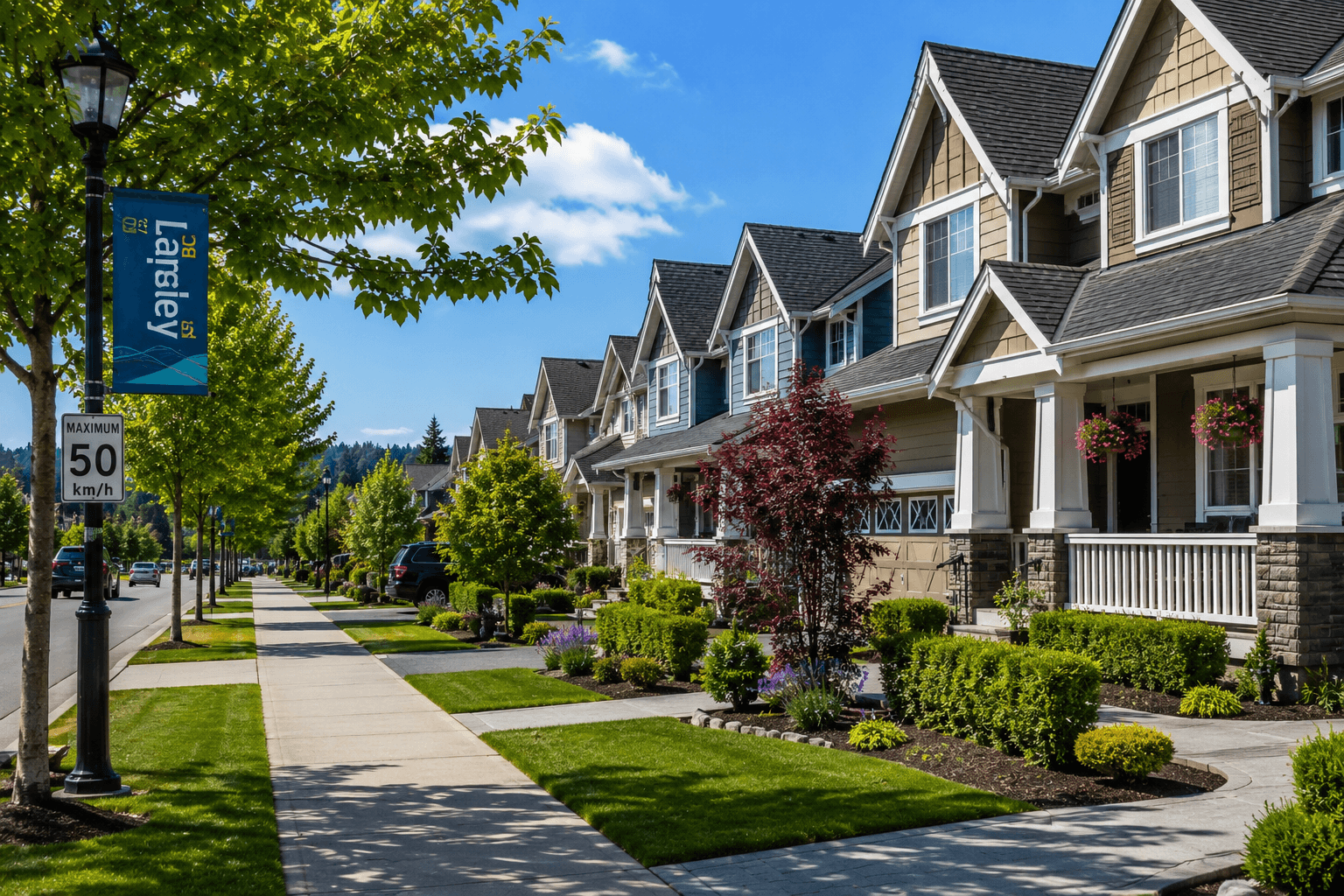
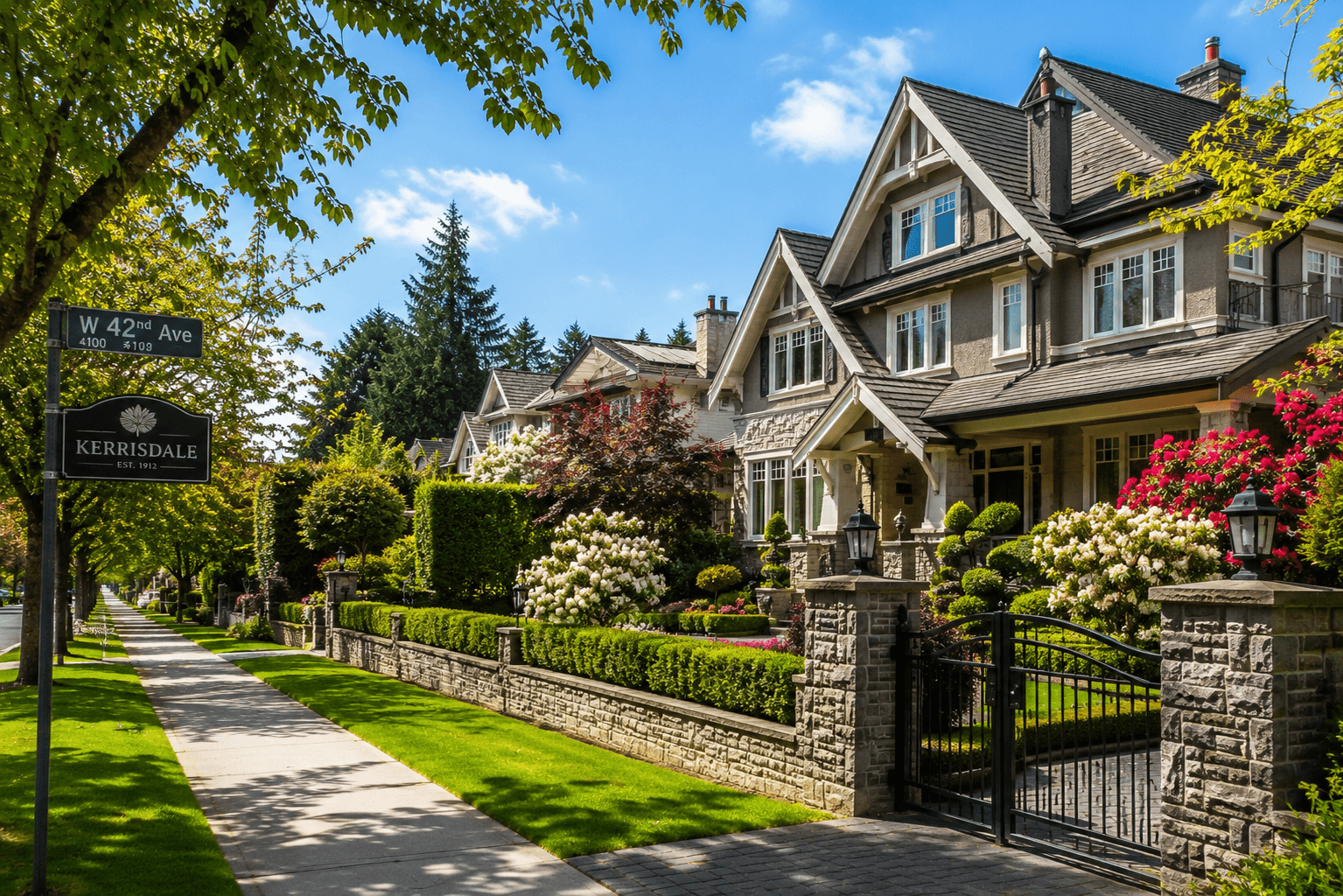
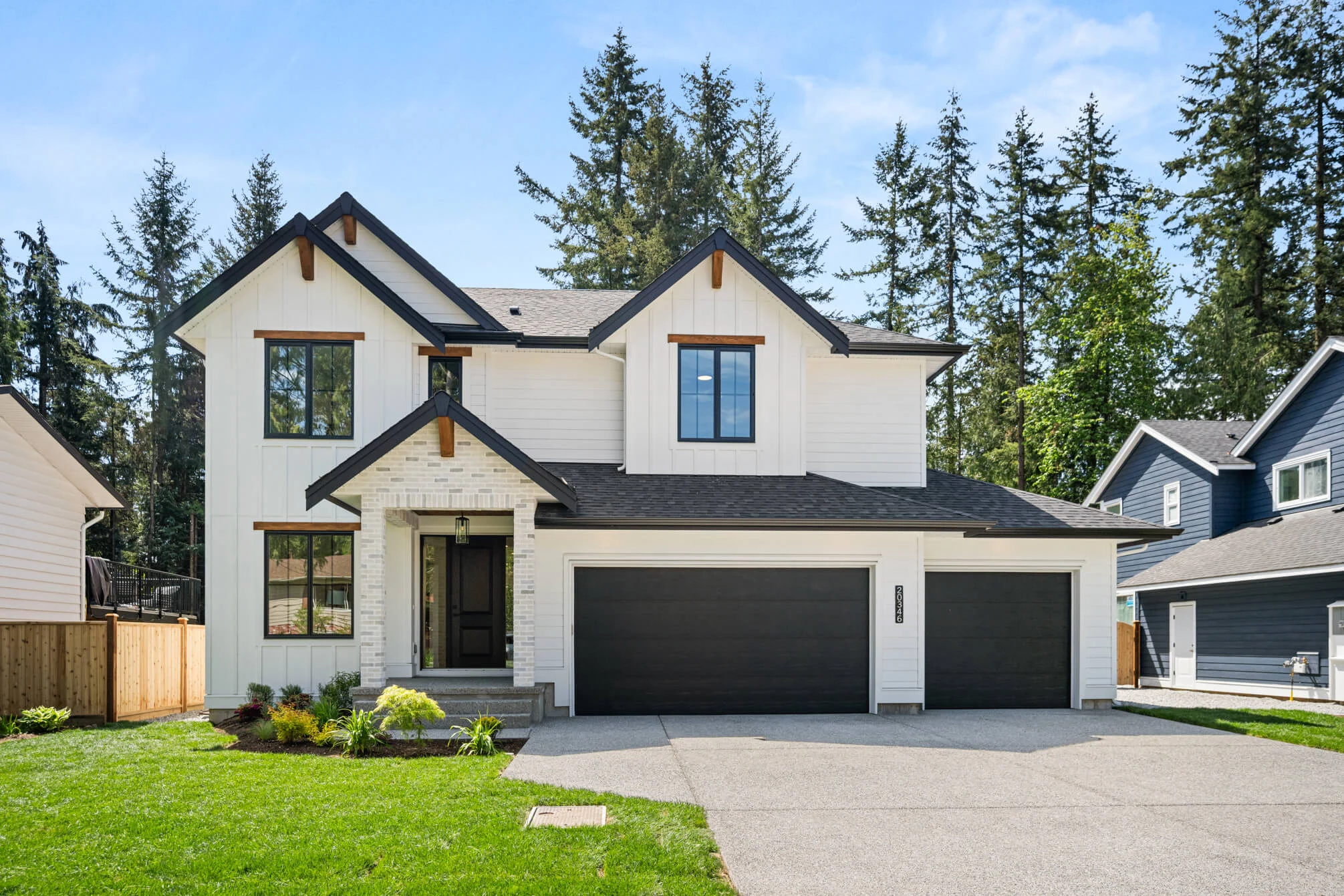
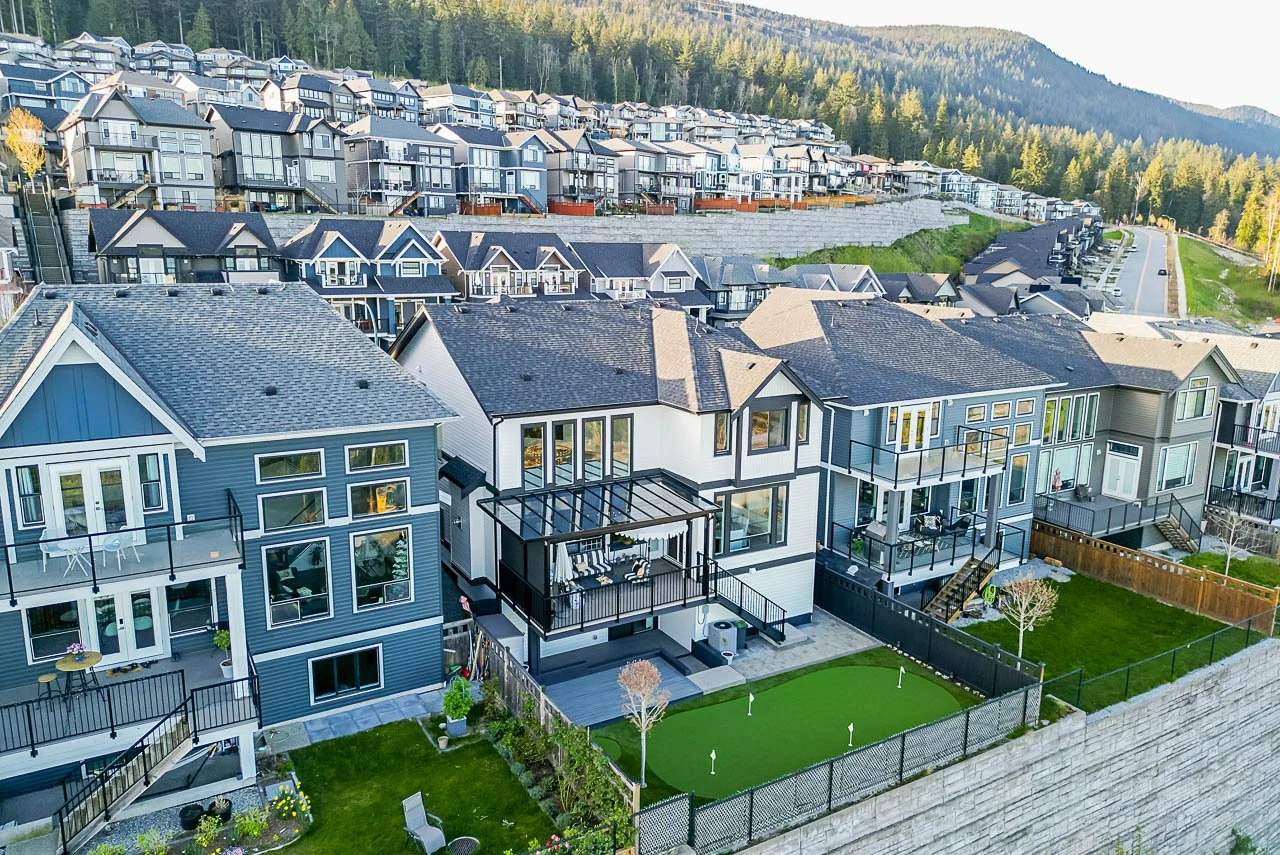
Family-oriented suburban communities in British Columbia are designed for long-term living, offering a balance of space, safety, and access to essential services. These neighborhoods typically feature tree-lined streets, larger lots, and detached homes, making them ideal for families seeking room to grow. Residents value schools, parks, recreational facilities, and family-friendly amenities. While suburban living often means longer commutes to city centers or work hubs, it offers a slower pace, quieter streets, and a strong sense of community that urban cores often cannot match.
Suburbs appeal to a wide range of residents: young families buying their first homes, established families seeking stability and schools, and downsizers looking for more space or private outdoor areas. The architectural landscape is dominated by single-family homes, with newer developments often including townhouses or master-planned neighborhoods.
Lifestyle & Amenities
Schools & Education: High-quality public and private schools are a central feature. Many neighborhoods provide access to early learning centers, after-school programs, and extracurricular activities.
Parks & Recreation: Abundant green spaces, playgrounds, sports fields, community centers, and bike trails make suburban neighborhoods highly attractive to families.
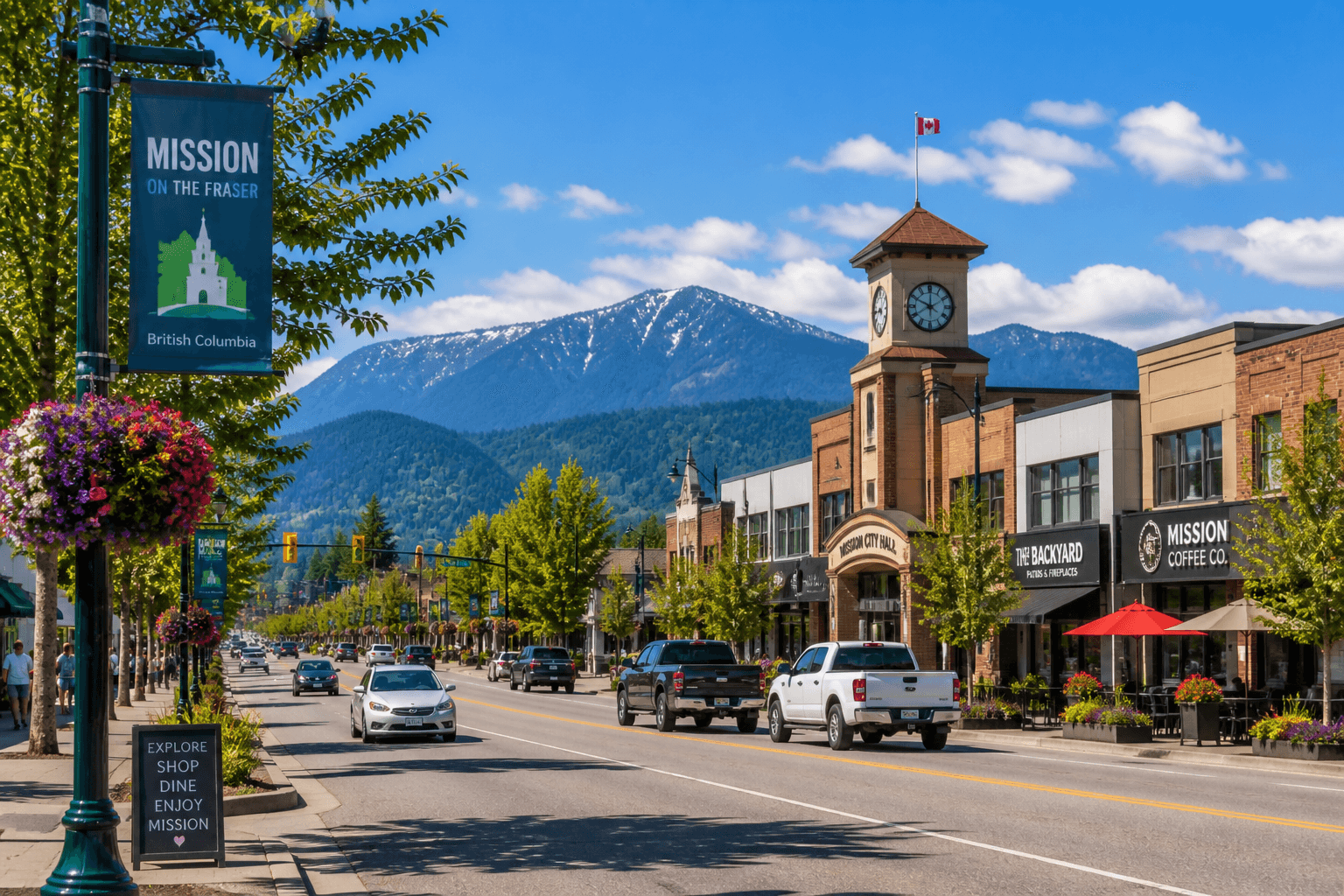
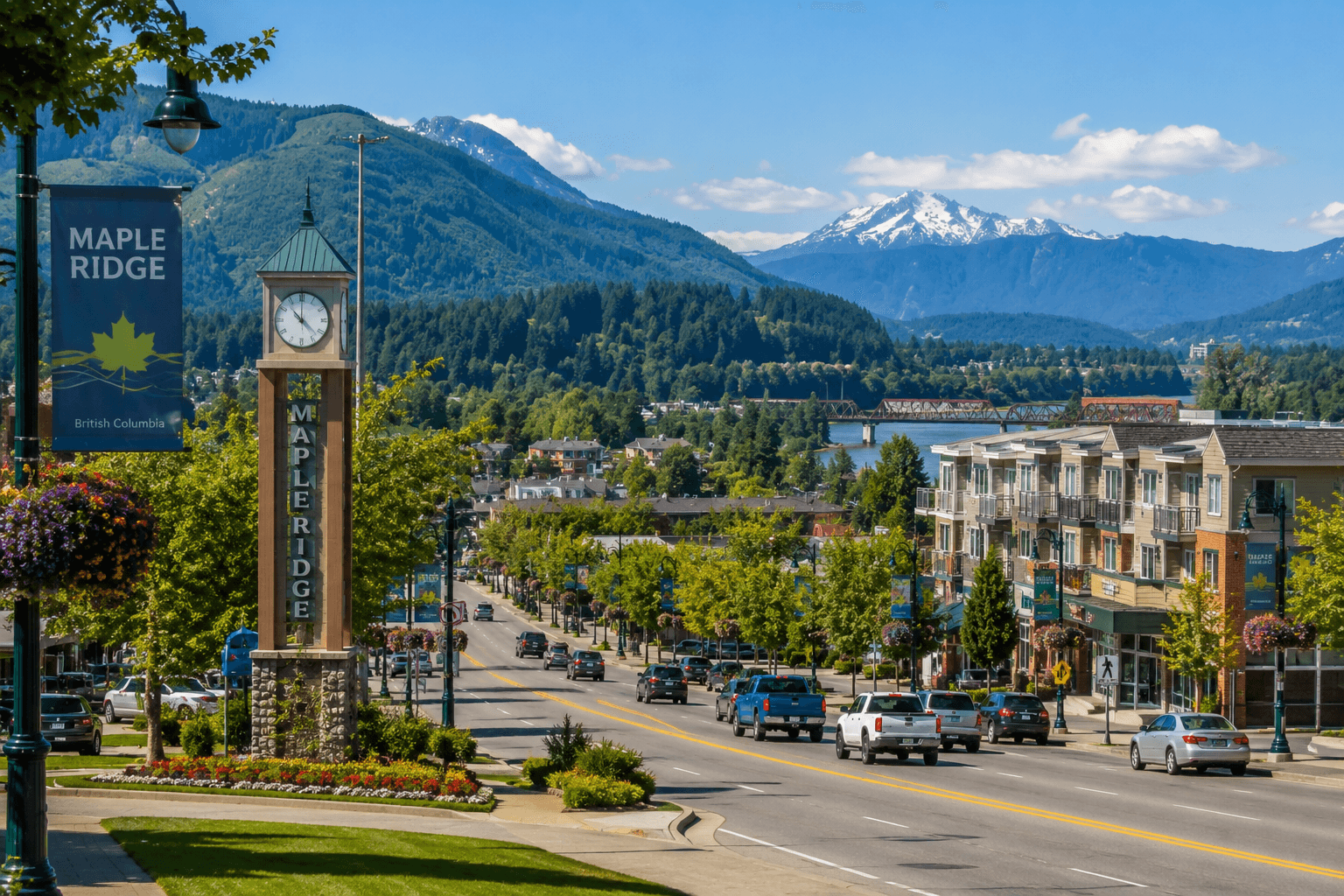
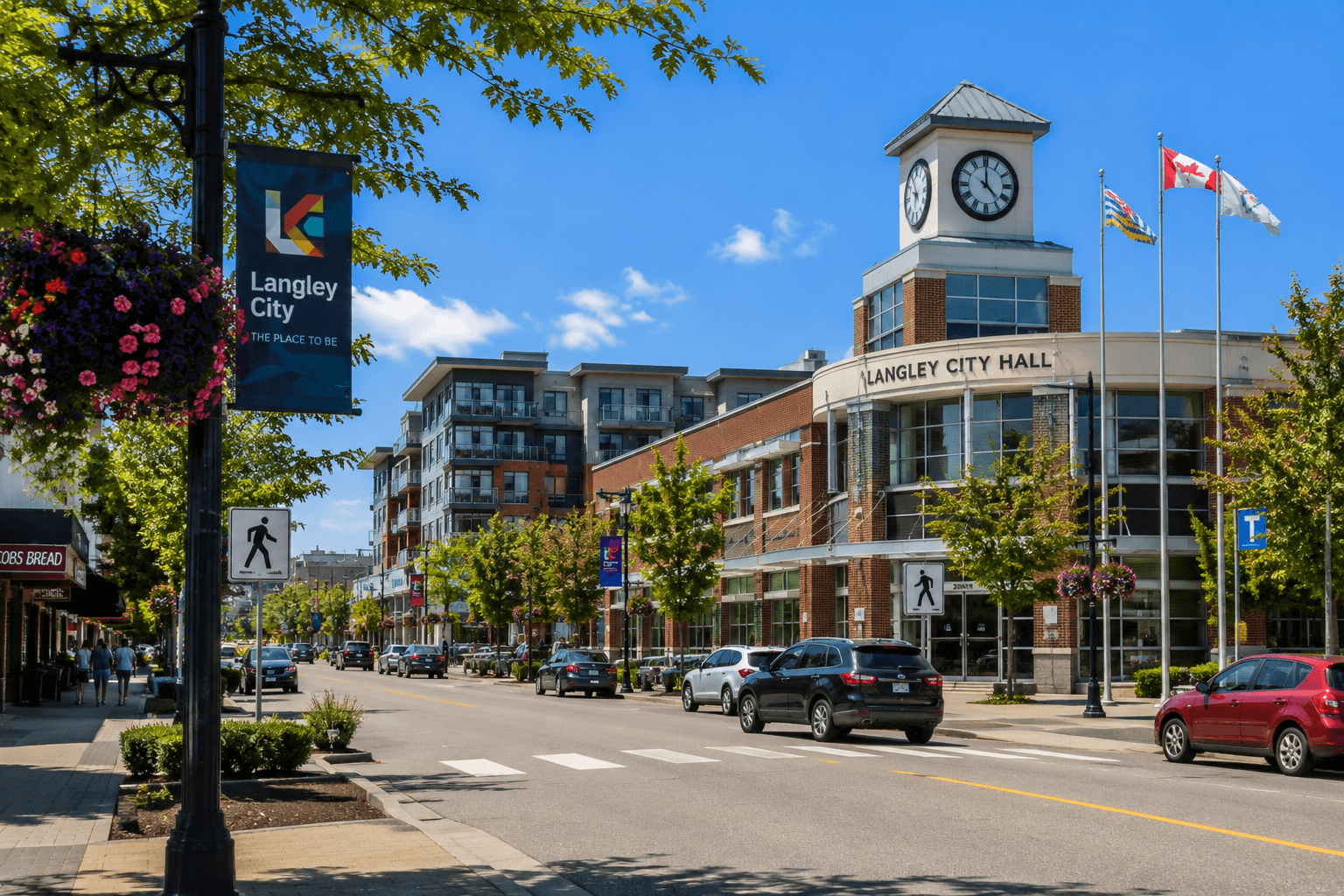
Shopping & Services: Suburbs often feature shopping centers, grocery stores, local restaurants, and essential services conveniently located within the community.
Community Life: Residents frequently engage in neighborhood associations, sports leagues, and seasonal events, fostering a strong sense of local belonging and community safety.
Housing & Market
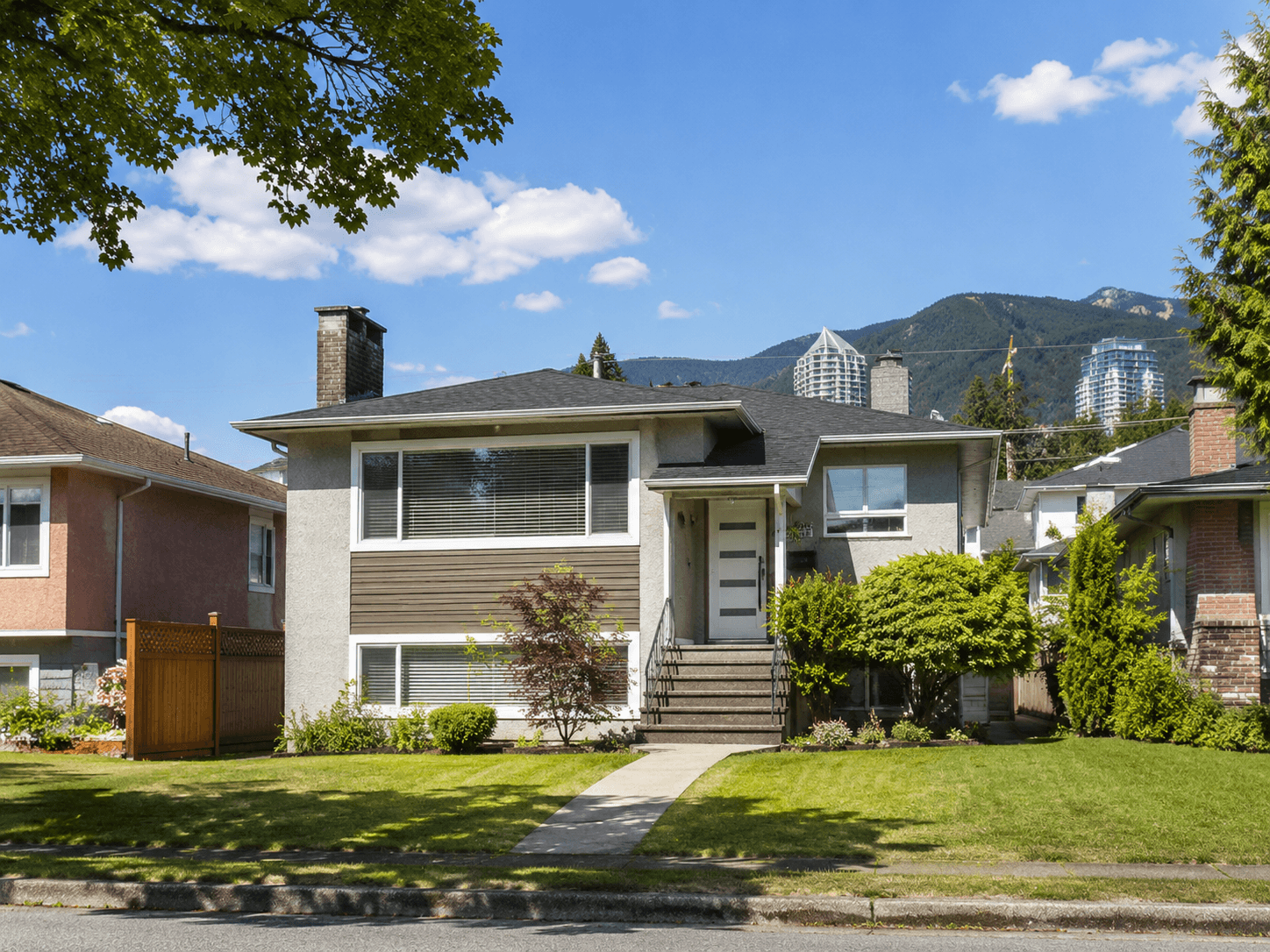
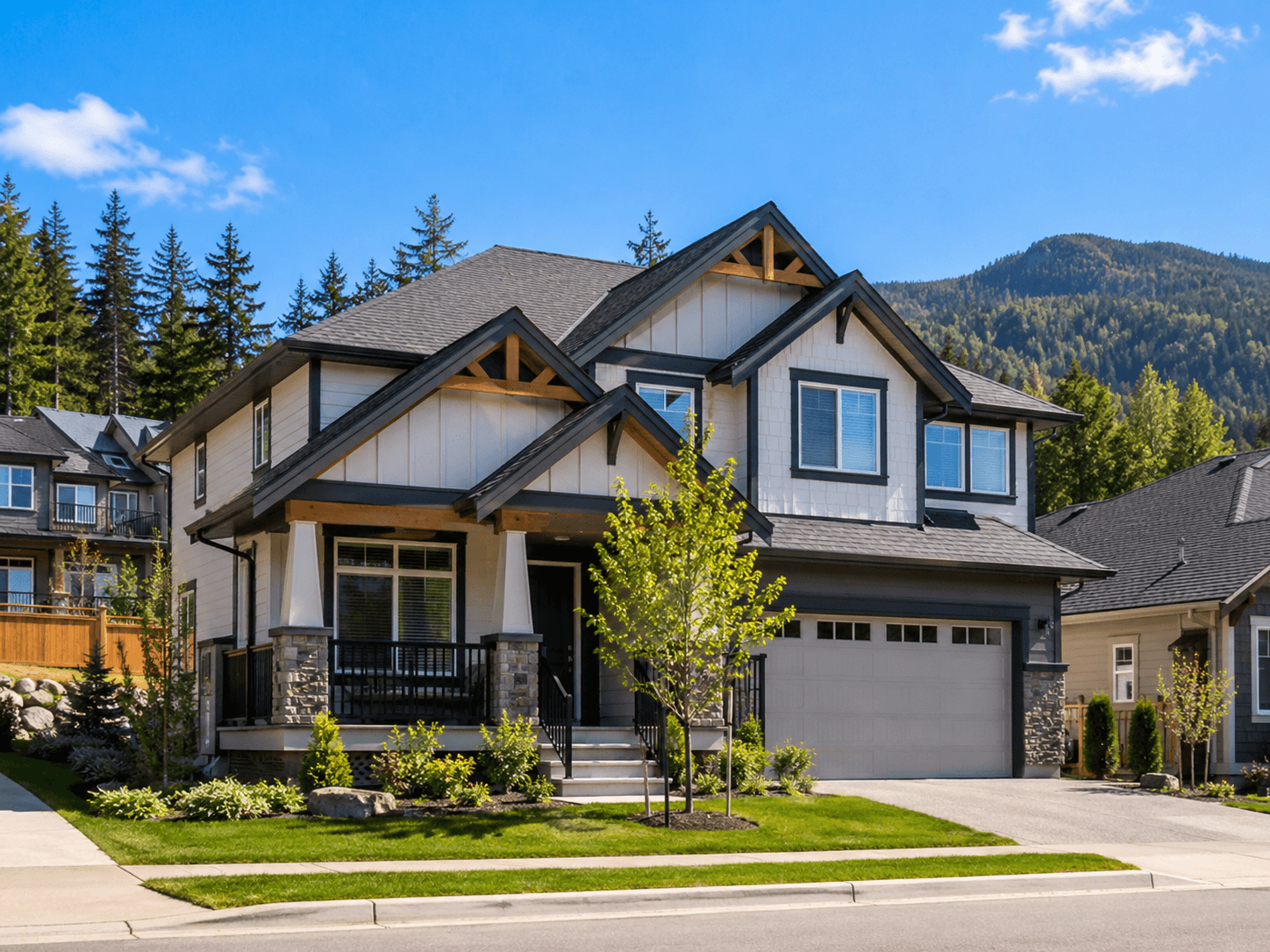
Property Types: Predominantly detached single-family homes with larger lots; townhouses and newer infill developments also exist. Lot sizes and home square footage are typically larger than urban cores, providing more room for families.
Market Trends: Demand is driven by families prioritizing schools, safety, and long-term stability. Prices can vary significantly depending on proximity to city centers, school quality, and amenities. Suburbs often offer better value per square foot than urban neighborhoods but require trade-offs in commute times and lifestyle convenience.
Community Engagement
Residents often participate in school boards, sports leagues, and local events, creating tightly knit communities.
Family-focused programming and neighborhood activities are common, promoting social interaction among children and parents alike.
Suburban communities frequently develop around shared recreational or lifestyle interests, such as local parks, trails, and family-friendly events.
Challenges & Considerations
Longer commutes to work, cultural centers, or urban amenities compared to city living.
Less vibrant nightlife and fewer entertainment options than urban cores.
Some suburban neighborhoods may be less walkable, requiring a car for most errands.
Market growth can be slower, with longer property turnover and less liquidity than high-demand urban areas.













Choose Your Community
Below, you’ll find BC’s communities organized by type. Click on any city or neighborhood to explore its full guide — from homes and schools to lifestyle and local amenities. Use this as your map to discover where you’ll feel most at home.