When Housing Stops Producing Cash and Starts Producing Narrative
When Housing Stops Producing Cash and Starts Producing Narrative


There is a point in every overheated housing market where the property stops being an investment and becomes a story.
At first, the story is quiet. The numbers still almost work. Rent covers most of the mortgage. Appreciation fills the gap. The tenant pays enough to dull the pain. The bank says yes. The appraisal comes in fine. The resale market is liquid. The owner can still pretend the monthly shortfall is temporary.
Then the math gets worse.
Mortgage costs rise. Strata fees rise. Insurance rises. Property taxes rise. Maintenance gets less cute. Rents stop climbing. Vacancies appear. Buyers get picky. Appraisals get colder. Taxes get sharper. The presale no longer assigns. The condo does not cash flow. The detached house sits. The luxury property becomes expensive to hold. The seller starts saying things like “Vancouver is different” with the haunted confidence of someone who has not opened Excel recently.
That is when housing stops producing cash and starts producing narrative.
The asset no longer justifies itself by income, yield, or usable financial return. It justifies itself by belief.
Scarcity.
Lifestyle.
Immigration.
Foreign money.
Land.
Mountains.
Ocean.
Safe haven.
World-class city.
They are not making more of it.
Just wait until rates fall.
Just wait until China comes back.
Just wait until buyers realize.
Just wait until the market turns.
Just wait.
Narrative is not always wrong. Some narratives are true. Vancouver is desirable. Land is limited. Good locations matter. Long-term ownership can work. Housing is shelter before it is a spreadsheet. But narrative becomes dangerous when it is used to excuse a property that cannot carry itself, cannot sell cleanly, cannot refinance cleanly, and cannot justify its price except through a future buyer who is supposed to believe harder than the current one.
That future buyer has a name in every bubble.
Exit liquidity.
Vancouver has always been good at finding someone else to believe the story.
The problem in 2026 is that more buyers are asking to see the math first.
The cash-flow floor is what keeps an investment honest
A rental property has a basic test.
Rent comes in.
Costs go out.
If enough rent remains after mortgage interest, principal, strata, taxes, insurance, repairs, vacancy, management, and reserves, the property has a cash-flow floor. Even if prices are flat, the property can justify itself. Even if the owner is not getting rich quickly, the asset is producing something measurable.
That is a real investment.
Not always a great investment. Not always the best use of capital. But real.
When the property does not produce cash, the owner needs another reason to hold it. That reason might be long-term appreciation. It might be land value. It might be redevelopment potential. It might be personal use. It might be family strategy. It might be tax planning. It might be inflation protection. It might be lifestyle. Those can all be legitimate.
But the moment current cash flow disappears, the property becomes more dependent on future belief.
The owner is no longer being paid to wait.
The owner is paying to wait.
That difference is enormous.
A cash-flowing property pays the owner to be patient. A negative-cash-flow property charges admission to the story.
Vancouver investors used to get away with bad cash flow because price growth did the heavy lifting
For years, Vancouver real estate trained people to ignore yield.
That was not because investors were geniuses. It was because price growth forgave everything.
A condo could lose money every month and still look smart if the market value rose by $100,000 in a year. A detached house could have terrible rental yield and still make the owner feel brilliant because the land appreciated faster than the operating loss. A presale could be financially meaningless on rent and still produce assignment profit. A landlord could accept negative monthly cash flow because appreciation was the real tenant.
That was the old deal:
The tenant pays some of the cost.
The owner pays the shortfall.
The market pays the profit.
As long as the market kept paying, nobody cared that the property itself was not producing enough income.
But when appreciation slows, stops, or reverses, the real business model appears.
And sometimes the business model is just: “I hope someone pays more later.”
That is not investing.
That is belief with leverage.
The current market is less willing to subsidize the story
The Vancouver market is not dead. Good properties still sell. Correctly priced homes still move. Scarce family housing still matters. Prime land is still prime land. But the broad market is no longer giving every seller automatic validation.
Greater Vancouver REALTORS reported 1,869 residential sales in August 2026, down 4.6% from August 2025 and 20.7% below the 10-year seasonal average. Active listings were 15,798, which was 26.2% above the 10-year seasonal average. The overall sales-to-active-listings ratio was 12.3%, with detached homes at 9.6%, attached homes at 15.1%, and apartments at 13.7%. GVR also notes that downward price pressure tends to occur when the ratio stays below 12% for a sustained period, while upward pressure tends to appear above 20% for several months.
Prices have also softened. GVR’s August 2026 composite benchmark price was $1,081,900, down 5.6% year over year. Detached homes were benchmarked at $1,799,400, down 7.2% year over year. Apartments were $686,200, down 6.6% year over year.
That is not a market where the story has vanished.
It is a market where the story has to compete.
Buyers have more listings to choose from. Lenders have current comparables. Tenants have more rental options in some segments. Investors have less room to hide bad yield behind automatic appreciation. Sellers still have stories, but buyers now have alternatives.
Alternatives are dangerous to narrative.
They make people compare.
The condo investor is where the narrative breaks first
Condo investors are usually the first to feel the shift because condos are easy to compare and hard to mythologize.
A detached homeowner can talk about land, future density, family neighbourhoods, school catchments, lot size, laneway potential, and scarcity. Some of that may be real. A condo investor has a harder time saying their 06 floor plan is spiritually superior to the other 06 floor plan two floors up that just sold for less.
Condos expose the math.
CMHC has already identified the pressure. Between 2022 and Q1 2025, Vancouver condominium apartment sales across resale, new, and pre-construction segments fell 37%. CMHC also reported that investor profitability in Toronto and Vancouver condo markets was under pressure because carrying costs in Vancouver rose 29% since 2022 while average rents rose only 12%.
That is the key sentence.
Costs up 29%.
Rents up 12%.
That gap is the birthplace of narrative.
When rent does not keep up with carrying cost, the investor needs another explanation. The explanation becomes appreciation. Or immigration. Or scarcity. Or “this is a long-term hold.” Or “rates will come down.” Or “Vancouver is Vancouver.” Maybe some of that becomes true eventually. But the monthly loss is true now.
The rent arrives monthly.
The story arrives at dinner parties.
Only one of them pays the mortgage.
The rental market is not rescuing every owner
The old investor hope was that rents would eventually catch up.
Sometimes they do. In supply-constrained cities, rents can rise brutally. Vancouver renters know this too well. But rent growth is not infinite, and renters have budgets. At some point, rent cannot keep rising just because the owner’s mortgage is uncomfortable.
Rentals.ca reported that average asking rent in Vancouver was $2,715 in June 2026, down 4.1% year over year. Nationally, condo rents were down 6.8% year over year, while other secondary-market units such as houses and townhomes were down 7.4%.
That does not mean Vancouver is cheap. It is not. Renters are not suddenly living in paradise. But it does mean the investor cannot simply assume the tenant will absorb every increase in debt service, tax, insurance, and strata fees.
The tenant has an income.
The landlord has a spreadsheet.
The market decides whether those two things can meet.
When they cannot, the owner covers the gap.
And when the owner covers the gap long enough, the asset stops producing cash and starts producing justification.
The negative-cash-flow condo example
Take a fairly ordinary Vancouver-area investor condo.
Purchase price: $850,000
Down payment: 20%, or $170,000
Mortgage: $680,000
At roughly 5% over 25 years, the mortgage payment is about $3,950/month.
Add:
Strata: $550/month
Property tax: $250/month
Insurance, repairs, vacancy allowance: $200/month
Total carrying cost: about $4,950/month
Market rent: $3,100/month
Monthly shortfall: $1,850
Annual shortfall: $22,200
That is before income tax treatment, special levies, tenant turnover, appliance replacement, repairs, property management, mortgage renewal risk, and the owner’s time.
The investor may say, “But part of the mortgage payment is principal.”
Yes.
That helps.
But if the owner is still writing a cheque every month and the property value is flat or falling, the principal paydown is not the same as profit. It is forced savings inside a leveraged, illiquid, concentrated asset that may be worth less than expected when sold.
The investor may say, “But in ten years it will be worth more.”
Maybe.
That is the narrative.
The cash flow is the $1,850 monthly loss.
The narrative is the belief that the loss will be rewarded.
Narrative is not fake. It is just not cash.
This is important.
Narrative is not automatically stupid.
Every investment contains narrative. Stocks trade on future earnings, not just current dividends. Startups trade on future growth, not current profit. Land trades on future use, not just current rent. A house can be worth more than its rental yield because it provides shelter, control, scarcity, emotional value, school access, and long-term optionality.
A good narrative is a thesis.
A bad narrative is an excuse.
The difference is whether the story is specific, testable, and supported by evidence.
Good narrative:
“This property has legal rental income, a strong lot, current zoning that allows added density, low holding costs, and current comparable land sales support the price even without optimistic appreciation.”
Bad narrative:
“They are not making more land.”
Good narrative:
“This condo is in a building with strong strata documents, limited competing supply, below-replacement pricing, and the buyer can carry it comfortably even if prices are flat for five years.”
Bad narrative:
“Vancouver always comes back.”
Good narrative:
“This presale qualifies for meaningful tax relief, the buyer plans to occupy it long-term, and the monthly cost is manageable without relying on assignment profit.”
Bad narrative:
“The sales centre said this area is the next big thing.”
Narrative becomes toxic when it replaces analysis.
The story should explain the numbers.
It should not hide them.
The most common Vancouver narratives
Vancouver has a highly developed narrative ecosystem.
Some of these narratives are true in part. Some are outdated. Some are useful. Some are pure emotional support for bad underwriting.
The classic ones:
They are not making more land.
True. Also true in Monaco, Manhattan, and many places where assets can still be overpriced at a given moment. Land scarcity matters, but scarcity does not remove carrying cost, taxes, financing constraints, buyer income limits, or liquidity risk.
Everyone wants to live here.
Many people do. Not everyone can pay. Desire is not demand unless it is funded.
Immigration will save it.
Population growth can support housing demand, but timing, income, household formation, credit access, rent budgets, and policy matter. GVR’s economist specifically pointed to slower immigration, reduced investor demand, and mortgage rates not being low enough as key drivers of the soft market.
Rates will fall.
Maybe. The Bank of Canada held the overnight rate at 2.25% on September 2, 2026. But even if rates ease later, buyers cannot close today with a payment that only works under tomorrow’s hoped-for rate.
Supply is limited.
Long-term, yes. Short-term, inventory can still be ample. August 2026 active listings were 26.2% above the 10-year seasonal average.
Rent will always rise.
Not always. Recent asking-rent data has shown declines in Vancouver and broader weakness in condo and secondary rental categories.
Foreign buyers will return.
Maybe some will, if rules change. But foreign buyers face federal restrictions, B.C. additional transfer tax, SVT, vacancy taxes, and broader holding-cost issues. A buyer returning to the market is not the same as a buyer willing to ignore tax friction.
It is a long-term hold.
Good. Then prove you can hold it.
That is the line that separates thesis from slogan.
“Long-term hold” is not a magic spell
Almost every bad investment becomes a “long-term hold” once the short-term plan fails.
The assignment did not work?
Long-term hold.
The rent is too low?
Long-term hold.
The appraisal came in under contract?
Long-term hold.
The condo is cash-flow negative?
Long-term hold.
The market softened?
Long-term hold.
There is nothing wrong with holding long term. In fact, most real estate should be held long term. The problem is using “long-term hold” as a panic phrase after discovering the property does not work.
A real long-term hold has holding power.
Stable income.
Comfortable debt.
Emergency reserve.
Repair reserve.
Tenant plan.
Tax plan.
Insurance plan.
No forced-sale timeline.
No dependence on refinancing.
No assumption that prices must rise quickly.
A fake long-term hold is just a short-term flip that got trapped.
Vancouver has many of those.
They are easy to identify because the owner says “long-term hold” while asking whether anyone knows a private lender.
Housing becomes narrative when the buyer pool is asked to pay for future miracles
A property can be priced on current value or future possibility.
Current value says:
Here are the rents.
Here are the costs.
Here are the recent sales.
Here is the condition.
Here is the risk.
Here is the price.
Future possibility says:
Imagine what this could be.
Imagine future density.
Imagine future immigration.
Imagine future rate cuts.
Imagine future rents.
Imagine future buyers.
Imagine future appreciation.
That does not make future possibility worthless. Developers buy possibility. Long-term land investors buy possibility. Owner-occupiers buy lifestyle possibility. Families buy future utility. Cities grow through possibility.
But future possibility must be discounted for risk.
Vancouver sellers often want buyers to pay full price for possibility as if it has already happened.
Potential suite.
Potential laneway.
Potential multiplex.
Potential view corridor.
Potential transit upside.
Potential rezoning.
Potential rental growth.
Potential recovery.
Potential is not cash.
Potential is a maybe with marketing copy.
The buyer should price it accordingly.
Detached homes hide narrative better than condos
Detached homes can stay in narrative mode longer because land creates real optionality.
A detached property may have rental income, suite potential, laneway potential, multiplex potential, redevelopment potential, family utility, school catchment value, privacy, and scarcity. Those are legitimate sources of value.
But detached homes also hide weak economics.
A $2 million house rented for $5,500/month may look impressive until the owner calculates mortgage interest, property tax, insurance, repairs, maintenance, vacancy, utilities, major capital items, and opportunity cost. A $3 million house with a basement suite may still produce terrible yield if the land value is doing all the work. A luxury home may have no meaningful income value at all and be valued entirely as lifestyle, land, or future resale.
That is fine for an owner-occupier.
It is dangerous for an investor pretending the property is financially productive.
Detached Vancouver real estate often produces three things:
Shelter.
Land exposure.
Narrative.
Cash flow is frequently not one of them.
That does not mean detached homes are bad. It means buyers should be honest about what they are buying.
If you are buying a home, say you are buying a home.
If you are buying land, value the land.
If you are buying a rental, show the yield.
If you are buying a story, at least know it is a story.
Presales are narrative in pure form
A presale is almost all narrative at signing.
The unit does not exist yet.
The building does not exist yet.
The strata does not exist yet.
The rent does not exist yet.
The resale market at completion does not exist yet.
The mortgage at completion does not exist yet.
The appraisal at completion does not exist yet.
What exists is a contract, a disclosure statement, renderings, deposit schedule, and a story about what the neighbourhood will become.
That can work beautifully in a rising market.
It can fail brutally in a soft market.
CMHC reported that condominium projects continue to face significant presale and financing challenges, while developers are favouring rental projects because they carry less risk under current conditions. It also reported that condominium apartment starts in Vancouver fell 40% further in the first half of 2026 after a weak 2025, making it the weakest first half-year for new condo construction since 2011.
That is a market signal.
When presales stop selling, the narrative is no longer strong enough to finance the building.
Developers then pivot to rental, delay, cancel, discount, or wait. Investors who bought into the old story may arrive at completion with a contract price the lender does not support. Buyers who expected assignment profit may discover assignment buyers have also learned math.
A presale is not bad because it is future.
It is risky because the future has a vote.
The lender is where narrative gets audited
Sellers can tell stories.
Developers can tell stories.
Realtors can tell stories.
Buyers can tell themselves stories.
The lender wants collateral.
The appraisal gap is where narrative meets underwriting. If a buyer agrees to pay $900,000 and the bank values the unit at $820,000, the lender is not being rude. It is refusing to finance the story at face value.
This is why soft markets produce appraisal gaps. The contract price may be based on old expectations. The lender’s value is based on current evidence. The gap is the cost of believing yesterday’s story in today’s market.
The same happens with refinances.
The owner thinks the home is worth $2 million because of assessment, old sales, or emotional memory. The lender appraises at $1.75 million. Suddenly the HELOC shrinks, the debt consolidation fails, the renovation loan disappears, or the family down-payment gift becomes smaller.
Narrative can inflate owner confidence.
Appraisal tests whether anyone will lend against it.
The bank is not a poet.
Taxes turn narrative into carrying cost
Vancouver’s housing stories used to rely heavily on passive holding.
Buy it.
Hold it.
Wait.
That model is much harder when government adds annual taxes to under-used or high-value housing.
The Speculation and Vacancy Tax matters because it is not a normal property tax; it is an annual tax based on residential use and ownership in B.C.’s major urban centres. B.C. Budget 2026 increases the SVT rate for foreign owners and untaxed worldwide earners to 4% for the 2027 tax year, up from 3%. It also raises Additional School Tax rates for 2027 to 0.3% on property values between $3 million and $4 million and 0.6% above $4 million.
Inside the City of Vancouver, the Empty Homes Tax adds another layer. Vancouver says properties deemed or declared empty for the 2025 reference year are subject to a tax of 3% of the property’s 2025 assessed taxable value.
This changes the ownership story.
A vacant $5 million Vancouver property owned by a non-exempt highest-rate owner in 2027 may face:
SVT at 4%: $200,000
Vancouver Empty Homes Tax at 3%, if applicable: $150,000
Additional School Tax at 2027 rates: $9,000
Total before ordinary property tax, insurance, utilities, maintenance, mortgage interest, and other costs: $359,000
That example depends on ownership, use, location, exemptions, and assessment. But it shows the point.
The old story was:
“Hold Vancouver land. It is scarce.”
The new question is:
“How much does the story cost per year?”
When the property stops producing cash, the owner becomes the income stream
This is the line every negative-cash-flow investor should understand.
If the property does not produce enough income to carry itself, then the owner becomes the income stream.
The owner’s salary subsidizes the tenant.
The owner’s business subsidizes the mortgage.
The owner’s savings subsidize the strata fee.
The owner’s credit line subsidizes the tax bill.
The owner’s family subsidizes the appraisal gap.
The owner’s future bonus subsidizes the bad presale.
The property is not paying.
The owner is.
That can be fine if the owner knows exactly why. A wealthy family buying a long-term home does not need the property to cash flow. A developer holding land through rezoning does not need current rental yield to be perfect. A long-term owner with no mortgage can carry taxes. An owner-occupier can pay for shelter because shelter has utility.
But an investor should be very careful when the investment requires the investor to feed it every month.
That is not income.
That is a pet.
An expensive one.
Possibly with a leaking envelope.
Narrative assets need liquidity. Vancouver liquidity is less automatic now.
A cash-flowing asset can survive without immediate resale. A narrative asset needs someone else to buy the story later. That requires liquidity.
Liquidity means there are enough buyers at the price you need when you want or need to sell.
In a hot market, liquidity feels infinite. You list. Buyers arrive. Someone pays. The story continues.
In a soft market, liquidity becomes selective. Good properties sell. Bad properties sit. Overpriced properties age. Weird properties need discounts. Strata problems get punished. Tenant complications reduce the buyer pool. Luxury homes wait. Presales struggle. Assignments become rescue missions.
August 2026 is not a liquidity-free market, but it is not a frenzy. Sales were below seasonal norms, inventory was elevated, and GVR’s economist described ample selection and softening prices as not enough to bring many buyers off the sidelines.
That matters because narrative depends on future demand.
If fewer buyers believe the story, the owner may need to lower the price until math returns.
That is what price corrections do.
They replace weak narrative with stronger value.
Bad narrative appears most clearly in listing language
When cash flow fails, marketing language gets louder.
“Rare opportunity.”
“Investor alert.”
“Priced below assessment.”
“Excellent holding property.”
“Future potential.”
“Bring your ideas.”
“Great for long-term investors.”
“Perfect for first-time buyers.”
“Development potential.”
“Seller motivated.”
These phrases are not always bad. But they often signal that the listing needs a story because the current math is not obvious.
A truly strong rental property can show rent, expenses, cap rate, tenant quality, and market demand.
A truly strong home can show condition, layout, location, and comparable value.
A truly strong development site can show zoning, density, constraints, cost, and residual land value.
A weak property says “potential” and hopes nobody asks for the pro forma.
Potential is not worthless.
But it should be discounted until proven.
A listing that sells narrative without numbers is not a deal.
It is a pitch deck with appliances.
The “scarcity” narrative is real but incomplete
Scarcity is the most durable Vancouver narrative because it contains truth.
The region is geographically constrained. Mountains, ocean, border, agricultural land, zoning, infrastructure, and politics all limit supply. Desirable land near jobs and amenities is scarce. Good family housing is scarce. Well-located detached land is scarce. Quality homes in walkable neighbourhoods are scarce.
But scarcity does not mean every asset is worth every price.
Water is scarce in a desert. That does not mean a bottle of water is worth $10,000 if nobody can pay.
Scarcity interacts with income, credit, rates, taxes, rents, and buyer psychology. A scarce property can still be overpriced. A scarce city can still have falling prices. A scarce asset can still become illiquid if the carrying cost is too high.
Scarcity supports value over time.
It does not guarantee short-term liquidity.
It does not make rent cover debt.
It does not eliminate appraisal risk.
It does not pay the Empty Homes Tax.
It does not make a bad condo building good.
Scarcity is a foundation for narrative.
It is not a substitute for math.
The “rates will fall” narrative is especially dangerous
Rate cuts can help housing. Lower mortgage rates improve affordability, increase borrowing capacity, and may bring buyers back. That is real.
But relying on future rate cuts to make today’s purchase work is dangerous.
The Bank of Canada held the overnight rate at 2.25% on September 2, 2026. RBC’s June 2026 affordability report said Vancouver ownership costs had improved sharply as the market corrected, but the aggregate affordability measure was still 84.1%, the worst among RBC’s tracked markets “by a long shot.” RBC also said further ownership-affordability gains may taper, with stable prices and interest rates leaving income growth to do much of the work.
That is the problem.
Even after price declines and rate stabilization, Vancouver remains brutally unaffordable. If the purchase only works after another rate cut, another rent increase, another refinancing window, and another buyer paying more later, then the property is not working today.
It is waiting for rescue.
Rate relief may come.
But buying a property that requires it is not investing.
It is leaning.
The “rent will catch up” narrative has limits
Rent can rise. Vancouver renters know this. But rent cannot rise simply because the owner’s debt is uncomfortable.
Tenants are constrained by income, alternatives, household formation, immigration, job markets, and supply. If renters cannot pay, they double up, move farther out, stay put in existing tenancies, leave the region, negotiate, or refuse the unit. A landlord can ask any rent they want. The market decides whether the unit leases.
Recent asking-rent weakness matters because it shows that tenants are not an unlimited subsidy. Rentals.ca reported national asking rents were down 4.3% year over year in June 2026 and that B.C. apartment rents were down 5.1% year over year.
Again, this does not make Vancouver cheap. It makes the investor rescue story weaker.
If rents are flat or falling while carrying costs rise, the gap belongs to the owner.
The tenant does not owe the investor a return.
That sentence should be printed on every negative-cash-flow condo pro forma.
The “future supply shortage” narrative can be true and still not save current owners
CMHC’s Fall 2026 supply report is interesting because it contains both short-term weakness and long-term concern. It says Vancouver rental construction is becoming the dominant source of new supply, with rental apartments around 60% of housing starts in 2026 compared with less than 20% in 2016. It also warns that weak condo construction threatens future ownership affordability because condos have traditionally been Vancouver’s primary source of new ownership supply.
This is classic Vancouver tension.
Short term: weak presales, poor investor demand, high inventories, softer prices.
Long term: fewer condo starts may mean fewer future ownership completions, which could support prices later.
Both can be true.
But the long-term supply narrative does not automatically save today’s overleveraged investor. A future shortage in 2030 does not pay a 2026 mortgage shortfall. It does not solve a 2027 appraisal gap. It does not make a stale listing liquid today. It does not erase the GST at completion. It does not make a tenant pay above market.
The long-term narrative may be a real thesis.
But the owner still needs to survive the interim.
Many bad investments are not wrong forever.
They are just unable to stay alive long enough to become right.
Good housing assets still exist
This article is not saying every Vancouver property is fake.
That would be lazy.
There are still good assets.
A well-located detached home with usable land, strong condition, suite flexibility, long-term family demand, and affordable carrying cost can be a good purchase.
A condo in a healthy building, bought at a current-market price, with strong layout, low strata risk, and long-term owner-occupier utility can be a good purchase.
A rental property bought at a proper discount with realistic expenses and a durable tenant base can be a good investment.
A presale bought for occupancy, with tax relief, manageable payment, strong developer, and no need to assign, can work.
A development site bought at a land price that pencils can be rational.
A luxury home bought for personal use by someone who can easily afford it does not need to cash flow.
The problem is not housing.
The problem is narrative pretending to be yield.
When the buyer knows they are paying for lifestyle, land, optionality, or long-term personal use, that is honest. When an investor buys a negative-cash-flow condo and calls it “cash-flow neutral after appreciation,” that is accounting cosplay.
Good assets can survive scrutiny.
Bad narratives resent it.
Buyers should separate shelter value from investment value
A home can be financially imperfect and still be the right purchase.
This is important.
If you are buying a primary residence, you are not only buying yield. You are buying stability, control, school access, location, pets, family life, no landlord, and the ability to stop renewing your existence every 12 months. Those things have value.
A primary residence does not need to cash flow.
But it still needs to be affordable.
The danger is when buyers justify an unaffordable primary residence by pretending it is a brilliant investment. Sometimes the honest answer is:
“This is expensive, but it improves our life, we can carry it comfortably, and we plan to stay ten years.”
That is valid.
The dishonest answer is:
“This is expensive, but Vancouver always goes up, so it does not matter.”
It matters.
Shelter value is real.
Investment value is different.
Do not mix them just because the purchase feels better when wearing both costumes.
Sellers should stop pricing stories buyers no longer believe
Sellers in a soft market often make the same mistake.
They price the property based on the old narrative and then accuse buyers of being unserious.
The condo seller says:
“This unit is perfect for investors.”
The investor runs the rent math and leaves.
The detached seller says:
“This lot has development potential.”
The developer runs the pro forma and laughs privately.
The presale assignor says:
“This is below future value.”
The assignment buyer asks what the bank will appraise today.
The luxury seller says:
“This is a trophy asset.”
The buyer calculates annual carrying cost and offers less.
The seller says:
“Buyers are lowballing.”
Maybe.
Or maybe buyers are no longer paying full price for unsupported narrative.
A seller can still get a strong price if the property has real value. But the value must be translated into evidence: current comparable sales, income, condition, documents, zoning analysis, tax clarity, and terms.
A story without evidence is just a listing description.
Vancouver has plenty of those.
Investors should ask one brutal question
Would I buy this asset if it could not be sold for five years?
If the answer is no, the investment depends on liquidity.
That is not automatically bad. Many investments depend on resale. But the investor should admit it.
If the property does not cash flow, does not have strong rental growth, cannot be refinanced conservatively, and only works if someone buys it from you later at a higher price, then the entire investment depends on future narrative adoption.
You need the next buyer to believe.
That next buyer may exist.
But if the market shifts, taxes rise, appraisals tighten, rents soften, and inventory increases, the next buyer may demand a discount for believing.
That discount is where the old owner’s profit goes.
The question is not whether Vancouver has a future.
It does.
The question is whether you overpaid for that future.
A practical narrative test
Before buying or holding a narrative-heavy property, ask:
What is the current rent?
What are the actual monthly costs?
What is the monthly cash surplus or deficit?
What happens if rent falls 5%?
What happens if strata fees rise 20%?
What happens if the mortgage renews higher?
What happens if the appraisal comes in 10% lower?
What happens if the property takes six months to sell?
What happens if a special levy appears?
What happens if the unit is vacant for two months?
What happens if SVT, Empty Homes Tax, or Additional School Tax applies?
What happens if the buyer pool weakens?
What current comparable sales support the price?
What evidence supports the future upside?
What is the exit plan?
Who is the future buyer?
Why would they pay more?
What if they do not?
If the answers are strong, maybe the narrative is a thesis.
If the answers are vague, the narrative is a bedtime story.
Adults can enjoy bedtime stories.
They should not mortgage them.
The cash-flow hierarchy
Not every property needs to produce cash in the same way. But every property should be placed honestly in the hierarchy.
Shelter asset: Bought for personal use. The return is lifestyle, stability, control, and long-term security. Cash flow is not the point, but affordability is mandatory.
Income asset: Bought to produce rent. Rent must cover costs or the shortfall must be justified by a clear, conservative thesis.
Land asset: Bought for land scarcity, redevelopment, zoning, or long-term optionality. Current rent may be weak, but the land thesis must be specific and financially grounded.
Speculative asset: Bought mainly because the owner expects someone else to pay more later. This is the most narrative-dependent category.
Status asset: Bought for prestige, lifestyle, privacy, view, or emotional value. This can be perfectly rational for wealthy owners, but it should not be confused with investment yield.
Trapped asset: Bought for one reason, now justified by another because the original plan failed.
The most dangerous category is the trapped asset.
That is the negative-cash-flow condo that became a “long-term hold.”
The presale flip that became an “owner-occupied plan.”
The luxury vacant house that became a “legacy asset.”
The stale listing that became “not for sale unless we get our number.”
The story changes because the math stopped cooperating.
That is narrative creep.
Narrative creep is how owners avoid admitting the plan failed
Narrative creep happens gradually.
At purchase:
“This is an easy assignment profit.”
At completion:
“We may rent it for a year.”
After appraisal gap:
“It is a long-term hold.”
After negative cash flow:
“Rent will catch up.”
After price decline:
“We are not selling in a down market.”
After vacancy tax warning:
“We may have family use.”
After weak listing activity:
“The right buyer just has not seen it.”
After another price reduction:
“Vancouver is always cyclical.”
Some of these statements may be true.
But the pattern matters.
When the explanation keeps changing, the owner may not have a thesis. They may have a defence mechanism.
A good thesis survives new information by updating honestly.
A bad thesis changes costumes.
Vancouver real estate has a large costume department.
The market does not need to crash for narrative to fail
This is another key point.
Narrative does not fail only in crashes.
It can fail in stagnation.
If a property loses $1,500 per month and appreciates zero for five years, the owner loses $90,000 in cash flow before transaction costs, repairs, taxes, and opportunity cost. If the property rises 3% over that period but selling costs eat the gain, the story still failed. If rent rises but strata and insurance rise faster, the story still failed. If the owner can sell but not at a price that beats the alternative investment, the story failed quietly.
A flat market is deadly to bad yield.
During boom years, price growth hides operating weakness.
During flat years, operating weakness becomes visible.
During falling years, it becomes obvious.
A property does not need to collapse to be a poor investment.
It only needs to underperform the story that justified buying it.
Why narrative survives longer in Vancouver than in normal markets
Vancouver narratives are durable because the city is genuinely desirable.
That matters.
People do want to live here. The natural setting is extraordinary. The economy is diversified enough. The Pacific Rim connection is real. The education draw is real. The climate is mild by Canadian standards. Wealth wants safety. Canadian property rights are attractive. Neighbourhoods have identity. Land is constrained. Construction is expensive. Municipal processes are slow. Zoning reform takes time. Supply shortages are real.
This is why the narrative never fully dies.
It should not.
The mistake is assuming a strong city automatically makes every purchase a strong investment.
A great city can still contain bad deals.
A scarce market can still overprice assets.
A desirable place can still have negative cash flow.
A beautiful view can still be attached to a terrible cap rate.
Vancouver is not fake.
But some Vancouver pricing is.
When narrative becomes religion
A thesis can be questioned.
A religion cannot.
That is how you know a housing narrative has become dangerous.
If someone responds to every cash-flow objection with “Vancouver is different,” that is religion.
If every price decline is “temporary,” every tax is “noise,” every bad comp is “not comparable,” every rent decline is “seasonal,” every appraisal is “too conservative,” every buyer is “not serious,” and every failed listing is “waiting for the right person,” that is religion.
Real estate religion is expensive because it protects the owner from evidence.
It also protects them from making good decisions.
The market does not care what people believe.
It only cares what they can pay.
That is the brutal beauty of markets.
Eventually, narrative must meet a buyer, a tenant, a lender, or a tax bill.
Those meetings are not theological.
They are financial.
The better narrative: housing should be useful again
The answer is not to eliminate narrative.
Housing needs a better one.
The old Vancouver narrative was:
Buy real estate because it always goes up.
The healthier narrative is:
Buy housing because it is useful, affordable to carry, and valued honestly.
A good home gives shelter.
A good rental provides income.
A good development site can produce more housing.
A good strata protects owners from hidden liabilities.
A good price leaves room for risk.
A good investor understands cash flow.
A good buyer can survive flat prices.
A good seller prices current value.
A good city builds enough housing that homes are places to live, not just tokens in a belief system.
This is less glamorous than the old story.
It is also more durable.
Markets built on use survive better than markets built on mythology.
What buyers should do now
Buyers should stop asking whether Vancouver is “good” or “bad.”
That is too broad.
Ask whether the specific property works.
Does the home solve a real life problem?
Can you afford it without future appreciation?
Is the building healthy?
Is the rent real?
Are the costs complete?
Does the land thesis pencil?
Does the appraisal support the price?
Is the seller pricing evidence or emotion?
Can you hold through weakness?
Would you still buy if prices were flat for five years?
If the answer is yes, buy carefully.
If the answer is no, wait.
A buyer does not need to hate Vancouver to reject a bad deal.
That distinction matters.
You can love the city and still refuse the spreadsheet.
What sellers should do now
Sellers should ask why a buyer should believe their price.
Not why the seller wants it.
Not what the assessment says.
Not what the neighbour got in 2021.
Not what the seller needs to move.
Why should a buyer believe this price today?
Recent sales?
Income?
Condition?
Lot value?
Renovation quality?
Strata strength?
Development feasibility?
Scarcity?
Tax efficiency?
Terms?
If the answer is mostly narrative, the price may need to move.
Sellers should also calculate the cost of waiting. In a market with elevated inventory, soft sales, taxes, insurance, maintenance, and mortgage costs, waiting is not free. A stale listing with a high carrying cost is not “being patient.” It may be paying to avoid reality.
Patience can be smart.
Denial has invoices.
What investors should do now
Investors need to return to adult math.
Calculate the yield.
Calculate the monthly shortfall.
Calculate repairs.
Calculate vacancy.
Calculate taxes.
Calculate financing renewal.
Calculate exit costs.
Calculate what happens if rents fall.
Calculate what happens if prices fall.
Calculate what happens if the lender appraises lower.
Calculate opportunity cost.
Then write the narrative.
Not before.
The numbers should come first. The story should explain them.
If the story has to arrive first to make the numbers feel acceptable, the property is probably not producing cash. It is producing theatre.
And theatre is best enjoyed without a variable-rate mortgage.
The bottom line
When housing produces cash, the owner can be patient.
When housing produces shelter, the owner can justify the cost through real life.
When housing produces land utility, the owner can justify the hold through a specific future use.
But when housing produces none of those clearly, it starts producing narrative.
That is where Vancouver is right now for many properties, especially negative-cash-flow condos, stale presales, high-carrying-cost luxury homes, vacant properties, weak strata units, and seller-anchored listings still priced for a market that no longer exists.
The city is still desirable. Scarcity still matters. Long-term ownership can still work. Good properties still have value. But the market is less willing to pay full price for unsupported stories. Sales are below long-term norms, inventory is elevated, benchmark prices are down year over year, condo investor profitability is under pressure, rents are not rescuing every landlord, and lenders are more likely to ask what the property is worth today rather than what the buyer hoped it would be tomorrow.
That does not mean the narrative is dead.
It means the narrative has to earn its place.
A property can be expensive and still be worth buying.
A property can be desirable and still be overpriced.
A property can be scarce and still be a bad investment.
A property can have a beautiful story and still fail the monthly cash-flow test.
The new Vancouver question is not:
What could this be worth someday?
The new question is:
What does it produce now, and can I survive long enough for the story to become true?
If the answer is cash, good.
If the answer is shelter, fine.
If the answer is land value, prove it.
If the answer is only narrative, be careful.
Because stories are powerful.
But mortgages, taxes, appraisals, tenants, and buyers still prefer numbers.
There is a point in every overheated housing market where the property stops being an investment and becomes a story.
At first, the story is quiet. The numbers still almost work. Rent covers most of the mortgage. Appreciation fills the gap. The tenant pays enough to dull the pain. The bank says yes. The appraisal comes in fine. The resale market is liquid. The owner can still pretend the monthly shortfall is temporary.
Then the math gets worse.
Mortgage costs rise. Strata fees rise. Insurance rises. Property taxes rise. Maintenance gets less cute. Rents stop climbing. Vacancies appear. Buyers get picky. Appraisals get colder. Taxes get sharper. The presale no longer assigns. The condo does not cash flow. The detached house sits. The luxury property becomes expensive to hold. The seller starts saying things like “Vancouver is different” with the haunted confidence of someone who has not opened Excel recently.
That is when housing stops producing cash and starts producing narrative.
The asset no longer justifies itself by income, yield, or usable financial return. It justifies itself by belief.
Scarcity.
Lifestyle.
Immigration.
Foreign money.
Land.
Mountains.
Ocean.
Safe haven.
World-class city.
They are not making more of it.
Just wait until rates fall.
Just wait until China comes back.
Just wait until buyers realize.
Just wait until the market turns.
Just wait.
Narrative is not always wrong. Some narratives are true. Vancouver is desirable. Land is limited. Good locations matter. Long-term ownership can work. Housing is shelter before it is a spreadsheet. But narrative becomes dangerous when it is used to excuse a property that cannot carry itself, cannot sell cleanly, cannot refinance cleanly, and cannot justify its price except through a future buyer who is supposed to believe harder than the current one.
That future buyer has a name in every bubble.
Exit liquidity.
Vancouver has always been good at finding someone else to believe the story.
The problem in 2026 is that more buyers are asking to see the math first.
The cash-flow floor is what keeps an investment honest
A rental property has a basic test.
Rent comes in.
Costs go out.
If enough rent remains after mortgage interest, principal, strata, taxes, insurance, repairs, vacancy, management, and reserves, the property has a cash-flow floor. Even if prices are flat, the property can justify itself. Even if the owner is not getting rich quickly, the asset is producing something measurable.
That is a real investment.
Not always a great investment. Not always the best use of capital. But real.
When the property does not produce cash, the owner needs another reason to hold it. That reason might be long-term appreciation. It might be land value. It might be redevelopment potential. It might be personal use. It might be family strategy. It might be tax planning. It might be inflation protection. It might be lifestyle. Those can all be legitimate.
But the moment current cash flow disappears, the property becomes more dependent on future belief.
The owner is no longer being paid to wait.
The owner is paying to wait.
That difference is enormous.
A cash-flowing property pays the owner to be patient. A negative-cash-flow property charges admission to the story.
Vancouver investors used to get away with bad cash flow because price growth did the heavy lifting
For years, Vancouver real estate trained people to ignore yield.
That was not because investors were geniuses. It was because price growth forgave everything.
A condo could lose money every month and still look smart if the market value rose by $100,000 in a year. A detached house could have terrible rental yield and still make the owner feel brilliant because the land appreciated faster than the operating loss. A presale could be financially meaningless on rent and still produce assignment profit. A landlord could accept negative monthly cash flow because appreciation was the real tenant.
That was the old deal:
The tenant pays some of the cost.
The owner pays the shortfall.
The market pays the profit.
As long as the market kept paying, nobody cared that the property itself was not producing enough income.
But when appreciation slows, stops, or reverses, the real business model appears.
And sometimes the business model is just: “I hope someone pays more later.”
That is not investing.
That is belief with leverage.
The current market is less willing to subsidize the story
The Vancouver market is not dead. Good properties still sell. Correctly priced homes still move. Scarce family housing still matters. Prime land is still prime land. But the broad market is no longer giving every seller automatic validation.
Greater Vancouver REALTORS reported 1,869 residential sales in August 2026, down 4.6% from August 2025 and 20.7% below the 10-year seasonal average. Active listings were 15,798, which was 26.2% above the 10-year seasonal average. The overall sales-to-active-listings ratio was 12.3%, with detached homes at 9.6%, attached homes at 15.1%, and apartments at 13.7%. GVR also notes that downward price pressure tends to occur when the ratio stays below 12% for a sustained period, while upward pressure tends to appear above 20% for several months.
Prices have also softened. GVR’s August 2026 composite benchmark price was $1,081,900, down 5.6% year over year. Detached homes were benchmarked at $1,799,400, down 7.2% year over year. Apartments were $686,200, down 6.6% year over year.
That is not a market where the story has vanished.
It is a market where the story has to compete.
Buyers have more listings to choose from. Lenders have current comparables. Tenants have more rental options in some segments. Investors have less room to hide bad yield behind automatic appreciation. Sellers still have stories, but buyers now have alternatives.
Alternatives are dangerous to narrative.
They make people compare.
The condo investor is where the narrative breaks first
Condo investors are usually the first to feel the shift because condos are easy to compare and hard to mythologize.
A detached homeowner can talk about land, future density, family neighbourhoods, school catchments, lot size, laneway potential, and scarcity. Some of that may be real. A condo investor has a harder time saying their 06 floor plan is spiritually superior to the other 06 floor plan two floors up that just sold for less.
Condos expose the math.
CMHC has already identified the pressure. Between 2022 and Q1 2025, Vancouver condominium apartment sales across resale, new, and pre-construction segments fell 37%. CMHC also reported that investor profitability in Toronto and Vancouver condo markets was under pressure because carrying costs in Vancouver rose 29% since 2022 while average rents rose only 12%.
That is the key sentence.
Costs up 29%.
Rents up 12%.
That gap is the birthplace of narrative.
When rent does not keep up with carrying cost, the investor needs another explanation. The explanation becomes appreciation. Or immigration. Or scarcity. Or “this is a long-term hold.” Or “rates will come down.” Or “Vancouver is Vancouver.” Maybe some of that becomes true eventually. But the monthly loss is true now.
The rent arrives monthly.
The story arrives at dinner parties.
Only one of them pays the mortgage.
The rental market is not rescuing every owner
The old investor hope was that rents would eventually catch up.
Sometimes they do. In supply-constrained cities, rents can rise brutally. Vancouver renters know this too well. But rent growth is not infinite, and renters have budgets. At some point, rent cannot keep rising just because the owner’s mortgage is uncomfortable.
Rentals.ca reported that average asking rent in Vancouver was $2,715 in June 2026, down 4.1% year over year. Nationally, condo rents were down 6.8% year over year, while other secondary-market units such as houses and townhomes were down 7.4%.
That does not mean Vancouver is cheap. It is not. Renters are not suddenly living in paradise. But it does mean the investor cannot simply assume the tenant will absorb every increase in debt service, tax, insurance, and strata fees.
The tenant has an income.
The landlord has a spreadsheet.
The market decides whether those two things can meet.
When they cannot, the owner covers the gap.
And when the owner covers the gap long enough, the asset stops producing cash and starts producing justification.
The negative-cash-flow condo example
Take a fairly ordinary Vancouver-area investor condo.
Purchase price: $850,000
Down payment: 20%, or $170,000
Mortgage: $680,000
At roughly 5% over 25 years, the mortgage payment is about $3,950/month.
Add:
Strata: $550/month
Property tax: $250/month
Insurance, repairs, vacancy allowance: $200/month
Total carrying cost: about $4,950/month
Market rent: $3,100/month
Monthly shortfall: $1,850
Annual shortfall: $22,200
That is before income tax treatment, special levies, tenant turnover, appliance replacement, repairs, property management, mortgage renewal risk, and the owner’s time.
The investor may say, “But part of the mortgage payment is principal.”
Yes.
That helps.
But if the owner is still writing a cheque every month and the property value is flat or falling, the principal paydown is not the same as profit. It is forced savings inside a leveraged, illiquid, concentrated asset that may be worth less than expected when sold.
The investor may say, “But in ten years it will be worth more.”
Maybe.
That is the narrative.
The cash flow is the $1,850 monthly loss.
The narrative is the belief that the loss will be rewarded.
Narrative is not fake. It is just not cash.
This is important.
Narrative is not automatically stupid.
Every investment contains narrative. Stocks trade on future earnings, not just current dividends. Startups trade on future growth, not current profit. Land trades on future use, not just current rent. A house can be worth more than its rental yield because it provides shelter, control, scarcity, emotional value, school access, and long-term optionality.
A good narrative is a thesis.
A bad narrative is an excuse.
The difference is whether the story is specific, testable, and supported by evidence.
Good narrative:
“This property has legal rental income, a strong lot, current zoning that allows added density, low holding costs, and current comparable land sales support the price even without optimistic appreciation.”
Bad narrative:
“They are not making more land.”
Good narrative:
“This condo is in a building with strong strata documents, limited competing supply, below-replacement pricing, and the buyer can carry it comfortably even if prices are flat for five years.”
Bad narrative:
“Vancouver always comes back.”
Good narrative:
“This presale qualifies for meaningful tax relief, the buyer plans to occupy it long-term, and the monthly cost is manageable without relying on assignment profit.”
Bad narrative:
“The sales centre said this area is the next big thing.”
Narrative becomes toxic when it replaces analysis.
The story should explain the numbers.
It should not hide them.
The most common Vancouver narratives
Vancouver has a highly developed narrative ecosystem.
Some of these narratives are true in part. Some are outdated. Some are useful. Some are pure emotional support for bad underwriting.
The classic ones:
They are not making more land.
True. Also true in Monaco, Manhattan, and many places where assets can still be overpriced at a given moment. Land scarcity matters, but scarcity does not remove carrying cost, taxes, financing constraints, buyer income limits, or liquidity risk.
Everyone wants to live here.
Many people do. Not everyone can pay. Desire is not demand unless it is funded.
Immigration will save it.
Population growth can support housing demand, but timing, income, household formation, credit access, rent budgets, and policy matter. GVR’s economist specifically pointed to slower immigration, reduced investor demand, and mortgage rates not being low enough as key drivers of the soft market.
Rates will fall.
Maybe. The Bank of Canada held the overnight rate at 2.25% on September 2, 2026. But even if rates ease later, buyers cannot close today with a payment that only works under tomorrow’s hoped-for rate.
Supply is limited.
Long-term, yes. Short-term, inventory can still be ample. August 2026 active listings were 26.2% above the 10-year seasonal average.
Rent will always rise.
Not always. Recent asking-rent data has shown declines in Vancouver and broader weakness in condo and secondary rental categories.
Foreign buyers will return.
Maybe some will, if rules change. But foreign buyers face federal restrictions, B.C. additional transfer tax, SVT, vacancy taxes, and broader holding-cost issues. A buyer returning to the market is not the same as a buyer willing to ignore tax friction.
It is a long-term hold.
Good. Then prove you can hold it.
That is the line that separates thesis from slogan.
“Long-term hold” is not a magic spell
Almost every bad investment becomes a “long-term hold” once the short-term plan fails.
The assignment did not work?
Long-term hold.
The rent is too low?
Long-term hold.
The appraisal came in under contract?
Long-term hold.
The condo is cash-flow negative?
Long-term hold.
The market softened?
Long-term hold.
There is nothing wrong with holding long term. In fact, most real estate should be held long term. The problem is using “long-term hold” as a panic phrase after discovering the property does not work.
A real long-term hold has holding power.
Stable income.
Comfortable debt.
Emergency reserve.
Repair reserve.
Tenant plan.
Tax plan.
Insurance plan.
No forced-sale timeline.
No dependence on refinancing.
No assumption that prices must rise quickly.
A fake long-term hold is just a short-term flip that got trapped.
Vancouver has many of those.
They are easy to identify because the owner says “long-term hold” while asking whether anyone knows a private lender.
Housing becomes narrative when the buyer pool is asked to pay for future miracles
A property can be priced on current value or future possibility.
Current value says:
Here are the rents.
Here are the costs.
Here are the recent sales.
Here is the condition.
Here is the risk.
Here is the price.
Future possibility says:
Imagine what this could be.
Imagine future density.
Imagine future immigration.
Imagine future rate cuts.
Imagine future rents.
Imagine future buyers.
Imagine future appreciation.
That does not make future possibility worthless. Developers buy possibility. Long-term land investors buy possibility. Owner-occupiers buy lifestyle possibility. Families buy future utility. Cities grow through possibility.
But future possibility must be discounted for risk.
Vancouver sellers often want buyers to pay full price for possibility as if it has already happened.
Potential suite.
Potential laneway.
Potential multiplex.
Potential view corridor.
Potential transit upside.
Potential rezoning.
Potential rental growth.
Potential recovery.
Potential is not cash.
Potential is a maybe with marketing copy.
The buyer should price it accordingly.
Detached homes hide narrative better than condos
Detached homes can stay in narrative mode longer because land creates real optionality.
A detached property may have rental income, suite potential, laneway potential, multiplex potential, redevelopment potential, family utility, school catchment value, privacy, and scarcity. Those are legitimate sources of value.
But detached homes also hide weak economics.
A $2 million house rented for $5,500/month may look impressive until the owner calculates mortgage interest, property tax, insurance, repairs, maintenance, vacancy, utilities, major capital items, and opportunity cost. A $3 million house with a basement suite may still produce terrible yield if the land value is doing all the work. A luxury home may have no meaningful income value at all and be valued entirely as lifestyle, land, or future resale.
That is fine for an owner-occupier.
It is dangerous for an investor pretending the property is financially productive.
Detached Vancouver real estate often produces three things:
Shelter.
Land exposure.
Narrative.
Cash flow is frequently not one of them.
That does not mean detached homes are bad. It means buyers should be honest about what they are buying.
If you are buying a home, say you are buying a home.
If you are buying land, value the land.
If you are buying a rental, show the yield.
If you are buying a story, at least know it is a story.
Presales are narrative in pure form
A presale is almost all narrative at signing.
The unit does not exist yet.
The building does not exist yet.
The strata does not exist yet.
The rent does not exist yet.
The resale market at completion does not exist yet.
The mortgage at completion does not exist yet.
The appraisal at completion does not exist yet.
What exists is a contract, a disclosure statement, renderings, deposit schedule, and a story about what the neighbourhood will become.
That can work beautifully in a rising market.
It can fail brutally in a soft market.
CMHC reported that condominium projects continue to face significant presale and financing challenges, while developers are favouring rental projects because they carry less risk under current conditions. It also reported that condominium apartment starts in Vancouver fell 40% further in the first half of 2026 after a weak 2025, making it the weakest first half-year for new condo construction since 2011.
That is a market signal.
When presales stop selling, the narrative is no longer strong enough to finance the building.
Developers then pivot to rental, delay, cancel, discount, or wait. Investors who bought into the old story may arrive at completion with a contract price the lender does not support. Buyers who expected assignment profit may discover assignment buyers have also learned math.
A presale is not bad because it is future.
It is risky because the future has a vote.
The lender is where narrative gets audited
Sellers can tell stories.
Developers can tell stories.
Realtors can tell stories.
Buyers can tell themselves stories.
The lender wants collateral.
The appraisal gap is where narrative meets underwriting. If a buyer agrees to pay $900,000 and the bank values the unit at $820,000, the lender is not being rude. It is refusing to finance the story at face value.
This is why soft markets produce appraisal gaps. The contract price may be based on old expectations. The lender’s value is based on current evidence. The gap is the cost of believing yesterday’s story in today’s market.
The same happens with refinances.
The owner thinks the home is worth $2 million because of assessment, old sales, or emotional memory. The lender appraises at $1.75 million. Suddenly the HELOC shrinks, the debt consolidation fails, the renovation loan disappears, or the family down-payment gift becomes smaller.
Narrative can inflate owner confidence.
Appraisal tests whether anyone will lend against it.
The bank is not a poet.
Taxes turn narrative into carrying cost
Vancouver’s housing stories used to rely heavily on passive holding.
Buy it.
Hold it.
Wait.
That model is much harder when government adds annual taxes to under-used or high-value housing.
The Speculation and Vacancy Tax matters because it is not a normal property tax; it is an annual tax based on residential use and ownership in B.C.’s major urban centres. B.C. Budget 2026 increases the SVT rate for foreign owners and untaxed worldwide earners to 4% for the 2027 tax year, up from 3%. It also raises Additional School Tax rates for 2027 to 0.3% on property values between $3 million and $4 million and 0.6% above $4 million.
Inside the City of Vancouver, the Empty Homes Tax adds another layer. Vancouver says properties deemed or declared empty for the 2025 reference year are subject to a tax of 3% of the property’s 2025 assessed taxable value.
This changes the ownership story.
A vacant $5 million Vancouver property owned by a non-exempt highest-rate owner in 2027 may face:
SVT at 4%: $200,000
Vancouver Empty Homes Tax at 3%, if applicable: $150,000
Additional School Tax at 2027 rates: $9,000
Total before ordinary property tax, insurance, utilities, maintenance, mortgage interest, and other costs: $359,000
That example depends on ownership, use, location, exemptions, and assessment. But it shows the point.
The old story was:
“Hold Vancouver land. It is scarce.”
The new question is:
“How much does the story cost per year?”
When the property stops producing cash, the owner becomes the income stream
This is the line every negative-cash-flow investor should understand.
If the property does not produce enough income to carry itself, then the owner becomes the income stream.
The owner’s salary subsidizes the tenant.
The owner’s business subsidizes the mortgage.
The owner’s savings subsidize the strata fee.
The owner’s credit line subsidizes the tax bill.
The owner’s family subsidizes the appraisal gap.
The owner’s future bonus subsidizes the bad presale.
The property is not paying.
The owner is.
That can be fine if the owner knows exactly why. A wealthy family buying a long-term home does not need the property to cash flow. A developer holding land through rezoning does not need current rental yield to be perfect. A long-term owner with no mortgage can carry taxes. An owner-occupier can pay for shelter because shelter has utility.
But an investor should be very careful when the investment requires the investor to feed it every month.
That is not income.
That is a pet.
An expensive one.
Possibly with a leaking envelope.
Narrative assets need liquidity. Vancouver liquidity is less automatic now.
A cash-flowing asset can survive without immediate resale. A narrative asset needs someone else to buy the story later. That requires liquidity.
Liquidity means there are enough buyers at the price you need when you want or need to sell.
In a hot market, liquidity feels infinite. You list. Buyers arrive. Someone pays. The story continues.
In a soft market, liquidity becomes selective. Good properties sell. Bad properties sit. Overpriced properties age. Weird properties need discounts. Strata problems get punished. Tenant complications reduce the buyer pool. Luxury homes wait. Presales struggle. Assignments become rescue missions.
August 2026 is not a liquidity-free market, but it is not a frenzy. Sales were below seasonal norms, inventory was elevated, and GVR’s economist described ample selection and softening prices as not enough to bring many buyers off the sidelines.
That matters because narrative depends on future demand.
If fewer buyers believe the story, the owner may need to lower the price until math returns.
That is what price corrections do.
They replace weak narrative with stronger value.
Bad narrative appears most clearly in listing language
When cash flow fails, marketing language gets louder.
“Rare opportunity.”
“Investor alert.”
“Priced below assessment.”
“Excellent holding property.”
“Future potential.”
“Bring your ideas.”
“Great for long-term investors.”
“Perfect for first-time buyers.”
“Development potential.”
“Seller motivated.”
These phrases are not always bad. But they often signal that the listing needs a story because the current math is not obvious.
A truly strong rental property can show rent, expenses, cap rate, tenant quality, and market demand.
A truly strong home can show condition, layout, location, and comparable value.
A truly strong development site can show zoning, density, constraints, cost, and residual land value.
A weak property says “potential” and hopes nobody asks for the pro forma.
Potential is not worthless.
But it should be discounted until proven.
A listing that sells narrative without numbers is not a deal.
It is a pitch deck with appliances.
The “scarcity” narrative is real but incomplete
Scarcity is the most durable Vancouver narrative because it contains truth.
The region is geographically constrained. Mountains, ocean, border, agricultural land, zoning, infrastructure, and politics all limit supply. Desirable land near jobs and amenities is scarce. Good family housing is scarce. Well-located detached land is scarce. Quality homes in walkable neighbourhoods are scarce.
But scarcity does not mean every asset is worth every price.
Water is scarce in a desert. That does not mean a bottle of water is worth $10,000 if nobody can pay.
Scarcity interacts with income, credit, rates, taxes, rents, and buyer psychology. A scarce property can still be overpriced. A scarce city can still have falling prices. A scarce asset can still become illiquid if the carrying cost is too high.
Scarcity supports value over time.
It does not guarantee short-term liquidity.
It does not make rent cover debt.
It does not eliminate appraisal risk.
It does not pay the Empty Homes Tax.
It does not make a bad condo building good.
Scarcity is a foundation for narrative.
It is not a substitute for math.
The “rates will fall” narrative is especially dangerous
Rate cuts can help housing. Lower mortgage rates improve affordability, increase borrowing capacity, and may bring buyers back. That is real.
But relying on future rate cuts to make today’s purchase work is dangerous.
The Bank of Canada held the overnight rate at 2.25% on September 2, 2026. RBC’s June 2026 affordability report said Vancouver ownership costs had improved sharply as the market corrected, but the aggregate affordability measure was still 84.1%, the worst among RBC’s tracked markets “by a long shot.” RBC also said further ownership-affordability gains may taper, with stable prices and interest rates leaving income growth to do much of the work.
That is the problem.
Even after price declines and rate stabilization, Vancouver remains brutally unaffordable. If the purchase only works after another rate cut, another rent increase, another refinancing window, and another buyer paying more later, then the property is not working today.
It is waiting for rescue.
Rate relief may come.
But buying a property that requires it is not investing.
It is leaning.
The “rent will catch up” narrative has limits
Rent can rise. Vancouver renters know this. But rent cannot rise simply because the owner’s debt is uncomfortable.
Tenants are constrained by income, alternatives, household formation, immigration, job markets, and supply. If renters cannot pay, they double up, move farther out, stay put in existing tenancies, leave the region, negotiate, or refuse the unit. A landlord can ask any rent they want. The market decides whether the unit leases.
Recent asking-rent weakness matters because it shows that tenants are not an unlimited subsidy. Rentals.ca reported national asking rents were down 4.3% year over year in June 2026 and that B.C. apartment rents were down 5.1% year over year.
Again, this does not make Vancouver cheap. It makes the investor rescue story weaker.
If rents are flat or falling while carrying costs rise, the gap belongs to the owner.
The tenant does not owe the investor a return.
That sentence should be printed on every negative-cash-flow condo pro forma.
The “future supply shortage” narrative can be true and still not save current owners
CMHC’s Fall 2026 supply report is interesting because it contains both short-term weakness and long-term concern. It says Vancouver rental construction is becoming the dominant source of new supply, with rental apartments around 60% of housing starts in 2026 compared with less than 20% in 2016. It also warns that weak condo construction threatens future ownership affordability because condos have traditionally been Vancouver’s primary source of new ownership supply.
This is classic Vancouver tension.
Short term: weak presales, poor investor demand, high inventories, softer prices.
Long term: fewer condo starts may mean fewer future ownership completions, which could support prices later.
Both can be true.
But the long-term supply narrative does not automatically save today’s overleveraged investor. A future shortage in 2030 does not pay a 2026 mortgage shortfall. It does not solve a 2027 appraisal gap. It does not make a stale listing liquid today. It does not erase the GST at completion. It does not make a tenant pay above market.
The long-term narrative may be a real thesis.
But the owner still needs to survive the interim.
Many bad investments are not wrong forever.
They are just unable to stay alive long enough to become right.
Good housing assets still exist
This article is not saying every Vancouver property is fake.
That would be lazy.
There are still good assets.
A well-located detached home with usable land, strong condition, suite flexibility, long-term family demand, and affordable carrying cost can be a good purchase.
A condo in a healthy building, bought at a current-market price, with strong layout, low strata risk, and long-term owner-occupier utility can be a good purchase.
A rental property bought at a proper discount with realistic expenses and a durable tenant base can be a good investment.
A presale bought for occupancy, with tax relief, manageable payment, strong developer, and no need to assign, can work.
A development site bought at a land price that pencils can be rational.
A luxury home bought for personal use by someone who can easily afford it does not need to cash flow.
The problem is not housing.
The problem is narrative pretending to be yield.
When the buyer knows they are paying for lifestyle, land, optionality, or long-term personal use, that is honest. When an investor buys a negative-cash-flow condo and calls it “cash-flow neutral after appreciation,” that is accounting cosplay.
Good assets can survive scrutiny.
Bad narratives resent it.
Buyers should separate shelter value from investment value
A home can be financially imperfect and still be the right purchase.
This is important.
If you are buying a primary residence, you are not only buying yield. You are buying stability, control, school access, location, pets, family life, no landlord, and the ability to stop renewing your existence every 12 months. Those things have value.
A primary residence does not need to cash flow.
But it still needs to be affordable.
The danger is when buyers justify an unaffordable primary residence by pretending it is a brilliant investment. Sometimes the honest answer is:
“This is expensive, but it improves our life, we can carry it comfortably, and we plan to stay ten years.”
That is valid.
The dishonest answer is:
“This is expensive, but Vancouver always goes up, so it does not matter.”
It matters.
Shelter value is real.
Investment value is different.
Do not mix them just because the purchase feels better when wearing both costumes.
Sellers should stop pricing stories buyers no longer believe
Sellers in a soft market often make the same mistake.
They price the property based on the old narrative and then accuse buyers of being unserious.
The condo seller says:
“This unit is perfect for investors.”
The investor runs the rent math and leaves.
The detached seller says:
“This lot has development potential.”
The developer runs the pro forma and laughs privately.
The presale assignor says:
“This is below future value.”
The assignment buyer asks what the bank will appraise today.
The luxury seller says:
“This is a trophy asset.”
The buyer calculates annual carrying cost and offers less.
The seller says:
“Buyers are lowballing.”
Maybe.
Or maybe buyers are no longer paying full price for unsupported narrative.
A seller can still get a strong price if the property has real value. But the value must be translated into evidence: current comparable sales, income, condition, documents, zoning analysis, tax clarity, and terms.
A story without evidence is just a listing description.
Vancouver has plenty of those.
Investors should ask one brutal question
Would I buy this asset if it could not be sold for five years?
If the answer is no, the investment depends on liquidity.
That is not automatically bad. Many investments depend on resale. But the investor should admit it.
If the property does not cash flow, does not have strong rental growth, cannot be refinanced conservatively, and only works if someone buys it from you later at a higher price, then the entire investment depends on future narrative adoption.
You need the next buyer to believe.
That next buyer may exist.
But if the market shifts, taxes rise, appraisals tighten, rents soften, and inventory increases, the next buyer may demand a discount for believing.
That discount is where the old owner’s profit goes.
The question is not whether Vancouver has a future.
It does.
The question is whether you overpaid for that future.
A practical narrative test
Before buying or holding a narrative-heavy property, ask:
What is the current rent?
What are the actual monthly costs?
What is the monthly cash surplus or deficit?
What happens if rent falls 5%?
What happens if strata fees rise 20%?
What happens if the mortgage renews higher?
What happens if the appraisal comes in 10% lower?
What happens if the property takes six months to sell?
What happens if a special levy appears?
What happens if the unit is vacant for two months?
What happens if SVT, Empty Homes Tax, or Additional School Tax applies?
What happens if the buyer pool weakens?
What current comparable sales support the price?
What evidence supports the future upside?
What is the exit plan?
Who is the future buyer?
Why would they pay more?
What if they do not?
If the answers are strong, maybe the narrative is a thesis.
If the answers are vague, the narrative is a bedtime story.
Adults can enjoy bedtime stories.
They should not mortgage them.
The cash-flow hierarchy
Not every property needs to produce cash in the same way. But every property should be placed honestly in the hierarchy.
Shelter asset: Bought for personal use. The return is lifestyle, stability, control, and long-term security. Cash flow is not the point, but affordability is mandatory.
Income asset: Bought to produce rent. Rent must cover costs or the shortfall must be justified by a clear, conservative thesis.
Land asset: Bought for land scarcity, redevelopment, zoning, or long-term optionality. Current rent may be weak, but the land thesis must be specific and financially grounded.
Speculative asset: Bought mainly because the owner expects someone else to pay more later. This is the most narrative-dependent category.
Status asset: Bought for prestige, lifestyle, privacy, view, or emotional value. This can be perfectly rational for wealthy owners, but it should not be confused with investment yield.
Trapped asset: Bought for one reason, now justified by another because the original plan failed.
The most dangerous category is the trapped asset.
That is the negative-cash-flow condo that became a “long-term hold.”
The presale flip that became an “owner-occupied plan.”
The luxury vacant house that became a “legacy asset.”
The stale listing that became “not for sale unless we get our number.”
The story changes because the math stopped cooperating.
That is narrative creep.
Narrative creep is how owners avoid admitting the plan failed
Narrative creep happens gradually.
At purchase:
“This is an easy assignment profit.”
At completion:
“We may rent it for a year.”
After appraisal gap:
“It is a long-term hold.”
After negative cash flow:
“Rent will catch up.”
After price decline:
“We are not selling in a down market.”
After vacancy tax warning:
“We may have family use.”
After weak listing activity:
“The right buyer just has not seen it.”
After another price reduction:
“Vancouver is always cyclical.”
Some of these statements may be true.
But the pattern matters.
When the explanation keeps changing, the owner may not have a thesis. They may have a defence mechanism.
A good thesis survives new information by updating honestly.
A bad thesis changes costumes.
Vancouver real estate has a large costume department.
The market does not need to crash for narrative to fail
This is another key point.
Narrative does not fail only in crashes.
It can fail in stagnation.
If a property loses $1,500 per month and appreciates zero for five years, the owner loses $90,000 in cash flow before transaction costs, repairs, taxes, and opportunity cost. If the property rises 3% over that period but selling costs eat the gain, the story still failed. If rent rises but strata and insurance rise faster, the story still failed. If the owner can sell but not at a price that beats the alternative investment, the story failed quietly.
A flat market is deadly to bad yield.
During boom years, price growth hides operating weakness.
During flat years, operating weakness becomes visible.
During falling years, it becomes obvious.
A property does not need to collapse to be a poor investment.
It only needs to underperform the story that justified buying it.
Why narrative survives longer in Vancouver than in normal markets
Vancouver narratives are durable because the city is genuinely desirable.
That matters.
People do want to live here. The natural setting is extraordinary. The economy is diversified enough. The Pacific Rim connection is real. The education draw is real. The climate is mild by Canadian standards. Wealth wants safety. Canadian property rights are attractive. Neighbourhoods have identity. Land is constrained. Construction is expensive. Municipal processes are slow. Zoning reform takes time. Supply shortages are real.
This is why the narrative never fully dies.
It should not.
The mistake is assuming a strong city automatically makes every purchase a strong investment.
A great city can still contain bad deals.
A scarce market can still overprice assets.
A desirable place can still have negative cash flow.
A beautiful view can still be attached to a terrible cap rate.
Vancouver is not fake.
But some Vancouver pricing is.
When narrative becomes religion
A thesis can be questioned.
A religion cannot.
That is how you know a housing narrative has become dangerous.
If someone responds to every cash-flow objection with “Vancouver is different,” that is religion.
If every price decline is “temporary,” every tax is “noise,” every bad comp is “not comparable,” every rent decline is “seasonal,” every appraisal is “too conservative,” every buyer is “not serious,” and every failed listing is “waiting for the right person,” that is religion.
Real estate religion is expensive because it protects the owner from evidence.
It also protects them from making good decisions.
The market does not care what people believe.
It only cares what they can pay.
That is the brutal beauty of markets.
Eventually, narrative must meet a buyer, a tenant, a lender, or a tax bill.
Those meetings are not theological.
They are financial.
The better narrative: housing should be useful again
The answer is not to eliminate narrative.
Housing needs a better one.
The old Vancouver narrative was:
Buy real estate because it always goes up.
The healthier narrative is:
Buy housing because it is useful, affordable to carry, and valued honestly.
A good home gives shelter.
A good rental provides income.
A good development site can produce more housing.
A good strata protects owners from hidden liabilities.
A good price leaves room for risk.
A good investor understands cash flow.
A good buyer can survive flat prices.
A good seller prices current value.
A good city builds enough housing that homes are places to live, not just tokens in a belief system.
This is less glamorous than the old story.
It is also more durable.
Markets built on use survive better than markets built on mythology.
What buyers should do now
Buyers should stop asking whether Vancouver is “good” or “bad.”
That is too broad.
Ask whether the specific property works.
Does the home solve a real life problem?
Can you afford it without future appreciation?
Is the building healthy?
Is the rent real?
Are the costs complete?
Does the land thesis pencil?
Does the appraisal support the price?
Is the seller pricing evidence or emotion?
Can you hold through weakness?
Would you still buy if prices were flat for five years?
If the answer is yes, buy carefully.
If the answer is no, wait.
A buyer does not need to hate Vancouver to reject a bad deal.
That distinction matters.
You can love the city and still refuse the spreadsheet.
What sellers should do now
Sellers should ask why a buyer should believe their price.
Not why the seller wants it.
Not what the assessment says.
Not what the neighbour got in 2021.
Not what the seller needs to move.
Why should a buyer believe this price today?
Recent sales?
Income?
Condition?
Lot value?
Renovation quality?
Strata strength?
Development feasibility?
Scarcity?
Tax efficiency?
Terms?
If the answer is mostly narrative, the price may need to move.
Sellers should also calculate the cost of waiting. In a market with elevated inventory, soft sales, taxes, insurance, maintenance, and mortgage costs, waiting is not free. A stale listing with a high carrying cost is not “being patient.” It may be paying to avoid reality.
Patience can be smart.
Denial has invoices.
What investors should do now
Investors need to return to adult math.
Calculate the yield.
Calculate the monthly shortfall.
Calculate repairs.
Calculate vacancy.
Calculate taxes.
Calculate financing renewal.
Calculate exit costs.
Calculate what happens if rents fall.
Calculate what happens if prices fall.
Calculate what happens if the lender appraises lower.
Calculate opportunity cost.
Then write the narrative.
Not before.
The numbers should come first. The story should explain them.
If the story has to arrive first to make the numbers feel acceptable, the property is probably not producing cash. It is producing theatre.
And theatre is best enjoyed without a variable-rate mortgage.
The bottom line
When housing produces cash, the owner can be patient.
When housing produces shelter, the owner can justify the cost through real life.
When housing produces land utility, the owner can justify the hold through a specific future use.
But when housing produces none of those clearly, it starts producing narrative.
That is where Vancouver is right now for many properties, especially negative-cash-flow condos, stale presales, high-carrying-cost luxury homes, vacant properties, weak strata units, and seller-anchored listings still priced for a market that no longer exists.
The city is still desirable. Scarcity still matters. Long-term ownership can still work. Good properties still have value. But the market is less willing to pay full price for unsupported stories. Sales are below long-term norms, inventory is elevated, benchmark prices are down year over year, condo investor profitability is under pressure, rents are not rescuing every landlord, and lenders are more likely to ask what the property is worth today rather than what the buyer hoped it would be tomorrow.
That does not mean the narrative is dead.
It means the narrative has to earn its place.
A property can be expensive and still be worth buying.
A property can be desirable and still be overpriced.
A property can be scarce and still be a bad investment.
A property can have a beautiful story and still fail the monthly cash-flow test.
The new Vancouver question is not:
What could this be worth someday?
The new question is:
What does it produce now, and can I survive long enough for the story to become true?
If the answer is cash, good.
If the answer is shelter, fine.
If the answer is land value, prove it.
If the answer is only narrative, be careful.
Because stories are powerful.
But mortgages, taxes, appraisals, tenants, and buyers still prefer numbers.
More Articles



Home Feature Guides
How Homes Work: Guides & Insights
Dive into guides that show what really matters in a house, from construction and materials to design choices and practical usability. Learn what questions to ask, what to watch for, and how to spot hidden issues so every feature—from tennis courts and home gyms to outdoor spaces and custom rooms—delivers the value it promises. These guides give the knowledge to assess every detail like an insider and avoid costly surprises.





Key Insights

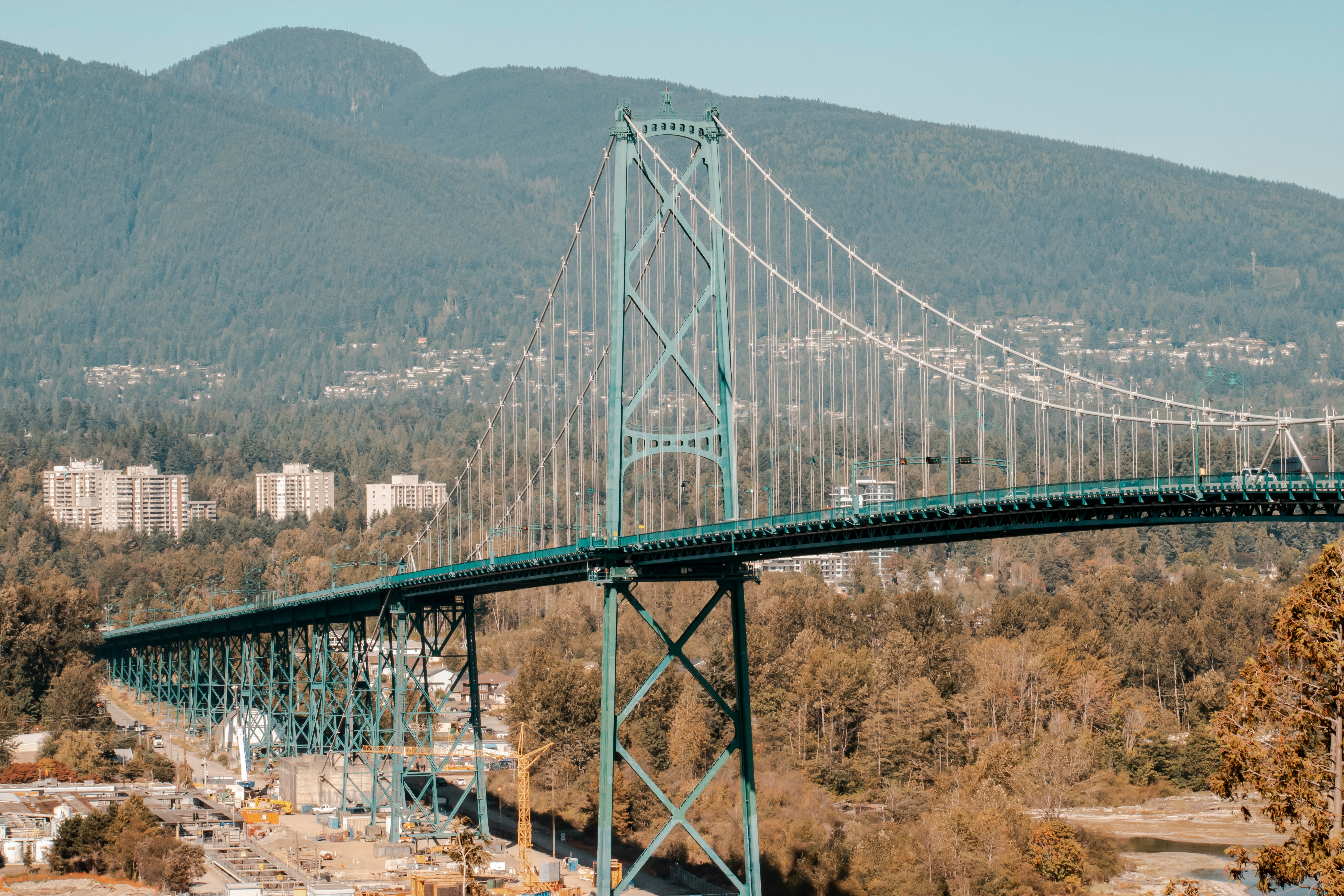


Key Insights


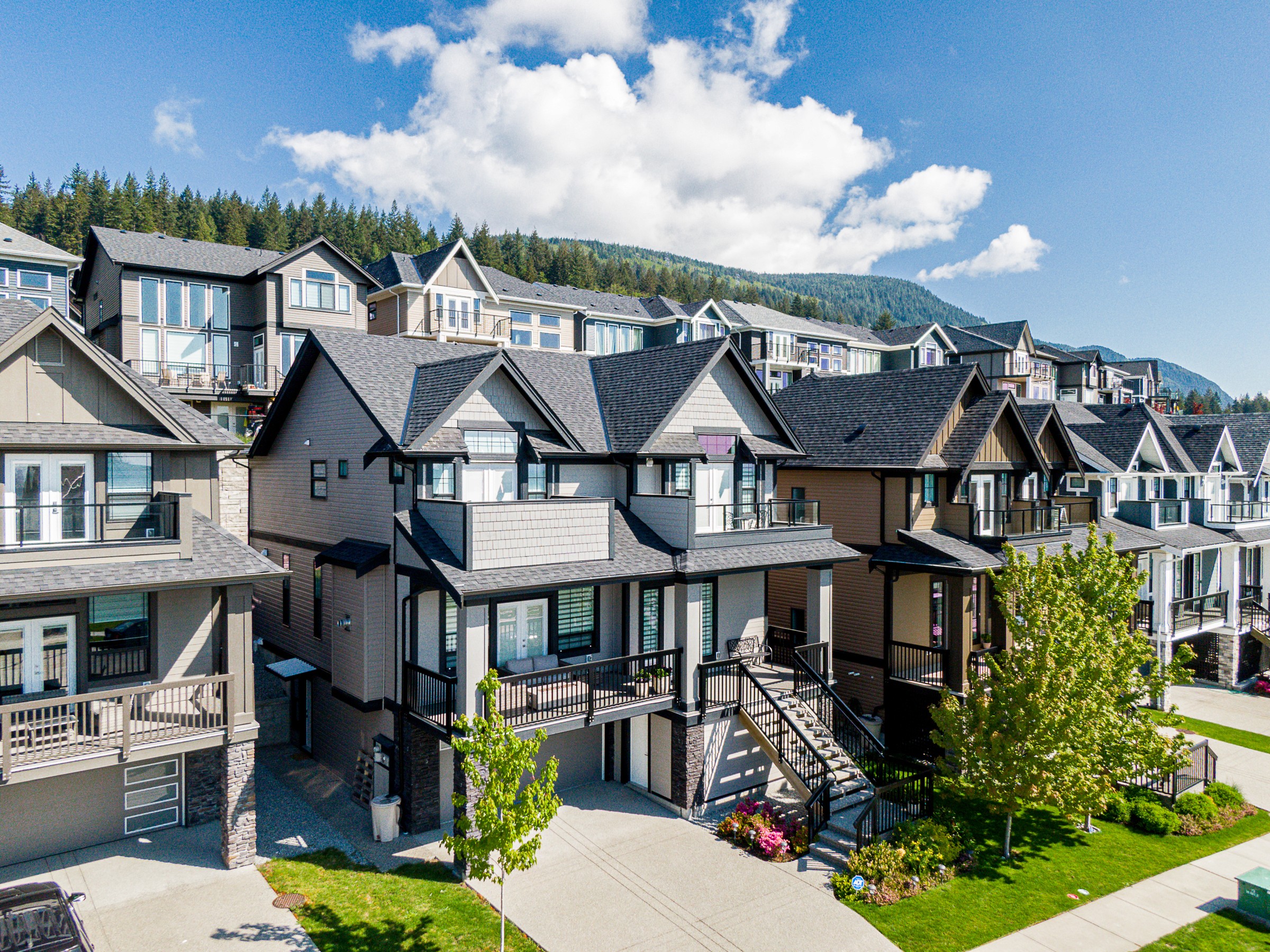


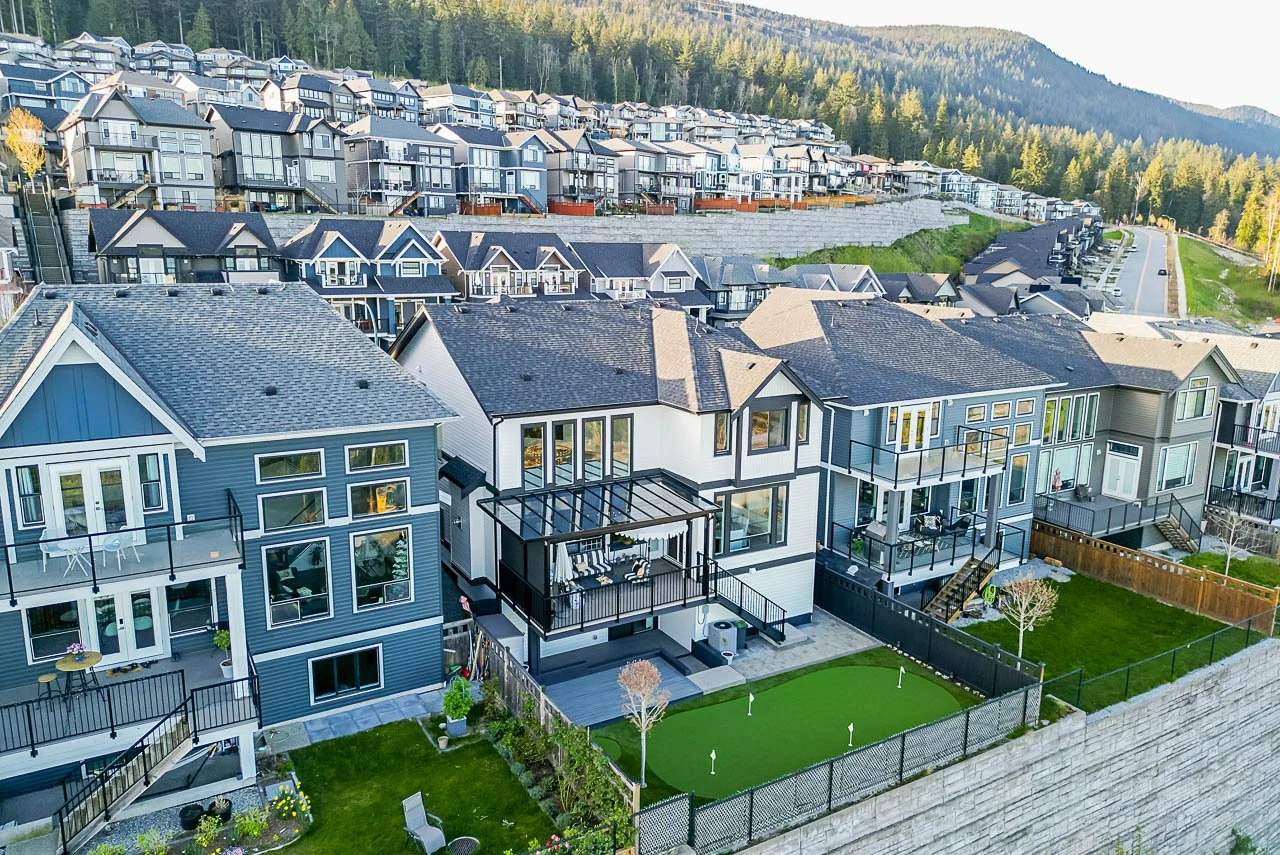




Recent
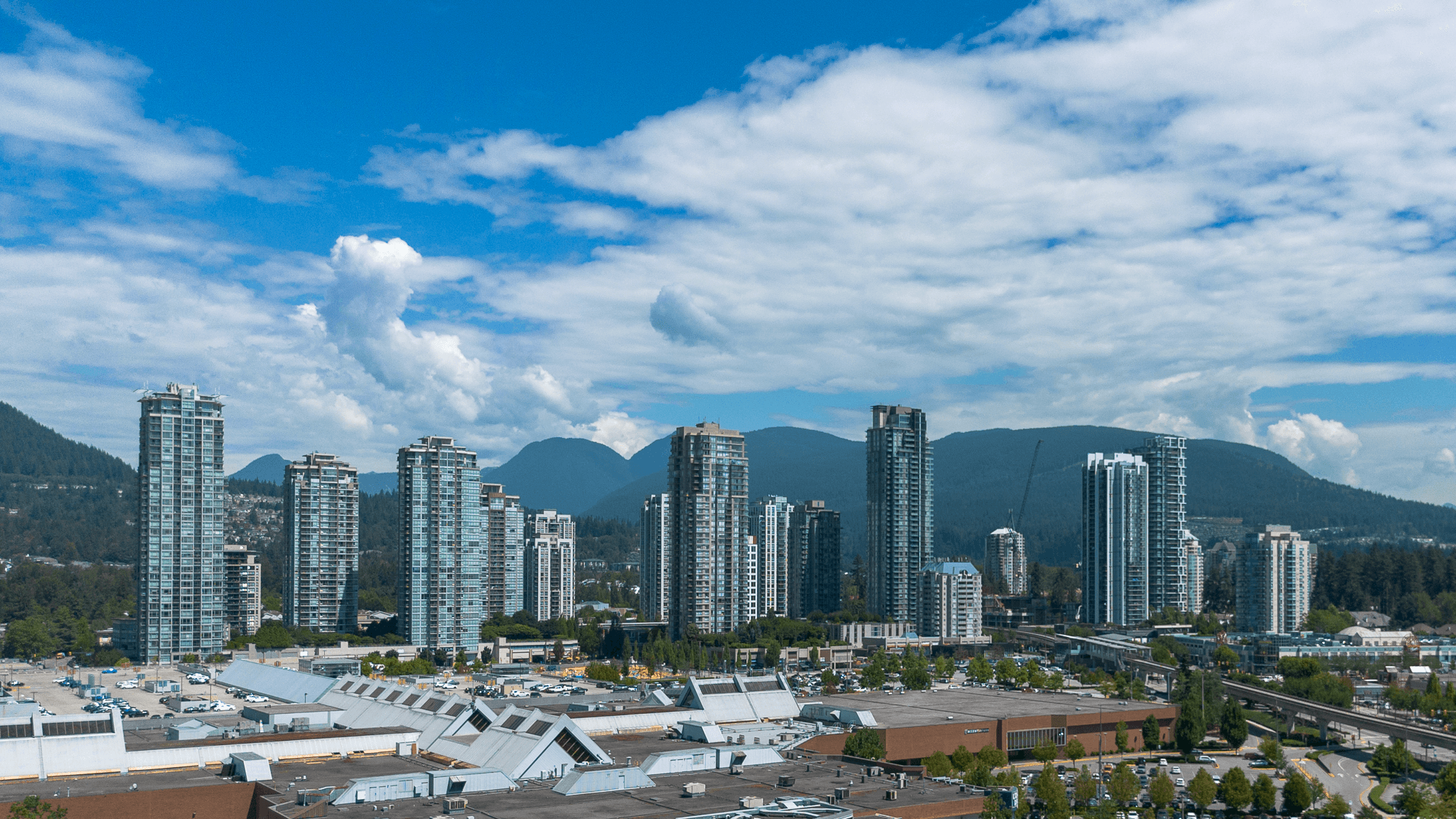


Recent





Victoria Estate Digest is your Go-to source for In-Depth Real Estate Insights, Market Trends, and Expert Analysis in British Columbia.
We cover everything from Housing Affordability and Foreign Investment to Luxury Properties and Emerging Market Opportunities.
Whether you're a Buyer, Seller, or Investor, we provide the Research and Knowledge you need to navigate BC’s ever-changing Real Estate Landscape.