/
/
The Stale Listing Playbook: How Buyers Can Spot Seller Motivation Without Asking
The Stale Listing Playbook: How Buyers Can Spot Seller Motivation Without Asking


A motivated seller rarely walks into an open house wearing a sign that says, “Please lowball me, I am emotionally exhausted and the mortgage renewal is eating my soul.”
That would be useful. It would also make real estate too honest, which is apparently illegal in Vancouver.
Instead, seller motivation hides in the listing history. It hides in the price reductions. It hides in the empty rooms, the stale staging, the relist, the awkward agent remarks, the flexible completion date, the rental listing that appeared before the sale listing, the owner who already moved out, the condo with three competing units in the same building, the house that has been photographed in three different seasons, and the listing description that quietly evolves from “rare opportunity” to “bring your ideas” to “seller says sell.”
That is where buyers find leverage.
Not by asking, “Is your seller motivated?” Every seller’s agent has the same answer: “They are realistic but not desperate.” That sentence means everything and nothing. It is realtor oatmeal. The real information is in the market behaviour.
A stale listing is not just a property that has been sitting. It is a property that has already been judged by the market and has not yet accepted the verdict. The seller is still hoping. Buyers are still passing. The listing is still there, quietly aging like milk in a glass tower.
This guide is about how to read that situation like a professional. It is not about insulting sellers. It is not about throwing clown offers at every listing because TikTok said Vancouver is doomed. It is about identifying the properties where time, carrying costs, tax exposure, market feedback, and seller psychology are starting to work in the buyer’s favour.
Because in a softer market, the best buyer is not the loudest. The best buyer is the one who sees seller pressure before the seller admits it.
The market is giving buyers more room to read the room
The stale-listing playbook matters because Metro Vancouver is not operating like the old panic market. In July 2026, Greater Vancouver REALTORS reported 2,061 residential sales, down 9.8% from July 2025 and 18.6% below the 10-year seasonal average. Active listings reached 16,476, which was 26.8% above the 10-year seasonal average. The overall sales-to-active-listings ratio was 13%, with detached homes at 10.5%, attached homes at 15.8%, and apartments at 14%. GVR’s own historical analysis says sustained ratios below 12% tend to create downward pressure on prices, while ratios above 20% tend to create upward pressure. (gvrealtors.ca)
That is not a seller dictatorship. That is a market where buyers can think, compare, wait, and watch.
Prices also show the shift. GVR’s July 2026 composite benchmark price was $1,088,800, down 6.2% year over year. Detached homes were benchmarked at $1,822,900, down 7% year over year. Apartments were $688,000, down 7.5%. Townhouses were $1,030,400, down 6%. (gvrealtors.ca)
The Fraser Valley tells a similar story in a more blunt suburban accent. In July 2026, the Fraser Valley Real Estate Board said buyer urgency had been “notably absent,” with inventory high and competition subdued. Average days to sell were 40 days for detached homes and townhomes, and 46 days for condos. The composite benchmark price was $877,600, down 7% year over year; detached homes were down 8.3%, townhomes down 7.1%, and condos down 9.1%. (fvreb.bc.ca)
This is the environment where stale listings become valuable information. When inventory is high and buyers are cautious, a property sitting unsold is not just “waiting for the right buyer.” Sometimes it is being repriced by silence.
Silence is market feedback. Sellers just hate the translation.
A stale listing is not automatically a bargain
Before buyers get excited, let’s kill the most dangerous misunderstanding.
A stale listing is not always a deal. Sometimes a listing is stale because the seller is unrealistic. Sometimes it is stale because the property has a serious problem. Sometimes it is stale because the building is weak, the strata is scary, the layout is bad, the house needs $300,000 in work, the tenant situation is complicated, or the seller is fishing for a number that only exists in a 2021 flashback.
A stale listing can be an opportunity. It can also be a trap with better photos.
The buyer’s job is to figure out which one.
A good stale listing has a seller who is gradually becoming more realistic and a property that still makes sense at the right price. A bad stale listing has a seller who will not move, a property that needs too much work, or risks that are not worth the discount.
A listing being old does not make it cheap. It makes it interesting.
That is where the work starts.
Days on market: useful, but easy to misunderstand
Days on market is the first signal buyers look at. It is also the easiest one to misread.
A property listed for seven days is usually still in the seller’s optimism phase. A property listed for 30 days may be starting to receive feedback. A property listed for 60 days has probably heard enough silence to know something is wrong. A property listed for 90 or 120 days is either overpriced, complicated, poorly presented, or waiting for a very specific buyer who may be imaginary.
But days on market only matters relative to the segment. A luxury home may naturally take longer than a well-priced condo. A unique acreage may take longer than a standard townhouse. A property with tenancy, development potential, court approval, or major repairs may need more time. A detached home in a weak price band may age differently from an entry-level condo with dozens of comparable units.
Use days on market as a question, not a conclusion.
Ask: how long do similar homes normally take to sell right now? If the Fraser Valley is averaging 40 days for detached homes and townhomes and 46 days for condos, a 12-day listing is not stale there. A 110-day listing is saying something. (fvreb.bc.ca)
In Metro Vancouver, compare the listing to the current absorption in its exact segment. A 45-day listing in a building where comparable units sell in 15 days is weak. A 45-day listing in a luxury market where good properties take 90 days may be normal.
The number does not speak alone. It speaks with context.
The relist is the stale listing wearing a fake moustache
One of the oldest tricks in real estate is the relist.
The seller cancels the listing and brings it back with a new MLS number, new wording, maybe new photos, maybe a small price change, and suddenly the property looks “new” to buyers who do not check history.
This is not always dishonest. Sometimes a listing legitimately changes brokerages, strategy, photos, price, or timing. But buyers should treat relists as information.
A relist often means the old listing failed.
Look for:
The same property appearing with a new MLS number.
A slightly reduced asking price.
New photos but same furniture.
Old listing remarks removed.
Days on market reset.
A new agent.
A change from “custom luxury” to “exceptional value.”
A listing that disappeared for a few days and came back like nothing happened.
The key is cumulative market time. Do not ask only, “How long has this listing been active?” Ask, “How long has this property been trying to sell?”
There is a difference.
A property may show 12 days on market on the current listing, but if it was listed for 92 days before that, removed, then relaunched, the true market exposure is not 12 days. It is 104 days with a costume change.
That matters because seller fatigue is cumulative. The listing reset does not reset the mortgage payment, tax bill, insurance, strata fee, or the seller’s growing suspicion that the market does not love them anymore.
Price reductions are not weakness by themselves. The pattern matters.
One price reduction can mean a seller is responsive. Multiple price reductions can mean the seller is chasing the market down one embarrassment at a time.
The pattern matters more than the fact of a reduction.
A strong seller may reduce early and decisively to meet the market. That can create competition. A weak seller reduces in tiny increments every few weeks, never enough to actually matter, while buyers watch and wait for the next cut. This is how a property becomes stale and scented with desperation.
Look for:
A large early reduction after weak showing activity.
Multiple small reductions.
A price cut after an open house.
A price cut after a comparable sale closed lower.
A price cut after a relist.
A price cut just before month-end or year-end.
A price cut after staging is removed.
A price cut paired with “motivated seller” language.
A price cut that still leaves the property above the best comps.
A price reduction is a signal that the seller has begun negotiating with reality. The question is whether they have finished.
A seller who cuts from $2,299,000 to $2,249,000 may still be in denial. A seller who cuts from $2,299,000 to $2,099,000 may be trying to wake up the market. A seller who cuts from $2,299,000 to $2,149,000 to $2,049,000 to $1,999,000 may now be more interested in hearing an aggressive offer.
Not always. But often enough that buyers should pay attention.
Listing language changes when confidence fades
Real estate descriptions are not written to reveal fear. They are written to hide it behind adjectives.
Still, the language changes.
Early listing language often sounds like this:
“Rare opportunity.”
“Highly sought-after.”
“Meticulously maintained.”
“Luxury living.”
“Do not miss.”
“First time on the market.”
“Pride of ownership.”
“Exceptional value.”
Later listing language often becomes more flexible:
“Bring your ideas.”
“Investor alert.”
“Priced to sell.”
“Motivated seller.”
“Quick possession possible.”
“Seller says sell.”
“All offers considered.”
“Below assessed value.”
“Great holding property.”
“Potential.”
“Court date set.”
“Vacant and easy to show.”
“Try your offer.”
The phrase “bring your ideas” is especially important. In Vancouver, it often means “the kitchen has survived several governments and the basement should be approached with humility.”
“Potential” can mean land value, renovation opportunity, suite potential, multiplex potential, or “we have no idea how to justify the price based on the existing house.”
“Investor alert” can mean good rental economics. It can also mean “normal owner-occupiers have rejected this layout, condition, or building.”
“Priced below assessment” sounds persuasive, but assessment is not current market value. A property can be below assessment and still overpriced if current comparable sales are lower.
Listing language is not proof, but it reveals seller posture. When the wording shifts from glamour to flexibility, the seller may be getting tired.
Vacant properties speak loudly
A vacant property is one of the clearest motivation signals.
Vacancy means the property is not producing income. It may be costing the seller money every month. It may be harder to insure. It may need utilities, maintenance, security, landscaping, strata fees, mortgage payments, taxes, and repairs. If it is inside the City of Vancouver or subject to B.C.’s Speculation and Vacancy Tax, vacancy can also create tax pressure.
The key holding-cost pressure is not ordinary property tax alone. The SVT is an annual tax based on residential use and ownership in B.C.’s major urban centres, not a traditional property tax. B.C. says the SVT applies based on ownership as of December 31 each year, and the 2027 rate is 4% for foreign owners and untaxed worldwide earners, while Canadian citizens and permanent residents who are not untaxed worldwide earners remain at 1%. (www.gov.bc.ca)
That does not mean every vacant property owes SVT. Many owners are exempt. Do not assume. Do not accuse. Do not write an offer acting like you have audited the seller’s tax situation.
But vacancy still matters because an empty property has a cost of waiting.
A vacant condo with $700 monthly strata fees, property tax, insurance, and mortgage interest is not sitting still. It is bleeding. A vacant detached house with lawn care, insurance, utilities, property tax, mortgage interest, possible vacancy-tax exposure, and winter maintenance is not a passive asset. It is a monthly invoice with windows.
When a vacant property has also been listed for months, the seller’s pain is easier to read.
The furniture is gone.
The tenant is gone.
The owner is gone.
The listing is still there.
That is a conversation.
The staged home that loses its staging is telling you something
Staging is expensive. Sellers usually stage because they want the best launch possible. If the staging disappears while the listing remains, pay attention.
It may mean the staging contract expired. It may mean the seller is tired of paying. It may mean the listing failed to sell during the intended marketing window. It may mean the seller is shifting from “premium presentation” to “please just get this sold.”
Look for photo changes:
The original staged photos remain, but the home is empty during showings.
The listing gets new empty-house photos.
The furniture changes.
The property looks less polished at the second viewing.
The open house feels abandoned.
Staging removal is not always motivation, but it often means the seller’s first strategy failed. Once the seller has spent money on staging, photos, cleaning, open houses, and market exposure, then watched buyers pass, they may become more receptive to a serious offer.
A property that looked like a lifestyle magazine and now feels like a bank-owned waiting room has changed psychologically.
So has the seller.
The seasonal listing tells a story
Listings age differently depending on the season.
A property launched in spring with full optimism and still sitting in late summer has failed through the best part of the year. A property listed in fall and still sitting into winter may face a weaker showing environment. A vacant house carrying through winter has maintenance risks and emotional fatigue. A seller trying to avoid a year-end tax or financing issue may become more flexible as December approaches.
Seasonal clues include:
Spring flowers in listing photos while it is now August.
Snow in photos during summer.
Summer patio staging during November.
Old leaves, old light, old furniture, old sky.
Photos that clearly belong to a different market mood.
The older the photos look, the more buyers wonder why nobody bought the property during the season when it looked its best.
That does not automatically justify a low offer. But it gives you leverage when paired with price cuts, days on market, and current comparable sales.
A listing with cherry blossoms in the photos and a September showing date is not fresh.
It is preserved.
The open house tells you what the listing cannot
Open houses are useful even if you are not ready to offer.
Do not just look at the property. Watch the room.
How many people are there?
Are buyers lingering or walking out quickly?
Is the agent energetic or tired?
Are there sign-in sheets full of names or mostly blank?
Are people asking serious questions or just browsing?
Are there repeat visitors?
Is the agent volunteering too much information?
Are offer dates being mentioned or avoided?
Is the seller’s agent asking for feedback too eagerly?
Is the property easy to access?
Is it vacant and overexposed?
Does the agent say, “We’re looking at offers as they come,” instead of setting a firm offer date?
Does the agent mention the seller is flexible on dates?
An empty open house is not proof of seller desperation. But an empty open house on a stale listing with a price reduction is useful information.
The listing says “rare opportunity.”
The open house says “you are the only person here.”
Trust the room.
Agent behaviour can reveal pressure
Listing agents are trained to protect their clients’ position, but they are also human. Their behaviour can leak motivation.
Signals include:
They follow up quickly after a showing.
They ask directly whether your client has interest.
They volunteer that the seller is “open to offers.”
They mention preferred completion dates.
They mention the property is vacant.
They mention the seller has already moved.
They mention there has been “good activity” but no offers.
They say the seller is “not desperate” without being asked.
They mention past offers fell apart.
They ask for feedback more than once.
They push for a second showing.
They respond quickly to document requests.
They send updated disclosures proactively.
They hint that the asking price has room.
None of this is a confession. But real estate is a game of clues.
A confident listing agent does not usually chase weak leads. A tired listing agent does.
Listen for fatigue. It is one of the most honest sounds in real estate.
“No offer date” can be a clue
In a hot market, sellers often set an offer date to create urgency. In a softer market, many do not because they know the offers may not come. A listing that launches without an offer date is not automatically weak, but it can indicate the seller is not confident enough to create a deadline.
Even more important is the failed offer-date situation.
A seller lists with an offer date.
The offer date passes.
The property remains active.
No sale.
That is a market humiliation in slow motion.
After a failed offer date, seller psychology changes. The seller thought competition might appear. It did not. The listing now carries stigma. Buyers wonder what happened. The seller may be more open to negotiation even if they do not admit it.
This is a perfect moment for a serious buyer to ask their agent:
“Did they receive any offers?”
“Was the offer date cancelled?”
“Are they still reviewing offers as they come?”
“Would they consider a subject offer?”
If the seller’s agent suddenly becomes flexible, you have learned something.
The failed deal is a major clue
If a property was sold subject to conditions and then came back to market, pay attention.
A collapsed deal can mean many things:
Buyer financing failed.
Inspection found problems.
Strata documents scared the buyer.
Appraisal came in low.
Insurance was difficult.
Title issue appeared.
The buyer got cold feet.
The seller refused a repair request.
Tenant/vacant possession issue emerged.
Court approval or estate issue delayed things.
The property itself may be fine. Or it may now carry a warning label.
A failed deal creates opportunity because the seller has emotionally experienced a sale and then lost it. That is painful. They may be more realistic with the next serious buyer. But the buyer must investigate why the deal collapsed.
Do not assume the seller is desperate and the property is fine.
Assume the property has a story and your job is to find it before your deposit is at risk.
If the prior deal collapsed due to financing, that may be less concerning. If it collapsed due to water ingress, strata levies, or appraisal problems, price needs to reflect that.
A failed deal is not just a crack in the seller’s confidence.
It may be a crack in the foundation.
Find out which.
Competing listings are leverage
A seller may think their property is special. The buyer should ask whether the market agrees.
Look at competing active listings, not just sold comparables. Active listings are the seller’s competition. Sold listings are evidence of what buyers actually paid. Both matter.
If a condo seller is asking $829,000 and there are three similar units nearby at $795,000, $788,000 and $775,000, the seller has a problem. If a detached seller is asking $2,300,000 and two nearby homes with better lots and newer renovations are listed at $2,199,000 and $2,150,000, the seller is helping the competition.
Active competition creates pressure because buyers can choose.
This is the part sellers hate. They think buyers are deciding whether to buy their property. Buyers are actually deciding among alternatives.
A stale listing is often a property that failed to answer one simple question:
“Why this one?”
If the seller cannot answer, price must.
The same-building comparison is deadly for condos
Condos are especially vulnerable to stale-listing pressure because buyers can compare units in the same building.
If multiple units are listed in the same building, the seller’s uniqueness disappears. Buyers can compare:
Floor level.
View.
Exposure.
Renovation.
Parking.
Storage.
Layout.
Strata fees.
Tenant status.
Price per square foot.
Days on market.
If Unit 1104 sold for $748,000 and Unit 1204 is listed for $829,000 with similar layout and condition, the seller needs a very good reason. “We prefer our colour scheme” is not a good reason.
Same-building competition also exposes overpricing faster. The seller cannot hide behind neighbourhood averages when an almost identical unit is sitting upstairs with better pricing.
If a condo is stale and there are multiple active units in the building, buyer leverage increases sharply.
Especially if one seller breaks first.
Once one unit sells lower, every other seller in the building receives an education.
Strata documents can reveal hidden motivation
Sometimes a condo listing is stale because buyers keep reading the documents and running away.
The listing may look fine. The unit may show well. The price may seem attractive. But the strata documents may whisper terrible things.
Watch for:
Low contingency reserve fund.
Large upcoming capital projects.
Elevator modernization.
Roof replacement.
Parkade membrane work.
Water ingress history.
High insurance deductibles.
Lawsuits.
Engineering reports.
Frequent special levies.
Aggressive fee increases.
Poor council governance.
Repeated owner disputes.
Depreciation report warnings.
A building like this may generate showings but not firm offers. The seller may not be able to fix the building problem. Price becomes the only tool.
If the listing is stale and the strata documents are weak, the buyer has a legitimate reason for a lower offer. Not a vague “the building is scary” offer. A specific offer tied to the documented risk.
The more precise the risk, the less clownish the discount.
Inspection-visible problems create stale listings
Some homes look great online and disappoint in person.
This is where showings become reality.
Common in-person deal killers:
Damp basement smell.
Old roof.
Cracked foundation.
DIY renovations.
Odd floor plan.
Tiny bedrooms.
Poor natural light.
Noise from arterial roads.
Neighbouring construction.
Steep or unusable yard.
No storage.
Low basement ceilings.
Unpermitted suite.
Aging windows.
Old electrical.
Poor drainage.
Pet or smoke odour.
A listing can get plenty of clicks and showings but no offers because every buyer discovers the same issue. The seller may not understand because they have lived with the problem for years. Buyers notice immediately.
If a listing has good photos, reasonable online appeal, many days on market, and no sale, suspect a physical issue. Go see it. Use your nose. Use your ears. Look behind the staging. Ask what buyers have said. If the same objection keeps appearing, the seller may be ready for an offer that prices it in.
A stale listing often has a flaw the photos did not confess.
The “beautiful but overpriced” listing is different from the “problem property”
Not every stale listing has a defect. Some are just overpriced.
This matters because the negotiation strategy differs.
A problem property needs due diligence and a risk discount. A beautiful overpriced property needs market evidence and patience.
If the home is genuinely good but overpriced, the seller may still attract buyers once the price comes down. Your low offer must be strong enough to engage before someone else does.
If the property has real issues, your low offer can be more aggressive because the buyer pool is smaller.
Ask yourself:
Is this listing stale because the seller wants too much for a good property?
Or is it stale because the property itself has a problem?
The first may be an opportunity if the seller becomes realistic.
The second may be an opportunity only if the discount is large enough.
Some stale listings are not underpriced opportunities.
They are accurately rejected problems.
The tenant situation can create motivation
Tenant-occupied properties can become stale because many buyers do not want tenancy complexity.
The listing may say “great tenant,” “investor alert,” “tenanted property,” “notice required,” or “please allow 24 hours for showings.” That may be fine for an investor. It may be a major obstacle for an owner-occupier.
Tenant-related motivation signs include:
Below-market rent.
Fixed-term lease.
Difficult showing access.
Messy unit presentation.
Tenant unwilling to leave.
Seller unable to provide vacant possession.
Unclear tenancy documents.
Cash-flow negative rental.
Restrictions on viewing certain areas.
No interior photos or limited photos.
A tenant can reduce the buyer pool. A reduced buyer pool means more leverage if you are willing and able to handle the tenancy.
But do not casually assume you can remove the tenant. Get proper advice. Tenancy rights are real. If the listing is cheap because the tenant situation is complicated, it may be cheap for a reason.
A tenant is either income or friction.
Sometimes both.
The “already bought another place” seller
One of the strongest motivation signals is a seller who has already purchased another property.
You may not know this directly. Sometimes the listing agent hints. Sometimes the completion date gives it away. Sometimes the seller’s urgency is visible in communication. Sometimes the property is vacant because the seller moved into the new place.
If the seller already bought, they may be carrying two properties or trying to align dates. That creates pressure.
Questions your agent can ask without being rude:
“What completion date would work best for the seller?”
“Has the seller already found their next home?”
“Would the seller prefer a quicker close or more time?”
“Is the seller flexible on dates?”
The answer may reveal more than expected.
A seller who says, “They are flexible” is different from one who says, “They would really prefer completion before October 15.” Specific dates can be pressure points.
Terms can then become leverage. A buyer offering a lower price with the seller’s ideal completion may beat a higher offer with messy timing.
In a stale listing, dates are money.
The estate sale clue
Estate sales can create motivation, but they are not automatically distressed.
Signals include:
Property is vacant.
Decor and condition are dated.
Listing says estate sale.
Executor is involved.
Multiple decision-makers.
As-is wording.
Limited property disclosure.
Longer completion flexibility.
Price reductions after family discussions.
Estate sellers may want closure. They may also be careful because executors have duties and beneficiaries may disagree. The property may be emotionally difficult but financially straightforward.
A stale estate listing can become negotiable if the family wants to move on. But do not assume insulting offers will work. Estate sellers may be less emotional about the house than a living owner, but more sensitive to appearing to undersell.
Your offer should emphasize clean terms, certainty, and evidence.
A good estate offer says: “This is a clean way to close the file.”
Not: “Grandma’s kitchen is ancient, so here is a rude number.”
The divorce sale clue
Divorce can create motivation, but also chaos.
Signals may include:
Vacant property.
One spouse moved out.
Court-related timing.
Reduced cooperation with showings.
Price reductions after long delays.
Urgent completion needs.
Communication through lawyers.
One party wants sale, the other resists.
These listings can be negotiable because both parties may want resolution. They can also be difficult because emotions may override market logic.
A low offer may be accepted if it helps both parties move on. It may be rejected if one party refuses to “lose,” even if the number is reasonable.
The stale-listing clue is not just that the seller is under pressure. It is whether the seller can act on that pressure.
A motivated seller who cannot make a decision is not useful.
That is a different kind of problem.
The corporate owner and investor-owner clue
Corporate-owned, investor-owned, or non-owner-occupied properties can be more negotiable because the sale may be less emotional. But they can also be more rigid if the seller has a target return, internal approval process, lender constraint, or tax issue.
Signals include:
Vacant unit.
Rental history.
No owner-occupied warmth.
Minimal furniture.
Tenant recently left.
Listing emphasizes investor metrics.
Seller located elsewhere.
Property managed by agent or property manager.
Multiple similar units owned by same party.
Corporate or numbered-company ownership on title.
Investor sellers often respond to numbers. If the rent does not support the price, show the math. If carrying costs exceed rent, show the gap. If current condo values are down, show the comps. If the seller is sitting on a vacant unit, show the cost of waiting.
Investors may not care about your dream of homeownership.
Good.
You do not need them to.
You need them to care about their spreadsheet.
The tax calendar clue
Some seller motivation is tied to dates.
For B.C.’s Speculation and Vacancy Tax, the province says the tax applies based on ownership as of December 31 each year, and tax for a calendar year is due the following July. The 2027 highest-rate category is 4% for foreign owners and untaxed worldwide earners. (www.gov.bc.ca)
For Vancouver’s Empty Homes Tax, City of Vancouver owners must make annual property status declarations, and properties deemed, declared, or determined empty for the 2025 reference year are subject to a 3% tax of the property’s 2025 assessed taxable value. (vancouver.ca)
Again, do not assume a specific seller owes these taxes. But understand the calendar.
A vacant high-value property approaching year-end may carry more pressure than the same property listed in February. A seller who risks another tax year may be more flexible before the key date. A non-exempt highest-rate owner with a $5 million property faces a possible 2027 SVT bill of:
$5,000,000 × 4% = $200,000
That kind of carrying cost can change seller psychology.
A buyer does not need to yell about it. The offer can simply reflect it:
“Given the property’s extended market exposure, vacancy, and the cost of carrying high-value residential property in Vancouver, the buyer is prepared to offer certainty with a flexible completion date.”
That sounds professional.
“Take my offer before the taxman eats you” sounds like a clown with a calculator.
The mortgage renewal clue
Mortgage renewal pressure is harder to see, but it matters.
A seller who bought or refinanced during the low-rate years may now face a much higher payment. If the property is vacant, rented below carrying cost, or not selling, renewal pressure can become the hidden reason behind price flexibility.
Possible clues:
Seller bought during 2020–2022.
Property is investor-owned.
Property is vacant.
Listing has multiple reductions.
Seller is trying to sell before a specific date.
Seller asks for quick completion.
Rental listing appears and disappears.
Seller has another property purchase pending.
You may not know the renewal date. Do not pretend you do. But watch for behaviour.
A seller with no pressure does not usually reduce repeatedly, chase feedback, and offer flexible completion while carrying a vacant unit.
A seller under financing pressure may not say it.
The listing history may.
The rental listing clue
Sometimes a seller tries to rent before selling, or tries to sell before renting, or does both at once.
This is useful.
If the same property appears for rent and sale, the owner may be uncertain, under cash-flow pressure, or testing both exits. That does not mean they are desperate, but it does mean they have not found a clean solution.
Look for:
Rental listing withdrawn before sale listing.
Sale listing withdrawn and rental listing appears.
Both active at once.
Price reductions on both.
Vacant unit with no tenant.
Landlord offering incentives.
Rental price that does not cover likely carrying costs.
This is especially important with investor condos. If the owner cannot rent high enough and cannot sell high enough, their options shrink.
A buyer who understands both resale value and rental math can negotiate more effectively.
The seller may not say, “My investment thesis broke.”
The rental listing might.
The listing photo clue
Photos reveal more than sellers intend.
Signs of aging or weak motivation:
Old seasonal photos.
Mixed photo styles from different shoots.
Dark photos after staging removed.
Empty rooms after originally staged shots.
Listing photos that avoid certain rooms.
No basement photos.
No exterior rear shots.
No bathroom close-ups.
Photos cropped to hide views, roads, power lines, or neighbouring buildings.
Photos that over-focus on flowers and under-focus on mechanical systems.
For condos, missing photos of parking, storage, balcony, view, or amenities may matter. For detached homes, missing basement, roofline, yard, garage, or suite photos may be telling.
A stale listing with selective photos invites the question:
“What are they not showing?”
Sometimes the answer is innocent.
Sometimes it is the reason buyers keep leaving.
The “below assessment” trap
Sellers love saying a property is listed below assessment.
Buyers should not fall asleep here.
BC Assessment is a tax valuation with a valuation date, not a live offer from a buyer. A home can be below assessment and still overpriced if current market value has moved lower. This is especially true in a falling or softening market.
“Below assessment” is not meaningless. It may indicate value if supported by comps. But it cannot replace current sold evidence.
Ask:
What is the assessment date?
What have similar homes sold for recently?
Did the market move since the assessment date?
Does the assessed value include land potential that may not pencil?
Is the property condition worse than assumed?
Is the seller using assessment because current comps are weaker?
If the best argument for the price is “below assessment,” the seller may be short on better arguments.
That is useful.
The “priced to sell” trap
“Priced to sell” should mean the property is priced below competing alternatives and near a level where buyers will act.
In practice, it often means “priced to make the seller feel like they compromised.”
A property is not priced to sell because the listing says so. It is priced to sell if the market responds.
Signs it is actually priced to sell:
Strong showing traffic.
Comparable sales support the price.
Active competitors are higher or weaker.
The price reduction was meaningful.
The property gets offers quickly after the reduction.
Buyers who previously passed return.
Signs it is not priced to sell:
Still sitting after reduction.
Price remains above better comps.
Seller refuses reasonable counters.
Listing language gets louder.
Agent keeps saying “great value” while no one buys.
Price is a test. The market grades it.
If the market is not responding, it is not priced to sell.
It is priced to advertise.
Seller motivation is not seller desperation
This distinction matters.
A motivated seller wants to sell.
A desperate seller must sell.
A motivated seller may still reject your low offer. A desperate seller may accept terms they hate. Most sellers are somewhere in between.
Your job is not to assume desperation. Your job is to identify increasing motivation and make a serious offer that gives the seller a reason to engage.
Signs of motivation:
Price reductions.
Flexible dates.
Vacancy.
Long market time.
Weak showing activity.
Follow-up from listing agent.
Documents ready.
Seller already moved.
Property easy to show.
Signs of desperation:
Large sudden price reduction.
Failed previous deal.
Seller asks for quick completion.
Multiple relists.
Vacant high-carrying-cost property.
Tax deadline pressure.
Estate or divorce urgency.
Mortgage or court pressure.
“Any offer considered” language.
The more signals stack, the stronger your leverage.
One signal is interesting.
Five signals are strategy.
The seller who will not reduce can still be motivated
Some sellers are motivated but stuck. They want to sell, but cannot accept the market price because of mortgage balance, debt, family disagreement, tax consequences, replacement-home needs, or emotional denial.
These sellers are dangerous because they waste buyer time.
A seller may be motivated to sell at $2.1 million but unable to sell at $1.85 million, even if $1.85 million is the market. That is not useful to you unless they become unstuck.
Clues the seller is stuck:
Repeated small reductions but never enough.
High mortgage registered on title.
Seller bought recently near peak.
Listing language says flexible, but counters remain unrealistic.
The seller keeps relisting instead of repricing.
They reject market-supported offers.
Agent sounds frustrated but cannot move them.
A stuck seller is not a bad person. They are just not ready.
Do not spend months trying to educate them for free.
Let the market do that.
The first offer on a stale listing should test reality
When a property is stale, your first offer should reveal whether the seller is ready.
It should be low enough to protect you and reflect market evidence, but serious enough to invite a counter.
A good first offer includes:
Evidence-based price.
Reasonable deposit.
Focused subjects.
Short but realistic due diligence period.
Seller-friendly completion if possible.
Professional presentation.
A bad first offer includes:
Random number.
Tiny deposit.
Too many conditions.
Long subject period.
Insulting commentary.
No financing confidence.
Weird demands.
The goal is not always to get accepted immediately. The goal is to pull the seller into a conversation. If they counter reasonably, continue. If they counter at fantasy, step back.
The stale listing tells you the property has not worked at the seller’s number.
Your offer tells you whether the seller has learned anything.
How to ask without asking
The article title says “without asking,” but that does not mean your agent asks nothing. It means you do not ask the useless direct question: “Is the seller motivated?”
Ask better questions.
“What completion date would the seller prefer?”
“Is the property vacant?”
“Has the seller received prior offers?”
“Did any prior offer collapse?”
“What feedback have you been getting?”
“Are there any known concerns buyers have raised?”
“Are the sellers flexible on dates?”
“Would they consider a subject offer?”
“Are there any documents available upfront?”
“Has the seller already purchased another property?”
“Would the seller consider offers below asking if terms are strong?”
“Is there a price the seller has indicated they would seriously review?”
These questions do not ask, “Are they desperate?”
They ask for facts that reveal pressure.
A good listing agent will not give everything away. But their answers, tone, speed, and hesitation can tell you enough.
The best question is often not the direct one.
It is the one that makes the truth leak out sideways.
Use the Home Buyer Rescission Period wisely
B.C.’s Home Buyer Rescission Period gives buyers up to three business days to rescind an accepted offer on many residential properties, excluding weekends and holidays. BCFSA says only buyers can use it, it cannot be waived by buyer or seller, and a buyer who rescinds must pay a fee of 0.25% of the offer price. (bcfsa.ca)
This matters because stale listings sometimes tempt buyers to write aggressively and think later. Do not use the rescission period as a toy.
On a $1,500,000 accepted offer, the rescission fee would be:
$1,500,000 × 0.25% = $3,750
That is not free.
The rescission period gives a short backstop, not a substitute for proper subjects and due diligence. If the property is stale because of condition, strata, title, financing, tenancy, or insurance issues, write the right subjects.
Do not become reckless because the law gives you a short escape hatch.
Escape hatches are for emergencies, not laziness.
The strongest stale-listing offer solves the seller’s problem
A stale listing means the seller has a problem.
Your job is to identify it and solve it at a discount.
If the seller’s problem is price, offer market value.
If the problem is timing, offer the right completion.
If the problem is vacancy, offer quick certainty.
If the problem is tax exposure, offer before the relevant date.
If the problem is failed financing from prior buyers, show financing strength.
If the problem is inspection risk, offer with a focused inspection subject.
If the problem is strata uncertainty, show that you understand it and price it in.
If the problem is emotional fatigue, make the deal simple.
Price matters, but terms are often the key that unlocks a stale listing.
A buyer offering $1,800,000 with clean terms may beat a buyer offering $1,850,000 with weak financing, long conditions, and a completion date that ruins the seller’s next step.
The seller’s problem is not always “I need more money.”
Sometimes it is “I need this to be over.”
That is where buyers win.
How to build the stale-listing discount
A stale-listing discount should not be random.
Start with current fair value based on recent sold comps. Then adjust for the property’s stale status and specific risk.
A simple framework:
Current comparable value
minus condition discount
minus market-time discount
minus competing-listing discount
minus financing/appraisal risk
minus tenant or strata risk
minus seller carrying-cost pressure
minus negotiation margin
equals opening offer
Example:
A condo is listed at $825,000.
Best current comparable value: $770,000
No storage: −$10,000
High strata fees and levy uncertainty: −$20,000
Long market time and competing units: −$15,000
Negotiation margin: −$20,000
Opening offer: $705,000
That is aggressive. But it has logic.
The seller may counter. Good. The point is to start from evidence, not from the asking price.
The asking price is not the centre of the negotiation if the asking price is wrong.
Stale listing example: the vacant Vancouver condo
A two-bedroom Vancouver condo is listed at $899,000.
It has been on market for 86 days. It was first listed at $949,000. It is vacant. There are two similar units active nearby at $865,000 and $849,000. A similar unit sold last month for $835,000. The building has rising strata fees, but no major red flags. The seller’s agent says the seller is “flexible on dates” and asks for feedback immediately after the showing.
This is a stale-listing target.
A reasonable buyer strategy might be:
Offer $795,000 to $810,000, depending on the unit’s condition and your appetite.
Include financing, inspection, and strata-document review.
Use a short subject period, perhaps five to seven business days.
Offer the seller a quick or flexible completion.
Use a meaningful deposit after subject removal.
The offer should say:
“The offer reflects current comparable sales, active competition, vacancy, and the property’s extended market exposure. The buyer is qualified and prepared to move quickly through due diligence.”
That is not insulting. It is the market report in offer form.
The seller may reject. If they counter at $875,000, they are still anchored. If they counter at $835,000, now you have a conversation.
Stale listing example: the detached house with old bones
A detached house in East Vancouver is listed at $2,099,000.
It has been listed for 112 days across two MLS numbers. It was originally listed at $2,249,000. The photos are staged, but the home is now empty. The house has an older roof, mixed windows, an unauthorized suite, low basement ceiling, and a damp smell. Comparable sales suggest better-condition homes are selling around $1,900,000 to $1,950,000.
This is a stronger lowball candidate because the property is not only stale; it has buyer objections.
A buyer might offer $1,700,000 to $1,760,000 depending on land value, lot quality, and renovation cost.
Terms should be clean but protected:
Financing.
Inspection.
Oil tank scan.
Title review.
Permit/suite document review.
Insurance confirmation.
Short subject period.
Flexible completion.
The buyer’s position:
“The offer reflects current comparable sales, the property’s extended market exposure, and the cost/risk of roof, lower-level, and suite-status issues.”
This is how you avoid sounding like a clown. You do not say, “Your basement smells like regret.” You say, “lower-level risk.”
Same truth. Better packaging.
Stale listing example: the investor-owned rental condo
A condo in Burnaby is listed at $745,000.
It is tenanted month-to-month at $2,500 per month. Similar vacant units have sold around $710,000. The tenant is below market but not dramatically. The unit needs updates. The seller is an investor and the listing says “great holding property.” It has been on market for 70 days.
This listing may be stale because owner-occupiers do not want the tenant and investors do not like the yield.
At $745,000 with 20% down, a current-rate mortgage plus strata, tax, insurance, repairs, and vacancy allowance may not come close to being covered by rent. The buyer can use income math.
A serious offer might be $660,000 to $685,000, depending on building quality and tenancy details.
The buyer’s framing:
“At the current asking price, the rental income does not support the carrying cost, and the existing tenancy reduces owner-occupier flexibility. The offer reflects income value, tenancy risk, and current comparable sales.”
That is professional and hard to dismiss if the numbers support it.
The seller may still wait for an emotional owner-occupier. Good luck to them. You are not required to subsidize their hope.
Stale listing example: the luxury home with a thin buyer pool
A West Vancouver luxury home is listed at $6,800,000.
It has been on market for 180 days. The home is large but dated. The view is good, but not rare enough to justify the ask. The landscaping is expensive to maintain. There have been two price reductions from an original list of $7,500,000. The seller is not in a rush, but the property is vacant and carrying costs are high.
Luxury sellers often have patience, so do not assume desperation. But the buyer pool is thin. At the high end, time on market becomes normal, but repeated reductions and vacancy still matter.
A buyer might offer $5,600,000 to $5,900,000, depending on comparable sales and renovation cost.
The offer should be quiet and respectful:
“The offer reflects recent high-end sales, current market depth, required updates, and carrying-cost risk. The buyer can provide a clean transaction with flexible completion.”
Luxury negotiation is not improved by loudness.
Rich people hate being embarrassed.
So do poor people, but rich people can afford to ignore you longer.
The seller’s “we are not in a rush” line
Every seller says they are not in a rush.
Sometimes true. Sometimes theatre.
The question is not what they say. The question is how they behave.
A seller not in a rush does not usually reduce repeatedly.
A seller not in a rush does not usually chase feedback.
A seller not in a rush does not usually relist three times.
A seller not in a rush does not usually empty the property and keep paying.
A seller not in a rush does not usually offer flexible completion and ask for “any reasonable offer.”
When words and behaviour disagree, trust behaviour.
Real estate is not poker, but stale listings have tells.
The seller may say they are patient.
The listing history may say otherwise.
The seller who rejects your offer may still come back
This is one of the best things about stale listings.
A seller can reject your offer today and call you in three weeks.
Why?
Another open house failed.
Another comparable sold lower.
Another month of carrying costs hit.
The mortgage payment cleared.
The condo fee came out.
The tax deadline moved closer.
The seller’s next purchase became urgent.
The family got tired.
The agent finally convinced them.
Do not burn the bridge. If your offer is rejected, respond professionally:
“Thank you for reviewing it. My clients remain interested if the seller’s expectations change. The offer was based on current comparable evidence, and they would be open to revisiting if there is room.”
Then leave.
Do not chase. Do not beg. Do not improve without reason.
The strongest buyer is remembered as serious, not desperate.
That way, when the seller finally becomes realistic, your agent gets the call.
The stale listing’s greatest enemy is the next comparable sale
A stale listing may survive buyer silence for a while. It has a harder time surviving a lower comparable sale.
If a similar property sells below the stale listing’s ask, that new comp becomes ammunition. It resets buyer expectations. It makes the stale seller’s price look worse. It may force a reduction.
Track nearby solds closely.
When a lower comp closes, your agent can approach:
“Given the recent sale at $X, my clients would be prepared to revisit the property at $Y.”
This is much stronger than saying, “We think the market is weak.”
A fresh comp is not an opinion.
It is a receipt.
Sellers hate receipts when the receipts are lower.
The stale listing’s second enemy is new competition
New active listings can also weaken a stale seller.
If a better home lists at a similar price, the stale listing gets pushed down. If a similar home lists lower, the stale listing looks overpriced. If several new listings appear in the same building, the seller loses scarcity.
This creates timing opportunity.
Buyers can move quickly after a better competing listing appears:
“With the new active competition at $X and $Y, our clients’ valuation is now $Z.”
This may sound cold.
Good.
Markets are cold. That is their best quality.
Be careful with “motivated seller” assumptions from listing agents
Sometimes listing agents use “motivated seller” as bait.
The seller may be motivated only at a price close to ask. The agent may want offers to demonstrate market feedback. The seller may reject everything. The phrase may mean the seller is tired, not realistic.
Ask for evidence.
Have there been price reductions?
Have there been prior offers?
What dates matter?
What feedback has the seller received?
Would they consider a subject offer?
Are they flexible on completion?
Would they review offers substantially below asking?
A truly motivated seller has flexible behaviour, not just flexible language.
“Motivated” without movement is just marketing.
When stale listings become dangerous for buyers
Sometimes the longer a listing sits, the more buyers assume they can get a deal. That can backfire.
The property may be stale because the seller refuses to sell below a certain number and has no financial pressure. They may be testing the market. They may own the property outright. They may rent it if it does not sell. They may be wealthy enough to wait forever. They may not care.
A stale listing with no seller pressure can waste your time.
Warning signs:
No meaningful price reductions.
Seller rejects reasonable offers.
No urgency on completion.
Property occupied and comfortable.
Owner has no need to move.
Listing comes and goes over years.
Agent says seller will only sell if they get their number.
Rental income covers carrying costs.
Property is unique enough to justify patience.
If the seller has no reason to accept market value, move on. You are not buying the house from the market. You are buying it from that seller.
And that seller may be impossible.
What buyers should not do with stale listings
Do not assume the seller is desperate.
Do not insult the property.
Do not quote the worst market headline you found.
Do not make a low offer without comps.
Do not ignore property defects because the price looks lower.
Do not waive subjects just because the seller is stale.
Do not get emotionally attached to “winning.”
Do not chase after rejection.
Do not believe “below assessment” means value.
Do not assume tax exposure without evidence.
Do not rely on relisted days on market.
Do not treat stale as cheap.
Do not treat cheap as good.
The stale listing gives you leverage. It does not remove your responsibility to think.
The stale listing checklist
Before writing an offer, answer these questions:
How many total days has the property been marketed, including relists?
Has the price changed? How many times? By how much?
What are the best three recent sold comparables?
What active listings compete with it?
Is the property vacant, tenanted, or owner-occupied?
Has a prior deal collapsed?
Is there evidence of seller relocation, estate, divorce, investor ownership, or corporate ownership?
Is the seller flexible on completion?
Are documents available quickly?
Does the listing language suggest flexibility?
Are the photos current?
Has staging been removed?
Are there condition issues buyers may be rejecting?
For condos, what do the strata documents say?
For houses, what do inspection-visible systems suggest?
Could tax, vacancy, or carrying costs be pressuring the seller?
What is the seller’s cost of waiting?
What problem can my offer solve?
What is my walk-away number?
If you cannot answer these, you are not reading the listing. You are just looking at it.
There is a difference.
The offer strategy for stale listings
A good stale-listing offer usually has five parts.
First, a price based on current evidence, not the seller’s asking price.
Second, clean and focused subjects that protect the buyer without making the offer look like a paperwork swamp.
Third, a meaningful deposit structure.
Fourth, a completion date that solves the seller’s problem if possible.
Fifth, professional presentation that explains the offer without insulting the seller.
The price is the hook.
The terms are the bridge.
The presentation is the lubricant.
That last word is not elegant, but neither is a stale listing.
How low should you go?
There is no universal percentage.
A property listed 3% above market may deserve a 5% below-ask offer. A property listed 15% above market may deserve a 20% below-ask offer. A property with major defects may require a bigger discount. A strong property with a stubborn seller may not be worth lowballing at all.
Use market value, not list price.
If fair value is $1,850,000 and the ask is $2,200,000, an offer at $1,750,000 is aggressive but not insane.
If fair value is $2,050,000 and the ask is $2,100,000, an offer at $1,750,000 is probably clown work.
Lowballing is not about how far below asking you can go.
It is about how far below the seller’s expectation you can go while still being supported by reality.
Reality is the key ingredient.
Without it, you are just typing numbers.
The best stale-listing buyers are boring
The best stale-listing buyer is not emotional. They are not dramatic. They do not need the seller to admit defeat. They do not need to “steal” the property. They do not need to win an argument on the internet.
They track listings.
They track reductions.
They track relists.
They track comparable sales.
They visit open houses.
They listen to agent tone.
They read strata documents.
They estimate repairs.
They calculate carrying costs.
They know their maximum.
They make calm offers.
They walk away.
This is boring.
Boring is how buyers make money.
The Vancouver market spent years rewarding panic. In a softer market, panic becomes optional. Buyers who stay boring can finally use that.
The bottom line
A stale listing is a conversation the market has already started.
The seller asked for one number. Buyers did not agree. Time passed. Costs accumulated. Competing listings appeared. Price reductions may have started. The listing language may have softened. The agent may be chasing feedback. The property may be vacant. The seller may be approaching a mortgage, tax, estate, divorce, or relocation deadline.
Your job is to read all of that before the seller says it out loud.
Because sellers rarely admit motivation directly. They reveal it through behaviour.
In Metro Vancouver’s current market, with sales below the 10-year average, inventory elevated, and benchmark prices down year over year, buyers have more room to analyze than they did during the frenzy. But leverage is not automatic. It belongs to buyers who can tell the difference between a stale opportunity and a stale problem. (gvrealtors.ca)
The stale listing playbook is simple:
Watch the time.
Study the reductions.
Check the relists.
Read the language.
Visit the open house.
Track the comps.
Inspect the flaws.
Understand the carrying costs.
Solve the seller’s problem.
Offer with evidence.
Walk if the seller is still dreaming.
The best deals do not always come from desperate sellers. They come from sellers who have finally been educated by the market.
And in Vancouver real estate, the market is a harsh teacher.
But for buyers who know how to listen, it is finally saying something useful.
A motivated seller rarely walks into an open house wearing a sign that says, “Please lowball me, I am emotionally exhausted and the mortgage renewal is eating my soul.”
That would be useful. It would also make real estate too honest, which is apparently illegal in Vancouver.
Instead, seller motivation hides in the listing history. It hides in the price reductions. It hides in the empty rooms, the stale staging, the relist, the awkward agent remarks, the flexible completion date, the rental listing that appeared before the sale listing, the owner who already moved out, the condo with three competing units in the same building, the house that has been photographed in three different seasons, and the listing description that quietly evolves from “rare opportunity” to “bring your ideas” to “seller says sell.”
That is where buyers find leverage.
Not by asking, “Is your seller motivated?” Every seller’s agent has the same answer: “They are realistic but not desperate.” That sentence means everything and nothing. It is realtor oatmeal. The real information is in the market behaviour.
A stale listing is not just a property that has been sitting. It is a property that has already been judged by the market and has not yet accepted the verdict. The seller is still hoping. Buyers are still passing. The listing is still there, quietly aging like milk in a glass tower.
This guide is about how to read that situation like a professional. It is not about insulting sellers. It is not about throwing clown offers at every listing because TikTok said Vancouver is doomed. It is about identifying the properties where time, carrying costs, tax exposure, market feedback, and seller psychology are starting to work in the buyer’s favour.
Because in a softer market, the best buyer is not the loudest. The best buyer is the one who sees seller pressure before the seller admits it.
The market is giving buyers more room to read the room
The stale-listing playbook matters because Metro Vancouver is not operating like the old panic market. In July 2026, Greater Vancouver REALTORS reported 2,061 residential sales, down 9.8% from July 2025 and 18.6% below the 10-year seasonal average. Active listings reached 16,476, which was 26.8% above the 10-year seasonal average. The overall sales-to-active-listings ratio was 13%, with detached homes at 10.5%, attached homes at 15.8%, and apartments at 14%. GVR’s own historical analysis says sustained ratios below 12% tend to create downward pressure on prices, while ratios above 20% tend to create upward pressure. (gvrealtors.ca)
That is not a seller dictatorship. That is a market where buyers can think, compare, wait, and watch.
Prices also show the shift. GVR’s July 2026 composite benchmark price was $1,088,800, down 6.2% year over year. Detached homes were benchmarked at $1,822,900, down 7% year over year. Apartments were $688,000, down 7.5%. Townhouses were $1,030,400, down 6%. (gvrealtors.ca)
The Fraser Valley tells a similar story in a more blunt suburban accent. In July 2026, the Fraser Valley Real Estate Board said buyer urgency had been “notably absent,” with inventory high and competition subdued. Average days to sell were 40 days for detached homes and townhomes, and 46 days for condos. The composite benchmark price was $877,600, down 7% year over year; detached homes were down 8.3%, townhomes down 7.1%, and condos down 9.1%. (fvreb.bc.ca)
This is the environment where stale listings become valuable information. When inventory is high and buyers are cautious, a property sitting unsold is not just “waiting for the right buyer.” Sometimes it is being repriced by silence.
Silence is market feedback. Sellers just hate the translation.
A stale listing is not automatically a bargain
Before buyers get excited, let’s kill the most dangerous misunderstanding.
A stale listing is not always a deal. Sometimes a listing is stale because the seller is unrealistic. Sometimes it is stale because the property has a serious problem. Sometimes it is stale because the building is weak, the strata is scary, the layout is bad, the house needs $300,000 in work, the tenant situation is complicated, or the seller is fishing for a number that only exists in a 2021 flashback.
A stale listing can be an opportunity. It can also be a trap with better photos.
The buyer’s job is to figure out which one.
A good stale listing has a seller who is gradually becoming more realistic and a property that still makes sense at the right price. A bad stale listing has a seller who will not move, a property that needs too much work, or risks that are not worth the discount.
A listing being old does not make it cheap. It makes it interesting.
That is where the work starts.
Days on market: useful, but easy to misunderstand
Days on market is the first signal buyers look at. It is also the easiest one to misread.
A property listed for seven days is usually still in the seller’s optimism phase. A property listed for 30 days may be starting to receive feedback. A property listed for 60 days has probably heard enough silence to know something is wrong. A property listed for 90 or 120 days is either overpriced, complicated, poorly presented, or waiting for a very specific buyer who may be imaginary.
But days on market only matters relative to the segment. A luxury home may naturally take longer than a well-priced condo. A unique acreage may take longer than a standard townhouse. A property with tenancy, development potential, court approval, or major repairs may need more time. A detached home in a weak price band may age differently from an entry-level condo with dozens of comparable units.
Use days on market as a question, not a conclusion.
Ask: how long do similar homes normally take to sell right now? If the Fraser Valley is averaging 40 days for detached homes and townhomes and 46 days for condos, a 12-day listing is not stale there. A 110-day listing is saying something. (fvreb.bc.ca)
In Metro Vancouver, compare the listing to the current absorption in its exact segment. A 45-day listing in a building where comparable units sell in 15 days is weak. A 45-day listing in a luxury market where good properties take 90 days may be normal.
The number does not speak alone. It speaks with context.
The relist is the stale listing wearing a fake moustache
One of the oldest tricks in real estate is the relist.
The seller cancels the listing and brings it back with a new MLS number, new wording, maybe new photos, maybe a small price change, and suddenly the property looks “new” to buyers who do not check history.
This is not always dishonest. Sometimes a listing legitimately changes brokerages, strategy, photos, price, or timing. But buyers should treat relists as information.
A relist often means the old listing failed.
Look for:
The same property appearing with a new MLS number.
A slightly reduced asking price.
New photos but same furniture.
Old listing remarks removed.
Days on market reset.
A new agent.
A change from “custom luxury” to “exceptional value.”
A listing that disappeared for a few days and came back like nothing happened.
The key is cumulative market time. Do not ask only, “How long has this listing been active?” Ask, “How long has this property been trying to sell?”
There is a difference.
A property may show 12 days on market on the current listing, but if it was listed for 92 days before that, removed, then relaunched, the true market exposure is not 12 days. It is 104 days with a costume change.
That matters because seller fatigue is cumulative. The listing reset does not reset the mortgage payment, tax bill, insurance, strata fee, or the seller’s growing suspicion that the market does not love them anymore.
Price reductions are not weakness by themselves. The pattern matters.
One price reduction can mean a seller is responsive. Multiple price reductions can mean the seller is chasing the market down one embarrassment at a time.
The pattern matters more than the fact of a reduction.
A strong seller may reduce early and decisively to meet the market. That can create competition. A weak seller reduces in tiny increments every few weeks, never enough to actually matter, while buyers watch and wait for the next cut. This is how a property becomes stale and scented with desperation.
Look for:
A large early reduction after weak showing activity.
Multiple small reductions.
A price cut after an open house.
A price cut after a comparable sale closed lower.
A price cut after a relist.
A price cut just before month-end or year-end.
A price cut after staging is removed.
A price cut paired with “motivated seller” language.
A price cut that still leaves the property above the best comps.
A price reduction is a signal that the seller has begun negotiating with reality. The question is whether they have finished.
A seller who cuts from $2,299,000 to $2,249,000 may still be in denial. A seller who cuts from $2,299,000 to $2,099,000 may be trying to wake up the market. A seller who cuts from $2,299,000 to $2,149,000 to $2,049,000 to $1,999,000 may now be more interested in hearing an aggressive offer.
Not always. But often enough that buyers should pay attention.
Listing language changes when confidence fades
Real estate descriptions are not written to reveal fear. They are written to hide it behind adjectives.
Still, the language changes.
Early listing language often sounds like this:
“Rare opportunity.”
“Highly sought-after.”
“Meticulously maintained.”
“Luxury living.”
“Do not miss.”
“First time on the market.”
“Pride of ownership.”
“Exceptional value.”
Later listing language often becomes more flexible:
“Bring your ideas.”
“Investor alert.”
“Priced to sell.”
“Motivated seller.”
“Quick possession possible.”
“Seller says sell.”
“All offers considered.”
“Below assessed value.”
“Great holding property.”
“Potential.”
“Court date set.”
“Vacant and easy to show.”
“Try your offer.”
The phrase “bring your ideas” is especially important. In Vancouver, it often means “the kitchen has survived several governments and the basement should be approached with humility.”
“Potential” can mean land value, renovation opportunity, suite potential, multiplex potential, or “we have no idea how to justify the price based on the existing house.”
“Investor alert” can mean good rental economics. It can also mean “normal owner-occupiers have rejected this layout, condition, or building.”
“Priced below assessment” sounds persuasive, but assessment is not current market value. A property can be below assessment and still overpriced if current comparable sales are lower.
Listing language is not proof, but it reveals seller posture. When the wording shifts from glamour to flexibility, the seller may be getting tired.
Vacant properties speak loudly
A vacant property is one of the clearest motivation signals.
Vacancy means the property is not producing income. It may be costing the seller money every month. It may be harder to insure. It may need utilities, maintenance, security, landscaping, strata fees, mortgage payments, taxes, and repairs. If it is inside the City of Vancouver or subject to B.C.’s Speculation and Vacancy Tax, vacancy can also create tax pressure.
The key holding-cost pressure is not ordinary property tax alone. The SVT is an annual tax based on residential use and ownership in B.C.’s major urban centres, not a traditional property tax. B.C. says the SVT applies based on ownership as of December 31 each year, and the 2027 rate is 4% for foreign owners and untaxed worldwide earners, while Canadian citizens and permanent residents who are not untaxed worldwide earners remain at 1%. (www.gov.bc.ca)
That does not mean every vacant property owes SVT. Many owners are exempt. Do not assume. Do not accuse. Do not write an offer acting like you have audited the seller’s tax situation.
But vacancy still matters because an empty property has a cost of waiting.
A vacant condo with $700 monthly strata fees, property tax, insurance, and mortgage interest is not sitting still. It is bleeding. A vacant detached house with lawn care, insurance, utilities, property tax, mortgage interest, possible vacancy-tax exposure, and winter maintenance is not a passive asset. It is a monthly invoice with windows.
When a vacant property has also been listed for months, the seller’s pain is easier to read.
The furniture is gone.
The tenant is gone.
The owner is gone.
The listing is still there.
That is a conversation.
The staged home that loses its staging is telling you something
Staging is expensive. Sellers usually stage because they want the best launch possible. If the staging disappears while the listing remains, pay attention.
It may mean the staging contract expired. It may mean the seller is tired of paying. It may mean the listing failed to sell during the intended marketing window. It may mean the seller is shifting from “premium presentation” to “please just get this sold.”
Look for photo changes:
The original staged photos remain, but the home is empty during showings.
The listing gets new empty-house photos.
The furniture changes.
The property looks less polished at the second viewing.
The open house feels abandoned.
Staging removal is not always motivation, but it often means the seller’s first strategy failed. Once the seller has spent money on staging, photos, cleaning, open houses, and market exposure, then watched buyers pass, they may become more receptive to a serious offer.
A property that looked like a lifestyle magazine and now feels like a bank-owned waiting room has changed psychologically.
So has the seller.
The seasonal listing tells a story
Listings age differently depending on the season.
A property launched in spring with full optimism and still sitting in late summer has failed through the best part of the year. A property listed in fall and still sitting into winter may face a weaker showing environment. A vacant house carrying through winter has maintenance risks and emotional fatigue. A seller trying to avoid a year-end tax or financing issue may become more flexible as December approaches.
Seasonal clues include:
Spring flowers in listing photos while it is now August.
Snow in photos during summer.
Summer patio staging during November.
Old leaves, old light, old furniture, old sky.
Photos that clearly belong to a different market mood.
The older the photos look, the more buyers wonder why nobody bought the property during the season when it looked its best.
That does not automatically justify a low offer. But it gives you leverage when paired with price cuts, days on market, and current comparable sales.
A listing with cherry blossoms in the photos and a September showing date is not fresh.
It is preserved.
The open house tells you what the listing cannot
Open houses are useful even if you are not ready to offer.
Do not just look at the property. Watch the room.
How many people are there?
Are buyers lingering or walking out quickly?
Is the agent energetic or tired?
Are there sign-in sheets full of names or mostly blank?
Are people asking serious questions or just browsing?
Are there repeat visitors?
Is the agent volunteering too much information?
Are offer dates being mentioned or avoided?
Is the seller’s agent asking for feedback too eagerly?
Is the property easy to access?
Is it vacant and overexposed?
Does the agent say, “We’re looking at offers as they come,” instead of setting a firm offer date?
Does the agent mention the seller is flexible on dates?
An empty open house is not proof of seller desperation. But an empty open house on a stale listing with a price reduction is useful information.
The listing says “rare opportunity.”
The open house says “you are the only person here.”
Trust the room.
Agent behaviour can reveal pressure
Listing agents are trained to protect their clients’ position, but they are also human. Their behaviour can leak motivation.
Signals include:
They follow up quickly after a showing.
They ask directly whether your client has interest.
They volunteer that the seller is “open to offers.”
They mention preferred completion dates.
They mention the property is vacant.
They mention the seller has already moved.
They mention there has been “good activity” but no offers.
They say the seller is “not desperate” without being asked.
They mention past offers fell apart.
They ask for feedback more than once.
They push for a second showing.
They respond quickly to document requests.
They send updated disclosures proactively.
They hint that the asking price has room.
None of this is a confession. But real estate is a game of clues.
A confident listing agent does not usually chase weak leads. A tired listing agent does.
Listen for fatigue. It is one of the most honest sounds in real estate.
“No offer date” can be a clue
In a hot market, sellers often set an offer date to create urgency. In a softer market, many do not because they know the offers may not come. A listing that launches without an offer date is not automatically weak, but it can indicate the seller is not confident enough to create a deadline.
Even more important is the failed offer-date situation.
A seller lists with an offer date.
The offer date passes.
The property remains active.
No sale.
That is a market humiliation in slow motion.
After a failed offer date, seller psychology changes. The seller thought competition might appear. It did not. The listing now carries stigma. Buyers wonder what happened. The seller may be more open to negotiation even if they do not admit it.
This is a perfect moment for a serious buyer to ask their agent:
“Did they receive any offers?”
“Was the offer date cancelled?”
“Are they still reviewing offers as they come?”
“Would they consider a subject offer?”
If the seller’s agent suddenly becomes flexible, you have learned something.
The failed deal is a major clue
If a property was sold subject to conditions and then came back to market, pay attention.
A collapsed deal can mean many things:
Buyer financing failed.
Inspection found problems.
Strata documents scared the buyer.
Appraisal came in low.
Insurance was difficult.
Title issue appeared.
The buyer got cold feet.
The seller refused a repair request.
Tenant/vacant possession issue emerged.
Court approval or estate issue delayed things.
The property itself may be fine. Or it may now carry a warning label.
A failed deal creates opportunity because the seller has emotionally experienced a sale and then lost it. That is painful. They may be more realistic with the next serious buyer. But the buyer must investigate why the deal collapsed.
Do not assume the seller is desperate and the property is fine.
Assume the property has a story and your job is to find it before your deposit is at risk.
If the prior deal collapsed due to financing, that may be less concerning. If it collapsed due to water ingress, strata levies, or appraisal problems, price needs to reflect that.
A failed deal is not just a crack in the seller’s confidence.
It may be a crack in the foundation.
Find out which.
Competing listings are leverage
A seller may think their property is special. The buyer should ask whether the market agrees.
Look at competing active listings, not just sold comparables. Active listings are the seller’s competition. Sold listings are evidence of what buyers actually paid. Both matter.
If a condo seller is asking $829,000 and there are three similar units nearby at $795,000, $788,000 and $775,000, the seller has a problem. If a detached seller is asking $2,300,000 and two nearby homes with better lots and newer renovations are listed at $2,199,000 and $2,150,000, the seller is helping the competition.
Active competition creates pressure because buyers can choose.
This is the part sellers hate. They think buyers are deciding whether to buy their property. Buyers are actually deciding among alternatives.
A stale listing is often a property that failed to answer one simple question:
“Why this one?”
If the seller cannot answer, price must.
The same-building comparison is deadly for condos
Condos are especially vulnerable to stale-listing pressure because buyers can compare units in the same building.
If multiple units are listed in the same building, the seller’s uniqueness disappears. Buyers can compare:
Floor level.
View.
Exposure.
Renovation.
Parking.
Storage.
Layout.
Strata fees.
Tenant status.
Price per square foot.
Days on market.
If Unit 1104 sold for $748,000 and Unit 1204 is listed for $829,000 with similar layout and condition, the seller needs a very good reason. “We prefer our colour scheme” is not a good reason.
Same-building competition also exposes overpricing faster. The seller cannot hide behind neighbourhood averages when an almost identical unit is sitting upstairs with better pricing.
If a condo is stale and there are multiple active units in the building, buyer leverage increases sharply.
Especially if one seller breaks first.
Once one unit sells lower, every other seller in the building receives an education.
Strata documents can reveal hidden motivation
Sometimes a condo listing is stale because buyers keep reading the documents and running away.
The listing may look fine. The unit may show well. The price may seem attractive. But the strata documents may whisper terrible things.
Watch for:
Low contingency reserve fund.
Large upcoming capital projects.
Elevator modernization.
Roof replacement.
Parkade membrane work.
Water ingress history.
High insurance deductibles.
Lawsuits.
Engineering reports.
Frequent special levies.
Aggressive fee increases.
Poor council governance.
Repeated owner disputes.
Depreciation report warnings.
A building like this may generate showings but not firm offers. The seller may not be able to fix the building problem. Price becomes the only tool.
If the listing is stale and the strata documents are weak, the buyer has a legitimate reason for a lower offer. Not a vague “the building is scary” offer. A specific offer tied to the documented risk.
The more precise the risk, the less clownish the discount.
Inspection-visible problems create stale listings
Some homes look great online and disappoint in person.
This is where showings become reality.
Common in-person deal killers:
Damp basement smell.
Old roof.
Cracked foundation.
DIY renovations.
Odd floor plan.
Tiny bedrooms.
Poor natural light.
Noise from arterial roads.
Neighbouring construction.
Steep or unusable yard.
No storage.
Low basement ceilings.
Unpermitted suite.
Aging windows.
Old electrical.
Poor drainage.
Pet or smoke odour.
A listing can get plenty of clicks and showings but no offers because every buyer discovers the same issue. The seller may not understand because they have lived with the problem for years. Buyers notice immediately.
If a listing has good photos, reasonable online appeal, many days on market, and no sale, suspect a physical issue. Go see it. Use your nose. Use your ears. Look behind the staging. Ask what buyers have said. If the same objection keeps appearing, the seller may be ready for an offer that prices it in.
A stale listing often has a flaw the photos did not confess.
The “beautiful but overpriced” listing is different from the “problem property”
Not every stale listing has a defect. Some are just overpriced.
This matters because the negotiation strategy differs.
A problem property needs due diligence and a risk discount. A beautiful overpriced property needs market evidence and patience.
If the home is genuinely good but overpriced, the seller may still attract buyers once the price comes down. Your low offer must be strong enough to engage before someone else does.
If the property has real issues, your low offer can be more aggressive because the buyer pool is smaller.
Ask yourself:
Is this listing stale because the seller wants too much for a good property?
Or is it stale because the property itself has a problem?
The first may be an opportunity if the seller becomes realistic.
The second may be an opportunity only if the discount is large enough.
Some stale listings are not underpriced opportunities.
They are accurately rejected problems.
The tenant situation can create motivation
Tenant-occupied properties can become stale because many buyers do not want tenancy complexity.
The listing may say “great tenant,” “investor alert,” “tenanted property,” “notice required,” or “please allow 24 hours for showings.” That may be fine for an investor. It may be a major obstacle for an owner-occupier.
Tenant-related motivation signs include:
Below-market rent.
Fixed-term lease.
Difficult showing access.
Messy unit presentation.
Tenant unwilling to leave.
Seller unable to provide vacant possession.
Unclear tenancy documents.
Cash-flow negative rental.
Restrictions on viewing certain areas.
No interior photos or limited photos.
A tenant can reduce the buyer pool. A reduced buyer pool means more leverage if you are willing and able to handle the tenancy.
But do not casually assume you can remove the tenant. Get proper advice. Tenancy rights are real. If the listing is cheap because the tenant situation is complicated, it may be cheap for a reason.
A tenant is either income or friction.
Sometimes both.
The “already bought another place” seller
One of the strongest motivation signals is a seller who has already purchased another property.
You may not know this directly. Sometimes the listing agent hints. Sometimes the completion date gives it away. Sometimes the seller’s urgency is visible in communication. Sometimes the property is vacant because the seller moved into the new place.
If the seller already bought, they may be carrying two properties or trying to align dates. That creates pressure.
Questions your agent can ask without being rude:
“What completion date would work best for the seller?”
“Has the seller already found their next home?”
“Would the seller prefer a quicker close or more time?”
“Is the seller flexible on dates?”
The answer may reveal more than expected.
A seller who says, “They are flexible” is different from one who says, “They would really prefer completion before October 15.” Specific dates can be pressure points.
Terms can then become leverage. A buyer offering a lower price with the seller’s ideal completion may beat a higher offer with messy timing.
In a stale listing, dates are money.
The estate sale clue
Estate sales can create motivation, but they are not automatically distressed.
Signals include:
Property is vacant.
Decor and condition are dated.
Listing says estate sale.
Executor is involved.
Multiple decision-makers.
As-is wording.
Limited property disclosure.
Longer completion flexibility.
Price reductions after family discussions.
Estate sellers may want closure. They may also be careful because executors have duties and beneficiaries may disagree. The property may be emotionally difficult but financially straightforward.
A stale estate listing can become negotiable if the family wants to move on. But do not assume insulting offers will work. Estate sellers may be less emotional about the house than a living owner, but more sensitive to appearing to undersell.
Your offer should emphasize clean terms, certainty, and evidence.
A good estate offer says: “This is a clean way to close the file.”
Not: “Grandma’s kitchen is ancient, so here is a rude number.”
The divorce sale clue
Divorce can create motivation, but also chaos.
Signals may include:
Vacant property.
One spouse moved out.
Court-related timing.
Reduced cooperation with showings.
Price reductions after long delays.
Urgent completion needs.
Communication through lawyers.
One party wants sale, the other resists.
These listings can be negotiable because both parties may want resolution. They can also be difficult because emotions may override market logic.
A low offer may be accepted if it helps both parties move on. It may be rejected if one party refuses to “lose,” even if the number is reasonable.
The stale-listing clue is not just that the seller is under pressure. It is whether the seller can act on that pressure.
A motivated seller who cannot make a decision is not useful.
That is a different kind of problem.
The corporate owner and investor-owner clue
Corporate-owned, investor-owned, or non-owner-occupied properties can be more negotiable because the sale may be less emotional. But they can also be more rigid if the seller has a target return, internal approval process, lender constraint, or tax issue.
Signals include:
Vacant unit.
Rental history.
No owner-occupied warmth.
Minimal furniture.
Tenant recently left.
Listing emphasizes investor metrics.
Seller located elsewhere.
Property managed by agent or property manager.
Multiple similar units owned by same party.
Corporate or numbered-company ownership on title.
Investor sellers often respond to numbers. If the rent does not support the price, show the math. If carrying costs exceed rent, show the gap. If current condo values are down, show the comps. If the seller is sitting on a vacant unit, show the cost of waiting.
Investors may not care about your dream of homeownership.
Good.
You do not need them to.
You need them to care about their spreadsheet.
The tax calendar clue
Some seller motivation is tied to dates.
For B.C.’s Speculation and Vacancy Tax, the province says the tax applies based on ownership as of December 31 each year, and tax for a calendar year is due the following July. The 2027 highest-rate category is 4% for foreign owners and untaxed worldwide earners. (www.gov.bc.ca)
For Vancouver’s Empty Homes Tax, City of Vancouver owners must make annual property status declarations, and properties deemed, declared, or determined empty for the 2025 reference year are subject to a 3% tax of the property’s 2025 assessed taxable value. (vancouver.ca)
Again, do not assume a specific seller owes these taxes. But understand the calendar.
A vacant high-value property approaching year-end may carry more pressure than the same property listed in February. A seller who risks another tax year may be more flexible before the key date. A non-exempt highest-rate owner with a $5 million property faces a possible 2027 SVT bill of:
$5,000,000 × 4% = $200,000
That kind of carrying cost can change seller psychology.
A buyer does not need to yell about it. The offer can simply reflect it:
“Given the property’s extended market exposure, vacancy, and the cost of carrying high-value residential property in Vancouver, the buyer is prepared to offer certainty with a flexible completion date.”
That sounds professional.
“Take my offer before the taxman eats you” sounds like a clown with a calculator.
The mortgage renewal clue
Mortgage renewal pressure is harder to see, but it matters.
A seller who bought or refinanced during the low-rate years may now face a much higher payment. If the property is vacant, rented below carrying cost, or not selling, renewal pressure can become the hidden reason behind price flexibility.
Possible clues:
Seller bought during 2020–2022.
Property is investor-owned.
Property is vacant.
Listing has multiple reductions.
Seller is trying to sell before a specific date.
Seller asks for quick completion.
Rental listing appears and disappears.
Seller has another property purchase pending.
You may not know the renewal date. Do not pretend you do. But watch for behaviour.
A seller with no pressure does not usually reduce repeatedly, chase feedback, and offer flexible completion while carrying a vacant unit.
A seller under financing pressure may not say it.
The listing history may.
The rental listing clue
Sometimes a seller tries to rent before selling, or tries to sell before renting, or does both at once.
This is useful.
If the same property appears for rent and sale, the owner may be uncertain, under cash-flow pressure, or testing both exits. That does not mean they are desperate, but it does mean they have not found a clean solution.
Look for:
Rental listing withdrawn before sale listing.
Sale listing withdrawn and rental listing appears.
Both active at once.
Price reductions on both.
Vacant unit with no tenant.
Landlord offering incentives.
Rental price that does not cover likely carrying costs.
This is especially important with investor condos. If the owner cannot rent high enough and cannot sell high enough, their options shrink.
A buyer who understands both resale value and rental math can negotiate more effectively.
The seller may not say, “My investment thesis broke.”
The rental listing might.
The listing photo clue
Photos reveal more than sellers intend.
Signs of aging or weak motivation:
Old seasonal photos.
Mixed photo styles from different shoots.
Dark photos after staging removed.
Empty rooms after originally staged shots.
Listing photos that avoid certain rooms.
No basement photos.
No exterior rear shots.
No bathroom close-ups.
Photos cropped to hide views, roads, power lines, or neighbouring buildings.
Photos that over-focus on flowers and under-focus on mechanical systems.
For condos, missing photos of parking, storage, balcony, view, or amenities may matter. For detached homes, missing basement, roofline, yard, garage, or suite photos may be telling.
A stale listing with selective photos invites the question:
“What are they not showing?”
Sometimes the answer is innocent.
Sometimes it is the reason buyers keep leaving.
The “below assessment” trap
Sellers love saying a property is listed below assessment.
Buyers should not fall asleep here.
BC Assessment is a tax valuation with a valuation date, not a live offer from a buyer. A home can be below assessment and still overpriced if current market value has moved lower. This is especially true in a falling or softening market.
“Below assessment” is not meaningless. It may indicate value if supported by comps. But it cannot replace current sold evidence.
Ask:
What is the assessment date?
What have similar homes sold for recently?
Did the market move since the assessment date?
Does the assessed value include land potential that may not pencil?
Is the property condition worse than assumed?
Is the seller using assessment because current comps are weaker?
If the best argument for the price is “below assessment,” the seller may be short on better arguments.
That is useful.
The “priced to sell” trap
“Priced to sell” should mean the property is priced below competing alternatives and near a level where buyers will act.
In practice, it often means “priced to make the seller feel like they compromised.”
A property is not priced to sell because the listing says so. It is priced to sell if the market responds.
Signs it is actually priced to sell:
Strong showing traffic.
Comparable sales support the price.
Active competitors are higher or weaker.
The price reduction was meaningful.
The property gets offers quickly after the reduction.
Buyers who previously passed return.
Signs it is not priced to sell:
Still sitting after reduction.
Price remains above better comps.
Seller refuses reasonable counters.
Listing language gets louder.
Agent keeps saying “great value” while no one buys.
Price is a test. The market grades it.
If the market is not responding, it is not priced to sell.
It is priced to advertise.
Seller motivation is not seller desperation
This distinction matters.
A motivated seller wants to sell.
A desperate seller must sell.
A motivated seller may still reject your low offer. A desperate seller may accept terms they hate. Most sellers are somewhere in between.
Your job is not to assume desperation. Your job is to identify increasing motivation and make a serious offer that gives the seller a reason to engage.
Signs of motivation:
Price reductions.
Flexible dates.
Vacancy.
Long market time.
Weak showing activity.
Follow-up from listing agent.
Documents ready.
Seller already moved.
Property easy to show.
Signs of desperation:
Large sudden price reduction.
Failed previous deal.
Seller asks for quick completion.
Multiple relists.
Vacant high-carrying-cost property.
Tax deadline pressure.
Estate or divorce urgency.
Mortgage or court pressure.
“Any offer considered” language.
The more signals stack, the stronger your leverage.
One signal is interesting.
Five signals are strategy.
The seller who will not reduce can still be motivated
Some sellers are motivated but stuck. They want to sell, but cannot accept the market price because of mortgage balance, debt, family disagreement, tax consequences, replacement-home needs, or emotional denial.
These sellers are dangerous because they waste buyer time.
A seller may be motivated to sell at $2.1 million but unable to sell at $1.85 million, even if $1.85 million is the market. That is not useful to you unless they become unstuck.
Clues the seller is stuck:
Repeated small reductions but never enough.
High mortgage registered on title.
Seller bought recently near peak.
Listing language says flexible, but counters remain unrealistic.
The seller keeps relisting instead of repricing.
They reject market-supported offers.
Agent sounds frustrated but cannot move them.
A stuck seller is not a bad person. They are just not ready.
Do not spend months trying to educate them for free.
Let the market do that.
The first offer on a stale listing should test reality
When a property is stale, your first offer should reveal whether the seller is ready.
It should be low enough to protect you and reflect market evidence, but serious enough to invite a counter.
A good first offer includes:
Evidence-based price.
Reasonable deposit.
Focused subjects.
Short but realistic due diligence period.
Seller-friendly completion if possible.
Professional presentation.
A bad first offer includes:
Random number.
Tiny deposit.
Too many conditions.
Long subject period.
Insulting commentary.
No financing confidence.
Weird demands.
The goal is not always to get accepted immediately. The goal is to pull the seller into a conversation. If they counter reasonably, continue. If they counter at fantasy, step back.
The stale listing tells you the property has not worked at the seller’s number.
Your offer tells you whether the seller has learned anything.
How to ask without asking
The article title says “without asking,” but that does not mean your agent asks nothing. It means you do not ask the useless direct question: “Is the seller motivated?”
Ask better questions.
“What completion date would the seller prefer?”
“Is the property vacant?”
“Has the seller received prior offers?”
“Did any prior offer collapse?”
“What feedback have you been getting?”
“Are there any known concerns buyers have raised?”
“Are the sellers flexible on dates?”
“Would they consider a subject offer?”
“Are there any documents available upfront?”
“Has the seller already purchased another property?”
“Would the seller consider offers below asking if terms are strong?”
“Is there a price the seller has indicated they would seriously review?”
These questions do not ask, “Are they desperate?”
They ask for facts that reveal pressure.
A good listing agent will not give everything away. But their answers, tone, speed, and hesitation can tell you enough.
The best question is often not the direct one.
It is the one that makes the truth leak out sideways.
Use the Home Buyer Rescission Period wisely
B.C.’s Home Buyer Rescission Period gives buyers up to three business days to rescind an accepted offer on many residential properties, excluding weekends and holidays. BCFSA says only buyers can use it, it cannot be waived by buyer or seller, and a buyer who rescinds must pay a fee of 0.25% of the offer price. (bcfsa.ca)
This matters because stale listings sometimes tempt buyers to write aggressively and think later. Do not use the rescission period as a toy.
On a $1,500,000 accepted offer, the rescission fee would be:
$1,500,000 × 0.25% = $3,750
That is not free.
The rescission period gives a short backstop, not a substitute for proper subjects and due diligence. If the property is stale because of condition, strata, title, financing, tenancy, or insurance issues, write the right subjects.
Do not become reckless because the law gives you a short escape hatch.
Escape hatches are for emergencies, not laziness.
The strongest stale-listing offer solves the seller’s problem
A stale listing means the seller has a problem.
Your job is to identify it and solve it at a discount.
If the seller’s problem is price, offer market value.
If the problem is timing, offer the right completion.
If the problem is vacancy, offer quick certainty.
If the problem is tax exposure, offer before the relevant date.
If the problem is failed financing from prior buyers, show financing strength.
If the problem is inspection risk, offer with a focused inspection subject.
If the problem is strata uncertainty, show that you understand it and price it in.
If the problem is emotional fatigue, make the deal simple.
Price matters, but terms are often the key that unlocks a stale listing.
A buyer offering $1,800,000 with clean terms may beat a buyer offering $1,850,000 with weak financing, long conditions, and a completion date that ruins the seller’s next step.
The seller’s problem is not always “I need more money.”
Sometimes it is “I need this to be over.”
That is where buyers win.
How to build the stale-listing discount
A stale-listing discount should not be random.
Start with current fair value based on recent sold comps. Then adjust for the property’s stale status and specific risk.
A simple framework:
Current comparable value
minus condition discount
minus market-time discount
minus competing-listing discount
minus financing/appraisal risk
minus tenant or strata risk
minus seller carrying-cost pressure
minus negotiation margin
equals opening offer
Example:
A condo is listed at $825,000.
Best current comparable value: $770,000
No storage: −$10,000
High strata fees and levy uncertainty: −$20,000
Long market time and competing units: −$15,000
Negotiation margin: −$20,000
Opening offer: $705,000
That is aggressive. But it has logic.
The seller may counter. Good. The point is to start from evidence, not from the asking price.
The asking price is not the centre of the negotiation if the asking price is wrong.
Stale listing example: the vacant Vancouver condo
A two-bedroom Vancouver condo is listed at $899,000.
It has been on market for 86 days. It was first listed at $949,000. It is vacant. There are two similar units active nearby at $865,000 and $849,000. A similar unit sold last month for $835,000. The building has rising strata fees, but no major red flags. The seller’s agent says the seller is “flexible on dates” and asks for feedback immediately after the showing.
This is a stale-listing target.
A reasonable buyer strategy might be:
Offer $795,000 to $810,000, depending on the unit’s condition and your appetite.
Include financing, inspection, and strata-document review.
Use a short subject period, perhaps five to seven business days.
Offer the seller a quick or flexible completion.
Use a meaningful deposit after subject removal.
The offer should say:
“The offer reflects current comparable sales, active competition, vacancy, and the property’s extended market exposure. The buyer is qualified and prepared to move quickly through due diligence.”
That is not insulting. It is the market report in offer form.
The seller may reject. If they counter at $875,000, they are still anchored. If they counter at $835,000, now you have a conversation.
Stale listing example: the detached house with old bones
A detached house in East Vancouver is listed at $2,099,000.
It has been listed for 112 days across two MLS numbers. It was originally listed at $2,249,000. The photos are staged, but the home is now empty. The house has an older roof, mixed windows, an unauthorized suite, low basement ceiling, and a damp smell. Comparable sales suggest better-condition homes are selling around $1,900,000 to $1,950,000.
This is a stronger lowball candidate because the property is not only stale; it has buyer objections.
A buyer might offer $1,700,000 to $1,760,000 depending on land value, lot quality, and renovation cost.
Terms should be clean but protected:
Financing.
Inspection.
Oil tank scan.
Title review.
Permit/suite document review.
Insurance confirmation.
Short subject period.
Flexible completion.
The buyer’s position:
“The offer reflects current comparable sales, the property’s extended market exposure, and the cost/risk of roof, lower-level, and suite-status issues.”
This is how you avoid sounding like a clown. You do not say, “Your basement smells like regret.” You say, “lower-level risk.”
Same truth. Better packaging.
Stale listing example: the investor-owned rental condo
A condo in Burnaby is listed at $745,000.
It is tenanted month-to-month at $2,500 per month. Similar vacant units have sold around $710,000. The tenant is below market but not dramatically. The unit needs updates. The seller is an investor and the listing says “great holding property.” It has been on market for 70 days.
This listing may be stale because owner-occupiers do not want the tenant and investors do not like the yield.
At $745,000 with 20% down, a current-rate mortgage plus strata, tax, insurance, repairs, and vacancy allowance may not come close to being covered by rent. The buyer can use income math.
A serious offer might be $660,000 to $685,000, depending on building quality and tenancy details.
The buyer’s framing:
“At the current asking price, the rental income does not support the carrying cost, and the existing tenancy reduces owner-occupier flexibility. The offer reflects income value, tenancy risk, and current comparable sales.”
That is professional and hard to dismiss if the numbers support it.
The seller may still wait for an emotional owner-occupier. Good luck to them. You are not required to subsidize their hope.
Stale listing example: the luxury home with a thin buyer pool
A West Vancouver luxury home is listed at $6,800,000.
It has been on market for 180 days. The home is large but dated. The view is good, but not rare enough to justify the ask. The landscaping is expensive to maintain. There have been two price reductions from an original list of $7,500,000. The seller is not in a rush, but the property is vacant and carrying costs are high.
Luxury sellers often have patience, so do not assume desperation. But the buyer pool is thin. At the high end, time on market becomes normal, but repeated reductions and vacancy still matter.
A buyer might offer $5,600,000 to $5,900,000, depending on comparable sales and renovation cost.
The offer should be quiet and respectful:
“The offer reflects recent high-end sales, current market depth, required updates, and carrying-cost risk. The buyer can provide a clean transaction with flexible completion.”
Luxury negotiation is not improved by loudness.
Rich people hate being embarrassed.
So do poor people, but rich people can afford to ignore you longer.
The seller’s “we are not in a rush” line
Every seller says they are not in a rush.
Sometimes true. Sometimes theatre.
The question is not what they say. The question is how they behave.
A seller not in a rush does not usually reduce repeatedly.
A seller not in a rush does not usually chase feedback.
A seller not in a rush does not usually relist three times.
A seller not in a rush does not usually empty the property and keep paying.
A seller not in a rush does not usually offer flexible completion and ask for “any reasonable offer.”
When words and behaviour disagree, trust behaviour.
Real estate is not poker, but stale listings have tells.
The seller may say they are patient.
The listing history may say otherwise.
The seller who rejects your offer may still come back
This is one of the best things about stale listings.
A seller can reject your offer today and call you in three weeks.
Why?
Another open house failed.
Another comparable sold lower.
Another month of carrying costs hit.
The mortgage payment cleared.
The condo fee came out.
The tax deadline moved closer.
The seller’s next purchase became urgent.
The family got tired.
The agent finally convinced them.
Do not burn the bridge. If your offer is rejected, respond professionally:
“Thank you for reviewing it. My clients remain interested if the seller’s expectations change. The offer was based on current comparable evidence, and they would be open to revisiting if there is room.”
Then leave.
Do not chase. Do not beg. Do not improve without reason.
The strongest buyer is remembered as serious, not desperate.
That way, when the seller finally becomes realistic, your agent gets the call.
The stale listing’s greatest enemy is the next comparable sale
A stale listing may survive buyer silence for a while. It has a harder time surviving a lower comparable sale.
If a similar property sells below the stale listing’s ask, that new comp becomes ammunition. It resets buyer expectations. It makes the stale seller’s price look worse. It may force a reduction.
Track nearby solds closely.
When a lower comp closes, your agent can approach:
“Given the recent sale at $X, my clients would be prepared to revisit the property at $Y.”
This is much stronger than saying, “We think the market is weak.”
A fresh comp is not an opinion.
It is a receipt.
Sellers hate receipts when the receipts are lower.
The stale listing’s second enemy is new competition
New active listings can also weaken a stale seller.
If a better home lists at a similar price, the stale listing gets pushed down. If a similar home lists lower, the stale listing looks overpriced. If several new listings appear in the same building, the seller loses scarcity.
This creates timing opportunity.
Buyers can move quickly after a better competing listing appears:
“With the new active competition at $X and $Y, our clients’ valuation is now $Z.”
This may sound cold.
Good.
Markets are cold. That is their best quality.
Be careful with “motivated seller” assumptions from listing agents
Sometimes listing agents use “motivated seller” as bait.
The seller may be motivated only at a price close to ask. The agent may want offers to demonstrate market feedback. The seller may reject everything. The phrase may mean the seller is tired, not realistic.
Ask for evidence.
Have there been price reductions?
Have there been prior offers?
What dates matter?
What feedback has the seller received?
Would they consider a subject offer?
Are they flexible on completion?
Would they review offers substantially below asking?
A truly motivated seller has flexible behaviour, not just flexible language.
“Motivated” without movement is just marketing.
When stale listings become dangerous for buyers
Sometimes the longer a listing sits, the more buyers assume they can get a deal. That can backfire.
The property may be stale because the seller refuses to sell below a certain number and has no financial pressure. They may be testing the market. They may own the property outright. They may rent it if it does not sell. They may be wealthy enough to wait forever. They may not care.
A stale listing with no seller pressure can waste your time.
Warning signs:
No meaningful price reductions.
Seller rejects reasonable offers.
No urgency on completion.
Property occupied and comfortable.
Owner has no need to move.
Listing comes and goes over years.
Agent says seller will only sell if they get their number.
Rental income covers carrying costs.
Property is unique enough to justify patience.
If the seller has no reason to accept market value, move on. You are not buying the house from the market. You are buying it from that seller.
And that seller may be impossible.
What buyers should not do with stale listings
Do not assume the seller is desperate.
Do not insult the property.
Do not quote the worst market headline you found.
Do not make a low offer without comps.
Do not ignore property defects because the price looks lower.
Do not waive subjects just because the seller is stale.
Do not get emotionally attached to “winning.”
Do not chase after rejection.
Do not believe “below assessment” means value.
Do not assume tax exposure without evidence.
Do not rely on relisted days on market.
Do not treat stale as cheap.
Do not treat cheap as good.
The stale listing gives you leverage. It does not remove your responsibility to think.
The stale listing checklist
Before writing an offer, answer these questions:
How many total days has the property been marketed, including relists?
Has the price changed? How many times? By how much?
What are the best three recent sold comparables?
What active listings compete with it?
Is the property vacant, tenanted, or owner-occupied?
Has a prior deal collapsed?
Is there evidence of seller relocation, estate, divorce, investor ownership, or corporate ownership?
Is the seller flexible on completion?
Are documents available quickly?
Does the listing language suggest flexibility?
Are the photos current?
Has staging been removed?
Are there condition issues buyers may be rejecting?
For condos, what do the strata documents say?
For houses, what do inspection-visible systems suggest?
Could tax, vacancy, or carrying costs be pressuring the seller?
What is the seller’s cost of waiting?
What problem can my offer solve?
What is my walk-away number?
If you cannot answer these, you are not reading the listing. You are just looking at it.
There is a difference.
The offer strategy for stale listings
A good stale-listing offer usually has five parts.
First, a price based on current evidence, not the seller’s asking price.
Second, clean and focused subjects that protect the buyer without making the offer look like a paperwork swamp.
Third, a meaningful deposit structure.
Fourth, a completion date that solves the seller’s problem if possible.
Fifth, professional presentation that explains the offer without insulting the seller.
The price is the hook.
The terms are the bridge.
The presentation is the lubricant.
That last word is not elegant, but neither is a stale listing.
How low should you go?
There is no universal percentage.
A property listed 3% above market may deserve a 5% below-ask offer. A property listed 15% above market may deserve a 20% below-ask offer. A property with major defects may require a bigger discount. A strong property with a stubborn seller may not be worth lowballing at all.
Use market value, not list price.
If fair value is $1,850,000 and the ask is $2,200,000, an offer at $1,750,000 is aggressive but not insane.
If fair value is $2,050,000 and the ask is $2,100,000, an offer at $1,750,000 is probably clown work.
Lowballing is not about how far below asking you can go.
It is about how far below the seller’s expectation you can go while still being supported by reality.
Reality is the key ingredient.
Without it, you are just typing numbers.
The best stale-listing buyers are boring
The best stale-listing buyer is not emotional. They are not dramatic. They do not need the seller to admit defeat. They do not need to “steal” the property. They do not need to win an argument on the internet.
They track listings.
They track reductions.
They track relists.
They track comparable sales.
They visit open houses.
They listen to agent tone.
They read strata documents.
They estimate repairs.
They calculate carrying costs.
They know their maximum.
They make calm offers.
They walk away.
This is boring.
Boring is how buyers make money.
The Vancouver market spent years rewarding panic. In a softer market, panic becomes optional. Buyers who stay boring can finally use that.
The bottom line
A stale listing is a conversation the market has already started.
The seller asked for one number. Buyers did not agree. Time passed. Costs accumulated. Competing listings appeared. Price reductions may have started. The listing language may have softened. The agent may be chasing feedback. The property may be vacant. The seller may be approaching a mortgage, tax, estate, divorce, or relocation deadline.
Your job is to read all of that before the seller says it out loud.
Because sellers rarely admit motivation directly. They reveal it through behaviour.
In Metro Vancouver’s current market, with sales below the 10-year average, inventory elevated, and benchmark prices down year over year, buyers have more room to analyze than they did during the frenzy. But leverage is not automatic. It belongs to buyers who can tell the difference between a stale opportunity and a stale problem. (gvrealtors.ca)
The stale listing playbook is simple:
Watch the time.
Study the reductions.
Check the relists.
Read the language.
Visit the open house.
Track the comps.
Inspect the flaws.
Understand the carrying costs.
Solve the seller’s problem.
Offer with evidence.
Walk if the seller is still dreaming.
The best deals do not always come from desperate sellers. They come from sellers who have finally been educated by the market.
And in Vancouver real estate, the market is a harsh teacher.
But for buyers who know how to listen, it is finally saying something useful.
Related Posts




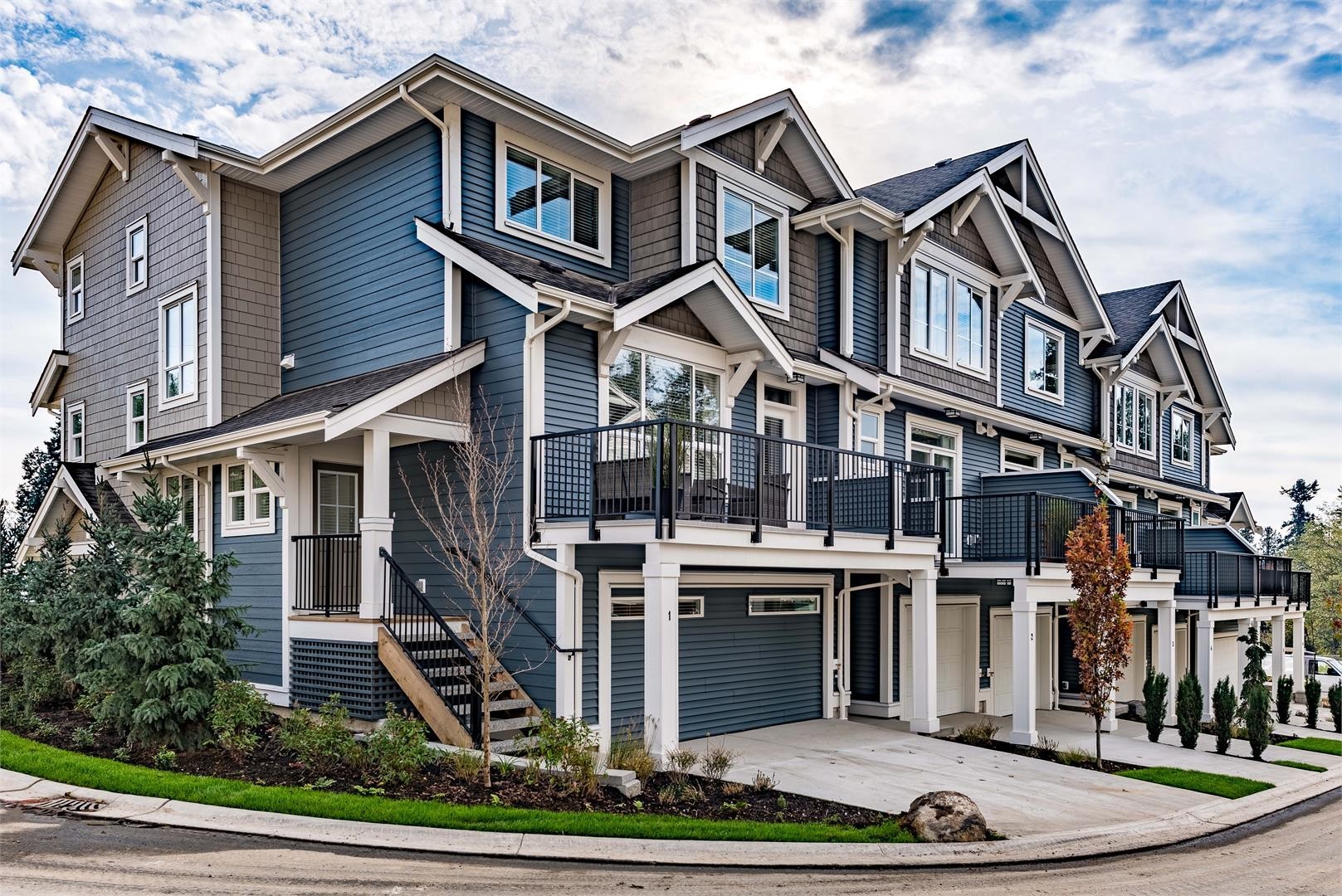
More Articles


Home Feature Guides
How Homes Work: Guides & Insights
Dive into guides that show what really matters in a house, from construction and materials to design choices and practical usability. Learn what questions to ask, what to watch for, and how to spot hidden issues so every feature—from tennis courts and home gyms to outdoor spaces and custom rooms—delivers the value it promises. These guides give the knowledge to assess every detail like an insider and avoid costly surprises.






Key Insights




Key Insights


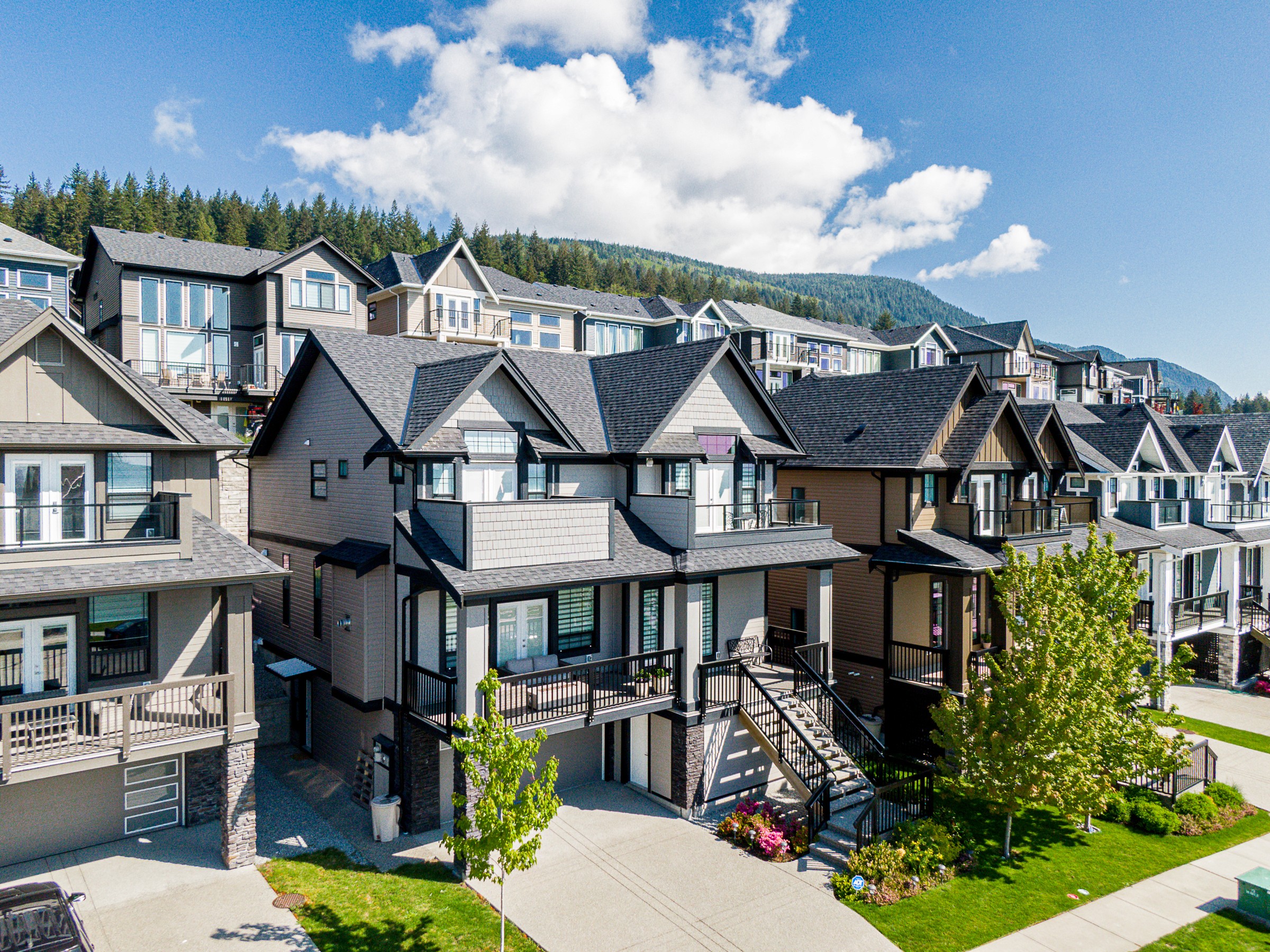







Recent



Recent





Victoria Estate Digest is your Go-to source for In-Depth Real Estate Insights, Market Trends, and Expert Analysis in British Columbia.
We cover everything from Housing Affordability and Foreign Investment to Luxury Properties and Emerging Market Opportunities.
Whether you're a Buyer, Seller, or Investor, we provide the Research and Knowledge you need to navigate BC’s ever-changing Real Estate Landscape.