/
/
Singapore to Vancouver Real Estate Guide: Can Singapore Buyers Still Buy in Canada in 2026?
Singapore to Vancouver Real Estate Guide: Can Singapore Buyers Still Buy in Canada in 2026?


For a Singapore buyer looking at Vancouver real estate in 2026, the short answer is:
Maybe, but not casually.
That is the least satisfying answer in real estate, which means it is probably accurate.
A Singapore citizen sitting in Singapore and trying to buy a Vancouver condo, detached house, townhouse, duplex, or small residential property as a pure foreign buyer will usually run straight into Canada’s federal foreign-buyer ban. A Singapore citizen who is already a Canadian permanent resident, Canadian citizen, or who qualifies under one of the legal exceptions may have a path. A Singapore investor looking at commercial property, larger rental buildings, or property outside certain population centres may have a different path again.
The mistake is thinking Canada has one rule.
It does not.
Canada has a federal foreign-buyer prohibition. British Columbia has a 20% additional Property Transfer Tax for foreign buyers in specified areas. Vancouver has its own Empty Homes Tax. B.C. has the Speculation and Vacancy Tax. Canada has non-resident tax rules. B.C. has beneficial ownership transparency. Banks have their own lending requirements. And none of these systems particularly care that Singapore buyers are used to serious real estate taxes already.
Singapore has ABSD.
Vancouver has a tax stack wearing hiking shoes.
The question is not simply, “Can Singapore buyers buy in Canada?”
The real question is:
Which Singapore buyer, buying which property, in which location, under which immigration status, for which use, through which ownership structure, at what tax cost?
That is less catchy.
It is also the question that saves people from lighting six figures on fire at closing.
The direct answer
If you are a Singapore citizen with no Canadian citizenship, no Canadian permanent residence, no qualifying temporary-resident exception, and no other exemption, you generally cannot buy most residential property in Vancouver in 2026.
Canada’s Prohibition on the Purchase of Residential Property by Non-Canadians Act took effect January 1, 2023, and the federal government extended the foreign ownership ban to January 1, 2027. CMHC explains that the Act prevents non-Canadians from buying residential property in Canada, with exceptions, and that the extension runs to January 1, 2027.
That means a standard Singapore foreign buyer cannot simply fly in, fall in love with a Coal Harbour condo, and buy it because Vancouver looks cheap compared with Singapore on a per-square-foot basis after three espresso martinis.
The federal law may say no.
And even where the federal law says yes, B.C. may say:
“Fine. Here is a 20% additional transfer tax. Welcome.”
Singapore buyers are not one category
This is where most online advice becomes useless.
“Singapore buyer” can mean very different things.
It can mean a Singapore citizen living in Singapore with no Canadian status.
It can mean a Singapore citizen who is a Canadian permanent resident.
It can mean a Singapore citizen married to a Canadian citizen.
It can mean a Singapore citizen working in Vancouver on a valid work permit.
It can mean a Singaporean student studying in Canada.
It can mean a Singapore-based family office buying through a company.
It can mean a Singapore resident who is actually a Canadian citizen.
It can mean a Chinese-speaking Singaporean family looking for a future education, lifestyle, or wealth-preservation foothold.
It can mean a corporation, trust, nominee, parent, child, spouse, or related party.
These are not the same buyer.
The Canadian system does not look at the passport alone. It looks at citizenship, permanent residence, temporary-resident status, ownership structure, property type, property location, use, beneficial ownership, and whether an exception applies.
A Singapore passport is the beginning of the analysis.
Not the end.
The main categories
Here is the simple version.
Singapore buyer type | Can they buy Vancouver residential property in 2026? | Main issue |
|---|---|---|
Singapore citizen with no Canadian status | Generally no | Federal foreign-buyer ban |
Singapore citizen who is Canadian permanent resident | Generally yes | Still must handle taxes, financing, ownership rules |
Singapore citizen who is also Canadian citizen | Yes | Treated as Canadian citizen |
Singapore citizen with valid Canadian work permit | Possibly, if exception criteria are met | Federal exception may apply, but B.C. foreign buyer tax may still apply |
Singapore student in Canada | Very limited possibility | Strict student exception, including tax filings, physical presence, and price cap |
Singapore buyer married/common-law with Canadian or PR | Possibly | Spousal/common-law exception can apply if purchasing together |
Singapore corporation or trust | Usually problematic | Federal control rules and B.C. foreign/taxable trustee rules |
Singapore investor buying 4+ unit rental building | Federal ban may not prohibit | B.C. tax, financing, commercial due diligence still matter |
Singapore buyer purchasing outside CMA/CA | Federal ban may not prohibit | Location must be confirmed; provincial taxes still need review |
Singapore buyer purchasing commercial property | Federal residential ban may not apply | But zoning, tax, GST, financing, and ownership rules still matter |
This is why the correct answer is not yes or no.
The correct answer is: show me the buyer profile and the property.
Real estate law is not a buffet. You cannot just pick the rule that looks friendliest.
Vancouver is exactly the kind of place the federal ban is aimed at
CMHC says the federal Act defines residential property as buildings with three dwelling units or less, including semi-detached houses and condominium units. It also says the Act does not prohibit the purchase of larger buildings with four or more dwelling units, and non-Canadians can purchase residential properties located outside Census Metropolitan Areas and Census Agglomerations.
That means the federal ban is mainly aimed at exactly what most foreign lifestyle buyers want:
Vancouver condos.
Townhouses.
Detached houses.
Duplexes.
Small residential properties.
Vancouver is not a remote cabin market outside a population centre. Statistics Canada identifies Vancouver as a Census Metropolitan Area, which matters because the federal rules apply to residential property in CMAs and CAs.
So a Singapore buyer should assume that a normal Vancouver residential purchase is inside the federal danger zone unless a lawyer confirms otherwise.
Do not say, “But I heard foreigners can buy outside big cities.”
Yes, sometimes.
Vancouver is not outside a big city.
Vancouver is the big city.
That is the problem.
The federal ban is not just symbolic
This is not a “please be nice” rule.
CMHC says if a non-Canadian, or anyone who knowingly assists a non-Canadian, is convicted of violating the prohibition, they may face a fine of up to $10,000, and a court can order the sale of the residential property.
That should get everyone’s attention.
A buyer cannot simply say, “Well, let’s try registering it through someone else.”
A realtor cannot simply say, “I’m sure it’s fine.”
A lawyer cannot simply pretend the issue does not exist.
A family cannot casually use a cousin, student child, company, trust, or local friend as a workaround without creating legal and tax risk.
The ban is not a polite suggestion. It has enforcement teeth.
Not perfect teeth, maybe.
But teeth.
Canadian citizens and permanent residents are not blocked by the federal ban
If a Singapore-born buyer is already a Canadian citizen or Canadian permanent resident, the federal non-Canadian purchase ban generally does not apply to them as a non-Canadian.
CMHC says the Act does not apply to Canadians, permanent residents, or temporary residents who meet the exception criteria under the regulations. IRCC separately explains that a permanent resident is someone who has been given permanent resident status by immigrating to Canada and that permanent residents can live, work, or study anywhere in Canada.
This is the cleanest path for many Singapore families.
If you are already Canadian PR or a Canadian citizen, the federal buyer ban is not the main obstacle. The main issues become ordinary purchase cost, B.C. taxes, financing, property choice, occupancy, tax residency, and ownership structure.
That is still a lot.
But it is a normal lot, not a “federal prohibition says no” lot.
Buying property does not make you Canadian
This needs to be said clearly because international real estate marketing often makes people stupid.
Buying property in Canada does not automatically make you a permanent resident. It does not create immigration status. It does not give you a right to live in Canada long-term. It does not give your children school rights beyond what immigration and education rules allow. It does not turn a tourist into a resident. It does not create a golden visa.
IRCC describes permanent residence as a legal immigration status granted through Canada’s immigration system; temporary visitors, students, and workers are not permanent residents just because they are in Canada.
So the order matters.
Do not buy because you think it creates immigration status.
Immigration first.
Real estate second.
That order is boring, which is how you know it is probably safer.
Work permit holders may have a path, but it is not a free pass
The federal rules include an exception for certain temporary residents working in Canada. CMHC says temporary residents working in Canada may qualify if they hold a valid work permit or are authorized to work in Canada, have 183 days or more of validity remaining on the permit or work authorization at the time of purchase, and have not previously purchased residential property in Canada while the prohibition is in effect.
That is important for Singapore professionals working in Vancouver.
A Singapore citizen on a valid Canadian work permit may be able to buy a home if the federal exception requirements are met.
But there are two traps.
First, the exception is technical. The buyer needs legal confirmation that they qualify before writing an offer.
Second, qualifying under the federal ban does not automatically eliminate B.C.’s foreign buyer tax. A work permit holder can still be a foreign national for B.C. Property Transfer Tax purposes unless another exemption applies. B.C. says foreign nationals, foreign corporations, and taxable trustees must pay the additional Property Transfer Tax on their proportionate share of a residential property’s fair market value if the property is in a specified area, and the rate is 20%.
That is the Canada problem in miniature.
One law opens the door.
Another law invoices you for walking through it.
Student buyers face a very narrow gate
The student exception exists, but it is narrow enough that most Vancouver student buyers should not build a plan around it.
CMHC says temporary residents studying in Canada must be enrolled in a program of authorized study at a designated learning institution, have filed Canadian income tax returns for each of the five taxation years before the purchase year, have been physically present in Canada for at least 244 days in each of the five calendar years before the purchase year, have not previously purchased a residential property in Canada while the ban is in effect, and must buy for a price not exceeding $500,000.
Read that again slowly.
Five years of tax filings.
Five years of physical presence.
Maximum purchase price of $500,000.
In Vancouver.
A $500,000 budget in Vancouver buys a very specific kind of dream, usually involving compromise, no space, and a building whose strata minutes deserve medical supervision.
For Singapore families thinking, “Our child is studying at UBC, can we buy them a condo?” the answer is not automatically yes. The student exception is not a family wealth parking lane.
It is a narrow legal exception.
Very narrow.
Vancouver narrow.
Like a downtown parking stall built for a bicycle.
Spouses and common-law partners may qualify
CMHC says non-Canadian spouses and common-law partners may be able to purchase residential property in Canada with a spouse or common-law partner who is a Canadian citizen, a person registered under the Indian Act, a permanent resident, or a non-Canadian for whom the prohibition does not apply.
This matters for Singapore-Canada couples.
A Singapore citizen married to a Canadian citizen or permanent resident may have a path if they are purchasing together. But again, this needs legal review. The structure, title ownership, tax status, financing, and B.C. additional transfer tax all need to be analyzed.
Do not assume the marriage certificate solves every tax problem.
It may solve one door and open three forms.
Buying through a company does not magically avoid the ban
This is one of the most common international-buyer fantasies.
“Can we buy through a Canadian corporation?”
Maybe for some commercial or development purposes. But as a workaround for the foreign-buyer ban on residential property, this is exactly the kind of thing the rules try to prevent.
CMHC says the Act applies to non-Canadians, including corporations and entities not listed on a Canadian stock exchange and controlled by non-Canadians. The regulations define control to include direct or indirect ownership of shares or ownership interests representing 10% or more of equity value or voting rights, or control in fact through ownership, agreement, or otherwise.
Ten percent is not a lot.
That means a Singapore-owned Canadian private company is not a clever loophole just because it has a Canadian incorporation number.
The government has also thought of corporations, trusts, partnerships, and nominee structures.
You are not the first person to think, “What if we put it in a company?”
That is why the forms are so annoying.
Nominee ownership is not the clean trick people think it is
Some families think the workaround is simple:
Put the Vancouver property in the name of the Canadian child, local relative, PR spouse, friend, or company.
But beneficial ownership matters.
B.C.’s Land Owner Transparency Registry is a publicly searchable registry for beneficial ownership of land. The province says beneficial land owners include people who own or control land indirectly through corporations, partnerships, or trusts, and that whenever an application is made to register an interest in land, a transparency declaration must be filed by the transferee.
That does not mean every family arrangement is illegal. It means hidden ownership is much harder to treat casually.
If a Singapore parent funds the purchase, the Canadian child goes on title, the parent expects economic ownership, and everyone pretends the child is the real owner, you may have issues involving the federal ban, B.C. additional transfer tax, beneficial ownership disclosure, tax reporting, trust rules, family law, estate planning, and lender disclosure.
That is a lot of risk to create because someone wanted to avoid asking a lawyer.
In Vancouver, the title is not a costume.
If the real owner is somewhere else, the paperwork may care.
The 4+ unit building exception is real, but it is not simple
CMHC says the federal Act defines residential property as buildings with up to three dwelling units and that it does not prohibit the purchase of larger buildings with four or more dwelling units.
That means a Singapore investor may be able to look at apartment buildings or larger rental buildings even while the residential purchase ban blocks normal homes and condos.
But this is not the same as buying a condo.
A fourplex or larger rental building comes with commercial-style due diligence: leases, rent roll, tenant law, financing, repairs, environmental risk, zoning, insurance, capital expenditures, taxes, property management, and possibly GST or commercial lending issues.
Also, the federal ban not prohibiting something does not mean B.C. tax, municipal rules, lender requirements, or immigration issues disappear.
The 4+ unit exception is a door.
It is not a discount.
Commercial property is different
The federal foreign-buyer ban is aimed at residential property. A Singapore buyer may still be able to buy commercial property, such as office, retail, industrial, or certain income-producing assets, depending on the structure and use.
But commercial property has its own world of tax and risk.
GST.
Financing.
Environmental due diligence.
Lease review.
Corporate structure.
Withholding tax.
Property tax classification.
Land use.
Vacancy.
Tenant credit.
Development risk.
Commercial brokers are generally more comfortable with international capital than residential agents are, but “commercial” does not mean “simple.” It just means the problems wear better shoes.
A Singapore buyer looking at commercial Vancouver property needs a commercial lawyer, tax advisor, lender, accountant, and broker.
Not a residential open-house strategy.
Residential property outside CMAs and CAs may be possible
CMHC says non-Canadians can purchase residential properties located outside Census Metropolitan Areas and Census Agglomerations, and the regulations include an exception for residential property outside those areas.
This matters for buyers looking outside major population centres.
But it does not help much for Vancouver. It may help in smaller B.C. communities depending on the exact location, but the property address needs to be checked. CMHC specifically provides a map tool for determining whether a property is inside a CMA or CA.
Do not assume “small town” equals exempt.
Some smaller places are Census Agglomerations.
Some resort markets may have their own issues.
Some rural properties may have zoning, agricultural land, financing, water, septic, access, or insurance complications.
The outside-CMA/CA rule is useful, but it is not a universal rural loophole.
Development purchases may be treated differently
CMHC says the regulations exclude certain transactions from the definition of purchase, including when a non-Canadian purchases residential property for the purposes of development.
That sounds exciting.
It should also sound like a legal-advice siren.
“Development” is not a magic word that makes a Vancouver house purchasable because the buyer says they might renovate later. The facts, intention, zoning, corporate structure, financing, permits, tax treatment, and regulatory interpretation matter.
A Singapore developer or family office looking at land assembly, rental construction, or redevelopment may have a path.
A Singapore family trying to buy one house and saying “maybe we develop someday” should not assume the exception works.
The government can read.
Sometimes.
B.C.’s 20% foreign buyer tax is the second gate
Even if the federal ban does not block the purchase, B.C.’s additional Property Transfer Tax may still apply.
B.C. says foreign nationals, foreign corporations, and taxable trustees must pay additional Property Transfer Tax on their proportionate share of a residential property’s fair market value if the property is in a specified B.C. area. The tax rate is 20%. Specified areas include Metro Vancouver, the Capital Regional District, the Fraser Valley Regional District, the Regional District of Central Okanagan, and the Regional District of Nanaimo.
This is the big number Singapore buyers need to feel.
If a Singapore foreign national is legally allowed to buy a $1,500,000 Vancouver residential property and no exemption applies, the additional B.C. foreign buyer tax alone could be:
$1,500,000 × 20% = $300,000
That is before ordinary B.C. Property Transfer Tax.
Before GST if new.
Before legal fees.
Before financing.
Before moving.
Before annual tax.
Before the house begins its lifelong hobby of asking for money.
Ordinary B.C. Property Transfer Tax still applies
The 20% foreign buyer tax is additional.
It does not replace ordinary B.C. Property Transfer Tax.
B.C. says the general Property Transfer Tax is 1% on fair market value up to $200,000, 2% on value greater than $200,000 up to $2 million, and 3% on value above $2 million. If residential property value is over $3 million, a further 2% applies to the residential portion above $3 million.
So a Singapore foreign buyer who is legally able to buy a $1,500,000 Vancouver home may face:
Basic PTT:
First $200,000 × 1% = $2,000
Next $1,300,000 × 2% = $26,000
Basic PTT total = $28,000
Additional foreign buyer PTT:
$1,500,000 × 20% = $300,000
Total transfer tax:
$328,000
This is not “closing cost.”
This is a second down payment that went to the government.
Singapore buyers are familiar with stamp duty pain. Good. They will need that emotional training.
Canada’s 20% B.C. tax versus Singapore ABSD
Singapore buyers understand government intervention in housing.
Singapore’s Additional Buyer’s Stamp Duty is not subtle. IRAS says ABSD is payable on top of Buyer’s Stamp Duty and is computed on the higher of purchase price or market value. IRAS gives an example of a foreigner purchasing a $2 million residential unit with a 60% ABSD rate, resulting in $1.2 million of ABSD payable.
Compared with Singapore’s 60% ABSD for foreigners, B.C.’s 20% additional transfer tax may look less insane.
That is the trap.
Because B.C. may also have:
Federal foreign-buyer prohibition.
Ordinary PTT.
Further 2% residential PTT above $3 million.
GST on new homes.
SVT.
Vancouver Empty Homes Tax.
Additional School Tax on high-value residential property.
Rental withholding tax for non-resident landlords.
Section 116 withholding on sale.
Beneficial ownership reporting.
Local property tax.
Insurance.
Maintenance.
Vacancy risk.
Singapore punishes foreign residential buying upfront with a hammer.
Vancouver uses a stack.
The stack is quieter.
It is not necessarily kinder.
B.C. Provincial Nominees may have relief
B.C. says that in some circumstances a buyer may be exempt from the additional transfer tax if they are a confirmed B.C. Provincial Nominee, and B.C.’s exemption page specifically identifies confirmed B.C. Provincial Nominees as a category that may qualify for relief from the additional transfer tax.
This is important for Singapore workers immigrating through the B.C. Provincial Nominee Program.
But do not assume all work permit holders are provincial nominees. Do not assume an application in progress is enough. Do not assume “planning to apply” counts. Do not assume a federal work permit solves a provincial tax.
The exemption is technical.
If you are relying on it, confirm it before writing an offer.
A $300,000 mistake is not something to “sort out later.”
Becoming PR or Canadian after purchase may create refund possibilities
B.C. has refund rules for some foreign nationals who become Canadian permanent residents or citizens after buying. The province’s refund guidance says that if a foreign national purchased multiple properties and became a permanent resident or Canadian citizen within one year, they can only claim a refund on their principal residence.
That may matter for Singapore buyers close to PR status.
But this is not a casual planning tool. Timing, principal residence use, ownership, application deadline, documentation, and eligibility all matter. A buyer should not pay the 20% tax assuming a refund will definitely arrive.
Refund planning is not the same as refund entitlement.
If your closing strategy depends on getting hundreds of thousands back from the government, that strategy deserves professional review.
And probably a second professional review.
First-time buyer and new-home relief usually require Canadian citizen or PR status
Some B.C. and federal homebuyer relief programs are not designed for pure foreign buyers.
For example, B.C.’s newly built home exemption page says the exemption reduces or eliminates Property Transfer Tax on qualifying principal-residence purchases, and if an individual does not qualify because they are not a Canadian citizen or permanent resident but becomes one within 12 months of registration, they may apply for a refund.
The federal First-Time Home Buyers’ GST/HST rebate also requires, among other conditions, that the buyer be a Canadian citizen or permanent resident.
This matters because Singapore buyers may read Canadian first-time buyer content and assume it applies.
It may not.
A Singapore citizen with no Canadian PR or citizenship should not build a closing budget around Canadian first-time buyer relief unless a lawyer or tax professional confirms eligibility.
Canada is happy to advertise housing programs.
It is less happy to give them to people who do not meet the fine print.
GST on new homes can be a major cash issue
New homes in Canada may be subject to 5% GST, depending on how the contract is structured and whether the price is GST-included or GST-extra. First-time buyer GST relief may be available only if the buyer qualifies, including Canadian citizenship or permanent residence conditions.
For a Singapore buyer looking at a new Vancouver condo, this matters immediately.
A $1,200,000 new condo can have $60,000 of GST at 5%.
If the buyer is not eligible for the new federal first-time buyer GST/HST rebate, that tax does not magically disappear.
New construction marketing loves showing glossy amenity rooms and rooftop lounges.
The closing statement loves showing GST.
Only one of those is legally binding.
SVT is the annual tax Singapore buyers must understand
The Speculation and Vacancy Tax is one of the most important B.C. taxes for foreign and globally mobile owners.
Your existing tax-series framing is useful here: the SVT is not traditional property tax; it is an annual tax based on the residential use and ownership of property in B.C.’s major urban centres.
B.C. says the SVT rate for 2026 is 3% for foreign owners and untaxed worldwide earners and 1% for Canadian citizens or permanent residents who are not untaxed worldwide earners. Effective January 1, 2027, the rate becomes 4% for foreign owners and untaxed worldwide owners, while remaining 1% for Canadian citizens and permanent residents who are not untaxed worldwide earners. B.C. also says the tax applies based on ownership as of December 31 each year, and tax for a calendar year is due the following July.
That means a non-exempt Singapore foreign owner of a $2,000,000 Vancouver property could face:
2026 SVT at 3%:
$2,000,000 × 3% = $60,000
2027 SVT at 4%:
$2,000,000 × 4% = $80,000
That is annual.
Not one-time.
Annual.
This is the point where “safe haven property” starts looking like a very expensive storage locker for capital.
Principal residence, rental use, and exemptions matter
The SVT is not simply “foreign person owns property, therefore tax.”
Exemptions can apply depending on use, occupancy, ownership category, rental status, and other facts. But Singapore owners should not treat exemptions casually. If the property is vacant, used occasionally, held for children, occupied by relatives under non-arm’s-length arrangements, or not rented enough, the tax risk can become very real.
The tax is based on ownership and use during the calendar year.
That means the buyer needs a use plan before buying:
Will I live there as a principal residence?
Will my spouse or child live there?
Will it be rented?
For how many months?
On what terms?
At fair market rent?
To whom?
Who declares?
Who pays Canadian tax?
Who keeps records?
Will the property be available to me when I visit?
This is not just lifestyle planning.
This is tax planning.
In Vancouver, “we’ll figure out the use later” is how homes become invoices.
Vancouver Empty Homes Tax is another trap inside the city
If the property is inside the City of Vancouver, the municipal Empty Homes Tax may also apply.
The City of Vancouver says homeowners must submit a declaration each year to determine whether their property is subject to the Empty Homes Tax. Properties deemed or declared empty in the 2025 reference year are subject to a tax of 3% of the property’s 2025 assessed taxable value.
This is separate from B.C.’s SVT.
A Vancouver property can potentially be exposed to both, depending on facts.
A $2,000,000 Vancouver property deemed empty under the municipal Empty Homes Tax could face:
$2,000,000 × 3% = $60,000
If the same property is also subject to 2027 SVT at 4% for a highest-rate owner, that could be another:
$2,000,000 × 4% = $80,000
Total before ordinary property tax:
$140,000
Again, exemptions and facts matter.
But the lesson is simple: Singapore buyers should not buy a Vancouver residential property and leave it casually empty.
Vancouver has become very expensive for empty homes.
The city noticed the lights were off.
Then it sent a bill.
Additional School Tax hits high-value residential property
B.C.’s Additional School Tax is another annual layer for expensive homes.
B.C. Budget 2026 increased the Additional School Tax rates effective for the 2027 tax year: from 0.2% to 0.3% on property values between $3 million and $4 million, and from 0.4% to 0.6% on values above $4 million. The same B.C. budget backgrounder also confirmed the SVT increase to 4% for foreign owners and untaxed worldwide earners for 2027.
So a Singapore buyer looking at a $5,000,000 Vancouver home should not only ask whether they can buy.
They should ask what it costs every year.
Additional School Tax at 2027 rates on a $5,000,000 residential value:
$3M to $4M portion:
$1,000,000 × 0.3% = $3,000
Above $4M portion:
$1,000,000 × 0.6% = $6,000
Total:
$9,000
That is small compared with SVT, but it is part of the carrying-cost stack.
Luxury ownership in B.C. is no longer just about purchase price.
It is about staying power.
The federal Underused Housing Tax is mostly gone for 2025 onward, but old years still matter
Canada’s federal Underused Housing Tax used to be another major concern for non-resident, non-Canadian owners of vacant or underused residential property.
CRA now says affected owners do not need to file a return or pay UHT for 2025 and subsequent calendar years, following royal assent to Budget 2025 Implementation Act, No. 1 on March 26, 2026. However, CRA also says filing and payment requirements still apply for the 2022, 2023, and 2024 calendar years.
That means a Singapore buyer purchasing in 2026 is not dealing with new UHT filings for 2025 onward under current rules.
But prior-year compliance can still matter for older owners.
Also, do not confuse federal UHT disappearing with B.C. SVT or Vancouver EHT disappearing.
They did not.
The federal tax may have left the room.
The provincial and municipal taxes are still very much sitting at the table.
Non-resident rental income has Canadian withholding rules
Some Singapore buyers think the simple plan is:
Buy Vancouver property.
Rent it out.
Collect income in Singapore.
Nice and clean.
Not quite.
CRA says non-residents receiving Canadian rental income generally face non-resident tax withholding, and Form NR6 can allow withholding on 25% of net rental income after CRA approval rather than gross rent. CRA materials also describe the statutory 25% withholding framework for non-resident rental income.
This matters because a Singapore landlord needs a Canadian tax plan and often a Canadian agent or property manager.
Rental income is not just “money hits bank account.”
It is withholding, reporting, possible Section 216 filing, deductions, agent obligations, NR4 slips, and Canadian tax compliance.
The tenant may just want a dishwasher that works.
The CRA wants paperwork.
Both will contact you.
Selling later has non-resident tax issues too
If a Singapore owner is non-resident for Canadian tax purposes and later sells Canadian property, Section 116 issues can arise.
CRA says non-resident vendors who dispose of certain taxable Canadian property generally have to notify CRA before the disposition or within ten days after. CRA also explains that if a certificate of compliance is not available, the purchaser may withhold 25% of the proceeds, or 50% for certain types of property, depending on the property and circumstances.
Normal-person version:
A non-resident seller may not receive all sale proceeds immediately.
Part of the money may be withheld until Canadian tax clearance is handled.
This can shock foreign owners who think selling is as simple as signing at the lawyer’s office and wiring funds back to Singapore.
Canada likes its tax security.
It will hold the door.
And possibly part of your money.
Tax residency is not the same as immigration status
A Singapore buyer can be a Canadian permanent resident for immigration purposes but still need careful tax-residency analysis depending on where they live, work, maintain ties, and earn income.
CRA says residence status for tax purposes is fact-specific and depends on residential ties. Significant residential ties can include a dwelling place, spouse or common-law partner, and dependants in Canada. CRA also says owning or keeping a dwelling place available for use in Canada can be a significant residential tie.
This is important for Singapore families with cross-border lives.
A buyer may think:
“I am Singapore tax resident.”
CRA may ask:
“Where is your home? Where is your spouse? Where are your dependants? Where are your ties? Is the Vancouver home available to you?”
This is not a real estate agent question.
This is a cross-border tax advisor question.
Do not let a condo purchase accidentally become a worldwide-income conversation.
That is how the spreadsheet becomes a hostage situation.
Singapore buyers should not ignore currency risk
This is not a legal rule, but it is very real.
A Singapore buyer earns, saves, and invests in Singapore dollars. A Vancouver purchase is in Canadian dollars. The exchange rate can move between deposit, subject removal, completion, mortgage funding, rental income, repairs, and sale.
Currency risk matters especially for:
Presales.
Large deposits.
Delayed completions.
Mortgage payments funded from Singapore income.
Rental income converted back to Singapore dollars.
Sale proceeds later converted out of Canada.
Estate planning.
A 5% currency move on a $2 million purchase is $100,000.
That is not a rounding error.
That is the cost of pretending FX is not real because the listing photos looked peaceful.
Financing is possible, but not automatic
Canadian lenders may finance non-resident or temporary-resident buyers, but the requirements can be stricter than for local buyers. Down payment, income documentation, credit history, foreign income verification, debt service, property type, and lender appetite matter.
A Singapore buyer should not assume a Canadian bank will treat Singapore income the same way a Singapore bank does.
Foreign income may need translation, verification, tax returns, employment letters, bank statements, and proof of funds. A lender may discount income, require more down payment, or refuse certain structures. If a Canadian mortgage is needed, the buyer should speak with a mortgage broker or lender before shopping.
Do not tour $2 million homes with a $2 million fantasy approval.
The seller may accept your offer.
The bank may not.
The appraisal gap guide exists for a reason.
Vancouver market timing: this is not 2021
Even if a Singapore buyer can buy, the market is not the old automatic-appreciation machine.
Greater Vancouver REALTORS reported that August 2026 residential sales were 1,869, down 4.6% from August 2025 and 20.7% below the 10-year seasonal average. The August 2026 composite benchmark price was $1,081,900, down 5.6% year-over-year; detached homes were benchmarked at $1,799,400, down 7.2% year-over-year.
This matters for Singapore buyers because the old Vancouver pitch was simple:
Buy anything.
Wait.
Congratulations.
That is no longer enough.
Today’s buyer needs to care about property quality, strata documents, rental math, tax exposure, interest rates, buyer demand, and resale liquidity.
A Singapore buyer who comes to Vancouver expecting easy appreciation may discover that Vancouver real estate has stopped doing free magic shows.
The market can still be valuable.
It is just no longer automatically forgiving.
The old “safe haven” thesis is weaker
Vancouver used to be marketed internationally as a safe-haven asset.
Beautiful city.
Stable country.
Rule of law.
Good schools.
Immigration appeal.
Limited land.
Asian connectivity.
Pacific time zone.
All of that still matters.
But the safe-haven thesis is weaker if the property is expensive to hold, restricted to buy, hard to finance, taxed when vacant, taxed when foreign-owned, and no longer appreciating fast enough to cover mistakes.
A safe haven that costs $80,000 a year in SVT is not exactly hiding.
It is bleeding loudly.
Singapore buyers are sophisticated. They know property policy can change. They know governments use stamp duties, vacancy taxes, and buyer taxes to control housing markets. The lesson is not “Vancouver is bad.”
The lesson is:
Vancouver is not a passive storage unit for foreign capital anymore.
If you buy, the property needs a real reason to exist.
A home.
A rental.
A development project.
A long-term family plan.
A genuine migration plan.
Not just “Canada seems stable.”
Stability is nice.
Cash flow is nicer.
The education-family purchase is complicated
Many Singapore and Chinese-speaking families look at Vancouver because of education.
UBC.
SFU.
Private schools.
Clean air.
English-language environment.
Family safety.
Long-term migration.
That use case is real. But it is not automatically legal or tax-efficient.
If the child is a student, the student exception under the federal ban is narrow. If the parent buys, the parent may be blocked unless they qualify. If the property is put in the child’s name, beneficial ownership, funding source, tax, trust, and family law issues may arise. If the property is held vacant or used occasionally, SVT and Empty Homes Tax risk may appear. If the child lives there, occupancy documentation matters.
The family needs to ask:
Who is legally buying?
Who is beneficially owning?
Who is funding?
Who will occupy?
What is the immigration status of each person?
Is the property in Vancouver?
Is it a condo, townhouse, detached, or 4+ unit building?
Will it be rented when the child is away?
Who reports income?
Who pays tax?
Who is exposed to SVT?
Who can sell later?
This is not a simple “buy a student condo” decision.
It is a family tax and immigration structure with a kitchen.
The Singapore PR or Chinese-speaking Singapore family angle
For Singapore-based Chinese-speaking families searching in Mandarin, the key terms are:
新加坡买家温哥华房产
加拿大外国买家禁令
温哥华买房 2026
BC 外国买家税 20%
温哥华空置税
BC 投机空置税
加拿大非居民租金税
温哥华公寓投资
In plain Chinese:
2026 年,新加坡买家不是完全不能买加拿大房产,但如果不是加拿大公民、永久居民,或不符合例外条件,通常不能购买温哥华住宅物业。即使可以购买,也可能面对 BC 省 20% 外国买家税、物业转让税、空置税、投机空置税和非居民税务申报。
That paragraph is useful for SEO, but the English article should still carry the real analysis.
Do not overdo translated sections unless you plan to serve a Chinese-language audience properly. A few Chinese search terms and a short plain-language summary can help. A full machine-translated legal guide can hurt trust if it is clumsy.
Chinese-speaking buyers do not need baby talk.
They need accurate rules.
The Singapore comparison buyers actually understand
Singapore buyers already understand that property is political.
Singapore’s ABSD tells buyers very clearly: housing is not just a private asset; it is public policy with a stamp-duty schedule. IRAS says ABSD is paid on top of BSD and must generally be paid within 14 days after signing the contract in Singapore, and stamp duty cannot be deferred or paid by instalments.
Canada is less centralized, less clean, and more layered.
Singapore gives you a hard national stamp-duty framework.
Vancouver gives you federal, provincial, municipal, land-title, beneficial-ownership, income-tax, vacancy-tax, and immigration rules that all pretend to be separate while your lawyer tries to explain them in one email.
A Singapore buyer may think Canada is lighter because B.C.’s additional foreign buyer tax is 20%, not Singapore’s 60% ABSD.
That is too simple.
The better comparison is:
Singapore is harsher upfront. Vancouver is messier across time.
That matters for holding strategy.
Common Singapore buyer scenarios
A Singapore citizen living in Singapore wants to buy a Vancouver condo as an investment.
Usually no in 2026, unless an exception applies. A standard condo in Vancouver is residential property inside a CMA, and the federal non-Canadian buyer ban is still in force to January 1, 2027.
A Singapore citizen with Canadian PR wants to buy a Vancouver townhouse as a home.
Generally yes from the federal-ban perspective, because permanent residents are not treated as prohibited non-Canadians under the Act. The buyer still needs to handle PTT, financing, property due diligence, annual taxes, and any applicable exemptions or rebates.
A Singapore citizen on a valid work permit wants to buy a Vancouver condo.
Possibly, if the work-permit exception requirements are met, including 183 days or more of validity remaining and no previous purchase under the ban. But B.C.’s 20% additional transfer tax may still apply unless an exemption applies.
A Singapore student wants to buy near UBC.
Very difficult unless the student meets the strict student exception, including five years of Canadian tax filings, physical presence requirements, no prior purchase under the ban, and a purchase price not exceeding $500,000. That price cap makes most Vancouver options difficult.
A Singapore parent wants to buy a condo for a child studying in Vancouver.
Usually problematic if the parent has no Canadian status. Putting the child on title may raise beneficial ownership, funding, tax, and compliance issues. Legal advice is not optional.
A Singapore investor wants to buy a small apartment building with four or more units.
The federal ban may not prohibit larger buildings with four or more dwelling units, but B.C. taxes, financing, commercial due diligence, tenant law, and ownership structure still need review.
A Singapore family wants to buy a vacation home outside Vancouver.
Possibly, depending on whether the property is outside a CMA or CA, whether another exception applies, and what provincial taxes or local rules apply. The address needs to be checked, not guessed.
A Singapore company wants to buy a Vancouver house.
Usually a red-flag structure. The federal rules catch private entities controlled by non-Canadians, and the control threshold can be as low as 10% ownership or voting rights, plus control in fact. B.C. foreign buyer and beneficial ownership rules may also apply.
The cash example: a Singapore work-permit buyer purchasing a $1.2 million Vancouver condo
Assume a Singapore citizen qualifies under the federal work-permit exception and is legally allowed to buy a $1,200,000 Vancouver condo.
Now the buyer must still look at B.C. closing tax.
Basic B.C. PTT:
First $200,000 × 1% = $2,000
Next $1,000,000 × 2% = $20,000
Basic PTT total = $22,000
If the buyer is still a foreign national and B.C.’s additional PTT applies:
$1,200,000 × 20% = $240,000
Total transfer tax:
$262,000
That is before down payment, legal fees, insurance, moving, and any GST if new.
This is why the phrase “I qualify under the federal exception” is not enough.
The federal exception answers whether you can buy.
The B.C. tax system answers how much pain arrives at closing.
The cash example: Singapore PR buyer purchasing a $1.2 million resale Vancouver condo
Now assume the buyer is a Canadian permanent resident.
Basic B.C. PTT is still $22,000 on a $1,200,000 resale property.
But the 20% additional foreign buyer tax generally should not apply because the buyer is not a foreign national for that purpose.
That difference is massive.
Singapore foreign national:
Basic PTT $22,000 + additional PTT $240,000 = $262,000
Canadian PR:
Basic PTT $22,000 = $22,000
Same property.
Different immigration status.
Different closing universe.
This is why PR status can matter more than negotiation skill.
A buyer can negotiate $50,000 off the price and still lose the bigger game if the tax status is wrong.
The cash example: Singapore foreign buyer, $3 million Vancouver house
Assume the buyer is legally allowed to buy and B.C. additional PTT applies.
Basic PTT:
First $200,000 × 1% = $2,000
$200,000 to $2,000,000 × 2% = $36,000
$2,000,000 to $3,000,000 × 3% = $30,000
Basic PTT total = $68,000
Additional foreign buyer PTT:
$3,000,000 × 20% = $600,000
Total transfer tax:
$668,000
This is before down payment.
Before legal fees.
Before possible GST.
Before annual taxes.
Before the home starts asking for maintenance.
A $3 million Vancouver house is not a $3 million transaction for a foreign buyer.
It is a $3 million purchase plus a very large conversation with the Province of British Columbia.
The biggest mistake: waiting for 2027 without watching the law
Some Singapore buyers may think:
“Fine, we wait until January 1, 2027.”
Maybe.
The federal prohibition is currently extended to January 1, 2027. But laws can be extended, amended, replaced, or politically revived. A buyer planning around the scheduled end of the ban should verify the law close to the purchase date.
Even if the federal ban expires, B.C.’s 20% additional transfer tax may still exist.
SVT may still exist.
Vancouver EHT may still exist.
Additional School Tax may still exist.
Non-resident tax rules may still exist.
Beneficial ownership reporting may still exist.
So waiting for the federal ban to expire does not mean the tax stack disappears.
It may only remove the first gate.
The toll road continues.
The second biggest mistake: assuming Vancouver is cheap compared with Singapore
On some comparisons, Vancouver may look cheaper than Singapore.
But buyers need to compare total cost, not just purchase price.
Singapore buyers understand ABSD, BSD, loan-to-value restrictions, CPF, tenure, and government policy. Vancouver has a different structure: freehold ownership in many cases, lower density in many areas, less centralized planning, different rental rules, and a complicated tax regime for foreign and non-resident owners.
A Vancouver condo that looks cheaper than a Singapore condo may still be a poor investment if:
The rent does not cover carrying costs.
The unit is in a weak building.
The strata has levy risk.
The buyer pays 20% additional PTT.
The property is exposed to SVT.
The owner is non-resident and must handle rental withholding.
The resale market softens.
The currency moves.
The property sits vacant.
The financing is expensive.
A cheaper sticker price is not the same as better value.
Singapore buyers are sophisticated enough to know this.
They should apply that sophistication before falling for mountain views.
The third biggest mistake: treating family use as tax-safe
Many Singapore buyers do not think of themselves as investors. They think:
“My child will use it.”
“My family will visit.”
“We may move later.”
“It is for education.”
“It is for safety.”
“It is for long-term planning.”
That may be genuine. It may also be tax-dangerous.
A property used occasionally by family may not satisfy occupancy rules for SVT or Empty Homes Tax. A relative living there under informal arrangements may require careful documentation. A child on title may create beneficial ownership issues if the parents funded and control the property. A property kept available for family visits may affect tax residency analysis.
The tax system does not care that the family story is emotionally sincere.
It cares what happened.
Who owned?
Who lived there?
For how long?
Who paid?
Who benefited?
Who declared?
Who rented?
Who had access?
Family use is not automatically an exemption.
It is a fact pattern.
Fact patterns are where tax lawyers earn their coffee.
The fourth biggest mistake: buying vacant and deciding later
This is the classic international-owner mistake.
Buy first.
Decide use later.
That is dangerous in Vancouver.
If the home is vacant, the tax system may punish it. B.C. SVT is based on ownership and use during the year, and Vancouver’s Empty Homes Tax requires annual declaration and can tax properties deemed or declared empty.
The buyer should know the use plan before closing.
Principal residence?
Long-term rental?
Family member occupancy?
Development?
Temporary accommodation?
Vacant holding?
Each path has different tax consequences.
A vacant holding strategy in Vancouver is no longer neutral.
It is a bill waiting for a calendar.
The fifth biggest mistake: assuming Canadian property is anonymous
It is not.
B.C. has the Land Owner Transparency Registry for beneficial ownership. The federal non-Canadian buyer rules include control tests for corporations and entities. B.C. additional PTT has rules for foreign entities and taxable trustees.
This is not a jurisdiction where sophisticated foreign buyers should assume nobody will ask who really owns the property.
They will ask.
At land title.
At the bank.
At the law office.
At tax filing.
At beneficial ownership disclosure.
Possibly later, during audit.
A clean structure is not just prettier.
It is safer.
The sixth biggest mistake: ignoring exit tax
The purchase is only half the story.
A Singapore buyer who later sells as a non-resident must plan for Canadian tax compliance, possible Section 116 clearance, withholding, Canadian capital gains reporting, and treaty analysis. CRA’s Section 116 materials make clear that non-resident vendors disposing of taxable Canadian property have notification and certificate-of-compliance obligations, and purchasers can have withholding obligations if compliance is not handled.
This matters for liquidity.
A seller may expect to sell and wire funds back to Singapore quickly.
Instead, a portion of sale proceeds may be held back until CRA clearance is dealt with.
That can be fine if planned.
It can be miserable if discovered at closing.
The exit door has paperwork too.
What Singapore buyers should do before shopping
Before looking at listings, a Singapore buyer should answer these questions:
Am I a Canadian citizen?
Am I a Canadian permanent resident?
Do I have a valid work permit?
If yes, how many days of validity remain?
Am I a student, and do I meet the strict five-year tax-filing and physical-presence test?
Am I purchasing with a Canadian or PR spouse/common-law partner?
Am I buying a normal residential property, a 4+ unit building, commercial property, development property, or property outside a CMA/CA?
Is the property in Vancouver, Metro Vancouver, the Fraser Valley, Victoria, Kelowna, Nanaimo, or another specified B.C. area?
Will B.C. additional PTT apply?
Will ordinary PTT apply?
Is the property new and subject to GST?
Will I qualify for any exemption or rebate?
Will I live there?
Will it be rented?
Will it be vacant?
Will SVT apply?
Will Vancouver EHT apply?
Will I be Canadian tax resident or non-resident?
Who will own legally?
Who will own beneficially?
How will rental income be reported?
How will sale proceeds be handled later?
If these questions feel excessive, that is the point.
The Canadian property system has become excessive.
The buyer needs to be more prepared than the system is annoying.
That is not easy.
But it is cheaper than being surprised.
The lawyer checklist
A Singapore buyer should speak to a B.C. real estate lawyer before making an offer, not after the accepted contract is sitting there glowing like a legal grenade.
The lawyer should review:
Federal non-Canadian purchase ban.
Buyer status and exception eligibility.
Property type.
Property location.
Ownership structure.
B.C. additional PTT.
Ordinary PTT.
GST if new.
Assignment or presale rules.
Beneficial ownership disclosure.
Trust/corporate ownership.
Foreign exchange and funds transfer documentation.
Mortgage/lender requirements.
SVT risk.
Vancouver Empty Homes Tax risk.
Rental use.
Non-resident tax withholding.
Section 116 exit planning.
Estate planning.
This is not overkill.
This is a Vancouver checklist.
Overkill is buying first and asking questions after the deposit is non-refundable.
The accountant checklist
The accountant should review:
Canadian tax residency.
Singapore tax residency.
Rental income reporting.
NR6 and Section 216 options for rental income.
Capital gains on sale.
Section 116 clearance.
Foreign exchange gains or losses.
Corporate/trust structure.
Beneficial ownership.
GST if new or rental/commercial.
UHT old-year compliance if applicable.
SVT declaration and exposure.
Vancouver EHT declaration and exposure.
Singapore-side reporting or tax implications.
Treaty issues.
A Singapore buyer with cross-border assets should not use a domestic-only tax advisor who does not understand non-resident real estate.
The property may be in Vancouver.
The tax problem may live in two countries.
The realtor checklist
The realtor should understand that the buyer is not ordinary.
They should not just send listings.
They should ask whether the buyer is legally able to buy. They should ask whether the buyer has legal advice on the federal ban. They should understand the 20% B.C. additional PTT risk. They should know whether the buyer is looking for principal residence, rental, commercial, 4+ unit, development, or future migration use.
The realtor should not say:
“Foreign buyers can’t buy anything.”
Wrong.
The realtor should not say:
“Foreign buyers can buy if they pay the tax.”
Also wrong.
The realtor should say:
“Your legal status, the property type, location, and ownership structure determine whether you can buy. Before we write anything, you need legal and tax confirmation.”
That is less exciting.
It is also correct.
Correct is underrated in real estate.
The mortgage checklist
The lender or broker should confirm:
Foreign income treatment.
Down payment requirement.
Source of funds.
Anti-money-laundering documentation.
Credit history.
Canadian bank account requirements.
Appraisal requirements.
Property eligibility.
Rental income treatment.
New construction financing.
Presale completion financing.
Non-resident lending policy.
Work-permit or PR requirements.
Currency risk.
A Singapore buyer may be financially strong and still difficult to underwrite if income, assets, or credit profile are outside Canada.
Money is good.
Documented money is better.
Documented money that satisfies a Canadian lender is best.
So, can Singapore buyers still buy in Canada in 2026?
Yes, in some cases.
No, in many ordinary Vancouver residential cases.
Here is the cleanest answer:
A Singapore buyer who is a Canadian citizen or permanent resident can generally buy, subject to normal rules and taxes.
A Singapore buyer with a valid Canadian work permit may be able to buy if the federal exception criteria are met, but B.C.’s 20% additional transfer tax may still apply.
A Singapore student has only a narrow path, with strict Canadian tax-filing, physical-presence, prior-purchase, and $500,000 price-cap requirements.
A Singapore buyer purchasing with a Canadian or PR spouse/common-law partner may have a path, depending on structure and facts.
A Singapore investor may be able to buy larger 4+ unit buildings, commercial properties, development properties, or residential property outside CMAs/CAs, but each category needs legal and tax review.
A Singapore foreign buyer with no Canadian status generally cannot buy a normal Vancouver condo, townhouse, detached house, duplex, or small residential property in 2026 under the federal ban.
And if the buyer can buy, the next question is not celebration.
It is tax.
The bottom line
For Singapore buyers, Vancouver real estate in 2026 is not closed.
But it is guarded.
The federal foreign-buyer ban remains extended to January 1, 2027. It generally blocks non-Canadians from buying many types of residential property in Canada, including buildings with up to three dwelling units, semi-detached houses, rowhouses, and condominium units in CMAs and CAs, unless an exception applies.
Even when a Singapore buyer can legally buy, B.C.’s tax system may still be expensive. The 20% additional Property Transfer Tax can apply to foreign nationals, foreign corporations, and taxable trustees buying residential property in specified B.C. areas, including Metro Vancouver.
After purchase, the ownership story continues. SVT can hit foreign owners and untaxed worldwide earners at 3% in 2026 and 4% in 2027 if no exemption applies. Vancouver’s Empty Homes Tax can add another 3% for properties deemed or declared empty. Additional School Tax can apply to high-value residential property. Non-resident rental and sale rules can affect cash flow and exit planning.
So the real answer is this:
Singapore buyers can still buy Canadian real estate in 2026 only if the buyer status, property type, location, ownership structure, and tax plan all line up.
That is not a casual purchase.
That is a structured transaction.
For a Singapore buyer, Vancouver may still make sense as a home, migration foothold, family base, rental asset, development play, or long-term investment. But it no longer makes sense as lazy foreign capital parking.
The old Vancouver pitch was:
Buy the view. Wait. Get rich.
The 2026 pitch is much less romantic:
Check the law. Count the taxes. Prove the use. Document the money. Understand the exit. Then maybe buy the view.
That is not as pretty as a sunset over English Bay.
But it is much more likely to keep the buyer out of trouble.
For a Singapore buyer looking at Vancouver real estate in 2026, the short answer is:
Maybe, but not casually.
That is the least satisfying answer in real estate, which means it is probably accurate.
A Singapore citizen sitting in Singapore and trying to buy a Vancouver condo, detached house, townhouse, duplex, or small residential property as a pure foreign buyer will usually run straight into Canada’s federal foreign-buyer ban. A Singapore citizen who is already a Canadian permanent resident, Canadian citizen, or who qualifies under one of the legal exceptions may have a path. A Singapore investor looking at commercial property, larger rental buildings, or property outside certain population centres may have a different path again.
The mistake is thinking Canada has one rule.
It does not.
Canada has a federal foreign-buyer prohibition. British Columbia has a 20% additional Property Transfer Tax for foreign buyers in specified areas. Vancouver has its own Empty Homes Tax. B.C. has the Speculation and Vacancy Tax. Canada has non-resident tax rules. B.C. has beneficial ownership transparency. Banks have their own lending requirements. And none of these systems particularly care that Singapore buyers are used to serious real estate taxes already.
Singapore has ABSD.
Vancouver has a tax stack wearing hiking shoes.
The question is not simply, “Can Singapore buyers buy in Canada?”
The real question is:
Which Singapore buyer, buying which property, in which location, under which immigration status, for which use, through which ownership structure, at what tax cost?
That is less catchy.
It is also the question that saves people from lighting six figures on fire at closing.
The direct answer
If you are a Singapore citizen with no Canadian citizenship, no Canadian permanent residence, no qualifying temporary-resident exception, and no other exemption, you generally cannot buy most residential property in Vancouver in 2026.
Canada’s Prohibition on the Purchase of Residential Property by Non-Canadians Act took effect January 1, 2023, and the federal government extended the foreign ownership ban to January 1, 2027. CMHC explains that the Act prevents non-Canadians from buying residential property in Canada, with exceptions, and that the extension runs to January 1, 2027.
That means a standard Singapore foreign buyer cannot simply fly in, fall in love with a Coal Harbour condo, and buy it because Vancouver looks cheap compared with Singapore on a per-square-foot basis after three espresso martinis.
The federal law may say no.
And even where the federal law says yes, B.C. may say:
“Fine. Here is a 20% additional transfer tax. Welcome.”
Singapore buyers are not one category
This is where most online advice becomes useless.
“Singapore buyer” can mean very different things.
It can mean a Singapore citizen living in Singapore with no Canadian status.
It can mean a Singapore citizen who is a Canadian permanent resident.
It can mean a Singapore citizen married to a Canadian citizen.
It can mean a Singapore citizen working in Vancouver on a valid work permit.
It can mean a Singaporean student studying in Canada.
It can mean a Singapore-based family office buying through a company.
It can mean a Singapore resident who is actually a Canadian citizen.
It can mean a Chinese-speaking Singaporean family looking for a future education, lifestyle, or wealth-preservation foothold.
It can mean a corporation, trust, nominee, parent, child, spouse, or related party.
These are not the same buyer.
The Canadian system does not look at the passport alone. It looks at citizenship, permanent residence, temporary-resident status, ownership structure, property type, property location, use, beneficial ownership, and whether an exception applies.
A Singapore passport is the beginning of the analysis.
Not the end.
The main categories
Here is the simple version.
Singapore buyer type | Can they buy Vancouver residential property in 2026? | Main issue |
|---|---|---|
Singapore citizen with no Canadian status | Generally no | Federal foreign-buyer ban |
Singapore citizen who is Canadian permanent resident | Generally yes | Still must handle taxes, financing, ownership rules |
Singapore citizen who is also Canadian citizen | Yes | Treated as Canadian citizen |
Singapore citizen with valid Canadian work permit | Possibly, if exception criteria are met | Federal exception may apply, but B.C. foreign buyer tax may still apply |
Singapore student in Canada | Very limited possibility | Strict student exception, including tax filings, physical presence, and price cap |
Singapore buyer married/common-law with Canadian or PR | Possibly | Spousal/common-law exception can apply if purchasing together |
Singapore corporation or trust | Usually problematic | Federal control rules and B.C. foreign/taxable trustee rules |
Singapore investor buying 4+ unit rental building | Federal ban may not prohibit | B.C. tax, financing, commercial due diligence still matter |
Singapore buyer purchasing outside CMA/CA | Federal ban may not prohibit | Location must be confirmed; provincial taxes still need review |
Singapore buyer purchasing commercial property | Federal residential ban may not apply | But zoning, tax, GST, financing, and ownership rules still matter |
This is why the correct answer is not yes or no.
The correct answer is: show me the buyer profile and the property.
Real estate law is not a buffet. You cannot just pick the rule that looks friendliest.
Vancouver is exactly the kind of place the federal ban is aimed at
CMHC says the federal Act defines residential property as buildings with three dwelling units or less, including semi-detached houses and condominium units. It also says the Act does not prohibit the purchase of larger buildings with four or more dwelling units, and non-Canadians can purchase residential properties located outside Census Metropolitan Areas and Census Agglomerations.
That means the federal ban is mainly aimed at exactly what most foreign lifestyle buyers want:
Vancouver condos.
Townhouses.
Detached houses.
Duplexes.
Small residential properties.
Vancouver is not a remote cabin market outside a population centre. Statistics Canada identifies Vancouver as a Census Metropolitan Area, which matters because the federal rules apply to residential property in CMAs and CAs.
So a Singapore buyer should assume that a normal Vancouver residential purchase is inside the federal danger zone unless a lawyer confirms otherwise.
Do not say, “But I heard foreigners can buy outside big cities.”
Yes, sometimes.
Vancouver is not outside a big city.
Vancouver is the big city.
That is the problem.
The federal ban is not just symbolic
This is not a “please be nice” rule.
CMHC says if a non-Canadian, or anyone who knowingly assists a non-Canadian, is convicted of violating the prohibition, they may face a fine of up to $10,000, and a court can order the sale of the residential property.
That should get everyone’s attention.
A buyer cannot simply say, “Well, let’s try registering it through someone else.”
A realtor cannot simply say, “I’m sure it’s fine.”
A lawyer cannot simply pretend the issue does not exist.
A family cannot casually use a cousin, student child, company, trust, or local friend as a workaround without creating legal and tax risk.
The ban is not a polite suggestion. It has enforcement teeth.
Not perfect teeth, maybe.
But teeth.
Canadian citizens and permanent residents are not blocked by the federal ban
If a Singapore-born buyer is already a Canadian citizen or Canadian permanent resident, the federal non-Canadian purchase ban generally does not apply to them as a non-Canadian.
CMHC says the Act does not apply to Canadians, permanent residents, or temporary residents who meet the exception criteria under the regulations. IRCC separately explains that a permanent resident is someone who has been given permanent resident status by immigrating to Canada and that permanent residents can live, work, or study anywhere in Canada.
This is the cleanest path for many Singapore families.
If you are already Canadian PR or a Canadian citizen, the federal buyer ban is not the main obstacle. The main issues become ordinary purchase cost, B.C. taxes, financing, property choice, occupancy, tax residency, and ownership structure.
That is still a lot.
But it is a normal lot, not a “federal prohibition says no” lot.
Buying property does not make you Canadian
This needs to be said clearly because international real estate marketing often makes people stupid.
Buying property in Canada does not automatically make you a permanent resident. It does not create immigration status. It does not give you a right to live in Canada long-term. It does not give your children school rights beyond what immigration and education rules allow. It does not turn a tourist into a resident. It does not create a golden visa.
IRCC describes permanent residence as a legal immigration status granted through Canada’s immigration system; temporary visitors, students, and workers are not permanent residents just because they are in Canada.
So the order matters.
Do not buy because you think it creates immigration status.
Immigration first.
Real estate second.
That order is boring, which is how you know it is probably safer.
Work permit holders may have a path, but it is not a free pass
The federal rules include an exception for certain temporary residents working in Canada. CMHC says temporary residents working in Canada may qualify if they hold a valid work permit or are authorized to work in Canada, have 183 days or more of validity remaining on the permit or work authorization at the time of purchase, and have not previously purchased residential property in Canada while the prohibition is in effect.
That is important for Singapore professionals working in Vancouver.
A Singapore citizen on a valid Canadian work permit may be able to buy a home if the federal exception requirements are met.
But there are two traps.
First, the exception is technical. The buyer needs legal confirmation that they qualify before writing an offer.
Second, qualifying under the federal ban does not automatically eliminate B.C.’s foreign buyer tax. A work permit holder can still be a foreign national for B.C. Property Transfer Tax purposes unless another exemption applies. B.C. says foreign nationals, foreign corporations, and taxable trustees must pay the additional Property Transfer Tax on their proportionate share of a residential property’s fair market value if the property is in a specified area, and the rate is 20%.
That is the Canada problem in miniature.
One law opens the door.
Another law invoices you for walking through it.
Student buyers face a very narrow gate
The student exception exists, but it is narrow enough that most Vancouver student buyers should not build a plan around it.
CMHC says temporary residents studying in Canada must be enrolled in a program of authorized study at a designated learning institution, have filed Canadian income tax returns for each of the five taxation years before the purchase year, have been physically present in Canada for at least 244 days in each of the five calendar years before the purchase year, have not previously purchased a residential property in Canada while the ban is in effect, and must buy for a price not exceeding $500,000.
Read that again slowly.
Five years of tax filings.
Five years of physical presence.
Maximum purchase price of $500,000.
In Vancouver.
A $500,000 budget in Vancouver buys a very specific kind of dream, usually involving compromise, no space, and a building whose strata minutes deserve medical supervision.
For Singapore families thinking, “Our child is studying at UBC, can we buy them a condo?” the answer is not automatically yes. The student exception is not a family wealth parking lane.
It is a narrow legal exception.
Very narrow.
Vancouver narrow.
Like a downtown parking stall built for a bicycle.
Spouses and common-law partners may qualify
CMHC says non-Canadian spouses and common-law partners may be able to purchase residential property in Canada with a spouse or common-law partner who is a Canadian citizen, a person registered under the Indian Act, a permanent resident, or a non-Canadian for whom the prohibition does not apply.
This matters for Singapore-Canada couples.
A Singapore citizen married to a Canadian citizen or permanent resident may have a path if they are purchasing together. But again, this needs legal review. The structure, title ownership, tax status, financing, and B.C. additional transfer tax all need to be analyzed.
Do not assume the marriage certificate solves every tax problem.
It may solve one door and open three forms.
Buying through a company does not magically avoid the ban
This is one of the most common international-buyer fantasies.
“Can we buy through a Canadian corporation?”
Maybe for some commercial or development purposes. But as a workaround for the foreign-buyer ban on residential property, this is exactly the kind of thing the rules try to prevent.
CMHC says the Act applies to non-Canadians, including corporations and entities not listed on a Canadian stock exchange and controlled by non-Canadians. The regulations define control to include direct or indirect ownership of shares or ownership interests representing 10% or more of equity value or voting rights, or control in fact through ownership, agreement, or otherwise.
Ten percent is not a lot.
That means a Singapore-owned Canadian private company is not a clever loophole just because it has a Canadian incorporation number.
The government has also thought of corporations, trusts, partnerships, and nominee structures.
You are not the first person to think, “What if we put it in a company?”
That is why the forms are so annoying.
Nominee ownership is not the clean trick people think it is
Some families think the workaround is simple:
Put the Vancouver property in the name of the Canadian child, local relative, PR spouse, friend, or company.
But beneficial ownership matters.
B.C.’s Land Owner Transparency Registry is a publicly searchable registry for beneficial ownership of land. The province says beneficial land owners include people who own or control land indirectly through corporations, partnerships, or trusts, and that whenever an application is made to register an interest in land, a transparency declaration must be filed by the transferee.
That does not mean every family arrangement is illegal. It means hidden ownership is much harder to treat casually.
If a Singapore parent funds the purchase, the Canadian child goes on title, the parent expects economic ownership, and everyone pretends the child is the real owner, you may have issues involving the federal ban, B.C. additional transfer tax, beneficial ownership disclosure, tax reporting, trust rules, family law, estate planning, and lender disclosure.
That is a lot of risk to create because someone wanted to avoid asking a lawyer.
In Vancouver, the title is not a costume.
If the real owner is somewhere else, the paperwork may care.
The 4+ unit building exception is real, but it is not simple
CMHC says the federal Act defines residential property as buildings with up to three dwelling units and that it does not prohibit the purchase of larger buildings with four or more dwelling units.
That means a Singapore investor may be able to look at apartment buildings or larger rental buildings even while the residential purchase ban blocks normal homes and condos.
But this is not the same as buying a condo.
A fourplex or larger rental building comes with commercial-style due diligence: leases, rent roll, tenant law, financing, repairs, environmental risk, zoning, insurance, capital expenditures, taxes, property management, and possibly GST or commercial lending issues.
Also, the federal ban not prohibiting something does not mean B.C. tax, municipal rules, lender requirements, or immigration issues disappear.
The 4+ unit exception is a door.
It is not a discount.
Commercial property is different
The federal foreign-buyer ban is aimed at residential property. A Singapore buyer may still be able to buy commercial property, such as office, retail, industrial, or certain income-producing assets, depending on the structure and use.
But commercial property has its own world of tax and risk.
GST.
Financing.
Environmental due diligence.
Lease review.
Corporate structure.
Withholding tax.
Property tax classification.
Land use.
Vacancy.
Tenant credit.
Development risk.
Commercial brokers are generally more comfortable with international capital than residential agents are, but “commercial” does not mean “simple.” It just means the problems wear better shoes.
A Singapore buyer looking at commercial Vancouver property needs a commercial lawyer, tax advisor, lender, accountant, and broker.
Not a residential open-house strategy.
Residential property outside CMAs and CAs may be possible
CMHC says non-Canadians can purchase residential properties located outside Census Metropolitan Areas and Census Agglomerations, and the regulations include an exception for residential property outside those areas.
This matters for buyers looking outside major population centres.
But it does not help much for Vancouver. It may help in smaller B.C. communities depending on the exact location, but the property address needs to be checked. CMHC specifically provides a map tool for determining whether a property is inside a CMA or CA.
Do not assume “small town” equals exempt.
Some smaller places are Census Agglomerations.
Some resort markets may have their own issues.
Some rural properties may have zoning, agricultural land, financing, water, septic, access, or insurance complications.
The outside-CMA/CA rule is useful, but it is not a universal rural loophole.
Development purchases may be treated differently
CMHC says the regulations exclude certain transactions from the definition of purchase, including when a non-Canadian purchases residential property for the purposes of development.
That sounds exciting.
It should also sound like a legal-advice siren.
“Development” is not a magic word that makes a Vancouver house purchasable because the buyer says they might renovate later. The facts, intention, zoning, corporate structure, financing, permits, tax treatment, and regulatory interpretation matter.
A Singapore developer or family office looking at land assembly, rental construction, or redevelopment may have a path.
A Singapore family trying to buy one house and saying “maybe we develop someday” should not assume the exception works.
The government can read.
Sometimes.
B.C.’s 20% foreign buyer tax is the second gate
Even if the federal ban does not block the purchase, B.C.’s additional Property Transfer Tax may still apply.
B.C. says foreign nationals, foreign corporations, and taxable trustees must pay additional Property Transfer Tax on their proportionate share of a residential property’s fair market value if the property is in a specified B.C. area. The tax rate is 20%. Specified areas include Metro Vancouver, the Capital Regional District, the Fraser Valley Regional District, the Regional District of Central Okanagan, and the Regional District of Nanaimo.
This is the big number Singapore buyers need to feel.
If a Singapore foreign national is legally allowed to buy a $1,500,000 Vancouver residential property and no exemption applies, the additional B.C. foreign buyer tax alone could be:
$1,500,000 × 20% = $300,000
That is before ordinary B.C. Property Transfer Tax.
Before GST if new.
Before legal fees.
Before financing.
Before moving.
Before annual tax.
Before the house begins its lifelong hobby of asking for money.
Ordinary B.C. Property Transfer Tax still applies
The 20% foreign buyer tax is additional.
It does not replace ordinary B.C. Property Transfer Tax.
B.C. says the general Property Transfer Tax is 1% on fair market value up to $200,000, 2% on value greater than $200,000 up to $2 million, and 3% on value above $2 million. If residential property value is over $3 million, a further 2% applies to the residential portion above $3 million.
So a Singapore foreign buyer who is legally able to buy a $1,500,000 Vancouver home may face:
Basic PTT:
First $200,000 × 1% = $2,000
Next $1,300,000 × 2% = $26,000
Basic PTT total = $28,000
Additional foreign buyer PTT:
$1,500,000 × 20% = $300,000
Total transfer tax:
$328,000
This is not “closing cost.”
This is a second down payment that went to the government.
Singapore buyers are familiar with stamp duty pain. Good. They will need that emotional training.
Canada’s 20% B.C. tax versus Singapore ABSD
Singapore buyers understand government intervention in housing.
Singapore’s Additional Buyer’s Stamp Duty is not subtle. IRAS says ABSD is payable on top of Buyer’s Stamp Duty and is computed on the higher of purchase price or market value. IRAS gives an example of a foreigner purchasing a $2 million residential unit with a 60% ABSD rate, resulting in $1.2 million of ABSD payable.
Compared with Singapore’s 60% ABSD for foreigners, B.C.’s 20% additional transfer tax may look less insane.
That is the trap.
Because B.C. may also have:
Federal foreign-buyer prohibition.
Ordinary PTT.
Further 2% residential PTT above $3 million.
GST on new homes.
SVT.
Vancouver Empty Homes Tax.
Additional School Tax on high-value residential property.
Rental withholding tax for non-resident landlords.
Section 116 withholding on sale.
Beneficial ownership reporting.
Local property tax.
Insurance.
Maintenance.
Vacancy risk.
Singapore punishes foreign residential buying upfront with a hammer.
Vancouver uses a stack.
The stack is quieter.
It is not necessarily kinder.
B.C. Provincial Nominees may have relief
B.C. says that in some circumstances a buyer may be exempt from the additional transfer tax if they are a confirmed B.C. Provincial Nominee, and B.C.’s exemption page specifically identifies confirmed B.C. Provincial Nominees as a category that may qualify for relief from the additional transfer tax.
This is important for Singapore workers immigrating through the B.C. Provincial Nominee Program.
But do not assume all work permit holders are provincial nominees. Do not assume an application in progress is enough. Do not assume “planning to apply” counts. Do not assume a federal work permit solves a provincial tax.
The exemption is technical.
If you are relying on it, confirm it before writing an offer.
A $300,000 mistake is not something to “sort out later.”
Becoming PR or Canadian after purchase may create refund possibilities
B.C. has refund rules for some foreign nationals who become Canadian permanent residents or citizens after buying. The province’s refund guidance says that if a foreign national purchased multiple properties and became a permanent resident or Canadian citizen within one year, they can only claim a refund on their principal residence.
That may matter for Singapore buyers close to PR status.
But this is not a casual planning tool. Timing, principal residence use, ownership, application deadline, documentation, and eligibility all matter. A buyer should not pay the 20% tax assuming a refund will definitely arrive.
Refund planning is not the same as refund entitlement.
If your closing strategy depends on getting hundreds of thousands back from the government, that strategy deserves professional review.
And probably a second professional review.
First-time buyer and new-home relief usually require Canadian citizen or PR status
Some B.C. and federal homebuyer relief programs are not designed for pure foreign buyers.
For example, B.C.’s newly built home exemption page says the exemption reduces or eliminates Property Transfer Tax on qualifying principal-residence purchases, and if an individual does not qualify because they are not a Canadian citizen or permanent resident but becomes one within 12 months of registration, they may apply for a refund.
The federal First-Time Home Buyers’ GST/HST rebate also requires, among other conditions, that the buyer be a Canadian citizen or permanent resident.
This matters because Singapore buyers may read Canadian first-time buyer content and assume it applies.
It may not.
A Singapore citizen with no Canadian PR or citizenship should not build a closing budget around Canadian first-time buyer relief unless a lawyer or tax professional confirms eligibility.
Canada is happy to advertise housing programs.
It is less happy to give them to people who do not meet the fine print.
GST on new homes can be a major cash issue
New homes in Canada may be subject to 5% GST, depending on how the contract is structured and whether the price is GST-included or GST-extra. First-time buyer GST relief may be available only if the buyer qualifies, including Canadian citizenship or permanent residence conditions.
For a Singapore buyer looking at a new Vancouver condo, this matters immediately.
A $1,200,000 new condo can have $60,000 of GST at 5%.
If the buyer is not eligible for the new federal first-time buyer GST/HST rebate, that tax does not magically disappear.
New construction marketing loves showing glossy amenity rooms and rooftop lounges.
The closing statement loves showing GST.
Only one of those is legally binding.
SVT is the annual tax Singapore buyers must understand
The Speculation and Vacancy Tax is one of the most important B.C. taxes for foreign and globally mobile owners.
Your existing tax-series framing is useful here: the SVT is not traditional property tax; it is an annual tax based on the residential use and ownership of property in B.C.’s major urban centres.
B.C. says the SVT rate for 2026 is 3% for foreign owners and untaxed worldwide earners and 1% for Canadian citizens or permanent residents who are not untaxed worldwide earners. Effective January 1, 2027, the rate becomes 4% for foreign owners and untaxed worldwide owners, while remaining 1% for Canadian citizens and permanent residents who are not untaxed worldwide earners. B.C. also says the tax applies based on ownership as of December 31 each year, and tax for a calendar year is due the following July.
That means a non-exempt Singapore foreign owner of a $2,000,000 Vancouver property could face:
2026 SVT at 3%:
$2,000,000 × 3% = $60,000
2027 SVT at 4%:
$2,000,000 × 4% = $80,000
That is annual.
Not one-time.
Annual.
This is the point where “safe haven property” starts looking like a very expensive storage locker for capital.
Principal residence, rental use, and exemptions matter
The SVT is not simply “foreign person owns property, therefore tax.”
Exemptions can apply depending on use, occupancy, ownership category, rental status, and other facts. But Singapore owners should not treat exemptions casually. If the property is vacant, used occasionally, held for children, occupied by relatives under non-arm’s-length arrangements, or not rented enough, the tax risk can become very real.
The tax is based on ownership and use during the calendar year.
That means the buyer needs a use plan before buying:
Will I live there as a principal residence?
Will my spouse or child live there?
Will it be rented?
For how many months?
On what terms?
At fair market rent?
To whom?
Who declares?
Who pays Canadian tax?
Who keeps records?
Will the property be available to me when I visit?
This is not just lifestyle planning.
This is tax planning.
In Vancouver, “we’ll figure out the use later” is how homes become invoices.
Vancouver Empty Homes Tax is another trap inside the city
If the property is inside the City of Vancouver, the municipal Empty Homes Tax may also apply.
The City of Vancouver says homeowners must submit a declaration each year to determine whether their property is subject to the Empty Homes Tax. Properties deemed or declared empty in the 2025 reference year are subject to a tax of 3% of the property’s 2025 assessed taxable value.
This is separate from B.C.’s SVT.
A Vancouver property can potentially be exposed to both, depending on facts.
A $2,000,000 Vancouver property deemed empty under the municipal Empty Homes Tax could face:
$2,000,000 × 3% = $60,000
If the same property is also subject to 2027 SVT at 4% for a highest-rate owner, that could be another:
$2,000,000 × 4% = $80,000
Total before ordinary property tax:
$140,000
Again, exemptions and facts matter.
But the lesson is simple: Singapore buyers should not buy a Vancouver residential property and leave it casually empty.
Vancouver has become very expensive for empty homes.
The city noticed the lights were off.
Then it sent a bill.
Additional School Tax hits high-value residential property
B.C.’s Additional School Tax is another annual layer for expensive homes.
B.C. Budget 2026 increased the Additional School Tax rates effective for the 2027 tax year: from 0.2% to 0.3% on property values between $3 million and $4 million, and from 0.4% to 0.6% on values above $4 million. The same B.C. budget backgrounder also confirmed the SVT increase to 4% for foreign owners and untaxed worldwide earners for 2027.
So a Singapore buyer looking at a $5,000,000 Vancouver home should not only ask whether they can buy.
They should ask what it costs every year.
Additional School Tax at 2027 rates on a $5,000,000 residential value:
$3M to $4M portion:
$1,000,000 × 0.3% = $3,000
Above $4M portion:
$1,000,000 × 0.6% = $6,000
Total:
$9,000
That is small compared with SVT, but it is part of the carrying-cost stack.
Luxury ownership in B.C. is no longer just about purchase price.
It is about staying power.
The federal Underused Housing Tax is mostly gone for 2025 onward, but old years still matter
Canada’s federal Underused Housing Tax used to be another major concern for non-resident, non-Canadian owners of vacant or underused residential property.
CRA now says affected owners do not need to file a return or pay UHT for 2025 and subsequent calendar years, following royal assent to Budget 2025 Implementation Act, No. 1 on March 26, 2026. However, CRA also says filing and payment requirements still apply for the 2022, 2023, and 2024 calendar years.
That means a Singapore buyer purchasing in 2026 is not dealing with new UHT filings for 2025 onward under current rules.
But prior-year compliance can still matter for older owners.
Also, do not confuse federal UHT disappearing with B.C. SVT or Vancouver EHT disappearing.
They did not.
The federal tax may have left the room.
The provincial and municipal taxes are still very much sitting at the table.
Non-resident rental income has Canadian withholding rules
Some Singapore buyers think the simple plan is:
Buy Vancouver property.
Rent it out.
Collect income in Singapore.
Nice and clean.
Not quite.
CRA says non-residents receiving Canadian rental income generally face non-resident tax withholding, and Form NR6 can allow withholding on 25% of net rental income after CRA approval rather than gross rent. CRA materials also describe the statutory 25% withholding framework for non-resident rental income.
This matters because a Singapore landlord needs a Canadian tax plan and often a Canadian agent or property manager.
Rental income is not just “money hits bank account.”
It is withholding, reporting, possible Section 216 filing, deductions, agent obligations, NR4 slips, and Canadian tax compliance.
The tenant may just want a dishwasher that works.
The CRA wants paperwork.
Both will contact you.
Selling later has non-resident tax issues too
If a Singapore owner is non-resident for Canadian tax purposes and later sells Canadian property, Section 116 issues can arise.
CRA says non-resident vendors who dispose of certain taxable Canadian property generally have to notify CRA before the disposition or within ten days after. CRA also explains that if a certificate of compliance is not available, the purchaser may withhold 25% of the proceeds, or 50% for certain types of property, depending on the property and circumstances.
Normal-person version:
A non-resident seller may not receive all sale proceeds immediately.
Part of the money may be withheld until Canadian tax clearance is handled.
This can shock foreign owners who think selling is as simple as signing at the lawyer’s office and wiring funds back to Singapore.
Canada likes its tax security.
It will hold the door.
And possibly part of your money.
Tax residency is not the same as immigration status
A Singapore buyer can be a Canadian permanent resident for immigration purposes but still need careful tax-residency analysis depending on where they live, work, maintain ties, and earn income.
CRA says residence status for tax purposes is fact-specific and depends on residential ties. Significant residential ties can include a dwelling place, spouse or common-law partner, and dependants in Canada. CRA also says owning or keeping a dwelling place available for use in Canada can be a significant residential tie.
This is important for Singapore families with cross-border lives.
A buyer may think:
“I am Singapore tax resident.”
CRA may ask:
“Where is your home? Where is your spouse? Where are your dependants? Where are your ties? Is the Vancouver home available to you?”
This is not a real estate agent question.
This is a cross-border tax advisor question.
Do not let a condo purchase accidentally become a worldwide-income conversation.
That is how the spreadsheet becomes a hostage situation.
Singapore buyers should not ignore currency risk
This is not a legal rule, but it is very real.
A Singapore buyer earns, saves, and invests in Singapore dollars. A Vancouver purchase is in Canadian dollars. The exchange rate can move between deposit, subject removal, completion, mortgage funding, rental income, repairs, and sale.
Currency risk matters especially for:
Presales.
Large deposits.
Delayed completions.
Mortgage payments funded from Singapore income.
Rental income converted back to Singapore dollars.
Sale proceeds later converted out of Canada.
Estate planning.
A 5% currency move on a $2 million purchase is $100,000.
That is not a rounding error.
That is the cost of pretending FX is not real because the listing photos looked peaceful.
Financing is possible, but not automatic
Canadian lenders may finance non-resident or temporary-resident buyers, but the requirements can be stricter than for local buyers. Down payment, income documentation, credit history, foreign income verification, debt service, property type, and lender appetite matter.
A Singapore buyer should not assume a Canadian bank will treat Singapore income the same way a Singapore bank does.
Foreign income may need translation, verification, tax returns, employment letters, bank statements, and proof of funds. A lender may discount income, require more down payment, or refuse certain structures. If a Canadian mortgage is needed, the buyer should speak with a mortgage broker or lender before shopping.
Do not tour $2 million homes with a $2 million fantasy approval.
The seller may accept your offer.
The bank may not.
The appraisal gap guide exists for a reason.
Vancouver market timing: this is not 2021
Even if a Singapore buyer can buy, the market is not the old automatic-appreciation machine.
Greater Vancouver REALTORS reported that August 2026 residential sales were 1,869, down 4.6% from August 2025 and 20.7% below the 10-year seasonal average. The August 2026 composite benchmark price was $1,081,900, down 5.6% year-over-year; detached homes were benchmarked at $1,799,400, down 7.2% year-over-year.
This matters for Singapore buyers because the old Vancouver pitch was simple:
Buy anything.
Wait.
Congratulations.
That is no longer enough.
Today’s buyer needs to care about property quality, strata documents, rental math, tax exposure, interest rates, buyer demand, and resale liquidity.
A Singapore buyer who comes to Vancouver expecting easy appreciation may discover that Vancouver real estate has stopped doing free magic shows.
The market can still be valuable.
It is just no longer automatically forgiving.
The old “safe haven” thesis is weaker
Vancouver used to be marketed internationally as a safe-haven asset.
Beautiful city.
Stable country.
Rule of law.
Good schools.
Immigration appeal.
Limited land.
Asian connectivity.
Pacific time zone.
All of that still matters.
But the safe-haven thesis is weaker if the property is expensive to hold, restricted to buy, hard to finance, taxed when vacant, taxed when foreign-owned, and no longer appreciating fast enough to cover mistakes.
A safe haven that costs $80,000 a year in SVT is not exactly hiding.
It is bleeding loudly.
Singapore buyers are sophisticated. They know property policy can change. They know governments use stamp duties, vacancy taxes, and buyer taxes to control housing markets. The lesson is not “Vancouver is bad.”
The lesson is:
Vancouver is not a passive storage unit for foreign capital anymore.
If you buy, the property needs a real reason to exist.
A home.
A rental.
A development project.
A long-term family plan.
A genuine migration plan.
Not just “Canada seems stable.”
Stability is nice.
Cash flow is nicer.
The education-family purchase is complicated
Many Singapore and Chinese-speaking families look at Vancouver because of education.
UBC.
SFU.
Private schools.
Clean air.
English-language environment.
Family safety.
Long-term migration.
That use case is real. But it is not automatically legal or tax-efficient.
If the child is a student, the student exception under the federal ban is narrow. If the parent buys, the parent may be blocked unless they qualify. If the property is put in the child’s name, beneficial ownership, funding source, tax, trust, and family law issues may arise. If the property is held vacant or used occasionally, SVT and Empty Homes Tax risk may appear. If the child lives there, occupancy documentation matters.
The family needs to ask:
Who is legally buying?
Who is beneficially owning?
Who is funding?
Who will occupy?
What is the immigration status of each person?
Is the property in Vancouver?
Is it a condo, townhouse, detached, or 4+ unit building?
Will it be rented when the child is away?
Who reports income?
Who pays tax?
Who is exposed to SVT?
Who can sell later?
This is not a simple “buy a student condo” decision.
It is a family tax and immigration structure with a kitchen.
The Singapore PR or Chinese-speaking Singapore family angle
For Singapore-based Chinese-speaking families searching in Mandarin, the key terms are:
新加坡买家温哥华房产
加拿大外国买家禁令
温哥华买房 2026
BC 外国买家税 20%
温哥华空置税
BC 投机空置税
加拿大非居民租金税
温哥华公寓投资
In plain Chinese:
2026 年,新加坡买家不是完全不能买加拿大房产,但如果不是加拿大公民、永久居民,或不符合例外条件,通常不能购买温哥华住宅物业。即使可以购买,也可能面对 BC 省 20% 外国买家税、物业转让税、空置税、投机空置税和非居民税务申报。
That paragraph is useful for SEO, but the English article should still carry the real analysis.
Do not overdo translated sections unless you plan to serve a Chinese-language audience properly. A few Chinese search terms and a short plain-language summary can help. A full machine-translated legal guide can hurt trust if it is clumsy.
Chinese-speaking buyers do not need baby talk.
They need accurate rules.
The Singapore comparison buyers actually understand
Singapore buyers already understand that property is political.
Singapore’s ABSD tells buyers very clearly: housing is not just a private asset; it is public policy with a stamp-duty schedule. IRAS says ABSD is paid on top of BSD and must generally be paid within 14 days after signing the contract in Singapore, and stamp duty cannot be deferred or paid by instalments.
Canada is less centralized, less clean, and more layered.
Singapore gives you a hard national stamp-duty framework.
Vancouver gives you federal, provincial, municipal, land-title, beneficial-ownership, income-tax, vacancy-tax, and immigration rules that all pretend to be separate while your lawyer tries to explain them in one email.
A Singapore buyer may think Canada is lighter because B.C.’s additional foreign buyer tax is 20%, not Singapore’s 60% ABSD.
That is too simple.
The better comparison is:
Singapore is harsher upfront. Vancouver is messier across time.
That matters for holding strategy.
Common Singapore buyer scenarios
A Singapore citizen living in Singapore wants to buy a Vancouver condo as an investment.
Usually no in 2026, unless an exception applies. A standard condo in Vancouver is residential property inside a CMA, and the federal non-Canadian buyer ban is still in force to January 1, 2027.
A Singapore citizen with Canadian PR wants to buy a Vancouver townhouse as a home.
Generally yes from the federal-ban perspective, because permanent residents are not treated as prohibited non-Canadians under the Act. The buyer still needs to handle PTT, financing, property due diligence, annual taxes, and any applicable exemptions or rebates.
A Singapore citizen on a valid work permit wants to buy a Vancouver condo.
Possibly, if the work-permit exception requirements are met, including 183 days or more of validity remaining and no previous purchase under the ban. But B.C.’s 20% additional transfer tax may still apply unless an exemption applies.
A Singapore student wants to buy near UBC.
Very difficult unless the student meets the strict student exception, including five years of Canadian tax filings, physical presence requirements, no prior purchase under the ban, and a purchase price not exceeding $500,000. That price cap makes most Vancouver options difficult.
A Singapore parent wants to buy a condo for a child studying in Vancouver.
Usually problematic if the parent has no Canadian status. Putting the child on title may raise beneficial ownership, funding, tax, and compliance issues. Legal advice is not optional.
A Singapore investor wants to buy a small apartment building with four or more units.
The federal ban may not prohibit larger buildings with four or more dwelling units, but B.C. taxes, financing, commercial due diligence, tenant law, and ownership structure still need review.
A Singapore family wants to buy a vacation home outside Vancouver.
Possibly, depending on whether the property is outside a CMA or CA, whether another exception applies, and what provincial taxes or local rules apply. The address needs to be checked, not guessed.
A Singapore company wants to buy a Vancouver house.
Usually a red-flag structure. The federal rules catch private entities controlled by non-Canadians, and the control threshold can be as low as 10% ownership or voting rights, plus control in fact. B.C. foreign buyer and beneficial ownership rules may also apply.
The cash example: a Singapore work-permit buyer purchasing a $1.2 million Vancouver condo
Assume a Singapore citizen qualifies under the federal work-permit exception and is legally allowed to buy a $1,200,000 Vancouver condo.
Now the buyer must still look at B.C. closing tax.
Basic B.C. PTT:
First $200,000 × 1% = $2,000
Next $1,000,000 × 2% = $20,000
Basic PTT total = $22,000
If the buyer is still a foreign national and B.C.’s additional PTT applies:
$1,200,000 × 20% = $240,000
Total transfer tax:
$262,000
That is before down payment, legal fees, insurance, moving, and any GST if new.
This is why the phrase “I qualify under the federal exception” is not enough.
The federal exception answers whether you can buy.
The B.C. tax system answers how much pain arrives at closing.
The cash example: Singapore PR buyer purchasing a $1.2 million resale Vancouver condo
Now assume the buyer is a Canadian permanent resident.
Basic B.C. PTT is still $22,000 on a $1,200,000 resale property.
But the 20% additional foreign buyer tax generally should not apply because the buyer is not a foreign national for that purpose.
That difference is massive.
Singapore foreign national:
Basic PTT $22,000 + additional PTT $240,000 = $262,000
Canadian PR:
Basic PTT $22,000 = $22,000
Same property.
Different immigration status.
Different closing universe.
This is why PR status can matter more than negotiation skill.
A buyer can negotiate $50,000 off the price and still lose the bigger game if the tax status is wrong.
The cash example: Singapore foreign buyer, $3 million Vancouver house
Assume the buyer is legally allowed to buy and B.C. additional PTT applies.
Basic PTT:
First $200,000 × 1% = $2,000
$200,000 to $2,000,000 × 2% = $36,000
$2,000,000 to $3,000,000 × 3% = $30,000
Basic PTT total = $68,000
Additional foreign buyer PTT:
$3,000,000 × 20% = $600,000
Total transfer tax:
$668,000
This is before down payment.
Before legal fees.
Before possible GST.
Before annual taxes.
Before the home starts asking for maintenance.
A $3 million Vancouver house is not a $3 million transaction for a foreign buyer.
It is a $3 million purchase plus a very large conversation with the Province of British Columbia.
The biggest mistake: waiting for 2027 without watching the law
Some Singapore buyers may think:
“Fine, we wait until January 1, 2027.”
Maybe.
The federal prohibition is currently extended to January 1, 2027. But laws can be extended, amended, replaced, or politically revived. A buyer planning around the scheduled end of the ban should verify the law close to the purchase date.
Even if the federal ban expires, B.C.’s 20% additional transfer tax may still exist.
SVT may still exist.
Vancouver EHT may still exist.
Additional School Tax may still exist.
Non-resident tax rules may still exist.
Beneficial ownership reporting may still exist.
So waiting for the federal ban to expire does not mean the tax stack disappears.
It may only remove the first gate.
The toll road continues.
The second biggest mistake: assuming Vancouver is cheap compared with Singapore
On some comparisons, Vancouver may look cheaper than Singapore.
But buyers need to compare total cost, not just purchase price.
Singapore buyers understand ABSD, BSD, loan-to-value restrictions, CPF, tenure, and government policy. Vancouver has a different structure: freehold ownership in many cases, lower density in many areas, less centralized planning, different rental rules, and a complicated tax regime for foreign and non-resident owners.
A Vancouver condo that looks cheaper than a Singapore condo may still be a poor investment if:
The rent does not cover carrying costs.
The unit is in a weak building.
The strata has levy risk.
The buyer pays 20% additional PTT.
The property is exposed to SVT.
The owner is non-resident and must handle rental withholding.
The resale market softens.
The currency moves.
The property sits vacant.
The financing is expensive.
A cheaper sticker price is not the same as better value.
Singapore buyers are sophisticated enough to know this.
They should apply that sophistication before falling for mountain views.
The third biggest mistake: treating family use as tax-safe
Many Singapore buyers do not think of themselves as investors. They think:
“My child will use it.”
“My family will visit.”
“We may move later.”
“It is for education.”
“It is for safety.”
“It is for long-term planning.”
That may be genuine. It may also be tax-dangerous.
A property used occasionally by family may not satisfy occupancy rules for SVT or Empty Homes Tax. A relative living there under informal arrangements may require careful documentation. A child on title may create beneficial ownership issues if the parents funded and control the property. A property kept available for family visits may affect tax residency analysis.
The tax system does not care that the family story is emotionally sincere.
It cares what happened.
Who owned?
Who lived there?
For how long?
Who paid?
Who benefited?
Who declared?
Who rented?
Who had access?
Family use is not automatically an exemption.
It is a fact pattern.
Fact patterns are where tax lawyers earn their coffee.
The fourth biggest mistake: buying vacant and deciding later
This is the classic international-owner mistake.
Buy first.
Decide use later.
That is dangerous in Vancouver.
If the home is vacant, the tax system may punish it. B.C. SVT is based on ownership and use during the year, and Vancouver’s Empty Homes Tax requires annual declaration and can tax properties deemed or declared empty.
The buyer should know the use plan before closing.
Principal residence?
Long-term rental?
Family member occupancy?
Development?
Temporary accommodation?
Vacant holding?
Each path has different tax consequences.
A vacant holding strategy in Vancouver is no longer neutral.
It is a bill waiting for a calendar.
The fifth biggest mistake: assuming Canadian property is anonymous
It is not.
B.C. has the Land Owner Transparency Registry for beneficial ownership. The federal non-Canadian buyer rules include control tests for corporations and entities. B.C. additional PTT has rules for foreign entities and taxable trustees.
This is not a jurisdiction where sophisticated foreign buyers should assume nobody will ask who really owns the property.
They will ask.
At land title.
At the bank.
At the law office.
At tax filing.
At beneficial ownership disclosure.
Possibly later, during audit.
A clean structure is not just prettier.
It is safer.
The sixth biggest mistake: ignoring exit tax
The purchase is only half the story.
A Singapore buyer who later sells as a non-resident must plan for Canadian tax compliance, possible Section 116 clearance, withholding, Canadian capital gains reporting, and treaty analysis. CRA’s Section 116 materials make clear that non-resident vendors disposing of taxable Canadian property have notification and certificate-of-compliance obligations, and purchasers can have withholding obligations if compliance is not handled.
This matters for liquidity.
A seller may expect to sell and wire funds back to Singapore quickly.
Instead, a portion of sale proceeds may be held back until CRA clearance is dealt with.
That can be fine if planned.
It can be miserable if discovered at closing.
The exit door has paperwork too.
What Singapore buyers should do before shopping
Before looking at listings, a Singapore buyer should answer these questions:
Am I a Canadian citizen?
Am I a Canadian permanent resident?
Do I have a valid work permit?
If yes, how many days of validity remain?
Am I a student, and do I meet the strict five-year tax-filing and physical-presence test?
Am I purchasing with a Canadian or PR spouse/common-law partner?
Am I buying a normal residential property, a 4+ unit building, commercial property, development property, or property outside a CMA/CA?
Is the property in Vancouver, Metro Vancouver, the Fraser Valley, Victoria, Kelowna, Nanaimo, or another specified B.C. area?
Will B.C. additional PTT apply?
Will ordinary PTT apply?
Is the property new and subject to GST?
Will I qualify for any exemption or rebate?
Will I live there?
Will it be rented?
Will it be vacant?
Will SVT apply?
Will Vancouver EHT apply?
Will I be Canadian tax resident or non-resident?
Who will own legally?
Who will own beneficially?
How will rental income be reported?
How will sale proceeds be handled later?
If these questions feel excessive, that is the point.
The Canadian property system has become excessive.
The buyer needs to be more prepared than the system is annoying.
That is not easy.
But it is cheaper than being surprised.
The lawyer checklist
A Singapore buyer should speak to a B.C. real estate lawyer before making an offer, not after the accepted contract is sitting there glowing like a legal grenade.
The lawyer should review:
Federal non-Canadian purchase ban.
Buyer status and exception eligibility.
Property type.
Property location.
Ownership structure.
B.C. additional PTT.
Ordinary PTT.
GST if new.
Assignment or presale rules.
Beneficial ownership disclosure.
Trust/corporate ownership.
Foreign exchange and funds transfer documentation.
Mortgage/lender requirements.
SVT risk.
Vancouver Empty Homes Tax risk.
Rental use.
Non-resident tax withholding.
Section 116 exit planning.
Estate planning.
This is not overkill.
This is a Vancouver checklist.
Overkill is buying first and asking questions after the deposit is non-refundable.
The accountant checklist
The accountant should review:
Canadian tax residency.
Singapore tax residency.
Rental income reporting.
NR6 and Section 216 options for rental income.
Capital gains on sale.
Section 116 clearance.
Foreign exchange gains or losses.
Corporate/trust structure.
Beneficial ownership.
GST if new or rental/commercial.
UHT old-year compliance if applicable.
SVT declaration and exposure.
Vancouver EHT declaration and exposure.
Singapore-side reporting or tax implications.
Treaty issues.
A Singapore buyer with cross-border assets should not use a domestic-only tax advisor who does not understand non-resident real estate.
The property may be in Vancouver.
The tax problem may live in two countries.
The realtor checklist
The realtor should understand that the buyer is not ordinary.
They should not just send listings.
They should ask whether the buyer is legally able to buy. They should ask whether the buyer has legal advice on the federal ban. They should understand the 20% B.C. additional PTT risk. They should know whether the buyer is looking for principal residence, rental, commercial, 4+ unit, development, or future migration use.
The realtor should not say:
“Foreign buyers can’t buy anything.”
Wrong.
The realtor should not say:
“Foreign buyers can buy if they pay the tax.”
Also wrong.
The realtor should say:
“Your legal status, the property type, location, and ownership structure determine whether you can buy. Before we write anything, you need legal and tax confirmation.”
That is less exciting.
It is also correct.
Correct is underrated in real estate.
The mortgage checklist
The lender or broker should confirm:
Foreign income treatment.
Down payment requirement.
Source of funds.
Anti-money-laundering documentation.
Credit history.
Canadian bank account requirements.
Appraisal requirements.
Property eligibility.
Rental income treatment.
New construction financing.
Presale completion financing.
Non-resident lending policy.
Work-permit or PR requirements.
Currency risk.
A Singapore buyer may be financially strong and still difficult to underwrite if income, assets, or credit profile are outside Canada.
Money is good.
Documented money is better.
Documented money that satisfies a Canadian lender is best.
So, can Singapore buyers still buy in Canada in 2026?
Yes, in some cases.
No, in many ordinary Vancouver residential cases.
Here is the cleanest answer:
A Singapore buyer who is a Canadian citizen or permanent resident can generally buy, subject to normal rules and taxes.
A Singapore buyer with a valid Canadian work permit may be able to buy if the federal exception criteria are met, but B.C.’s 20% additional transfer tax may still apply.
A Singapore student has only a narrow path, with strict Canadian tax-filing, physical-presence, prior-purchase, and $500,000 price-cap requirements.
A Singapore buyer purchasing with a Canadian or PR spouse/common-law partner may have a path, depending on structure and facts.
A Singapore investor may be able to buy larger 4+ unit buildings, commercial properties, development properties, or residential property outside CMAs/CAs, but each category needs legal and tax review.
A Singapore foreign buyer with no Canadian status generally cannot buy a normal Vancouver condo, townhouse, detached house, duplex, or small residential property in 2026 under the federal ban.
And if the buyer can buy, the next question is not celebration.
It is tax.
The bottom line
For Singapore buyers, Vancouver real estate in 2026 is not closed.
But it is guarded.
The federal foreign-buyer ban remains extended to January 1, 2027. It generally blocks non-Canadians from buying many types of residential property in Canada, including buildings with up to three dwelling units, semi-detached houses, rowhouses, and condominium units in CMAs and CAs, unless an exception applies.
Even when a Singapore buyer can legally buy, B.C.’s tax system may still be expensive. The 20% additional Property Transfer Tax can apply to foreign nationals, foreign corporations, and taxable trustees buying residential property in specified B.C. areas, including Metro Vancouver.
After purchase, the ownership story continues. SVT can hit foreign owners and untaxed worldwide earners at 3% in 2026 and 4% in 2027 if no exemption applies. Vancouver’s Empty Homes Tax can add another 3% for properties deemed or declared empty. Additional School Tax can apply to high-value residential property. Non-resident rental and sale rules can affect cash flow and exit planning.
So the real answer is this:
Singapore buyers can still buy Canadian real estate in 2026 only if the buyer status, property type, location, ownership structure, and tax plan all line up.
That is not a casual purchase.
That is a structured transaction.
For a Singapore buyer, Vancouver may still make sense as a home, migration foothold, family base, rental asset, development play, or long-term investment. But it no longer makes sense as lazy foreign capital parking.
The old Vancouver pitch was:
Buy the view. Wait. Get rich.
The 2026 pitch is much less romantic:
Check the law. Count the taxes. Prove the use. Document the money. Understand the exit. Then maybe buy the view.
That is not as pretty as a sunset over English Bay.
But it is much more likely to keep the buyer out of trouble.
Related Posts


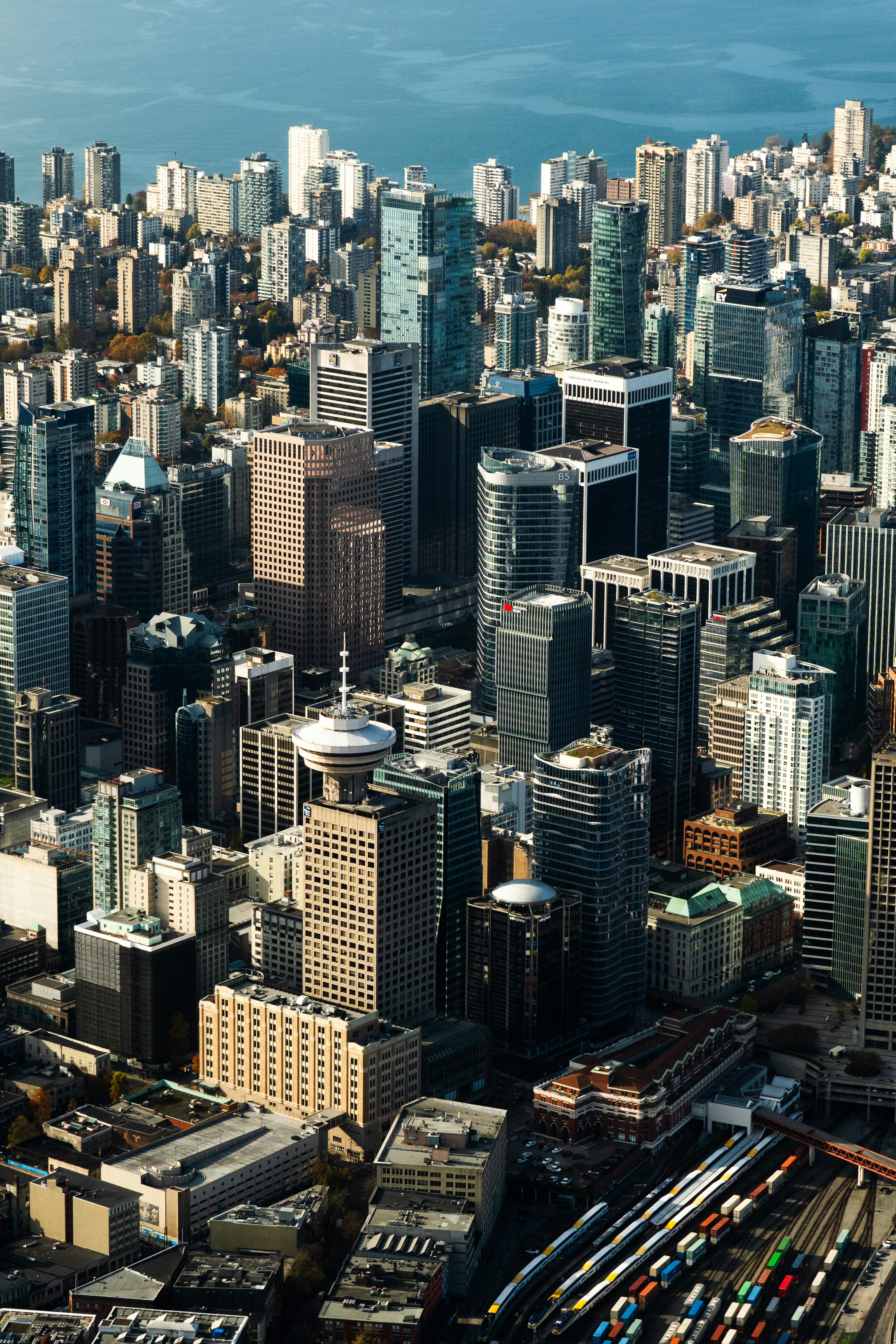
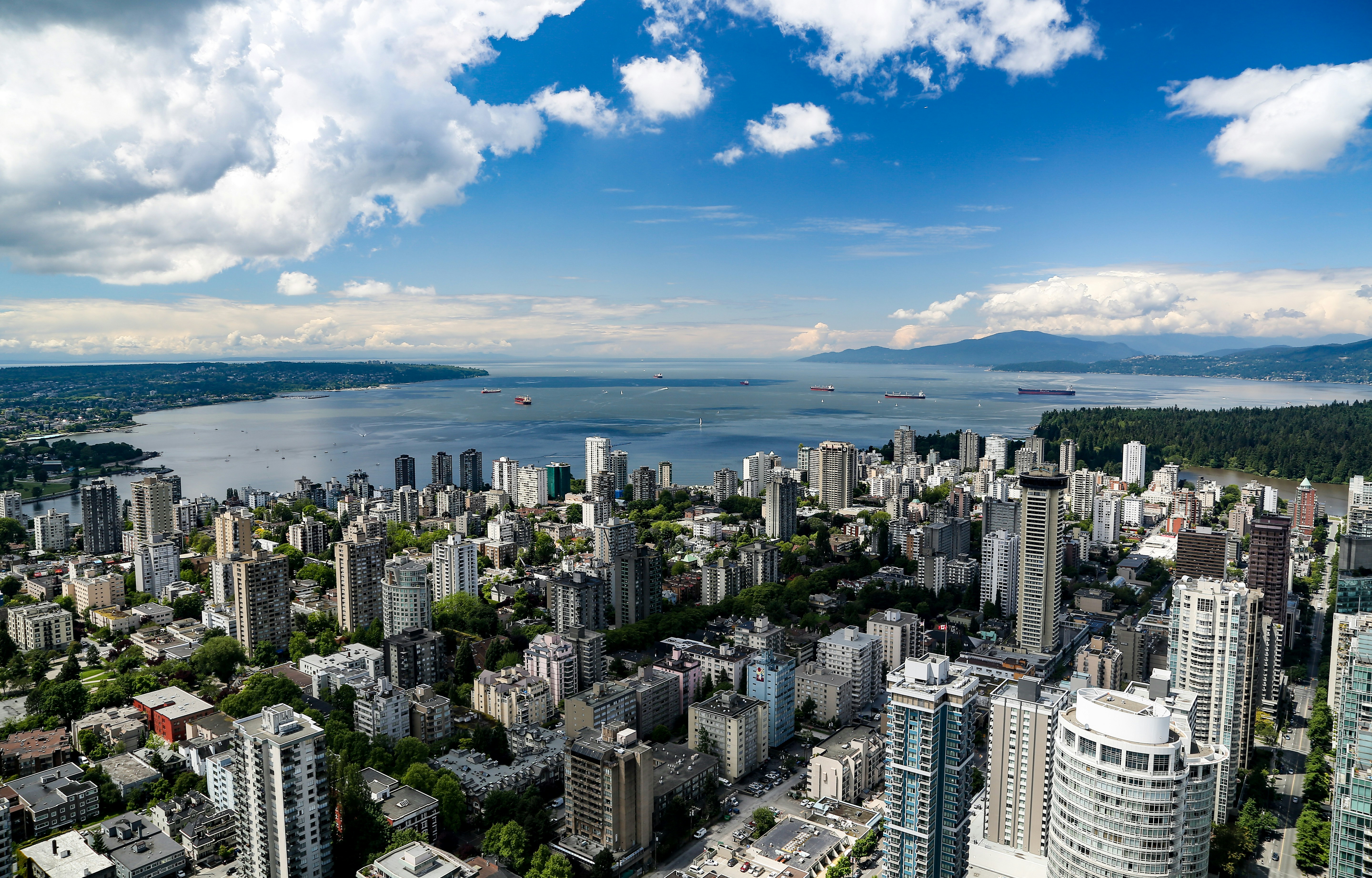
More Articles


Home Feature Guides
How Homes Work: Guides & Insights
Dive into guides that show what really matters in a house, from construction and materials to design choices and practical usability. Learn what questions to ask, what to watch for, and how to spot hidden issues so every feature—from tennis courts and home gyms to outdoor spaces and custom rooms—delivers the value it promises. These guides give the knowledge to assess every detail like an insider and avoid costly surprises.




Key Insights

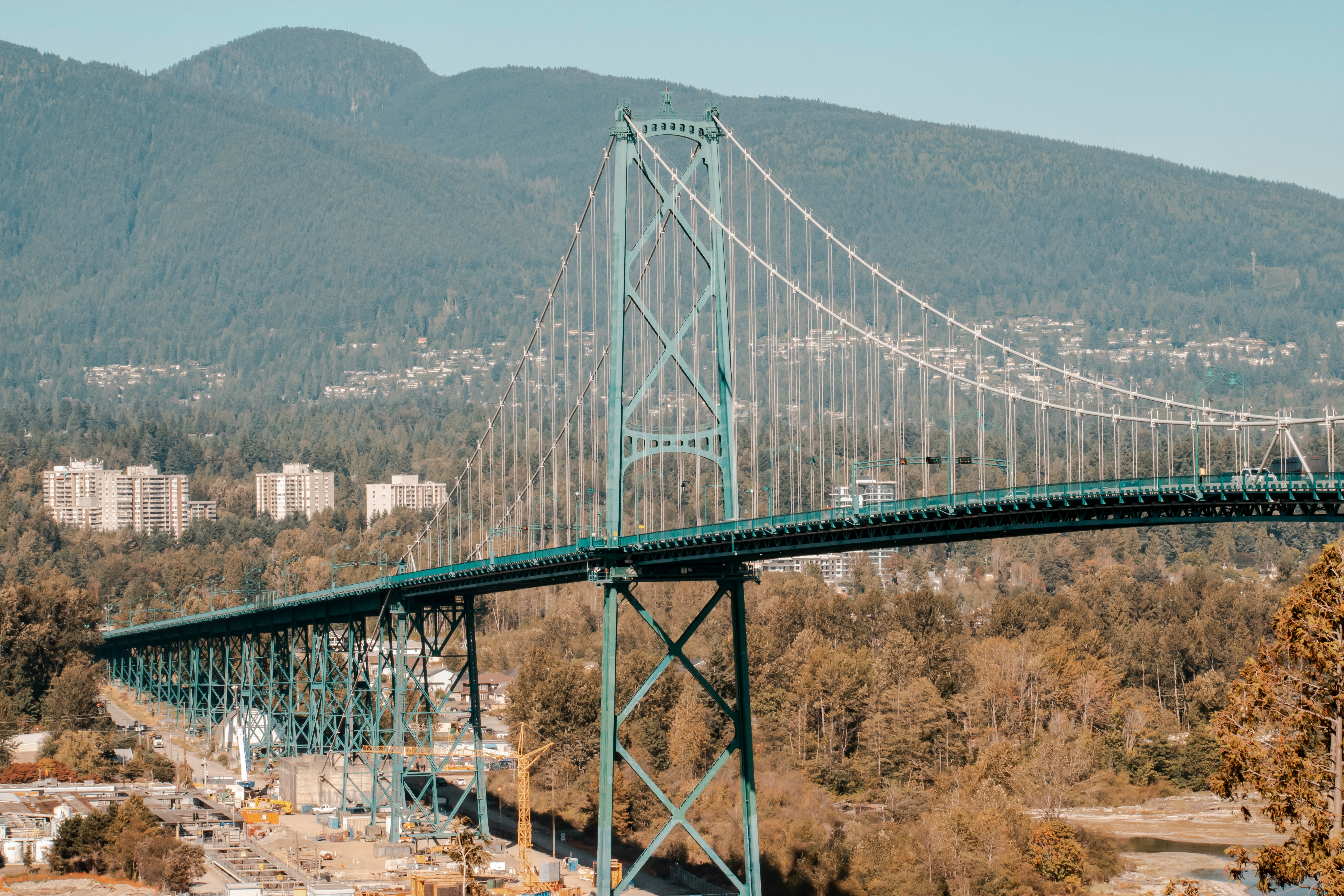

Key Insights


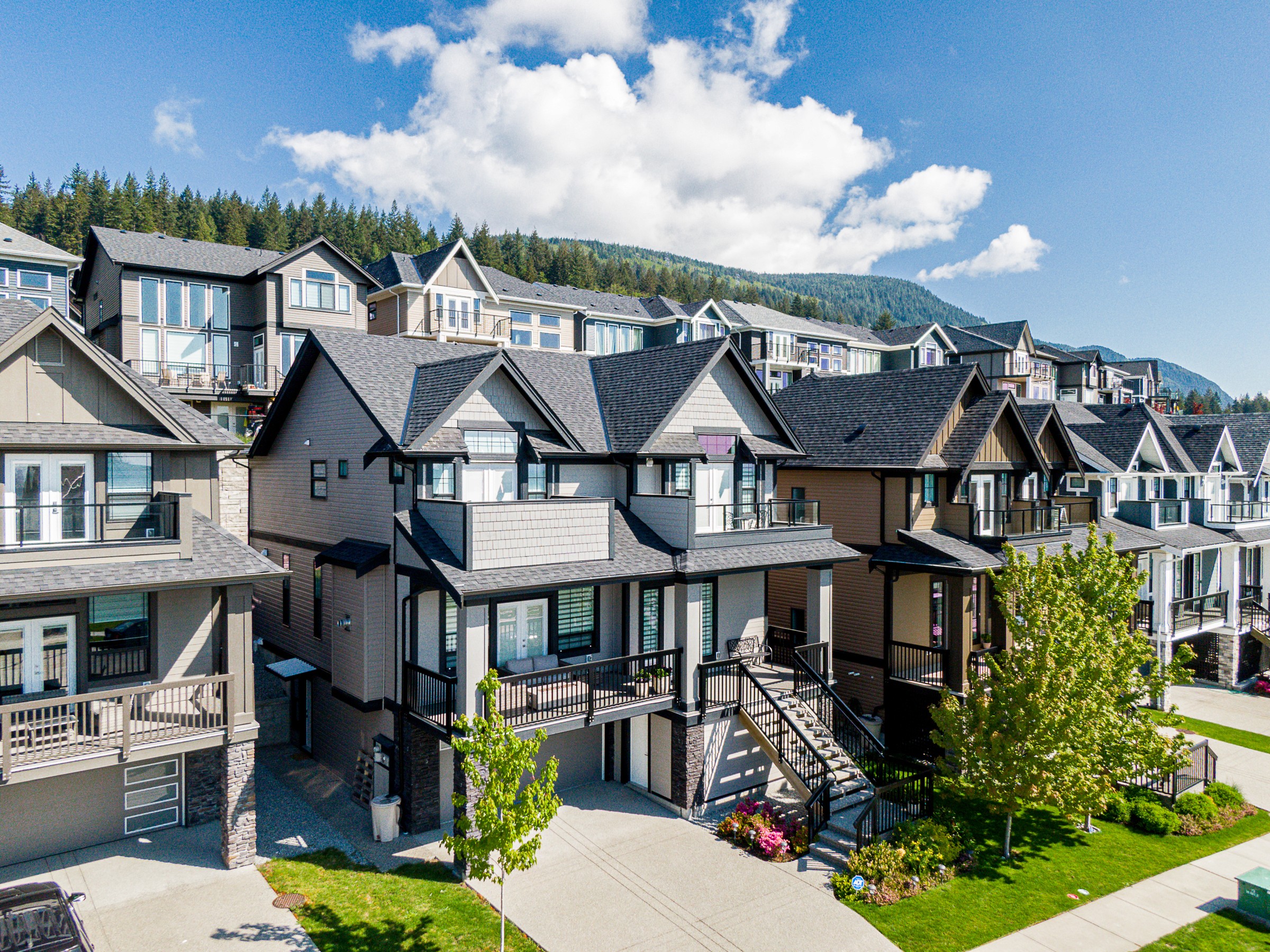


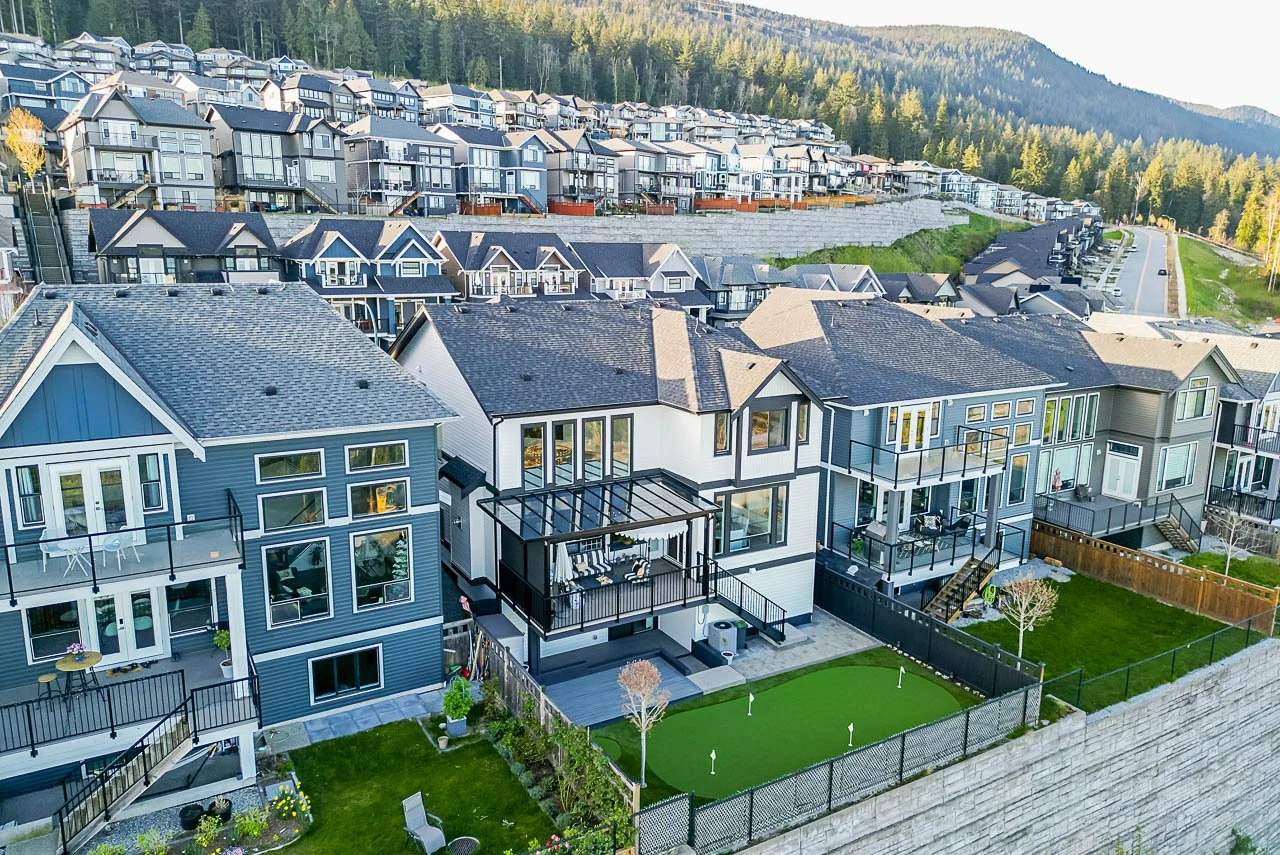



Recent
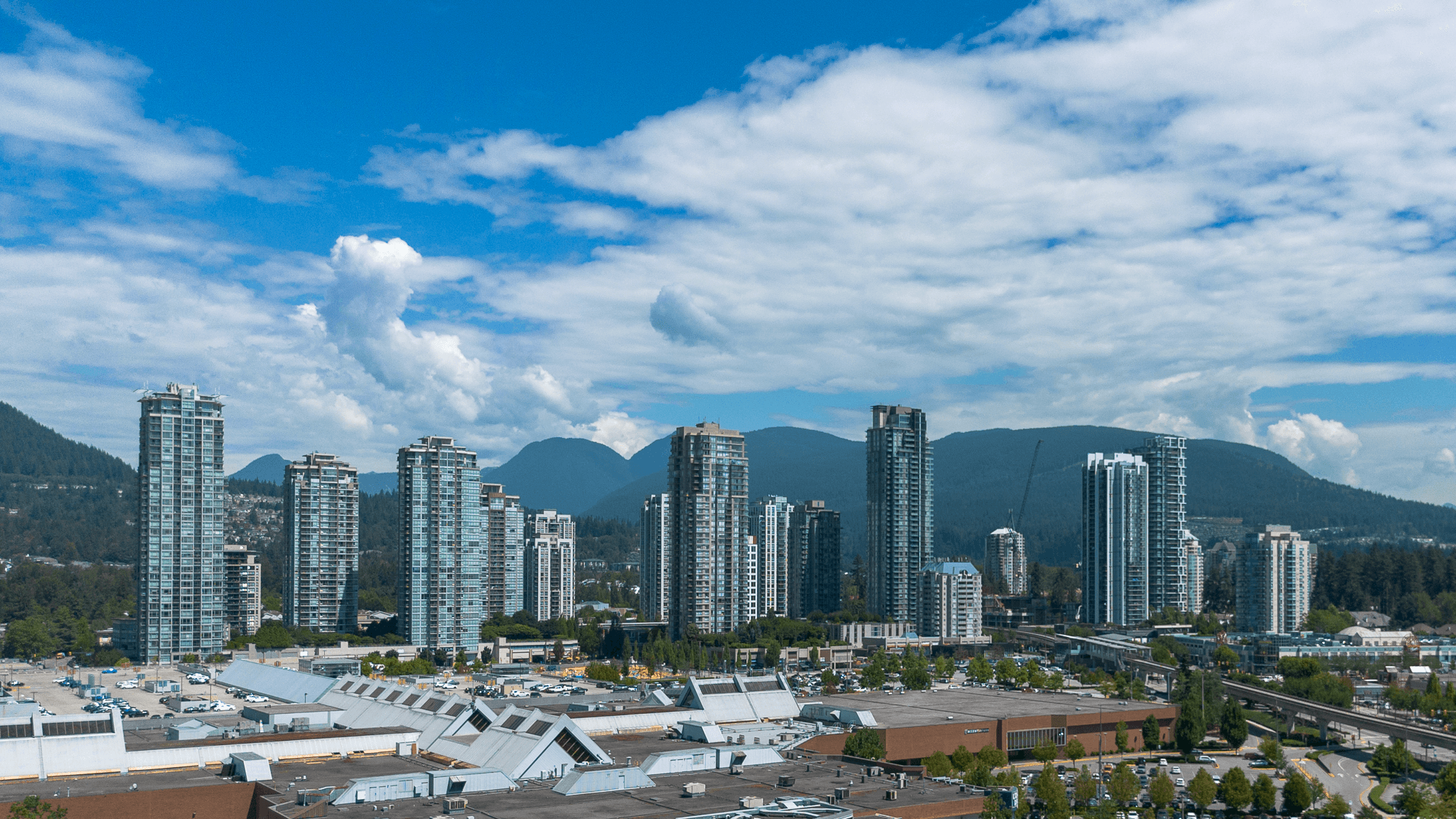


Recent





Victoria Estate Digest is your Go-to source for In-Depth Real Estate Insights, Market Trends, and Expert Analysis in British Columbia.
We cover everything from Housing Affordability and Foreign Investment to Luxury Properties and Emerging Market Opportunities.
Whether you're a Buyer, Seller, or Investor, we provide the Research and Knowledge you need to navigate BC’s ever-changing Real Estate Landscape.