/
/
Should You Buy Now or Wait? The Vancouver Housing Decision Tree for 2026–2027
Should You Buy Now or Wait? The Vancouver Housing Decision Tree for 2026–2027


The worst question in Vancouver real estate is not “Can I afford this?”
That one is at least honest.
The worst question is: “Should I buy now or wait?”
Because everyone answers it like they are either selling you something, justifying their own decision, or emotionally recovering from a bidding war they lost in 2021. Realtors say buy now because selection is better. Bears say wait because prices are falling. Sellers say now is a rare opportunity because they have been on market for 97 days and the “rare opportunity” is starting to smell like panic. Landlords say keep renting until they raise your rent. Parents say buy because they still think a starter home is something normal people can start with.
The truth is less satisfying and much more useful:
You should buy now if the specific property works without needing the market to rescue you. You should wait if the deal only makes sense because you are hoping Vancouver gets stupid again.
That is the decision tree.
Not “Vancouver is going up.”
Not “Vancouver is going down.”
Not “rates will fall.”
Not “foreign buyers will come back.”
Not “the crash is coming.”
Just this: Does the purchase make sense today, at today’s price, with today’s mortgage, today’s taxes, today’s rent alternative, today’s inventory, and your actual life?
If yes, buy carefully.
If no, wait without shame.
Because in 2026–2027, Vancouver real estate is no longer a simple religion. It is a math test with strata minutes.
The market is finally giving buyers time to think
For years, Vancouver punished patience. Buyers who waited got mocked by rising prices. People bought with no inspection, no financing condition, no sleep, and sometimes no understanding of what “depreciation report” meant. Fear of missing out did half the selling.
That market is not fully gone, but it is badly injured.
In July 2026, Greater Vancouver REALTORS reported 2,061 residential sales, down 9.8% from July 2025 and 18.6% below the 10-year seasonal average. Active listings sat at 16,476, which was 26.8% above the 10-year seasonal average. The sales-to-active-listings ratio was 13% overall, with detached homes at 10.5%, apartments at 14%, and attached homes at 15.8%. GVR’s own historical analysis says downward price pressure tends to occur when that ratio stays below 12% for a sustained period, while upward pressure usually appears above 20%. (gvrealtors.ca)
Prices are also lower year-over-year. The July 2026 MLS Home Price Index composite benchmark price for Metro Vancouver was $1,088,800, down 6.2% from July 2025. Detached homes were benchmarked at $1,822,900, down 7% year-over-year. Apartments were $688,000, down 7.5%. Townhouses were $1,030,400, down 6%. (gvrealtors.ca)
That does not mean everything is cheap. This is Vancouver. Even the discounts arrive wearing designer shoes. But it does mean buyers can finally ask questions that used to get them laughed out of open houses.
Can I inspect it?
Can I review strata documents?
Can I negotiate?
Can I compare alternatives?
Can I wait for a price reduction?
Can I walk away?
The answer is increasingly yes.
And that changes the decision from “buy before you are priced out forever” to “buy only if the property earns the commitment.”
That is a healthier market, even if it is still an expensive one.
The short answer for 2026–2027
Buy now if you are buying a home you can comfortably hold for at least five to seven years, the monthly carrying cost does not require magical appreciation, the property is meaningfully discounted or well-priced against current comparables, your job and down payment are stable, and you are not stretching to the edge just because Vancouver real estate used to bully people into panic.
Wait if you need prices to rise quickly to justify the purchase, you are relying on future rate cuts to survive, your employment or income is unstable, you are buying an investor condo that does not cash flow, you are trying to assign a presale later, you cannot absorb a repair or strata levy, or you are only buying because renting feels emotionally inferior.
That is the real divide.
The market does not care whether you are “bullish” or “bearish.” It cares whether you can carry the asset.
In Vancouver, carrying the asset is the new boss fight.
Start with your purpose: home, investment, or escape plan?
Before you ask whether to buy now or wait, ask what you are actually buying.
A home.
An investment.
A presale contract.
A rental property.
A future family plan.
A tax shelter.
A place to park money.
A panic response to rising rent.
A way to stop feeling left behind.
These are not the same decision.
A home can make sense even if prices are flat for years, because you get shelter, stability, school catchment, lifestyle, and control. An investment must survive numbers: rent, debt, taxes, strata, vacancy, repairs, insurance and exit value. A presale must survive completion risk. A rental property must survive tenant law and cash flow. A second home must survive vacancy taxes. A “safe haven” purchase must survive the fact that Vancouver no longer automatically rewards every owner with appreciation just for showing up.
The buying decision becomes much easier once you stop pretending every purchase has the same logic.
If you are buying a primary residence that you can afford, will live in, and plan to hold, the decision tree is more forgiving.
If you are buying an investor condo with negative cash flow and hoping 2021 returns from the dead, the decision tree is going to slap you.
The first branch: Can you afford the monthly payment without becoming a ghost in your own life?
This is the first and most important test.
Ignore the purchase price for a moment. Look at the monthly payment.
Use the full carrying cost, not just the mortgage. Vancouver buyers love calculating the mortgage and then acting surprised when the property tax, strata fees, insurance, utilities, repairs, maintenance, special levies, and “small fixes” show up like unpaid actors in a horror movie.
For an owner-occupied condo, calculate:
Mortgage payment.
Strata fees.
Property tax.
Insurance.
Utilities.
Maintenance reserve.
Move-in costs.
Special levy risk.
For a detached house, calculate:
Mortgage payment.
Property tax.
Insurance.
Utilities.
Repairs.
Roof/windows/drainage/furnace reserve.
Landscaping.
Suite vacancy if relying on rental income.
Major capital items.
For a townhouse, calculate both worlds: mortgage and strata, plus repairs that the strata may or may not cover.
Then ask: Can I pay this if prices do not rise for five years?
If the answer is no, wait.
If the answer is yes, continue.
A purchase that only works because you believe the property will appreciate quickly is not a home-buying plan. It is a leveraged mood.
The mortgage example buyers should actually run
Assume a buyer purchases a $900,000 condo with 20% down.
Mortgage: $720,000
At roughly 5% over 25 years, the mortgage payment is about $4,200 per month.
Now add:
Strata: $550
Property tax: $250
Insurance and basic maintenance allowance: $150
Utilities and misc.: $150
Estimated monthly carrying cost: about $5,300
That is before special levies, repairs, parking upgrades, furniture, moving costs, and the psychological damage of reading council minutes.
Now compare that with rent. Business in Vancouver reported that Vancouver’s average asking rent was around $2,686 in July 2026, down 4.8% year-over-year, while North Vancouver remained the country’s priciest major rental market with one-bedrooms at $2,588 and two-bedrooms at $3,458. (biv.com)
If renting a similar unit costs $2,700 to $3,300 and buying costs $5,300 before principal/equity considerations, the buyer needs to be honest. Buying may still make sense for stability, forced savings, long-term ownership and lifestyle. But it is not automatically cheaper. The monthly premium is real.
If that monthly premium destroys your savings, emergency fund, childcare budget, or ability to live, then waiting is not failure.
It is survival with a spreadsheet.
The second branch: How long will you hold it?
If you plan to hold for ten years, short-term market noise matters less. If you may sell in two years, it matters a lot.
Buying has friction costs. Property Transfer Tax. Legal fees. Inspection. Moving. Mortgage setup. Selling commission later. GST if new. Potential mortgage penalties. Time. Stress. If you buy and sell quickly, those costs can eat you alive.
B.C.’s Property Transfer Tax applies when the transfer is registered, unless an exemption applies. The general rate is 1% on the first $200,000, 2% between $200,000 and $2 million, and 3% above $2 million, plus a further 2% on residential value over $3 million. (www2.gov.bc.ca)
On a $1,000,000 resale home, PTT is:
First $200,000 × 1% = $2,000
Remaining $800,000 × 2% = $16,000
Total PTT = $18,000
That money is gone. It does not build equity. It does not buy you a better kitchen. It simply gets you through the door.
If you may move within two or three years, waiting often makes sense unless you are buying at a deep enough discount or have a very strong reason to own now.
If you can hold for five to seven years or more, buying becomes more rational because transaction costs can spread over time. You still need to avoid overpaying, but you are less vulnerable to one bad year.
The shorter your holding period, the more perfect the deal needs to be.
And Vancouver real estate is not known for perfection. It is known for expensive compromises with nice lighting.
The third branch: Are you buying a primary home or trying to beat the market?
Primary residence buyers get to include non-financial value.
That matters.
A home is not just an asset. It is school stability, pets, kids, commute, storage, control, no landlord, no annual rent uncertainty, and the ability to finally install shelves without asking permission from someone named Brad who owns seven condos and responds to leaks with “try a towel.”
If you are buying a long-term home and the payment works, buying during a softer market can be smart. You may have more inventory, more negotiating power, more subject-condition acceptance, more time for due diligence, and less competition from panicked buyers.
But if you are buying because you think you can time the bottom, be careful.
Market bottoms are only obvious after they are gone. People who wait for the exact bottom usually miss it or buy something worse because they became addicted to waiting. People who buy too early can overpay. Both mistakes are real.
The correct question is not:
“Is this the bottom?”
The correct question is:
“Is this property good enough, at this price, for my life and finances, even if the market is boring for the next five years?”
If yes, buying can make sense.
If no, wait.
The fourth branch: Are you buying something good, or just something discounted?
Discounts are seductive.
A property down $150,000 from the original list price feels like a deal. Sometimes it is. Sometimes the original list price was fantasy and the “discount” is just the seller walking slowly toward reality.
Do not buy the price cut. Buy the property.
Ask:
Is the floor plan good?
Is the building healthy?
Is the strata funded?
Is there parking?
Is there storage?
Is the house dry?
Is the roof near end of life?
Is the basement legal and usable?
Is the suite legal or just a fridge with ambition?
Is the location noisy?
Is the lot useful?
Is the property easy to resell?
Would someone else want this in a weaker market?
If the property has a bad layout, weak strata, no storage, high fees, ugly exposure, poor maintenance, a damp basement, or a looming levy, a discount may not save it.
A bad property at 10% off is often still a bad property.
It is just wearing a sale tag.
The fifth branch: What segment are you buying in?
The decision differs by property type.
Detached homes are more land-driven. If you are buying detached, you are buying location, lot, zoning, buildability, suite potential, condition and long-term land scarcity. Detached sales-to-active listings were 10.5% in July 2026, which puts that segment close to or inside buyer-favourable territory depending on submarket and duration. (gvrealtors.ca)
Condos are more comparable and more exposed to investor inventory. Apartments were down 7.5% year-over-year in July 2026, and apartment sales fell 17.8% year-over-year. Buyers in this segment should be picky because many similar units compete, and weak strata documents can turn a “deal” into a financial mosquito farm. (gvrealtors.ca)
Townhouses sit in the uncomfortable middle. They are highly desirable for families priced out of detached homes, but at a benchmark of $1,030,400 in July 2026, they are still expensive enough to make normal people consider whether a garage in Calgary is a personality upgrade. (gvrealtors.ca)
Presales are a different animal entirely. Buying a presale in 2026–2027 means taking completion risk, appraisal risk, GST, deposit lock-up, possible delays, and uncertainty about what the resale market will look like when the building finishes. Presales can make sense for first-time buyers using GST relief or buyers who want a new primary residence. They are much more dangerous for investors relying on assignment profit.
Your answer to “buy or wait” depends heavily on which segment you are entering.
Vancouver does not have one market.
It has several expensive arguments happening at once.
The sixth branch: Are you buying new or resale?
New homes have different math.
They may come with warranty, better energy performance, new-home smell, modern layouts, lower immediate repair risk, and possibly tax relief for eligible first-time buyers. They also bring GST, presale risk, developer contract risk, completion timing, appraisal risk, and sometimes optimistic strata-fee projections.
The new federal first-time home buyers’ GST/HST rebate can be powerful. CRA says eligible first-time buyers of newly built or substantially renovated homes used as a primary residence may recover up to 100% of GST paid, up to $50,000, on homes valued at or below $1 million; the rebate gradually reduces between $1 million and $1.5 million, and there is no rebate at or above $1.5 million. (canada.ca)
That can change the decision for first-time buyers. A $900,000 new home has $45,000 of GST at 5%. If the buyer is eligible and the rebate applies fully, that tax relief can materially improve the deal.
B.C.’s newly built home PTT exemption can also help. For qualifying newly built homes registered on or after April 1, 2024, the full exemption generally applies up to $1.1 million, with partial relief up to $1.15 million, subject to conditions. (www2.gov.bc.ca)
So for an eligible first-time buyer looking at a new home under the thresholds, buying now may make more sense than it did before, because tax relief can be real.
But do not let rebates hypnotize you.
A rebate does not fix a bad floor plan. A rebate does not make an overpriced presale cheap. A rebate does not eliminate mortgage risk. A rebate does not make a weak developer strong.
Tax savings are not value if the purchase price is inflated to absorb them.
The sales centre knows about the rebate too.
The seventh branch: Are you waiting for lower prices or lower rates?
This is the classic buyer trap.
Some buyers say they are waiting for lower prices. Others are waiting for lower rates. Many are secretly waiting for both, which is like waiting for a Vancouver listing with low strata fees, no problems, ocean view, and a seller who accepts 2016 pricing.
Possible? Sure.
Likely? Let us stay adults.
The Bank of Canada held its target overnight rate at 2.25% on July 15, 2026, with the Bank Rate at 2.5% and the deposit rate at 2.20%. The Bank said housing activity had been weak but looked to be stabilizing, and it forecast inflation returning toward 2% in early 2027, while emphasizing uncertainty and readiness to adjust policy as needed. (bankofcanada.ca)
If rates fall, monthly affordability improves. But if many buyers are waiting for rates to fall, lower rates can bring demand back and support prices. If rates stay flat or rise, prices may soften further, but your borrowing cost may not improve. If rates fall while prices fall, wonderful. If you are counting on that exact combination, you are not planning. You are ordering from the fantasy menu.
The more useful question is:
What happens to my decision if rates stay roughly where they are?
If the purchase works at today’s rate, you are in a stronger position. If it only works after a rate cut, wait.
Do not buy a house today based on a payment you hope exists later.
That is how people become very familiar with their bank’s hold music.
The eighth branch: What if prices fall another 5%?
Every buyer should run a simple stress test.
If you buy a $1,000,000 property and prices fall 5%, the market value becomes $950,000. If prices fall 10%, it becomes $900,000. If you bought with 20% down, you are not necessarily underwater, but your equity cushion is thinner. If you need to sell quickly, transaction costs can turn a small price move into a real loss.
Ask yourself:
Can I emotionally tolerate a 5% drop?
Can I financially tolerate a 10% drop?
Would I still be okay if I could not refinance at the value I expected?
Would I still be okay if I had to hold longer than planned?
Would I still be okay if a special levy appeared?
Would I still be okay if my income dropped?
If the answer is no, wait.
Buying in a soft market requires two things: opportunity and resilience. Opportunity without resilience is just a trap you entered at a discount.
A buyer who can hold through volatility has options.
A buyer who must sell quickly has exposure.
The ninth branch: What if prices rise while you wait?
Waiting has risk too.
Buyers often talk about the risk of buying before prices fall. They talk less about the risk of waiting while a good property sells, inventory tightens, or competition returns.
June 2026 looked briefly stronger before July lost momentum. GVR reported June sales up 9.6% year-over-year, though still 12.4% below the 10-year seasonal average, and said it was too early to call whether slower new listings and demand returning would create a sustained inventory downtrend. (gvrealtors.ca)
Then July cooled again.
That one-step-forward, one-step-back pattern is exactly why timing is hard. Buyers waiting for a clear signal may never get one. The market may grind sideways, with good properties moving and bad properties sitting. If you wait for the whole market to scream “bottom,” the best individual deals may already be gone.
This is why the better strategy is not “wait for the bottom.”
It is:
Be ready to act when the right property is mispriced.
Waiting should be active. Track listings. Watch relists. Study price reductions. Learn buildings. Get financing ready. Know your target neighbourhoods. Know your walk-away numbers. Read strata minutes before you fall in love. If a good deal appears, move. If nothing good appears, keep waiting.
Passive waiting is just renting with anxiety.
Active waiting is preparation.
The tenth branch: Are rents falling enough to make waiting attractive?
Rent matters because it is the alternative to buying.
If rent is falling, waiting becomes easier. If rent is rising quickly, buying becomes more appealing because ownership provides more control over housing cost, even if the upfront payment is brutal.
Metro Vancouver rents have softened, but remain very high. Business in Vancouver reported July 2026 average asking rent in Vancouver around $2,686, down 4.8% year-over-year, while North Vancouver remained Canada’s most expensive major rental market and Burnaby and Coquitlam also ranked among the highest. (biv.com)
For existing tenants, B.C.’s 2026 rent increase limit is 2.3%, with landlords generally limited to one rent increase every 12 months and at least three full months’ notice. (gov.bc.ca)
This creates a huge divide.
If you are in a good below-market rental, waiting may be financially powerful. You can save, invest, watch the market, and avoid rushing. Your landlord cannot simply jack the rent to market overnight if you are covered by the Residential Tenancy Act.
If you are paying high market rent, moving every year, or facing instability, buying may provide value even if the monthly carrying cost is higher. Stability has value. Not having to beg a landlord for permission to own a dog also has value.
The rent-versus-buy decision is not ideological.
It is personal arithmetic.
If your rent is low and stable, waiting may be smart.
If your rent is high and unstable, buying may be worth the premium.
The eleventh branch: Are you a first-time buyer?
First-time buyers need their own decision tree.
You may have advantages: new-home GST relief, B.C. PTT exemptions in some cases, FHSA/RRSP tools, lower lifestyle commitments, and flexibility. You may also have disadvantages: smaller down payment, less experience, more emotional pressure, and less ability to absorb surprises.
B.C.’s first-time home buyers’ program can reduce or eliminate Property Transfer Tax for qualifying purchasers. The program exempts PTT on the first $500,000 of the purchase price for qualifying homes, with full exemption rules applying to homes up to $835,000 and a partial exemption between $835,000 and $860,000, subject to eligibility and occupancy conditions. (www2.gov.bc.ca)
That can save up to $8,000. Useful, but not life-changing in Vancouver unless paired with other savings or a lower-priced property.
For first-time buyers, buying now can make sense if:
You are buying well below your approval limit.
You have a real emergency fund after closing.
You can keep the home five years or more.
You are not relying on a parent’s last dollar.
You have inspected, reviewed strata, and understand monthly costs.
You qualify for meaningful tax relief.
The home works for your next life stage, not just your current panic.
Waiting can make sense if:
You are stretching to the maximum.
You have no cash reserve after closing.
You are buying a tiny unit you already know you will outgrow.
You are buying because everyone says “get in the market.”
You do not understand the building.
You cannot tolerate a price drop.
The worst first-time buyer purchase is not expensive.
It is fragile.
A fragile buyer in a fragile building with a fragile mortgage is how real estate becomes a lifestyle hostage situation.
The twelfth branch: Are you an investor?
Investors should be much harsher than owner-occupiers.
If a property does not cash flow, ask why you are buying it. If the answer is “Vancouver always goes up,” please recycle your spreadsheet and start again.
Condo investors are under particular pressure. CMHC reported that Vancouver condominium apartment sales across resale, new, and pre-construction began declining in mid-2022 and had fallen 37% by the end of Q1 2025. CMHC also said investor profitability was under pressure because carrying costs in Vancouver grew 29% since 2022 while average rents rose only 12%. (cmhc-schl.gc.ca)
That is the investor warning label.
If you are buying a rental property now, calculate:
Market rent.
Mortgage payment.
Strata fees.
Property tax.
Insurance.
Repairs.
Vacancy.
Property management.
Income tax.
Special levies.
Future refinancing risk.
Exit value.
If the property is negative $1,500 per month and the only plan is appreciation, waiting may be smarter unless you are buying at a major discount with a long-term land or redevelopment thesis.
An investor should buy now only if the numbers work under conservative assumptions.
Not optimistic assumptions.
Not sales-centre assumptions.
Not “my friend rented his unit for more in 2023” assumptions.
Current assumptions.
The market does not care about your investor identity. It cares whether your tenant pays enough.
The thirteenth branch: Are you exposed to 2027 tax pressure?
For ordinary principal-residence buyers, 2027 tax pressure may not be a reason to wait. For foreign owners, untaxed worldwide earners, vacant-home owners, second-home buyers, corporate/trust buyers, or investors planning to leave property empty, it absolutely matters.
Your earlier tax framework correctly emphasizes that the SVT is not traditional property tax; it is an annual tax based on residential use and ownership in B.C.’s major urban centres. B.C. says the 2027 SVT rate rises to 4% for foreign owners and untaxed worldwide earners, while Canadian citizens and permanent residents who are not untaxed worldwide earners remain at 1%; the tax applies based on ownership as of December 31 each year. (gov.bc.ca)
For a non-exempt highest-rate owner, a $3,000,000 property means:
$3,000,000 × 4% = $120,000 per year
A $5,000,000 property means:
$5,000,000 × 4% = $200,000 per year
That changes the decision tree.
If you are a normal local buyer buying your principal residence, tax pressure on other sellers may create opportunity. A vacant or tax-exposed seller may become more negotiable before year-end.
If you are a buyer who could become tax-exposed, buying now without a clear exemption or rental plan is dangerous. Waiting may not solve that. Planning will.
The 2027 tax environment is not just a cost. It is a negotiation force.
Some sellers will need to exit. Some buyers should avoid becoming them.
The foreign-buyer branch: Can you legally buy?
For non-Canadian buyers, the question is not “buy now or wait.”
The first question is: can you buy at all?
The federal government extended Canada’s ban on foreign ownership of residential property to January 1, 2027. The Department of Finance said foreign commercial enterprises and people who are not Canadian citizens or permanent residents would continue to be prohibited from purchasing residential property in Canada, subject to exceptions. (canada.ca)
CMHC explains that the Act generally defines residential property as buildings with three dwelling units or less, including semi-detached houses and condominium units, and notes that it does not prohibit the purchase of larger buildings with four or more dwelling units. (cmhc-schl.gc.ca)
So if you are a non-Canadian buyer, do not rely on internet summaries. Get legal advice before writing an offer.
If you are legally allowed to buy, B.C.’s additional Property Transfer Tax may still apply. B.C.’s PTT page says foreign nationals, foreign corporations and taxable trustees may have to pay additional property transfer tax on the fair market value of the residential portion of property in specified areas. (www2.gov.bc.ca)
In Metro Vancouver, that can be a 20% problem.
A foreign buyer should not ask “now or wait” until they know the legal and tax answer. Otherwise, the decision tree is just a very expensive guessing game.
The Fraser Valley branch: is the discount better outside Vancouver?
Some buyers priced out of Metro Vancouver look east.
That can make sense, but the Fraser Valley has its own market dynamics. In July 2026, the Fraser Valley Real Estate Board reported 1,089 sales, down 9% from July 2025, while active listings were 10,044, still 32% above the 10-year seasonal average. The board described the Fraser Valley as a buyer’s market with an 11% sales-to-active-listings ratio. Its composite benchmark price was $877,600, down 7% year-over-year. (fvreb.bc.ca)
That means buyers may find more affordability and more negotiating room, especially compared with central Vancouver. But do not confuse cheaper with cheap, or distance with value.
Ask:
What is the commute?
Can I work remotely long-term?
Will I need two cars?
What are property taxes?
What are insurance costs?
What is resale demand?
Is the local market weaker than Vancouver?
Are prices still falling faster?
Is the house actually better, or just farther?
A detached house in the Fraser Valley may provide space and value that Vancouver cannot. But if your entire life, job, family, and childcare network are in Vancouver, the “cheaper” home may become expensive in time, commuting, and stress.
Buying outside Vancouver is not a discount.
It is a lifestyle trade.
Make sure you like the lifestyle, not just the mortgage.
The wait strategy: waiting is only smart if you use the time
Many buyers say they are waiting.
But waiting can mean two very different things.
Smart waiting means saving more down payment, improving credit, reducing debt, watching buildings, learning neighbourhoods, tracking comparable sales, getting pre-approved, understanding strata documents, and preparing to move when the right property misprices.
Dumb waiting means reading headlines, doomscrolling, renting without saving, hoping for a crash, and then panicking when the market stabilizes.
If you wait, set rules.
Decide what would make you buy:
A specific price reduction.
A specific monthly payment.
A specific neighbourhood.
A specific building.
A specific property type.
A specific inventory level.
A specific rate.
A specific down payment target.
A specific job milestone.
A specific family need.
Otherwise, waiting becomes emotional procrastination.
You do not need to buy now. But you do need to know what you are waiting for.
If your answer is “lower prices,” define lower.
Five percent?
Ten percent?
A specific monthly payment?
A specific property type becoming affordable?
Without a target, you are not waiting.
You are floating.
The buy-now strategy: buying now only works if you negotiate like it is 2026, not 2021
If you decide to buy now, do not behave like a panic buyer from the old market.
Use the current market.
Write subject offers when appropriate.
Inspect.
Review strata documents.
Negotiate.
Watch stale listings.
Ask for seller credits or price adjustments after inspection if justified.
Compare active listings.
Track relists.
Use completion dates as leverage.
Do not accept the seller’s price because it is below assessment.
Do not waive due diligence because you are scared.
Do not buy the first acceptable property because you have emotional fatigue.
Buying now can be smart if you use today’s buyer leverage. Buying now while acting like you are still in a bidding war is just volunteering to overpay for nostalgia.
In a 2026 market, buyers should be less afraid of offending sellers.
Sellers have had a long time enjoying the other side of that equation.
They will survive a subject clause.
The decision tree in plain English
Here is the practical version.
Buy now if all of these are true:
You can afford the full monthly cost at today’s rate.
You have cash left after closing.
You plan to hold for at least five to seven years.
The property is priced well against current sold comparables.
You have inspected or can inspect.
For condos/townhomes, the strata documents are acceptable.
For houses, the roof, drainage, foundation, electrical and plumbing risks are understood.
You are not relying on quick appreciation.
You can tolerate a 5% to 10% market dip.
The home improves your life enough to justify the ownership premium.
The seller is negotiable or the property is genuinely strong.
Wait if any of these are true:
You need future rate cuts to afford the home.
You need prices to rise quickly to make the purchase feel safe.
Your job or income is unstable.
You would have no emergency fund after closing.
You may need to sell within two or three years.
The property is only attractive because it is discounted, not because it is good.
The strata documents are weak.
The inspection risk is too high.
The rent-versus-buy gap is massive and your rental situation is stable.
You are buying from fear.
You are buying an investor property that does not cash flow.
You are uncertain about tax exposure, foreign-buyer eligibility, or vacancy rules.
Actively watch if these are true:
You want to buy but need a better entry price.
You are financially ready but not desperate.
You are targeting stale listings.
You are waiting for a specific building or neighbourhood.
You can move quickly if the right deal appears.
You are building cash while tracking the market.
You understand that waiting is a strategy, not a mood.
This is the decision tree.
Not perfect. Not psychic. But better than asking a realtor, a landlord, and your most bearish friend to fight inside your head.
The “buy now” example: stable family, long hold, discounted townhouse
A family wants a townhouse in Burnaby or Coquitlam. They have stable jobs, 20% down, a strong emergency fund, and plan to stay seven to ten years. They find a townhouse listed below similar spring 2026 pricing, with good strata documents, no major levy risk, functional layout, parking, storage, and school access. The seller has been on market 60 days and is open to subjects.
This buyer can reasonably buy now if the monthly cost works.
Why?
Because they are buying utility, not just speculation. They are likely to hold through market noise. They have negotiating room. They are buying a property type with real family demand. They are not relying on a quick flip. They can inspect and review documents.
Could prices fall another few percent? Yes.
Would that matter if the home works for the next decade? Less.
In this scenario, waiting for the perfect bottom may cost them the specific home that actually solves their problem.
The “wait” example: first-time buyer stretching for a tiny condo
A first-time buyer is approved for $760,000 and wants to buy a downtown condo at the top of their approval. The unit has no parking, no storage, high strata fees, weak contingency fund, and a layout that already feels too small. They would have almost no cash left after closing. They tell themselves they can sell in three years and move up.
This buyer should probably wait.
Not because Vancouver condos can never rise. Not because buying is bad. Because this specific plan is fragile.
If prices fall 5%, they are stuck. If strata fees rise, they are squeezed. If a special levy appears, they are exposed. If their life changes, selling may be expensive. If they outgrow the unit quickly, transaction costs punish them.
This is not a housing plan.
It is a trap with quartz counters.
The “maybe buy” example: first-time buyer looking at a new home under rebate thresholds
An eligible first-time buyer is considering a newly built $950,000 home that will be their primary residence. The unit has a strong layout, good developer, reasonable strata estimates, and comparable resale pricing supports the value. They may qualify for the federal first-time buyer GST rebate and possibly B.C.’s newly built home PTT exemption, depending on the exact facts and eligibility.
This buyer should seriously analyze buying now.
Why?
Because tax relief may materially lower the effective cost. A new $950,000 home has $47,500 of GST at 5%; if eligible, the federal first-time buyer GST/HST rebate can recover up to 100% of GST on new homes at or below $1 million, up to the $50,000 cap. (canada.ca)
But the buyer still needs to compare it with resale. If the developer inflated pricing to absorb the rebate, the “savings” may be fake. The buyer also needs to verify strata, completion, GST treatment, mortgage, closing costs and whether the home is truly worth the post-rebate price.
The rebate improves the decision.
It does not replace the decision.
The “wait hard” example: investor condo with negative cash flow
An investor wants to buy an $850,000 condo and rent it out. The rent might be $3,100. The mortgage, strata, tax, insurance and repairs may run closer to $4,800 or $5,000. The investor is willing to lose $1,700 a month because “Vancouver always comes back.”
This buyer should wait, or buy something else, unless they are getting a major discount or have a strategic reason beyond hope.
The condo market is not currently rewarding sloppy investor math. CMHC’s data on Vancouver condo investor pressure—carrying costs up faster than rents, sales down from mid-2022, and inventories rising—should be enough to make any investor sharpen the pencil. (cmhc-schl.gc.ca)
Negative cash flow is not automatically wrong. Some investors accept it for long-term land value, redevelopment, tax planning, or wealth preservation. But negative cash flow plus falling prices plus weak rent growth plus strata risk is not investing.
It is a monthly donation to a theory.
The “watch for opportunity” example: vacant tax-exposed seller
A buyer wants a detached home and is financially ready but not desperate. They track vacant high-value listings, corporate-owned properties, stale listings, and homes that appear under-used. They know some sellers may face increased 2027 carrying pressure because of SVT, Empty Homes Tax or additional school tax, but they do not assume every seller is exposed.
This buyer should actively watch.
The province’s SVT framework says the tax applies based on December 31 ownership and the 2027 highest-rate category is 4% for foreign owners and untaxed worldwide earners. (gov.bc.ca)
That may create negotiation windows. Not guaranteed discounts, but windows. A vacant property sitting into late 2026 may be more negotiable than the same property was in spring. A seller facing high carrying costs may prefer certainty.
The buyer’s strategy should be professional:
Track the property.
Watch reductions.
Study current comps.
Offer clean terms.
Do not accuse.
Do not overpay.
Let the seller’s cost of waiting do the talking.
This is where patience can pay.
Not passive patience. Weaponized patience.
The biggest mistake: trying to buy the market instead of the property
Buyers love macro opinions because they feel safe.
Vancouver is going down.
Vancouver is going up.
Rates will fall.
Inventory will tighten.
Immigration will return.
Taxes will crush speculators.
Developers will cancel supply.
Rents will fall.
Rents will rise.
Some of those statements may be partly true. None of them tell you whether a specific condo in a specific building with a specific strata council is worth buying.
The best deals are property-specific.
A bad property in a rising market can still hurt you.
A good property in a soft market can still be a smart buy.
Do not buy “Vancouver.”
Buy a home, a lot, a unit, a building, a location, a cash flow, a floor plan, a school catchment, a future.
The market is the weather.
The property is the boat.
Do not buy a leaky boat because you like the forecast.
The buyer’s red flags for 2026–2027
These are reasons to wait or renegotiate:
The seller is using 2021 comps.
The listing has been stale but the seller refuses to move.
The condo has weak strata documents.
The building has upcoming major repairs.
The house has drainage or foundation concerns.
The basement suite is unauthorized and priced like legal income.
The rent does not come close to covering investor carrying costs.
The property only works if rates fall.
You would have no cash left after closing.
You are relying on a bonus, gift or future raise not yet received.
The appraisal may not support the price.
You cannot hold five years.
You are buying because of fear.
You do not understand the tax exposure.
You have not compared renting.
You are treating a rebate as a discount without checking whether the price is inflated.
You are trusting the listing description.
That last one is especially dangerous.
Listing descriptions are poetry for people who need financing.
The buyer’s green lights for 2026–2027
These are reasons buying may make sense:
The seller has already adjusted to market reality.
The property is priced at or below current sold comparables.
You have subject conditions and due diligence access.
The strata is healthy.
The home has low near-term maintenance risk.
The layout is strong.
The location is durable.
You can hold long-term.
The monthly carrying cost is comfortable.
You keep emergency funds after closing.
You can tolerate price volatility.
The property solves a real life problem.
Tax incentives genuinely improve the effective price.
The seller needs timing certainty and you can provide it.
You are buying because the deal works, not because you are scared.
The best green light is boring:
The home works even if nothing dramatic happens.
No crash needed.
No boom needed.
No miracle needed.
That is what a good purchase looks like.
What sellers do not want buyers to realize
Sellers want buyers to think waiting is dangerous.
Sometimes it is. But in a softer market with elevated inventory, waiting can be a negotiation tool. The seller pays carrying costs while you watch. The seller gets market feedback while you save. The seller reduces while you compare. If the property sells to someone else, good. That means someone else valued it more than you did.
Not every missed property is a mistake.
Sometimes the best deal is the one you did not force.
This is especially true in 2026–2027 because seller psychology is still adjusting. Many owners remember peak prices. Many assessments lag current market reality. Many sellers do not want to accept that buyers have options. Time can educate them.
Buyers should not be cruel.
But they also should not volunteer to pay for the seller’s denial.
The final decision tree
Ask these questions in order.
Can I afford the full monthly carrying cost at today’s rates?
If no, wait.
If yes, continue.
Will I hold the property for at least five to seven years?
If no, wait unless the deal is unusually strong.
If yes, continue.
Does the property work for my actual life, not just my market anxiety?
If no, wait.
If yes, continue.
Is the price supported by recent sold comparables?
If no, negotiate or wait.
If yes, continue.
Can I inspect and do proper due diligence?
If no, be extremely careful.
If yes, continue.
Would I still be okay if the market fell another 5% to 10%?
If no, wait or buy cheaper.
If yes, continue.
Am I relying on future appreciation, rate cuts, rent growth, or assignment profit?
If yes, wait or heavily discount the risk.
If no, continue.
Does buying improve my life enough to justify the ownership premium over renting?
If no, wait.
If yes, buy carefully.
That is the whole framework.
Not perfect. But much better than “now is always the best time to buy” or “the crash is definitely coming.”
Both slogans are lazy.
Your life deserves better than slogans.
The bottom line
Should you buy now or wait in Vancouver for 2026–2027?
Buy now if the property is good, the price is current, the payment is comfortable, the hold period is long, and the purchase does not require the market to bail you out.
Wait if the deal is fragile, the property is mediocre, the seller is still dreaming, the monthly cost is suffocating, or your plan depends on rate cuts, appreciation, or investor mythology.
The market is softer. Inventory is elevated. Prices are down year-over-year. Rents have eased but remain high. Rates have stabilized but are not back to free-money fantasy. Taxes are getting sharper for certain owners. First-time buyer incentives can help in specific new-home situations. Some sellers are becoming negotiable. Some are still living in 2021.
That is not a simple buy signal.
It is a selective-buy signal.
The best buyers in 2026–2027 will not be the ones who perfectly time the bottom. They will be the ones who know their numbers, ignore the noise, negotiate hard, avoid bad buildings, keep cash after closing, and buy only when the home works without a fairy tale.
Vancouver real estate may rise again. It may fall more first. It may grind sideways long enough to bore everyone into honesty.
You cannot control that.
You can control whether the deal in front of you makes sense.
And in this market, that is finally enough.
The worst question in Vancouver real estate is not “Can I afford this?”
That one is at least honest.
The worst question is: “Should I buy now or wait?”
Because everyone answers it like they are either selling you something, justifying their own decision, or emotionally recovering from a bidding war they lost in 2021. Realtors say buy now because selection is better. Bears say wait because prices are falling. Sellers say now is a rare opportunity because they have been on market for 97 days and the “rare opportunity” is starting to smell like panic. Landlords say keep renting until they raise your rent. Parents say buy because they still think a starter home is something normal people can start with.
The truth is less satisfying and much more useful:
You should buy now if the specific property works without needing the market to rescue you. You should wait if the deal only makes sense because you are hoping Vancouver gets stupid again.
That is the decision tree.
Not “Vancouver is going up.”
Not “Vancouver is going down.”
Not “rates will fall.”
Not “foreign buyers will come back.”
Not “the crash is coming.”
Just this: Does the purchase make sense today, at today’s price, with today’s mortgage, today’s taxes, today’s rent alternative, today’s inventory, and your actual life?
If yes, buy carefully.
If no, wait without shame.
Because in 2026–2027, Vancouver real estate is no longer a simple religion. It is a math test with strata minutes.
The market is finally giving buyers time to think
For years, Vancouver punished patience. Buyers who waited got mocked by rising prices. People bought with no inspection, no financing condition, no sleep, and sometimes no understanding of what “depreciation report” meant. Fear of missing out did half the selling.
That market is not fully gone, but it is badly injured.
In July 2026, Greater Vancouver REALTORS reported 2,061 residential sales, down 9.8% from July 2025 and 18.6% below the 10-year seasonal average. Active listings sat at 16,476, which was 26.8% above the 10-year seasonal average. The sales-to-active-listings ratio was 13% overall, with detached homes at 10.5%, apartments at 14%, and attached homes at 15.8%. GVR’s own historical analysis says downward price pressure tends to occur when that ratio stays below 12% for a sustained period, while upward pressure usually appears above 20%. (gvrealtors.ca)
Prices are also lower year-over-year. The July 2026 MLS Home Price Index composite benchmark price for Metro Vancouver was $1,088,800, down 6.2% from July 2025. Detached homes were benchmarked at $1,822,900, down 7% year-over-year. Apartments were $688,000, down 7.5%. Townhouses were $1,030,400, down 6%. (gvrealtors.ca)
That does not mean everything is cheap. This is Vancouver. Even the discounts arrive wearing designer shoes. But it does mean buyers can finally ask questions that used to get them laughed out of open houses.
Can I inspect it?
Can I review strata documents?
Can I negotiate?
Can I compare alternatives?
Can I wait for a price reduction?
Can I walk away?
The answer is increasingly yes.
And that changes the decision from “buy before you are priced out forever” to “buy only if the property earns the commitment.”
That is a healthier market, even if it is still an expensive one.
The short answer for 2026–2027
Buy now if you are buying a home you can comfortably hold for at least five to seven years, the monthly carrying cost does not require magical appreciation, the property is meaningfully discounted or well-priced against current comparables, your job and down payment are stable, and you are not stretching to the edge just because Vancouver real estate used to bully people into panic.
Wait if you need prices to rise quickly to justify the purchase, you are relying on future rate cuts to survive, your employment or income is unstable, you are buying an investor condo that does not cash flow, you are trying to assign a presale later, you cannot absorb a repair or strata levy, or you are only buying because renting feels emotionally inferior.
That is the real divide.
The market does not care whether you are “bullish” or “bearish.” It cares whether you can carry the asset.
In Vancouver, carrying the asset is the new boss fight.
Start with your purpose: home, investment, or escape plan?
Before you ask whether to buy now or wait, ask what you are actually buying.
A home.
An investment.
A presale contract.
A rental property.
A future family plan.
A tax shelter.
A place to park money.
A panic response to rising rent.
A way to stop feeling left behind.
These are not the same decision.
A home can make sense even if prices are flat for years, because you get shelter, stability, school catchment, lifestyle, and control. An investment must survive numbers: rent, debt, taxes, strata, vacancy, repairs, insurance and exit value. A presale must survive completion risk. A rental property must survive tenant law and cash flow. A second home must survive vacancy taxes. A “safe haven” purchase must survive the fact that Vancouver no longer automatically rewards every owner with appreciation just for showing up.
The buying decision becomes much easier once you stop pretending every purchase has the same logic.
If you are buying a primary residence that you can afford, will live in, and plan to hold, the decision tree is more forgiving.
If you are buying an investor condo with negative cash flow and hoping 2021 returns from the dead, the decision tree is going to slap you.
The first branch: Can you afford the monthly payment without becoming a ghost in your own life?
This is the first and most important test.
Ignore the purchase price for a moment. Look at the monthly payment.
Use the full carrying cost, not just the mortgage. Vancouver buyers love calculating the mortgage and then acting surprised when the property tax, strata fees, insurance, utilities, repairs, maintenance, special levies, and “small fixes” show up like unpaid actors in a horror movie.
For an owner-occupied condo, calculate:
Mortgage payment.
Strata fees.
Property tax.
Insurance.
Utilities.
Maintenance reserve.
Move-in costs.
Special levy risk.
For a detached house, calculate:
Mortgage payment.
Property tax.
Insurance.
Utilities.
Repairs.
Roof/windows/drainage/furnace reserve.
Landscaping.
Suite vacancy if relying on rental income.
Major capital items.
For a townhouse, calculate both worlds: mortgage and strata, plus repairs that the strata may or may not cover.
Then ask: Can I pay this if prices do not rise for five years?
If the answer is no, wait.
If the answer is yes, continue.
A purchase that only works because you believe the property will appreciate quickly is not a home-buying plan. It is a leveraged mood.
The mortgage example buyers should actually run
Assume a buyer purchases a $900,000 condo with 20% down.
Mortgage: $720,000
At roughly 5% over 25 years, the mortgage payment is about $4,200 per month.
Now add:
Strata: $550
Property tax: $250
Insurance and basic maintenance allowance: $150
Utilities and misc.: $150
Estimated monthly carrying cost: about $5,300
That is before special levies, repairs, parking upgrades, furniture, moving costs, and the psychological damage of reading council minutes.
Now compare that with rent. Business in Vancouver reported that Vancouver’s average asking rent was around $2,686 in July 2026, down 4.8% year-over-year, while North Vancouver remained the country’s priciest major rental market with one-bedrooms at $2,588 and two-bedrooms at $3,458. (biv.com)
If renting a similar unit costs $2,700 to $3,300 and buying costs $5,300 before principal/equity considerations, the buyer needs to be honest. Buying may still make sense for stability, forced savings, long-term ownership and lifestyle. But it is not automatically cheaper. The monthly premium is real.
If that monthly premium destroys your savings, emergency fund, childcare budget, or ability to live, then waiting is not failure.
It is survival with a spreadsheet.
The second branch: How long will you hold it?
If you plan to hold for ten years, short-term market noise matters less. If you may sell in two years, it matters a lot.
Buying has friction costs. Property Transfer Tax. Legal fees. Inspection. Moving. Mortgage setup. Selling commission later. GST if new. Potential mortgage penalties. Time. Stress. If you buy and sell quickly, those costs can eat you alive.
B.C.’s Property Transfer Tax applies when the transfer is registered, unless an exemption applies. The general rate is 1% on the first $200,000, 2% between $200,000 and $2 million, and 3% above $2 million, plus a further 2% on residential value over $3 million. (www2.gov.bc.ca)
On a $1,000,000 resale home, PTT is:
First $200,000 × 1% = $2,000
Remaining $800,000 × 2% = $16,000
Total PTT = $18,000
That money is gone. It does not build equity. It does not buy you a better kitchen. It simply gets you through the door.
If you may move within two or three years, waiting often makes sense unless you are buying at a deep enough discount or have a very strong reason to own now.
If you can hold for five to seven years or more, buying becomes more rational because transaction costs can spread over time. You still need to avoid overpaying, but you are less vulnerable to one bad year.
The shorter your holding period, the more perfect the deal needs to be.
And Vancouver real estate is not known for perfection. It is known for expensive compromises with nice lighting.
The third branch: Are you buying a primary home or trying to beat the market?
Primary residence buyers get to include non-financial value.
That matters.
A home is not just an asset. It is school stability, pets, kids, commute, storage, control, no landlord, no annual rent uncertainty, and the ability to finally install shelves without asking permission from someone named Brad who owns seven condos and responds to leaks with “try a towel.”
If you are buying a long-term home and the payment works, buying during a softer market can be smart. You may have more inventory, more negotiating power, more subject-condition acceptance, more time for due diligence, and less competition from panicked buyers.
But if you are buying because you think you can time the bottom, be careful.
Market bottoms are only obvious after they are gone. People who wait for the exact bottom usually miss it or buy something worse because they became addicted to waiting. People who buy too early can overpay. Both mistakes are real.
The correct question is not:
“Is this the bottom?”
The correct question is:
“Is this property good enough, at this price, for my life and finances, even if the market is boring for the next five years?”
If yes, buying can make sense.
If no, wait.
The fourth branch: Are you buying something good, or just something discounted?
Discounts are seductive.
A property down $150,000 from the original list price feels like a deal. Sometimes it is. Sometimes the original list price was fantasy and the “discount” is just the seller walking slowly toward reality.
Do not buy the price cut. Buy the property.
Ask:
Is the floor plan good?
Is the building healthy?
Is the strata funded?
Is there parking?
Is there storage?
Is the house dry?
Is the roof near end of life?
Is the basement legal and usable?
Is the suite legal or just a fridge with ambition?
Is the location noisy?
Is the lot useful?
Is the property easy to resell?
Would someone else want this in a weaker market?
If the property has a bad layout, weak strata, no storage, high fees, ugly exposure, poor maintenance, a damp basement, or a looming levy, a discount may not save it.
A bad property at 10% off is often still a bad property.
It is just wearing a sale tag.
The fifth branch: What segment are you buying in?
The decision differs by property type.
Detached homes are more land-driven. If you are buying detached, you are buying location, lot, zoning, buildability, suite potential, condition and long-term land scarcity. Detached sales-to-active listings were 10.5% in July 2026, which puts that segment close to or inside buyer-favourable territory depending on submarket and duration. (gvrealtors.ca)
Condos are more comparable and more exposed to investor inventory. Apartments were down 7.5% year-over-year in July 2026, and apartment sales fell 17.8% year-over-year. Buyers in this segment should be picky because many similar units compete, and weak strata documents can turn a “deal” into a financial mosquito farm. (gvrealtors.ca)
Townhouses sit in the uncomfortable middle. They are highly desirable for families priced out of detached homes, but at a benchmark of $1,030,400 in July 2026, they are still expensive enough to make normal people consider whether a garage in Calgary is a personality upgrade. (gvrealtors.ca)
Presales are a different animal entirely. Buying a presale in 2026–2027 means taking completion risk, appraisal risk, GST, deposit lock-up, possible delays, and uncertainty about what the resale market will look like when the building finishes. Presales can make sense for first-time buyers using GST relief or buyers who want a new primary residence. They are much more dangerous for investors relying on assignment profit.
Your answer to “buy or wait” depends heavily on which segment you are entering.
Vancouver does not have one market.
It has several expensive arguments happening at once.
The sixth branch: Are you buying new or resale?
New homes have different math.
They may come with warranty, better energy performance, new-home smell, modern layouts, lower immediate repair risk, and possibly tax relief for eligible first-time buyers. They also bring GST, presale risk, developer contract risk, completion timing, appraisal risk, and sometimes optimistic strata-fee projections.
The new federal first-time home buyers’ GST/HST rebate can be powerful. CRA says eligible first-time buyers of newly built or substantially renovated homes used as a primary residence may recover up to 100% of GST paid, up to $50,000, on homes valued at or below $1 million; the rebate gradually reduces between $1 million and $1.5 million, and there is no rebate at or above $1.5 million. (canada.ca)
That can change the decision for first-time buyers. A $900,000 new home has $45,000 of GST at 5%. If the buyer is eligible and the rebate applies fully, that tax relief can materially improve the deal.
B.C.’s newly built home PTT exemption can also help. For qualifying newly built homes registered on or after April 1, 2024, the full exemption generally applies up to $1.1 million, with partial relief up to $1.15 million, subject to conditions. (www2.gov.bc.ca)
So for an eligible first-time buyer looking at a new home under the thresholds, buying now may make more sense than it did before, because tax relief can be real.
But do not let rebates hypnotize you.
A rebate does not fix a bad floor plan. A rebate does not make an overpriced presale cheap. A rebate does not eliminate mortgage risk. A rebate does not make a weak developer strong.
Tax savings are not value if the purchase price is inflated to absorb them.
The sales centre knows about the rebate too.
The seventh branch: Are you waiting for lower prices or lower rates?
This is the classic buyer trap.
Some buyers say they are waiting for lower prices. Others are waiting for lower rates. Many are secretly waiting for both, which is like waiting for a Vancouver listing with low strata fees, no problems, ocean view, and a seller who accepts 2016 pricing.
Possible? Sure.
Likely? Let us stay adults.
The Bank of Canada held its target overnight rate at 2.25% on July 15, 2026, with the Bank Rate at 2.5% and the deposit rate at 2.20%. The Bank said housing activity had been weak but looked to be stabilizing, and it forecast inflation returning toward 2% in early 2027, while emphasizing uncertainty and readiness to adjust policy as needed. (bankofcanada.ca)
If rates fall, monthly affordability improves. But if many buyers are waiting for rates to fall, lower rates can bring demand back and support prices. If rates stay flat or rise, prices may soften further, but your borrowing cost may not improve. If rates fall while prices fall, wonderful. If you are counting on that exact combination, you are not planning. You are ordering from the fantasy menu.
The more useful question is:
What happens to my decision if rates stay roughly where they are?
If the purchase works at today’s rate, you are in a stronger position. If it only works after a rate cut, wait.
Do not buy a house today based on a payment you hope exists later.
That is how people become very familiar with their bank’s hold music.
The eighth branch: What if prices fall another 5%?
Every buyer should run a simple stress test.
If you buy a $1,000,000 property and prices fall 5%, the market value becomes $950,000. If prices fall 10%, it becomes $900,000. If you bought with 20% down, you are not necessarily underwater, but your equity cushion is thinner. If you need to sell quickly, transaction costs can turn a small price move into a real loss.
Ask yourself:
Can I emotionally tolerate a 5% drop?
Can I financially tolerate a 10% drop?
Would I still be okay if I could not refinance at the value I expected?
Would I still be okay if I had to hold longer than planned?
Would I still be okay if a special levy appeared?
Would I still be okay if my income dropped?
If the answer is no, wait.
Buying in a soft market requires two things: opportunity and resilience. Opportunity without resilience is just a trap you entered at a discount.
A buyer who can hold through volatility has options.
A buyer who must sell quickly has exposure.
The ninth branch: What if prices rise while you wait?
Waiting has risk too.
Buyers often talk about the risk of buying before prices fall. They talk less about the risk of waiting while a good property sells, inventory tightens, or competition returns.
June 2026 looked briefly stronger before July lost momentum. GVR reported June sales up 9.6% year-over-year, though still 12.4% below the 10-year seasonal average, and said it was too early to call whether slower new listings and demand returning would create a sustained inventory downtrend. (gvrealtors.ca)
Then July cooled again.
That one-step-forward, one-step-back pattern is exactly why timing is hard. Buyers waiting for a clear signal may never get one. The market may grind sideways, with good properties moving and bad properties sitting. If you wait for the whole market to scream “bottom,” the best individual deals may already be gone.
This is why the better strategy is not “wait for the bottom.”
It is:
Be ready to act when the right property is mispriced.
Waiting should be active. Track listings. Watch relists. Study price reductions. Learn buildings. Get financing ready. Know your target neighbourhoods. Know your walk-away numbers. Read strata minutes before you fall in love. If a good deal appears, move. If nothing good appears, keep waiting.
Passive waiting is just renting with anxiety.
Active waiting is preparation.
The tenth branch: Are rents falling enough to make waiting attractive?
Rent matters because it is the alternative to buying.
If rent is falling, waiting becomes easier. If rent is rising quickly, buying becomes more appealing because ownership provides more control over housing cost, even if the upfront payment is brutal.
Metro Vancouver rents have softened, but remain very high. Business in Vancouver reported July 2026 average asking rent in Vancouver around $2,686, down 4.8% year-over-year, while North Vancouver remained Canada’s most expensive major rental market and Burnaby and Coquitlam also ranked among the highest. (biv.com)
For existing tenants, B.C.’s 2026 rent increase limit is 2.3%, with landlords generally limited to one rent increase every 12 months and at least three full months’ notice. (gov.bc.ca)
This creates a huge divide.
If you are in a good below-market rental, waiting may be financially powerful. You can save, invest, watch the market, and avoid rushing. Your landlord cannot simply jack the rent to market overnight if you are covered by the Residential Tenancy Act.
If you are paying high market rent, moving every year, or facing instability, buying may provide value even if the monthly carrying cost is higher. Stability has value. Not having to beg a landlord for permission to own a dog also has value.
The rent-versus-buy decision is not ideological.
It is personal arithmetic.
If your rent is low and stable, waiting may be smart.
If your rent is high and unstable, buying may be worth the premium.
The eleventh branch: Are you a first-time buyer?
First-time buyers need their own decision tree.
You may have advantages: new-home GST relief, B.C. PTT exemptions in some cases, FHSA/RRSP tools, lower lifestyle commitments, and flexibility. You may also have disadvantages: smaller down payment, less experience, more emotional pressure, and less ability to absorb surprises.
B.C.’s first-time home buyers’ program can reduce or eliminate Property Transfer Tax for qualifying purchasers. The program exempts PTT on the first $500,000 of the purchase price for qualifying homes, with full exemption rules applying to homes up to $835,000 and a partial exemption between $835,000 and $860,000, subject to eligibility and occupancy conditions. (www2.gov.bc.ca)
That can save up to $8,000. Useful, but not life-changing in Vancouver unless paired with other savings or a lower-priced property.
For first-time buyers, buying now can make sense if:
You are buying well below your approval limit.
You have a real emergency fund after closing.
You can keep the home five years or more.
You are not relying on a parent’s last dollar.
You have inspected, reviewed strata, and understand monthly costs.
You qualify for meaningful tax relief.
The home works for your next life stage, not just your current panic.
Waiting can make sense if:
You are stretching to the maximum.
You have no cash reserve after closing.
You are buying a tiny unit you already know you will outgrow.
You are buying because everyone says “get in the market.”
You do not understand the building.
You cannot tolerate a price drop.
The worst first-time buyer purchase is not expensive.
It is fragile.
A fragile buyer in a fragile building with a fragile mortgage is how real estate becomes a lifestyle hostage situation.
The twelfth branch: Are you an investor?
Investors should be much harsher than owner-occupiers.
If a property does not cash flow, ask why you are buying it. If the answer is “Vancouver always goes up,” please recycle your spreadsheet and start again.
Condo investors are under particular pressure. CMHC reported that Vancouver condominium apartment sales across resale, new, and pre-construction began declining in mid-2022 and had fallen 37% by the end of Q1 2025. CMHC also said investor profitability was under pressure because carrying costs in Vancouver grew 29% since 2022 while average rents rose only 12%. (cmhc-schl.gc.ca)
That is the investor warning label.
If you are buying a rental property now, calculate:
Market rent.
Mortgage payment.
Strata fees.
Property tax.
Insurance.
Repairs.
Vacancy.
Property management.
Income tax.
Special levies.
Future refinancing risk.
Exit value.
If the property is negative $1,500 per month and the only plan is appreciation, waiting may be smarter unless you are buying at a major discount with a long-term land or redevelopment thesis.
An investor should buy now only if the numbers work under conservative assumptions.
Not optimistic assumptions.
Not sales-centre assumptions.
Not “my friend rented his unit for more in 2023” assumptions.
Current assumptions.
The market does not care about your investor identity. It cares whether your tenant pays enough.
The thirteenth branch: Are you exposed to 2027 tax pressure?
For ordinary principal-residence buyers, 2027 tax pressure may not be a reason to wait. For foreign owners, untaxed worldwide earners, vacant-home owners, second-home buyers, corporate/trust buyers, or investors planning to leave property empty, it absolutely matters.
Your earlier tax framework correctly emphasizes that the SVT is not traditional property tax; it is an annual tax based on residential use and ownership in B.C.’s major urban centres. B.C. says the 2027 SVT rate rises to 4% for foreign owners and untaxed worldwide earners, while Canadian citizens and permanent residents who are not untaxed worldwide earners remain at 1%; the tax applies based on ownership as of December 31 each year. (gov.bc.ca)
For a non-exempt highest-rate owner, a $3,000,000 property means:
$3,000,000 × 4% = $120,000 per year
A $5,000,000 property means:
$5,000,000 × 4% = $200,000 per year
That changes the decision tree.
If you are a normal local buyer buying your principal residence, tax pressure on other sellers may create opportunity. A vacant or tax-exposed seller may become more negotiable before year-end.
If you are a buyer who could become tax-exposed, buying now without a clear exemption or rental plan is dangerous. Waiting may not solve that. Planning will.
The 2027 tax environment is not just a cost. It is a negotiation force.
Some sellers will need to exit. Some buyers should avoid becoming them.
The foreign-buyer branch: Can you legally buy?
For non-Canadian buyers, the question is not “buy now or wait.”
The first question is: can you buy at all?
The federal government extended Canada’s ban on foreign ownership of residential property to January 1, 2027. The Department of Finance said foreign commercial enterprises and people who are not Canadian citizens or permanent residents would continue to be prohibited from purchasing residential property in Canada, subject to exceptions. (canada.ca)
CMHC explains that the Act generally defines residential property as buildings with three dwelling units or less, including semi-detached houses and condominium units, and notes that it does not prohibit the purchase of larger buildings with four or more dwelling units. (cmhc-schl.gc.ca)
So if you are a non-Canadian buyer, do not rely on internet summaries. Get legal advice before writing an offer.
If you are legally allowed to buy, B.C.’s additional Property Transfer Tax may still apply. B.C.’s PTT page says foreign nationals, foreign corporations and taxable trustees may have to pay additional property transfer tax on the fair market value of the residential portion of property in specified areas. (www2.gov.bc.ca)
In Metro Vancouver, that can be a 20% problem.
A foreign buyer should not ask “now or wait” until they know the legal and tax answer. Otherwise, the decision tree is just a very expensive guessing game.
The Fraser Valley branch: is the discount better outside Vancouver?
Some buyers priced out of Metro Vancouver look east.
That can make sense, but the Fraser Valley has its own market dynamics. In July 2026, the Fraser Valley Real Estate Board reported 1,089 sales, down 9% from July 2025, while active listings were 10,044, still 32% above the 10-year seasonal average. The board described the Fraser Valley as a buyer’s market with an 11% sales-to-active-listings ratio. Its composite benchmark price was $877,600, down 7% year-over-year. (fvreb.bc.ca)
That means buyers may find more affordability and more negotiating room, especially compared with central Vancouver. But do not confuse cheaper with cheap, or distance with value.
Ask:
What is the commute?
Can I work remotely long-term?
Will I need two cars?
What are property taxes?
What are insurance costs?
What is resale demand?
Is the local market weaker than Vancouver?
Are prices still falling faster?
Is the house actually better, or just farther?
A detached house in the Fraser Valley may provide space and value that Vancouver cannot. But if your entire life, job, family, and childcare network are in Vancouver, the “cheaper” home may become expensive in time, commuting, and stress.
Buying outside Vancouver is not a discount.
It is a lifestyle trade.
Make sure you like the lifestyle, not just the mortgage.
The wait strategy: waiting is only smart if you use the time
Many buyers say they are waiting.
But waiting can mean two very different things.
Smart waiting means saving more down payment, improving credit, reducing debt, watching buildings, learning neighbourhoods, tracking comparable sales, getting pre-approved, understanding strata documents, and preparing to move when the right property misprices.
Dumb waiting means reading headlines, doomscrolling, renting without saving, hoping for a crash, and then panicking when the market stabilizes.
If you wait, set rules.
Decide what would make you buy:
A specific price reduction.
A specific monthly payment.
A specific neighbourhood.
A specific building.
A specific property type.
A specific inventory level.
A specific rate.
A specific down payment target.
A specific job milestone.
A specific family need.
Otherwise, waiting becomes emotional procrastination.
You do not need to buy now. But you do need to know what you are waiting for.
If your answer is “lower prices,” define lower.
Five percent?
Ten percent?
A specific monthly payment?
A specific property type becoming affordable?
Without a target, you are not waiting.
You are floating.
The buy-now strategy: buying now only works if you negotiate like it is 2026, not 2021
If you decide to buy now, do not behave like a panic buyer from the old market.
Use the current market.
Write subject offers when appropriate.
Inspect.
Review strata documents.
Negotiate.
Watch stale listings.
Ask for seller credits or price adjustments after inspection if justified.
Compare active listings.
Track relists.
Use completion dates as leverage.
Do not accept the seller’s price because it is below assessment.
Do not waive due diligence because you are scared.
Do not buy the first acceptable property because you have emotional fatigue.
Buying now can be smart if you use today’s buyer leverage. Buying now while acting like you are still in a bidding war is just volunteering to overpay for nostalgia.
In a 2026 market, buyers should be less afraid of offending sellers.
Sellers have had a long time enjoying the other side of that equation.
They will survive a subject clause.
The decision tree in plain English
Here is the practical version.
Buy now if all of these are true:
You can afford the full monthly cost at today’s rate.
You have cash left after closing.
You plan to hold for at least five to seven years.
The property is priced well against current sold comparables.
You have inspected or can inspect.
For condos/townhomes, the strata documents are acceptable.
For houses, the roof, drainage, foundation, electrical and plumbing risks are understood.
You are not relying on quick appreciation.
You can tolerate a 5% to 10% market dip.
The home improves your life enough to justify the ownership premium.
The seller is negotiable or the property is genuinely strong.
Wait if any of these are true:
You need future rate cuts to afford the home.
You need prices to rise quickly to make the purchase feel safe.
Your job or income is unstable.
You would have no emergency fund after closing.
You may need to sell within two or three years.
The property is only attractive because it is discounted, not because it is good.
The strata documents are weak.
The inspection risk is too high.
The rent-versus-buy gap is massive and your rental situation is stable.
You are buying from fear.
You are buying an investor property that does not cash flow.
You are uncertain about tax exposure, foreign-buyer eligibility, or vacancy rules.
Actively watch if these are true:
You want to buy but need a better entry price.
You are financially ready but not desperate.
You are targeting stale listings.
You are waiting for a specific building or neighbourhood.
You can move quickly if the right deal appears.
You are building cash while tracking the market.
You understand that waiting is a strategy, not a mood.
This is the decision tree.
Not perfect. Not psychic. But better than asking a realtor, a landlord, and your most bearish friend to fight inside your head.
The “buy now” example: stable family, long hold, discounted townhouse
A family wants a townhouse in Burnaby or Coquitlam. They have stable jobs, 20% down, a strong emergency fund, and plan to stay seven to ten years. They find a townhouse listed below similar spring 2026 pricing, with good strata documents, no major levy risk, functional layout, parking, storage, and school access. The seller has been on market 60 days and is open to subjects.
This buyer can reasonably buy now if the monthly cost works.
Why?
Because they are buying utility, not just speculation. They are likely to hold through market noise. They have negotiating room. They are buying a property type with real family demand. They are not relying on a quick flip. They can inspect and review documents.
Could prices fall another few percent? Yes.
Would that matter if the home works for the next decade? Less.
In this scenario, waiting for the perfect bottom may cost them the specific home that actually solves their problem.
The “wait” example: first-time buyer stretching for a tiny condo
A first-time buyer is approved for $760,000 and wants to buy a downtown condo at the top of their approval. The unit has no parking, no storage, high strata fees, weak contingency fund, and a layout that already feels too small. They would have almost no cash left after closing. They tell themselves they can sell in three years and move up.
This buyer should probably wait.
Not because Vancouver condos can never rise. Not because buying is bad. Because this specific plan is fragile.
If prices fall 5%, they are stuck. If strata fees rise, they are squeezed. If a special levy appears, they are exposed. If their life changes, selling may be expensive. If they outgrow the unit quickly, transaction costs punish them.
This is not a housing plan.
It is a trap with quartz counters.
The “maybe buy” example: first-time buyer looking at a new home under rebate thresholds
An eligible first-time buyer is considering a newly built $950,000 home that will be their primary residence. The unit has a strong layout, good developer, reasonable strata estimates, and comparable resale pricing supports the value. They may qualify for the federal first-time buyer GST rebate and possibly B.C.’s newly built home PTT exemption, depending on the exact facts and eligibility.
This buyer should seriously analyze buying now.
Why?
Because tax relief may materially lower the effective cost. A new $950,000 home has $47,500 of GST at 5%; if eligible, the federal first-time buyer GST/HST rebate can recover up to 100% of GST on new homes at or below $1 million, up to the $50,000 cap. (canada.ca)
But the buyer still needs to compare it with resale. If the developer inflated pricing to absorb the rebate, the “savings” may be fake. The buyer also needs to verify strata, completion, GST treatment, mortgage, closing costs and whether the home is truly worth the post-rebate price.
The rebate improves the decision.
It does not replace the decision.
The “wait hard” example: investor condo with negative cash flow
An investor wants to buy an $850,000 condo and rent it out. The rent might be $3,100. The mortgage, strata, tax, insurance and repairs may run closer to $4,800 or $5,000. The investor is willing to lose $1,700 a month because “Vancouver always comes back.”
This buyer should wait, or buy something else, unless they are getting a major discount or have a strategic reason beyond hope.
The condo market is not currently rewarding sloppy investor math. CMHC’s data on Vancouver condo investor pressure—carrying costs up faster than rents, sales down from mid-2022, and inventories rising—should be enough to make any investor sharpen the pencil. (cmhc-schl.gc.ca)
Negative cash flow is not automatically wrong. Some investors accept it for long-term land value, redevelopment, tax planning, or wealth preservation. But negative cash flow plus falling prices plus weak rent growth plus strata risk is not investing.
It is a monthly donation to a theory.
The “watch for opportunity” example: vacant tax-exposed seller
A buyer wants a detached home and is financially ready but not desperate. They track vacant high-value listings, corporate-owned properties, stale listings, and homes that appear under-used. They know some sellers may face increased 2027 carrying pressure because of SVT, Empty Homes Tax or additional school tax, but they do not assume every seller is exposed.
This buyer should actively watch.
The province’s SVT framework says the tax applies based on December 31 ownership and the 2027 highest-rate category is 4% for foreign owners and untaxed worldwide earners. (gov.bc.ca)
That may create negotiation windows. Not guaranteed discounts, but windows. A vacant property sitting into late 2026 may be more negotiable than the same property was in spring. A seller facing high carrying costs may prefer certainty.
The buyer’s strategy should be professional:
Track the property.
Watch reductions.
Study current comps.
Offer clean terms.
Do not accuse.
Do not overpay.
Let the seller’s cost of waiting do the talking.
This is where patience can pay.
Not passive patience. Weaponized patience.
The biggest mistake: trying to buy the market instead of the property
Buyers love macro opinions because they feel safe.
Vancouver is going down.
Vancouver is going up.
Rates will fall.
Inventory will tighten.
Immigration will return.
Taxes will crush speculators.
Developers will cancel supply.
Rents will fall.
Rents will rise.
Some of those statements may be partly true. None of them tell you whether a specific condo in a specific building with a specific strata council is worth buying.
The best deals are property-specific.
A bad property in a rising market can still hurt you.
A good property in a soft market can still be a smart buy.
Do not buy “Vancouver.”
Buy a home, a lot, a unit, a building, a location, a cash flow, a floor plan, a school catchment, a future.
The market is the weather.
The property is the boat.
Do not buy a leaky boat because you like the forecast.
The buyer’s red flags for 2026–2027
These are reasons to wait or renegotiate:
The seller is using 2021 comps.
The listing has been stale but the seller refuses to move.
The condo has weak strata documents.
The building has upcoming major repairs.
The house has drainage or foundation concerns.
The basement suite is unauthorized and priced like legal income.
The rent does not come close to covering investor carrying costs.
The property only works if rates fall.
You would have no cash left after closing.
You are relying on a bonus, gift or future raise not yet received.
The appraisal may not support the price.
You cannot hold five years.
You are buying because of fear.
You do not understand the tax exposure.
You have not compared renting.
You are treating a rebate as a discount without checking whether the price is inflated.
You are trusting the listing description.
That last one is especially dangerous.
Listing descriptions are poetry for people who need financing.
The buyer’s green lights for 2026–2027
These are reasons buying may make sense:
The seller has already adjusted to market reality.
The property is priced at or below current sold comparables.
You have subject conditions and due diligence access.
The strata is healthy.
The home has low near-term maintenance risk.
The layout is strong.
The location is durable.
You can hold long-term.
The monthly carrying cost is comfortable.
You keep emergency funds after closing.
You can tolerate price volatility.
The property solves a real life problem.
Tax incentives genuinely improve the effective price.
The seller needs timing certainty and you can provide it.
You are buying because the deal works, not because you are scared.
The best green light is boring:
The home works even if nothing dramatic happens.
No crash needed.
No boom needed.
No miracle needed.
That is what a good purchase looks like.
What sellers do not want buyers to realize
Sellers want buyers to think waiting is dangerous.
Sometimes it is. But in a softer market with elevated inventory, waiting can be a negotiation tool. The seller pays carrying costs while you watch. The seller gets market feedback while you save. The seller reduces while you compare. If the property sells to someone else, good. That means someone else valued it more than you did.
Not every missed property is a mistake.
Sometimes the best deal is the one you did not force.
This is especially true in 2026–2027 because seller psychology is still adjusting. Many owners remember peak prices. Many assessments lag current market reality. Many sellers do not want to accept that buyers have options. Time can educate them.
Buyers should not be cruel.
But they also should not volunteer to pay for the seller’s denial.
The final decision tree
Ask these questions in order.
Can I afford the full monthly carrying cost at today’s rates?
If no, wait.
If yes, continue.
Will I hold the property for at least five to seven years?
If no, wait unless the deal is unusually strong.
If yes, continue.
Does the property work for my actual life, not just my market anxiety?
If no, wait.
If yes, continue.
Is the price supported by recent sold comparables?
If no, negotiate or wait.
If yes, continue.
Can I inspect and do proper due diligence?
If no, be extremely careful.
If yes, continue.
Would I still be okay if the market fell another 5% to 10%?
If no, wait or buy cheaper.
If yes, continue.
Am I relying on future appreciation, rate cuts, rent growth, or assignment profit?
If yes, wait or heavily discount the risk.
If no, continue.
Does buying improve my life enough to justify the ownership premium over renting?
If no, wait.
If yes, buy carefully.
That is the whole framework.
Not perfect. But much better than “now is always the best time to buy” or “the crash is definitely coming.”
Both slogans are lazy.
Your life deserves better than slogans.
The bottom line
Should you buy now or wait in Vancouver for 2026–2027?
Buy now if the property is good, the price is current, the payment is comfortable, the hold period is long, and the purchase does not require the market to bail you out.
Wait if the deal is fragile, the property is mediocre, the seller is still dreaming, the monthly cost is suffocating, or your plan depends on rate cuts, appreciation, or investor mythology.
The market is softer. Inventory is elevated. Prices are down year-over-year. Rents have eased but remain high. Rates have stabilized but are not back to free-money fantasy. Taxes are getting sharper for certain owners. First-time buyer incentives can help in specific new-home situations. Some sellers are becoming negotiable. Some are still living in 2021.
That is not a simple buy signal.
It is a selective-buy signal.
The best buyers in 2026–2027 will not be the ones who perfectly time the bottom. They will be the ones who know their numbers, ignore the noise, negotiate hard, avoid bad buildings, keep cash after closing, and buy only when the home works without a fairy tale.
Vancouver real estate may rise again. It may fall more first. It may grind sideways long enough to bore everyone into honesty.
You cannot control that.
You can control whether the deal in front of you makes sense.
And in this market, that is finally enough.
Related Posts




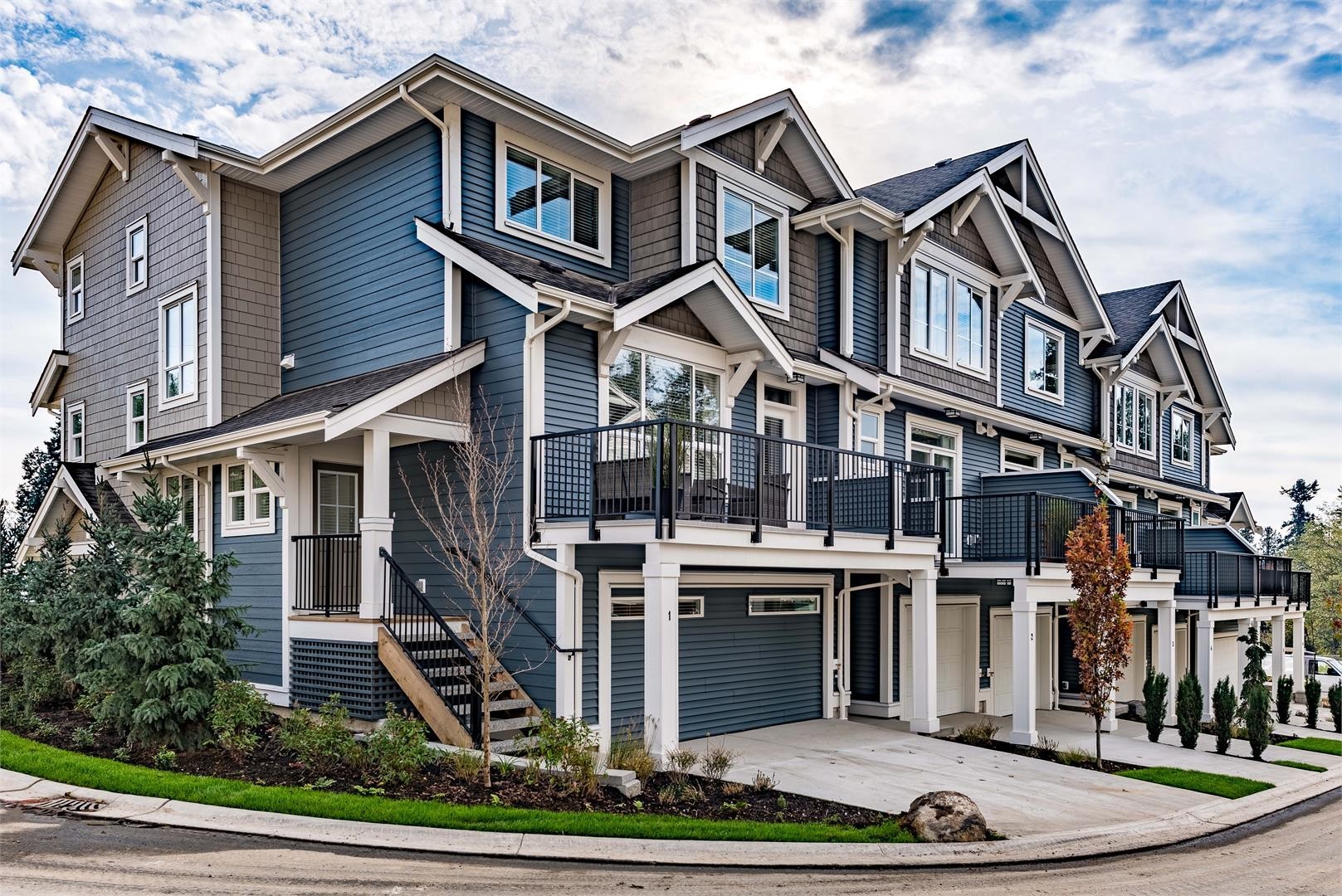
More Articles


Home Feature Guides
How Homes Work: Guides & Insights
Dive into guides that show what really matters in a house, from construction and materials to design choices and practical usability. Learn what questions to ask, what to watch for, and how to spot hidden issues so every feature—from tennis courts and home gyms to outdoor spaces and custom rooms—delivers the value it promises. These guides give the knowledge to assess every detail like an insider and avoid costly surprises.





Key Insights



Key Insights


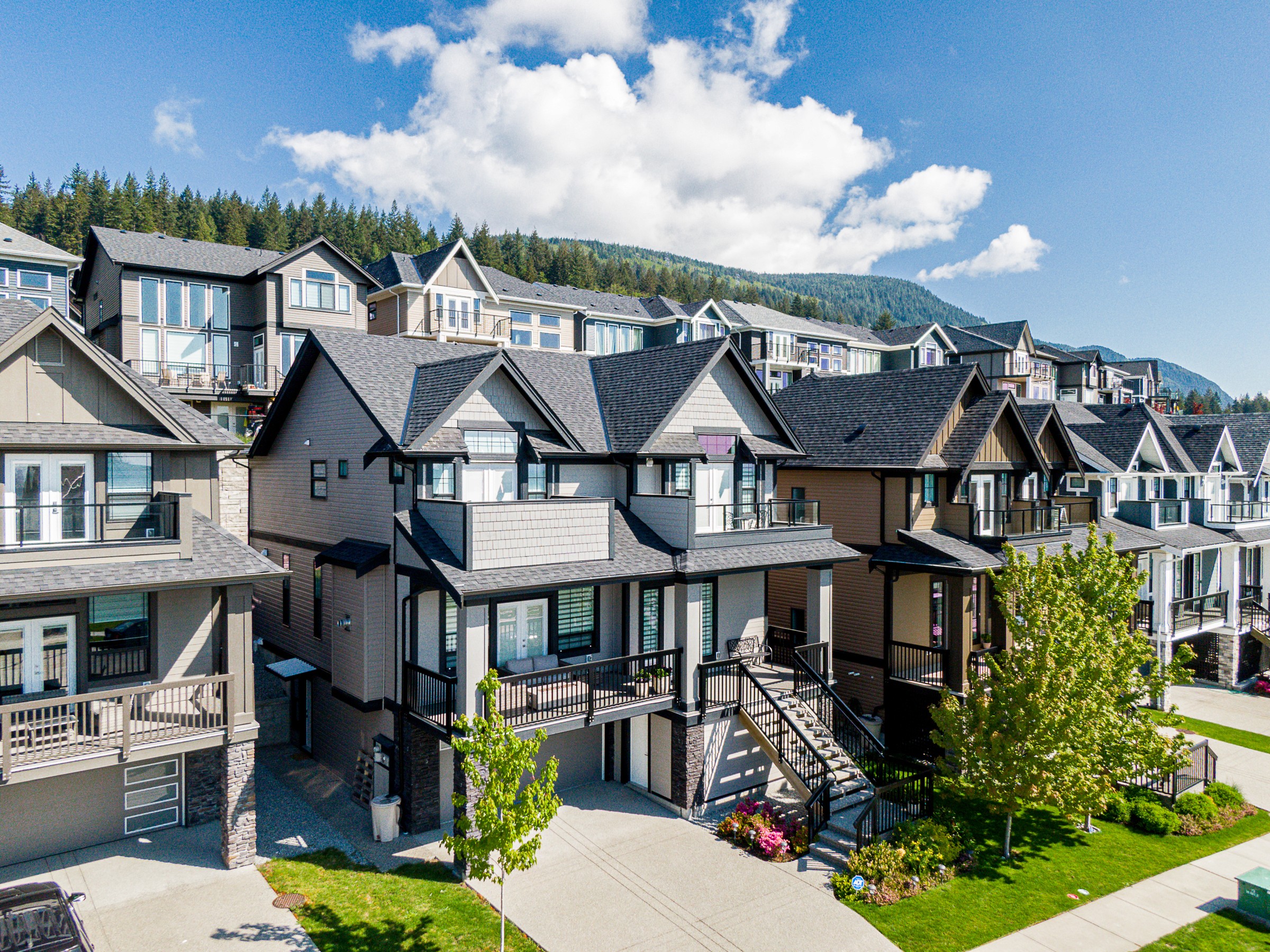


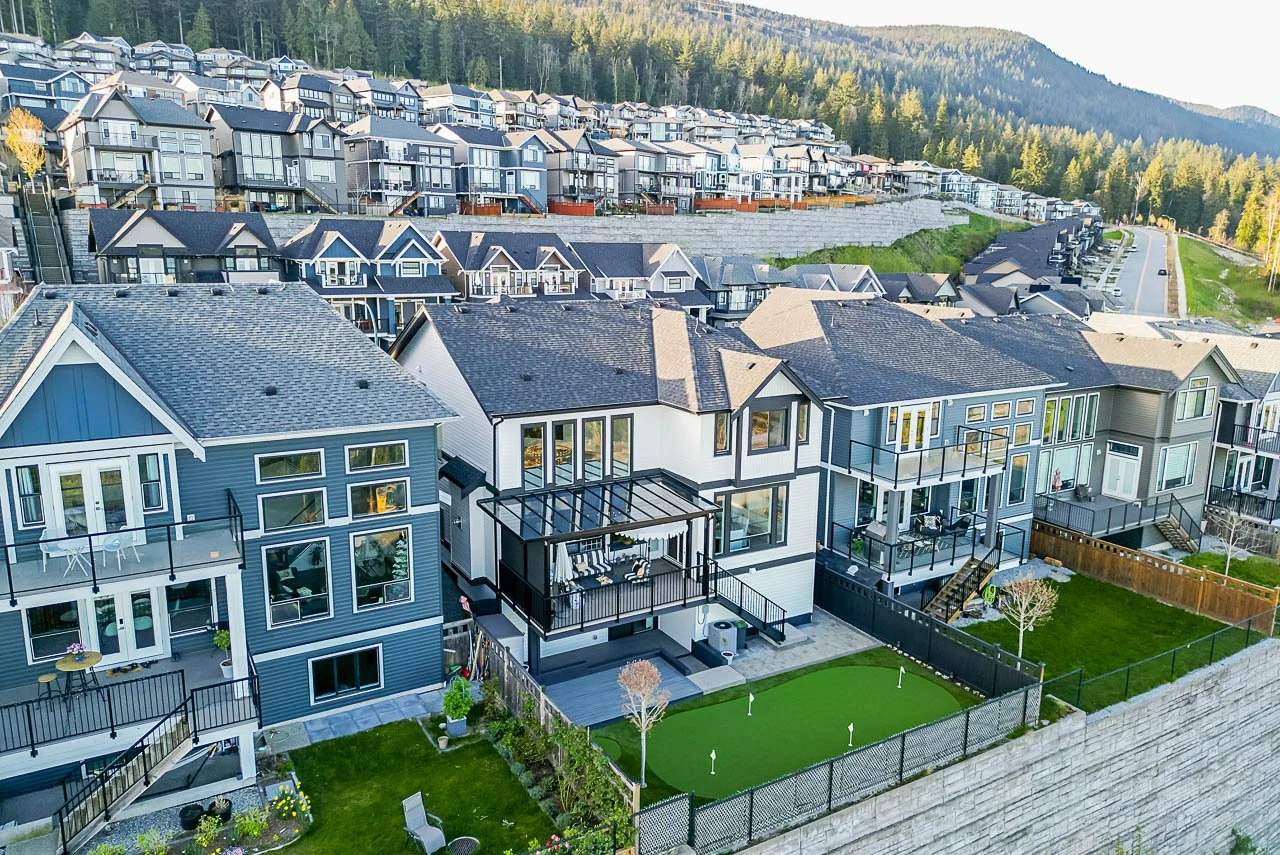



Recent
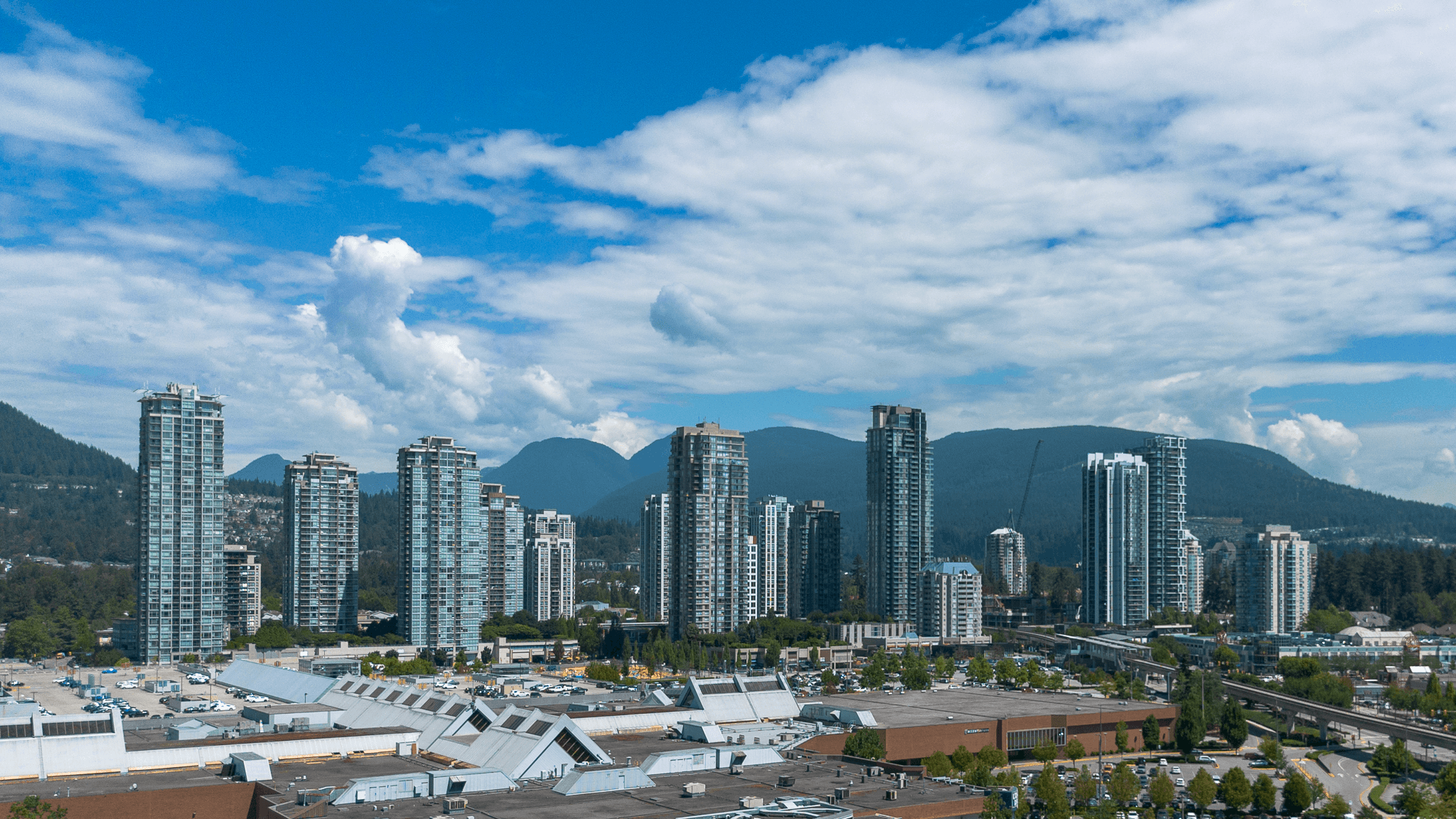


Recent





Victoria Estate Digest is your Go-to source for In-Depth Real Estate Insights, Market Trends, and Expert Analysis in British Columbia.
We cover everything from Housing Affordability and Foreign Investment to Luxury Properties and Emerging Market Opportunities.
Whether you're a Buyer, Seller, or Investor, we provide the Research and Knowledge you need to navigate BC’s ever-changing Real Estate Landscape.